Andy Warhol
1928–1987 · United States · Pop art
The story
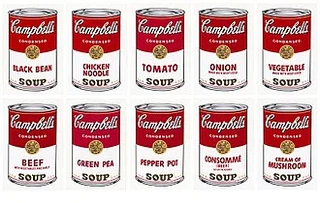
Andy Warhol started out drawing shoes for advertisements. Through the 1950s he was one of the best-paid commercial illustrators in New York, and that is the key to everything he did next. When he turned to fine art around 1960, he brought the whole commercial world in with him. He painted Campbell's soup cans, 32 of them, one for each variety the company sold, and hung them like grocery shelving.
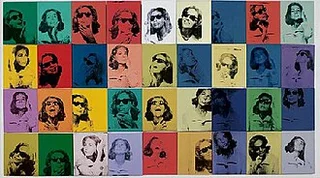
The art world had spent decades prizing the unique gesture of the artist's hand. Warhol wanted the opposite. By 1962 he had found his tool in the silkscreen, a printing process that let him reproduce a photograph in paint over and over with slight shifts of colour and registration. He set up a studio in Manhattan and called it the Factory, lined it with silver foil, filled it with a shifting crowd of actors, drifters and socialites, and made pictures the way a plant makes product. That summer Marilyn Monroe died, and Warhol silkscreened her publicity still in endless rows, her face brightening and smearing and fading down the sheet, fame and death run off the same machine.
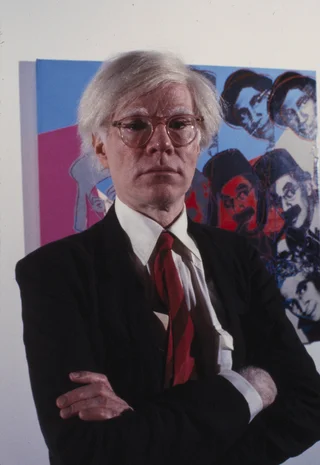
The Factory's open door had a cost. In 1968 a woman named Valerie Solanas, who had drifted through its scene and written a furious pamphlet against men, walked in and shot him in the chest. He was declared dead on the table and revived; two bullets had torn through several organs, and he wore a surgical corset under his clothes for the rest of his life. He went back to work, but colleagues said the room was never quite so open again. When he died in 1987 after routine gallbladder surgery, it emerged that this man who mass-produced images of soup and celebrities had gone quietly to Mass for most of his life, at a Catholic church on the Upper East Side.