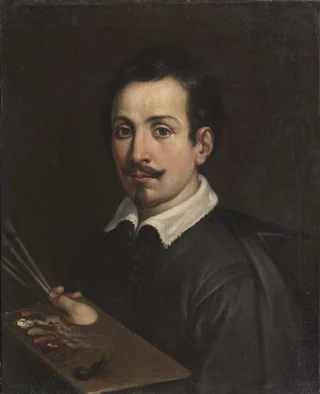
Guido Reni
1575–1642 · Papal States · Baroque
The story
Guido Reni was born in Bologna in 1575, the son of musicians, and at nine he was apprenticed to a Flemish painter working in the city. He soon moved to the academy run by the Carracci brothers, the workshop that was pulling Italian painting back toward clarity and grace after the twisting excesses of late Mannerism.
His most admired work is a ceiling. In 1614, for a garden house beside a cardinal's palace in Rome, Reni painted Aurora, the goddess of dawn, scattering flowers ahead of Apollo's chariot as the sun-god rides out over a waking landscape. The frieze runs light and even across the vault, closer to a Raphael relief than to the deep shadows Caravaggio had made fashionable a few years earlier in the same city.
Reni divided his life between Rome and Bologna, turning out altarpieces whose upturned faces and soft colour were copied for two centuries. He was also a compulsive gambler who ran up heavy debts in his last years, painting faster and looser to pay them. He died in Bologna in 1642 and was buried in the church of San Domenico there.
Works
35 works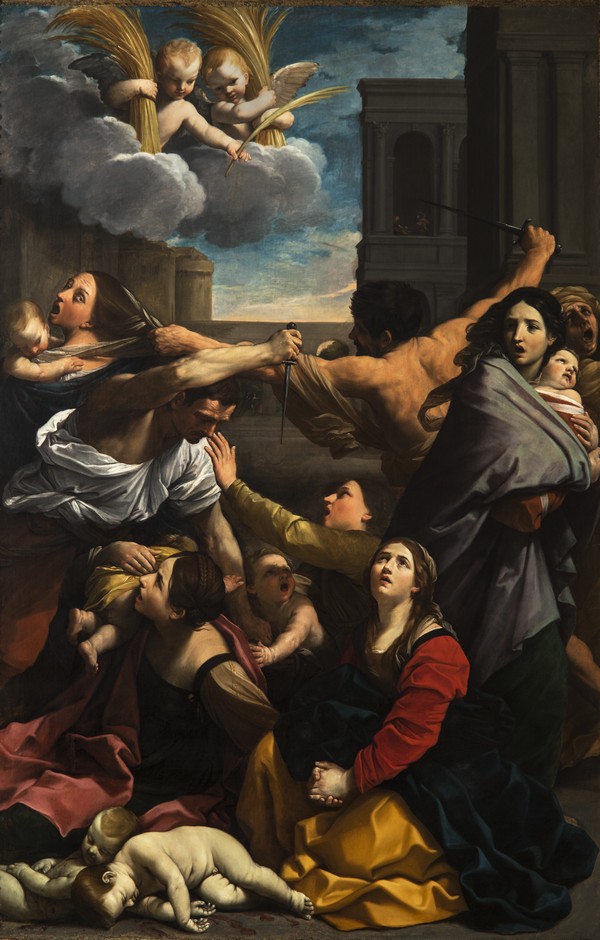 Massacre of the InnocentsGuido Reni, 1611
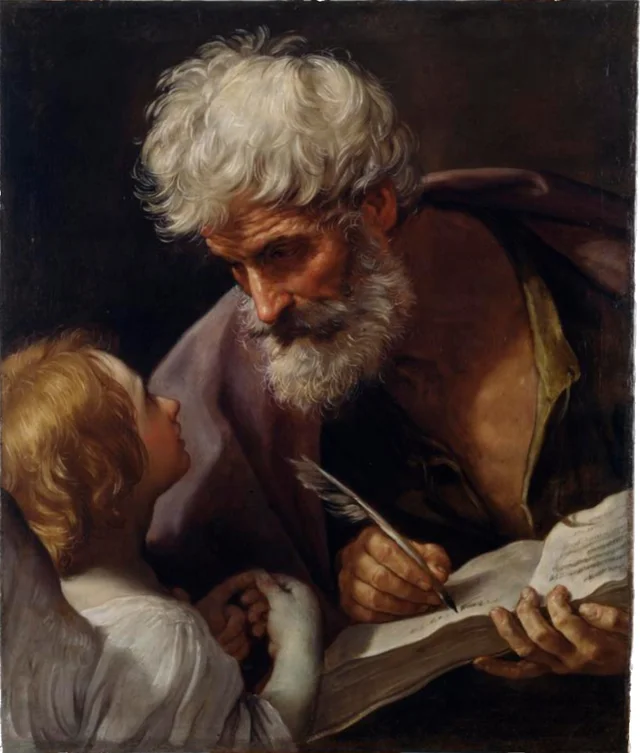 Saint Matthew and the AngelGuido Reni, 1620
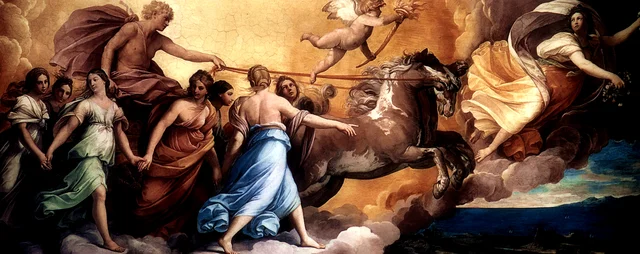 AuroraGuido Reni, 1612
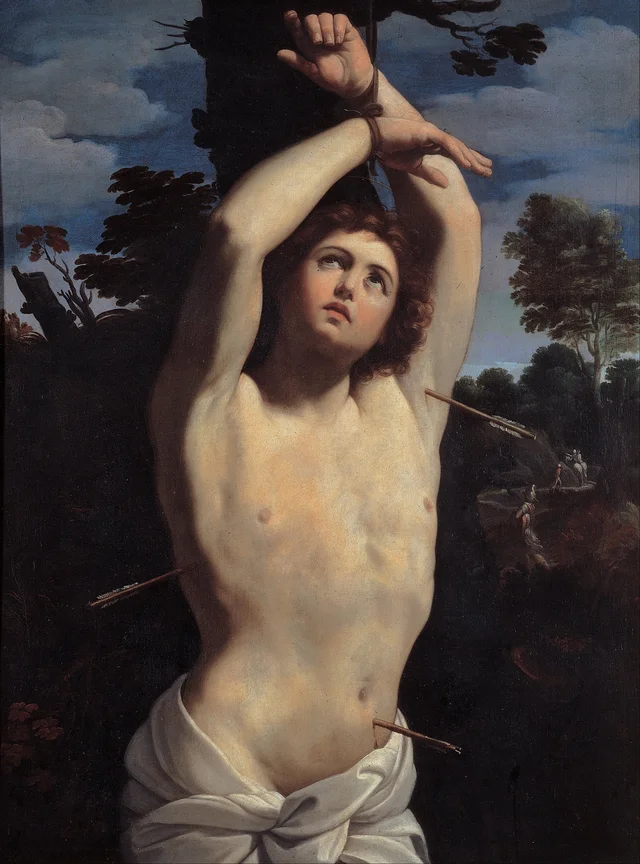 Saint SebastianGuido Reni, 1615
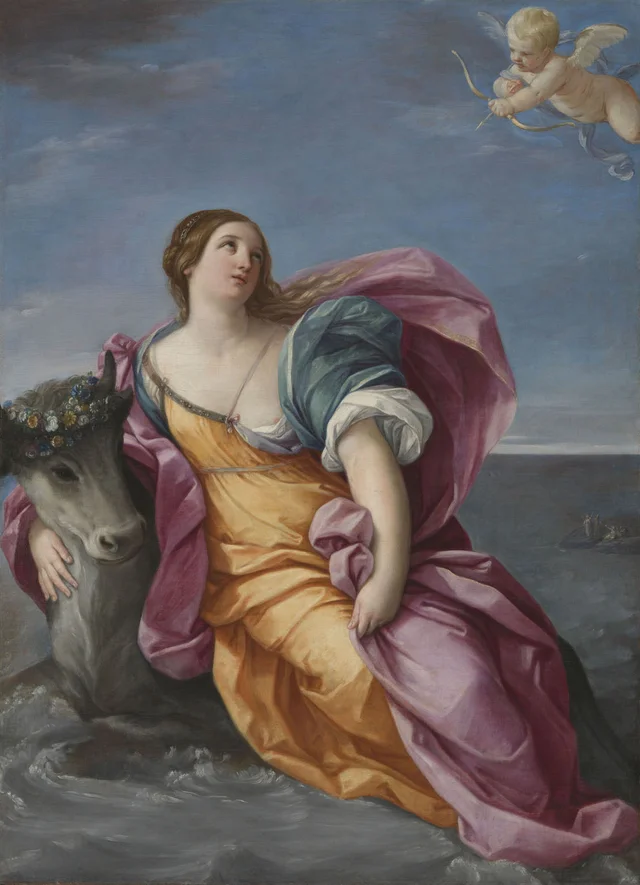 The Rape of EuropaGuido Reni, 1637
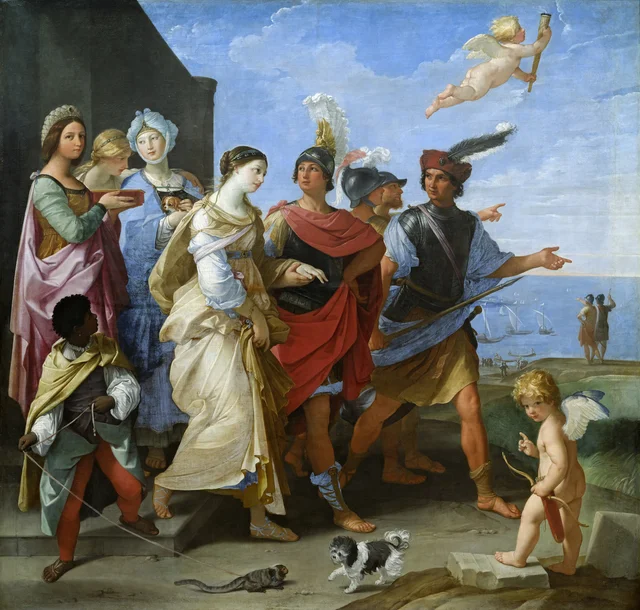 The Rape of HelenGuido Reni, 1631
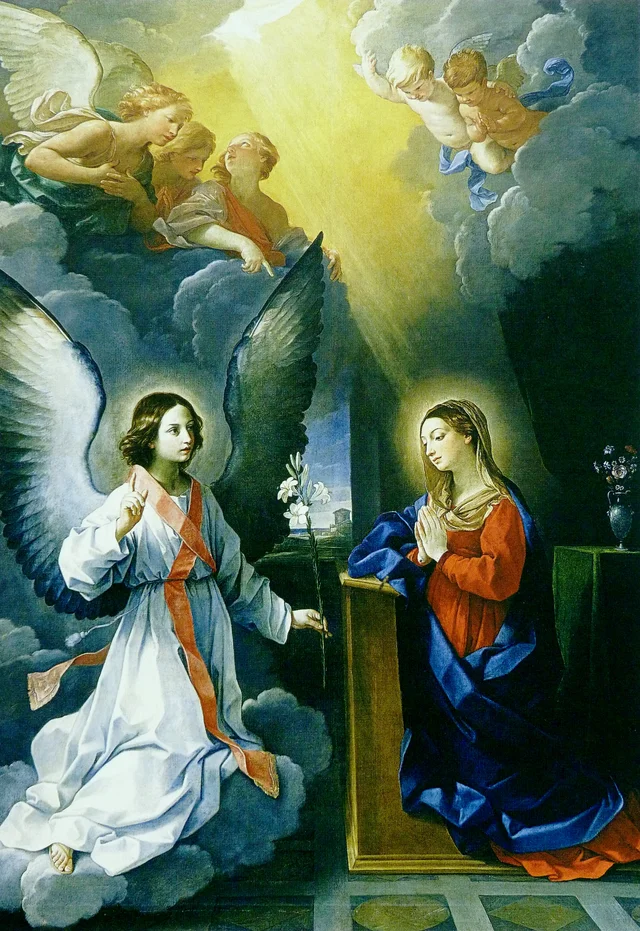 AnnunciationGuido Reni, 1629
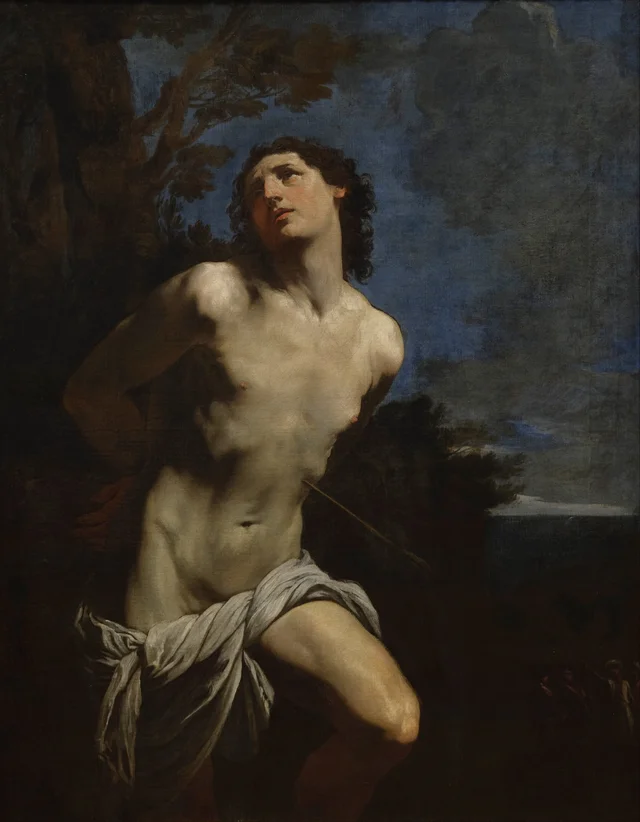 Saint SebastianGuido Reni, 1625
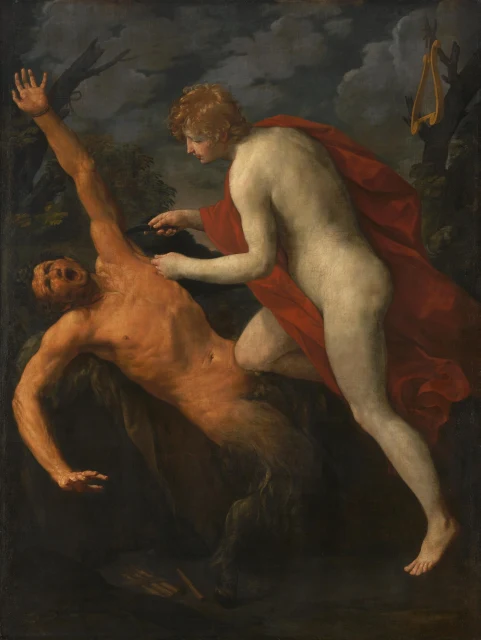 Apollo Flaying MarsyasGuido Reni, 1633
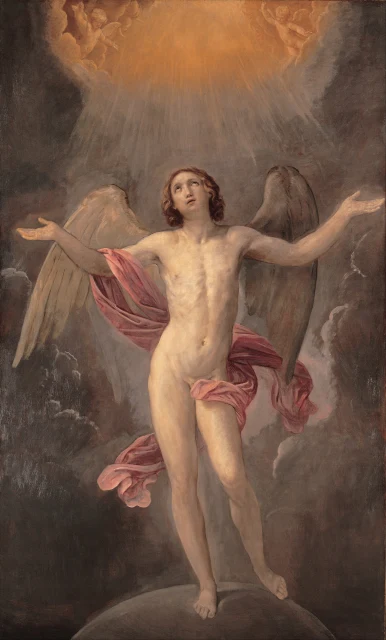 Blessed SoulGuido Reni, 1641
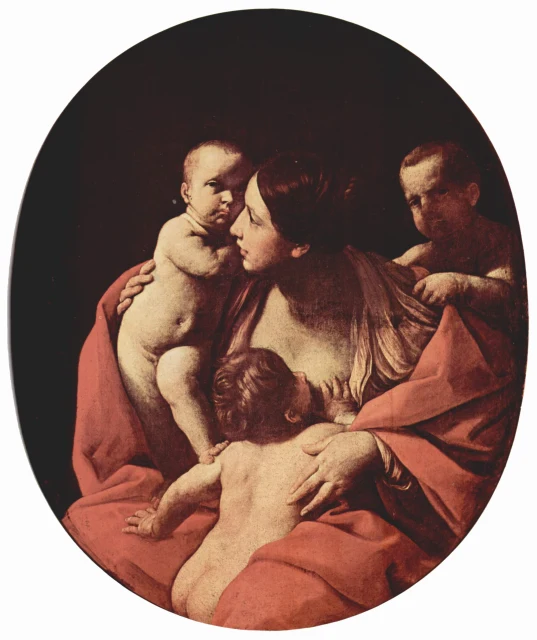 CharityGuido Reni, 1611
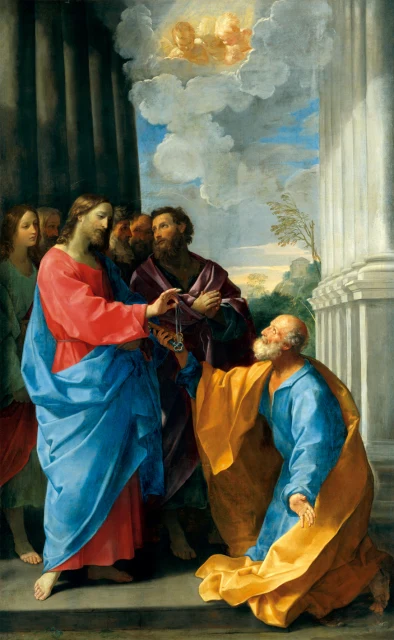 Christ Giving the Keys to Saint PeterGuido Reni, 1622
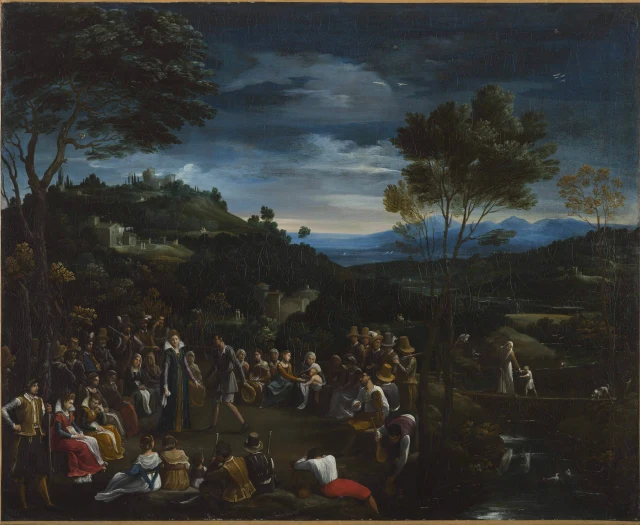 Country DanceGuido Reni, 1601
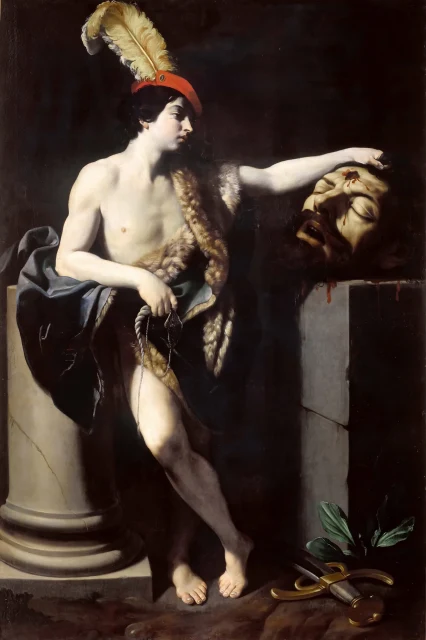 David with the Head of GoliathGuido Reni, 1605
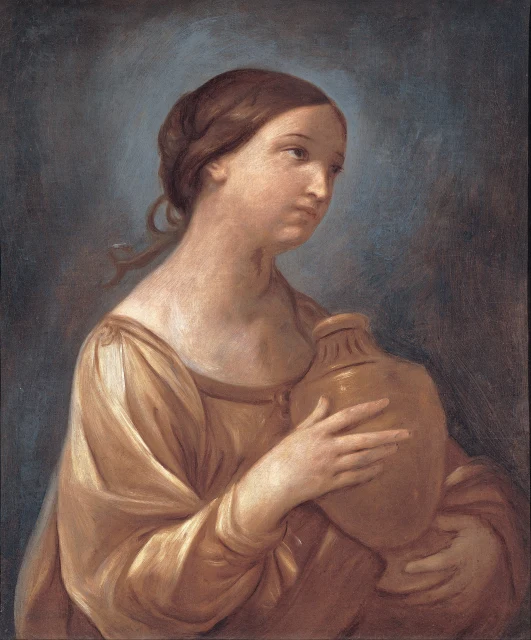 Girl with an AmphoraGuido Reni, 1641
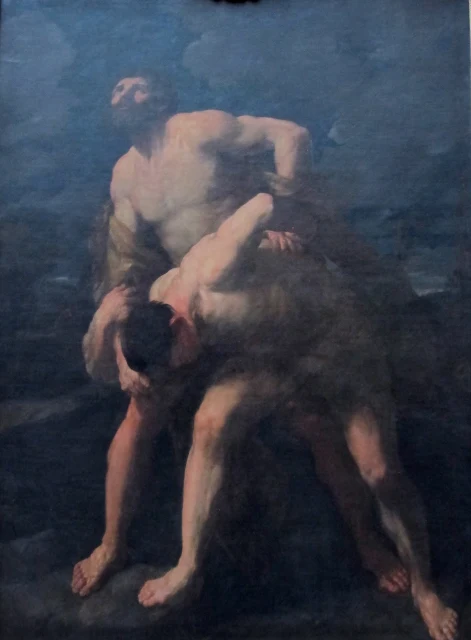 Hercules and AchelousGuido Reni, 1619
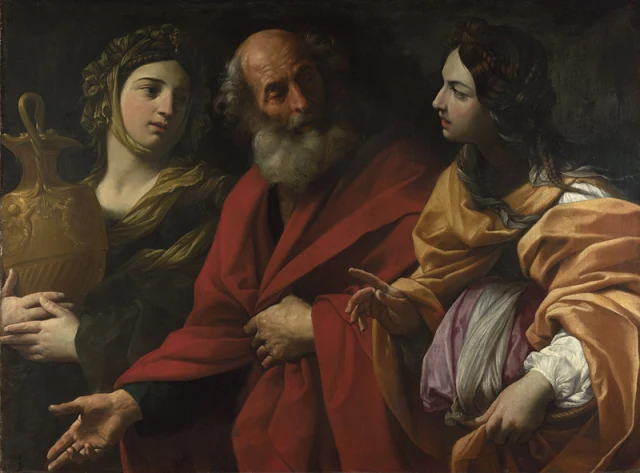 Lot and his Daughters leaving SodomGuido Reni, 1614
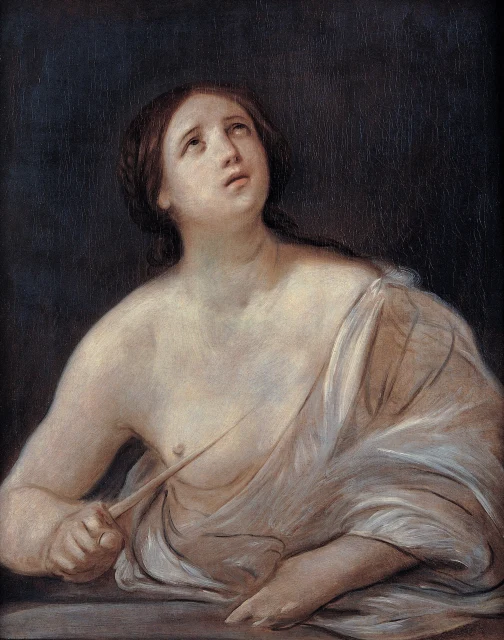 LucretiaGuido Reni, 1641
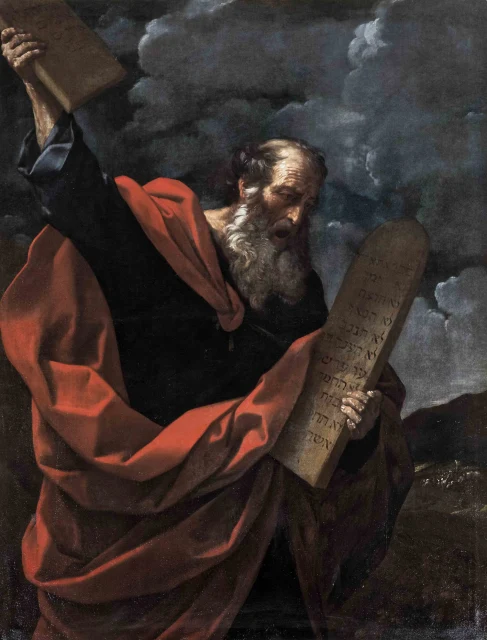 Moses Breaking the Tablets of the LawGuido Reni, 1622
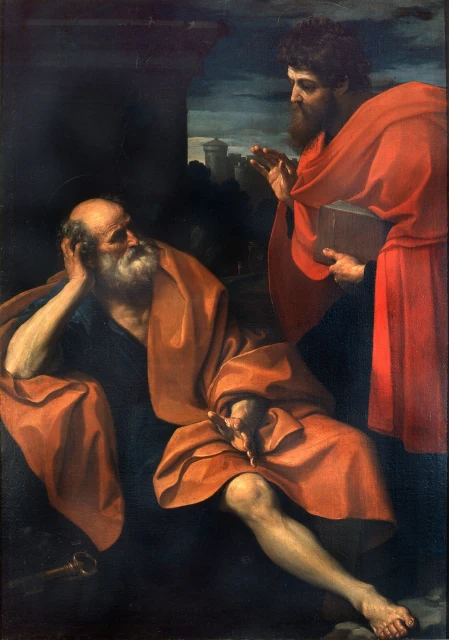 Paul Rebukes the Repentant PeterGuido Reni, 1609
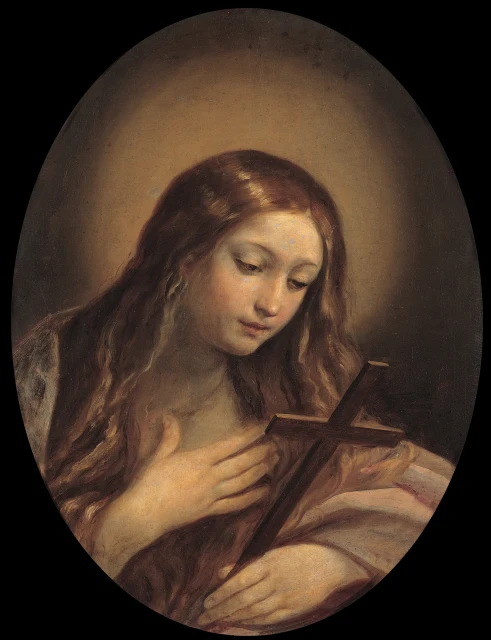 Penitent MagdaleneGuido Reni, 1637
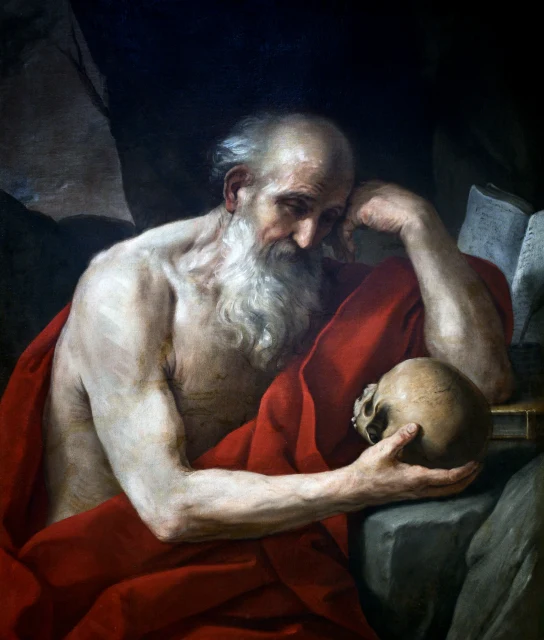 Saint JeromeGuido Reni, 1640
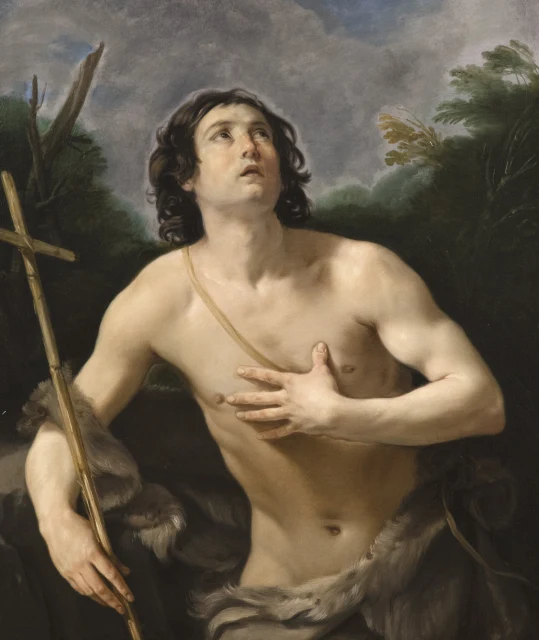 Saint John the Baptist in the WildernessGuido Reni, 1635
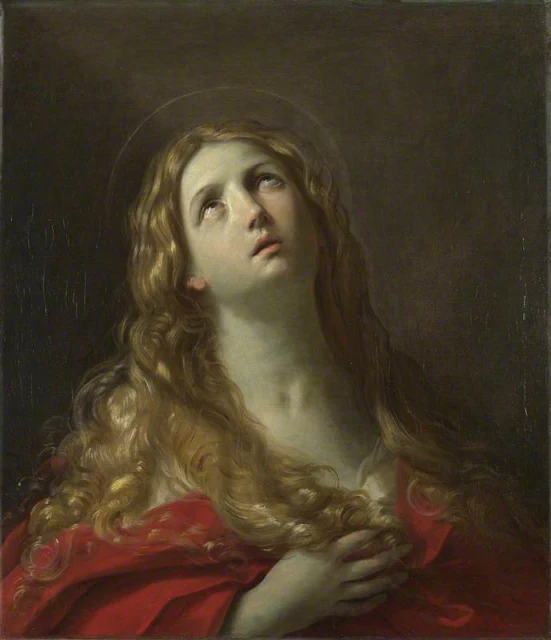 Saint Mary MagdaleneGuido Reni, 1634
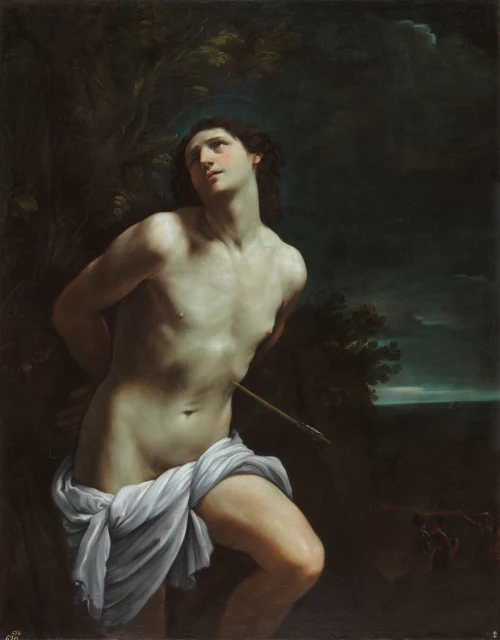 Saint SebastianGuido Reni, 1619