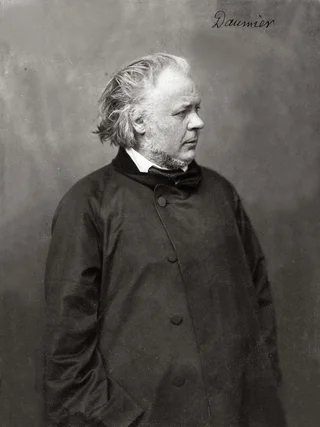
Honoré Daumier
1808–1879 · France · Realism
The story
In December 1831, Daumier published a lithograph called Gargantua in the magazine La Caricature: King Louis-Philippe drawn as Rabelais's giant, gorging on baskets of coins carried up a plank by the poor while, underneath his throne, ministries and honors dropped out the other end. The government read it as the insult it was. Daumier spent six months in prison for it, at 24, and paid a 500-franc fine.
He kept working anyway. For nearly forty years he drew for Le Charivari, a Paris daily, turning out a caricature almost every week: lawyers, doctors, landlords, the whole self-satisfied middle class of the July Monarchy and the Second Empire, mocked in a few strokes of lithographic crayon. He produced roughly four thousand lithographs in his lifetime, more than almost any artist has ever made of anything.
Painting came late and mostly in private. Daumier showed his oils rarely, worked slowly, and went nearly blind in his final years. His friend Camille Corot, the landscape painter, quietly bought him a small house outside Paris and let him live there for nothing once his eyesight and his income both failed.
Works
13 works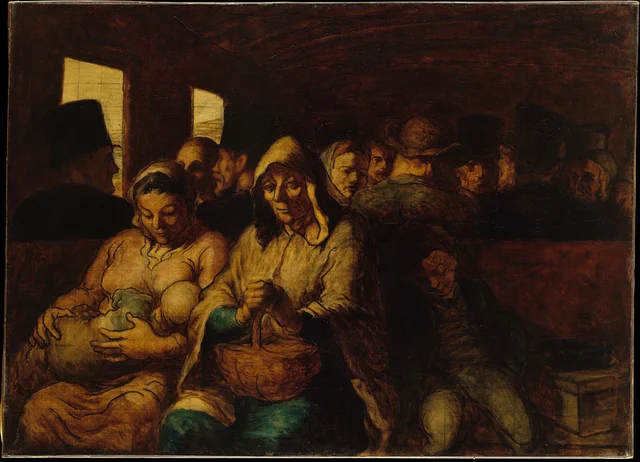 The Third-Class CarriageHonoré Daumier, 1868
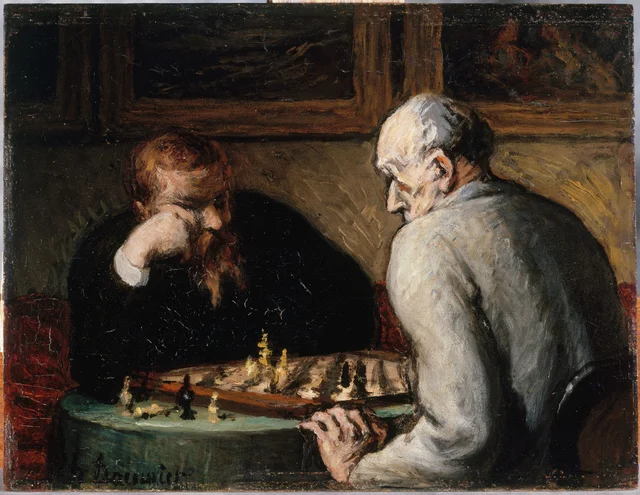 The Chess playersHonoré Daumier, 1865
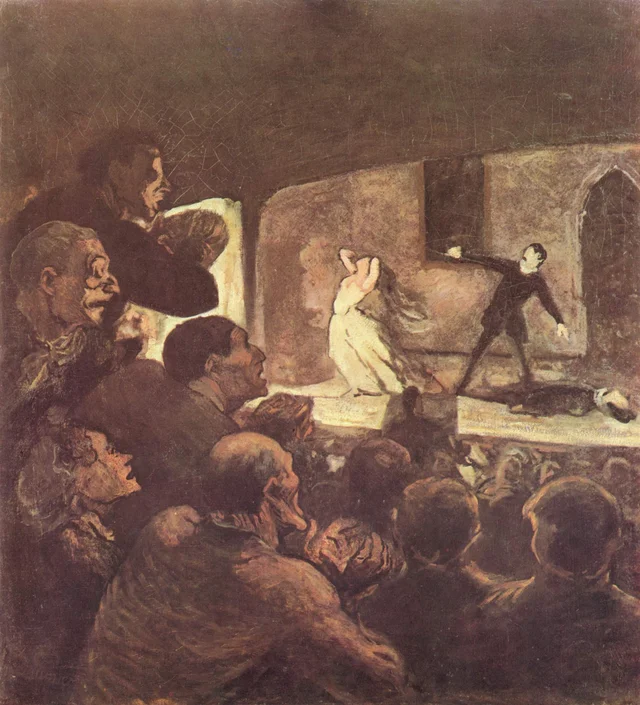 The MelodramaHonoré Daumier, 1860
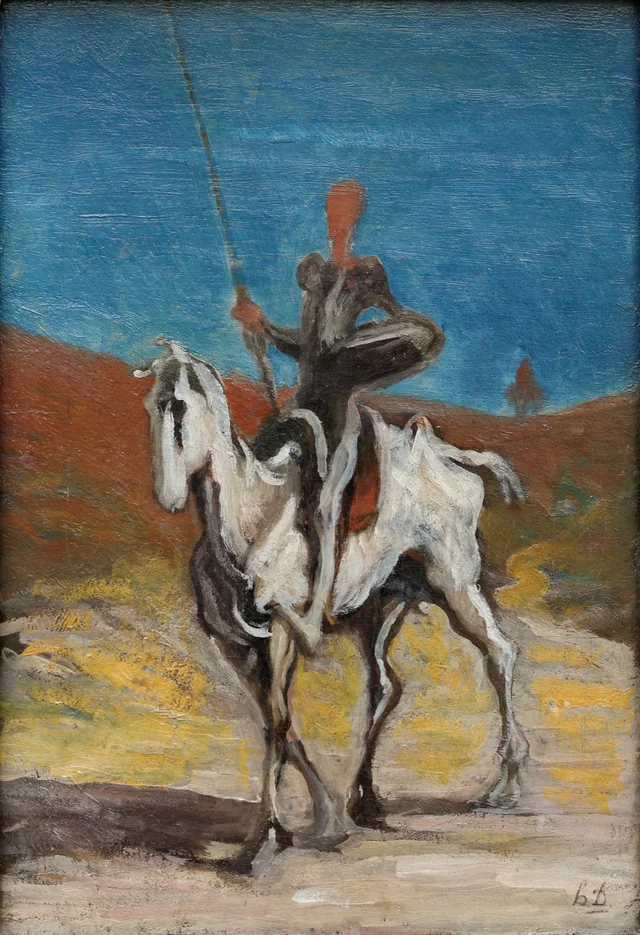 Don Quijote and Sancho PanzaHonoré Daumier, 1868
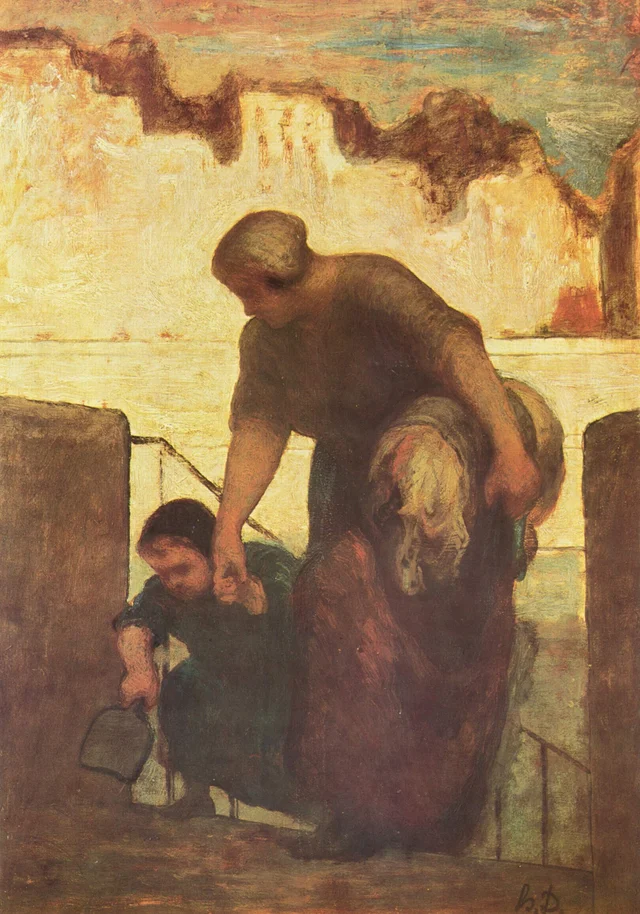 The LaundressHonoré Daumier, 1863
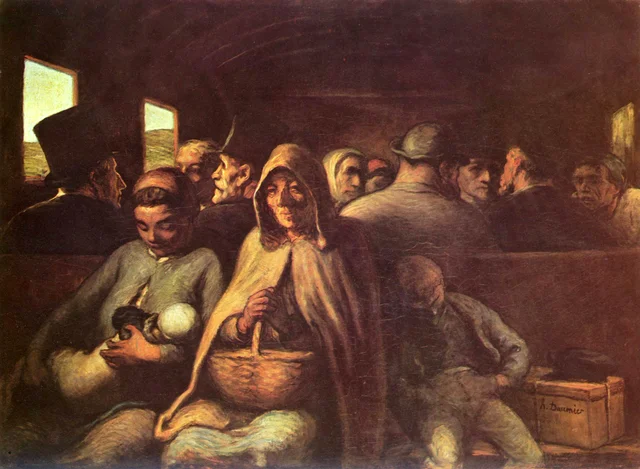 The Third-Class CarriageHonoré Daumier, 1863
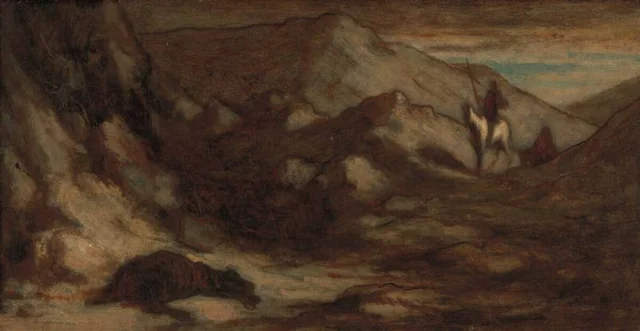 Don Quixote and the Dead MuleHonoré Daumier, 1850
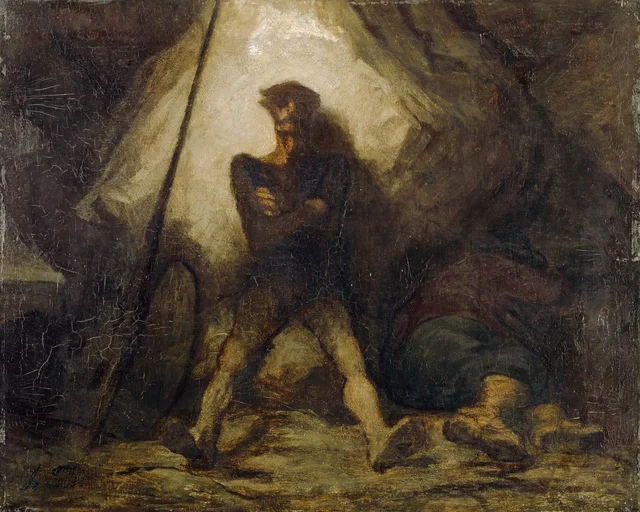 Don Quixote’s VigilHonoré Daumier, 1855
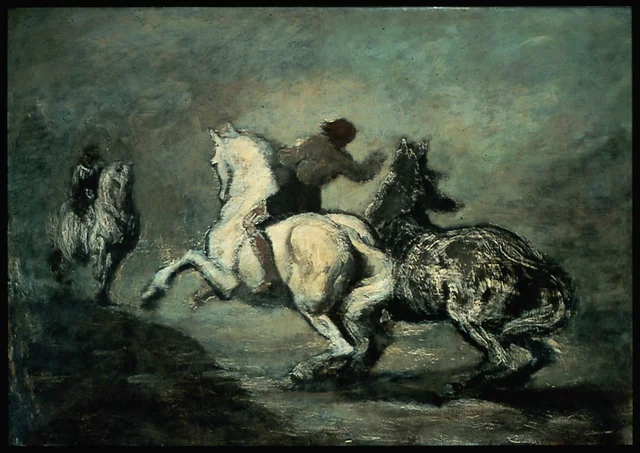 HorsemenHonoré Daumier, 1855
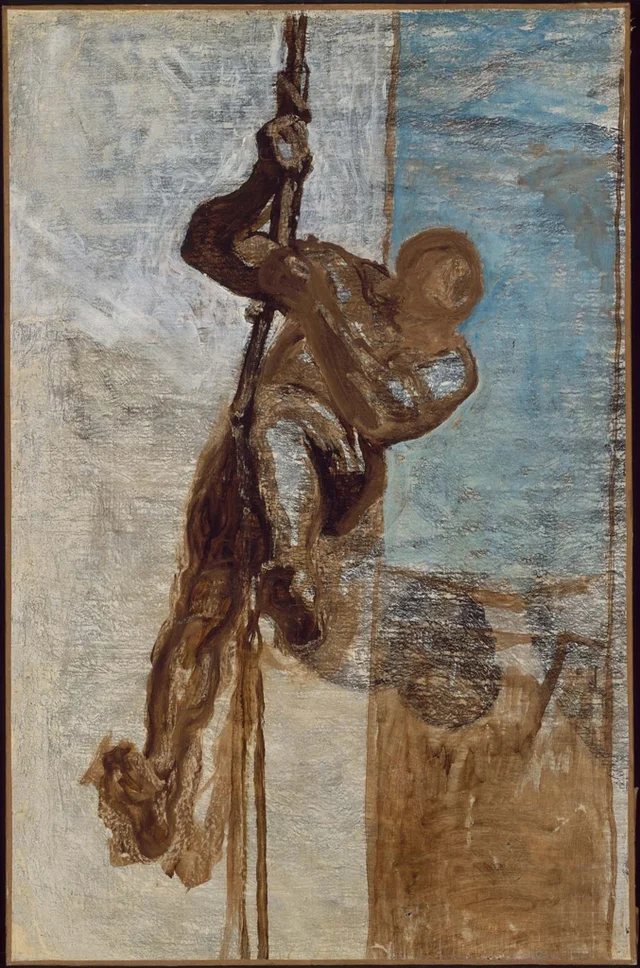 Man on a RopeHonoré Daumier, 1858
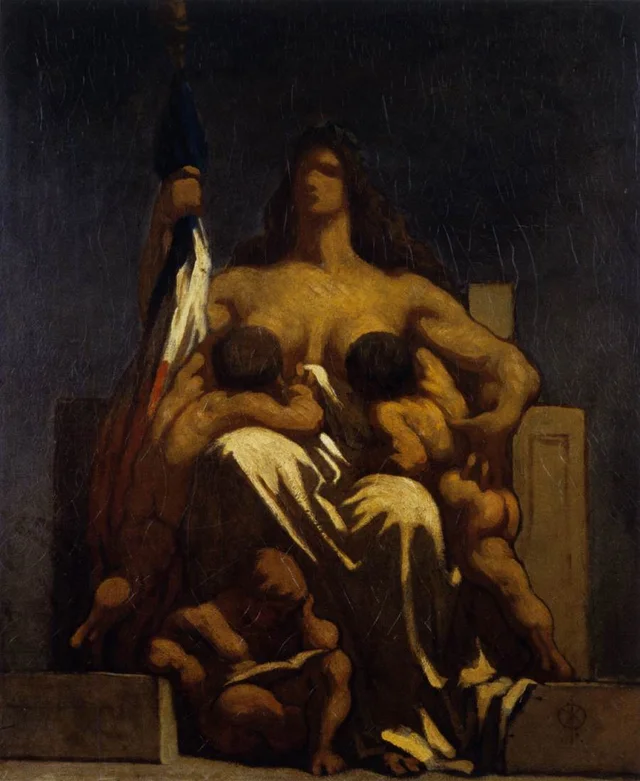 The RepublicHonoré Daumier, 1848
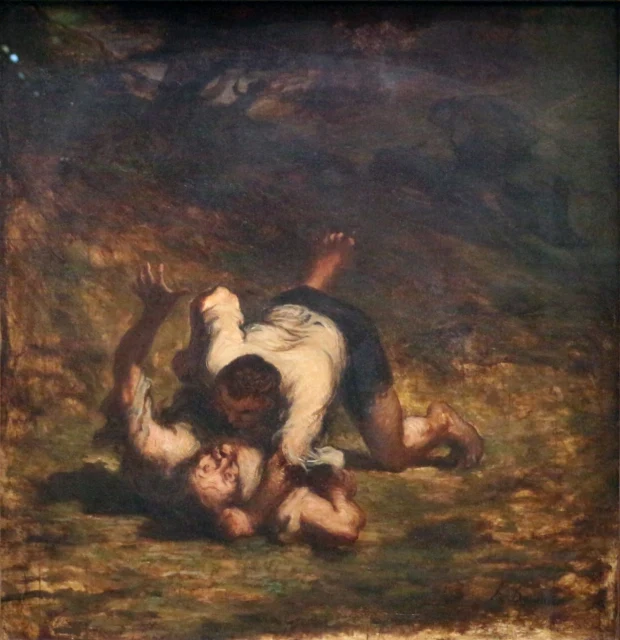 Thieves and the DonkeyHonoré Daumier, 1858
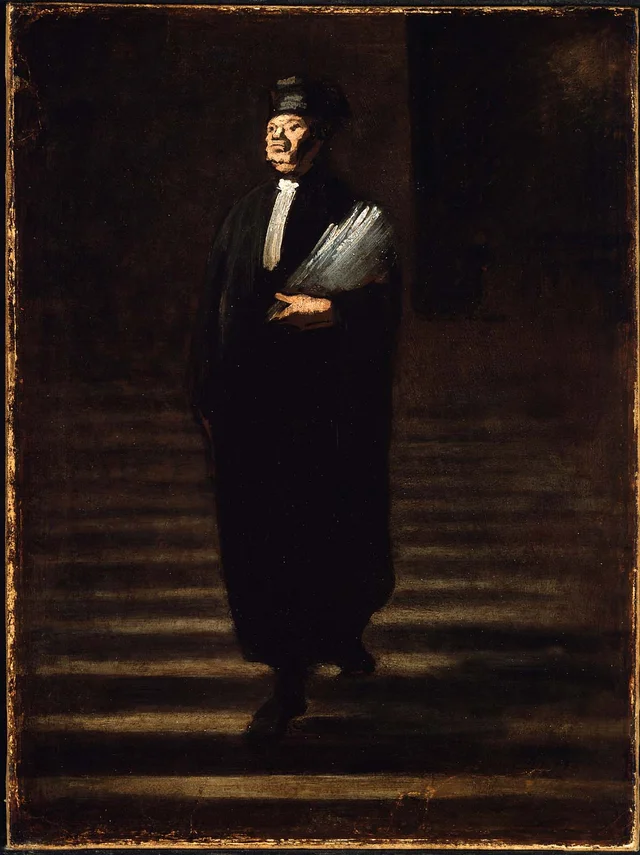 Triumphant AdvocateHonoré Daumier, 1847