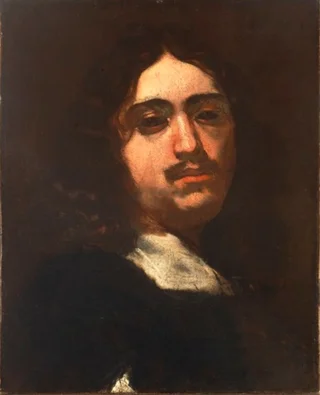
Jusepe de Ribera
1591–1652 · Crown of Aragon · Baroque
The story
In 1616 a young Spanish painter left Rome for Naples, one step ahead of creditors he could not pay. Naples was then a Spanish possession, ruled by a viceroy sent from Madrid, so a Spaniard there could work for the local Neapolitan elite and for visiting Spanish nobles at once. Ribera settled in for good. That same year he married Caterina Azzolino, daughter of a Neapolitan painter, a match that opened doors a newcomer needed.
He painted in the dramatic dark-into-light manner pioneered by the Italian painter Caravaggio, who had worked in Naples a few years earlier and died there in 1610. Ribera pushed the naturalism further, painting martyred saints, aged philosophers and the flayed satyr Marsyas with a bluntness that earned him the nickname Lo Spagnoletto, the little Spaniard. Spanish viceroys bought his canvases and shipped them home to Spain, which is how a painter who never returned there still became one of its most famous artists, ranked today alongside other Spanish Baroque masters like Diego Velázquez and Francisco de Zurbarán.
By the early 1630s his lighting had softened from stark contrast toward something more diffused. A 1642 painting of a beggar boy with a clubbed foot, now in the Louvre museum in Paris, shows the boy grinning and holding a paper inscribed, in Latin, with a request for alms for the love of God.
Works
115 works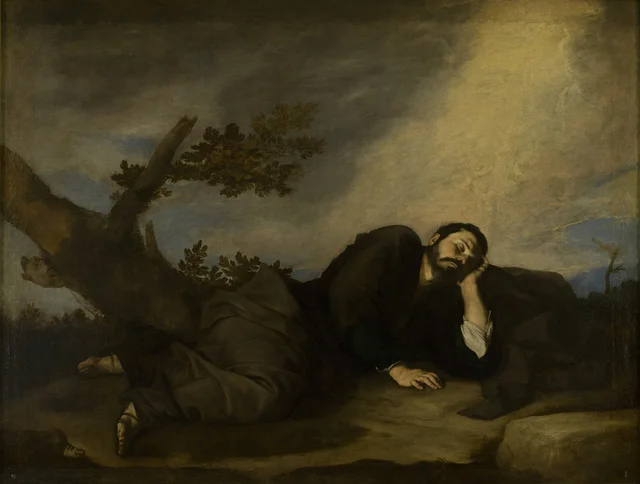 Jacob’s DreamJusepe de Ribera, 1639
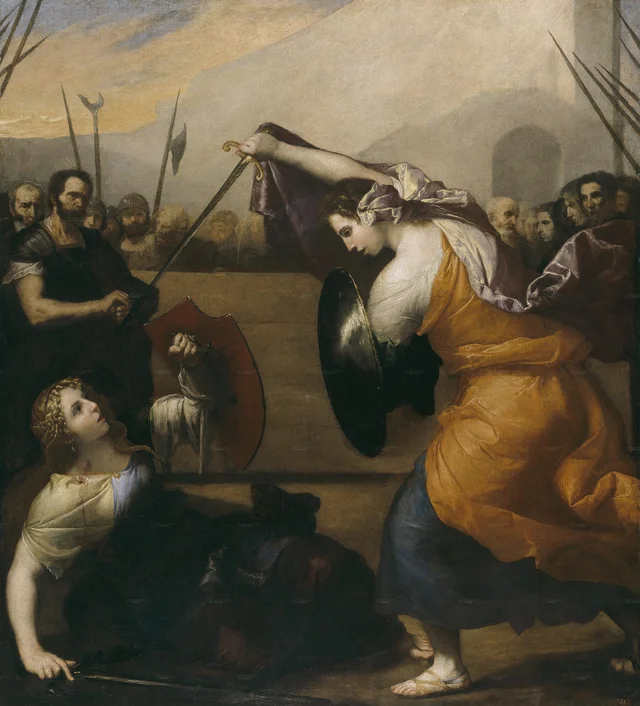 Women GladiatorsJusepe de Ribera, 1636
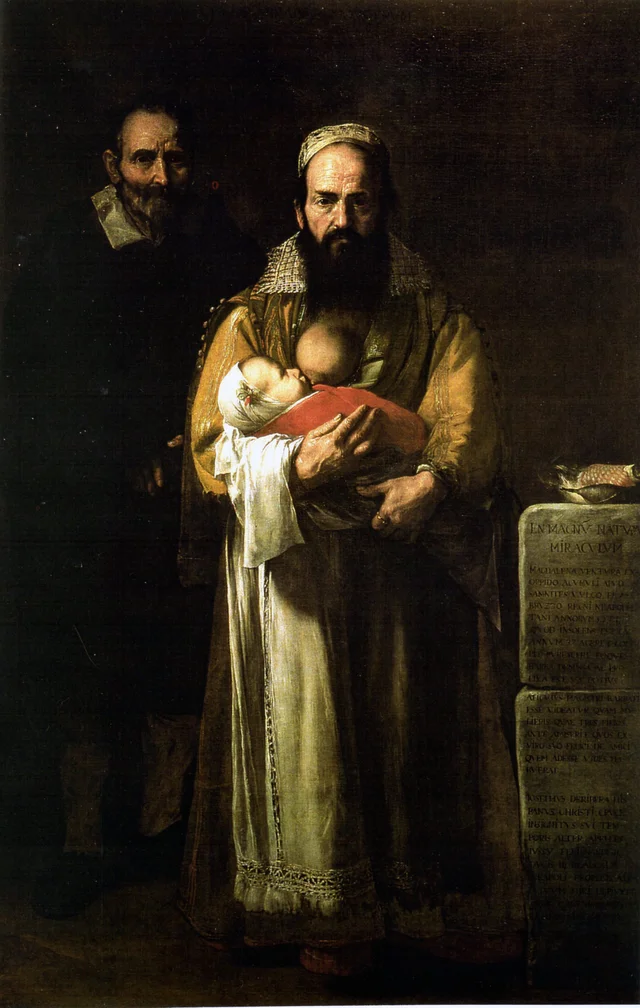 Magdalena Ventura with Her Husband and SonJusepe de Ribera, 1631
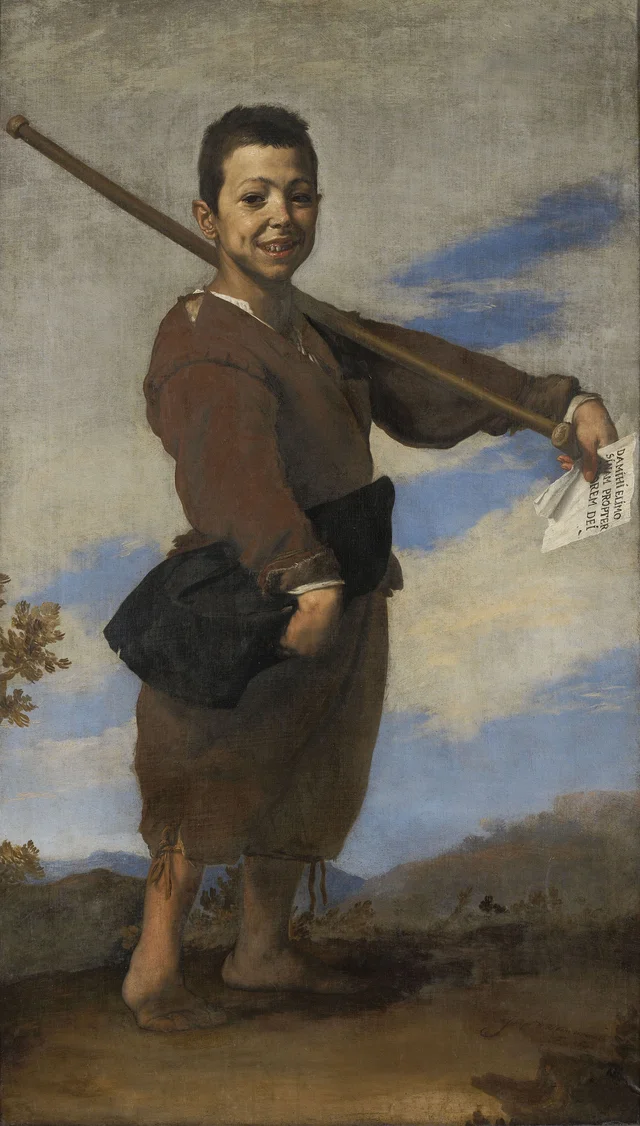 The ClubfootJusepe de Ribera, 1642
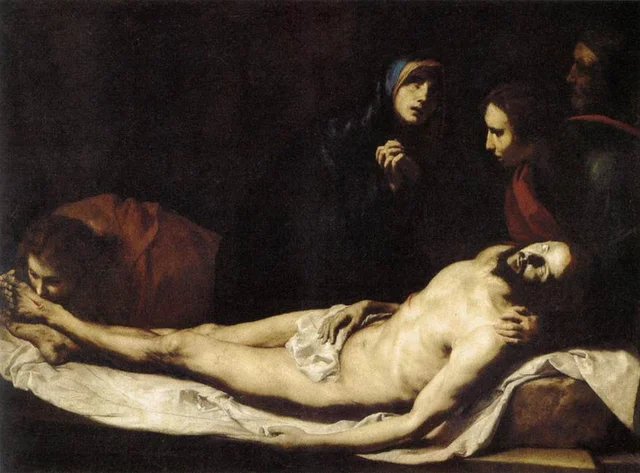 PietàJusepe de Ribera, 1633
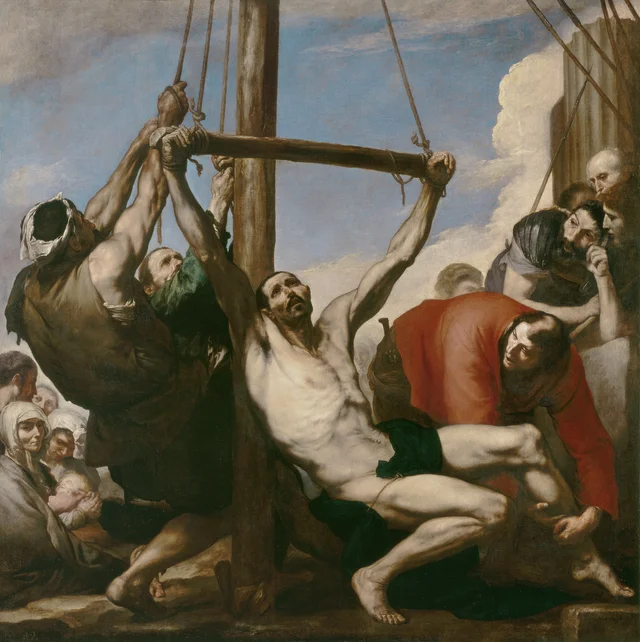 The Martyrdom of Saint PhilipJusepe de Ribera, 1639
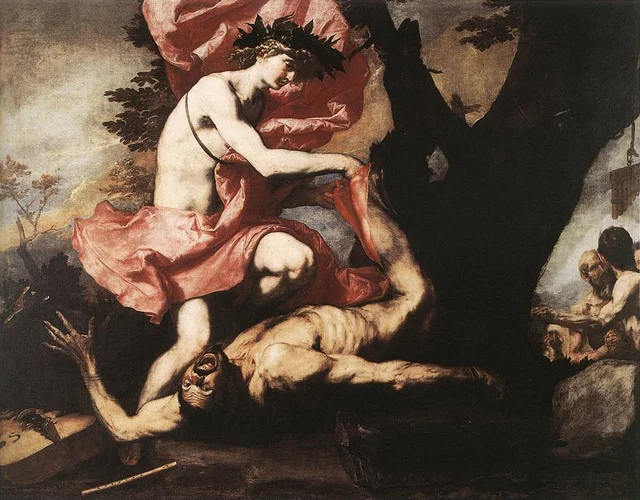 Apollo Flaying MarsyasJusepe de Ribera, 1637
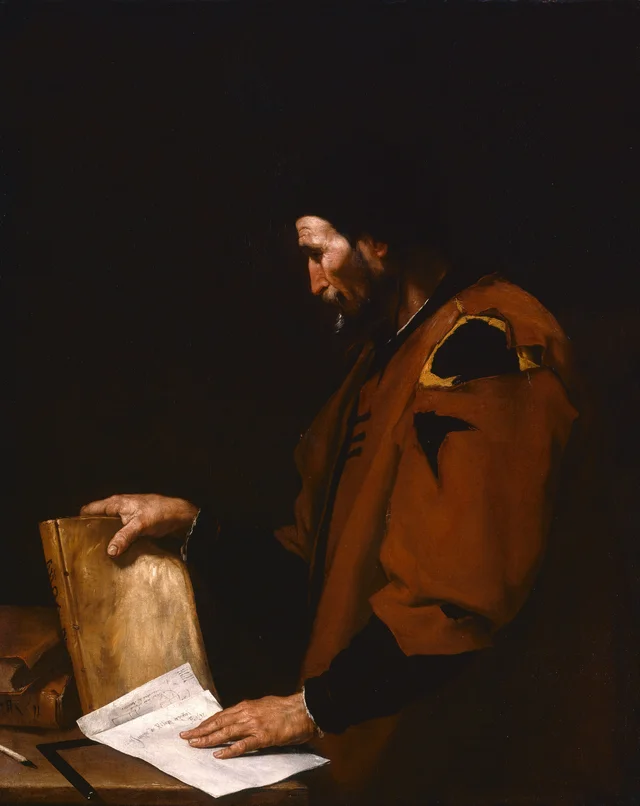 AristotleJusepe de Ribera, 1637
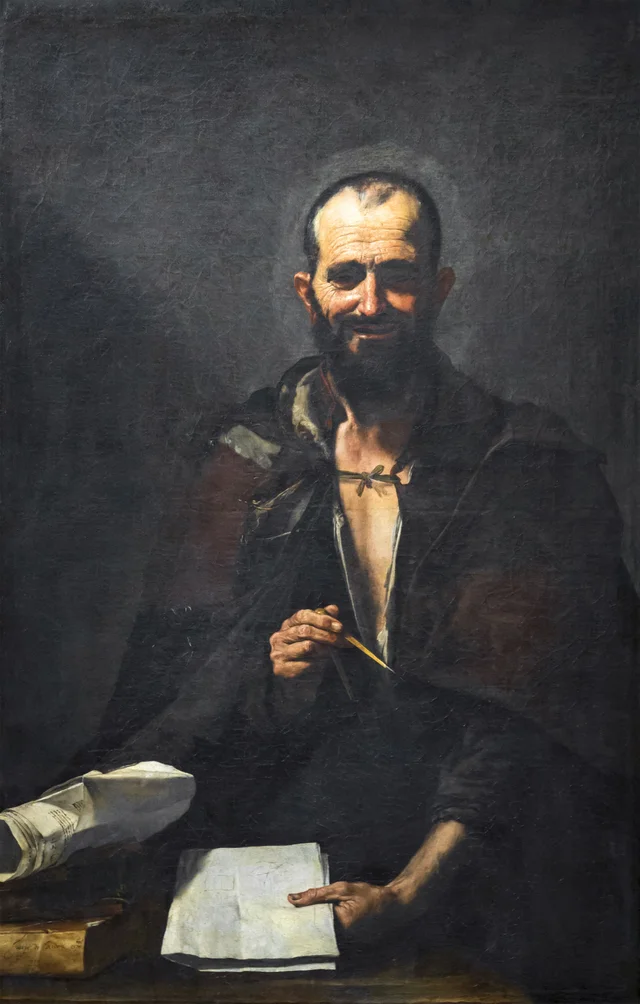 DemocritusJusepe de Ribera, 1630
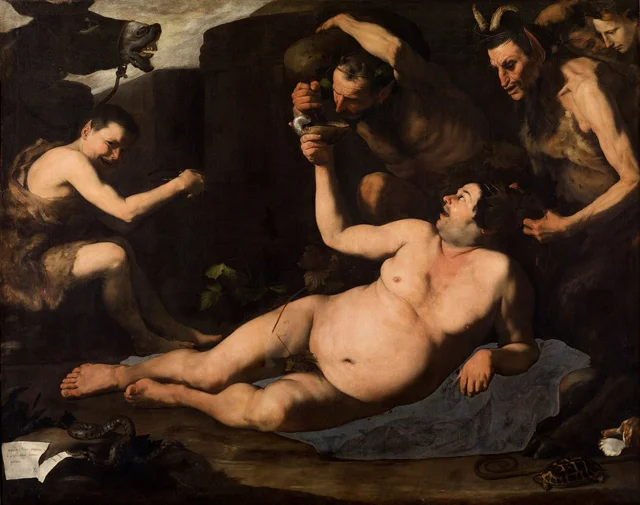 Drunken SilenusJusepe de Ribera, 1626
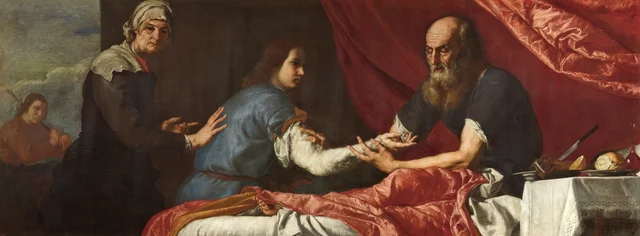 Isaac and JacobJusepe de Ribera, 1637
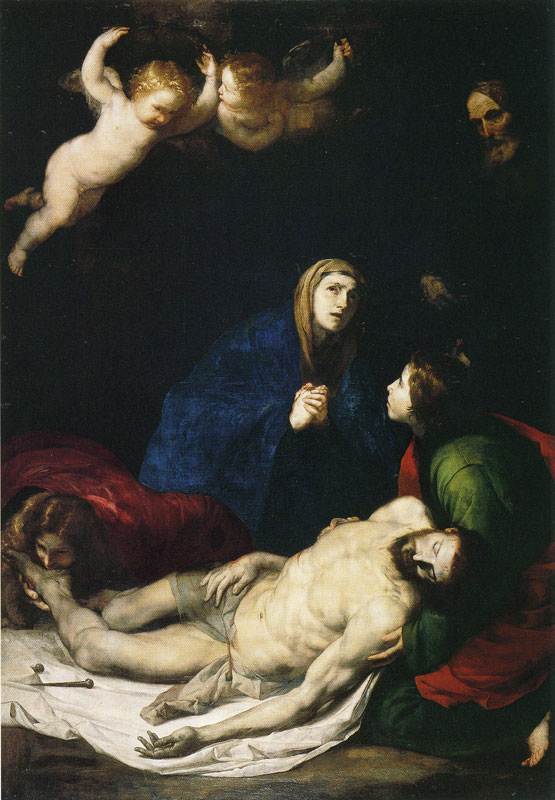 Lamentation over the dead ChristJusepe de Ribera, 1637
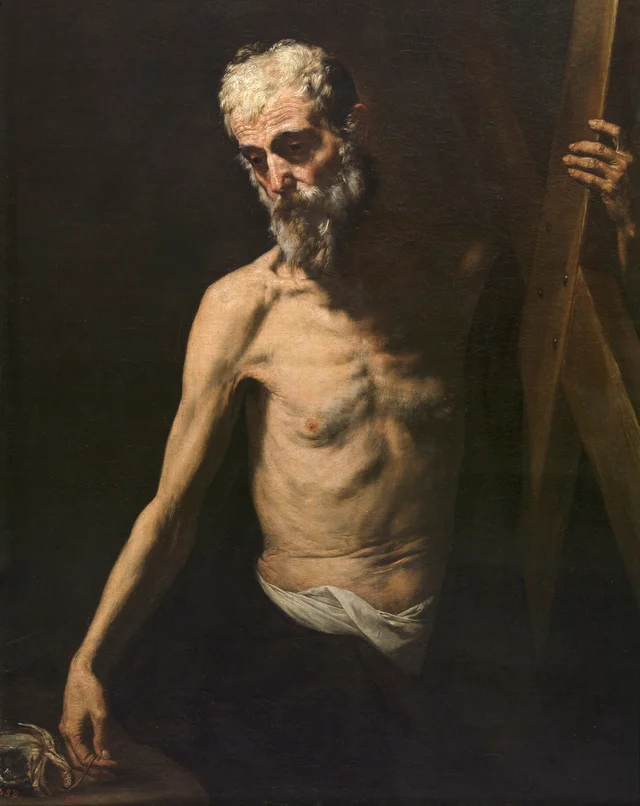 Saint AndrewJusepe de Ribera, 1631
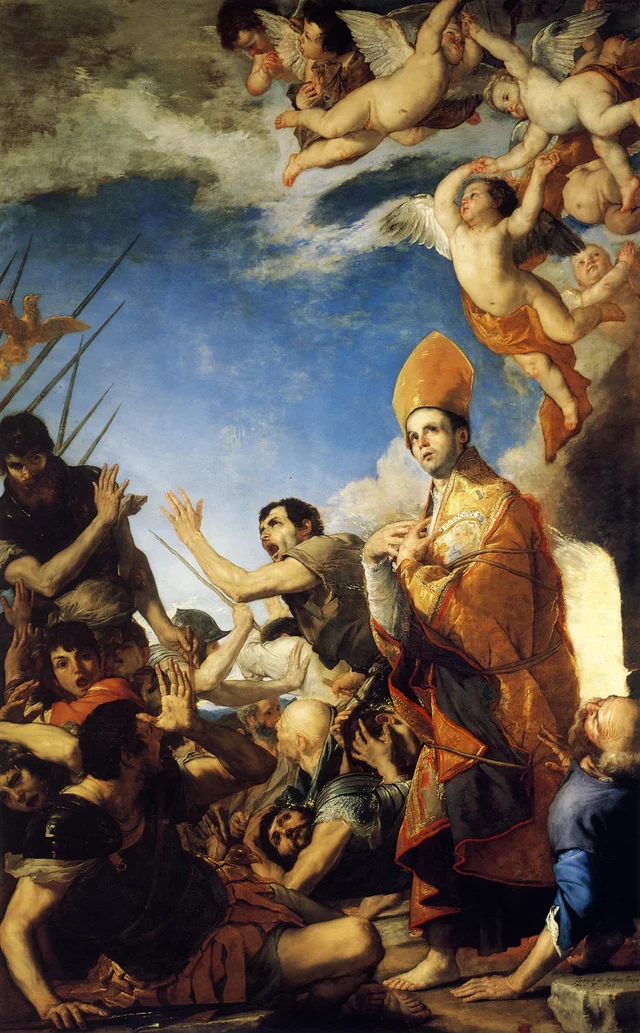 Saint Januarius leaves the furnaceJusepe de Ribera, 1646
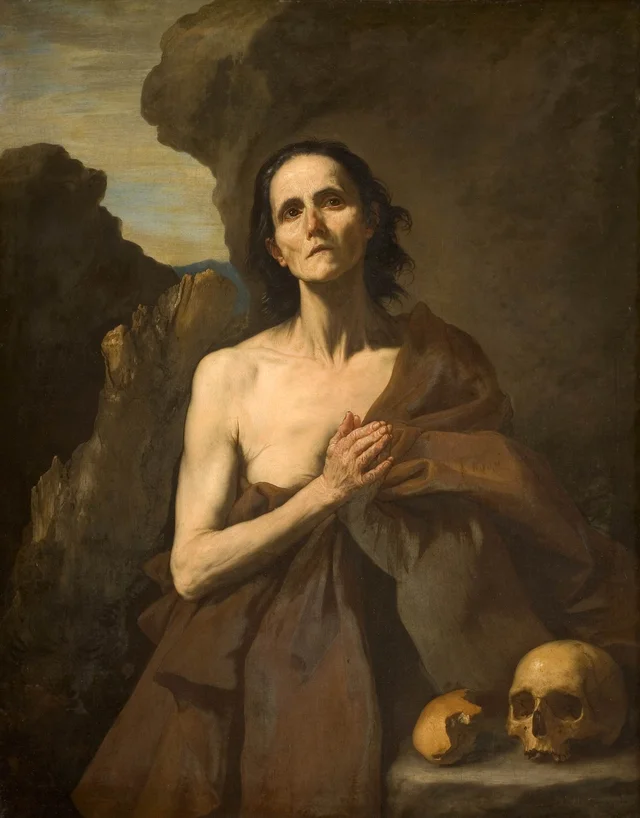 Saint Mary of EgyptJusepe de Ribera, 1641
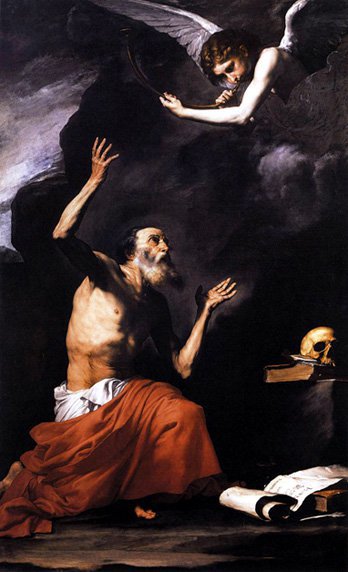 St. Jerome and the Angel of JudgmentJusepe de Ribera, 1626
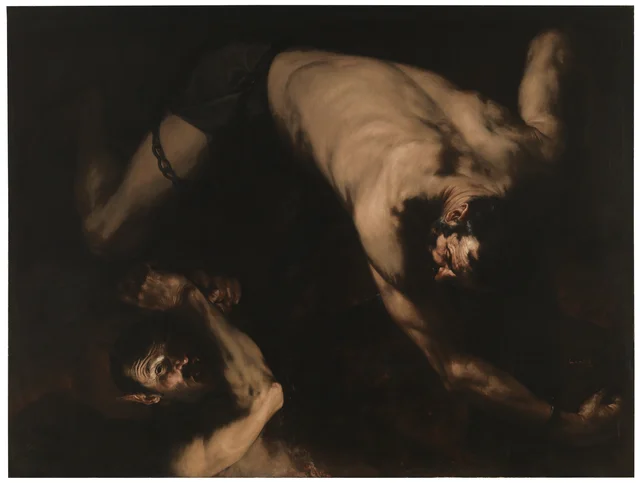 IxionJusepe de Ribera, 1632
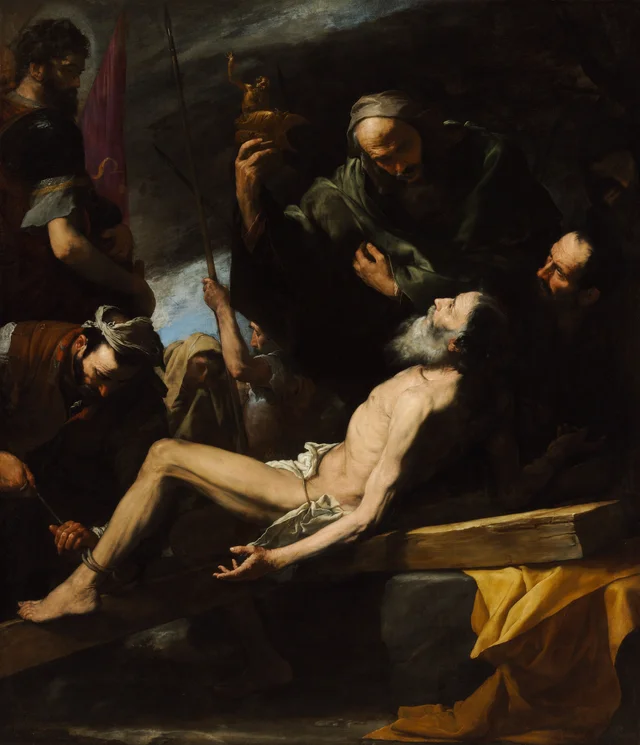 Martyrdom of Saint AndrewJusepe de Ribera, 1628
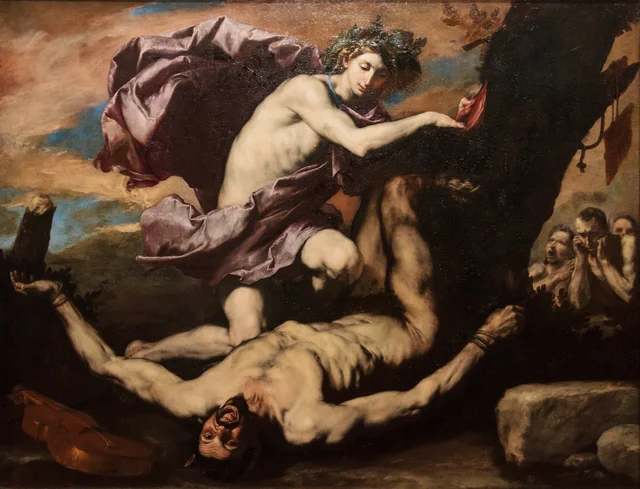 Apollo flaying MarsyasJusepe de Ribera, 1637
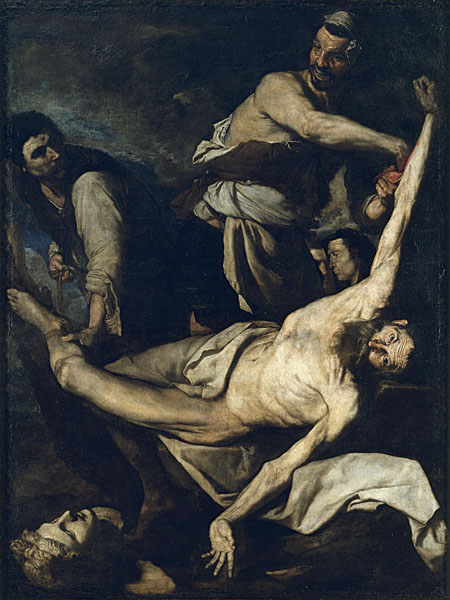 Martyrdom of Saint BartholomewJusepe de Ribera, 1644
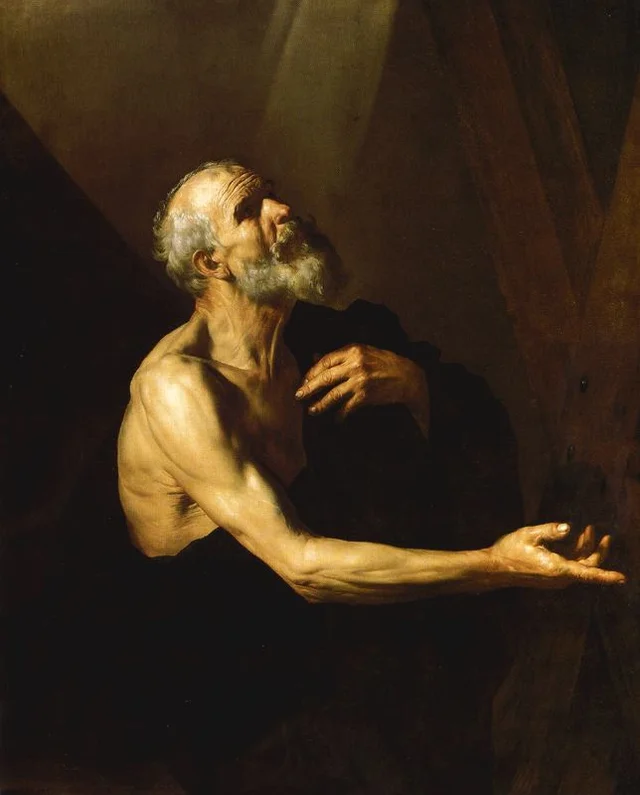 Saint AndrewJusepe de Ribera, 1616
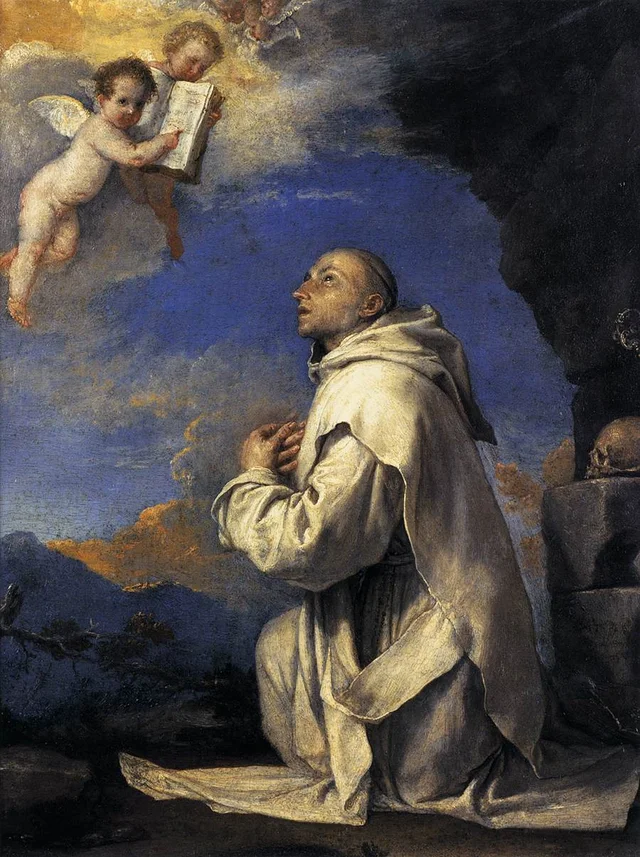 Saint Bruno Receiving the RuleJusepe de Ribera, 1643
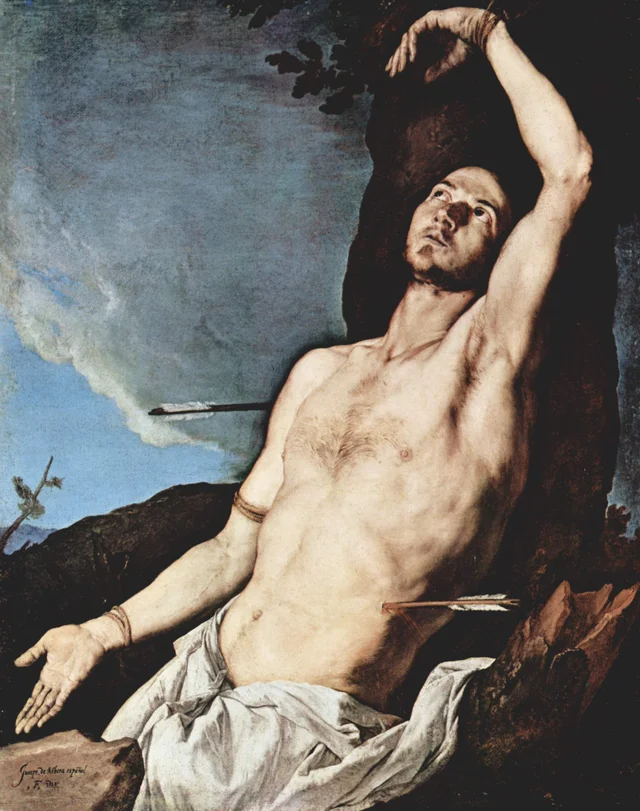 Saint SebastianJusepe de Ribera, 1651
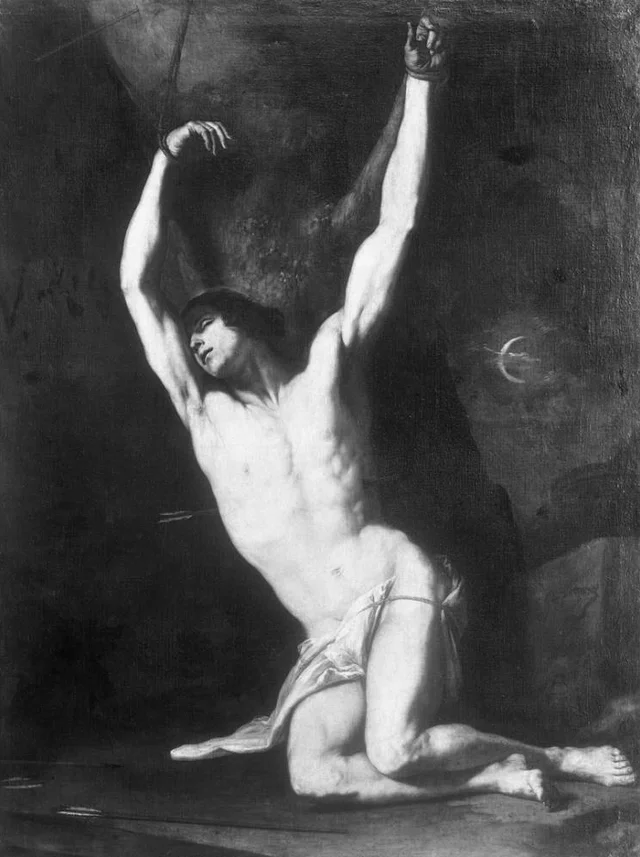 Saint SebastianJusepe de Ribera, 1636
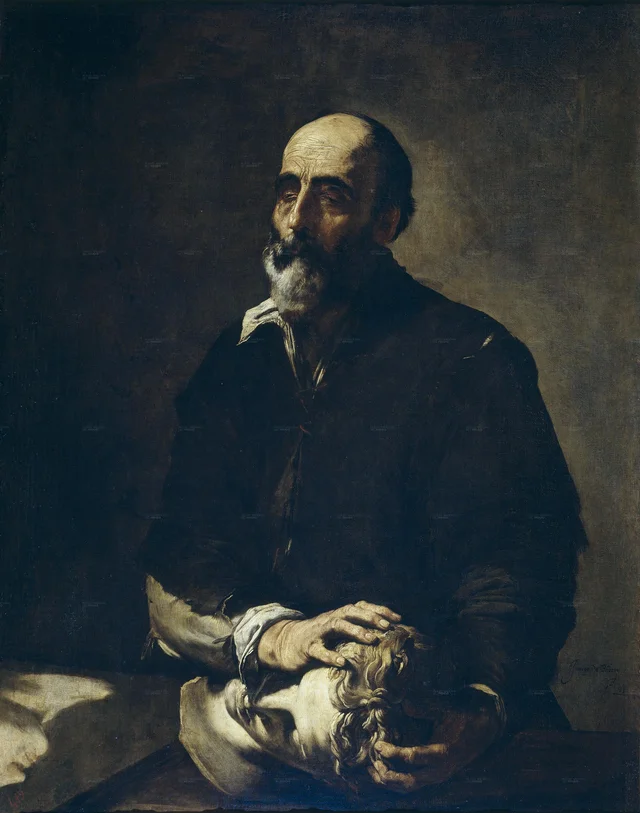 The Blind SculptorJusepe de Ribera, 1632