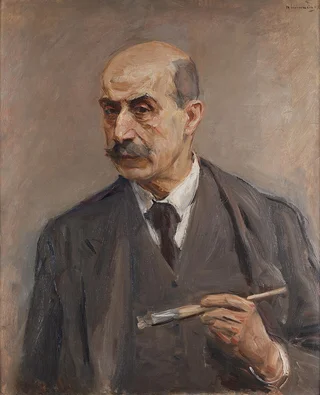
Max Liebermann
1847–1935 · Germany · Impressionism
The story
On the evening of 30 January 1933, columns of Nazi supporters marched with torches through the Brandenburg Gate in Berlin. Max Liebermann watched from the windows of his house, which stood right beside the gate on Pariser Platz. He was 85, Jewish, and for years the most honoured painter in Germany, and his reaction became a Berlin legend of disgust. He said he could not possibly eat as much as he would like to throw up.
By then Liebermann had led German painting for a generation. He brought a French-flavoured Impressionism to Berlin and painted beer gardens, Dutch orphanages and workers at their trades, and from 1920 he presided over the Prussian Academy of Arts, the country's senior art institution. In the spring of 1933 the Academy resolved to stop showing work by Jewish artists, and he resigned before he could be pushed out.
His paintings were pulled from German museums. He spent his last years withdrawn, often at his summer villa on the Wannsee lake outside Berlin, painting the flower beds of its garden over and over, a subject that asked nothing of the world beyond the fence. He died in Berlin in February 1935, and so few people dared to come to the funeral that it was attended by little more than his family.
Works
20 works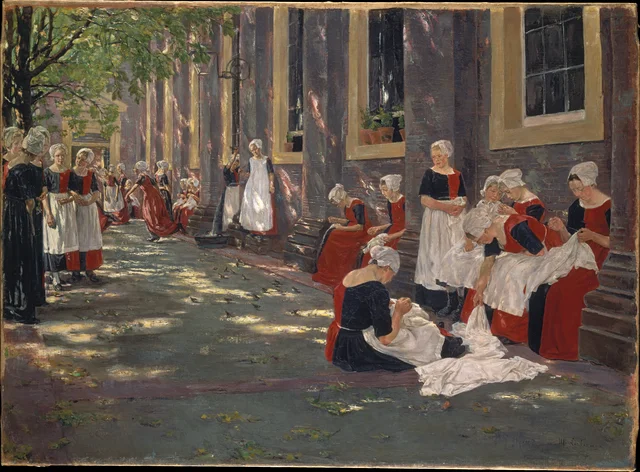 Free Period in the Amsterdam OrphanageMax Liebermann, 1881
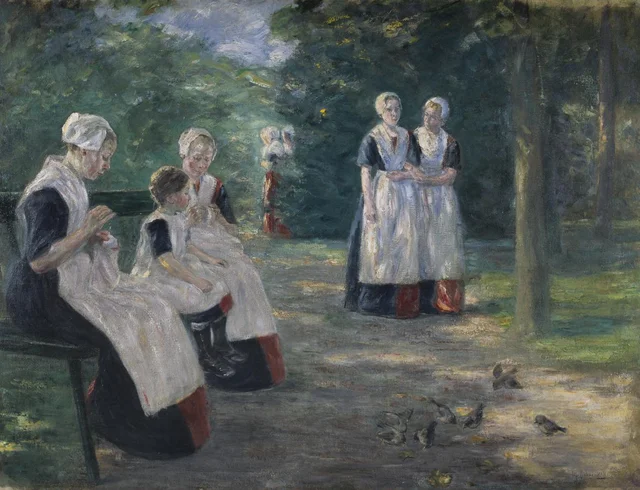 The Garden of the Amsterdam OrphanageMax Liebermann, 1894
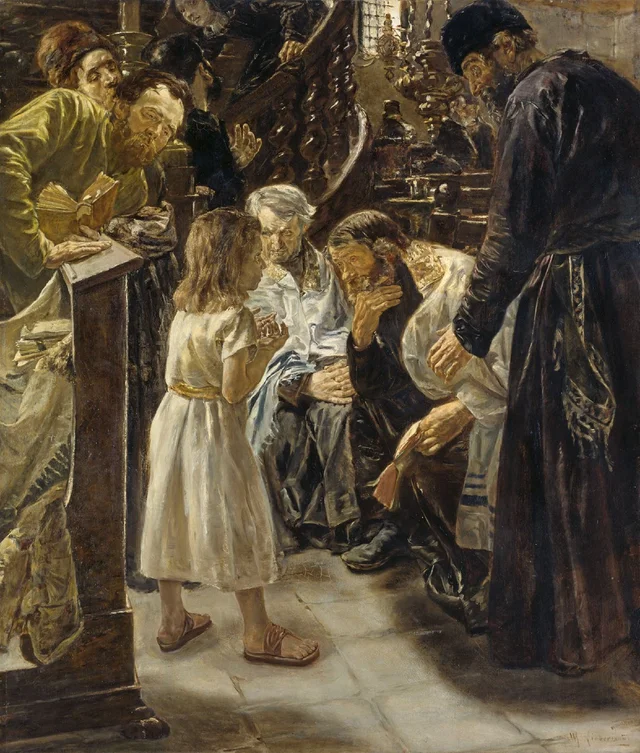 The Twelve-Year-Old Jesus in the TempleMax Liebermann, 1879
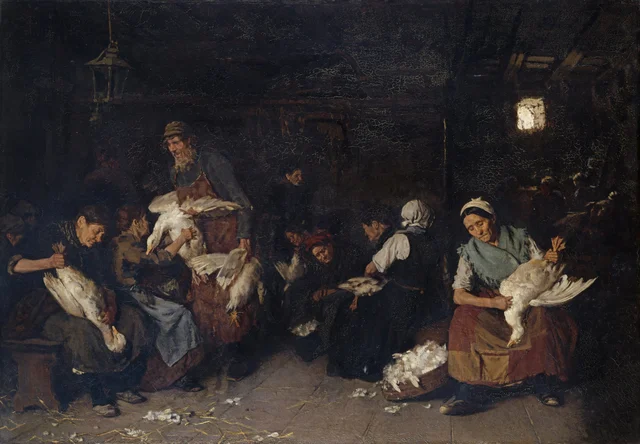 Women Plucking GeeseMax Liebermann, 1870
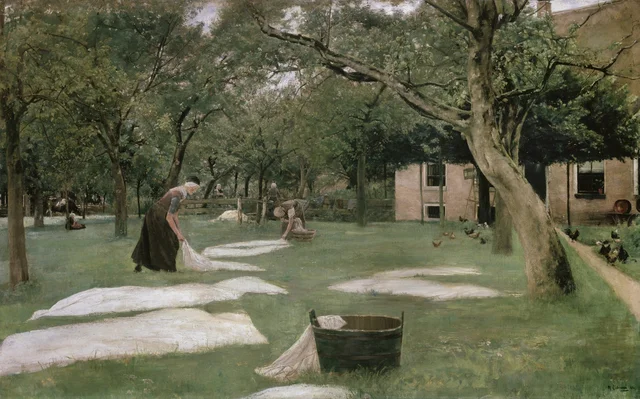 The Bleaching GroundMax Liebermann, 1882
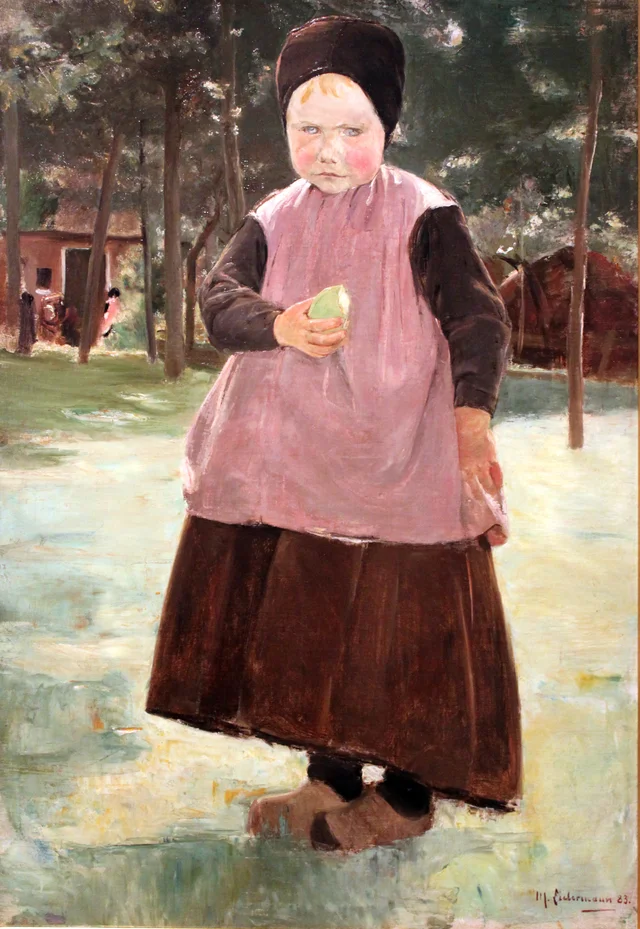 EvaMax Liebermann, 1883
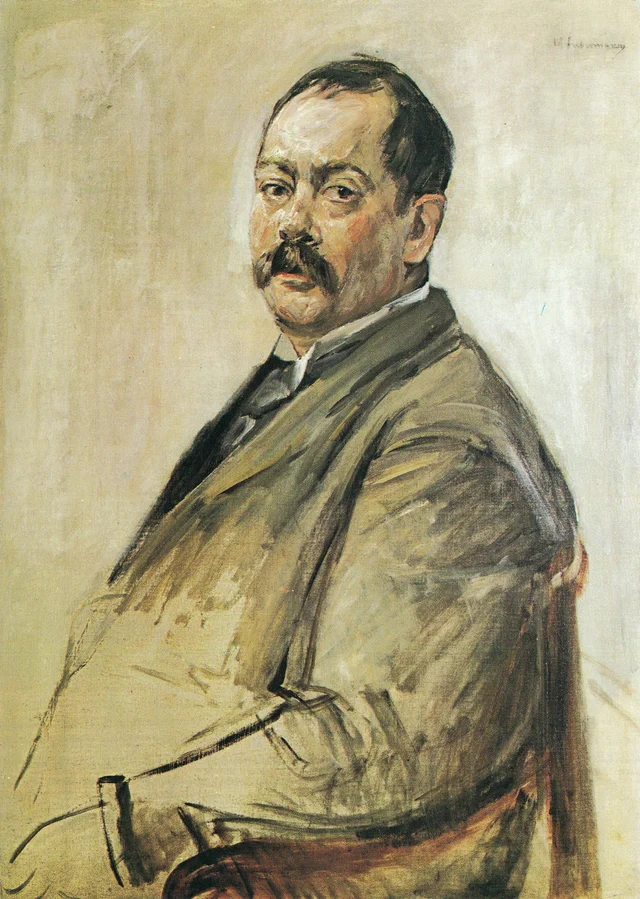 Portrait of the Painter Lovis CorinthMax Liebermann, 1899
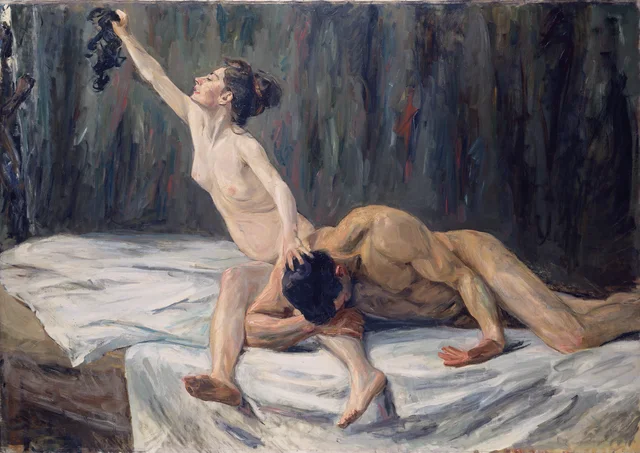 Samson and DelilahMax Liebermann, 1902
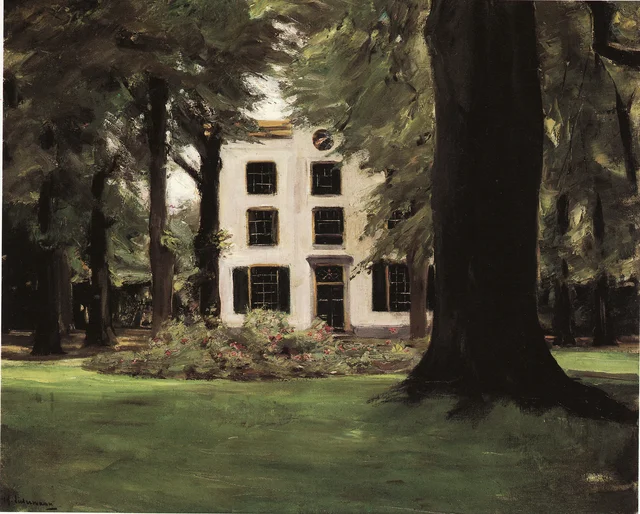 Villa in HilversumMax Liebermann, 1901
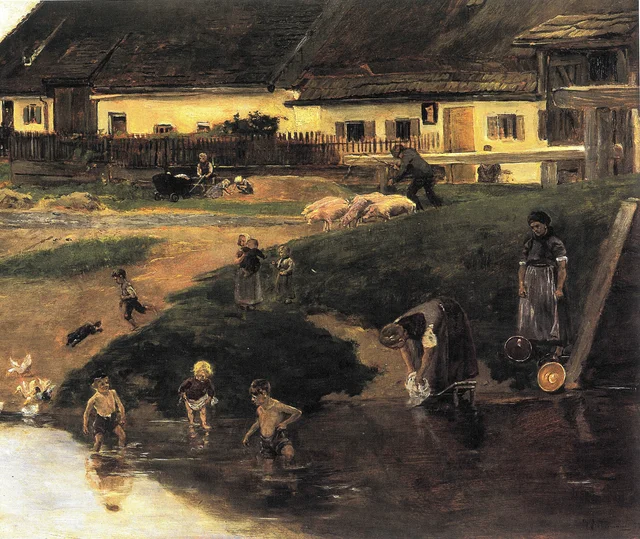 Dorfteich in Etzenhausen - DorfidyllMax Liebermann, 1879
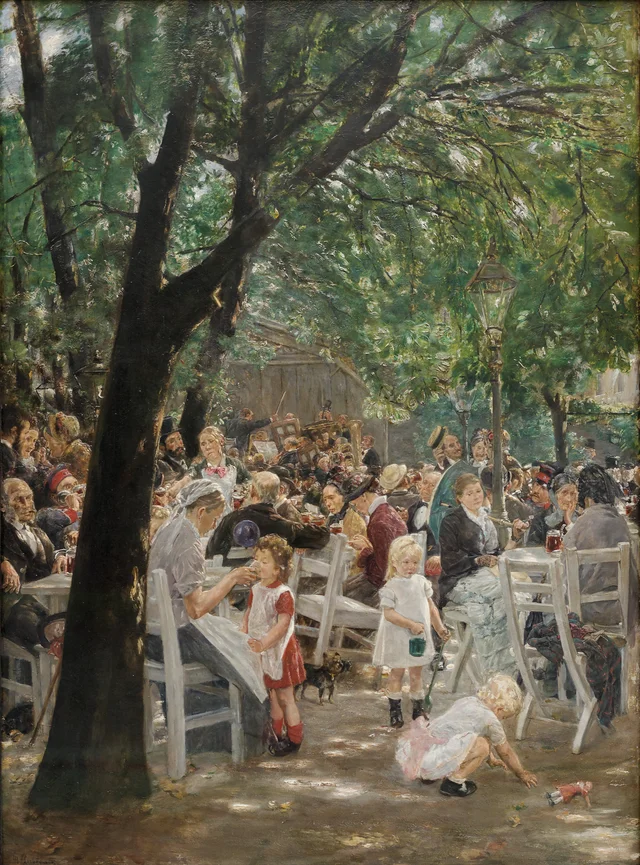 Munich beer gardenMax Liebermann, 1884
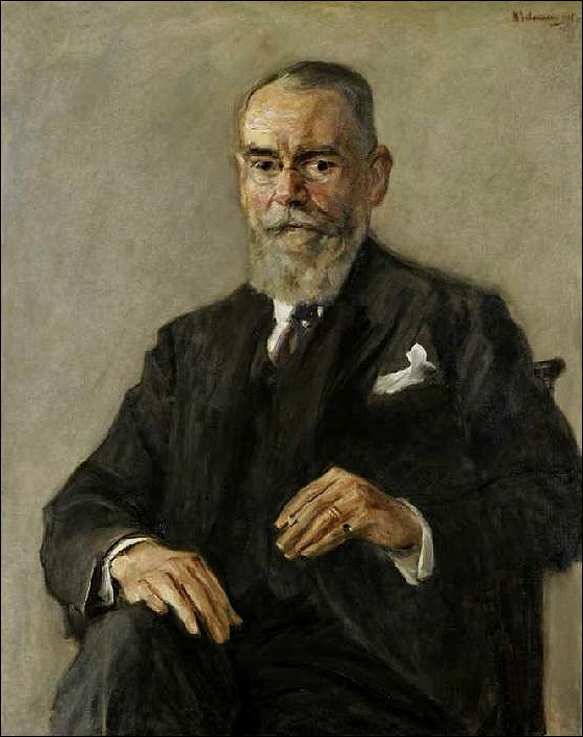 Portrait of August BatschariMax Liebermann, 1918
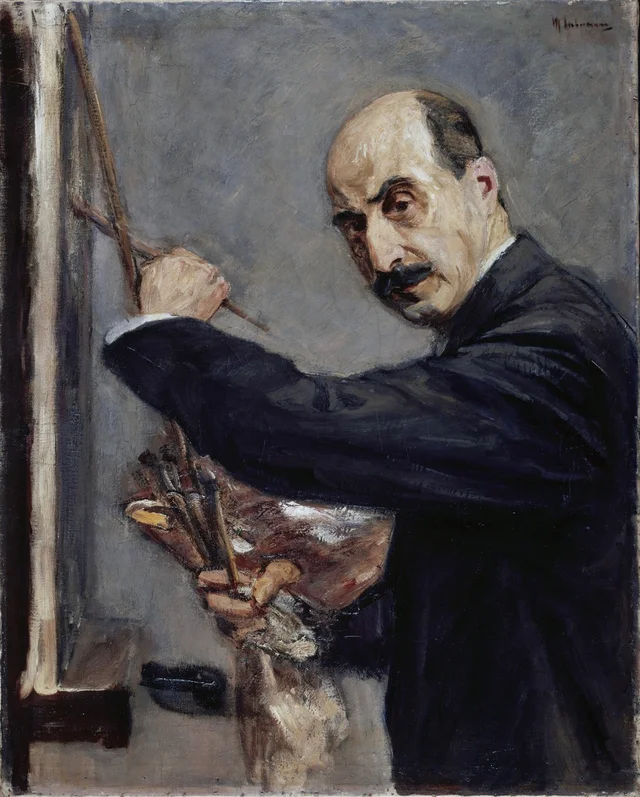 Self-portraitMax Liebermann, 1908
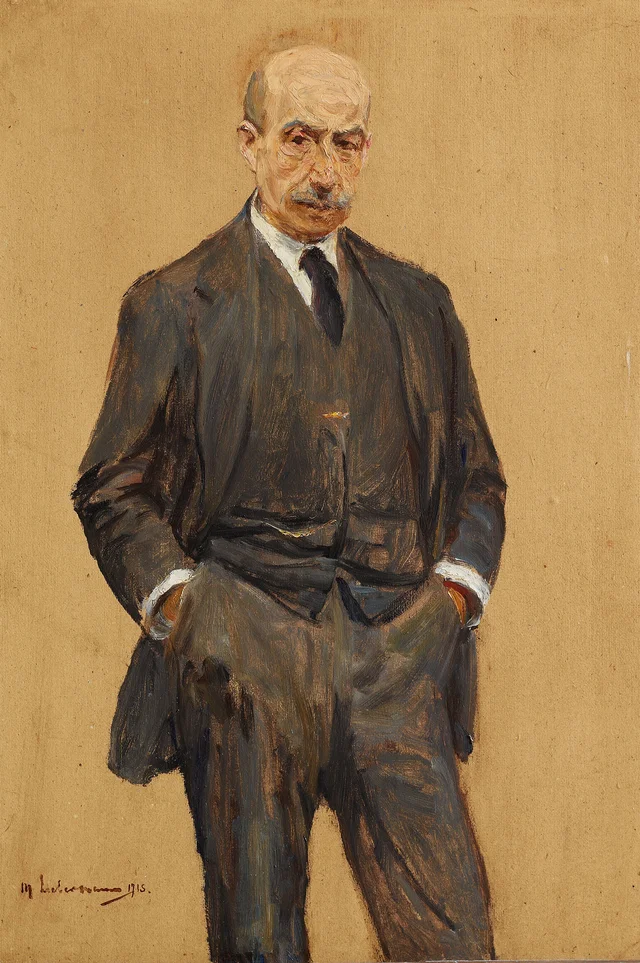 Self-portrait, standing in three-quarter figure, both hands in trouser pockets (Selbstbildnis, stehend in Dreiviertelfigur, beide Hände in den Hosentaschen)Max Liebermann, 1915
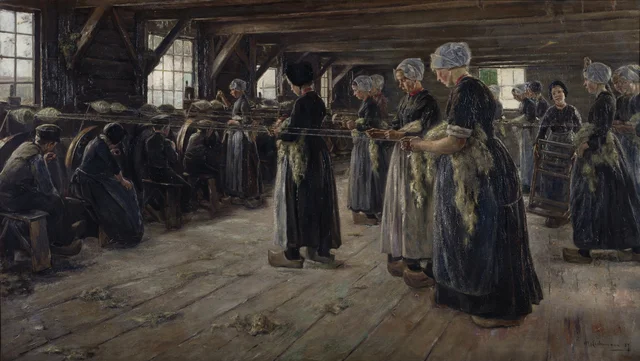 The Flax Barn at LarenMax Liebermann, 1887
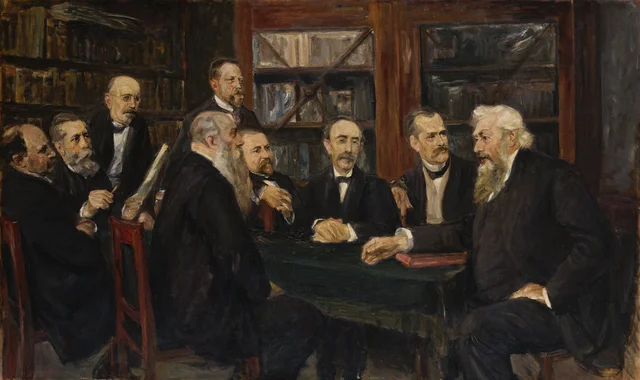 The Hamburg Professors ConventionMax Liebermann, 1906
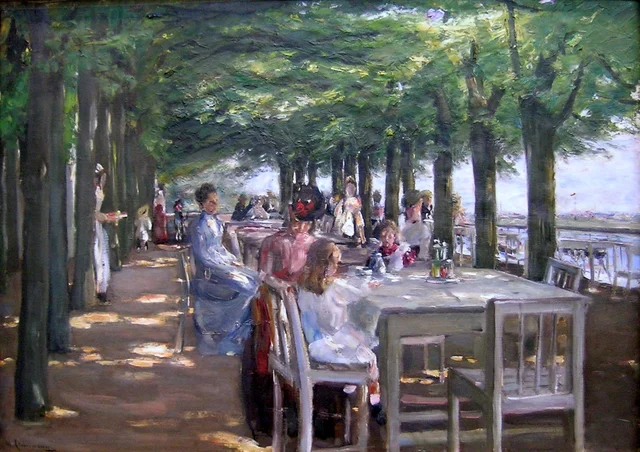 The Terrace at the Hotel Louis C. Jacob in Nienstedten on the ElbeMax Liebermann, 1902
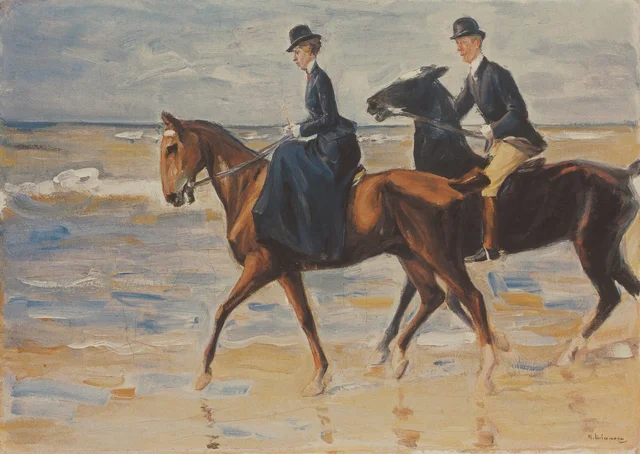 Two riders on the beachMax Liebermann, 1903
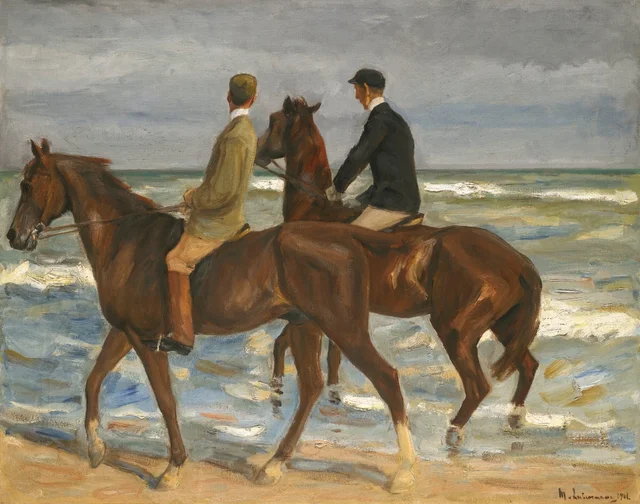 Two Riders on the BeachMax Liebermann, 1901
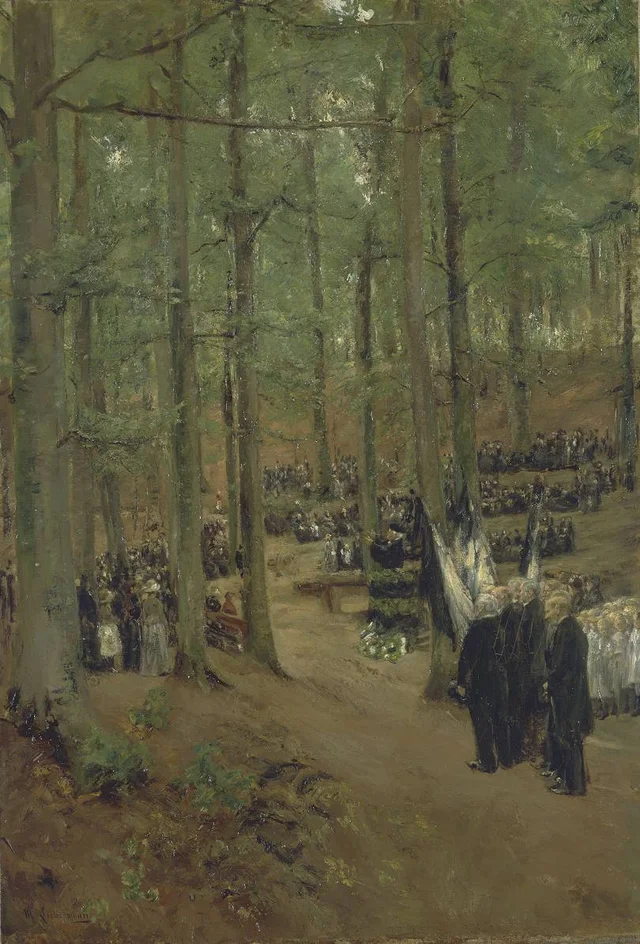 Memorial Service for Kaiser Friedrich at KösenMax Liebermann, 1888