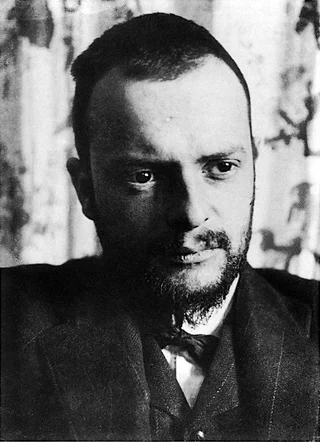
Paul Klee
1879–1940 · Switzerland, German Empire · Expressionism, Bauhaus, Surrealism
The story
In April 1914 a 34-year-old Paul Klee spent about two weeks in Tunisia with two painter friends, and the North African light undid him in the best way. He had drawn brilliantly for years but never felt sure of colour. In Tunisia something clicked, and he wrote in his diary a line people still quote: 'Colour and I are one. I am a painter.'
For the next two decades he made small, strange, luminous pictures of grids, arrows, fish, moons and spindly figures, painting with a wit that can look childlike until you notice how exactly it is built. From 1921 he taught at the Bauhaus, the German school of art and design, where his lectures on how a line and a colour behave became a kind of scripture for modern art teaching. He liked to describe drawing as taking a line for a walk.
Then the politics closed in. In 1937 the Nazis pulled 17 of his works into their 'Degenerate Art' show, a touring exhibition meant to ridicule modern painting, and seized more than a hundred of his pieces from German museums. Klee, already ill with scleroderma, a disease that slowly hardens the skin and tissues, had left for his native Switzerland. His late paintings grew heavier and darker, scored with thick black signs, and he died there in 1940 with his Swiss citizenship application still unapproved.
More articles
Works
57 works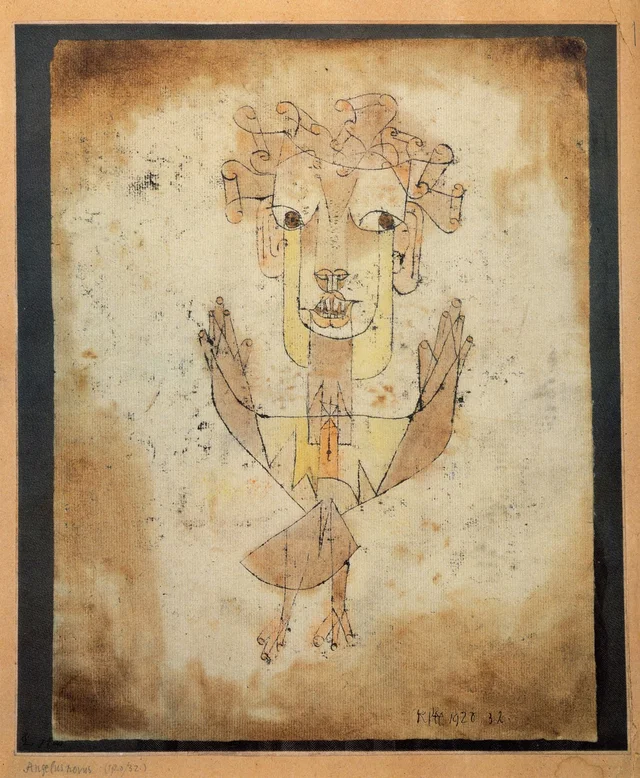 Angelus NovusPaul Klee, 1920
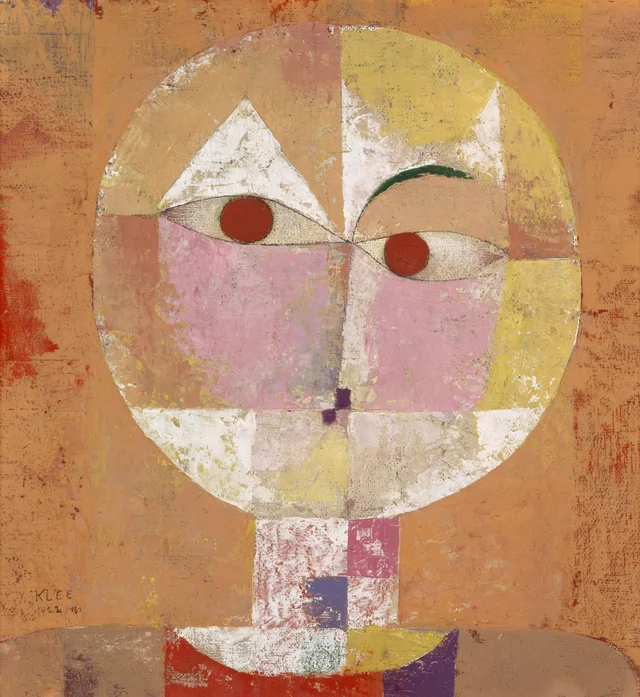 SenecioPaul Klee, 1922
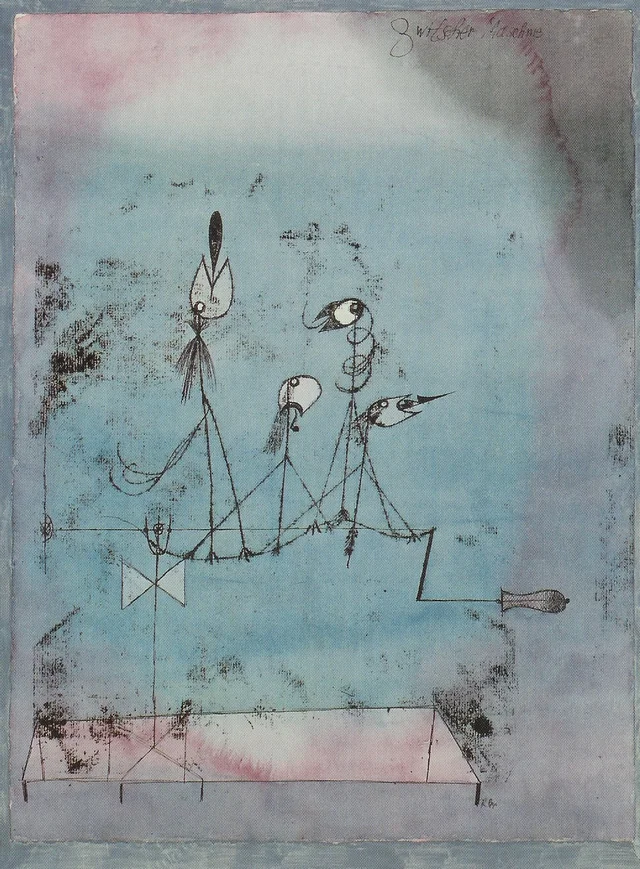 Twittering MachinePaul Klee, 1922
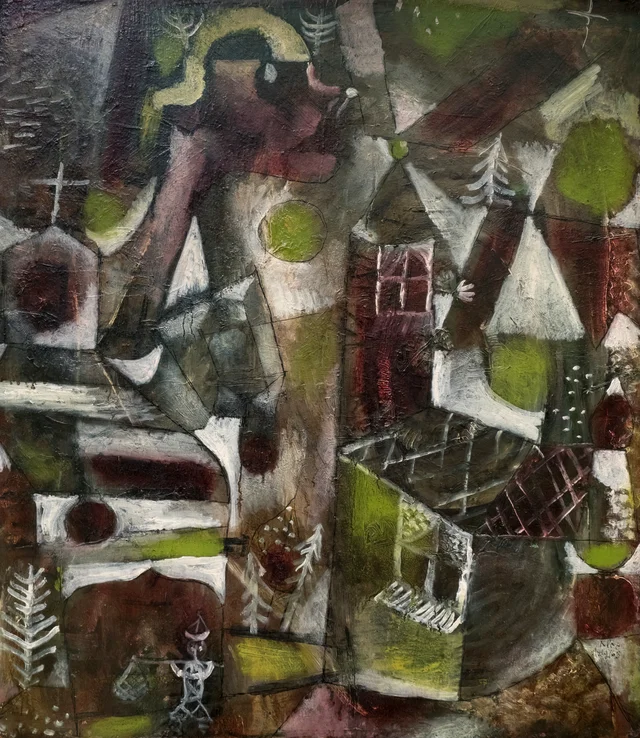 SumpflegendePaul Klee, 1919
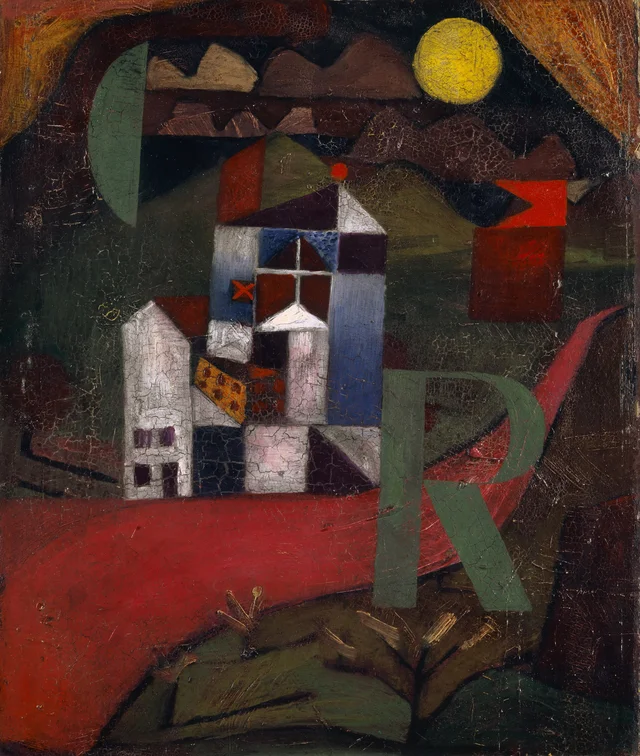 Villa RPaul Klee, 1919
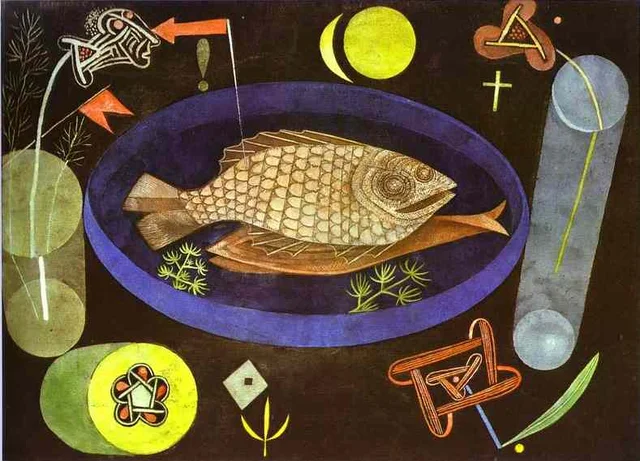 Around the FishPaul Klee, 1926
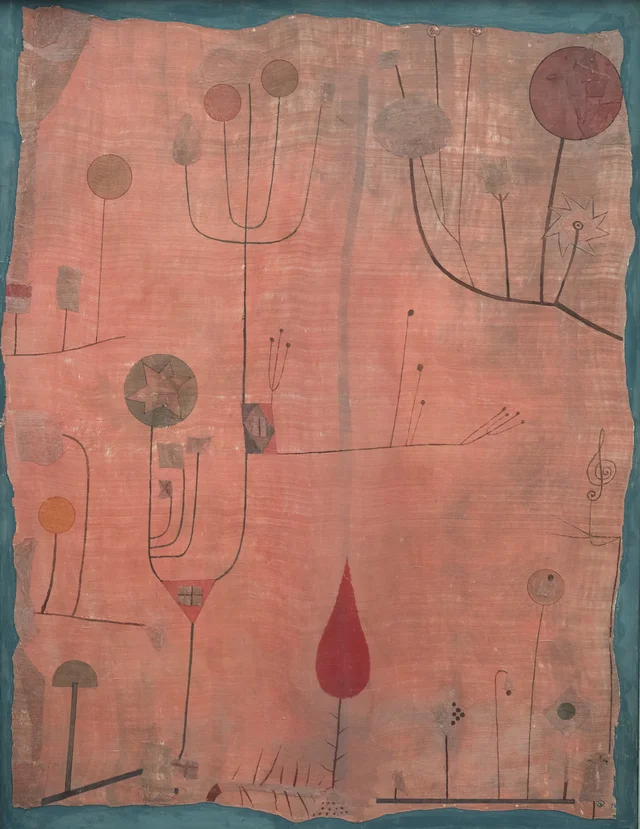 Fruits on RedPaul Klee, 1930
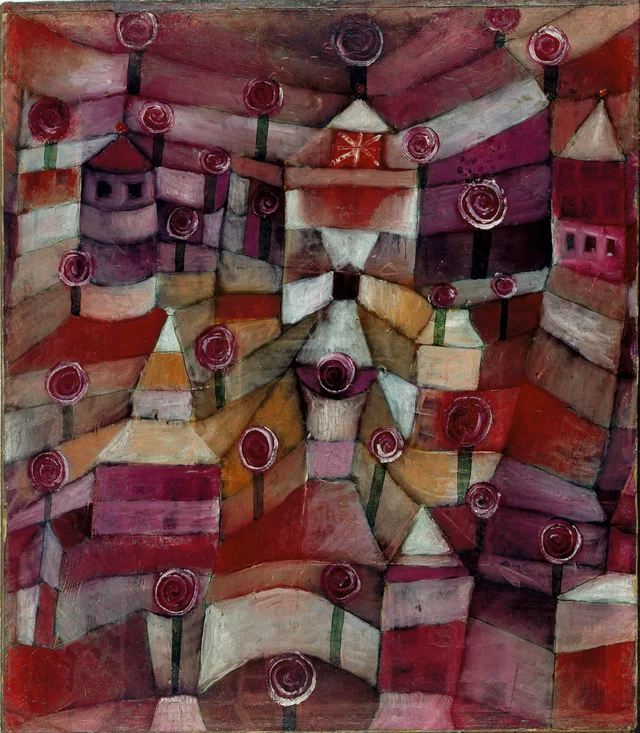 Rose GardenPaul Klee, 1920
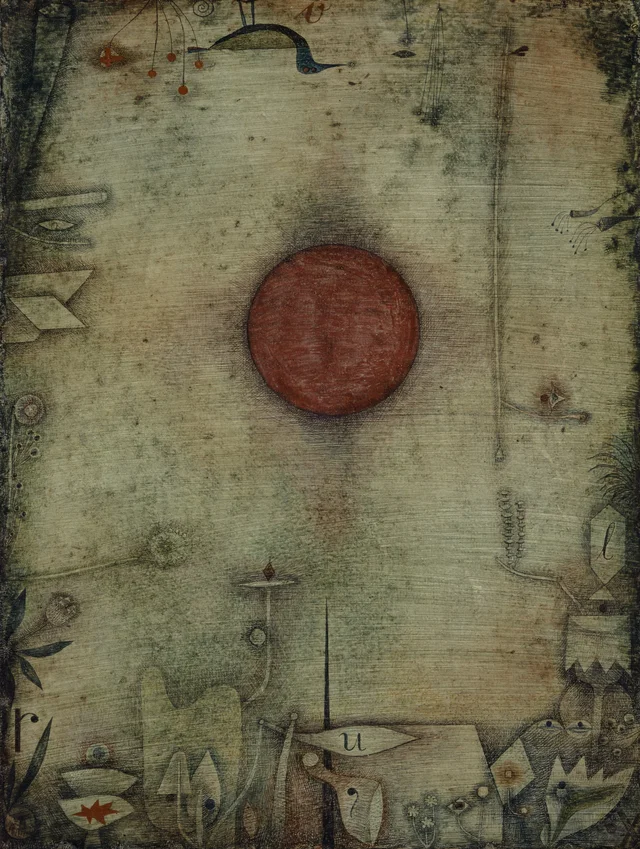 Ad marginemPaul Klee, 1930
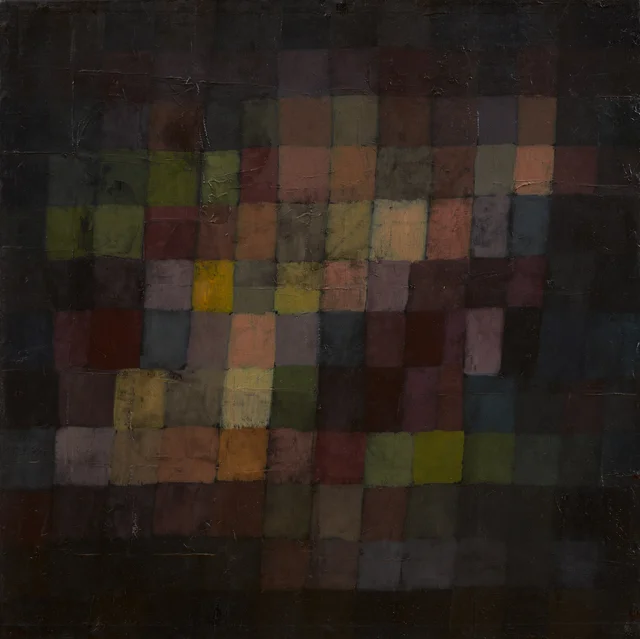 Ancient SoundPaul Klee, 1925
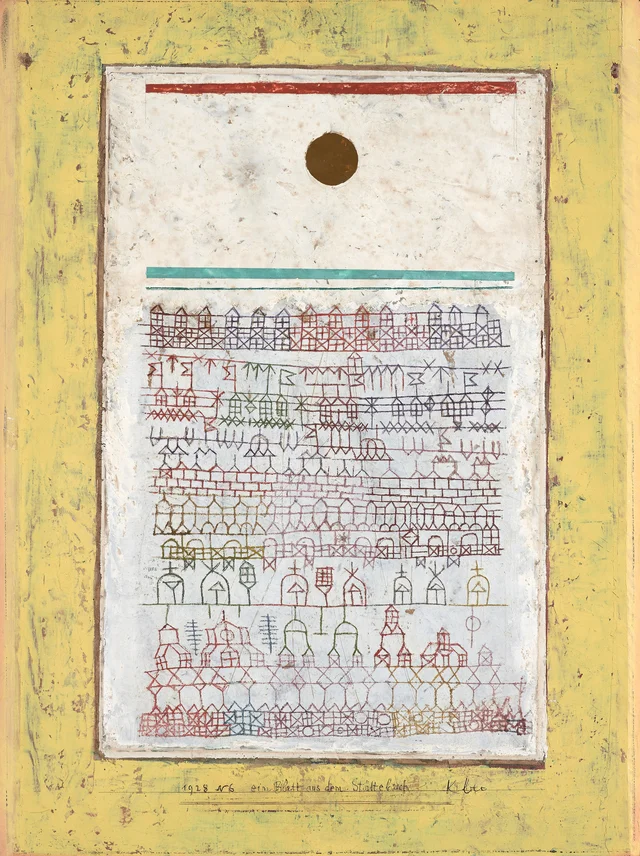 A Page from the Book of TownsPaul Klee, 1928
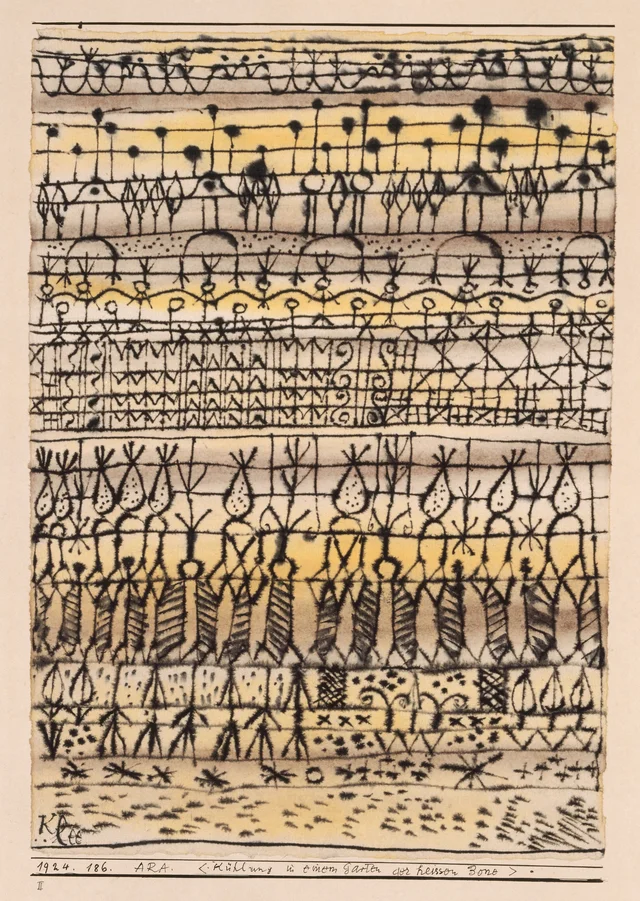 ARA. “Cooling in a Garden of the Torrid Zone”Paul Klee, 1924
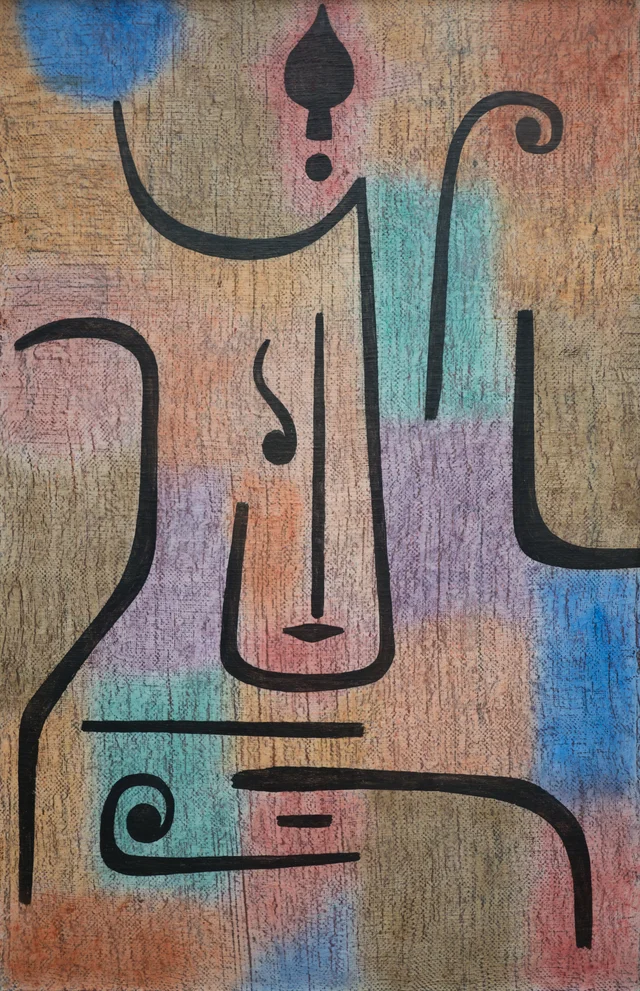 ArchangelPaul Klee, 1938
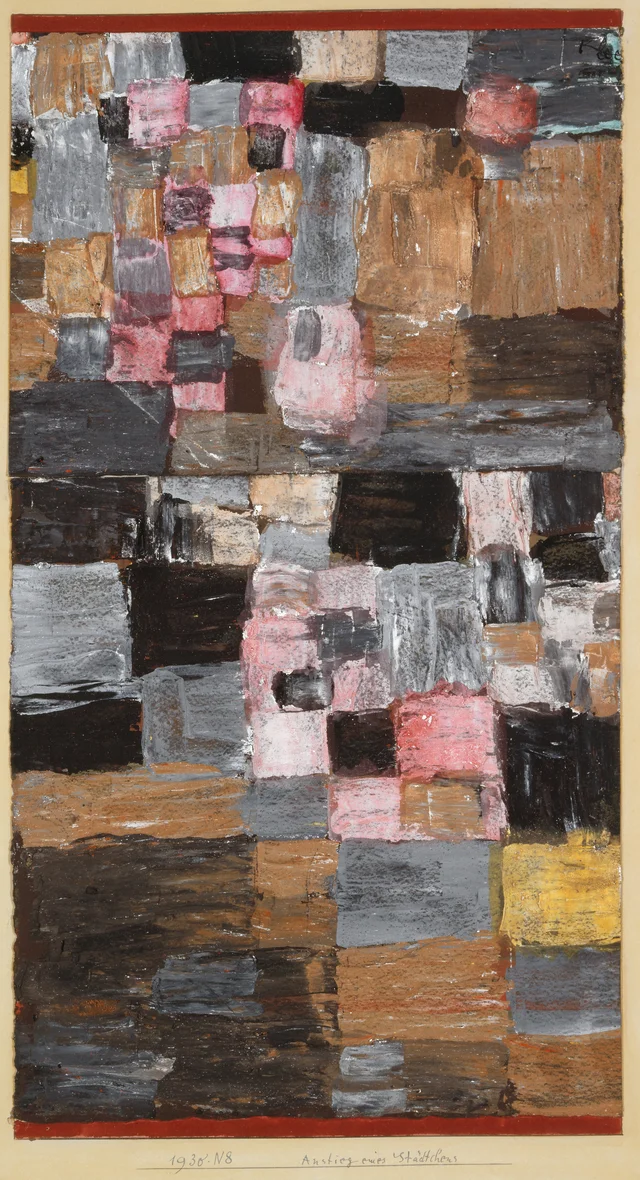 Ascent of a Little TownPaul Klee, 1930
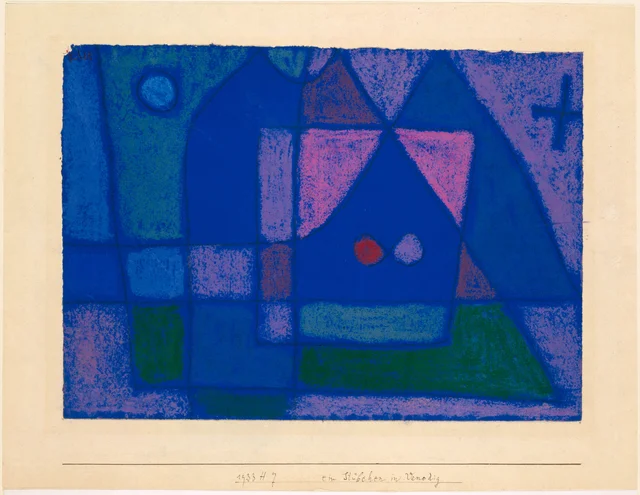 A small room in VenicePaul Klee, 1933
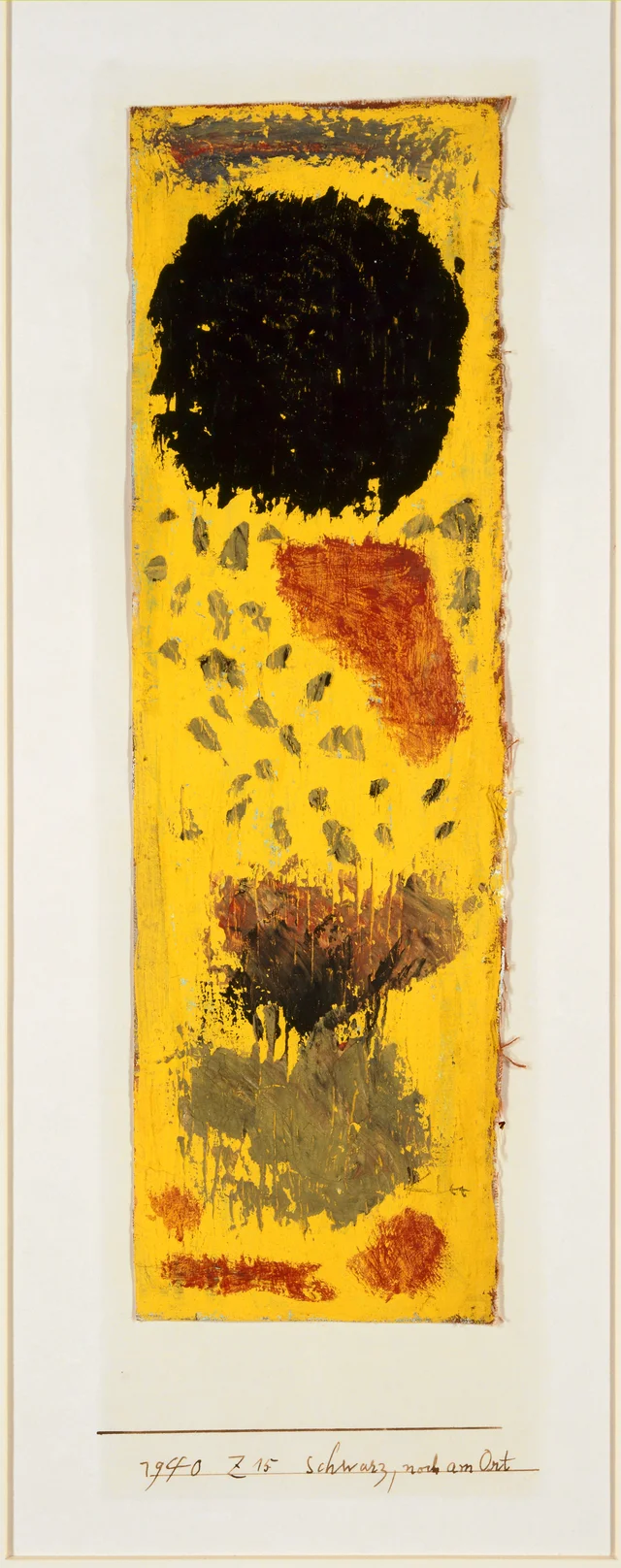 Black, Still in PlacePaul Klee, 1940
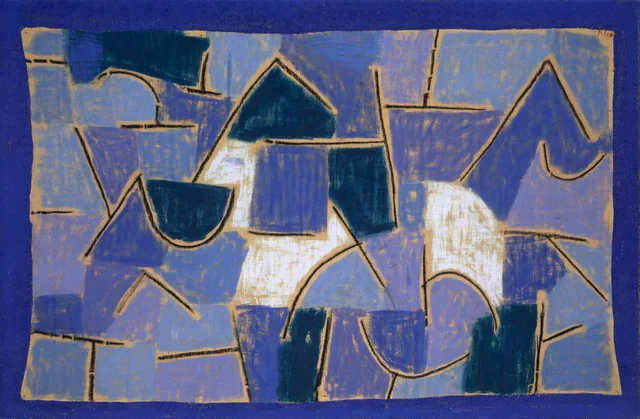 Blue NightPaul Klee, 1937
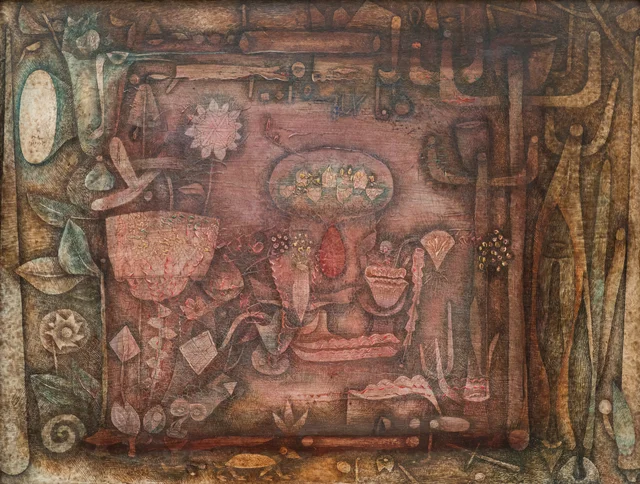 Botanical TheaterPaul Klee, 1934
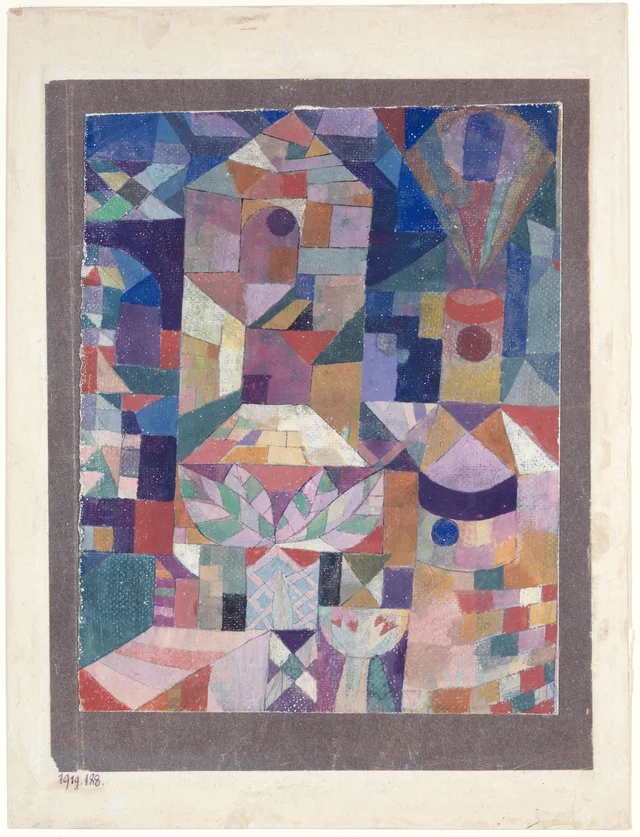 BurggartenPaul Klee, 1919
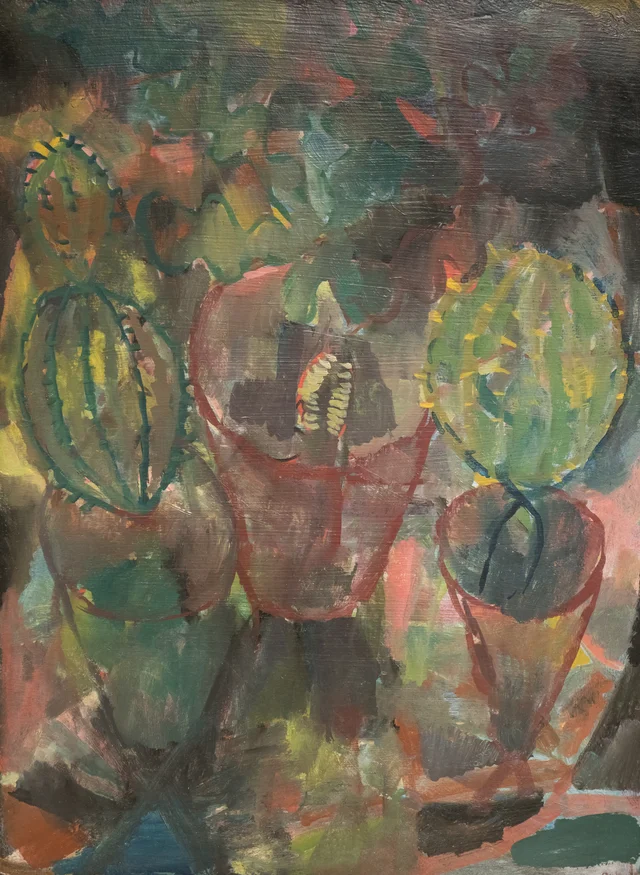 CactiPaul Klee, 1912
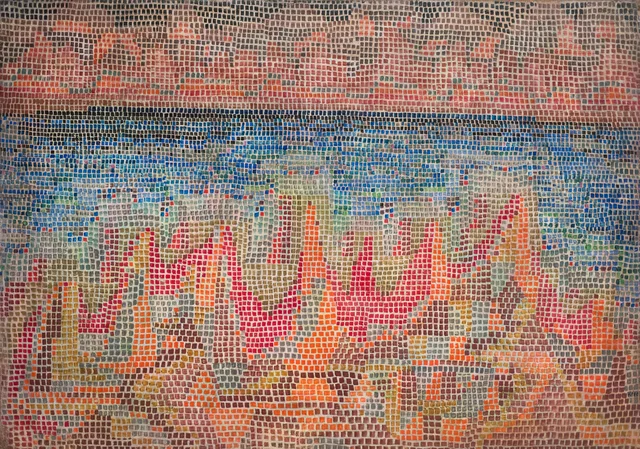 Cliffs by the seaPaul Klee, 1931
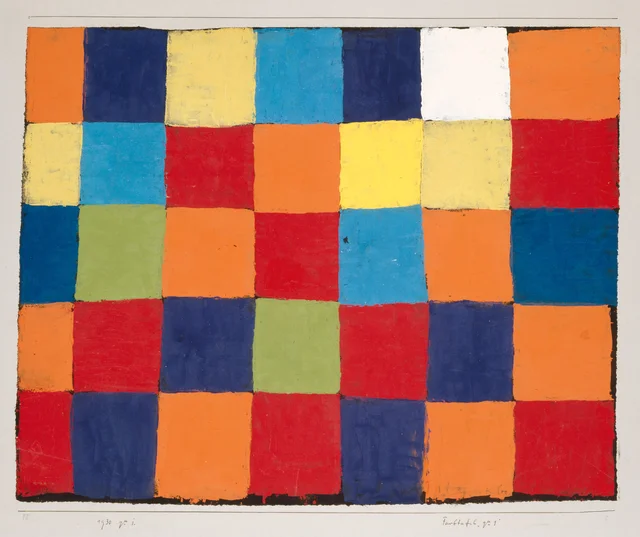 Colour Table “Qu 1”Paul Klee, 1930
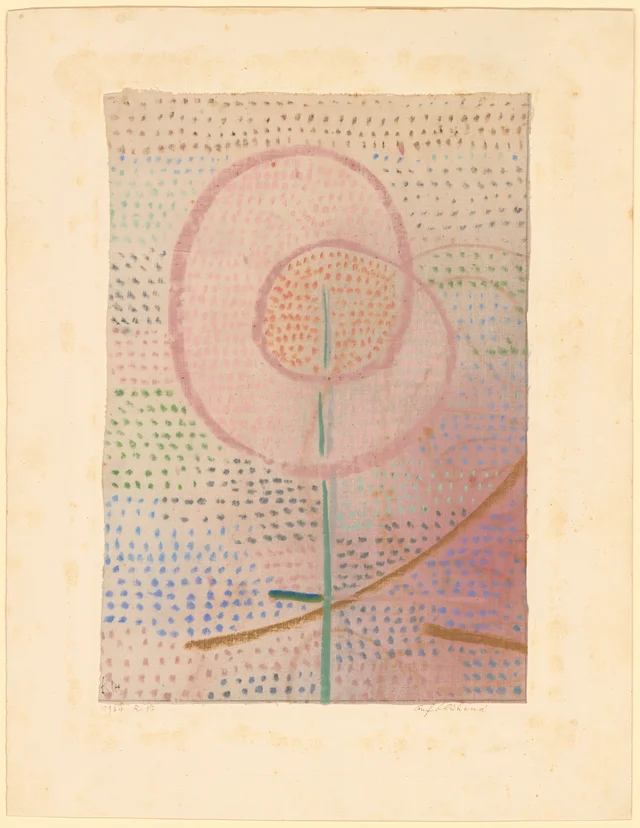 Coming into BloomPaul Klee, 1934
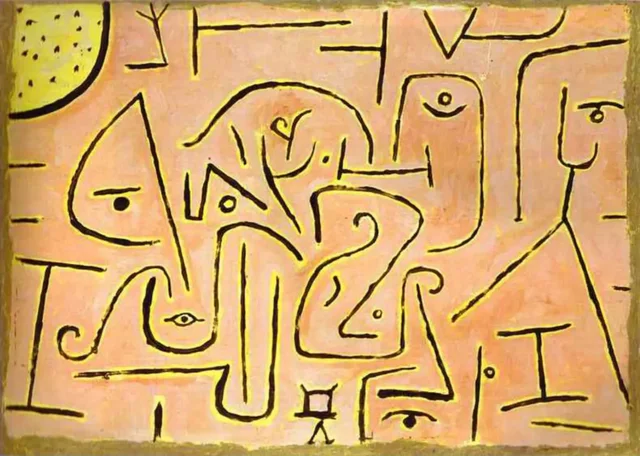 ContemplatingPaul Klee, 1938
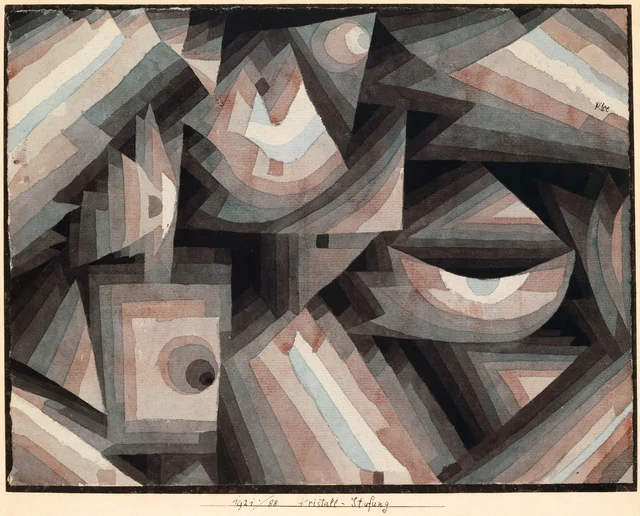 Crystal GradationPaul Klee, 1921