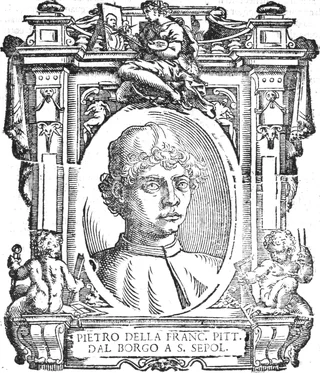
Piero della Francesca
1415–1492 · Republic of Florence · Early Renaissance
The story
In the middle of the 15th century, painters across Italy were racing to work out how to make a flat panel look like a real, measurable space, building on rules the architect Filippo Brunelleschi had worked out in Florence a generation earlier. Piero della Francesca, working out of the small Tuscan town of Borgo Sansepolcro, pushed the problem further than almost anyone. He was also a working mathematician, and in the 1470s he set his method down in a treatise called De Prospectiva Pingendi, walking through geometric proofs in his own hand for how to construct perspective correctly.
That double training shows in paintings like The Flagellation of Christ and the frescoes he made for the court of Federico da Montefeltro, the one-eyed duke of Urbino, where architecture, light and figures sit inside one precisely calculated space.
Piero's late years are thin on record. Giorgio Vasari, the 16th-century biographer of Italian artists, claimed he went blind before his death in 1492, and for a long time afterward Piero was remembered mainly as a mathematician whose ideas other painters borrowed without much credit. His paintings were only properly re-attributed and celebrated starting in the 19th and 20th centuries, once historians untangled which frescoes and panels were really his.
More articles
Works
26 works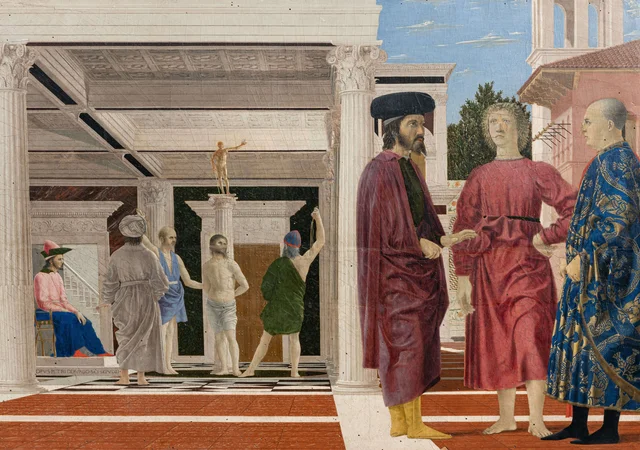 Flagellation of ChristPiero della Francesca, 1459
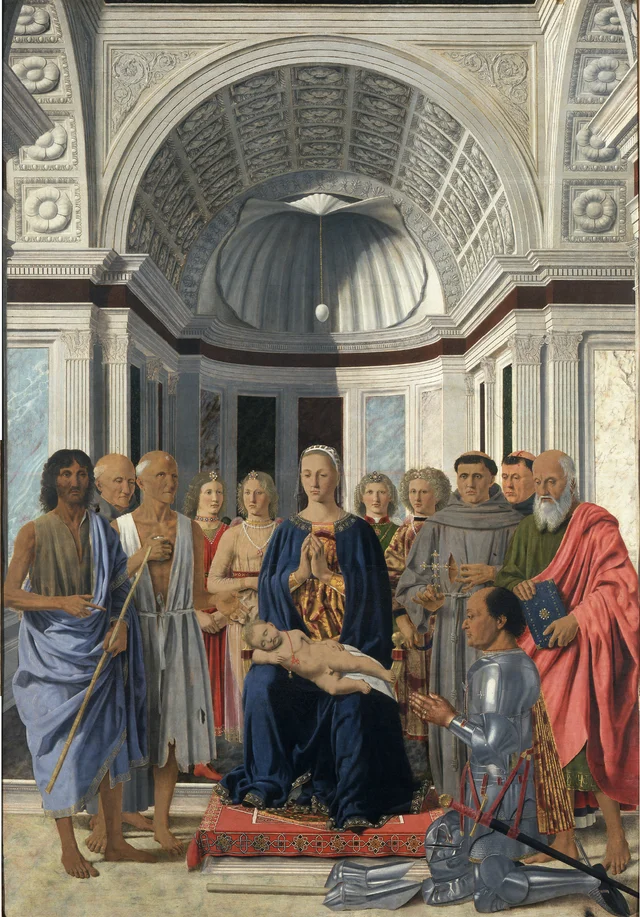 Brera MadonnaPiero della Francesca, 1472
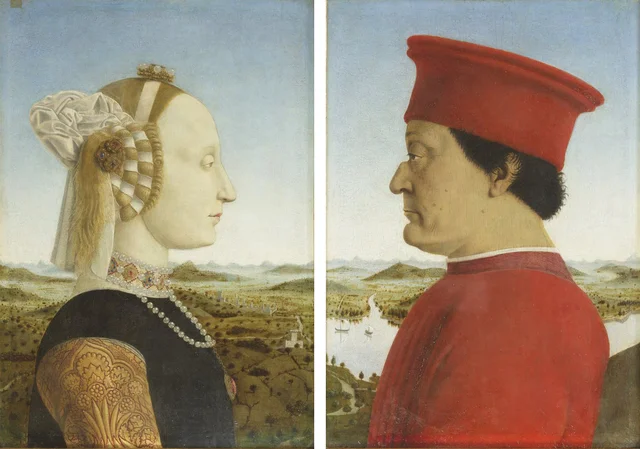 Diptych of Federico da Montefeltro and Battista SforzaPiero della Francesca, 1474
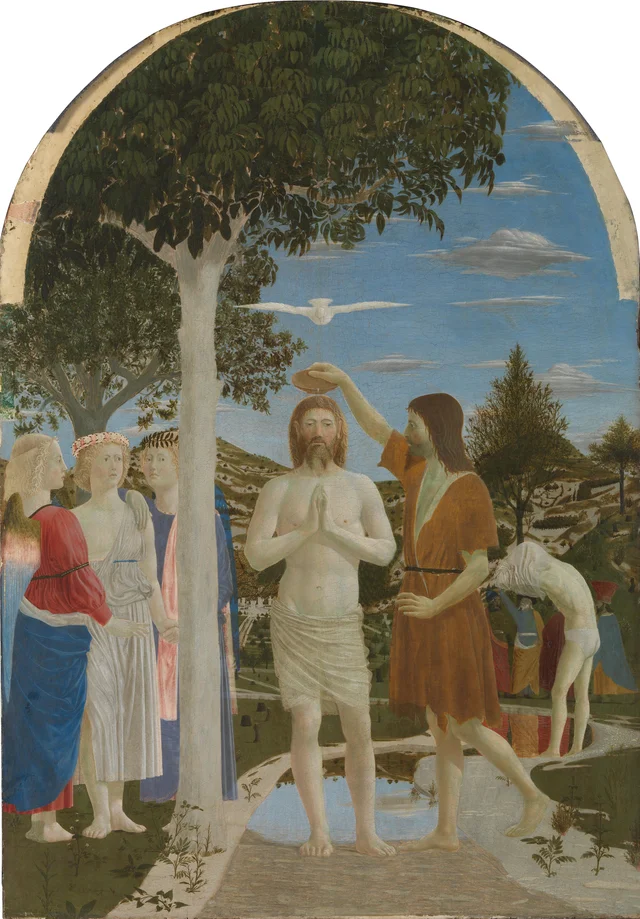 The Baptism of ChristPiero della Francesca, 1448
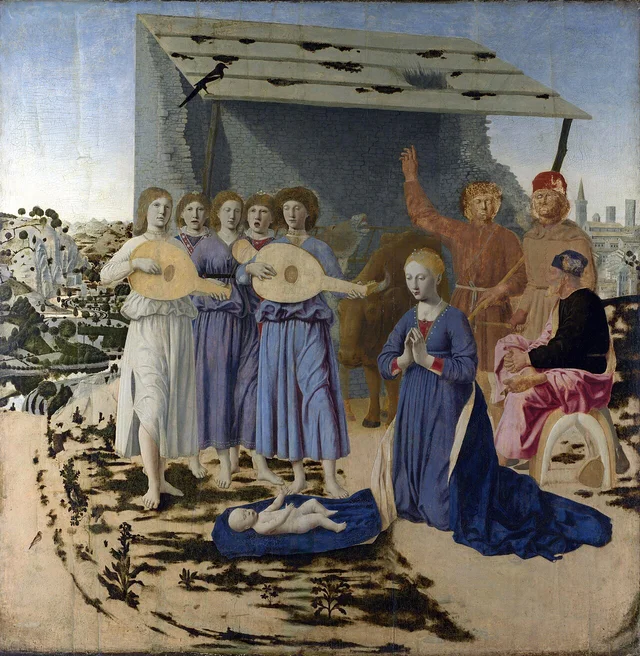 The NativityPiero della Francesca, 1480
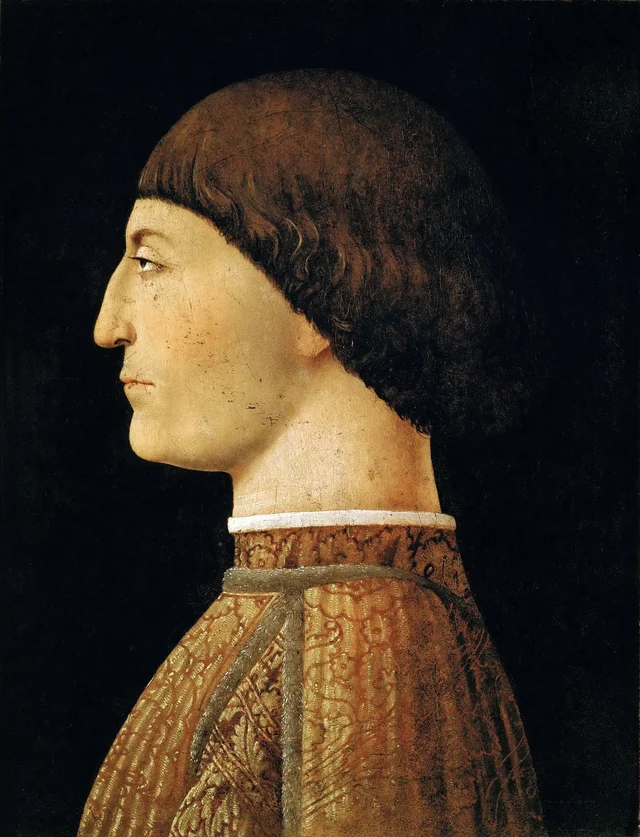 Portrait of Sigismondo Pandolfo MalatestaPiero della Francesca, 1450
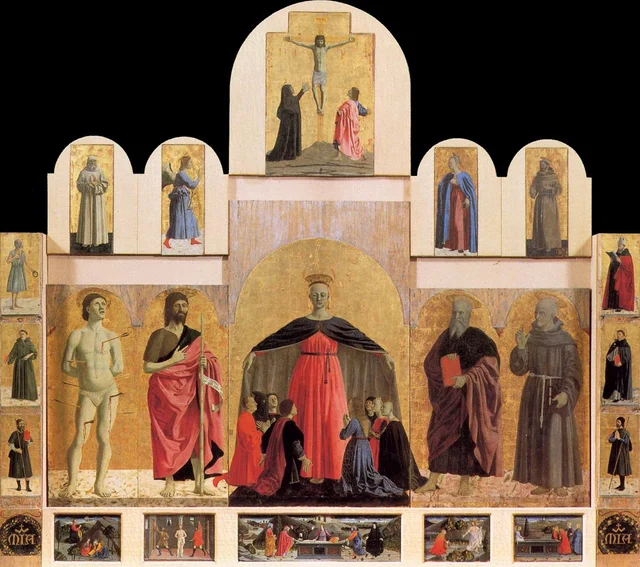 Polyptych of the MisericordiaPiero della Francesca, 1460
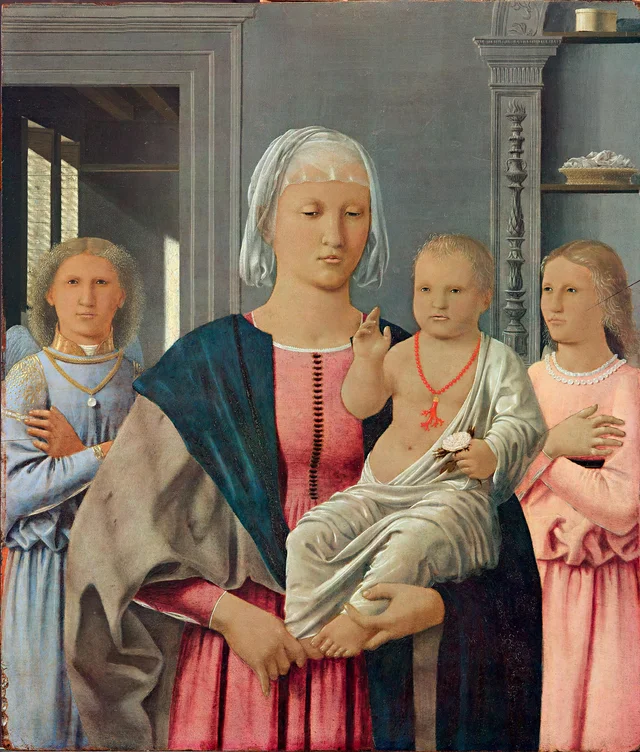 Madonna di SenigalliaPiero della Francesca, 1476
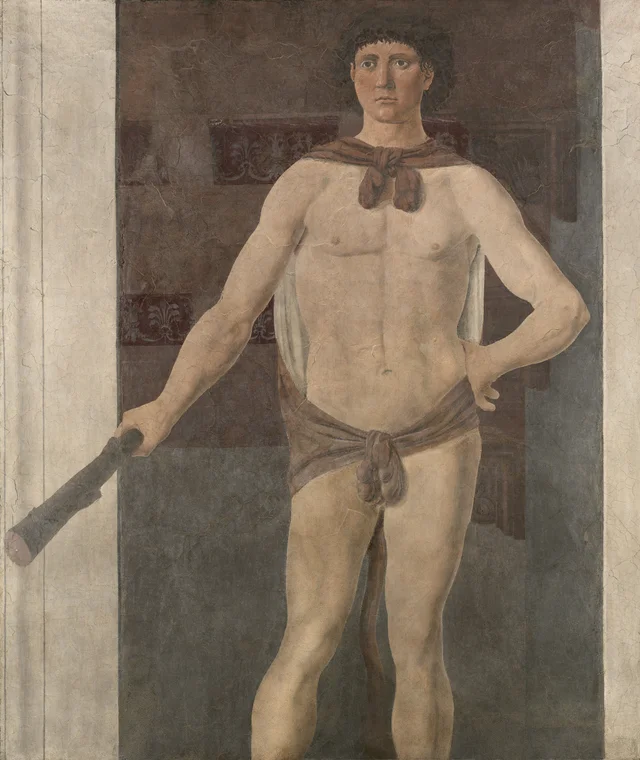 HerculesPiero della Francesca, 1465
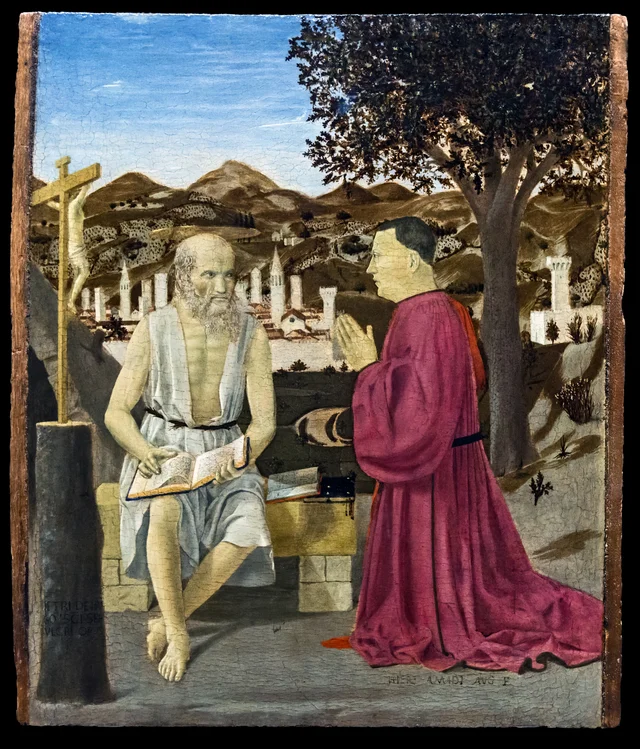 Saint Jerome and a DonorPiero della Francesca, 1460
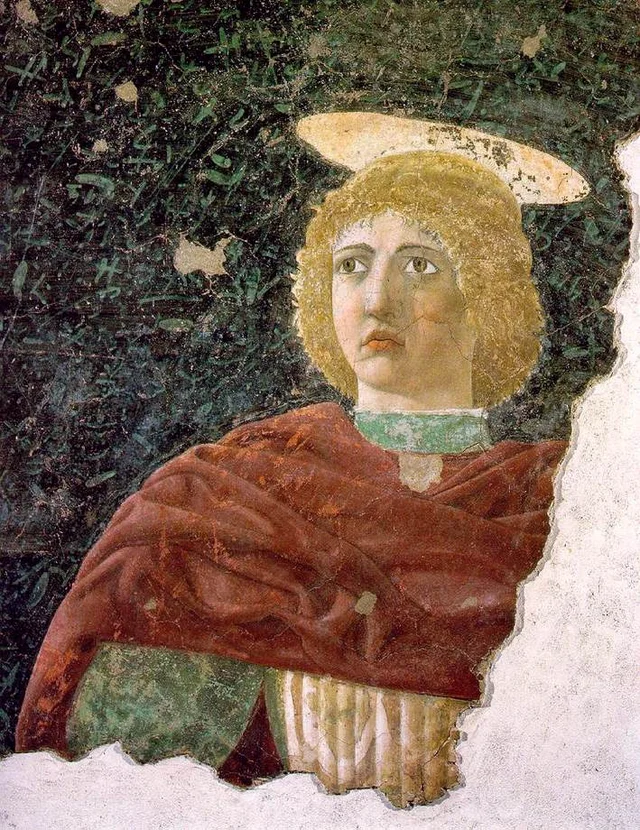 Saint Julian the HospitallerPiero della Francesca, 1454
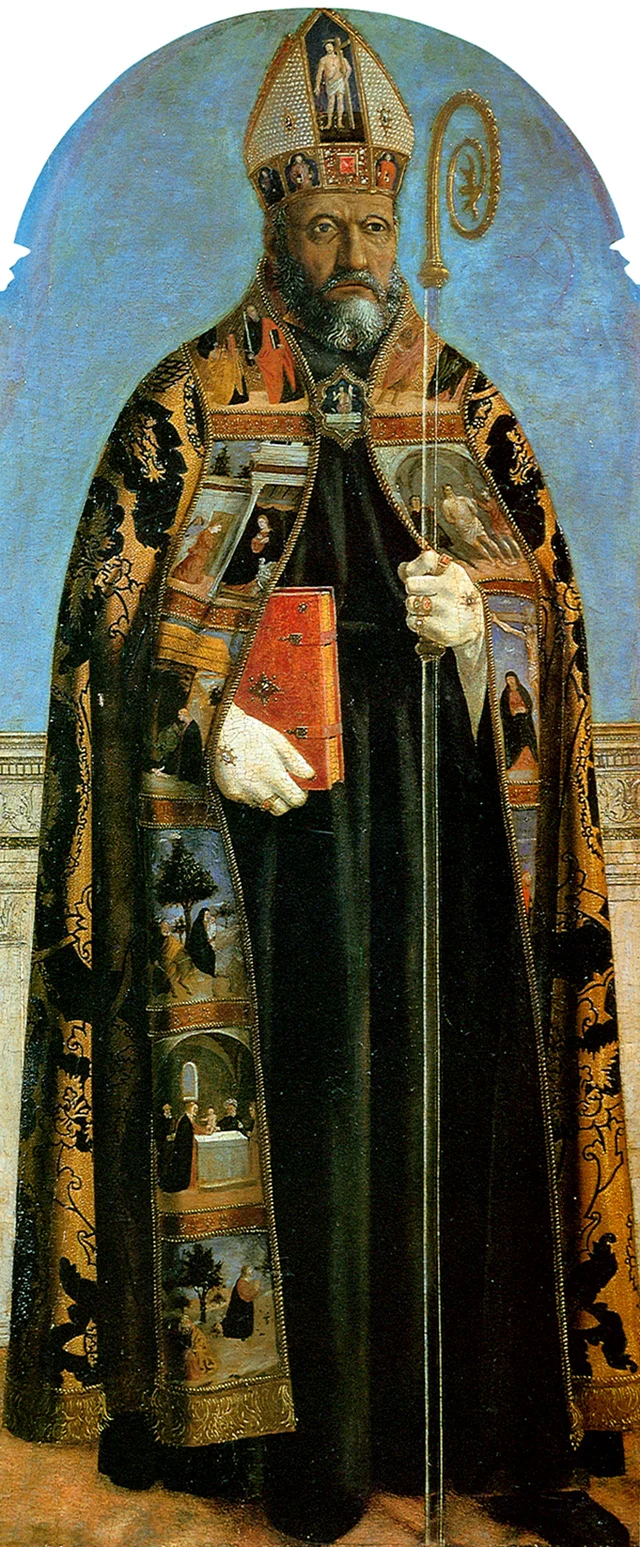 Saint AugustinPiero della Francesca, 1454
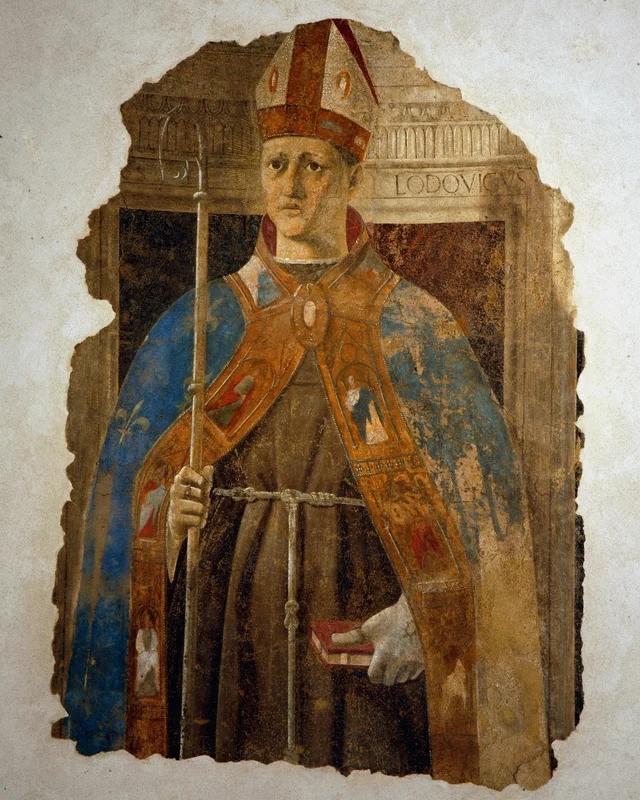 Saint Louis of ToulousePiero della Francesca, 1460
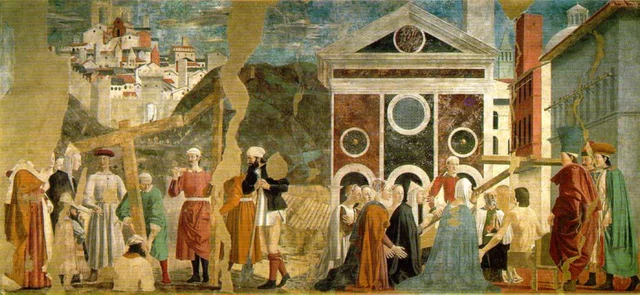 Discovery and Proof of the True CrossPiero della Francesca, 1458
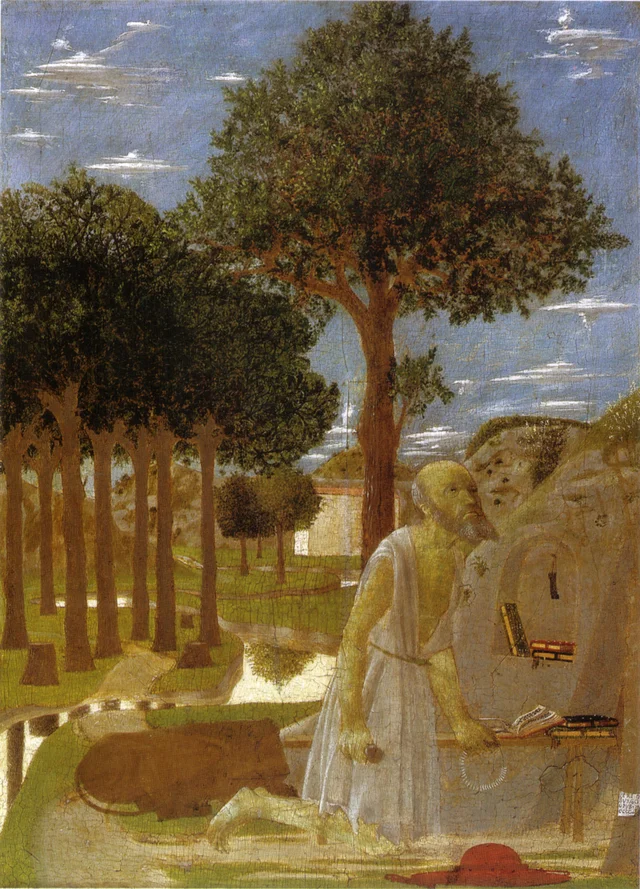 Saint Jerome penitentPiero della Francesca, 1450
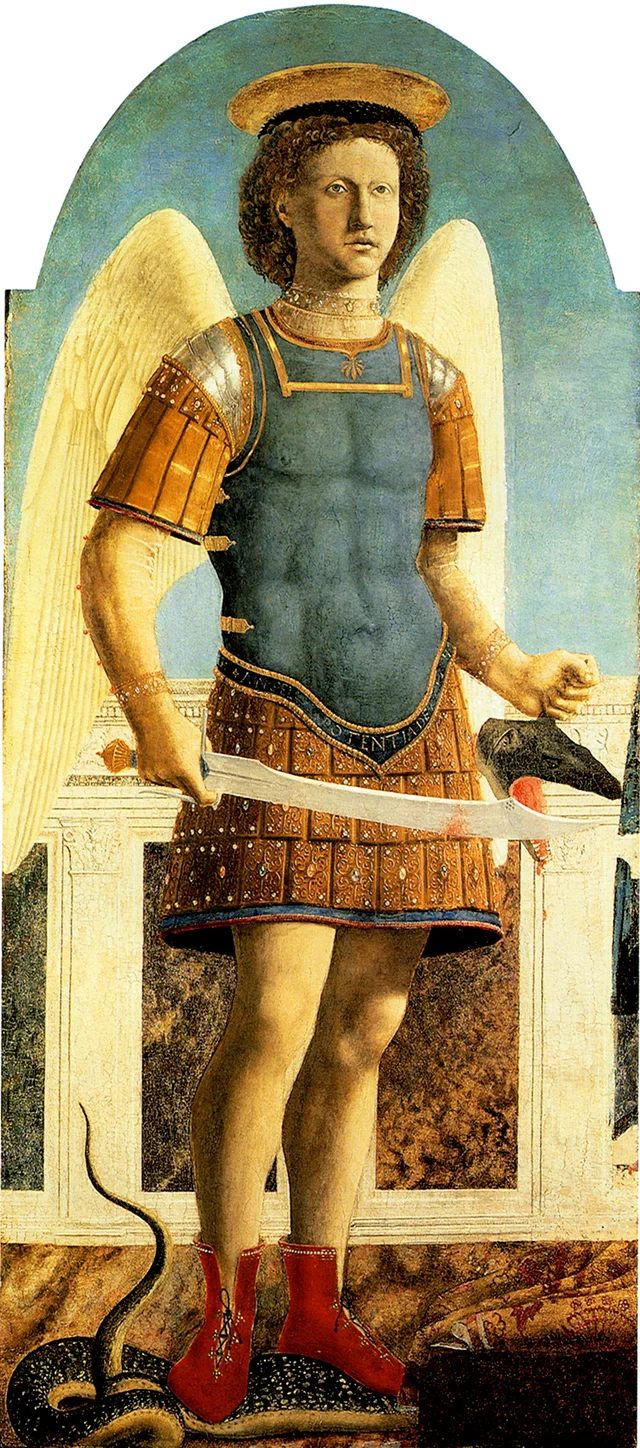 Saint MichaelPiero della Francesca, 1454
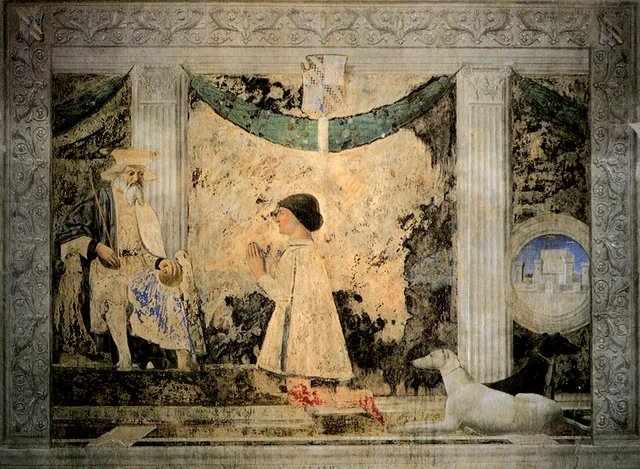 Sigismondo Pandolfo Malatesta Praying before Saint SigismundPiero della Francesca, 1451
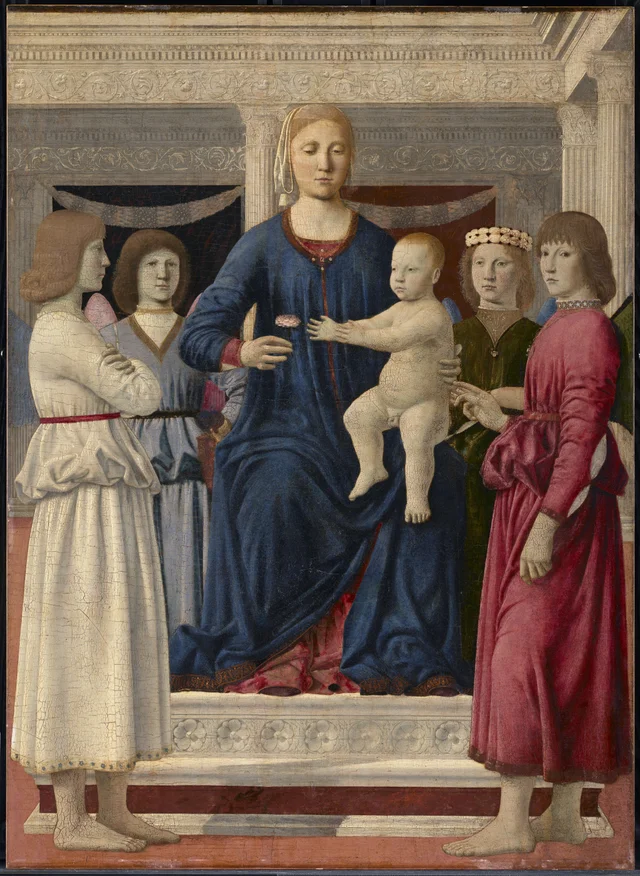 Virgin and Child Enthroned with Four AngelsPiero della Francesca, 1475
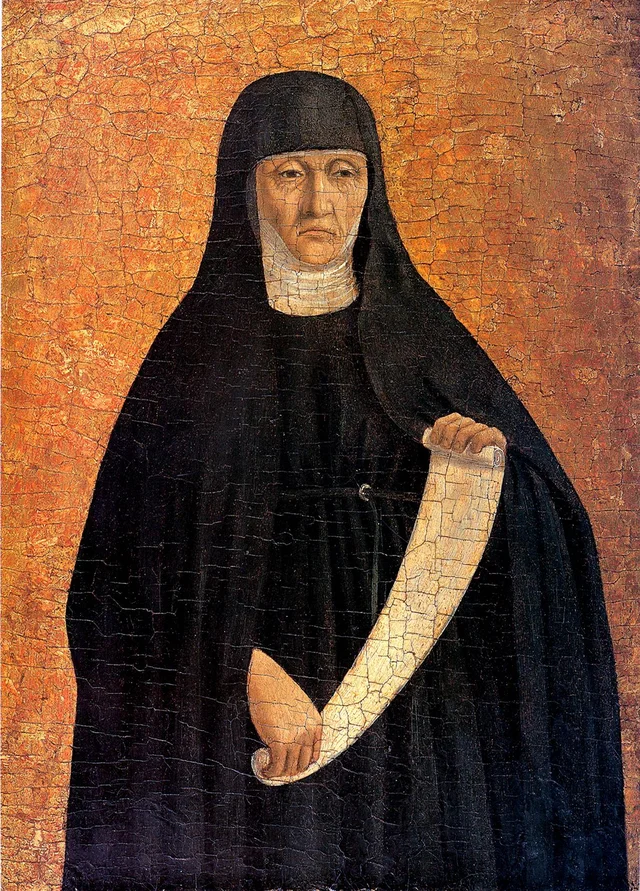 An Augustinian Nun (Saint Monica)Piero della Francesca, 1454
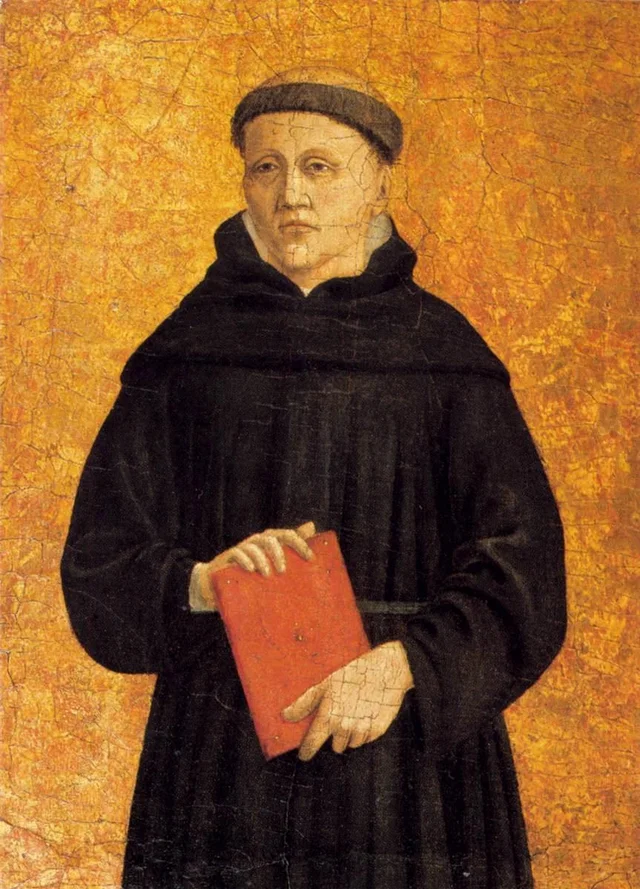 Augustinian SaintPiero della Francesca, 1454
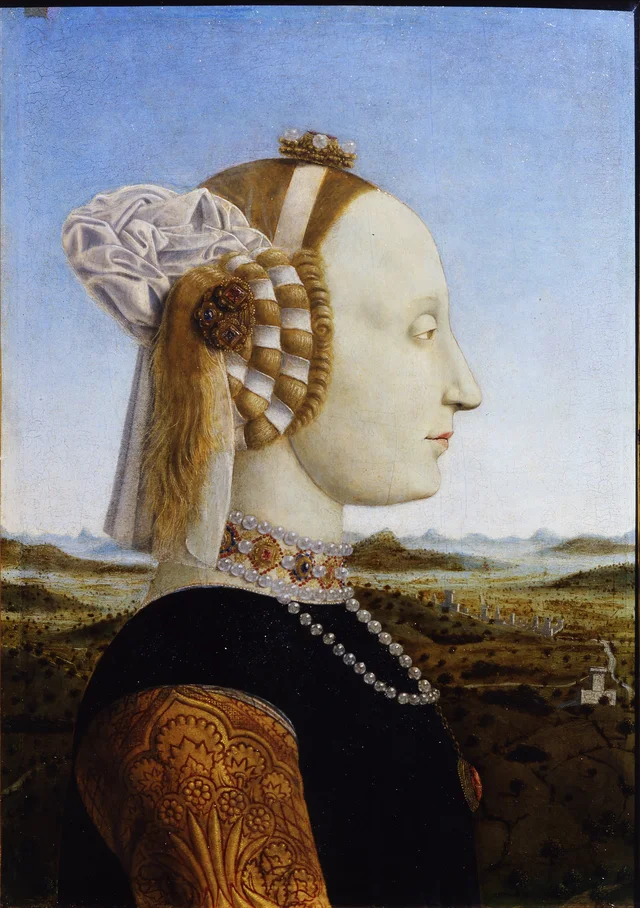 Portrait of Battista SforzaPiero della Francesca, 1474
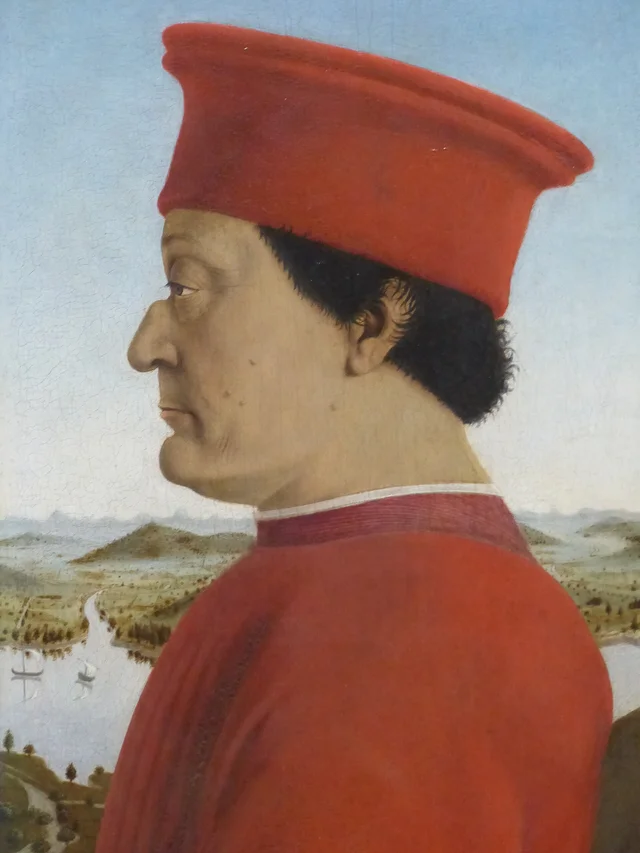 Portrait of Federico da MontefeltroPiero della Francesca, 1474
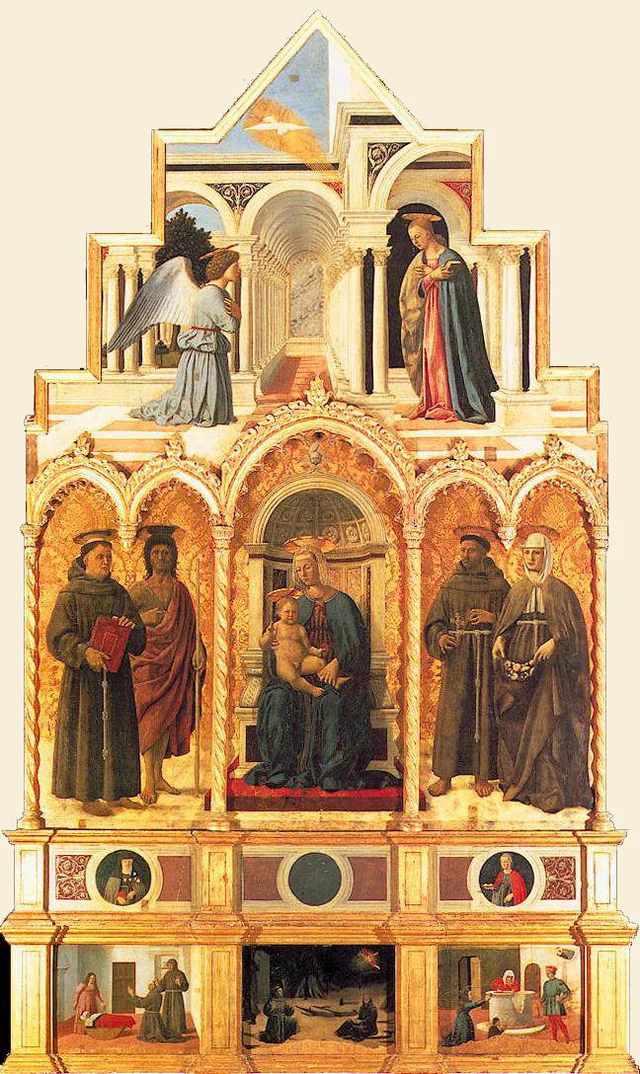 Saint Anthony PolyptychPiero della Francesca, 1469
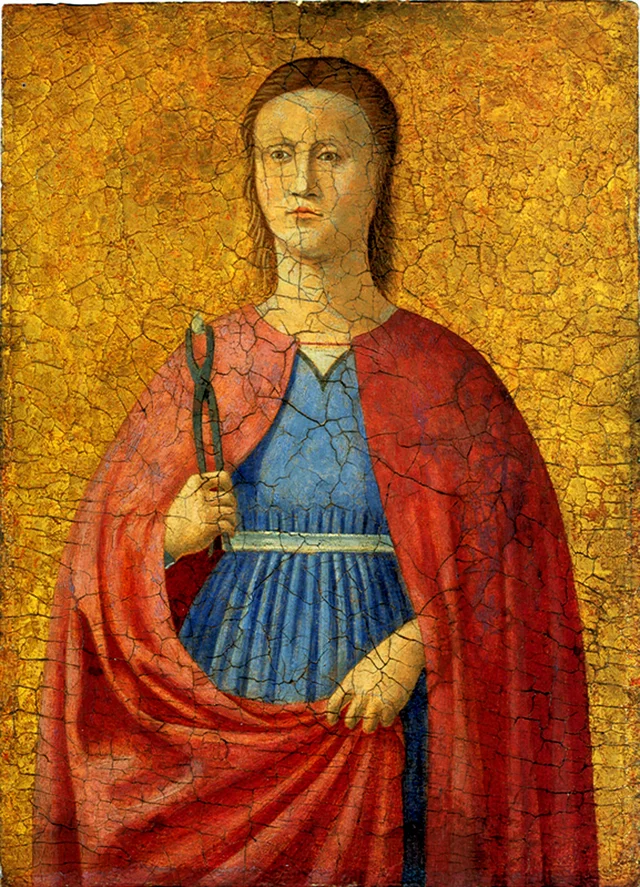 Saint ApolloniaPiero della Francesca, 1454
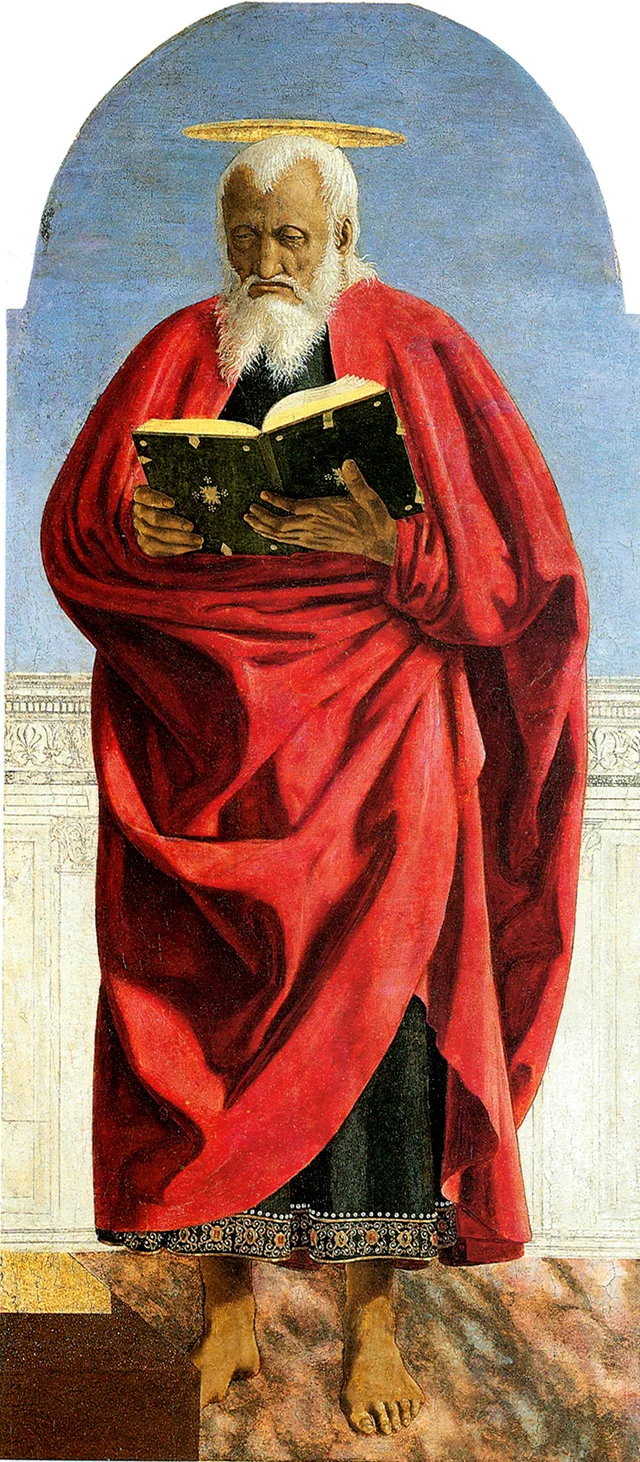 St. John the EvangelistPiero della Francesca, 1454