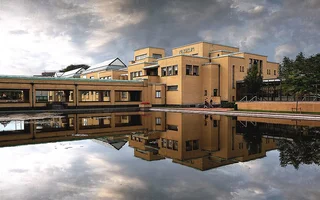
The story
Piet Mondrian died in New York in 1944 with one painting unfinished on the easel: 'Victory Boogie Woogie', a diamond-shaped canvas jumping with little blocks of red, yellow and blue, his attempt to catch the rhythm of Manhattan jazz. It hangs in The Hague, in the museum that owns more of his work than anywhere else, around 300 pieces tracing his path from ordinary Dutch landscapes to the grid of straight lines and primary colors that made his name.
The building suits him. It was the last design of Hendrik Berlage, the architect often called the father of modern Dutch architecture, who died in 1934 before it was finished. It opened in 1935, a calm composition of yellow brick and long low galleries, among the first museums laid out to move visitors gently from room to room.
Around the Mondrians the collection keeps to the same early-20th-century world, with De Stijl furniture, Art Deco objects and a large holding of modern fashion, so the flat geometry on the walls has its chairs and its dresses close by.
Collection
49 works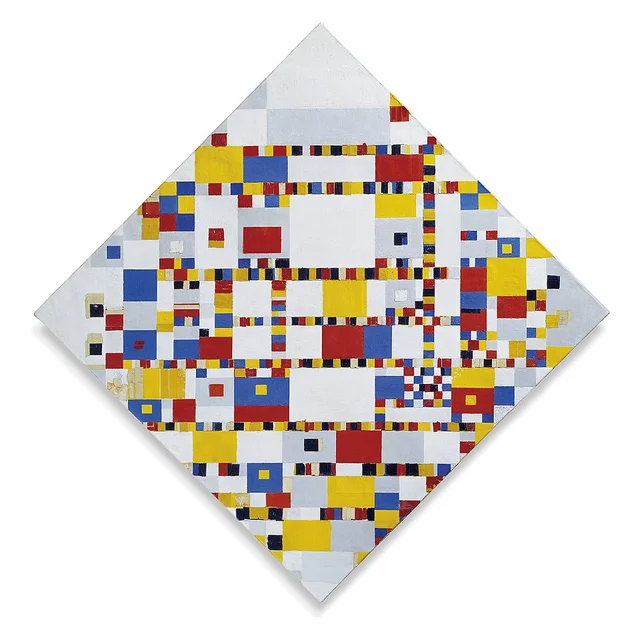 Victory Boogie WoogiePiet Mondrian, 1942
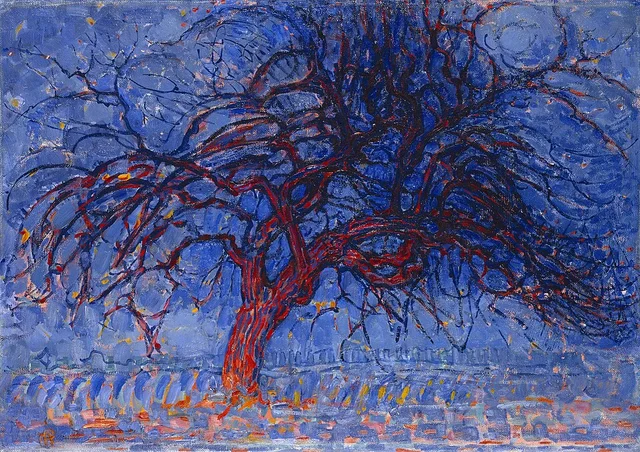 The Red TreePiet Mondrian, 1909
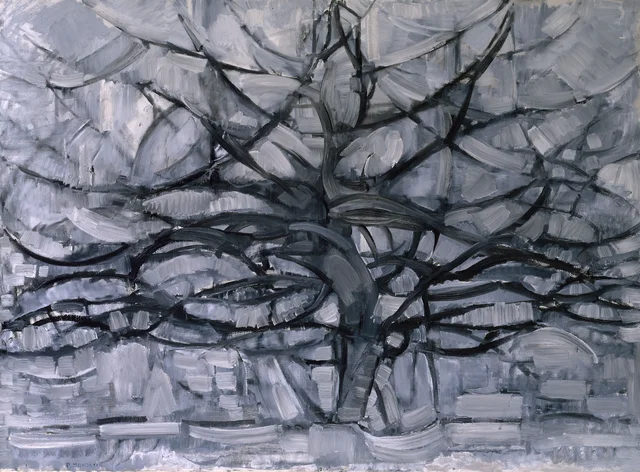 Gray TreePiet Mondrian, 1911
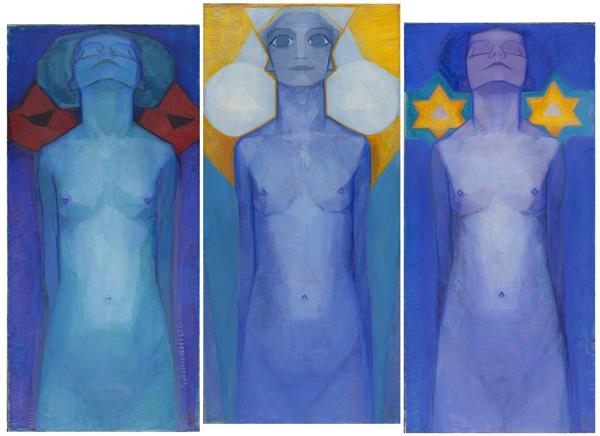 EvolutionPiet Mondrian, 1911
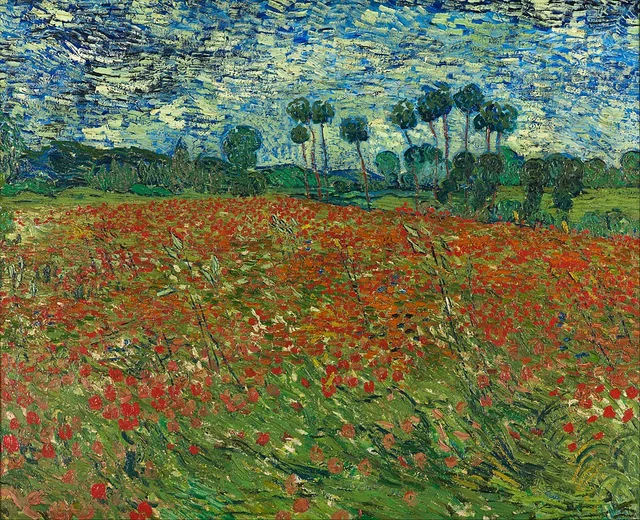 Poppy fieldVincent van Gogh, 1890
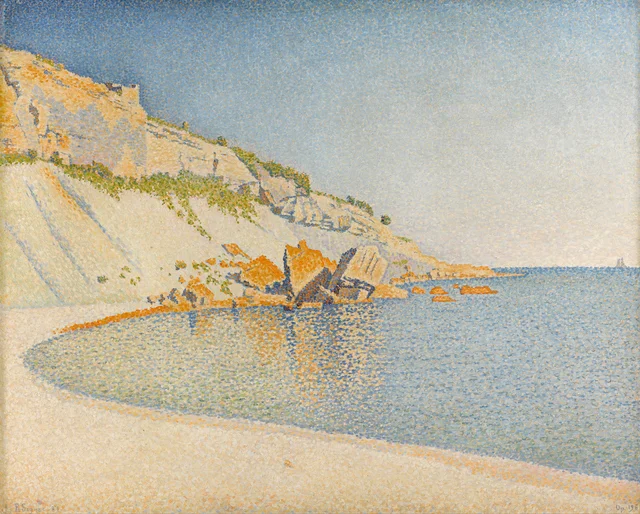 Cassis, Cap Lombard, Opus 196Paul Signac, 1889
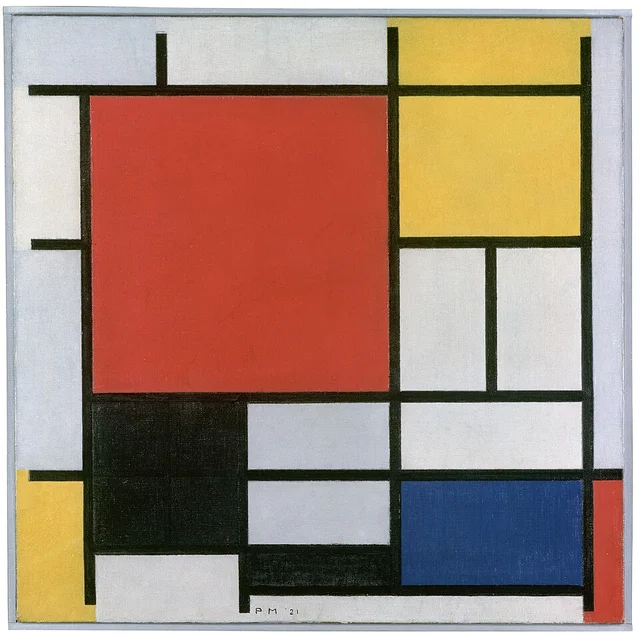 Composition with Large Red Plane, Yellow, Black, Grey and BluePiet Mondrian, 1921
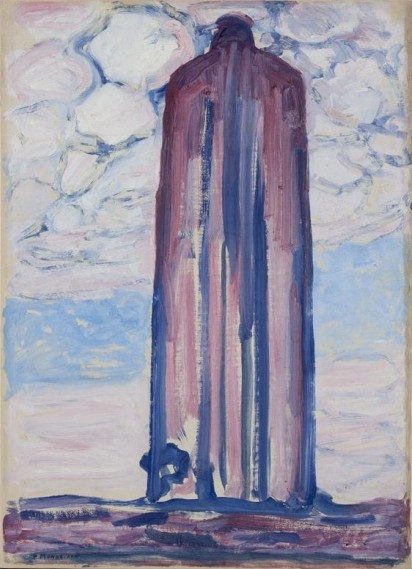 Lighthouse in WestkapellePiet Mondrian, 1908
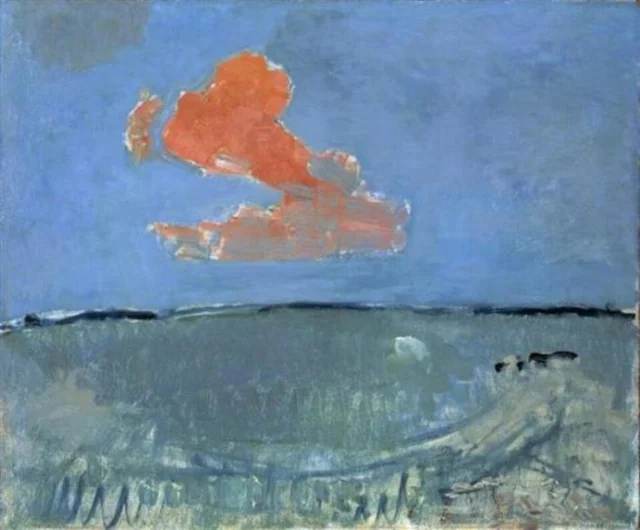 The red cloudPiet Mondrian, 1907
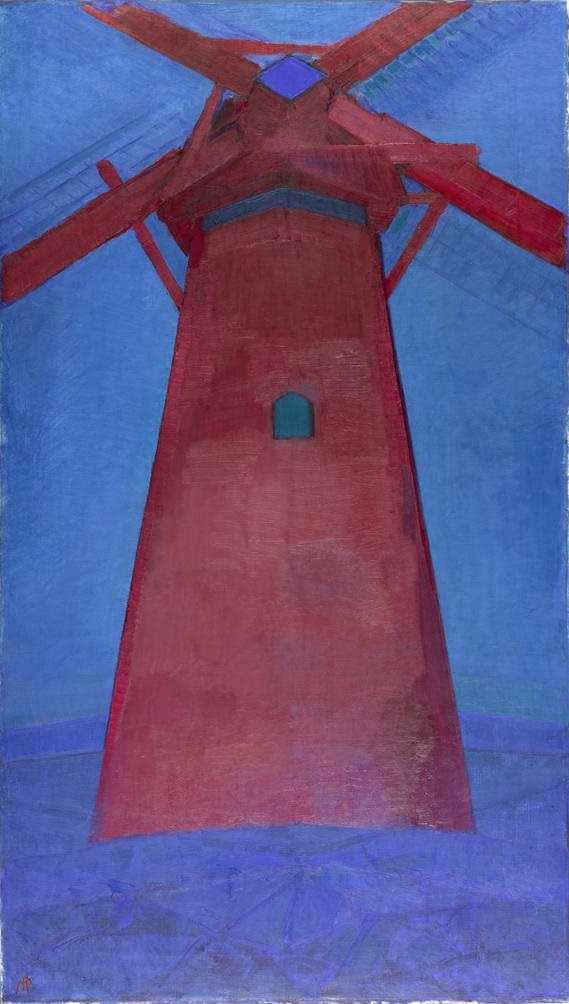 The Red MillPiet Mondrian, 1910
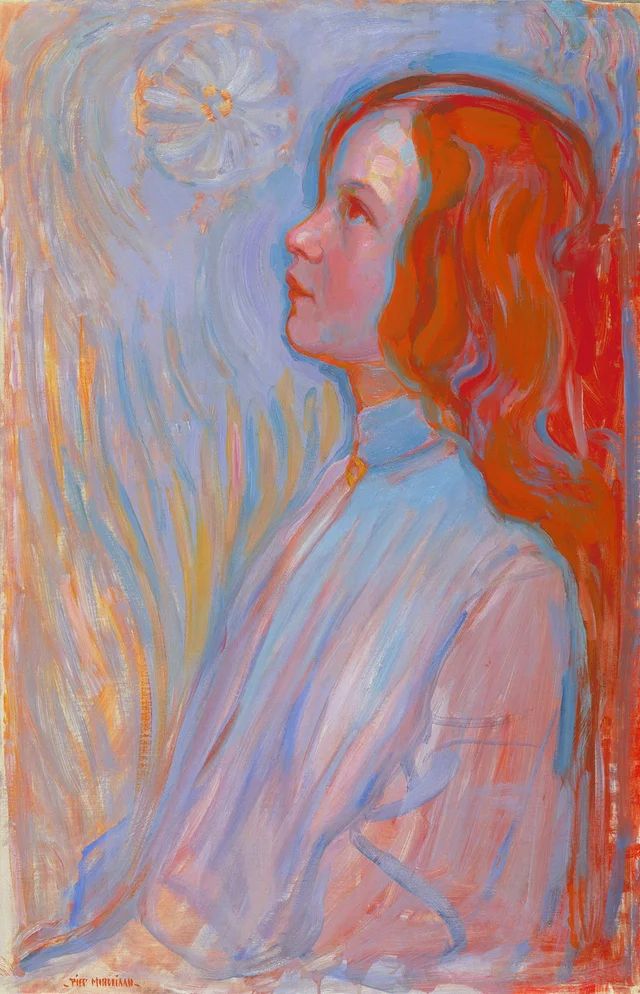 DevotionPiet Mondrian, 1908
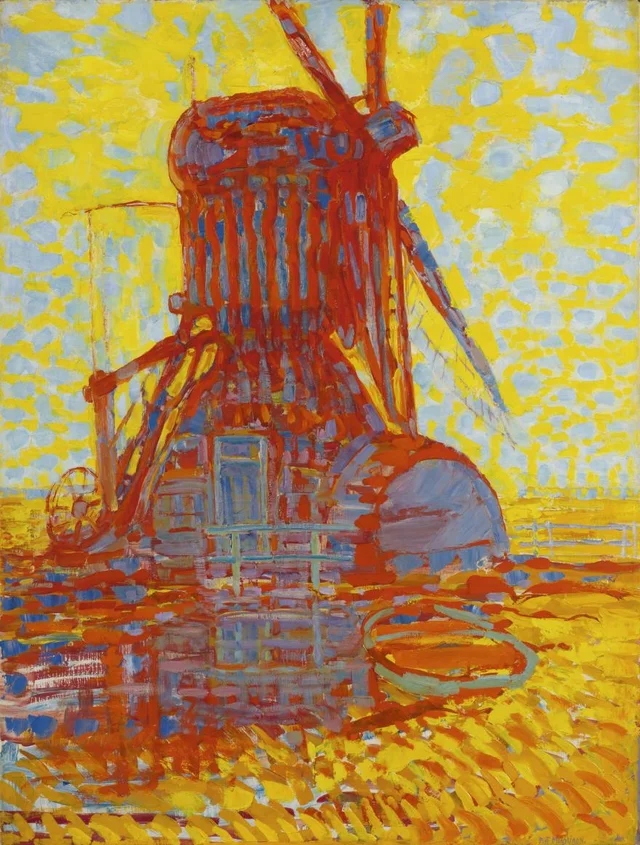 Mill in SunlightPiet Mondrian, 1908
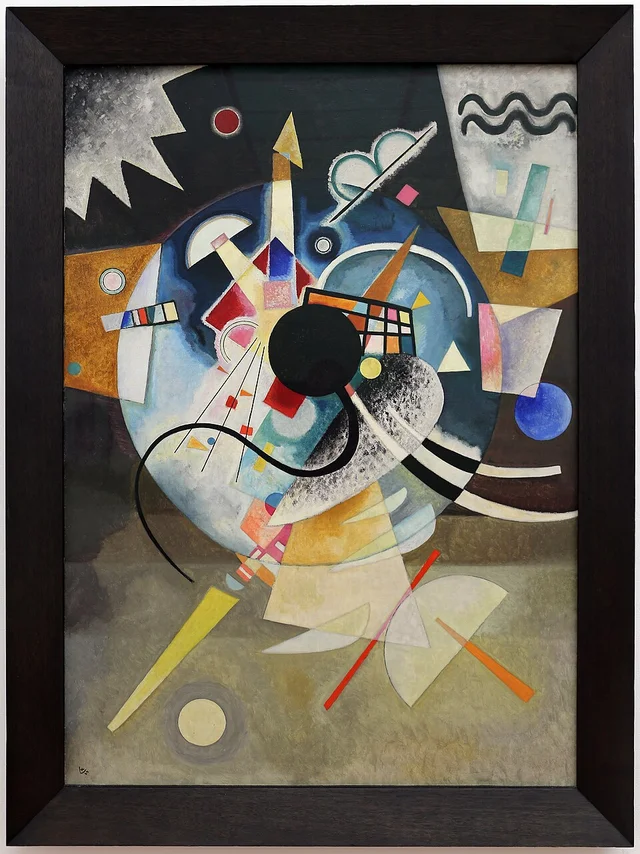 A CenterWassily Kandinsky, 1922
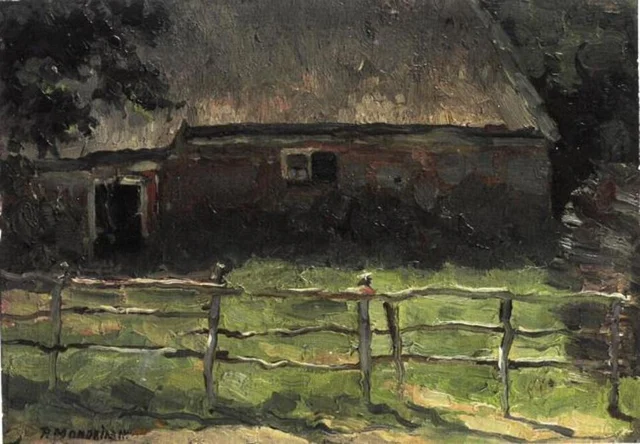 A Farmhouse Behind a FencePiet Mondrian, 1904
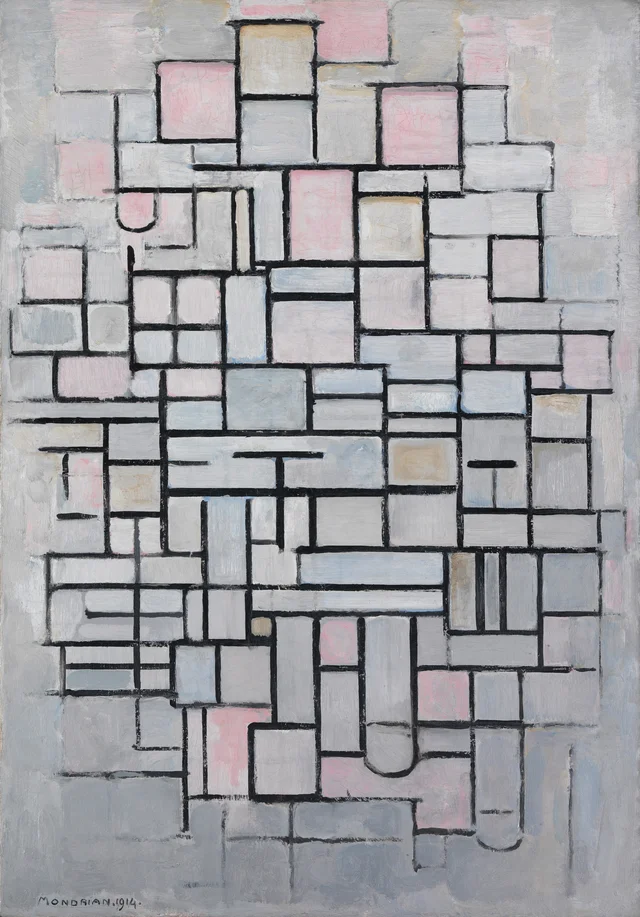 Composition No.IV / Composition 6Piet Mondrian, 1914
 Farmhouse with HaystackPiet Mondrian, 1898
 Flowering Garden with PathVincent van Gogh, 1888
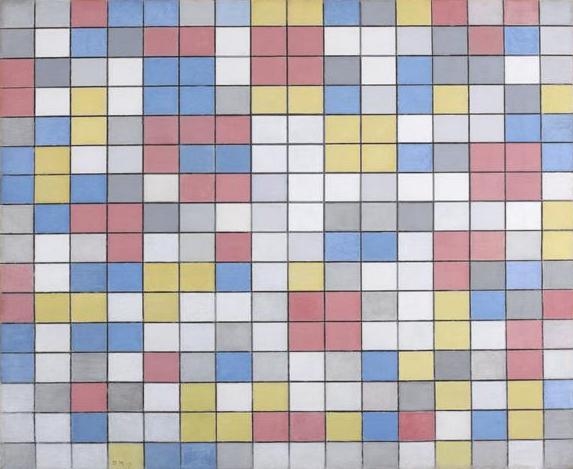 Grid Composition 9: Checkerboard Composition, Bright ColoursPiet Mondrian, 1919
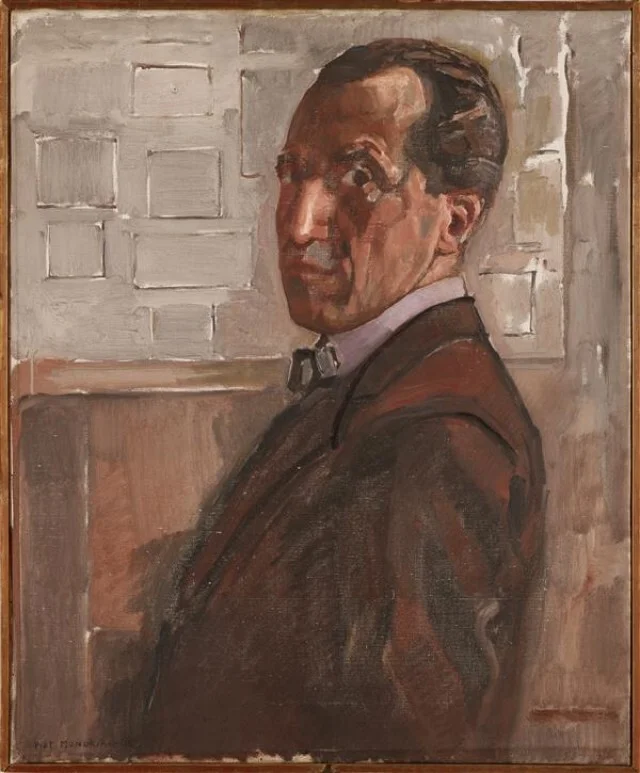 Self-portraitPiet Mondrian, 1918
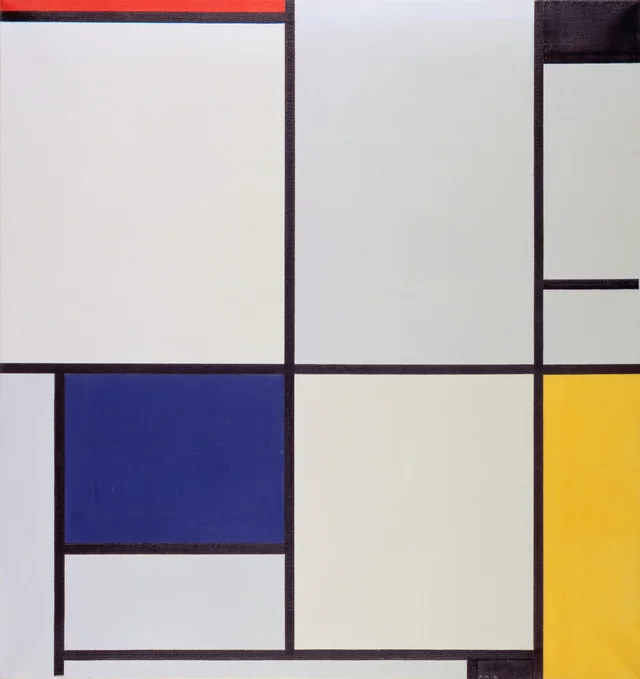 Tableau IPiet Mondrian, 1921
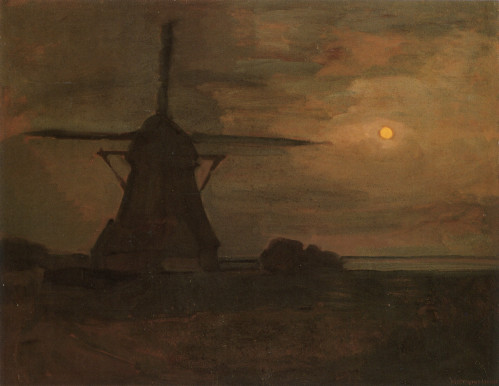 Windmill by MoonlightPiet Mondrian, 1907
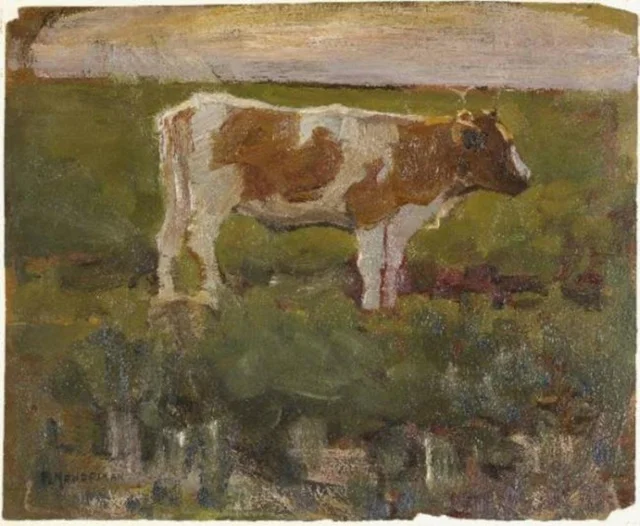 Brown and white heiferPiet Mondrian, 1904
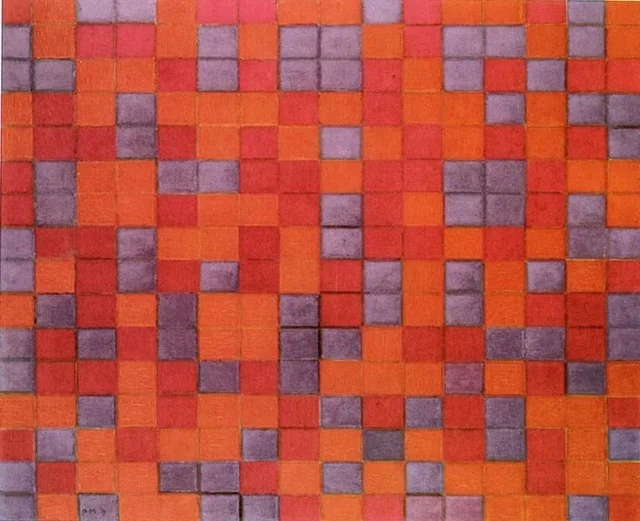 Composition Checkerboard, Dark ColorsPiet Mondrian, 1919
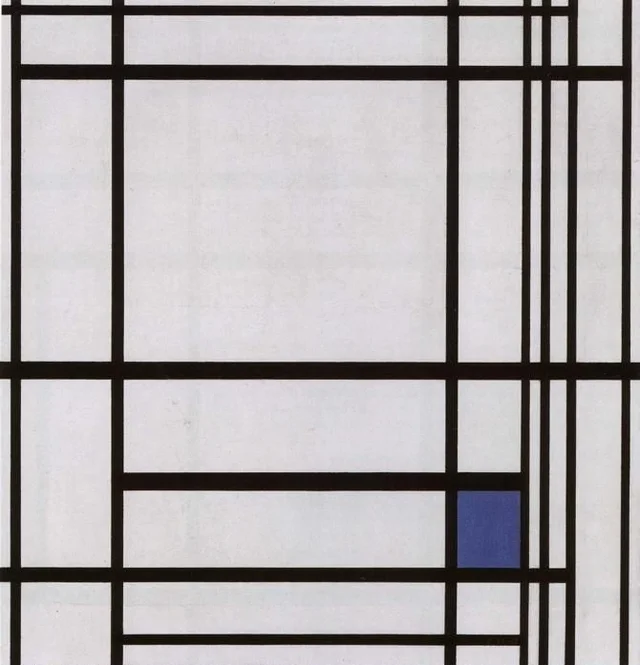 Composition de lignes et couleur: IIIPiet Mondrian, 1937
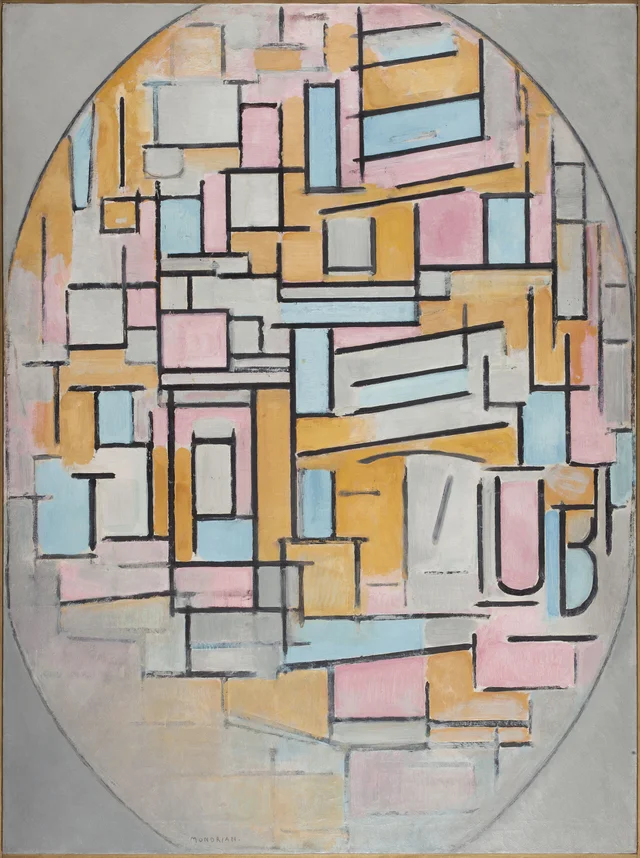 Composition in oval with color panes 2Piet Mondrian, 1914