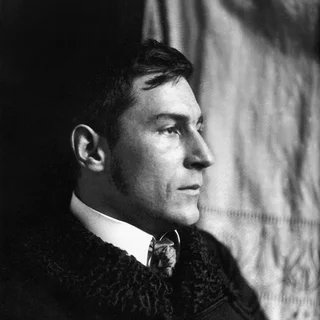
Franz Marc
1880–1916 · Reino de Baviera · Expresionismo
La historia
Franz Marc encontró su tema casi por accidente. Formado en Múnich y atraído desde joven por la filosofía religiosa oriental, hacia 1910 se decantó por los animales como tema central, pintando caballos, ciervos y zorros en azules, rojos y amarillos saturados, no para representarlos con naturalismo sino como símbolos de un mundo espiritual que consideraba a salvo de la corrupción humana. Su cuadro de 1911 Caballo azul I es típico de ello: un animal de un azul ultramar resplandeciente sobre colinas onduladas, el color usado como sentimiento y no como descripción.
Ese mismo año conoció al pintor ruso Vasili Kandinsky, y juntos rompieron con el grupo muniqués Neue Künstlervereinigung para fundar Der Blaue Reiter, el Jinete Azul, publicando en 1912 un almanaque que se convirtió en uno de los documentos fundacionales del expresionismo alemán. Marc y Kandinsky compartían la convicción de que la abstracción podía revelar una esencia espiritual oculta tras las apariencias ordinarias, y las pinturas de animales de Marc se fueron volviendo cada vez más fracturadas y prismáticas a medida que avanzaba en esa dirección.
Fue reclutado por el ejército alemán al estallar la Primera Guerra Mundial y murió por la esquirla de un obús cerca de Verdún el 4 de marzo de 1916, a los treinta y seis años. El mando militar alemán había elaborado una lista de artistas destacados para retirarlos del combate por su valor cultural; Marc figuraba en ella, pero la orden de traslado nunca le llegó a tiempo.
Más artículos
Obras
104 obras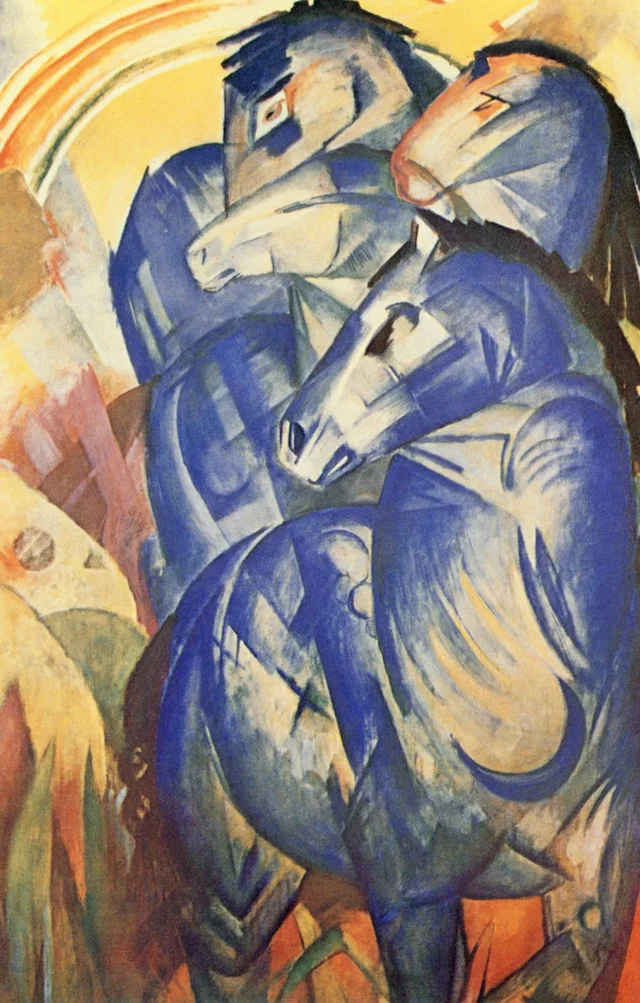 La torre de los caballos azulesFranz Marc, 1913
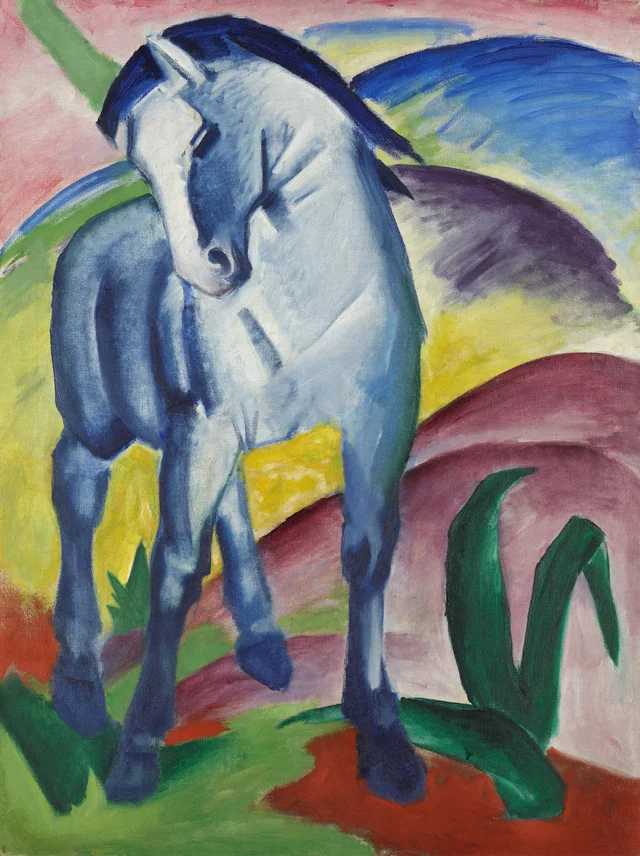 Caballo azul IFranz Marc, 1911
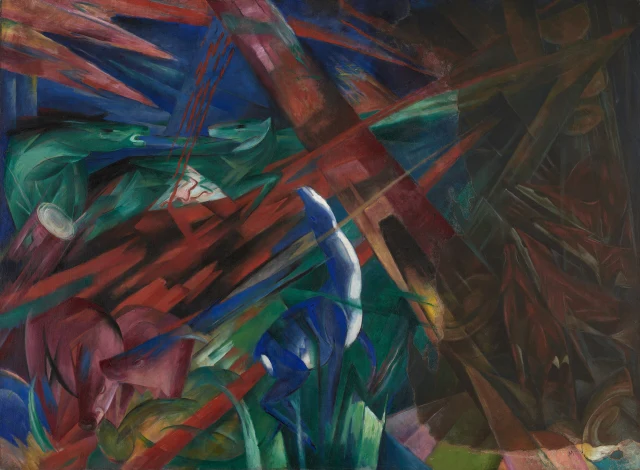 El destino de los animalesFranz Marc, 1913
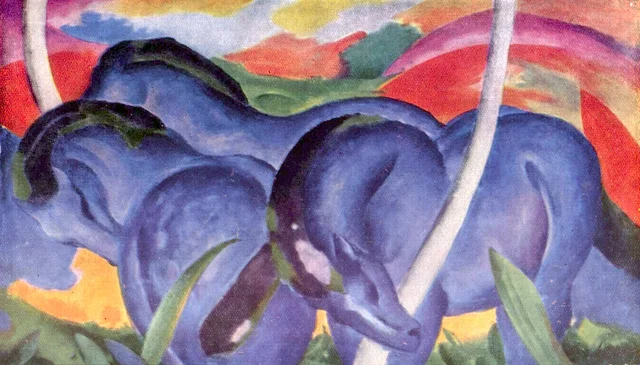 Los grandes caballos azulesFranz Marc, 1911
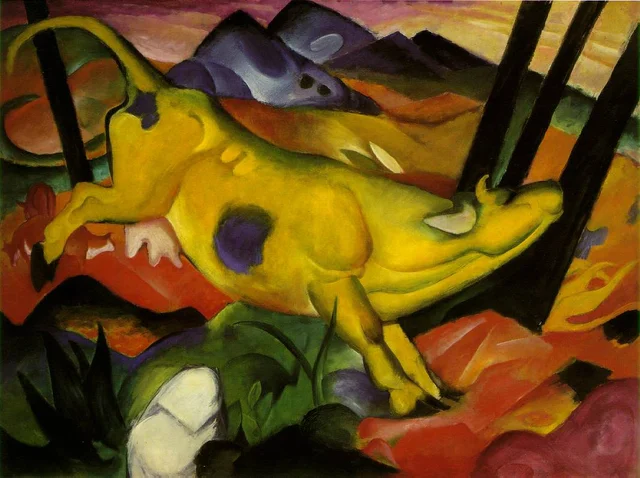 La vaca amarillaFranz Marc, 1911
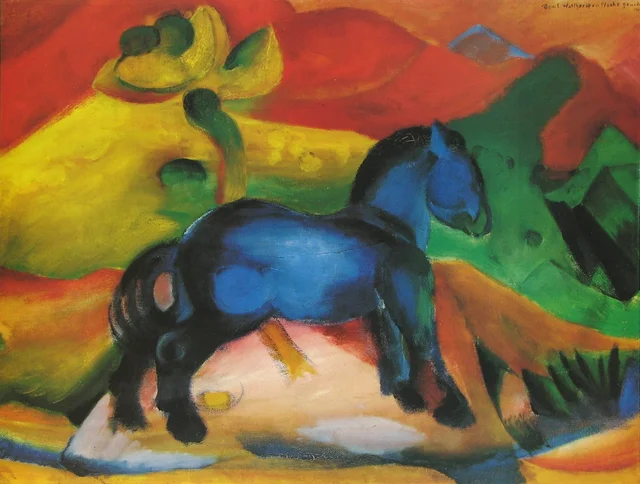 Caballo azulFranz Marc, 1912
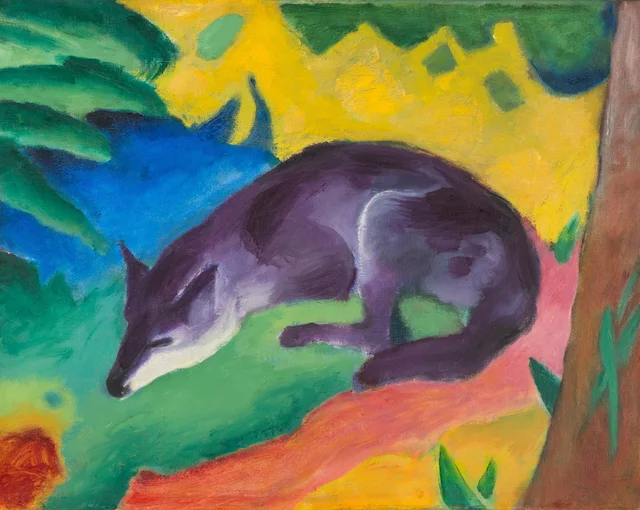 ZorroFranz Marc, 1911
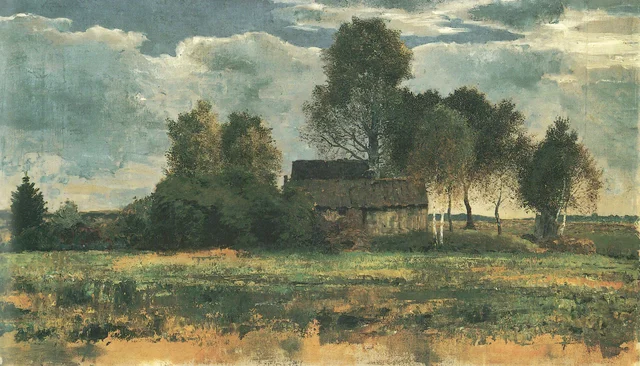 Cabañas en la turbera de DachauFranz Marc, 1902
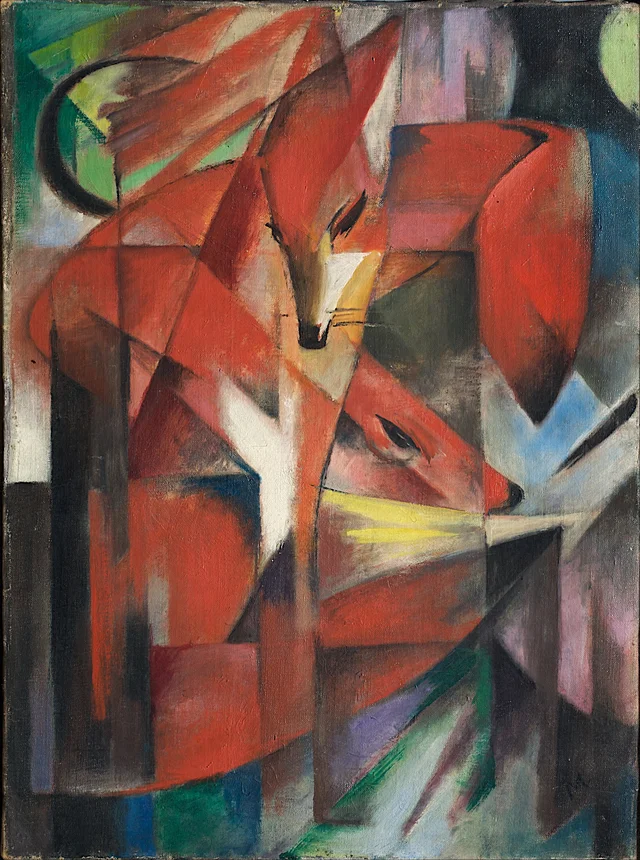 Los zorrosFranz Marc, 1913
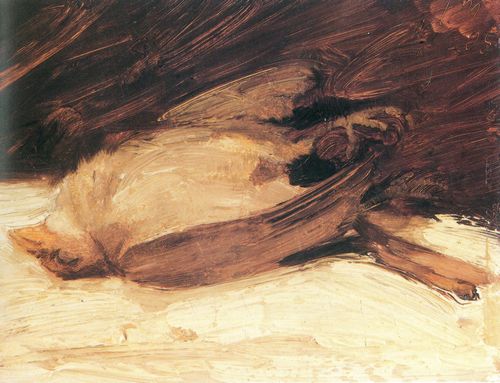 El gorrión muertoFranz Marc, 1905
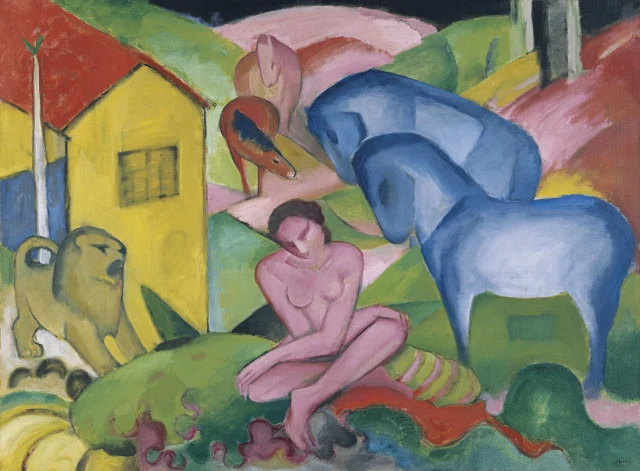 El sueñoFranz Marc, 1912
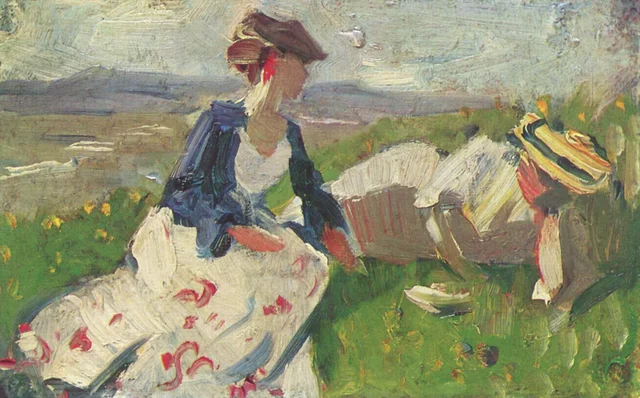 Dos mujeres en la laderaFranz Marc, 1906
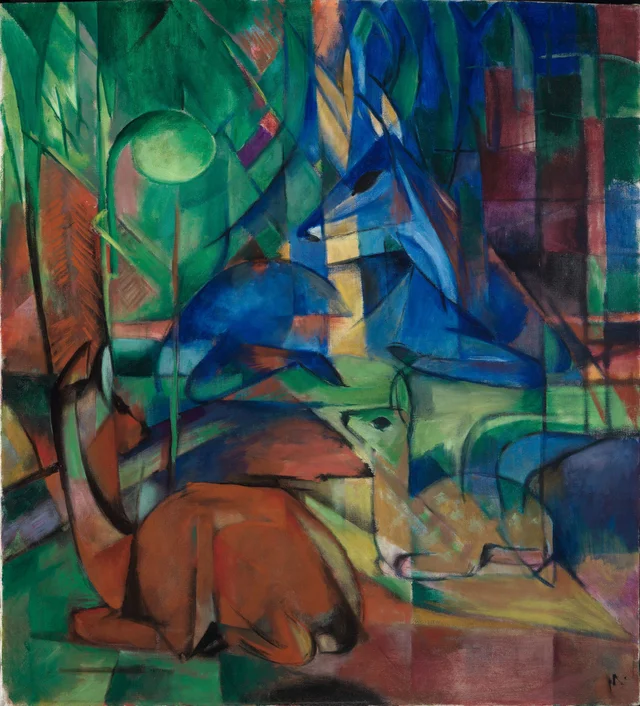 Ciervo en el bosque IIFranz Marc, 1914
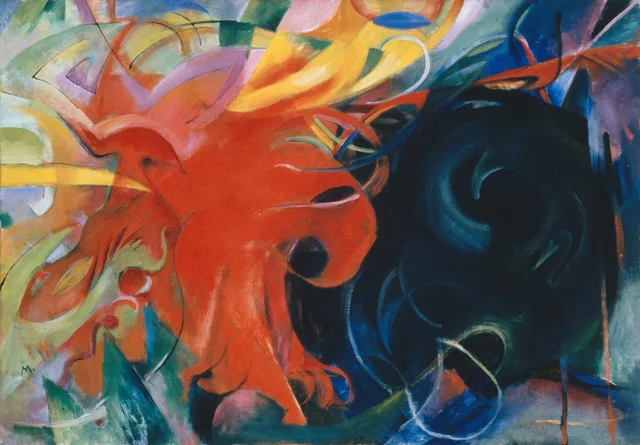 Formas en luchaFranz Marc, 1914
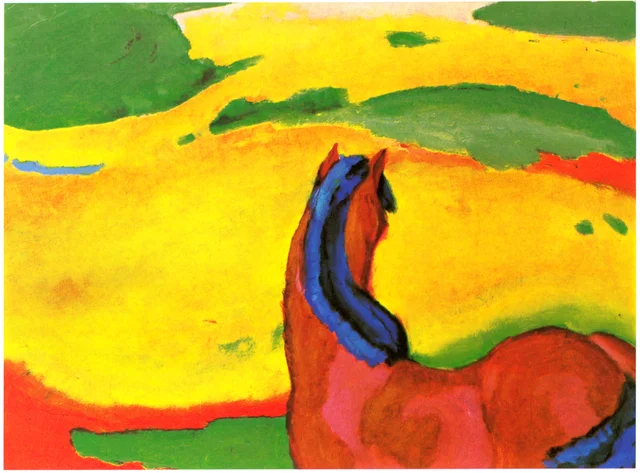 Caballo en un paisajeFranz Marc, 1910
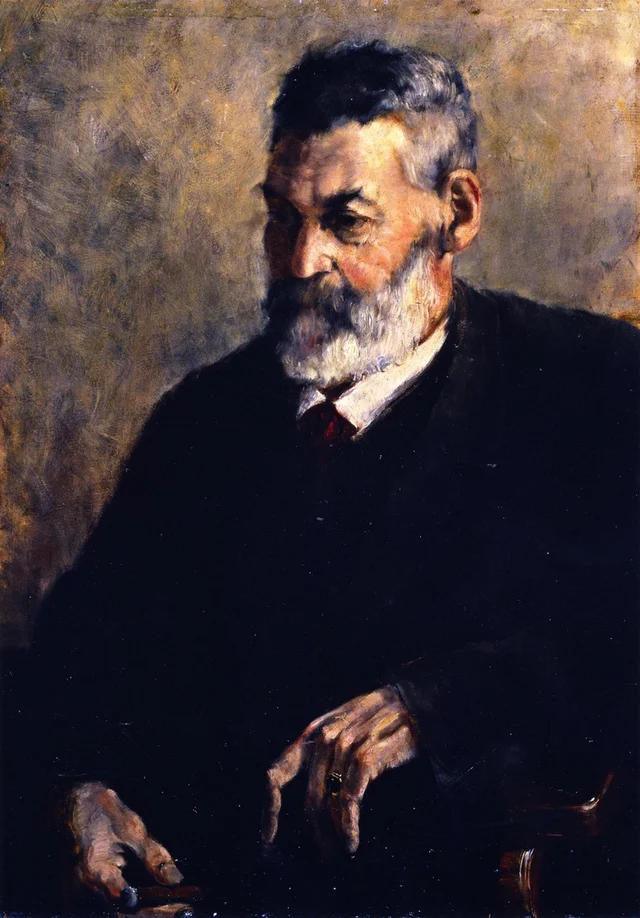 Retrato del padreFranz Marc, 1902
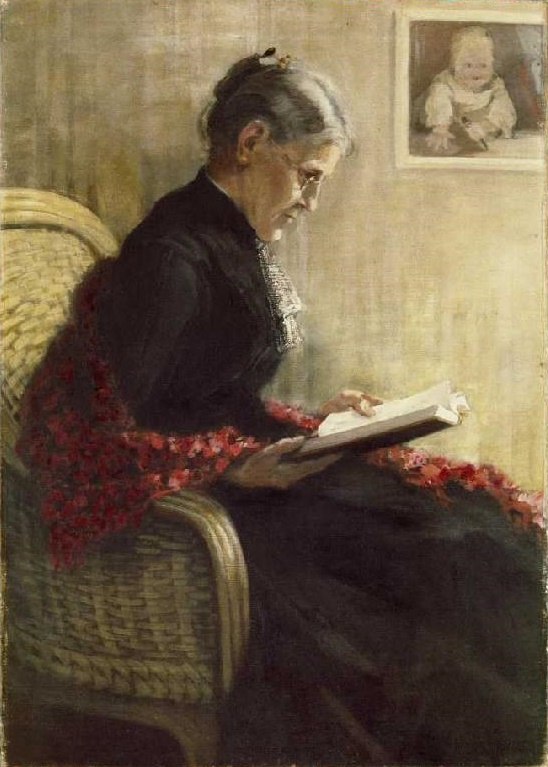 Retrato de la madreFranz Marc, 1902
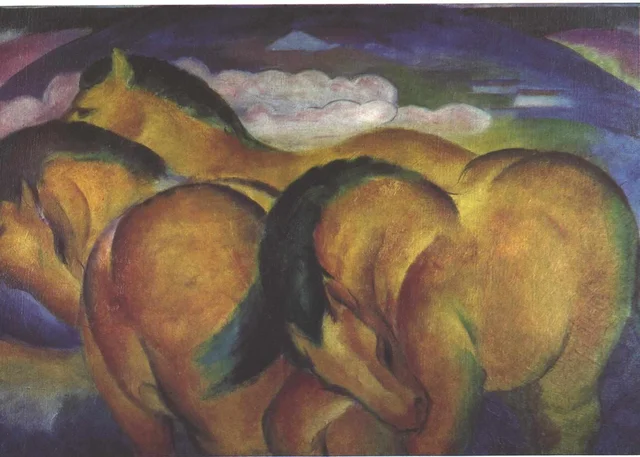 Los pequeños caballos amarillosFranz Marc, 1912
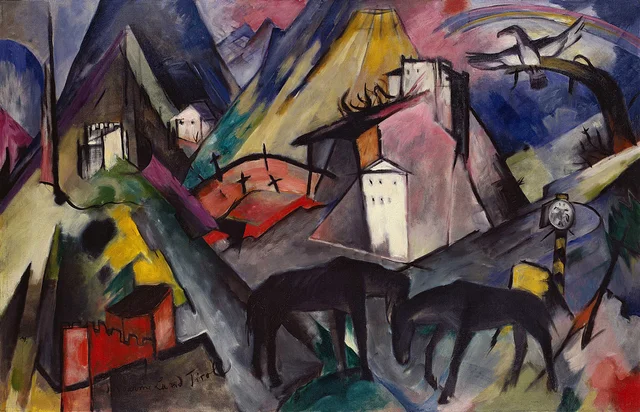 La desdichada tierra del TirolFranz Marc, 1913
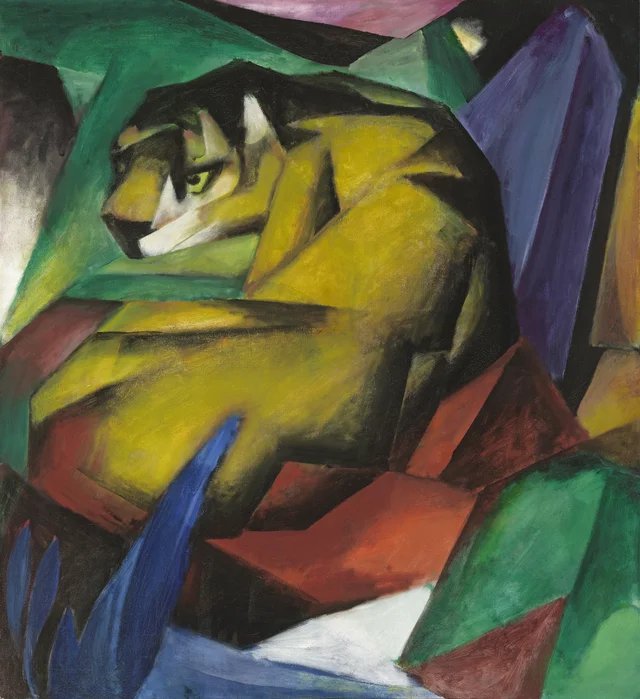 TigreFranz Marc, 1912
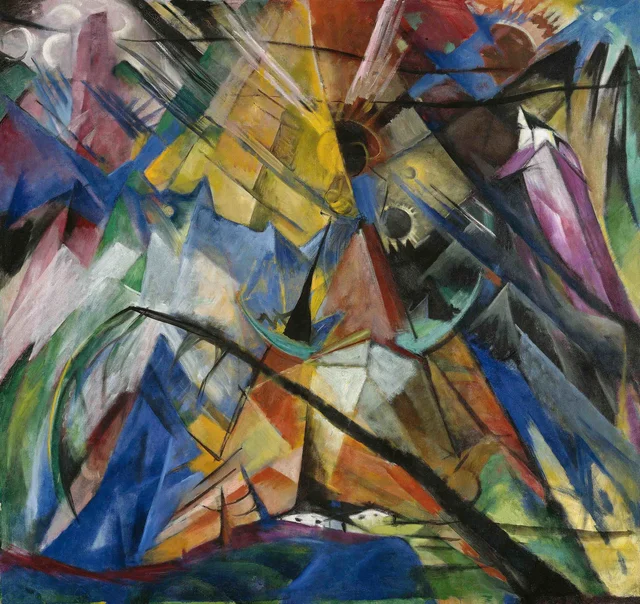 TirolFranz Marc, 1914
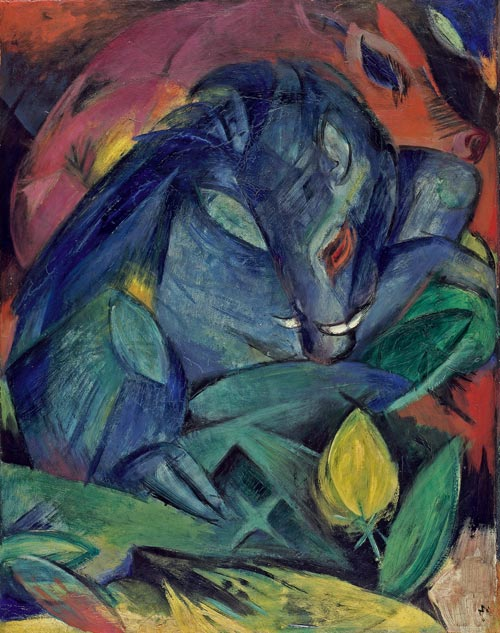 Los jabalíesFranz Marc, 1913
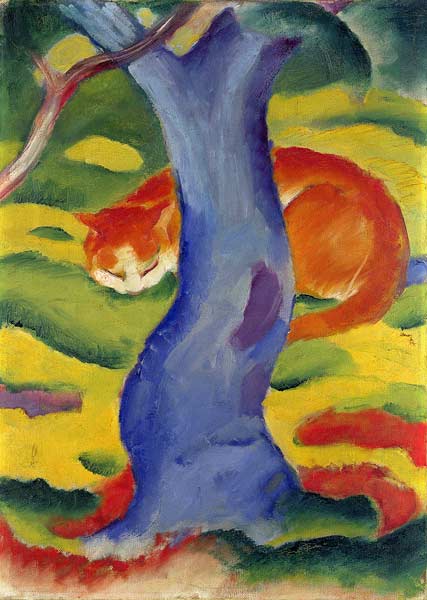 Gato detrás de un árbolFranz Marc, 1911
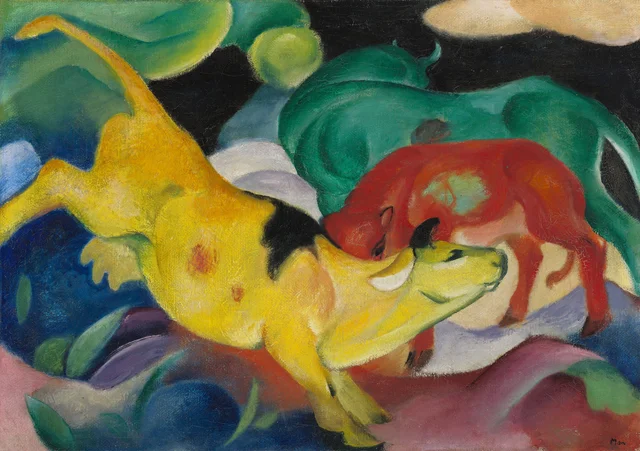 Vacas, rojo, verde, amarilloFranz Marc, 1911
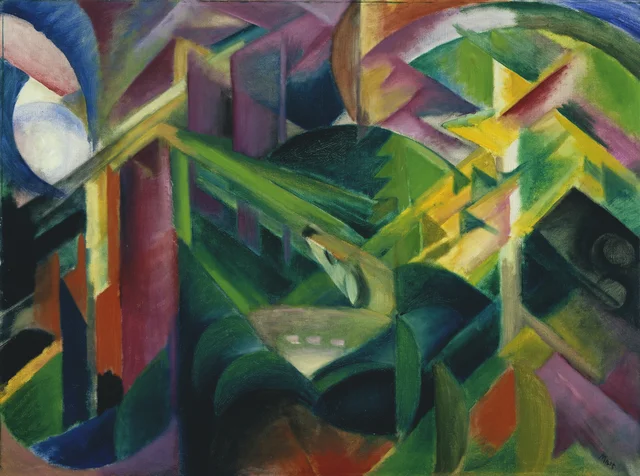 Ciervos en el jardín de un monasterioFranz Marc, 1912