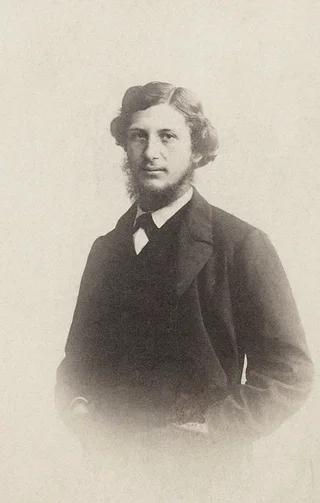
Frédéric Bazille
1841–1870 · Francia · Impresionismo
La historia
En el verano de 1870 Francia entró en guerra con Prusia, y Frédéric Bazille, de 28 años y ya una de las presencias más firmes entre los jóvenes pintores reunidos en torno a Claude Monet, se alistó en un regimiento de infantería de zuavos pocas semanas después de la declaración.
Había dedicado la década anterior a hacer posible, sin ruido, a esa generación. Hijo de una acaudalada familia vinatera de Montpellier, abandonó la medicina por la pintura, compartió su estudio parisino con Monet y Pierre-Auguste Renoir, compró sus lienzos cuando casi nadie lo hacía y pagó más de una vez el alquiler de Monet. Con bastante más de un metro ochenta, algo insólito para la época, aparecía además como modelo en los cuadros de sus amigos siempre que necesitaban una figura alta entre la multitud. Su obra más ambiciosa, 'Reunión de familia', un retrato de grupo de sus parientes en una terraza, se expuso en el Salón de París de 1868 y sigue siendo su cuadro más conocido.
El 28 de noviembre de 1870, en la batalla de Beaune-la-Rolande, su oficial al mando cayó herido y Bazille tomó el mando del asalto. Recibió dos disparos y murió en el campo. Ninguna de las ocho exposiciones impresionistas que se celebraron en los años siguientes incluyó su obra.
Obras
15 obras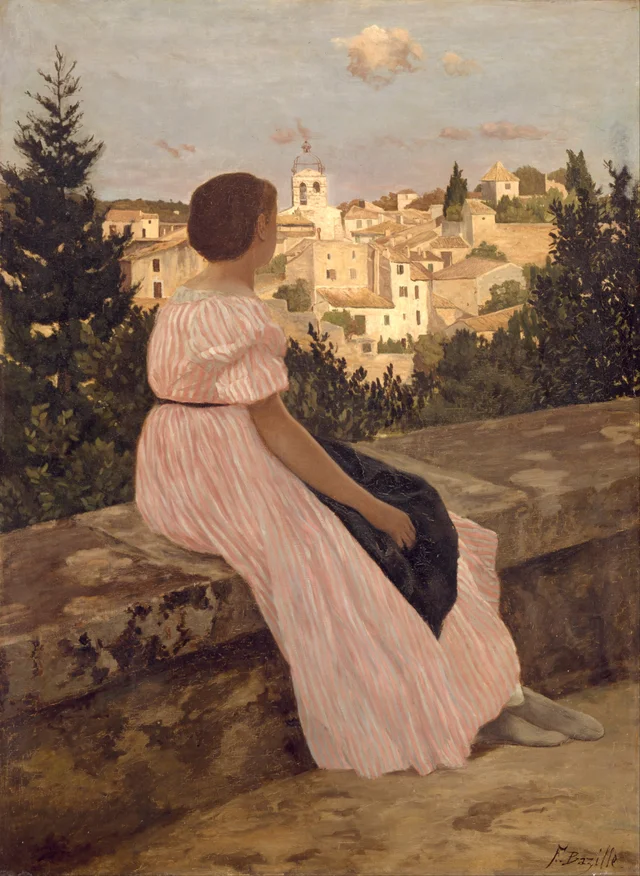 El vestido rosaFrédéric Bazille, 1864
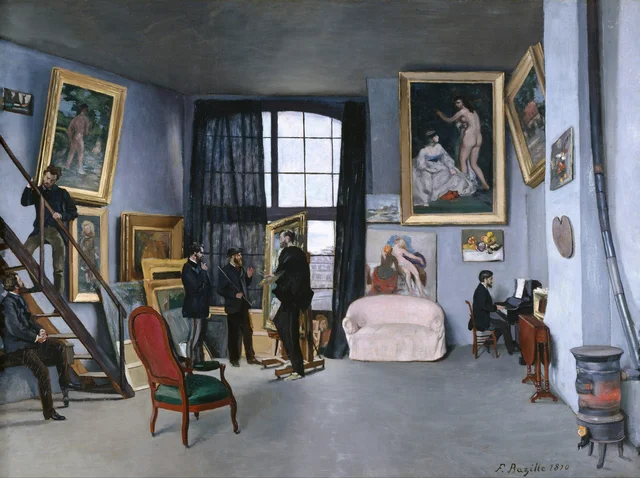 El estudio de BazilleFrédéric Bazille, 1870
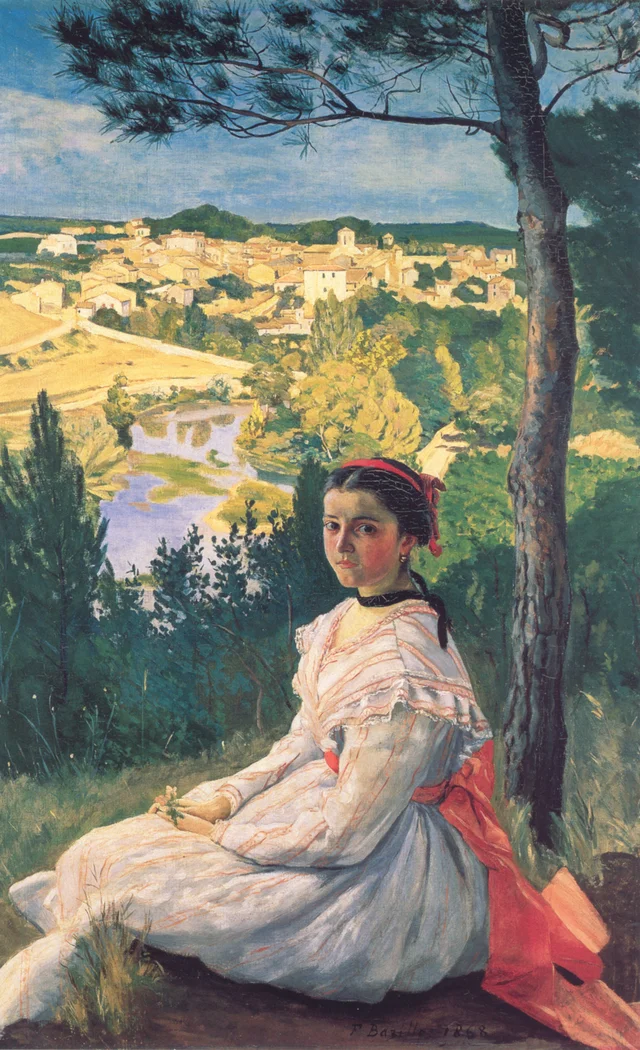 Vista del puebloFrédéric Bazille, 1868
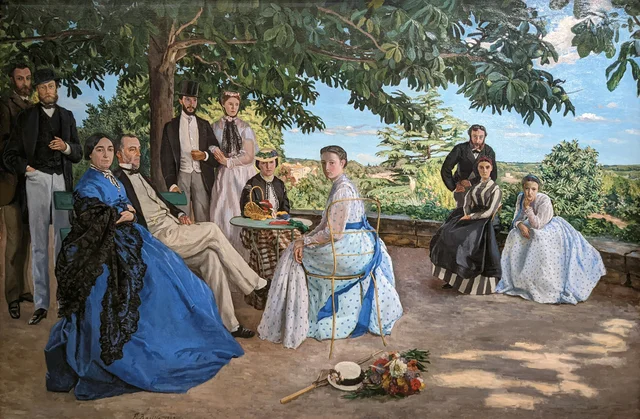 Reunión de familiaFrédéric Bazille, 1867
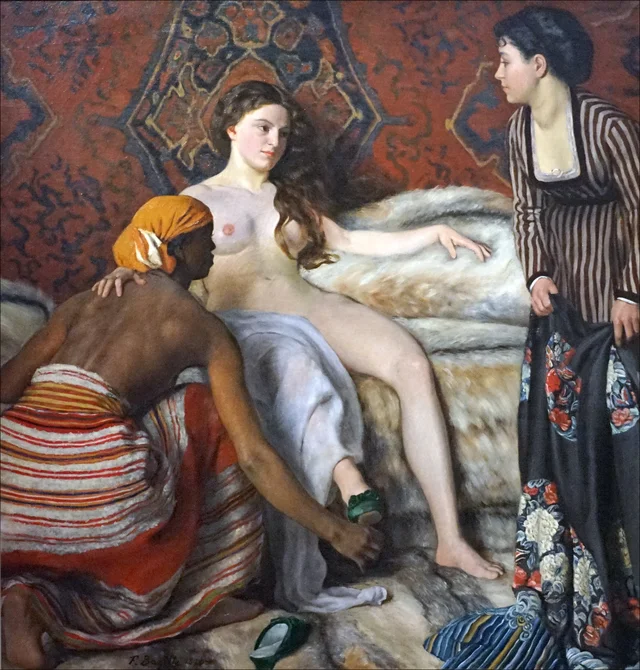 La ToiletteFrédéric Bazille, 1870
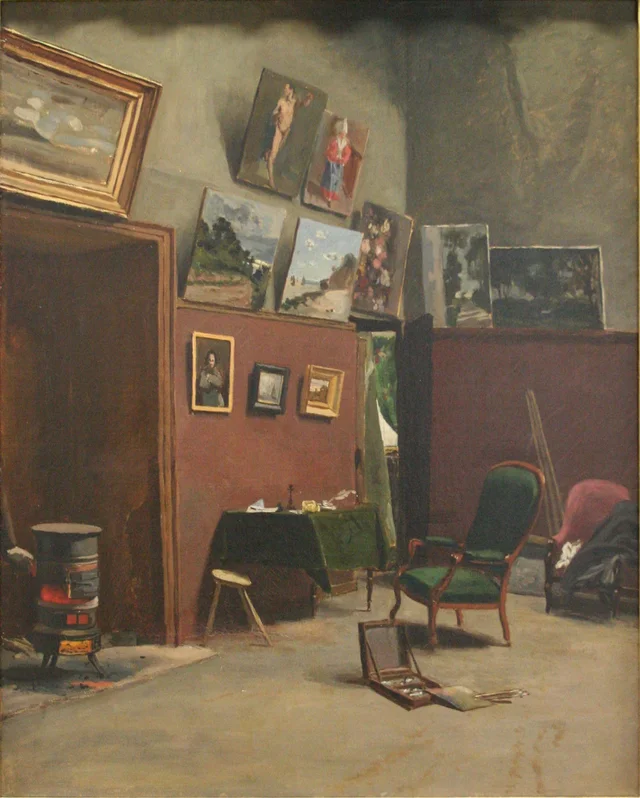 Estudio en la rue de FurstembergFrédéric Bazille, 1865
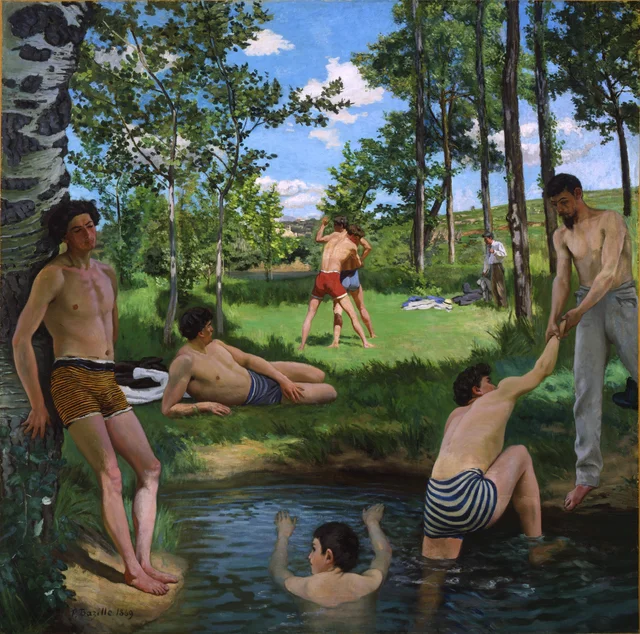 Escena de veranoFrédéric Bazille, 1869
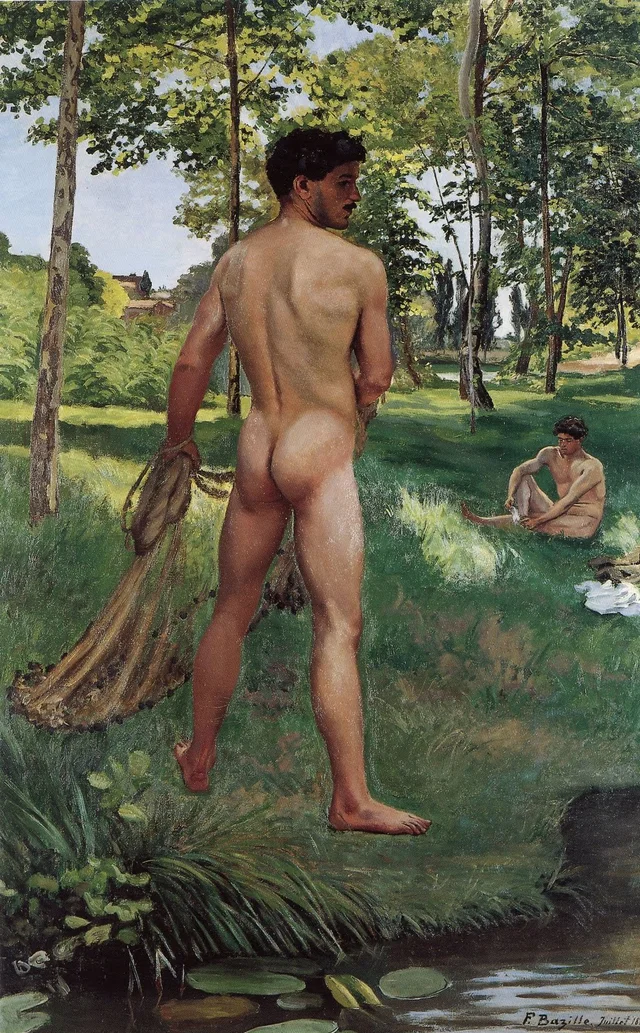 Pescador con una redFrédéric Bazille, 1868
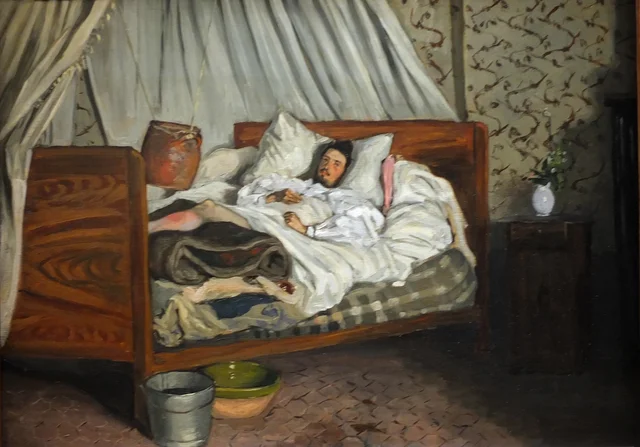 El hospital de campaña improvisadoFrédéric Bazille, 1865
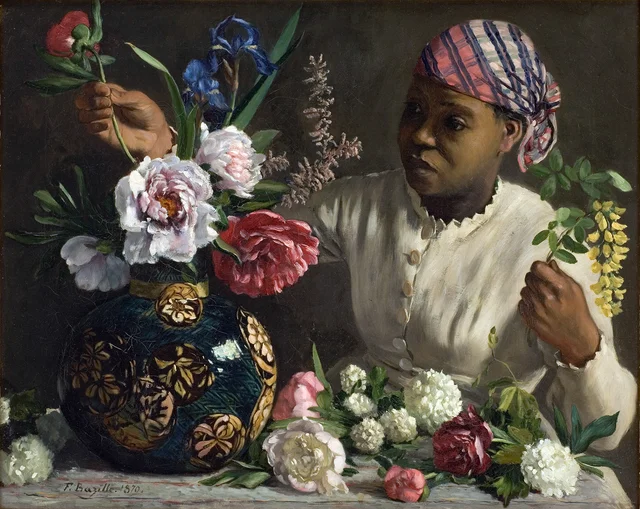 Mujer negra con peoníasFrédéric Bazille, 1870
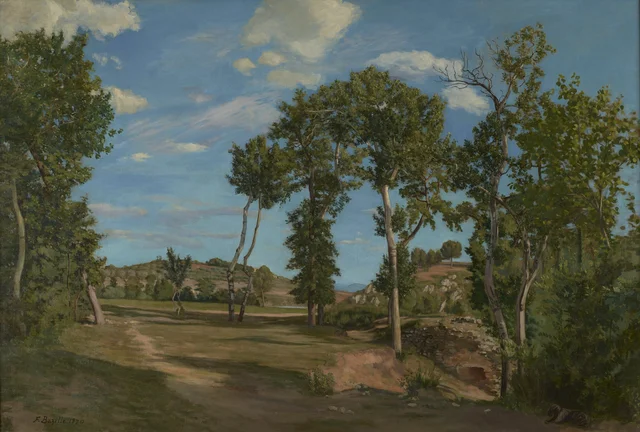 Paisaje a orillas del LezFrédéric Bazille, 1870
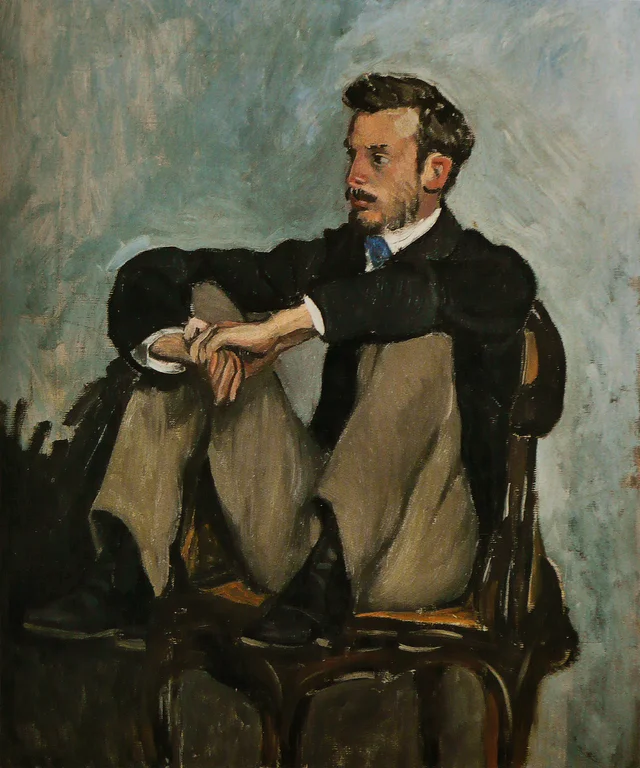 Auguste RenoirFrédéric Bazille, 1867
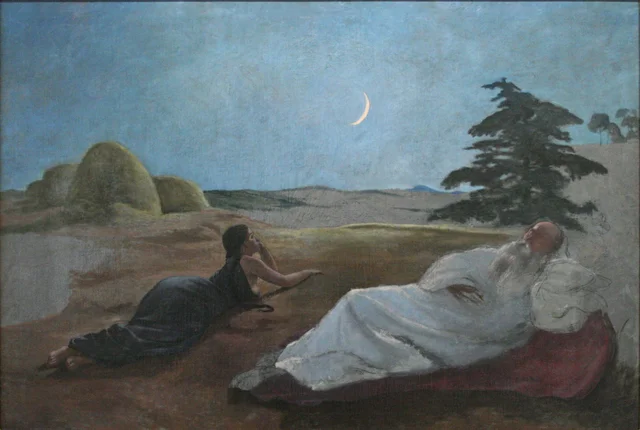 Rut y BoozFrédéric Bazille, 1870
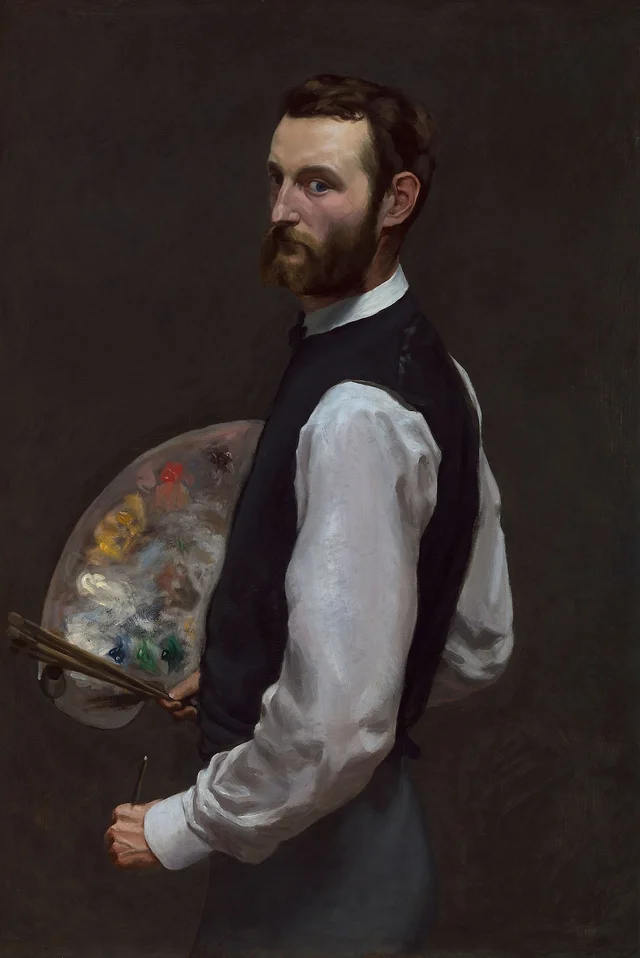 AutorretratoFrédéric Bazille, 1865
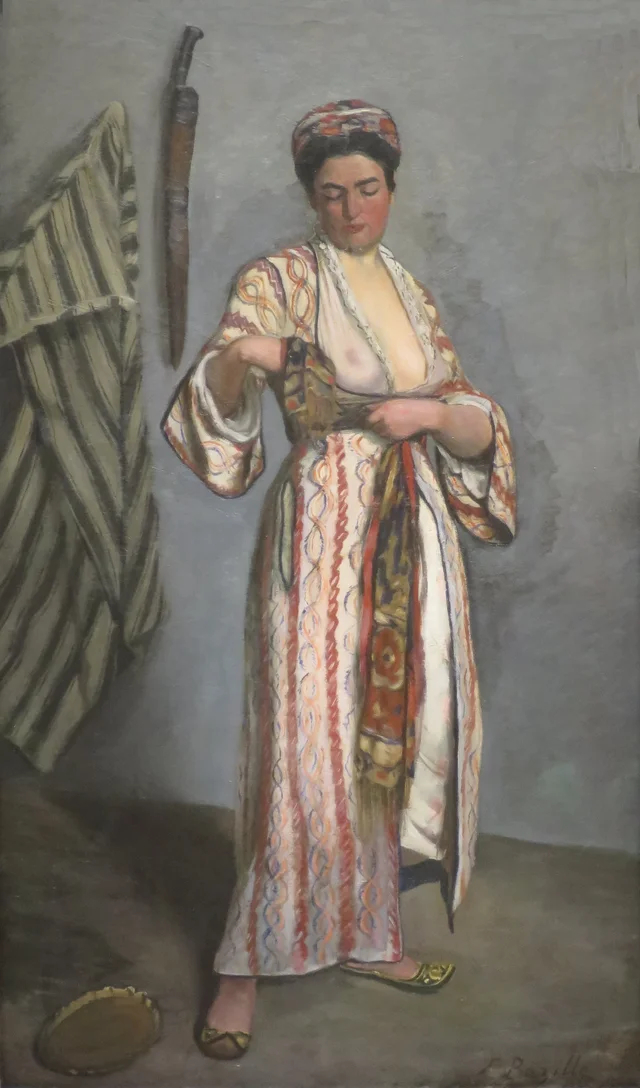 Mujer con traje moriscoFrédéric Bazille, 1869