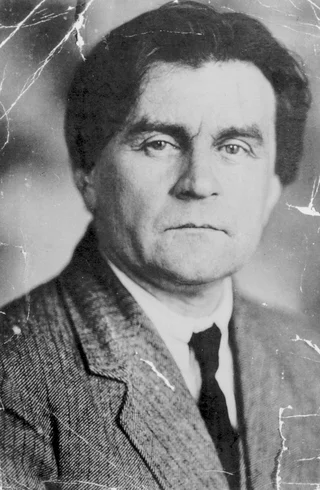
Kazimir Malévich
1878–1935 · Imperio ruso · Suprematismo
La historia
En diciembre de 1915, con Rusia ya dos años metida en una guerra que estaba perdiendo y la revolución no muy lejana, Malévich colgó un pequeño cuadro de un cuadrado negro sobre fondo blanco en lo alto, en la esquina de una galería de Petrogrado. Esa esquina era donde tradicionalmente un hogar ruso guardaba su icono sagrado, y todos los presentes captaron el gesto. Llamó a la muestra 0,10, la última exposición futurista, y sostuvo que la pintura debía ser llevada de vuelta a cero y empezar otra vez.
Bautizó el nuevo arte como suprematismo: formas planas de color flotando sobre el blanco, que respondían al sentimiento puro y no a árboles, rostros o cosas. Durante unos años tras la revolución de 1917 esta obra radical cabalgó la ola del momento, y Malévich enseñó, publicó y convirtió sus cuadrados y cruces en todo un sistema de formas.
Luego la política cambió de rumbo. Bajo Stalin el Estado quería un realismo que la gente corriente pudiera leer, y la abstracción fue empujada a los márgenes. En 1930 Malévich fue detenido e interrogado durante semanas, y en sus últimos años volvió a pintar campesinos y retratos reconocibles, aunque a menudo escondía en ellos un pequeño cuadrado negro a modo de firma privada. Cuando murió en 1935 sus amigos lo velaron bajo un cuadrado negro, y marcaron su tumba con uno.
Obras
26 obras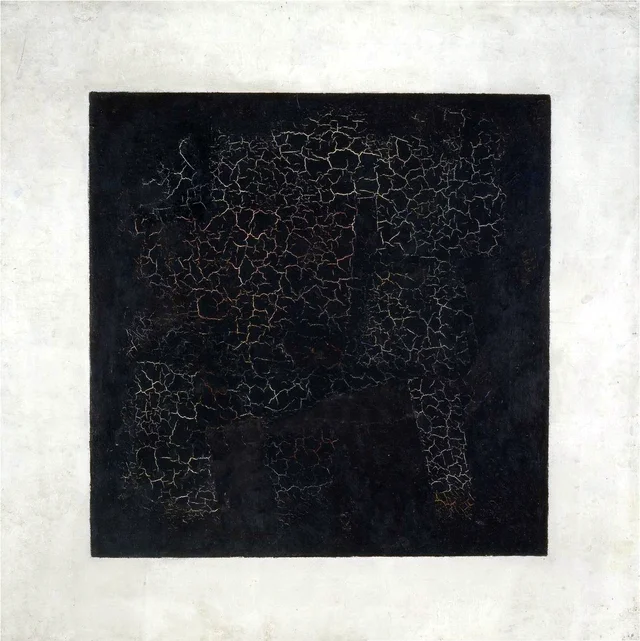 Cuadrado negro (1915)Kazimir Malévich, 1915
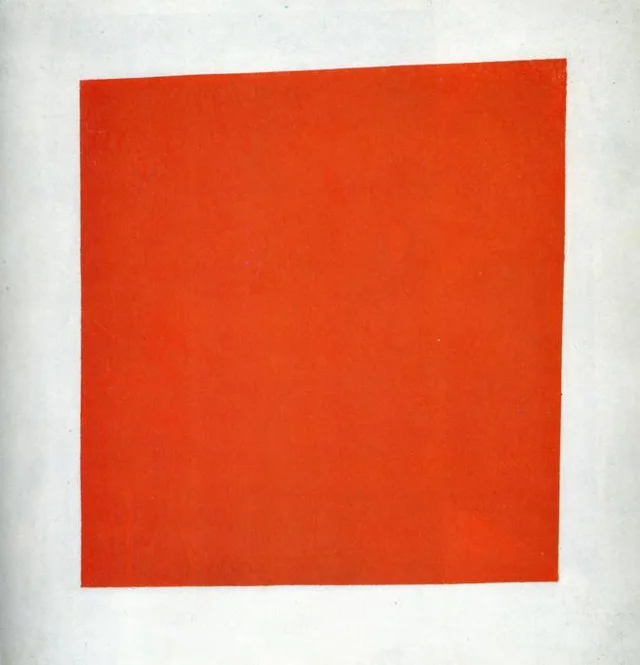 Cuadrado rojoKazimir Malévich, 1915
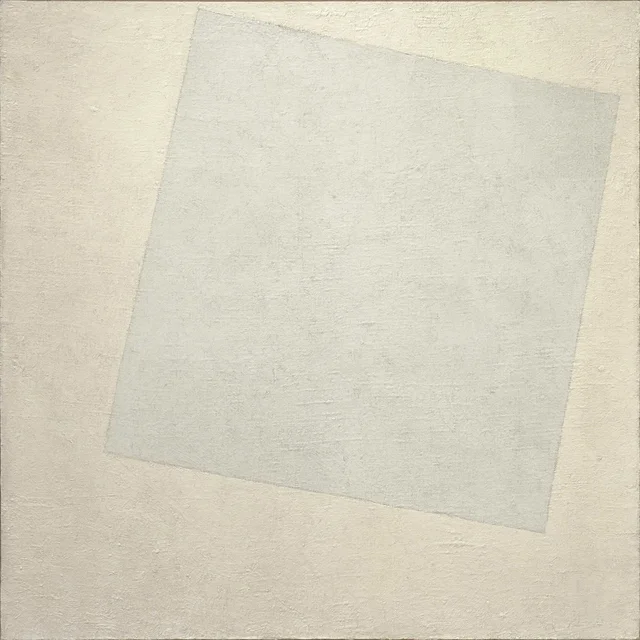 Blanco sobre blancoKazimir Malévich, 1918
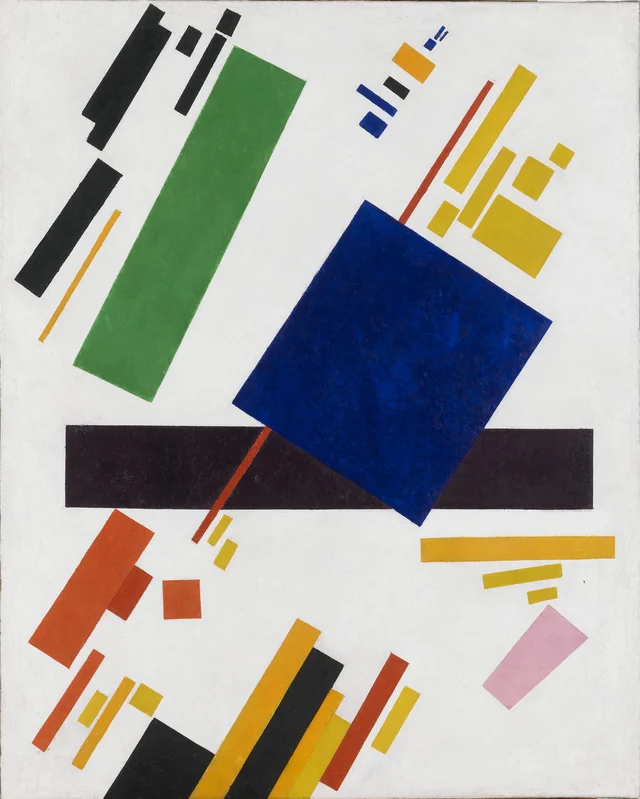 Composición suprematistaKazimir Malévich, 1916
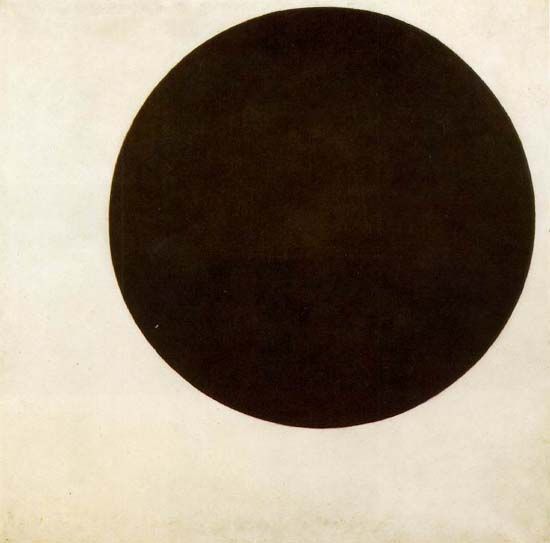 Círculo negroKazimir Malévich, 1924
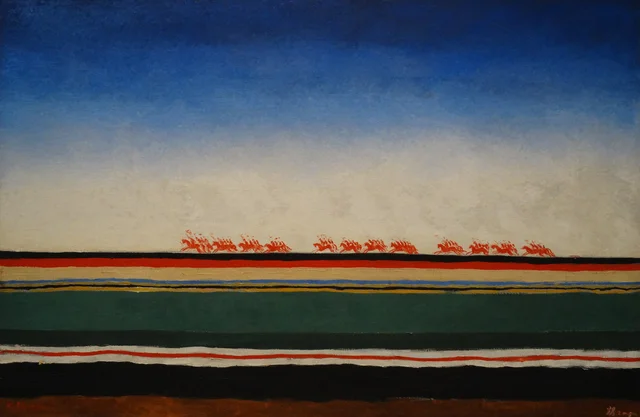 La caballería rojaKazimir Malévich, 1932
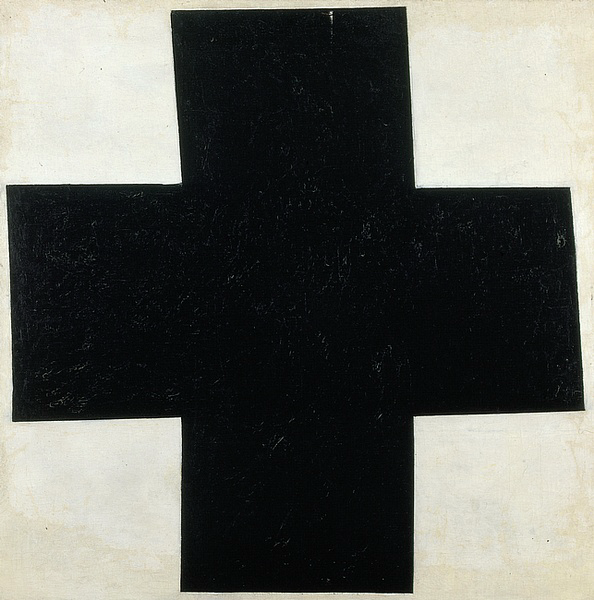 Cruz negraKazimir Malévich, 1915
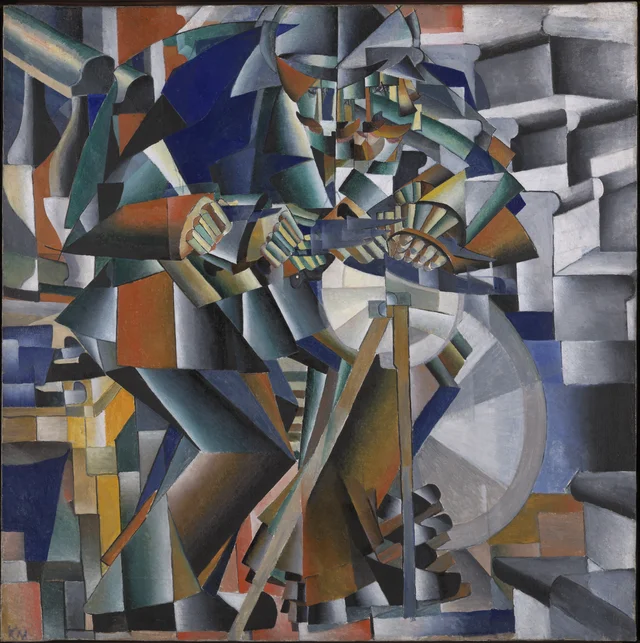 El afiladorKazimir Malévich, 1912
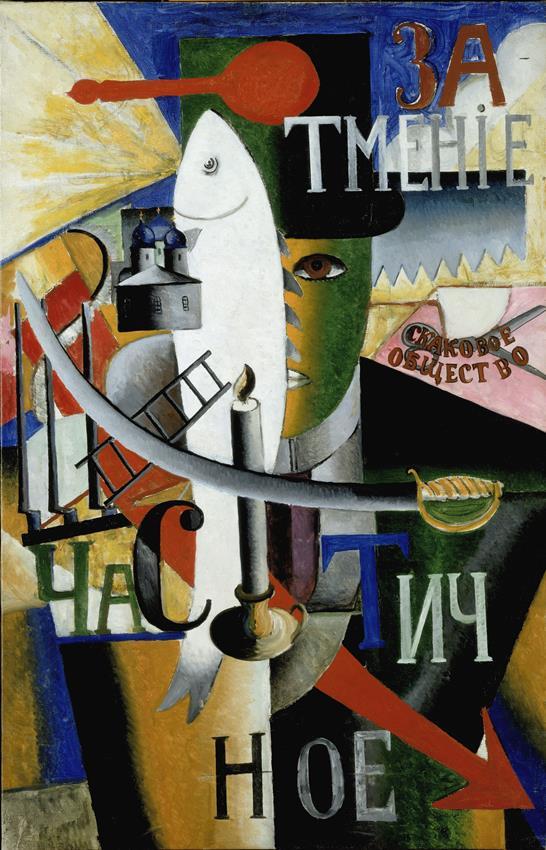 Un inglés en MoscúKazimir Malévich, 1914
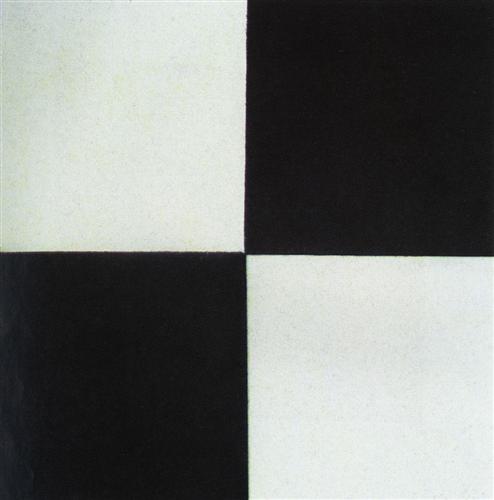 Cuatro cuadradosKazimir Malévich, 1915
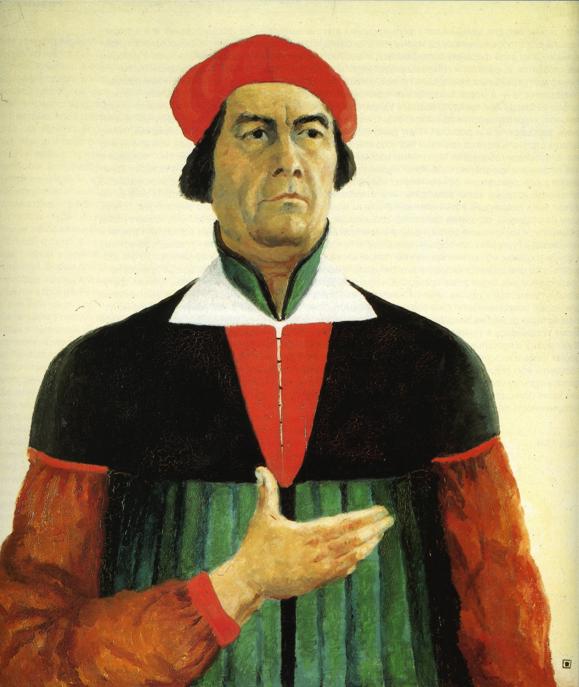 AutorretratoKazimir Malévich, 1933
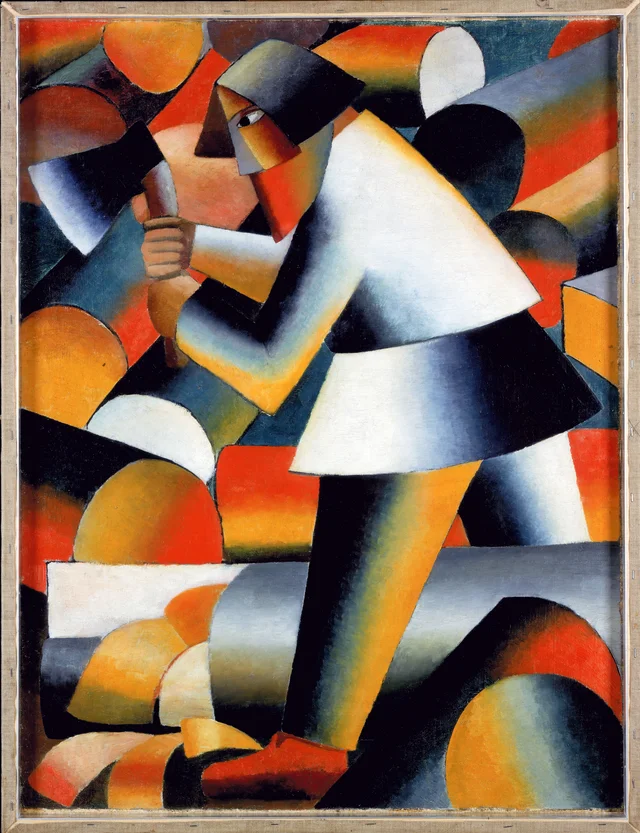 El leñadorKazimir Malévich, 1912
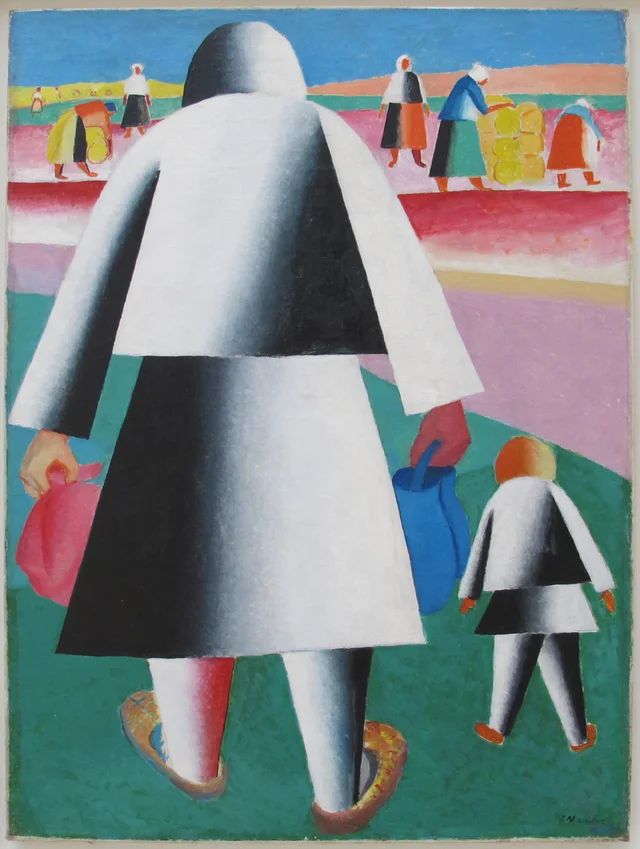 Al campo II (Marthe y Jeannot)Kazimir Malévich, 1929
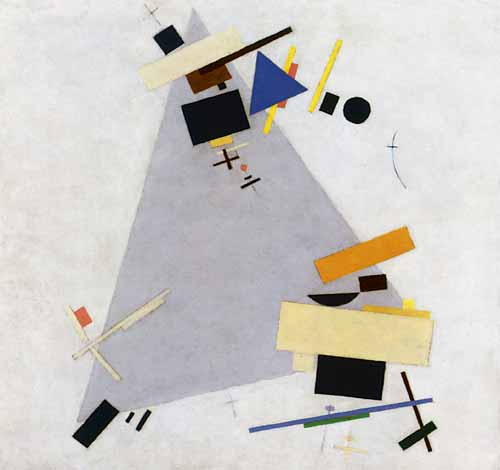 Suprematismo dinámicoKazimir Malévich, 1915
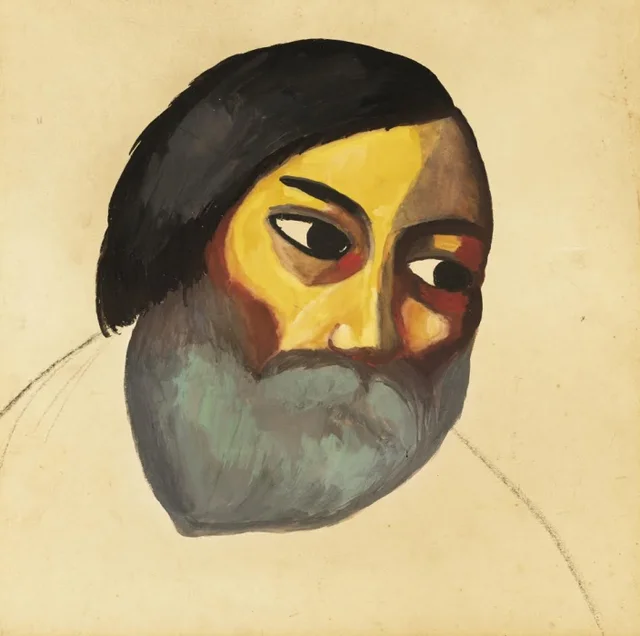 Cabeza de campesinoKazimir Malévich, 1911
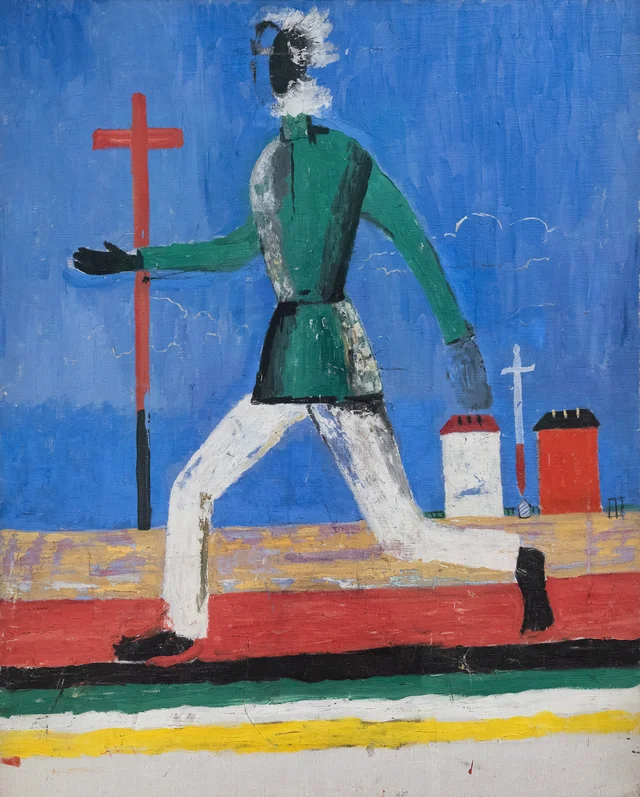 Sensación de peligroKazimir Malévich, 1930
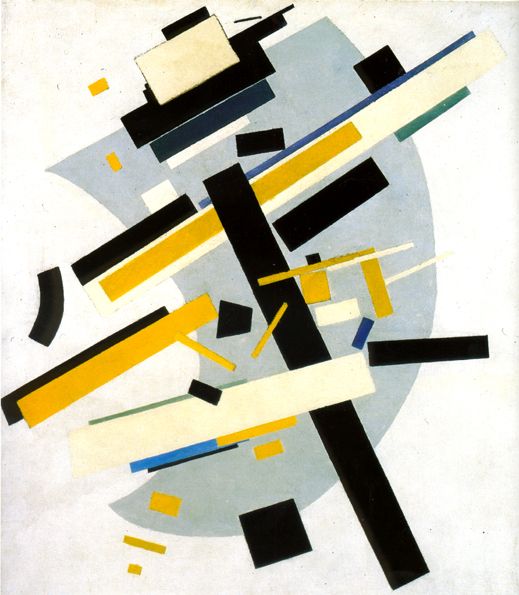 Supremus n.º 58: amarillo y negroKazimir Malévich, 1916
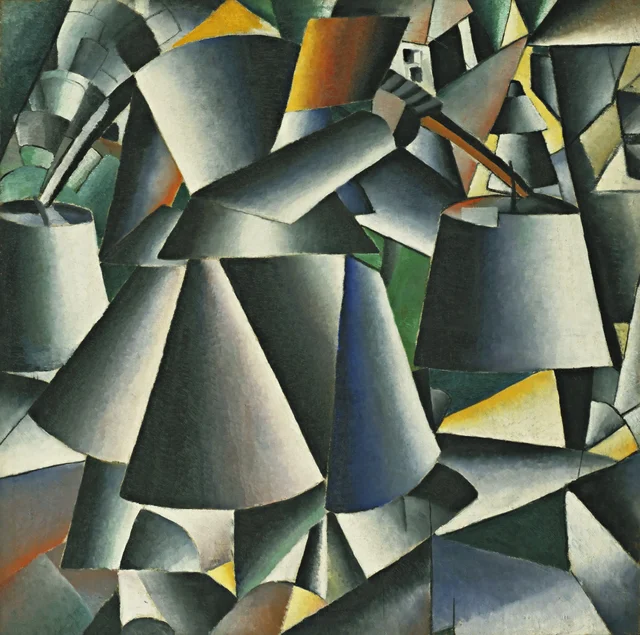 Mujer con cubos: composición dinámicaKazimir Malévich, 1912
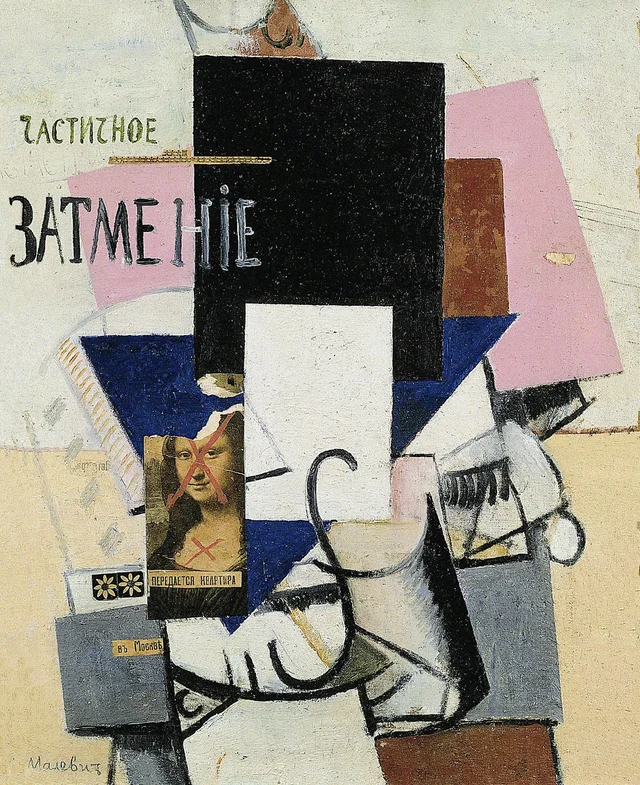 Eclipse parcialKazimir Malévich, 1914
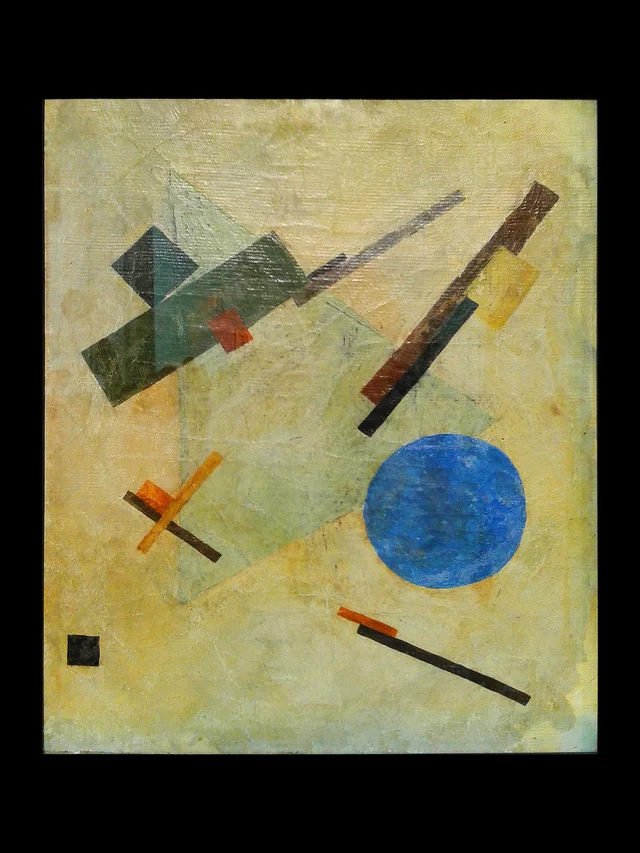 Composición suprematista 1Kazimir Malévich, 1916
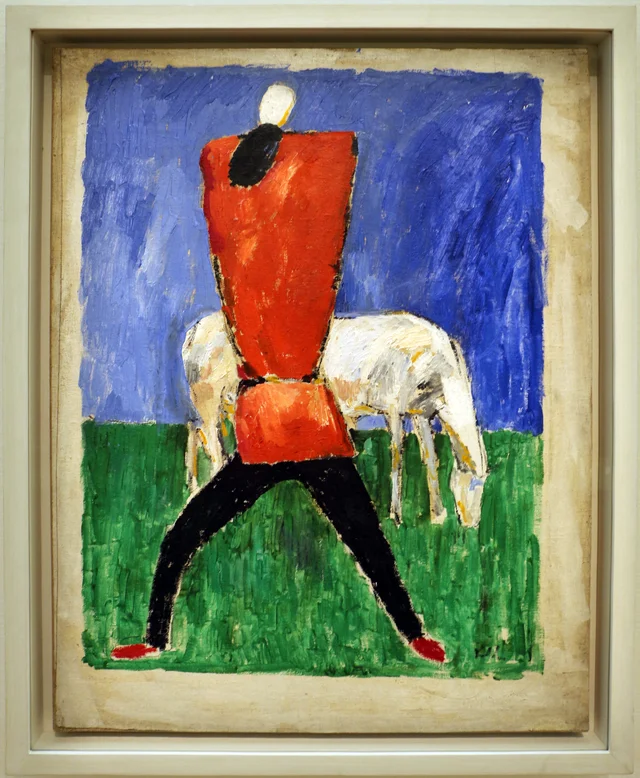 El caballo blancoKazimir Malévich, 1930
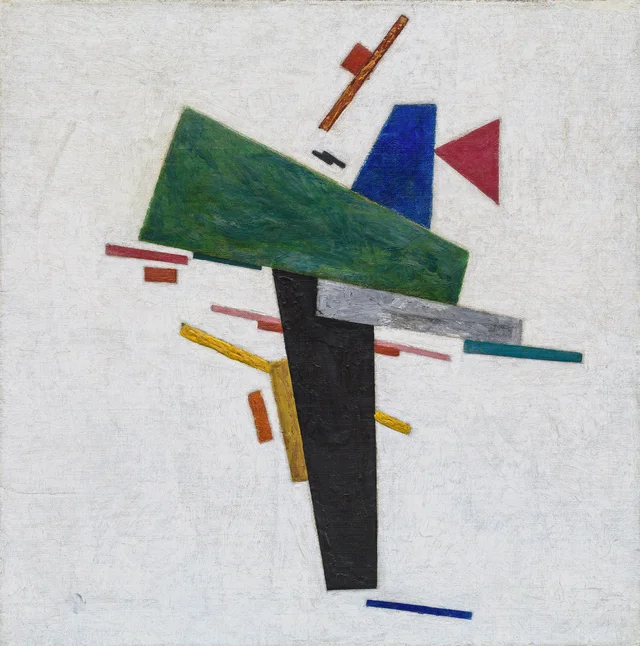 Sin títuloKazimir Malévich, 1916
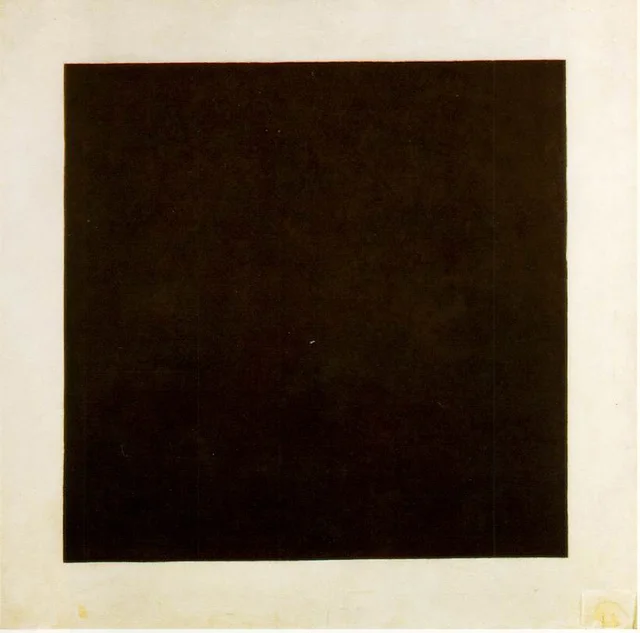 Cuadrado negro (1924)Kazimir Malévich, 1924
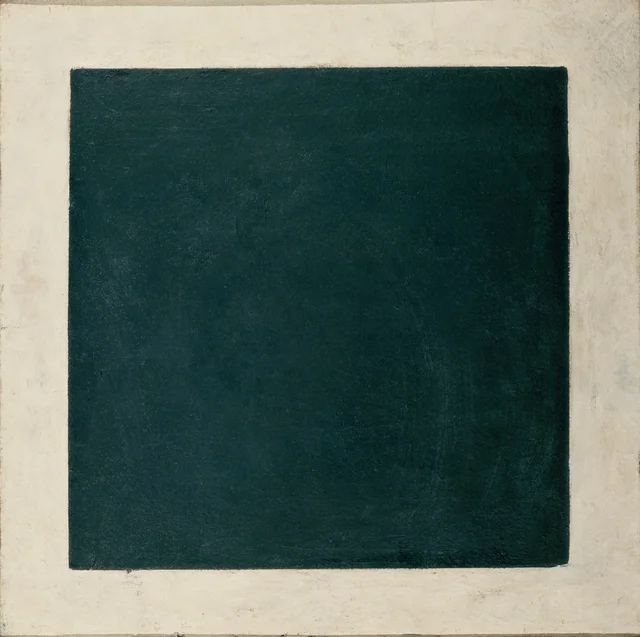 Cuadrado negro (1930)Kazimir Malévich, 1930
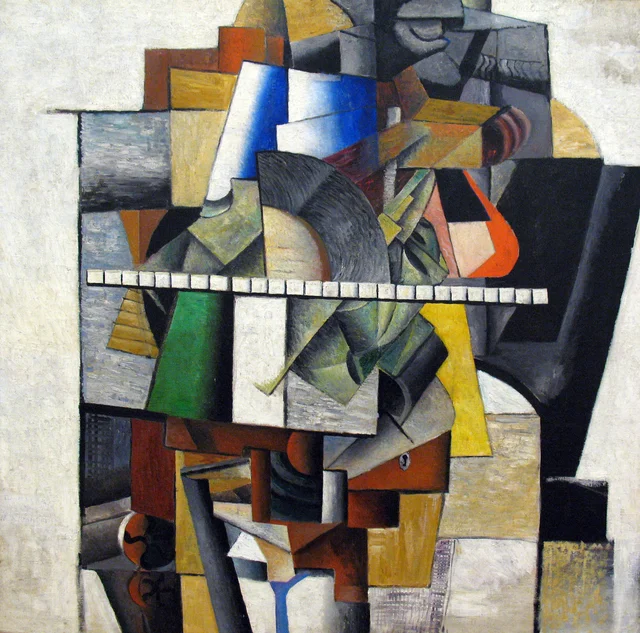 Retrato de Mijaíl MatiushinKazimir Malévich, 1913