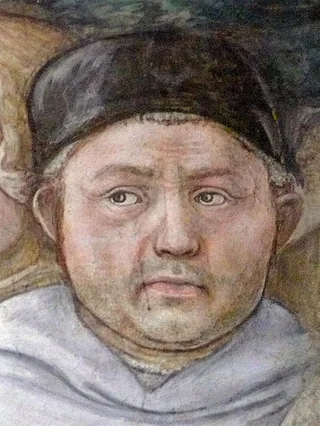
Filippo Lippi
1469 · République de Florence · Renaissance
L'histoire
Filippo Lippi était un moine qui ne cessait d'oublier qu'il était moine. Orphelin jeune à Florence, il fut placé au couvent des Carmes près du Carmine, où enfant il pouvait regarder Masaccio peindre les fresques qui réinventaient l'art florentin, des figures solides ayant un vrai poids dans un vrai espace. Lippi prononça ses vœux, mais il était peintre avant tout, et les Médicis, la famille de banquiers qui gouvernait Florence, finirent par le garder à l'œuvre presque comme un artiste privé.
Vers 1456, alors qu'il servait de chapelain à un couvent de Prato, il rencontra une jeune novice nommée Lucrezia Buti et l'enleva aux religieuses lors d'une procession. Le scandale fut énorme. Le couple eut un fils, Filippino, qui devint lui-même un bon peintre, et selon le biographe Vasari ce fut Cosme de Médicis en personne qui finit par arranger les choses et obtint que le couple soit relevé de ses vœux.
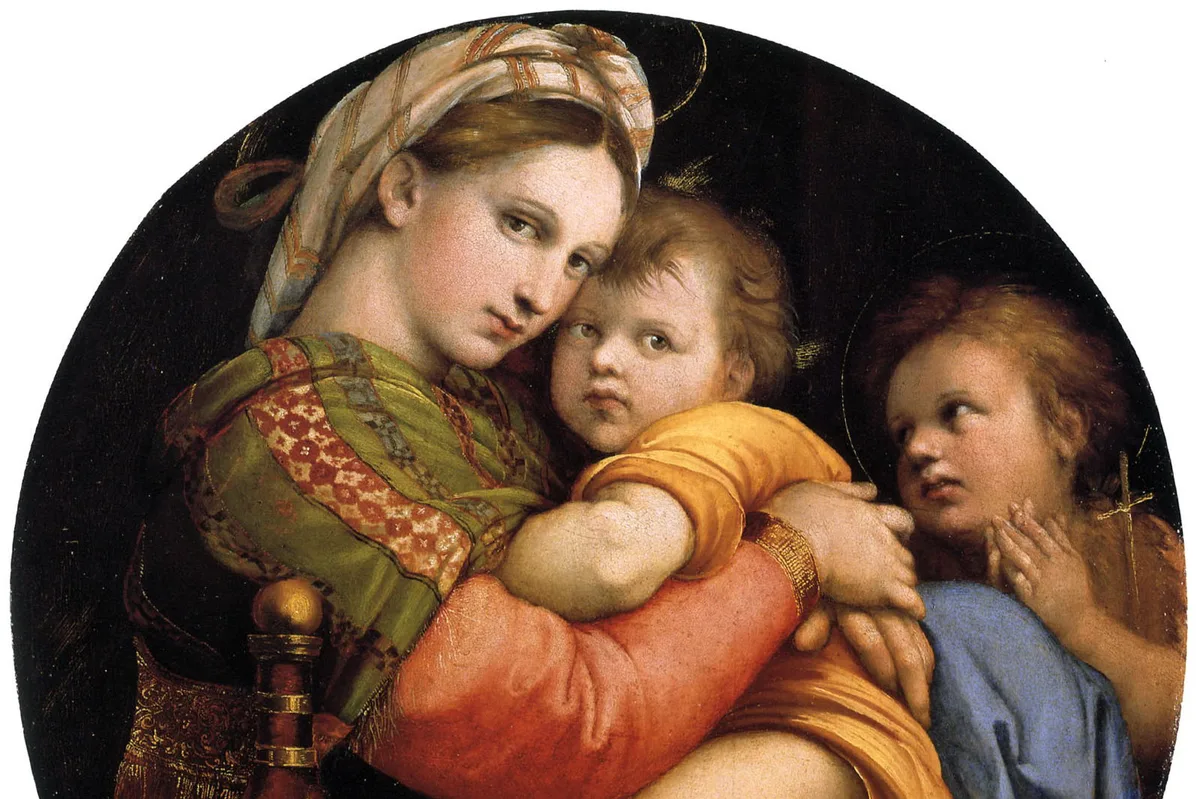
À travers tout cela, Lippi peignit quelques-unes des Madones les plus tendres du siècle, jeunes femmes au visage humain placées devant de vrais paysages. Son élève le plus important absorba précisément cette douceur du trait, Sandro Botticelli, qui la porta dans la génération suivante. Lippi mourut en 1469 à Spolète, où il travaillait aux fresques de la cathédrale.
Autres articles
Œuvres
27 œuvres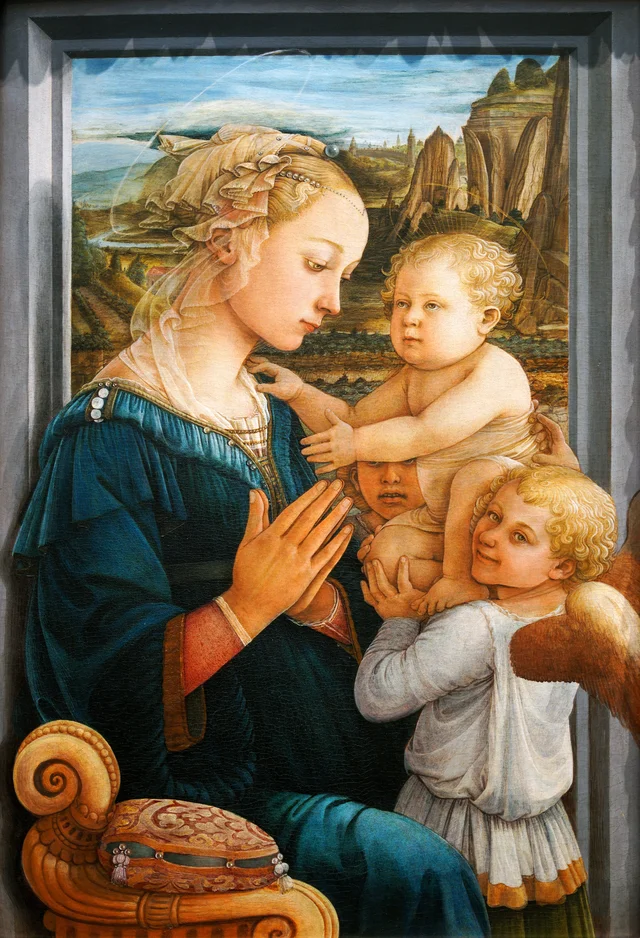 La Vierge à l'EnfantFilippo Lippi, 1460
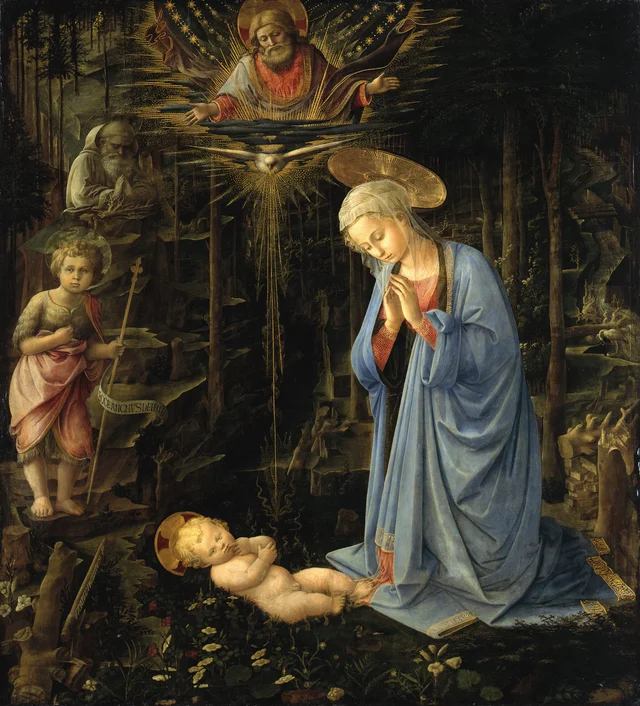 L'Adoration dans la forêtFilippo Lippi, 1459
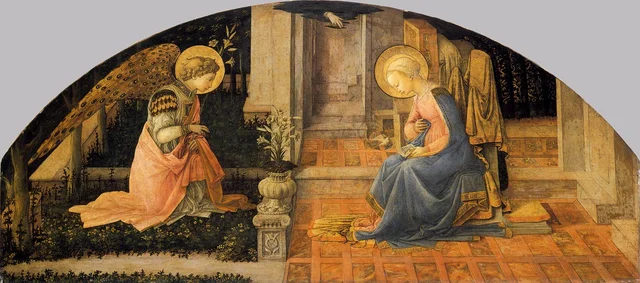 L'AnnonciationFilippo Lippi, 1450
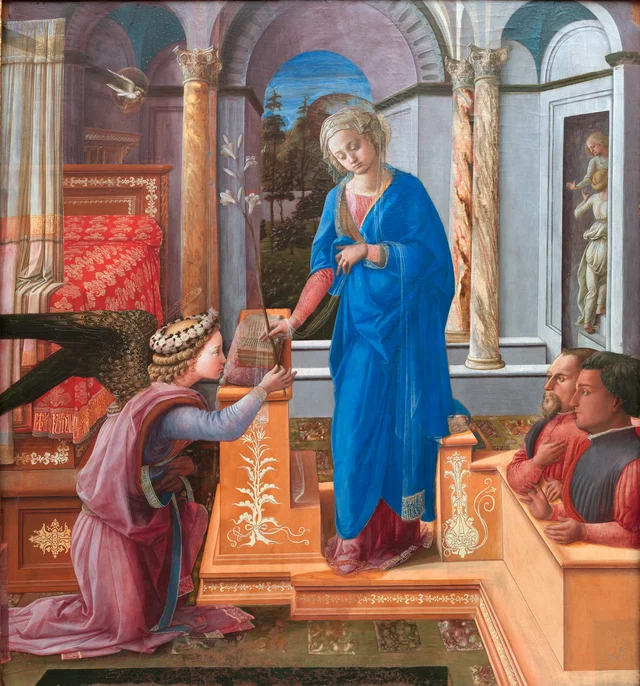 Annonciation avec deux donateurs agenouillésFilippo Lippi, 1445
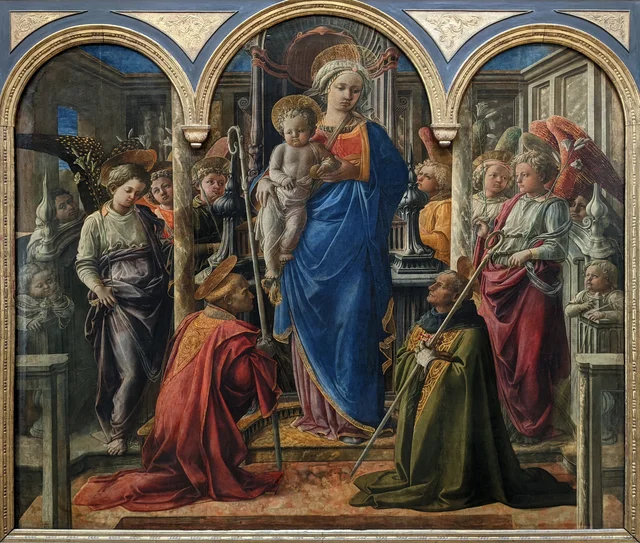 Retable Barbadori et prédelleFilippo Lippi, 1437
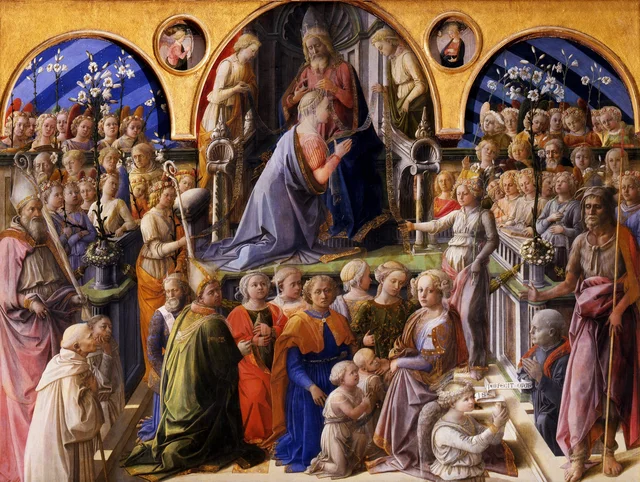 Le Couronnement de la ViergeFilippo Lippi, 1441
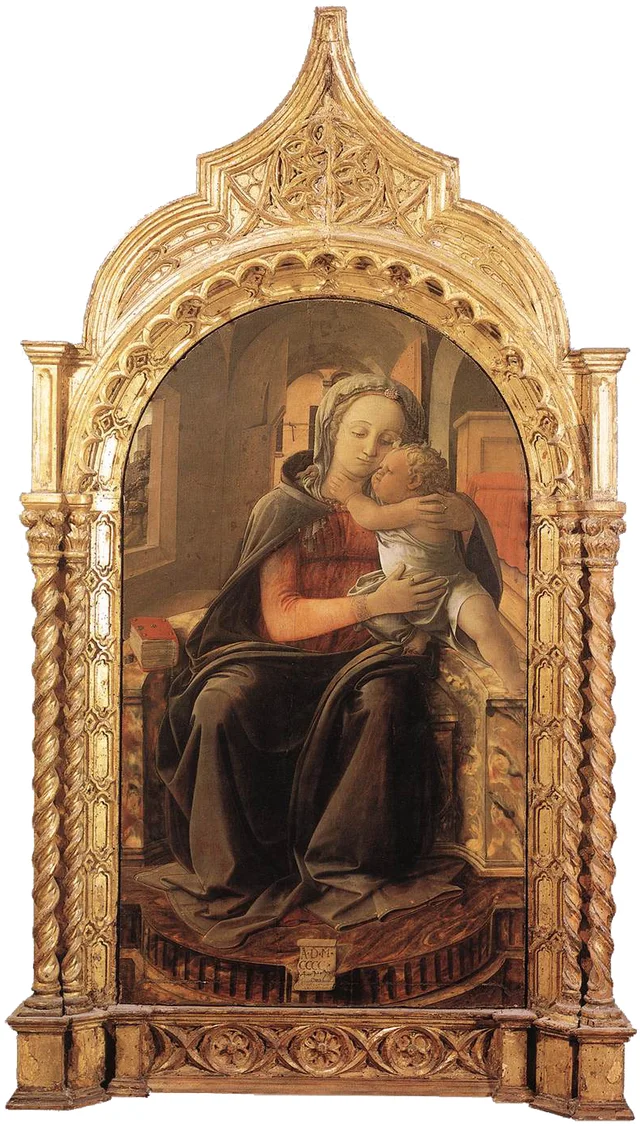 Vierge à l'Enfant en majestéFilippo Lippi, 1437
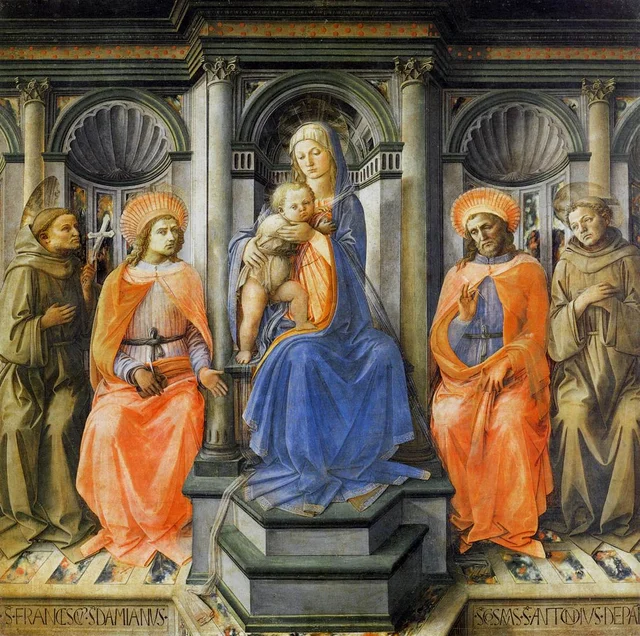 La Vierge et l'Enfant avec les saints François, Damien, Côme et Antoine de PadoueFilippo Lippi, 1440
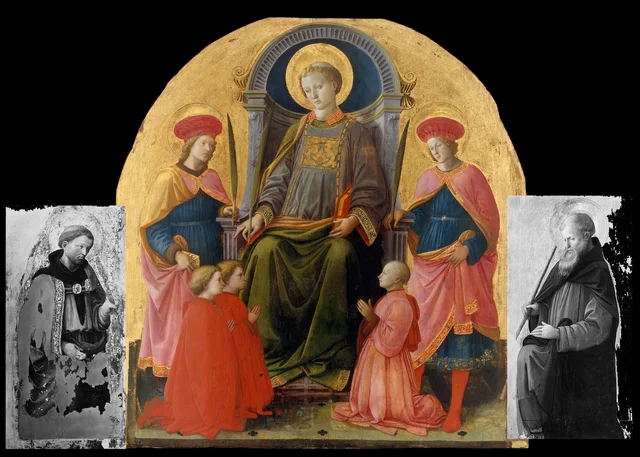 Saint Laurent trônant entouré de saints et de donateursFilippo Lippi, 1453
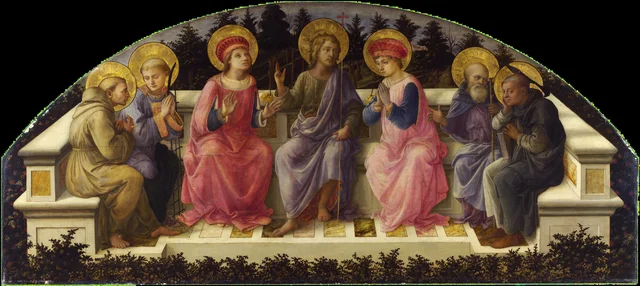 Sept saintsFilippo Lippi, 1449
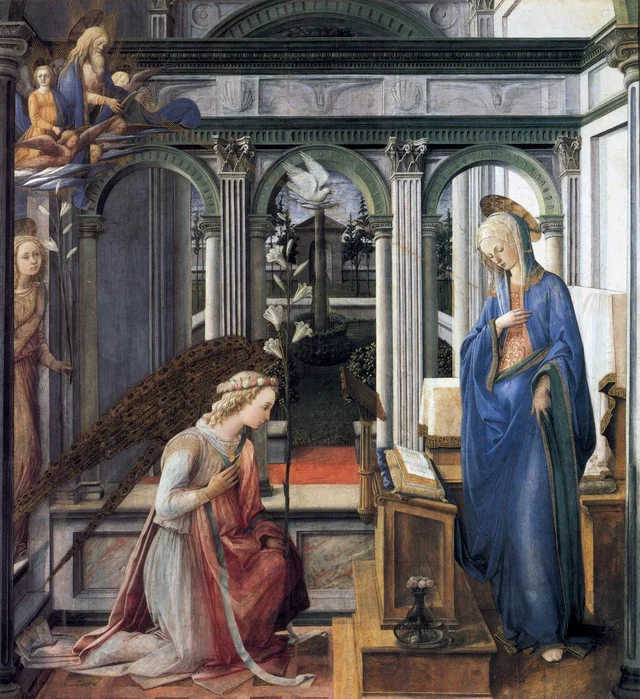 L'AnnonciationFilippo Lippi, 1447
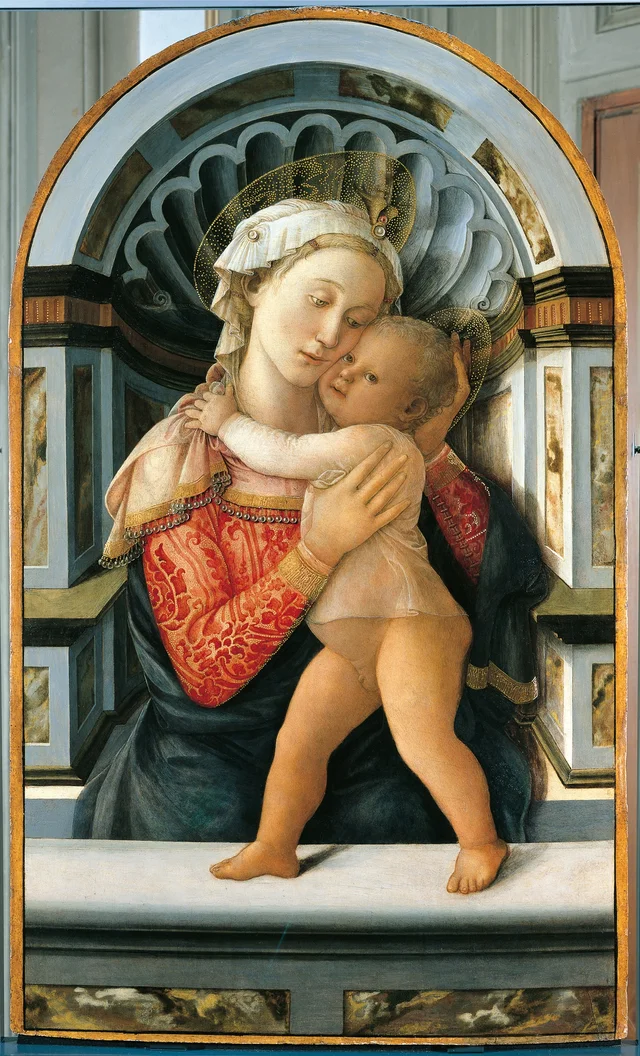 Vierge du Palais Medici-RiccardiFilippo Lippi, 1466
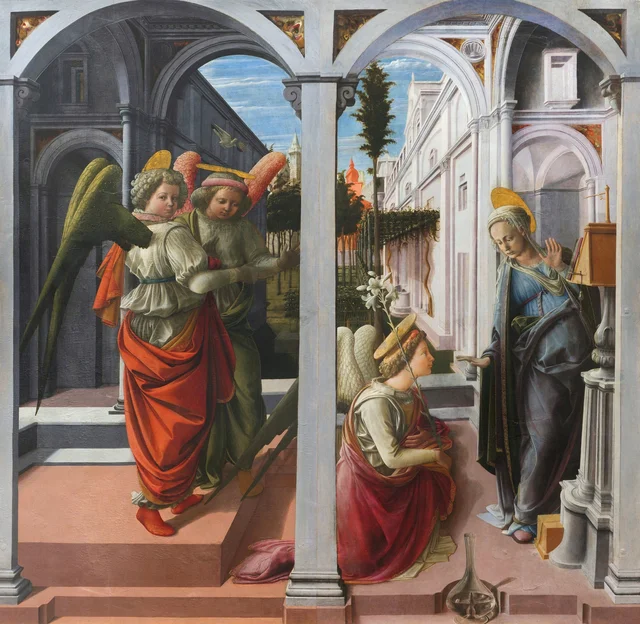 Annonciation MartelliFilippo Lippi, 1445
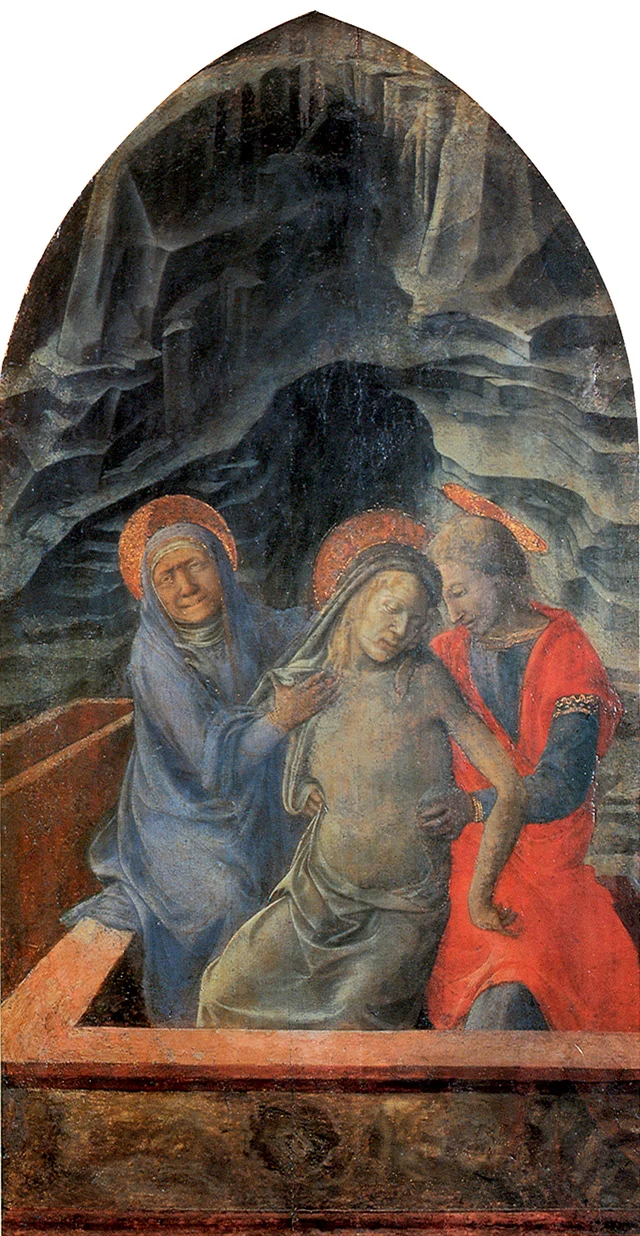 PiétàFilippo Lippi, 1437
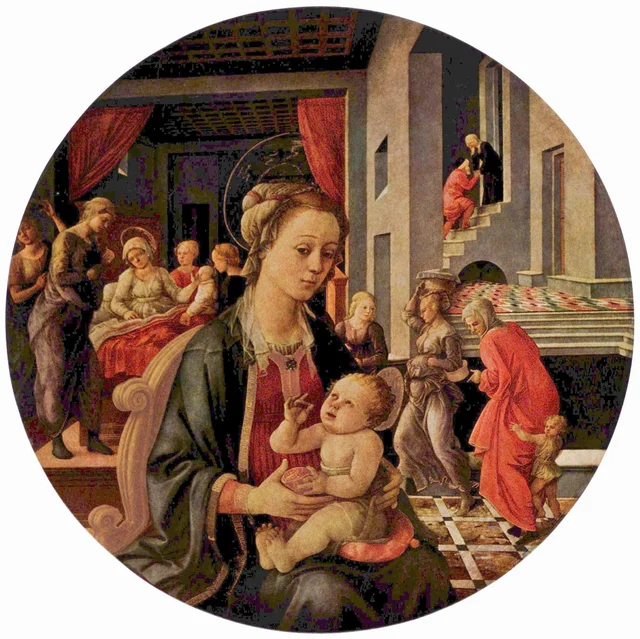 Vierge à l'Enfant et scènes de la vie de sainte AnneFilippo Lippi, 1452
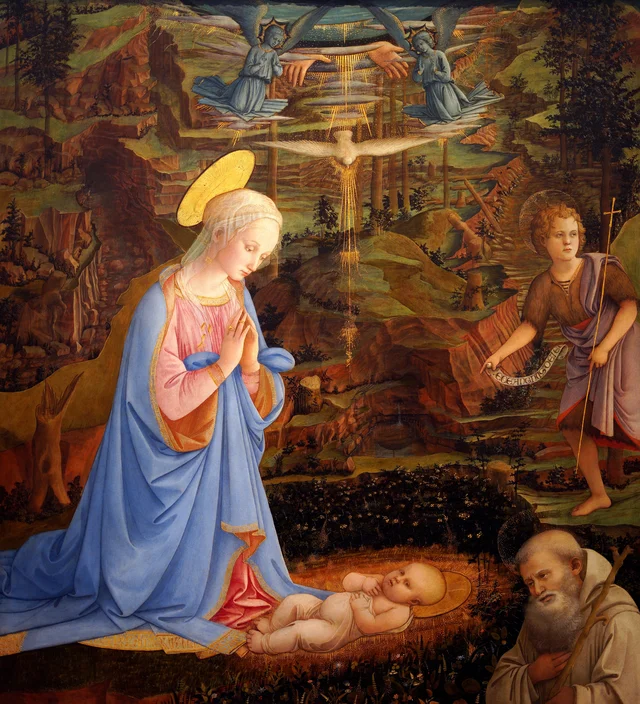 Adoration de CamaldoliFilippo Lippi, 1463
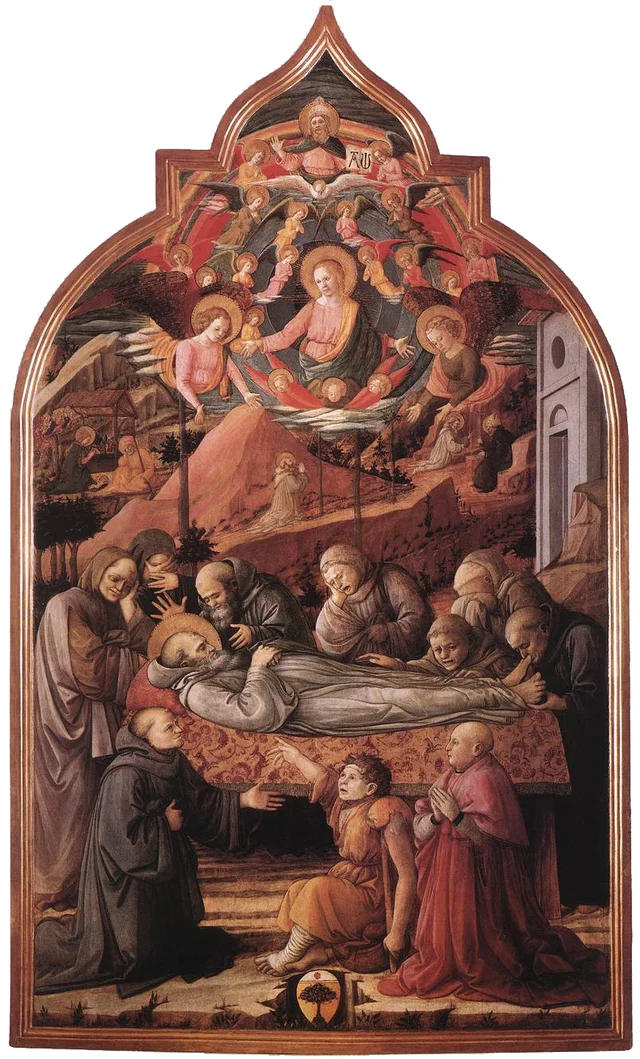 Les Funérailles de saint JérômeFilippo Lippi, 1452
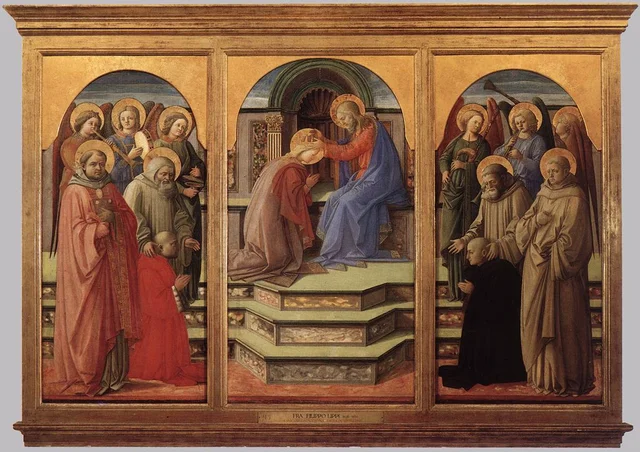 Couronnement MarsuppiniFilippo Lippi, 1444
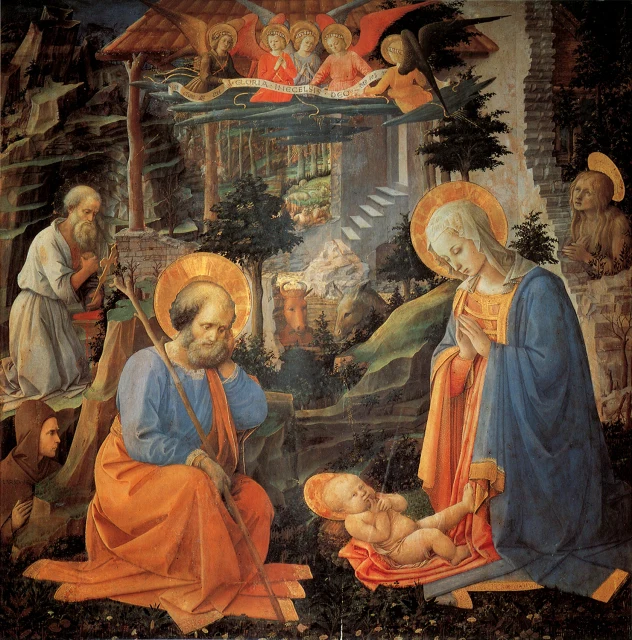 L'Adoration de l'Enfant avec les saints Joseph, Jérôme, Hilarion, Madeleine et des angesFilippo Lippi, 1455
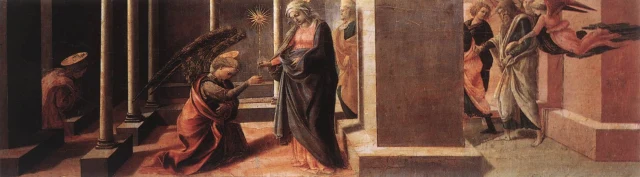 L'Annonce de la mort de la ViergeFilippo Lippi, 1438
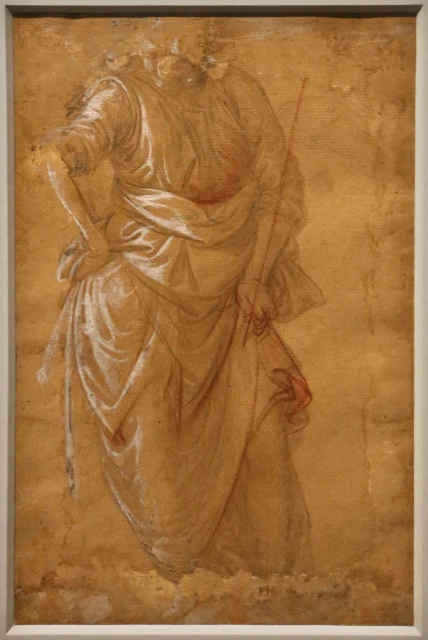 Étude de figureFilippo Lippi, 1464
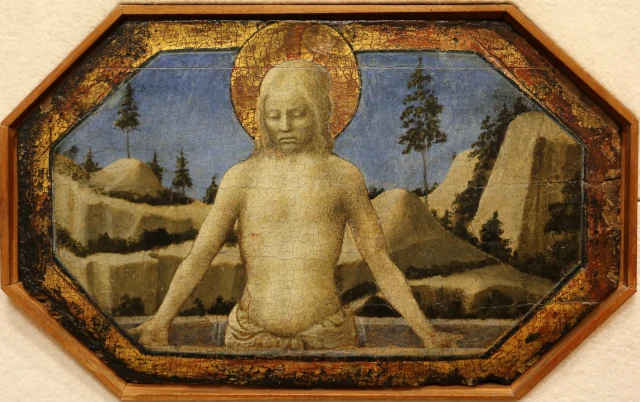 Christ de pitiéFilippo Lippi
 Prédelle du retable BarbadoriFilippo Lippi, 1438
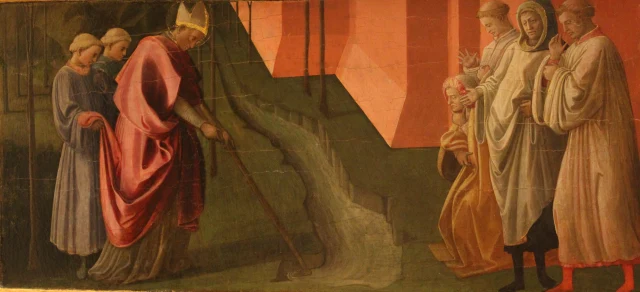 Saint Frédien détourne le cours du SerchioFilippo Lippi, 1438