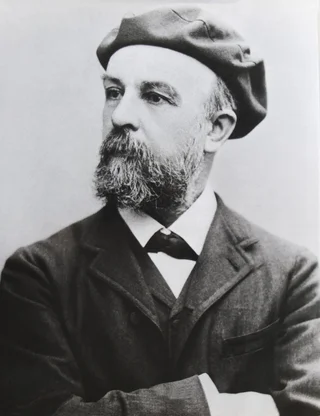
Odilon Redon
1840–1916 · Francia · Simbolismo
La storia
Per 20 anni, dal 1870 circa al 1890, Odilon Redon lavorò quasi solo nel nero, in disegni a carboncino e litografie che chiamava i suoi noirs, occhi alla deriva, ragni giganti, teste fluttuanti, un mondo immaginato che, diceva, gli permetteva di mettere «la logica del visibile al servizio dell'invisibile». Si era formato brevemente come architetto e poi come pittore a Parigi prima di tornare nella natia Bordeaux, dove l'incisore Rodolphe Bresdin gli insegnò le tecniche dell'acquaforte e della litografia che diedero ai noirs la loro strana grana morbida.
Redon passò parte della guerra franco-prussiana del 1870-71 servendo nell'esercito francese, e il lavoro successivo, fatto di stampe e interiorità, lo tenne pressoché sconosciuto fuori da una piccola cerchia fino al 1884, quando il romanziere Joris-Karl Huysmans fece sì che un collezionista immaginario si ossessionasse dei disegni di Redon nel romanzo «Controcorrente». Il libro fece di Redon una piccola celebrità della generazione simbolista quasi dall'oggi al domani.
Verso il 1890, poco dopo la nascita del figlio Arï, Redon mise da parte il carboncino e cominciò a lavorare a pastello e a olio, e le stesse immagini, occhi chiusi, fiori singoli, profili mitici, ricomparvero in un colore acceso e saturo che non aveva mai usato prima, una svolta che mantenne per il resto della carriera.
Altri articoli
Opere
14 opere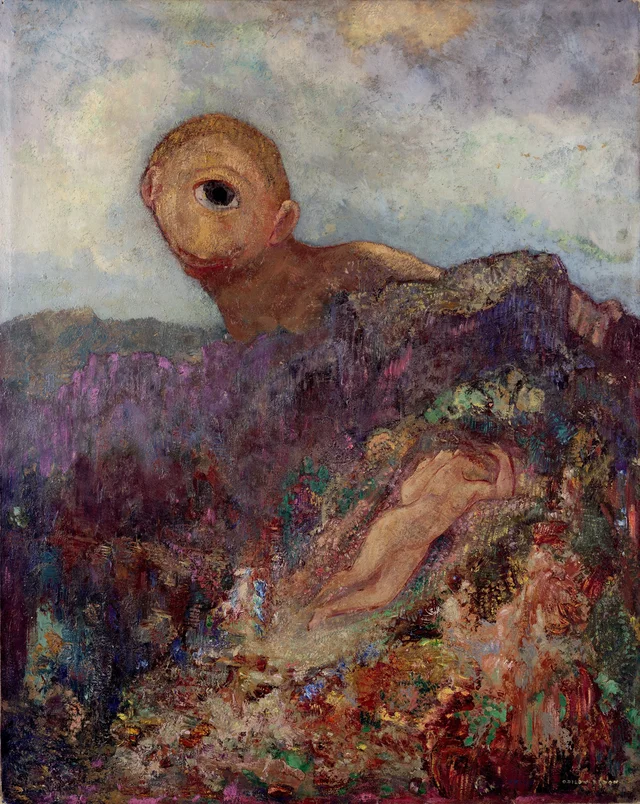 Il ciclopeOdilon Redon, 1914
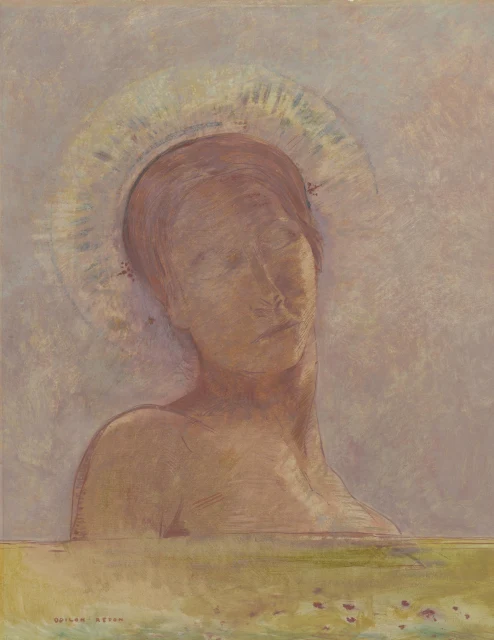 Occhi chiusiOdilon Redon, 1889
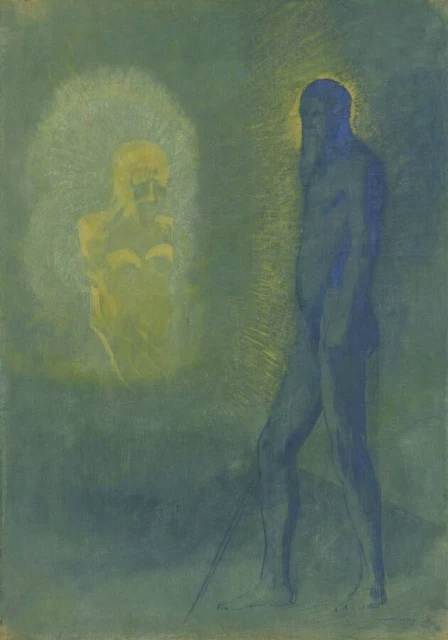 L'apparizioneOdilon Redon
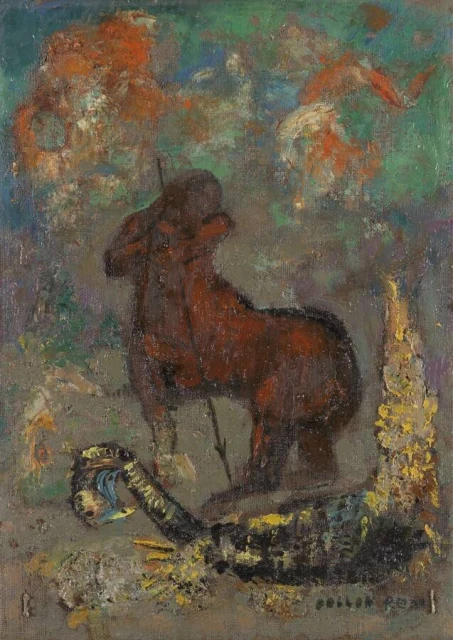 Il centauro e il dragoOdilon Redon, 1908
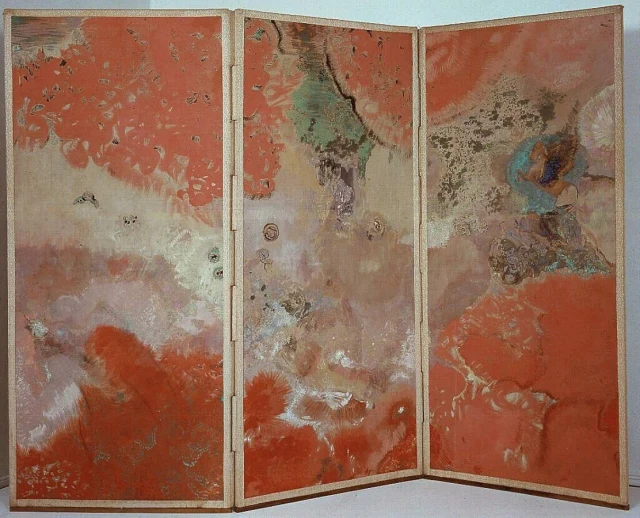 Il paravento rosso (con Pegaso)Odilon Redon, 1907
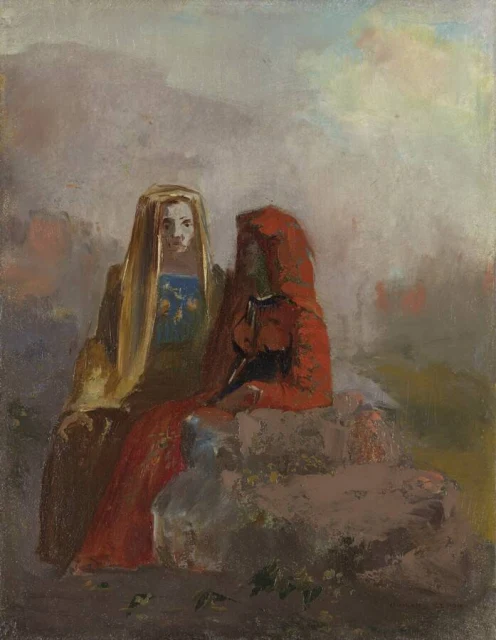 Le ParcheOdilon Redon, 1900
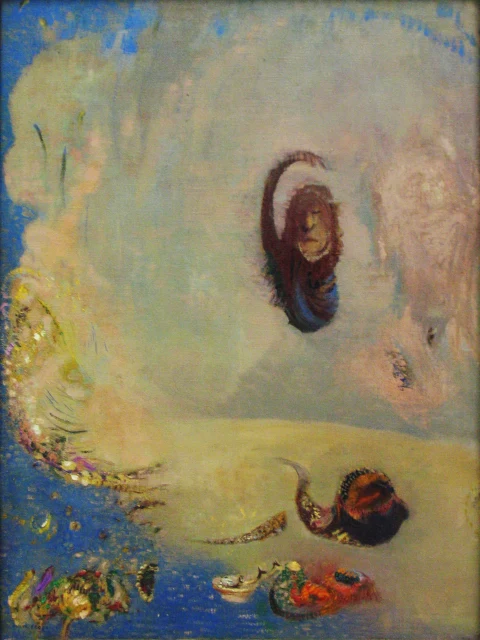 OannesOdilon Redon, 1908
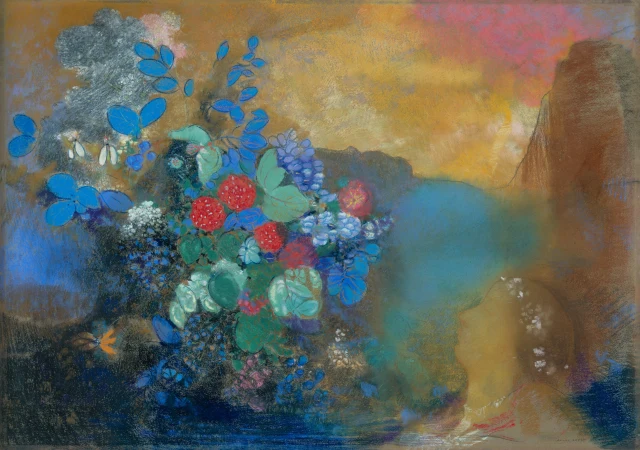 Ofelia tra i fioriOdilon Redon, 1906
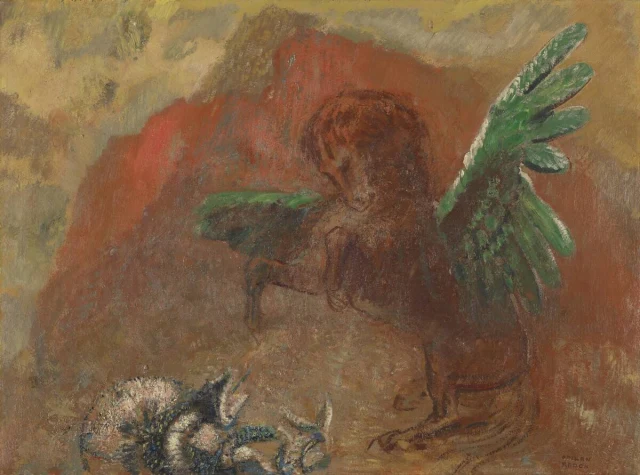 Pegaso e l'IdraOdilon Redon, 1907
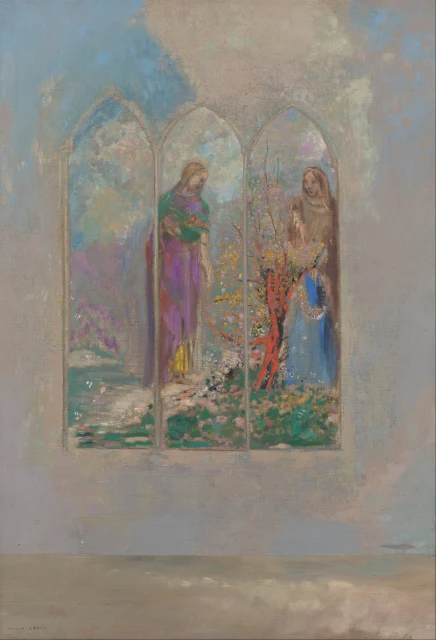 Devozione accanto a un albero rossoOdilon Redon, 1905
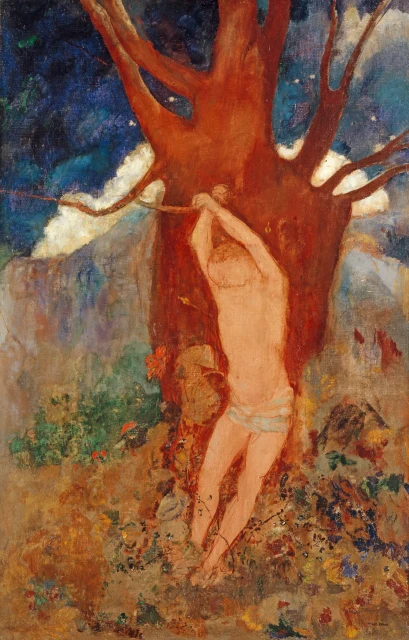 San SebastianoOdilon Redon, 1910
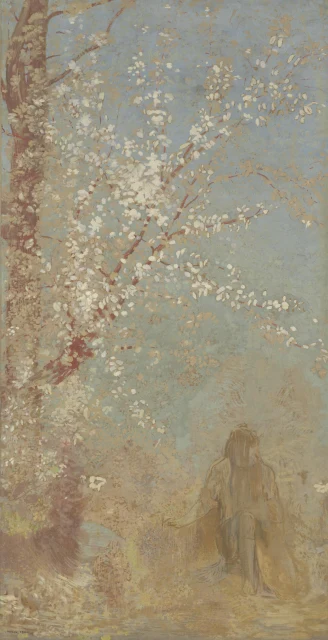 L'albero rossoOdilon Redon, 1905
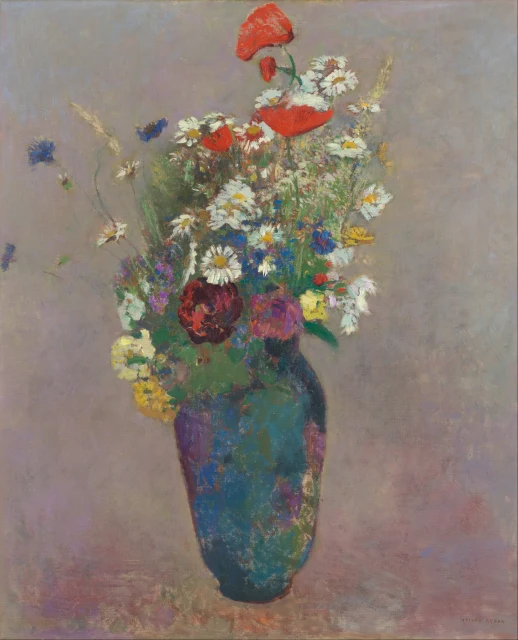 Visione: vaso di fioriOdilon Redon, 1900
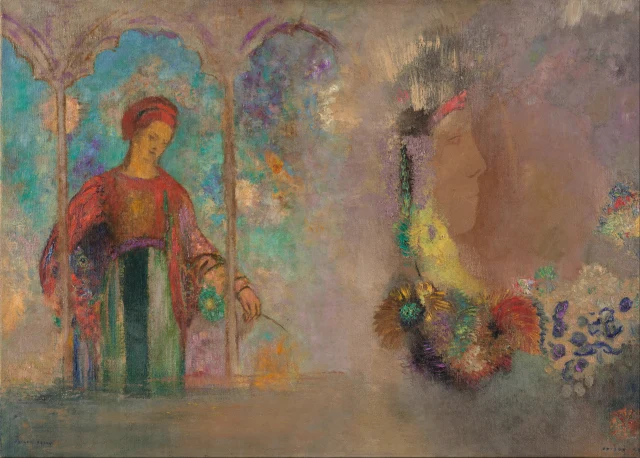 Donna in un'arcata gotica: donna con fioriOdilon Redon, 1905