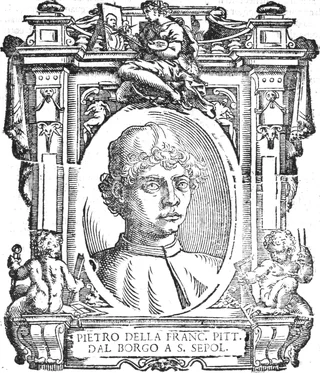
Piero della Francesca
1415–1492 · Repubblica di Firenze · Primo Rinascimento
La storia
A metà del XV secolo i pittori di tutta Italia gareggiavano per capire come far apparire un pannello piatto come uno spazio reale e misurabile, sulla base delle regole che l'architetto Filippo Brunelleschi aveva messo a punto a Firenze una generazione prima. Piero della Francesca, che lavorava nella piccola cittadina toscana di Borgo Sansepolcro, spinse il problema più avanti di quasi chiunque altro. Era anche un matematico attivo, e negli anni Settanta del Quattrocento mise per iscritto il proprio metodo in un trattato intitolato De Prospectiva Pingendi, esponendo di suo pugno dimostrazioni geometriche su come costruire correttamente la prospettiva.
Questa duplice formazione emerge in dipinti come La Flagellazione di Cristo e negli affreschi realizzati per la corte di Federico da Montefeltro, il duca di Urbino con un occhio solo, dove architettura, luce e figure convivono in un unico spazio calcolato con precisione.
Gli ultimi anni di Piero sono poco documentati. Giorgio Vasari, il biografo cinquecentesco degli artisti italiani, sostenne che fosse diventato cieco prima della morte, nel 1492, e per molto tempo dopo Piero fu ricordato soprattutto come un matematico le cui idee altri pittori presero in prestito senza dargliene molto credito. Le sue opere furono riattribuite e celebrate come si deve solo a partire dal XIX e XX secolo, quando gli storici riuscirono a chiarire quali affreschi e pannelli fossero davvero suoi.
Altri articoli
 Articolo · 35 min di letturaLe Gallerie dell'Accademia di Venezia: venti opere e la strada che ciascuna ha fatto per arrivarci
 Articolo · 36 min di letturaPinacoteca di Brera: dalle requisizioni napoleoniche alla Grande Brera
 Articolo · 39 min di letturaCome si è formata la National Gallery: da Angerstein ad Artemisia
Opere
26 opere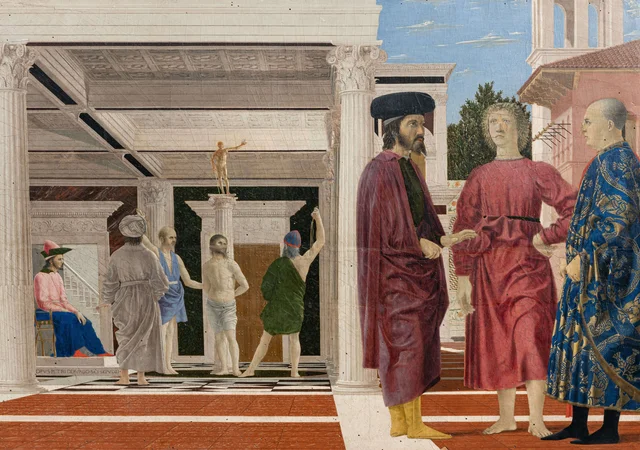 La Flagellazione di CristoPiero della Francesca, 1459
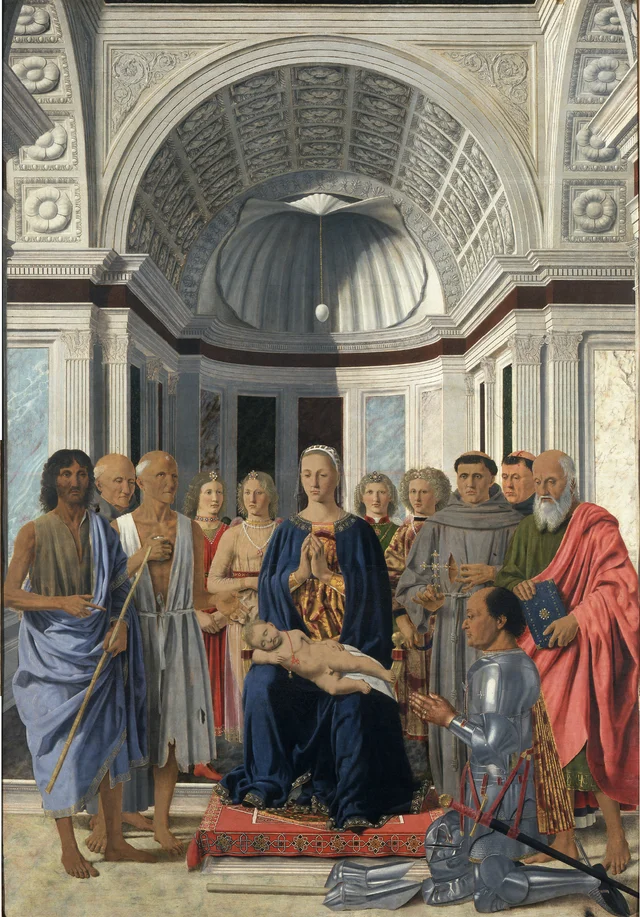 Pala di BreraPiero della Francesca, 1472
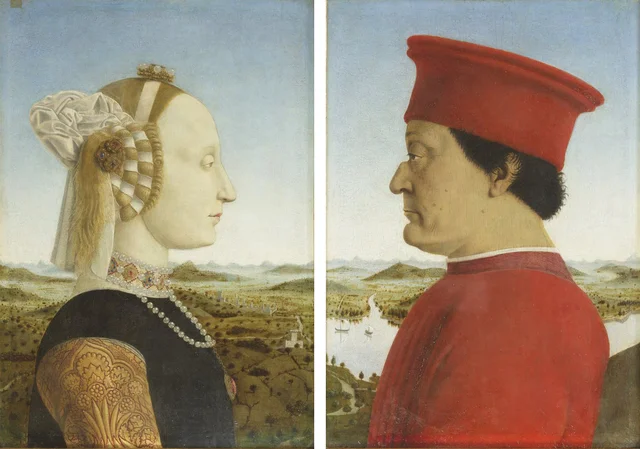 Dittico di Federico da Montefeltro e Battista SforzaPiero della Francesca, 1474
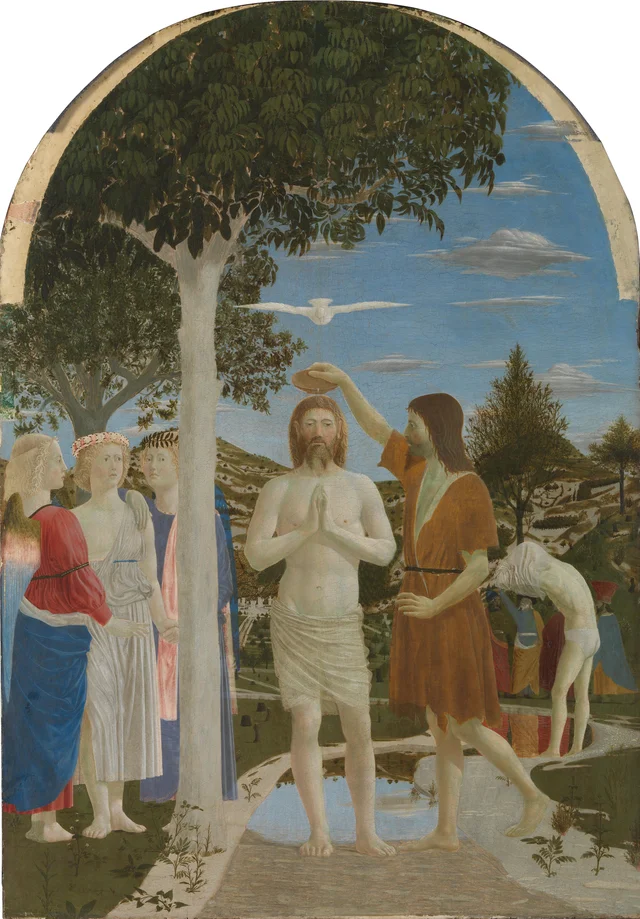 Battesimo di CristoPiero della Francesca, 1448
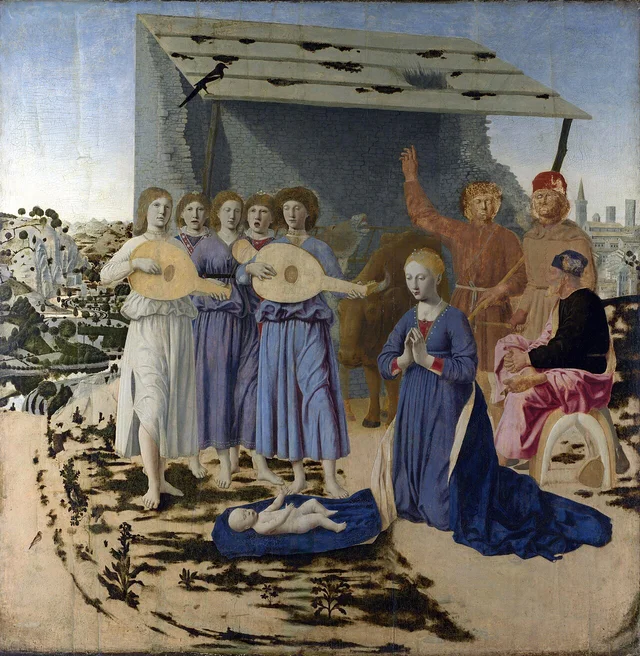 NativitàPiero della Francesca, 1480
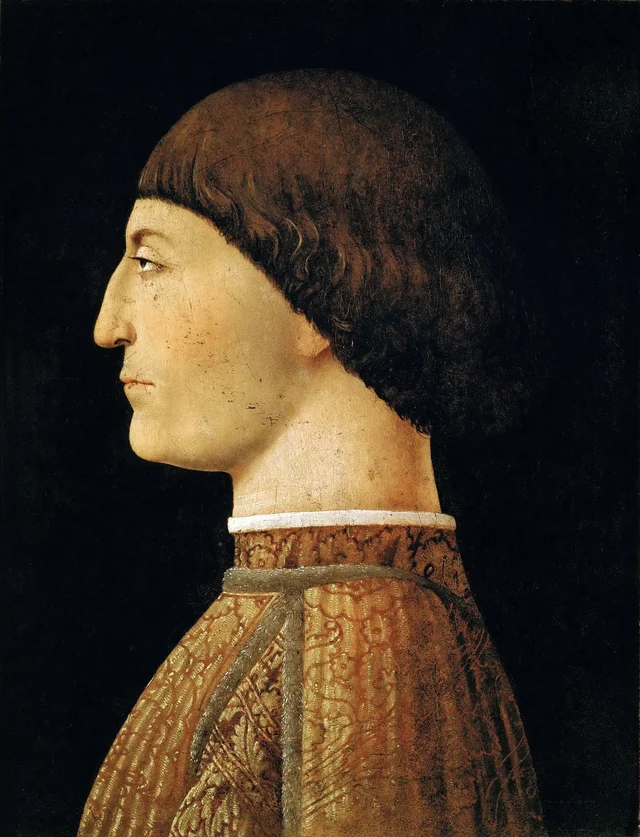 Ritratto di Sigismondo Pandolfo MalatestaPiero della Francesca, 1450
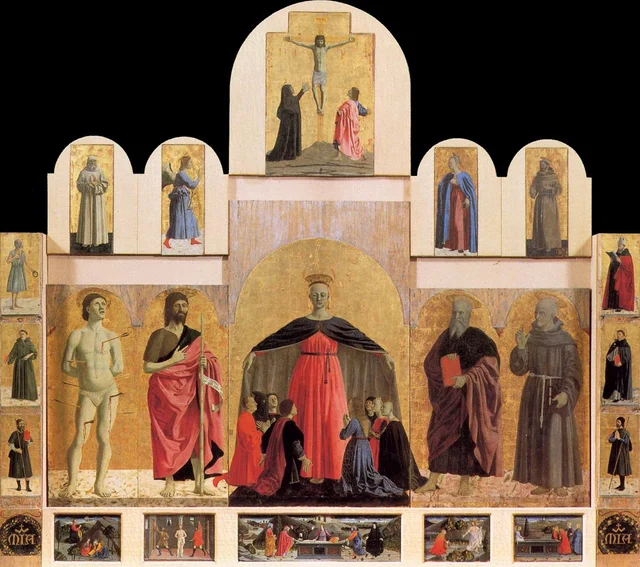 Polittico della MisericordiaPiero della Francesca, 1460
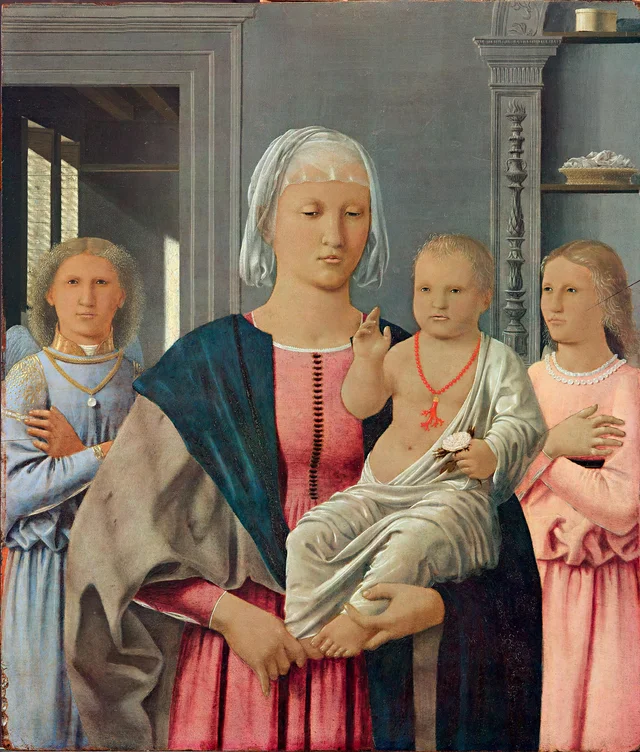 Madonna di SenigalliaPiero della Francesca, 1476
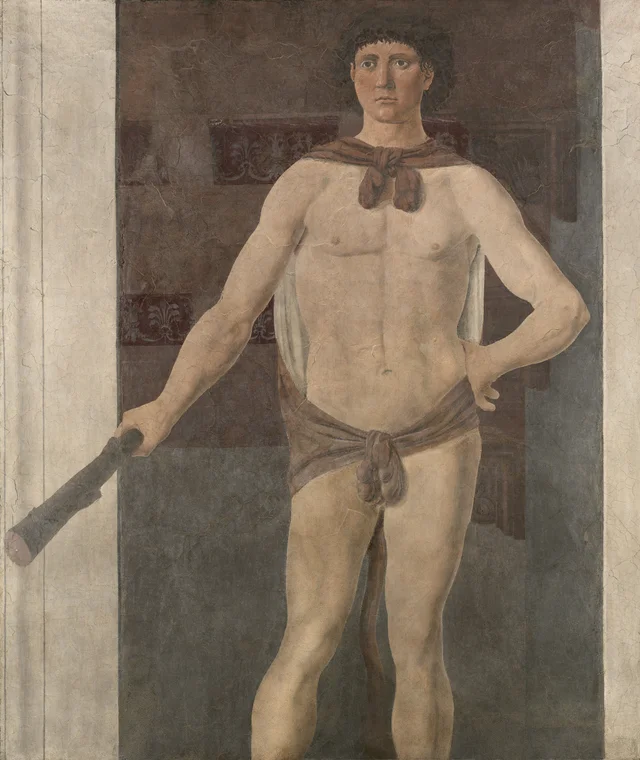 ErcolePiero della Francesca, 1465
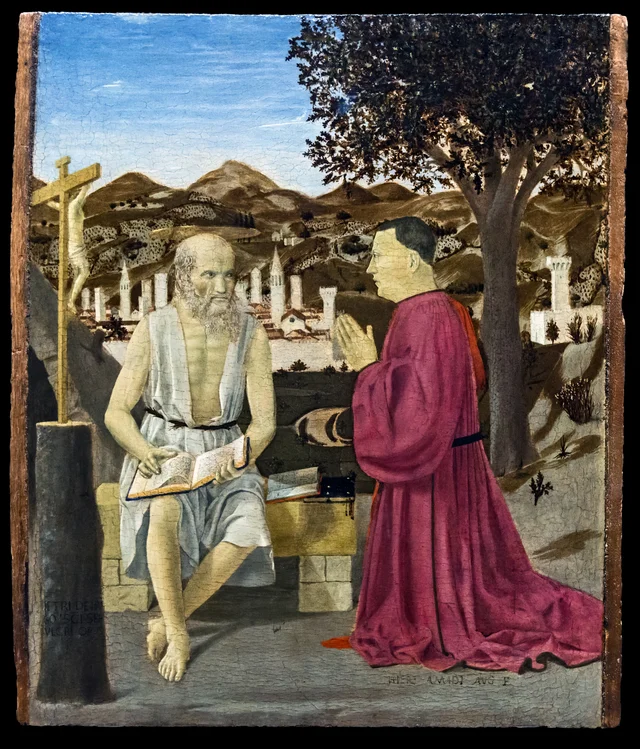 San Girolamo e un donatorePiero della Francesca, 1460
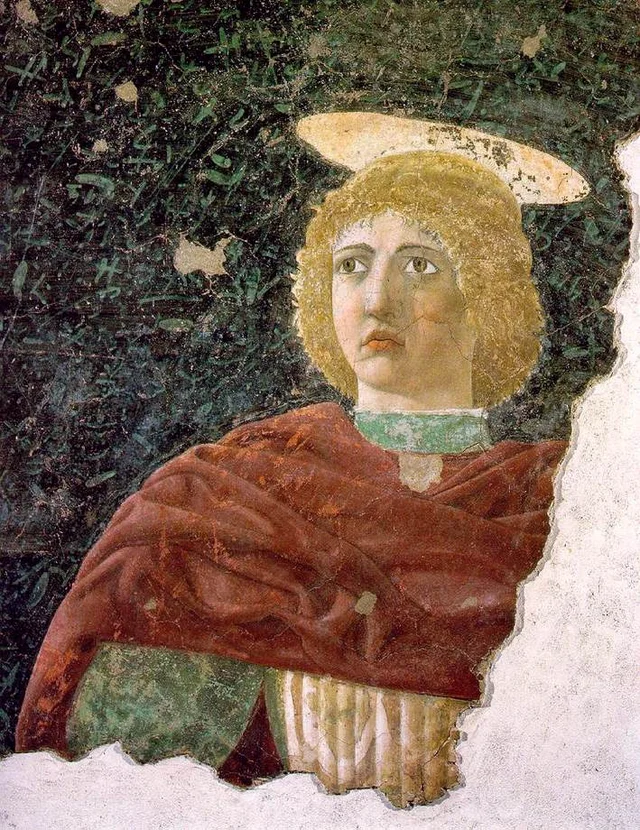 San Giuliano l'OspitalierePiero della Francesca, 1454
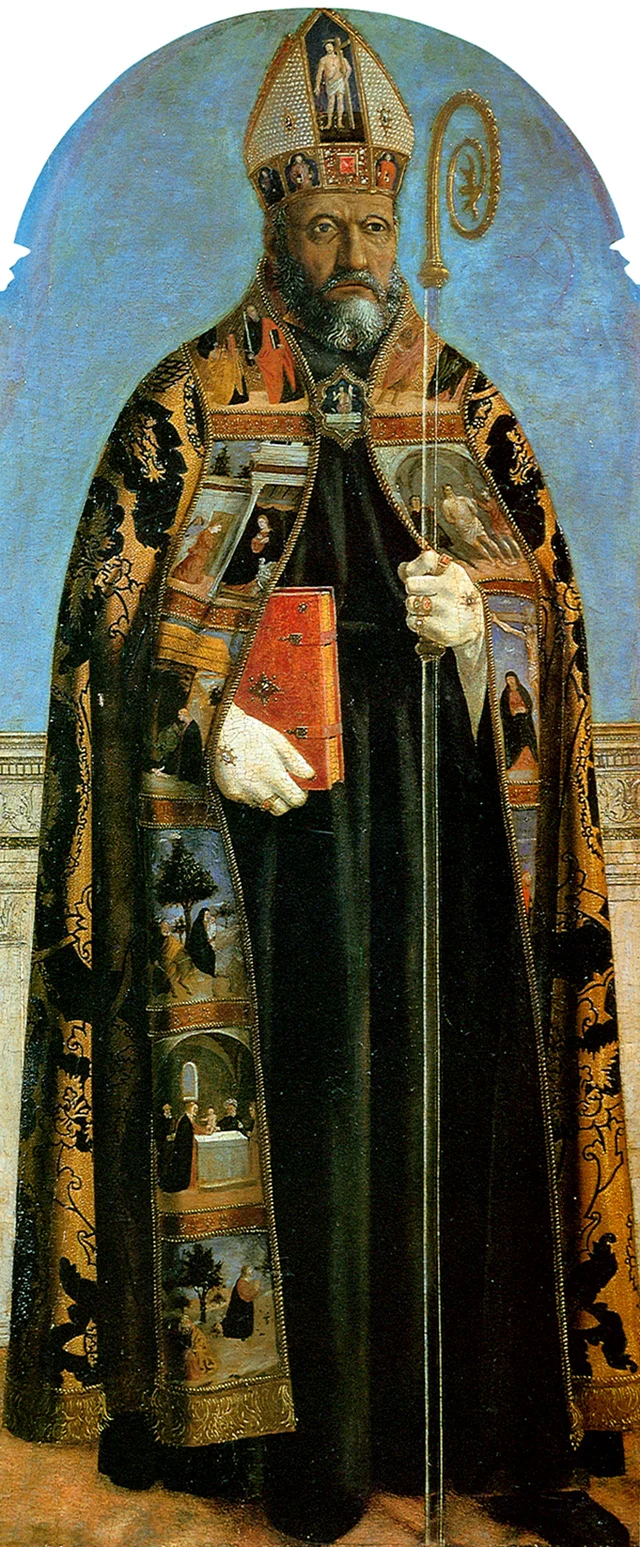 Sant'AgostinoPiero della Francesca, 1454
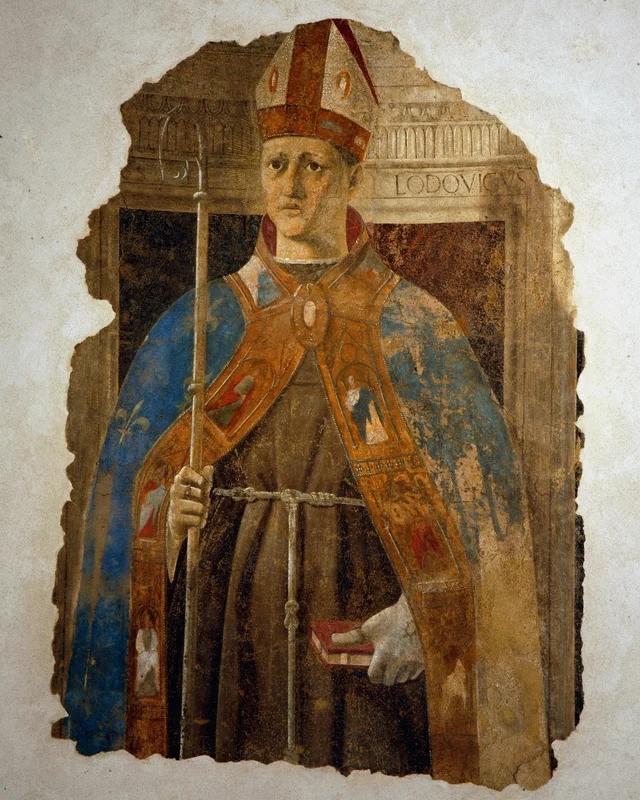 San Ludovico di TolosaPiero della Francesca, 1460
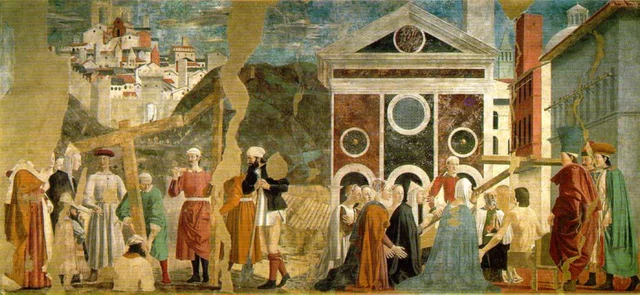 Ritrovamento e verifica della Vera CrocePiero della Francesca, 1458
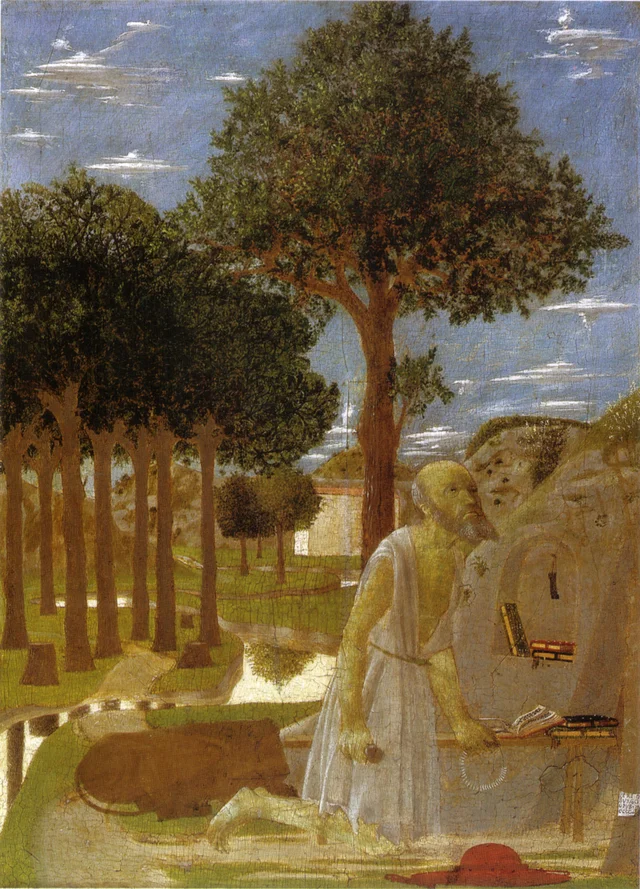 San Girolamo penitentePiero della Francesca, 1450
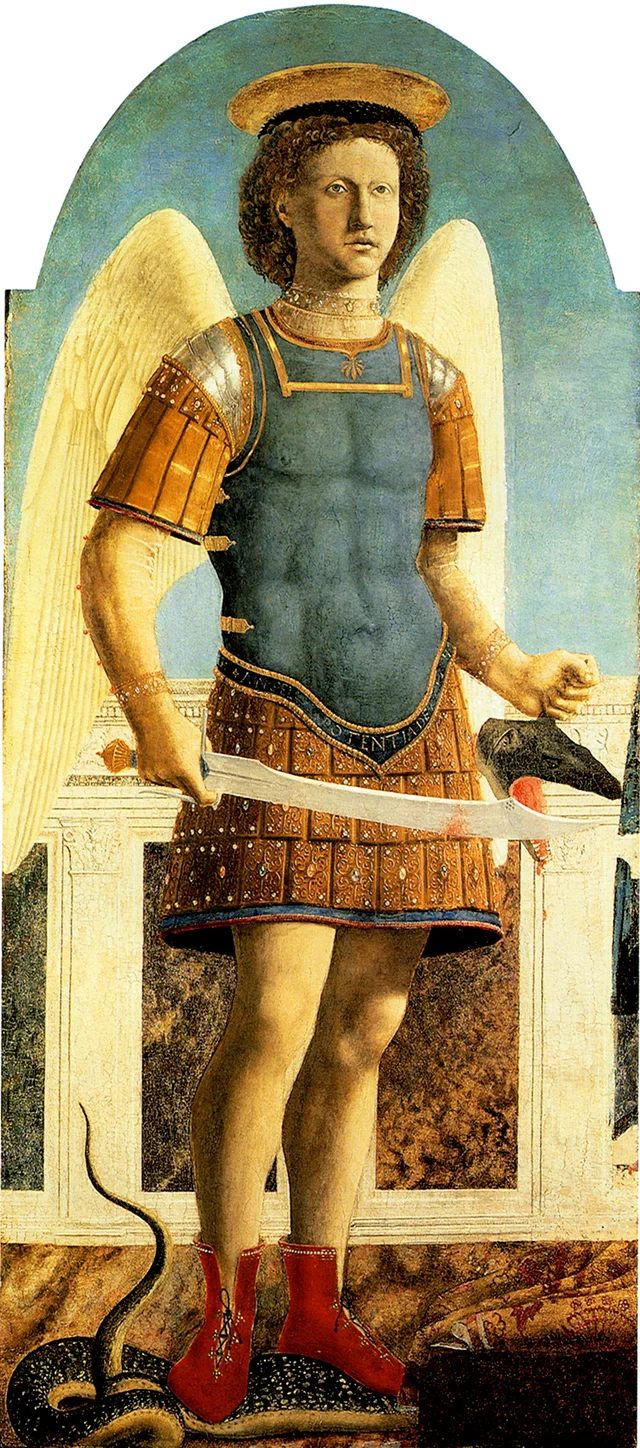 San MichelePiero della Francesca, 1454
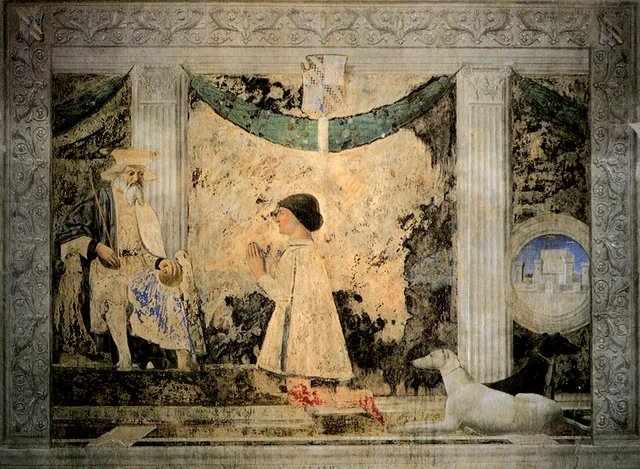 Sigismondo Pandolfo Malatesta in preghiera davanti a san SigismondoPiero della Francesca, 1451
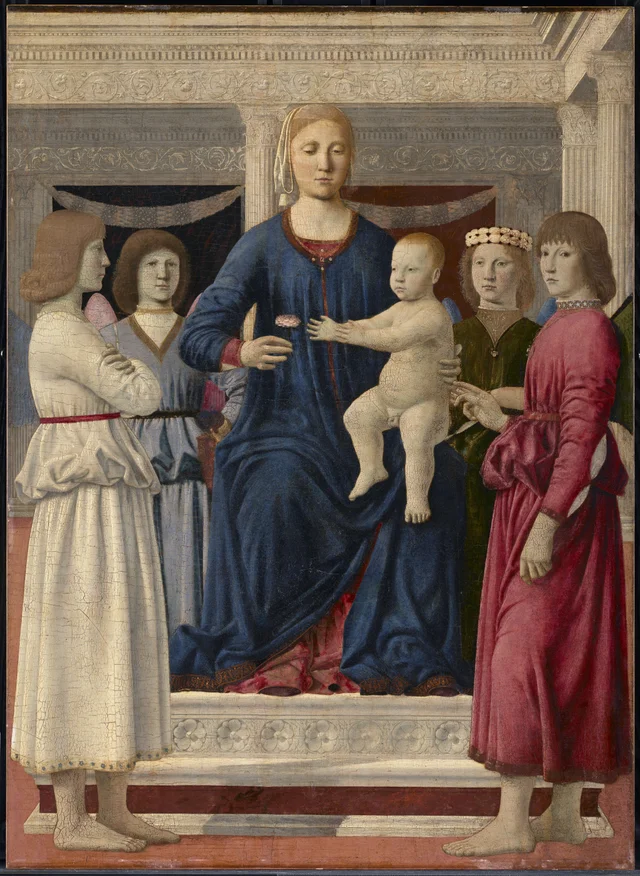 Madonna col Bambino in trono con quattro angeliPiero della Francesca, 1475
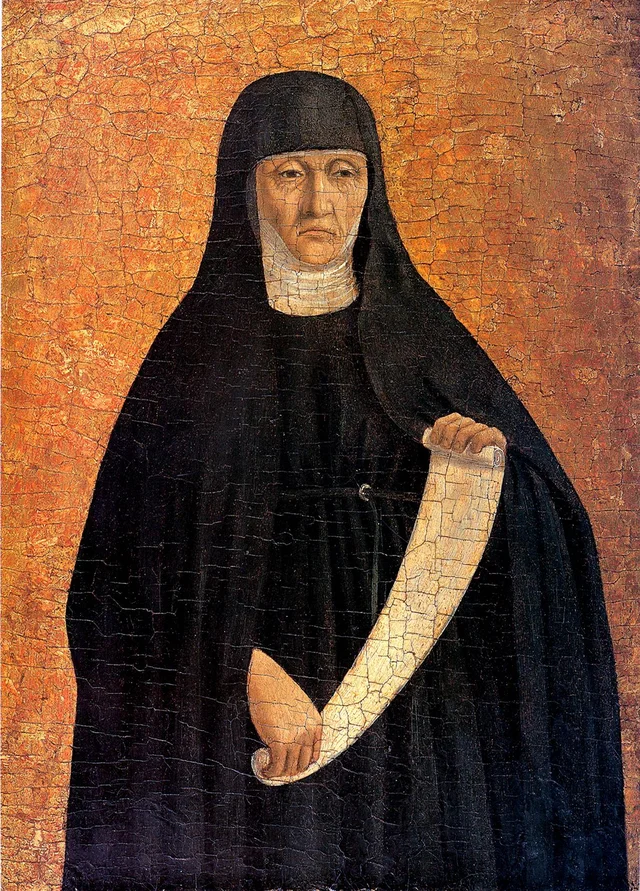 Una monaca agostiniana (Santa Monica)Piero della Francesca, 1454
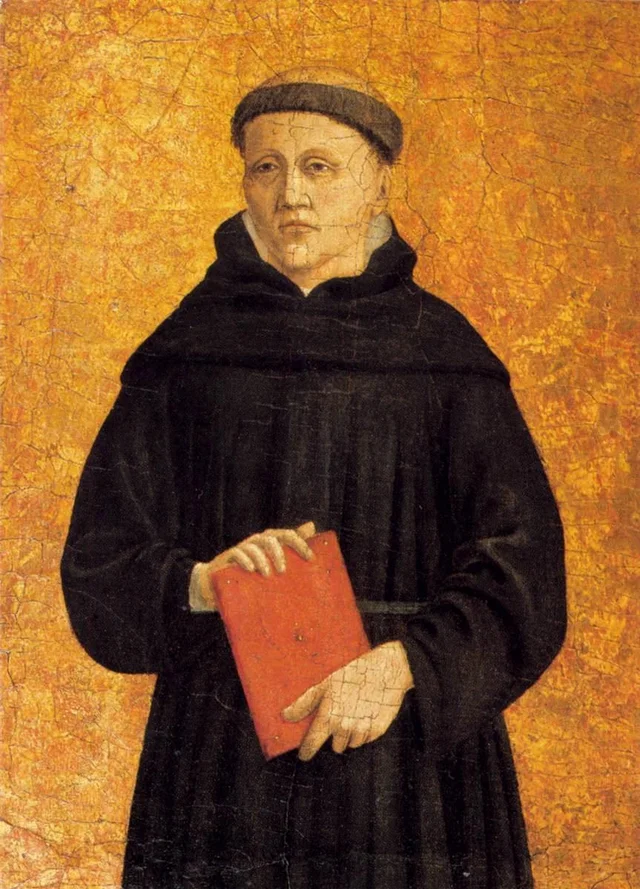 Santo agostinianoPiero della Francesca, 1454
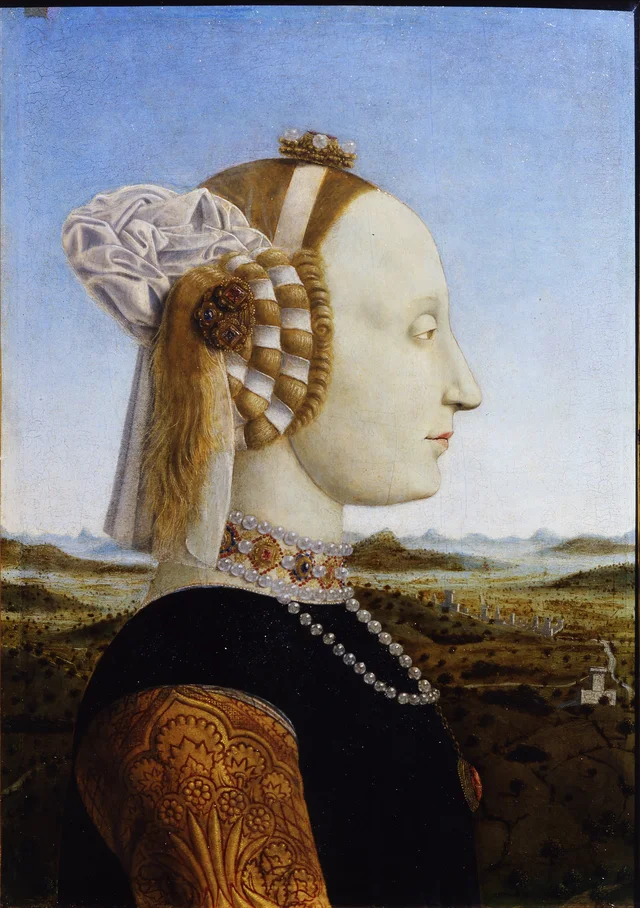 Ritratto di Battista SforzaPiero della Francesca, 1474
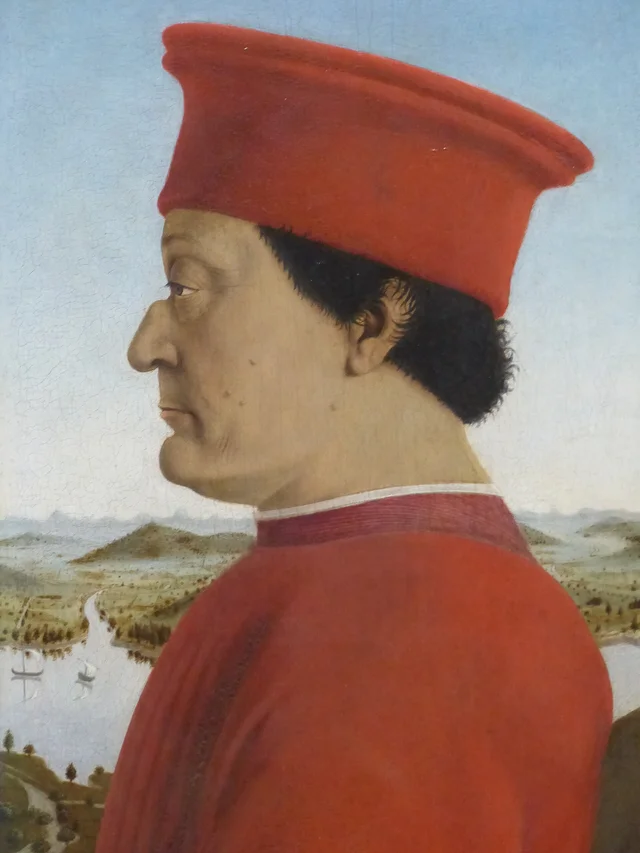 Ritratto di Federico da MontefeltroPiero della Francesca, 1474
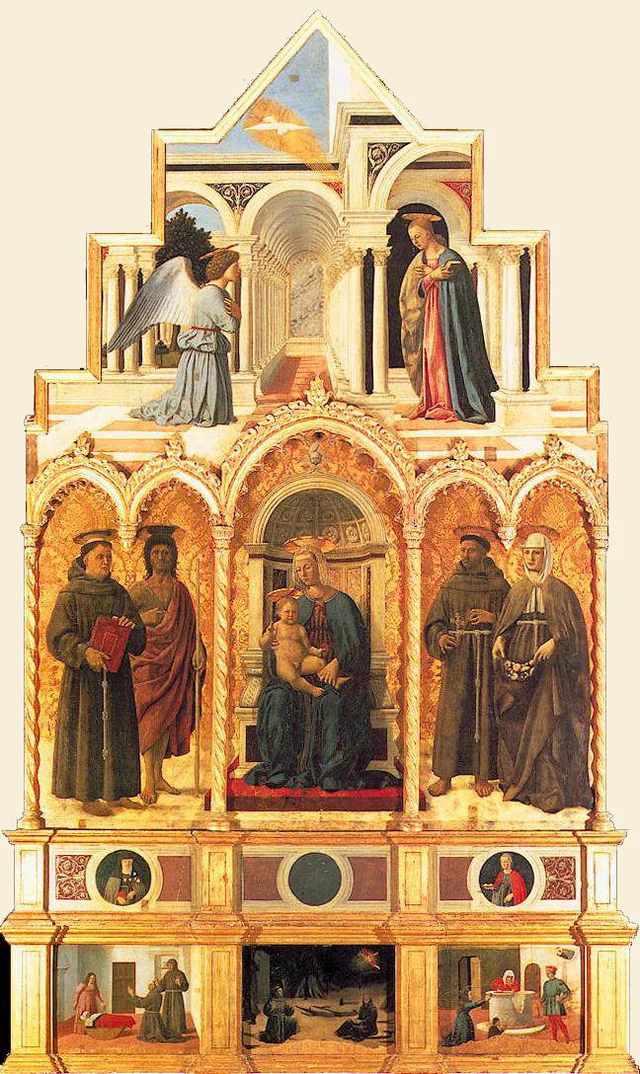 Polittico di Sant'AntonioPiero della Francesca, 1469
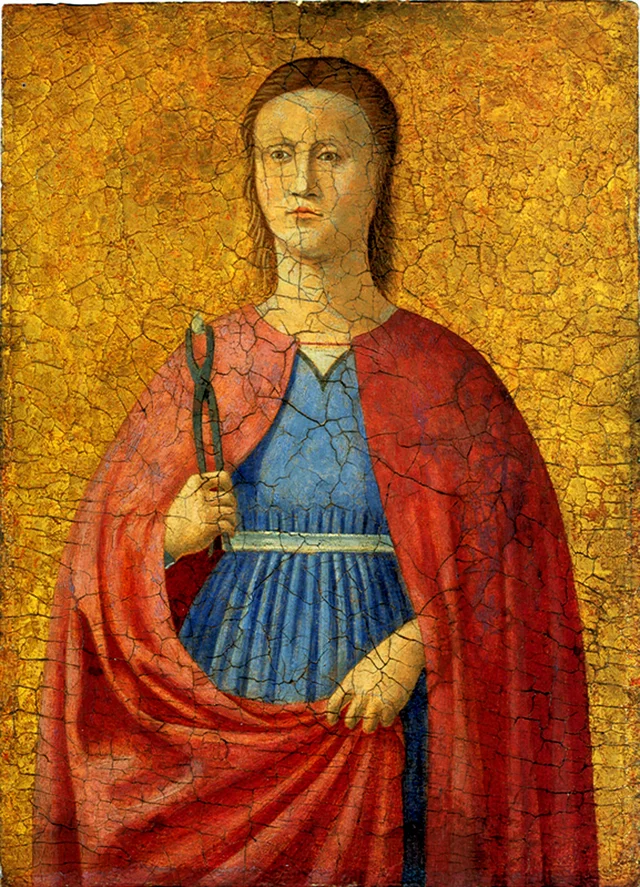 Sant'ApolloniaPiero della Francesca, 1454
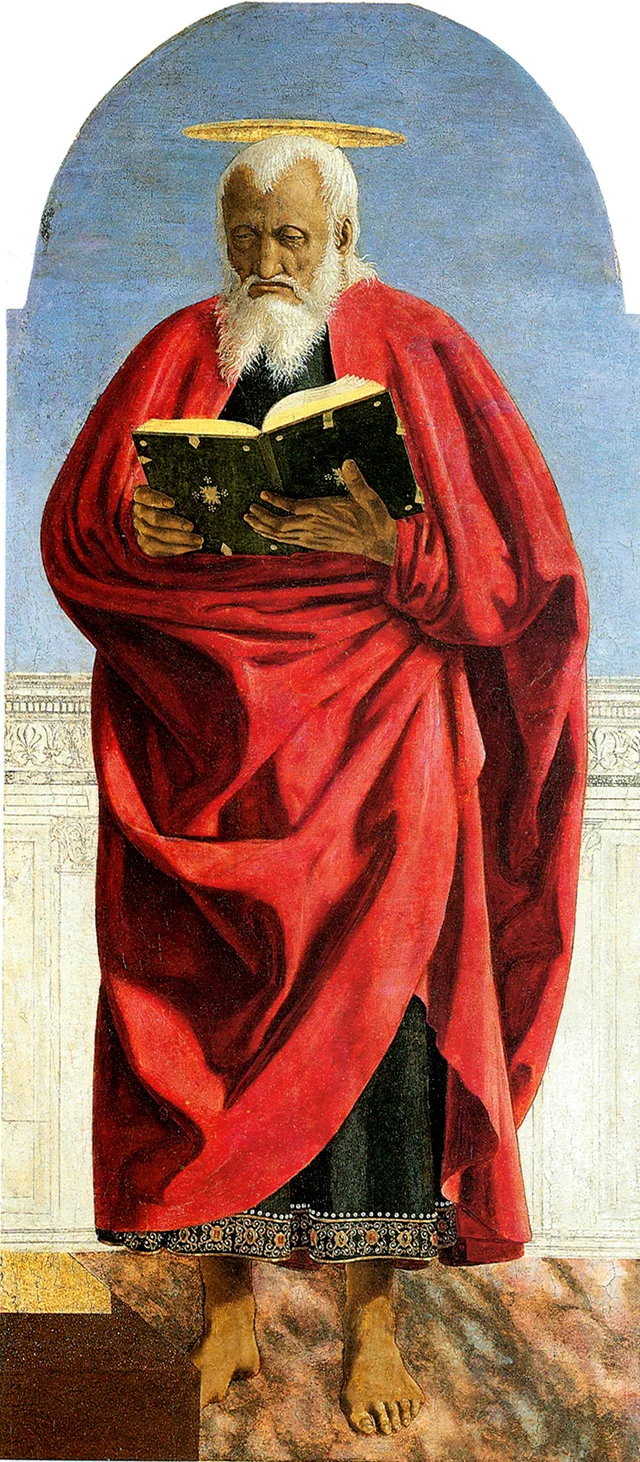 San Giovanni EvangelistaPiero della Francesca, 1454