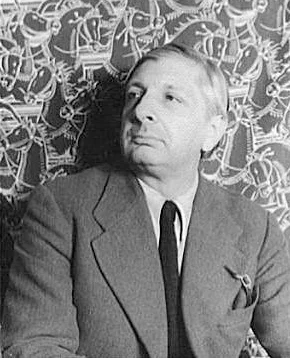
ジョルジョ・デ・キリコ
1888–1978 · イタリア · 形而上絵画
ストーリー
In 1910, standing in the Piazza Santa Croce in Florence while recovering from an illness, de Chirico had what he described as a sudden, strange clarity about the square around him, the arcades, the statue, the autumn light. He painted it that way, flat and unnervingly still, and called the result The Enigma of an Autumn Afternoon. It became the first of what he'd call his metaphysical paintings, empty piazzas and long shadows that look like memory rather than a place.
In Paris a few years later, the poet Guillaume Apollinaire championed his work and gave the style its name. De Chirico painted Apollinaire's portrait in 1914, a bust in profile wearing dark glasses like a blind seer of antiquity, marked on the temple with a small target-like circle. Two years later, in the First World War, Apollinaire was struck by a shell fragment in almost that exact spot. The painting carried no hint of prophecy in its title when de Chirico made it. People started calling it that afterward.
He went on painting into his nineties, by then a difficult, contrarian figure who spent much of his later career quarreling with critics and repainting his own early metaphysical works, sometimes passing the copies off as originals from decades before.