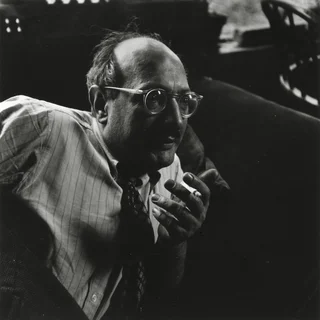
マーク・ロスコ
1903–1970 · アメリカ合衆国 · 抽象表現主義
ストーリー
1958年、マーク・ロスコは抽象画家に対して史上最高額とされる依頼を引き受けた。ニューヨークのパーク街、シーグラム・ビル内に新しく開業する高級レストラン「フォー・シーズンズ」のダイニングルームを、3万5千ドルで装飾するという仕事である。彼はこの壁画に一年以上を費やし、市内でも屈指の富裕層が食事をするために作られたこの部屋のために、暗い赤と黒を基調とする大作を30点以上仕上げた。彼はアトリエの助手に、客たちがまるで扉も窓も塗り込められた部屋に閉じ込められたように感じてほしいのだと語っていたという。
1959年の夏、ロスコは完成したそのレストランで妻とともに食事をした。だが結局、壁画を納入することはなかった。彼は報酬を全額返し、生涯にわたってその作品群を倉庫に保管し続け、後にこれほどの大金を食事に払うような人間が自分の絵を本当に見ることなど決してないだろう、と語っている。
ロスコは1940年代をシュルレアリスムと神話を探求する時期として過ごし、1949年頃までに、今日彼の代名詞となっている柔らかな輪郭を持つ色面——近くで見ることを前提とした、浮遊する矩形——にたどり着いた。それは見る者が絵を単に覗き込むのではなく、周りを包み込まれるように感じさせるものだった。シーグラム壁画のうち九点がロンドンのテート・ギャラリーに到着した1970年2月25日、まさにその同じ日、ロスコはニューヨークの自室で遺体となって発見された。