サルバドール・ダリ
1904–1989 · スペイン · シュルレアリスム
ストーリー
André Breton, the founder of Surrealism, once put Salvador Dalí on trial. This was Paris in the 1930s. The Surrealists were a movement with strict articles of faith, dreams, the unconscious, revolution on the political left, and Dalí kept breaking them. He painted Hitler. He refused to condemn fascism the way the group demanded. He was, Breton decided, too hungry for money and his own celebrity. By the end of the decade he was effectively cast out. Years later Breton struck the sharper blow, rearranging the letters of Salvador Dalí into a nickname, Avida Dollars, eager for dollars. Dalí, delighted, said the anagram must carry real magic, because ever since it was pinned on him the rain of dollars had never stopped.
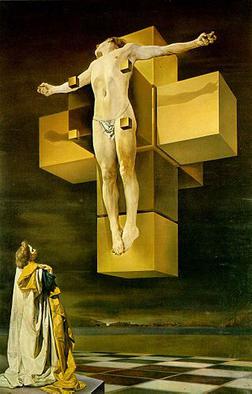
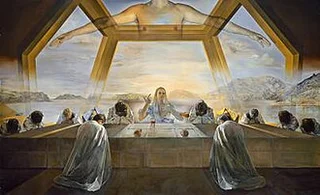
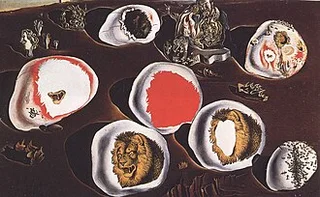
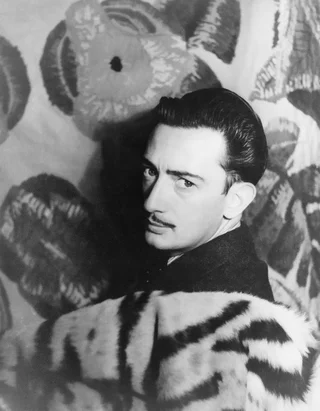
That was the pose, and Dalí was one of the great poseurs, the waxed moustache pointing at the ceiling, the pet anteater on a leash, the interviews that were half theatre. It has sometimes hidden how good a painter he really was. Trained in the old Spanish tradition, he could draw with near-photographic control, and he turned that control on the inside of his own skull. The soft, melting watches of his most famous canvas are painted with the patience of a Dutch still life. He called the method paranoiac-critical: courting the double image and the waking hallucination, then rendering it as calmly as a landscape in clear noon light.
He came from Figueres, a town in Catalonia in Spain's northeast, and he went back to it at the end. The old theatre there, gutted by fire during the Spanish Civil War, he spent his last decades rebuilding as a museum of his own work. He lies buried under its floor, beneath a glass dome, in the middle of what was once the stage.