가쓰시카 호쿠사이
1760–1849 · 일본 · 우키요에
이야기
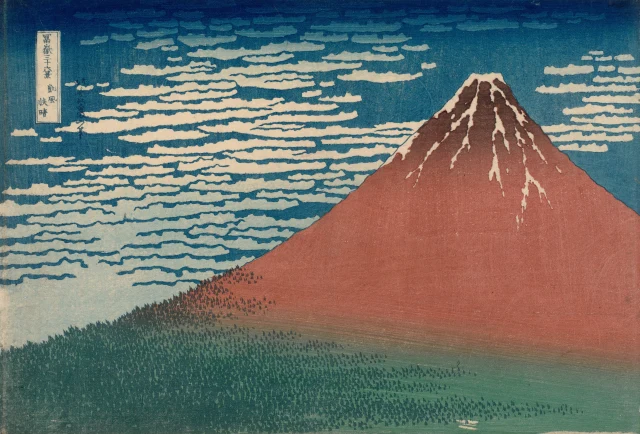
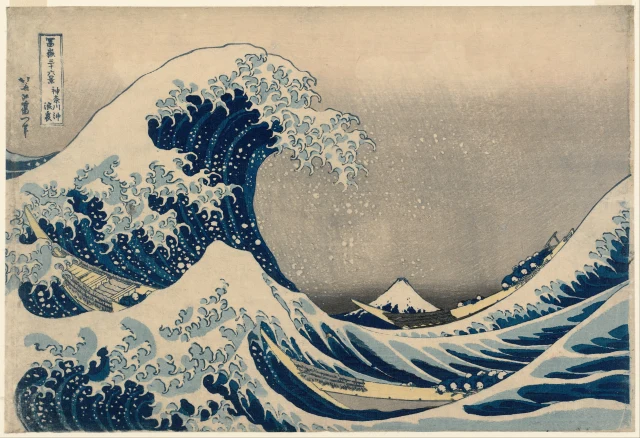
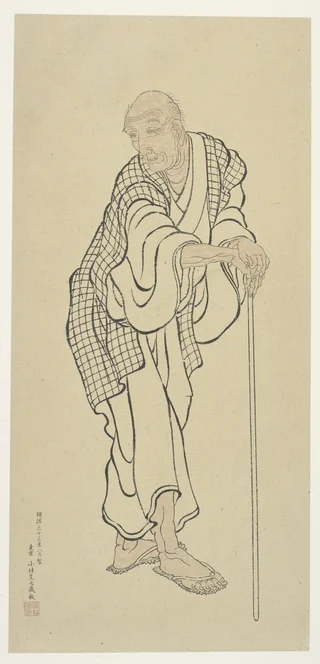
일본에서 나온 이미지 중 가장 많이 복제된 그림, 세 척의 작은 배 위로 커다란 발톱처럼 아치를 그리는 파도와 저 멀리 작고 고요한 후지산을 담은 그 그림은, 70대의 한 노인이 그린 작품이다. 호쿠사이는 일흔 무렵이던 1830년경 《후가쿠 36경》 연작을 시작했고, 일흔 이전에 자신이 한 일은 셀 가치도 없다고 잘라 말했다. 그는 110세가 되면 점 하나 선 하나까지 살아 움직이게 될 때까지 계속 나아지겠다고 썼다. 그는 여든여덟 살까지 살았다.
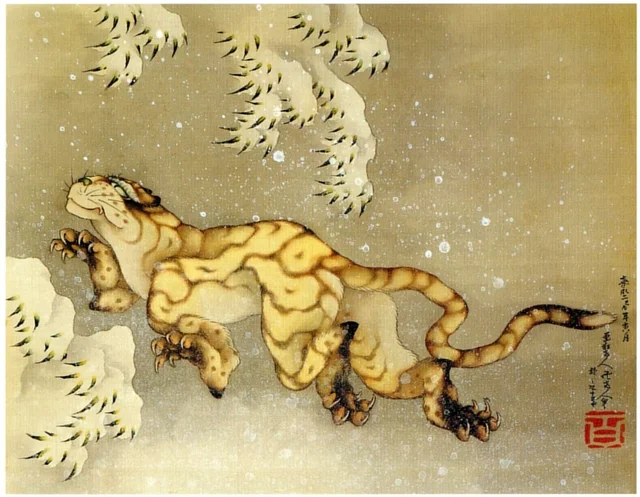
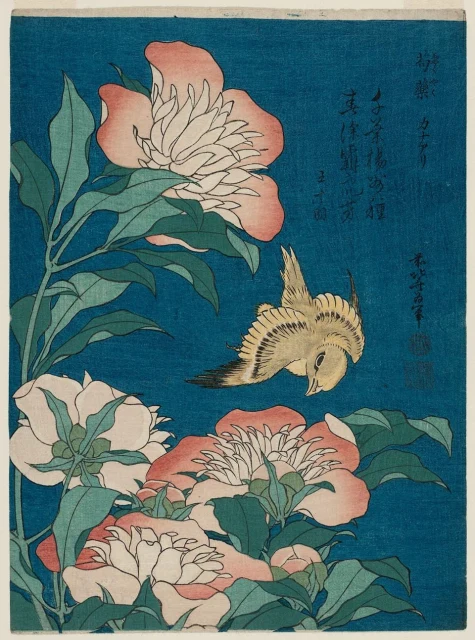
그는 일본이 외국과의 접촉을 거의 봉쇄해버린 긴 시기, 에도 시대를 관통해 작업했고, 그 닫힌 세계 안에서도 좀처럼 가만있지 못했다. 이는 아무리 강조해도 지나치지 않다. 그는 평생 서른 번 넘게 화명을 바꾸었고, 때로는 옛 이름을 제자에게 팔기도 했으며, 말년에는 스스로를 '그림에 미친 노인'이라 서명했다. 그는 배우, 유령, 씨름꾼, 폭포까지 모든 것을 그렸고, 눈에 보이는 세계에 관한 일종의 백과사전처럼 수천 장의 빠른 스케치를 출판했다.
이 파도 그림의 색에는 숨겨진 역사의 조각이 담겨 있다. 그 짙은 파란색은 베를린에서 발명된 합성 안료인 프러시안 블루로, 일본이 무역을 위해 열어둔 단 하나의 항구를 통해 막 들어온 것이었다. 순전히 일본적인 것으로 읽히는 이 그림은 수입된 화학 물질로 그려진 셈이다. 그리고 그 흐름은 반대 방향으로도 이어졌다. 몇십 년 뒤 일본이 다시 문을 열자, 호쿠사이의 것과 같은 값싼 판화들이 유럽으로 쏟아져 들어갔고, 모네에서 반 고흐에 이르는 화가들은 그 평평한 색채와 가파른 구도에 매료되었다. 반 고흐는 일본 판화를 손수 유화로 모사했고, 동생에게 보낸 편지에서 한 그림 속 세부 묘사의 개수를 세어보고는 한 사람이 어떻게 그토록 많은 것을 담을 수 있었는지 놀랐다고 전했다. 호쿠사이는 이런 일들이 일어났다는 사실을 끝내 알지 못했다. 그는 미국 함대가 일본의 문을 강제로 열기 4년 전인 1849년에 세상을 떠났다.