파블로 피카소
1881–1973 · 스페인 · 입체주의
이야기
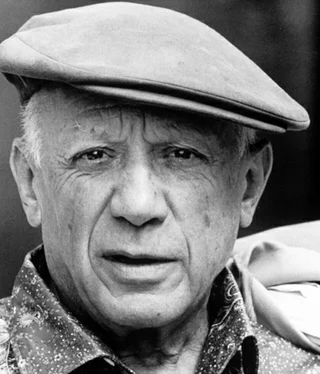
파블로 피카소는 1881년 스페인 남부 말라가에서 태어났고, 전하는 말로는 온전한 문장으로 말하기도 전에 그림부터 그릴 줄 알았다고 한다. 아버지는 화가이자 미술 교사였는데, 파블로가 아직 십대였을 때 아버지가 스스로 붓을 내려놓고 화업을 접었다는 이야기가 집안에 전해진다. 아들이 이미 자신보다 낫다고 판단했기 때문이었다.
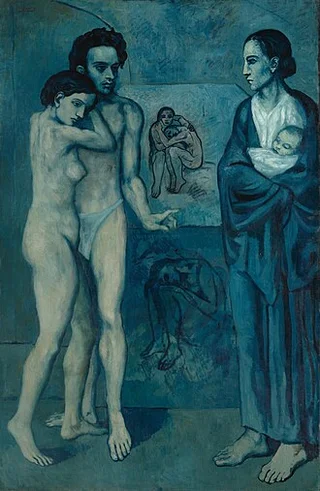
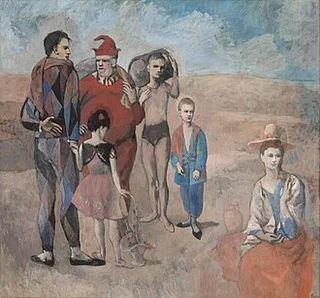
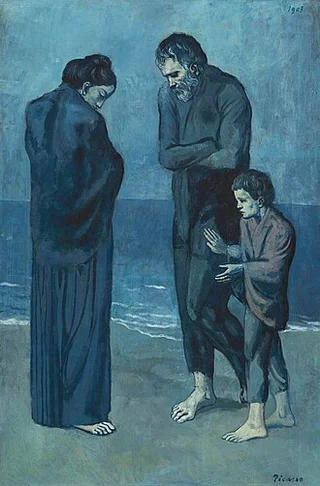
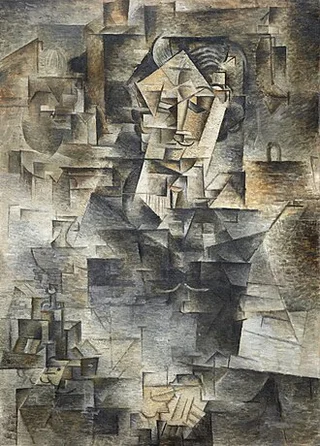
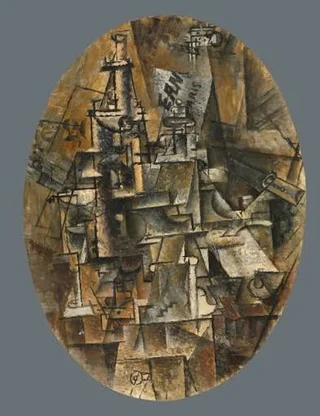
스무 살을 갓 넘긴 시절 그는 가난한 처지로 파리에 머물며, 훗날 '청색 시대'와 '장미 시대'라 불리게 될 우울한 파랑과 부드러운 분홍빛으로 거지와 서커스 사람들을 그렸다. 그러다 1907년, 다섯 여인을 그린 크고 의도적으로 추한 그림 《아비뇽의 처녀들》을 내놓았다. 얼굴은 아프리카 가면에서 빌려왔고 몸은 평평한 면들로 잘게 쪼개져 있었다. 이후 몇 해에 걸쳐 프랑스 화가 조르주 브라크와 나란히 작업하며 그는 이 발상을 해체해 입체주의를 세웠다. 하나의 대상을 여러 각도에서 동시에 보여주는 방식이었다.
그는 좀처럼 멈추지 않았다. 91년의 생애 동안 회화, 조각, 판화, 도자, 무대미술을 넘나들며 작업했고, 그가 남긴 작품 수는 믿기 어려울 정도다. 대략 5만 점에 이른다는 추산도 있다. 1937년, 독일 공군이 스페인 국민군을 위해 바스크의 소도시 게르니카를 폭격하자, 그는 정부 위촉작을 하나의 헐벗은 전구 아래 비명을 지르는 인물들로 가득한 거대한 회색 벽화로 바꾸어놓았다.
1940년대 독일군이 파리를 점령했을 때도 그는 떠나지 않았다. 나치 정권이 탐탁잖게 여기던 유명 예술가였음에도 전쟁 내내 조용히 작업을 이어갔다. 아흔이 넘어서까지 그림을 계속 그렸고, 1973년 프랑스 남부의 자택에서 여전히 이젤 앞에 선 채로 세상을 떠났다. 그가 거의 아무것도 버리지 않았던 탓에, 그가 소유하고 만든 것들을 정리하는 데만 유족들은 몇 년이 걸렸다.