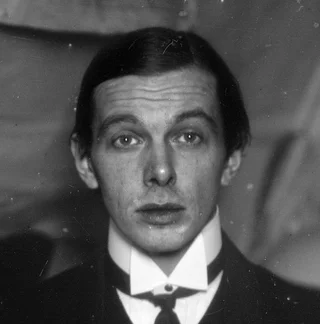
Ernst Ludwig Kirchner
1880–1938 · Império Alemão · Expressionismo
A história
No verão de 1937, o partido nazista abriu em Munique uma exposição chamada Arte Degenerada, ridicularizando a pintura moderna como doentia e antialemã. Ela incluía 32 obras de Ernst Ludwig Kirchner, e, até o fim daquele ano, mais de 600 de suas pinturas, gravuras e desenhos haviam sido retirados de museus alemães e vendidos no exterior ou destruídos. Kirchner vivia então nas montanhas perto de Davos, na Suíça, e acompanhou de lá a campanha movida contra ele. Em junho de 1938 tirou a própria vida com um tiro em frente à sua casa.
Ele havia passado a carreira inteira captando o estado de espírito da Alemanha. Em 1905, ainda estudante de arquitetura em Dresden, fundou o Die Brücke, "A Ponte", com três colegas, com o objetivo de ligar a pintura acadêmica a um tipo de arte mais bruto e urgente. As linhas quebradas e as cores ácidas do grupo se tornaram a marca do Expressionismo alemão, mais famosamente nas cenas de Kirchner sobre prostitutas de rua e multidões de cafés berlinenses, pintadas pouco antes da Primeira Guerra Mundial. Ele se alistou como voluntário nessa guerra em 1914, sofreu um colapso nervoso poucos meses depois e passou anos circulando entre sanatórios antes de se fixar definitivamente na Suíça em 1917, onde os Alpes substituíram a cidade como seu tema.
As pinturas de ruas berlinenses que o rotularam como degenerado duas décadas depois, figuras tensas com chapéus emplumados sob a luz a gás, formam hoje o núcleo do Brücke-Museum, em Berlim, uma coleção reunida após sua morte a partir do que sobreviveu aos confiscos nazistas.
Mais artigos
Obras
22 obras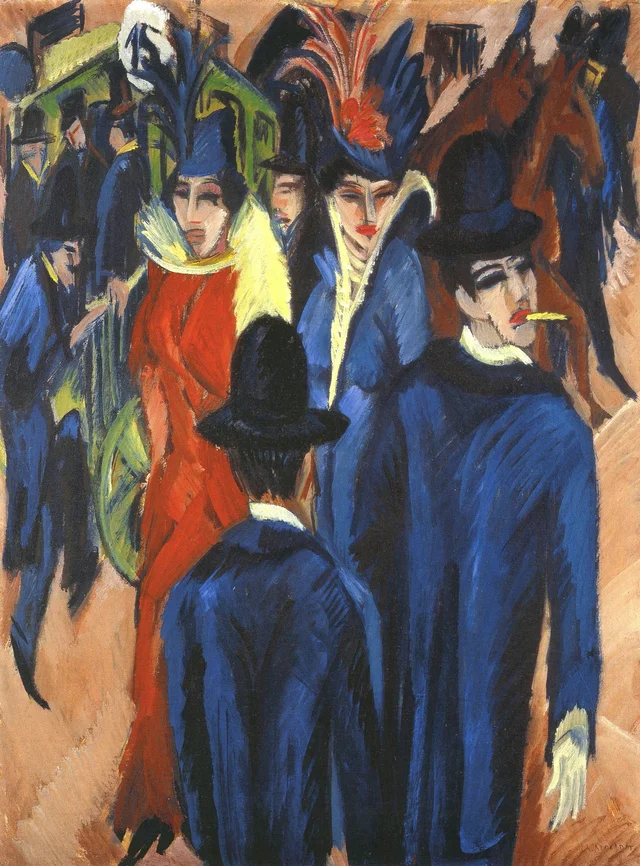 Cena de rua em BerlimErnst Ludwig Kirchner, 1913
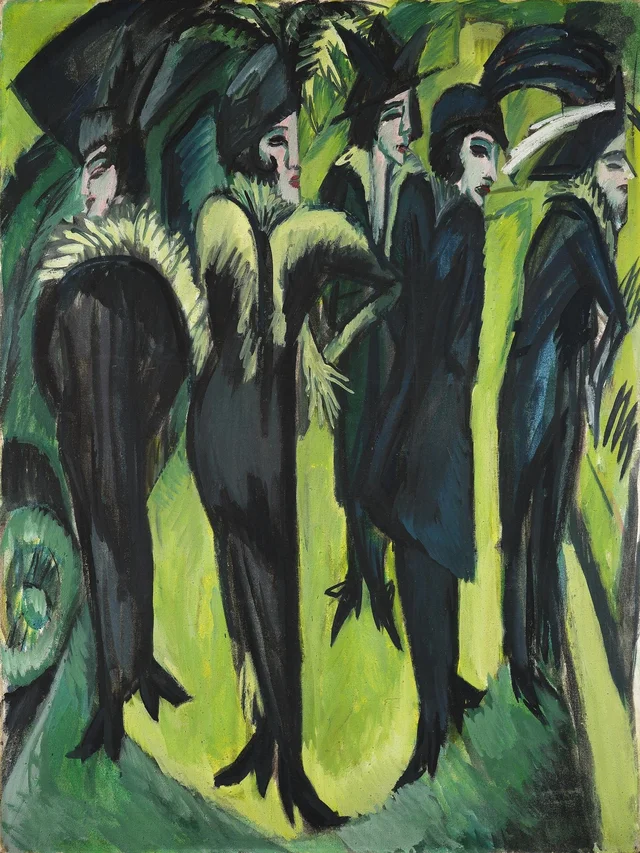 Cinco mulheres na ruaErnst Ludwig Kirchner, 1913
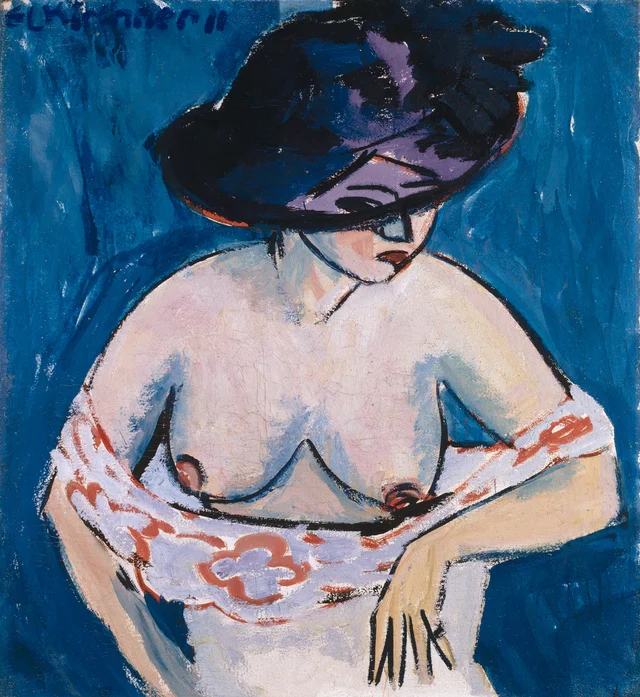 Nu de Meio Corpo com ChapéuErnst Ludwig Kirchner, 1911
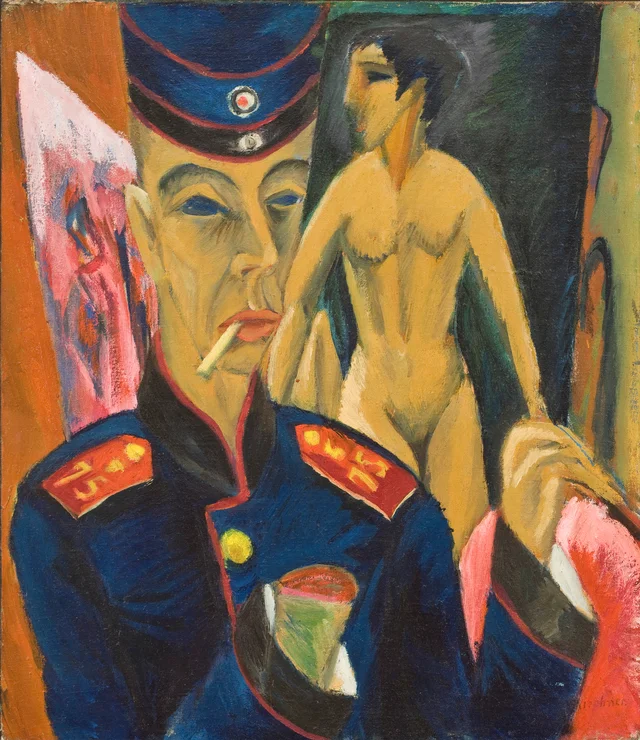 Autorretrato como SoldadoErnst Ludwig Kirchner, 1915
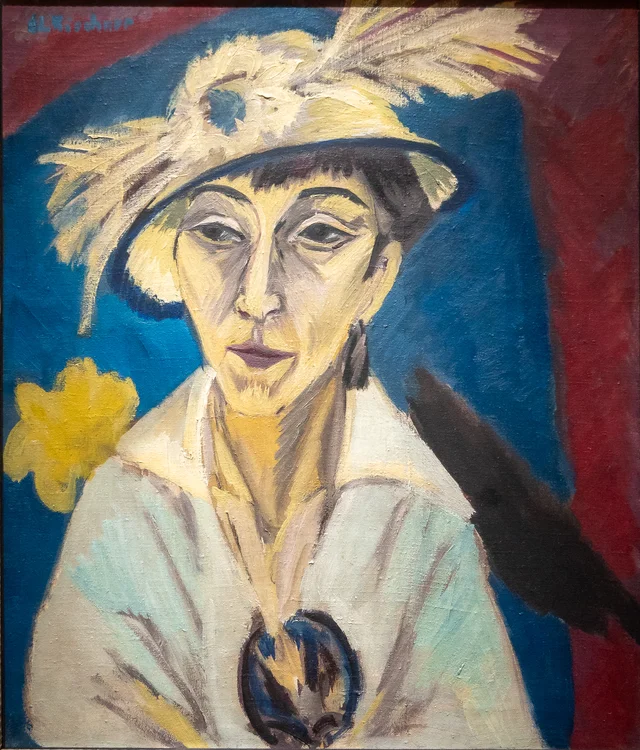 Retrato de Erna SchillingErnst Ludwig Kirchner, 1913
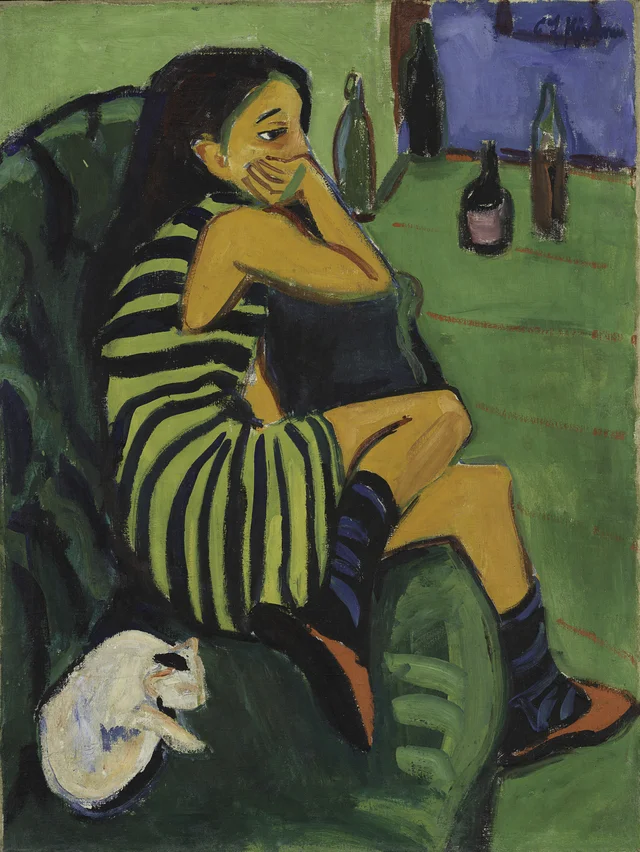 A Artista (Marcella)Ernst Ludwig Kirchner, 1910
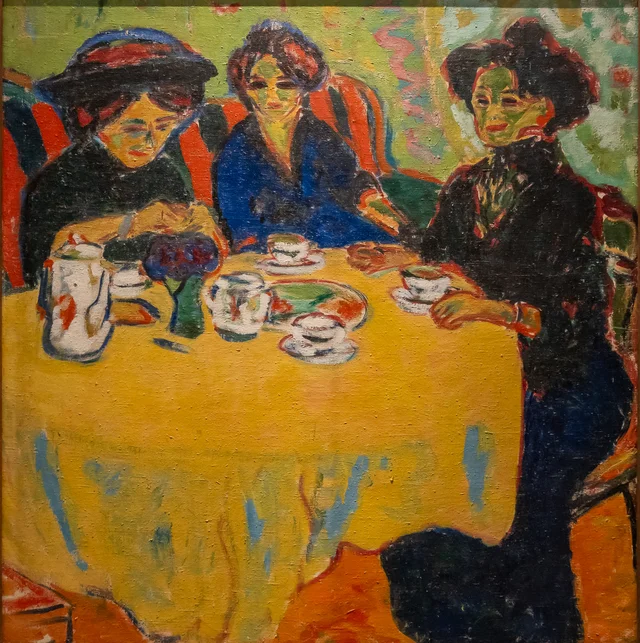 Mesa de café (recto), Em Fehmarn (verso)Ernst Ludwig Kirchner, 1908
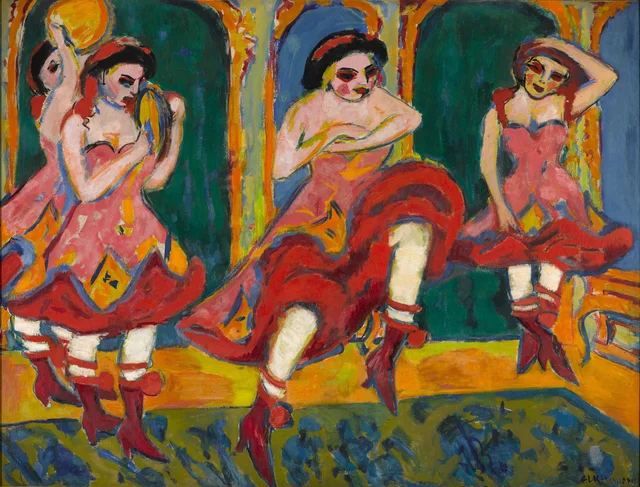 Dançarinas de csárdásErnst Ludwig Kirchner, 1908
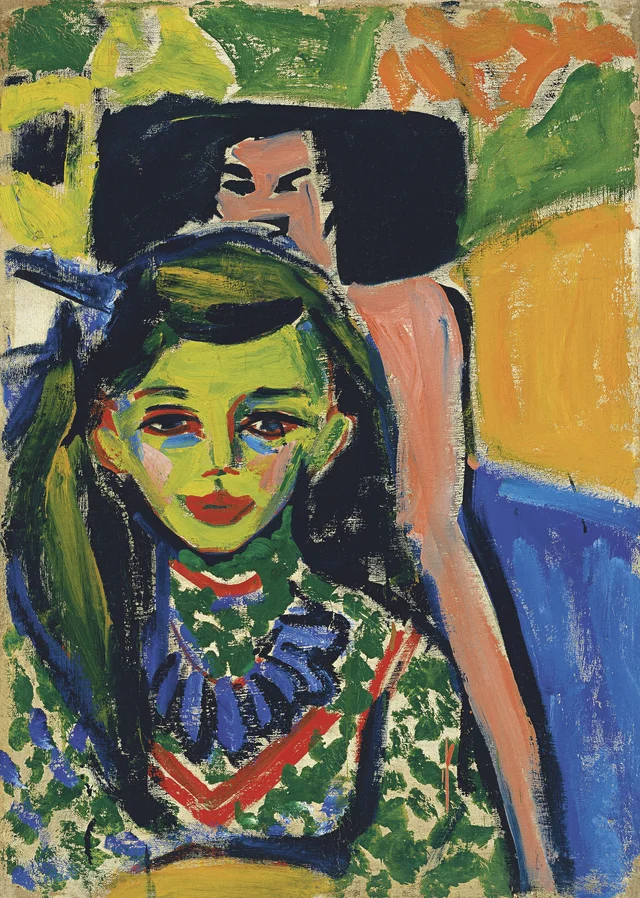 Fränzi diante de uma cadeira entalhadaErnst Ludwig Kirchner, 1910
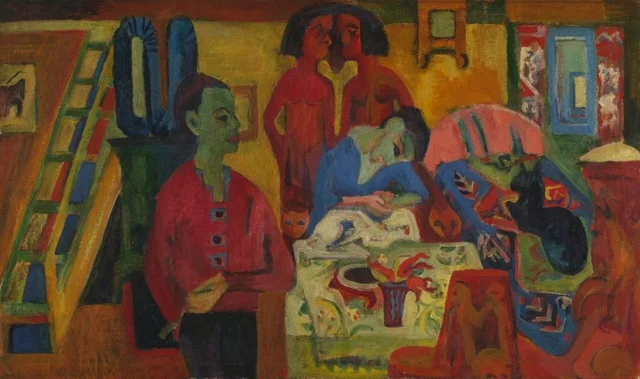 Interior com pintorErnst Ludwig Kirchner, 1921
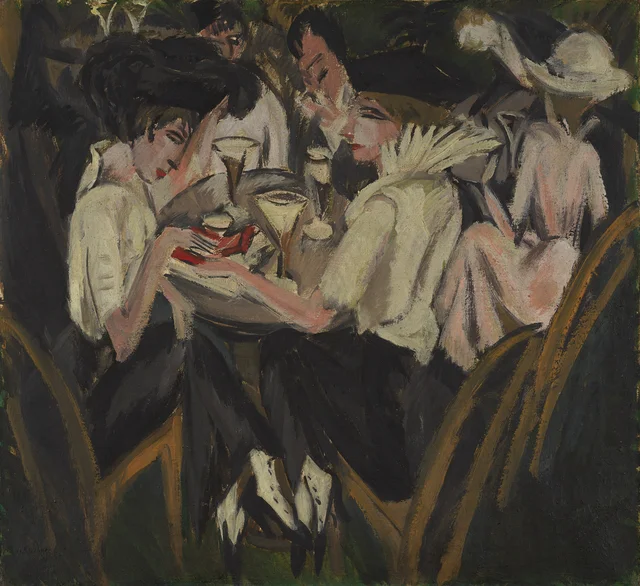 No jardim do caféErnst Ludwig Kirchner, 1914
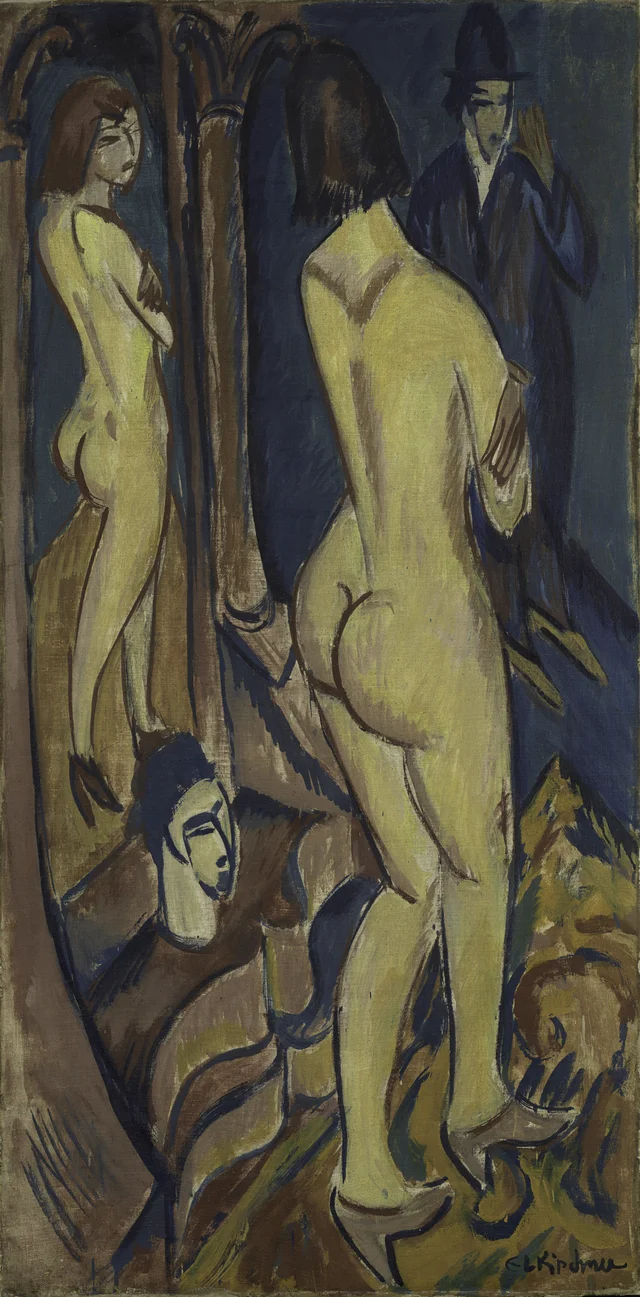 Nu de costas com espelho e homemErnst Ludwig Kirchner, 1912
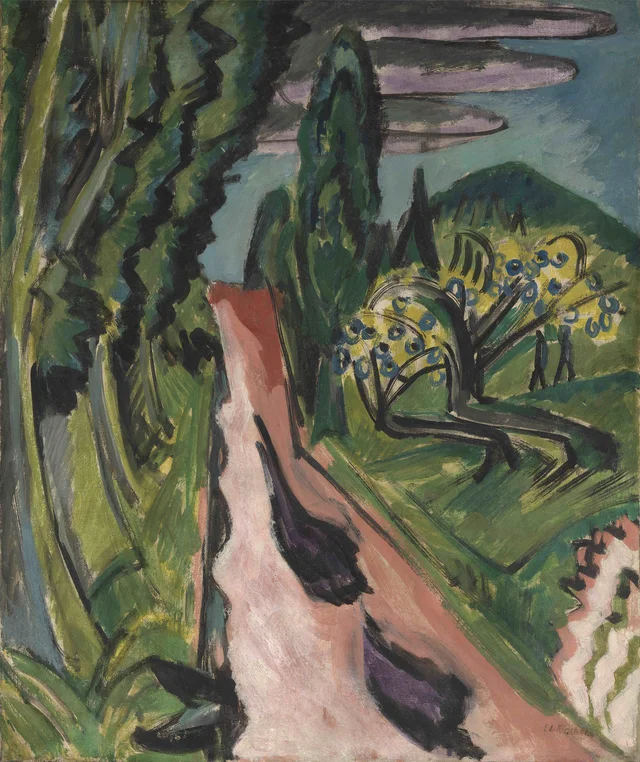 Estrada de TaunusErnst Ludwig Kirchner, 1916
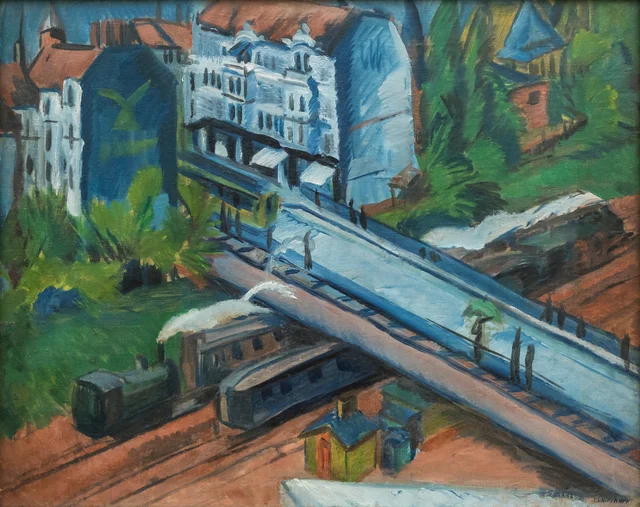 O viaduto ferroviárioErnst Ludwig Kirchner, 1914
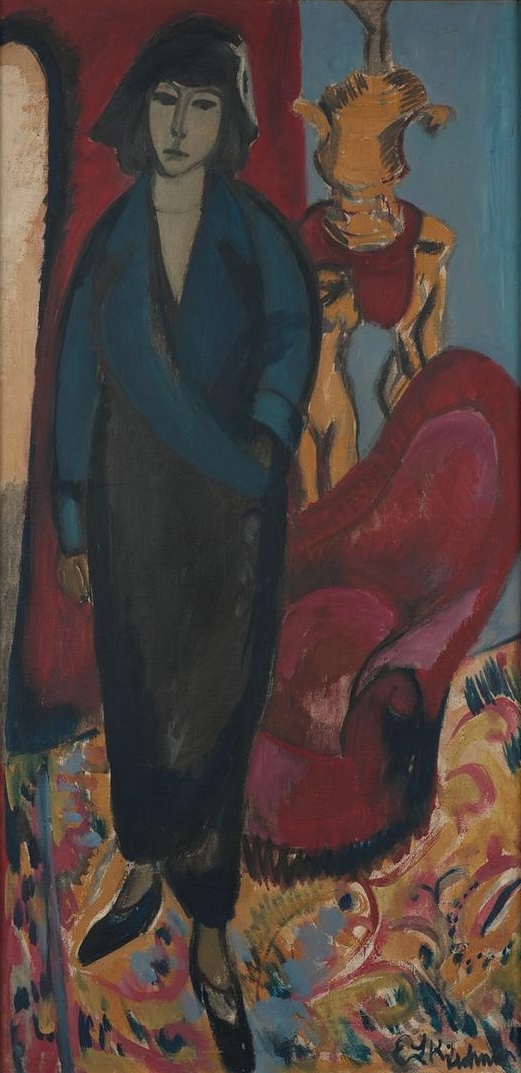 A mulher russaErnst Ludwig Kirchner, 1912
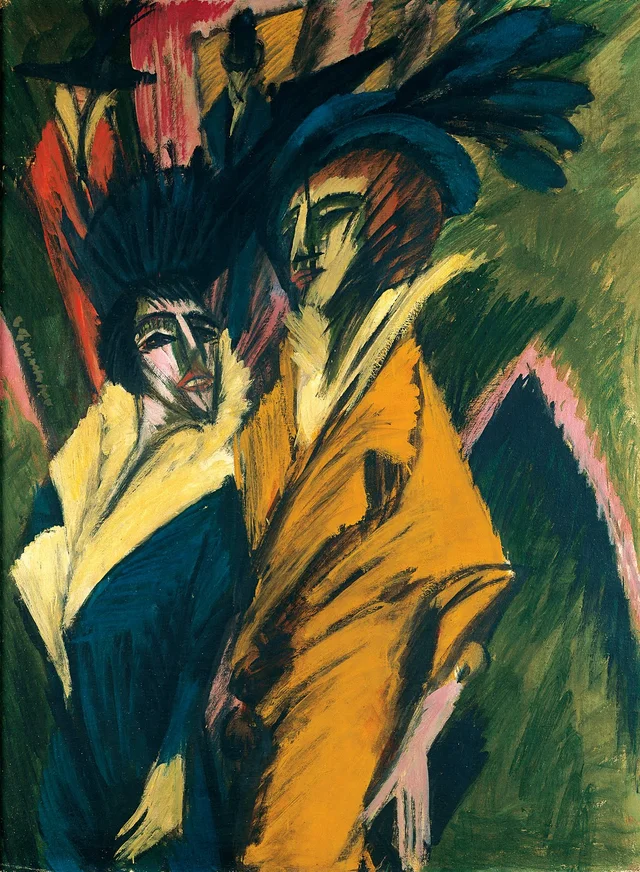 Duas mulheres na ruaErnst Ludwig Kirchner, 1914
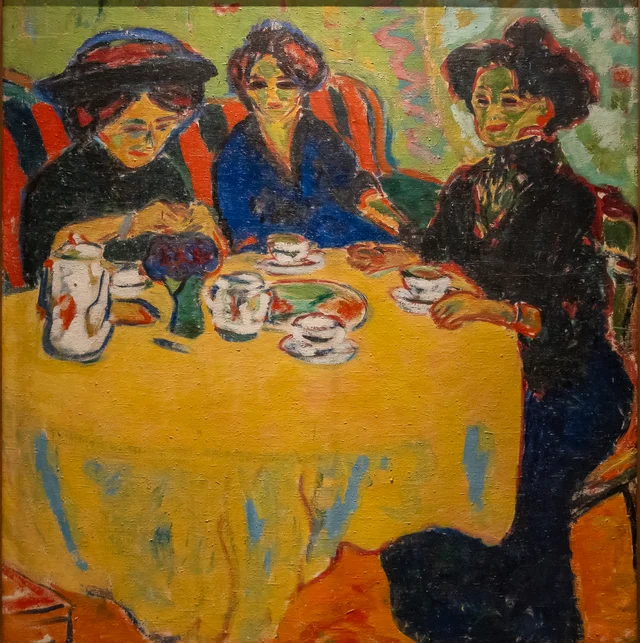 Mulheres tomando caféErnst Ludwig Kirchner, 1908
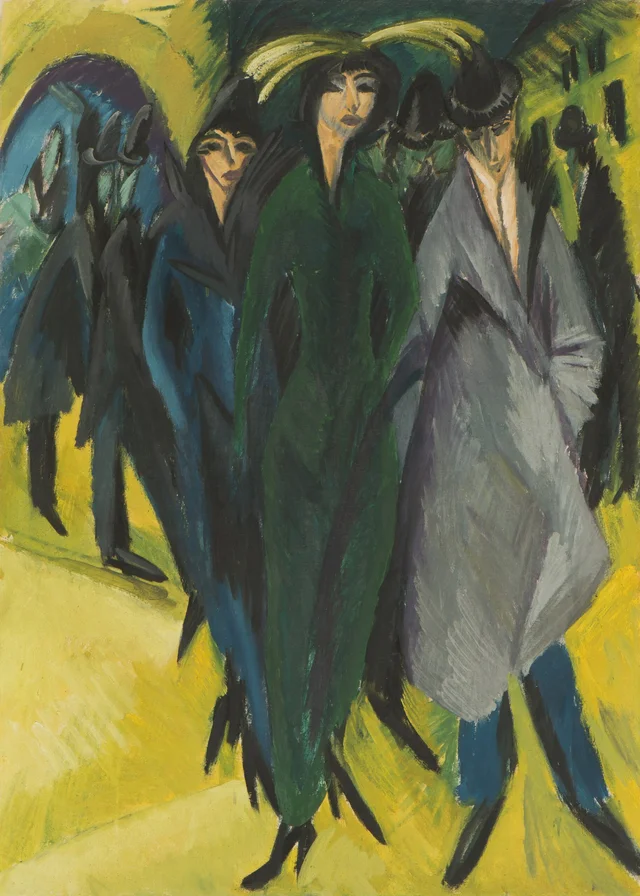 Mulheres na RuaErnst Ludwig Kirchner, 1914
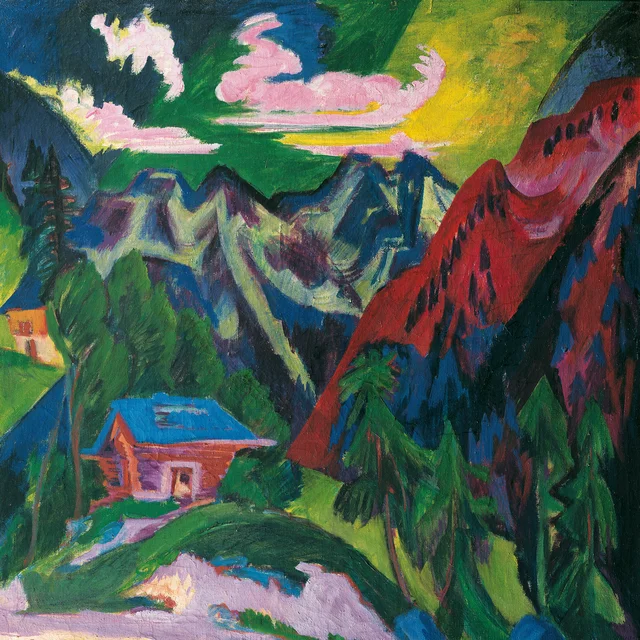 As montanhas de KlostersErnst Ludwig Kirchner, 1923
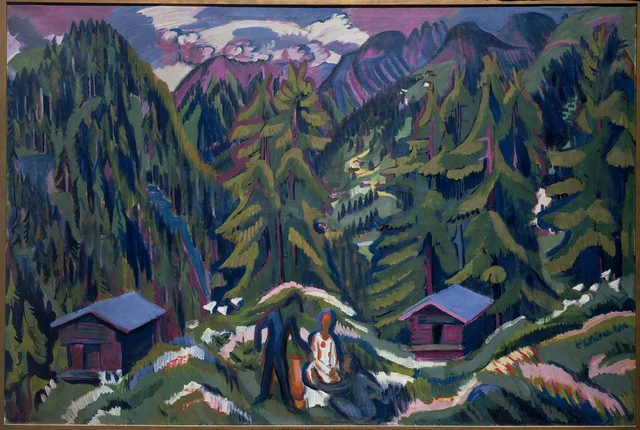 Paisagem montanhosa de ClavadelErnst Ludwig Kirchner, 1925
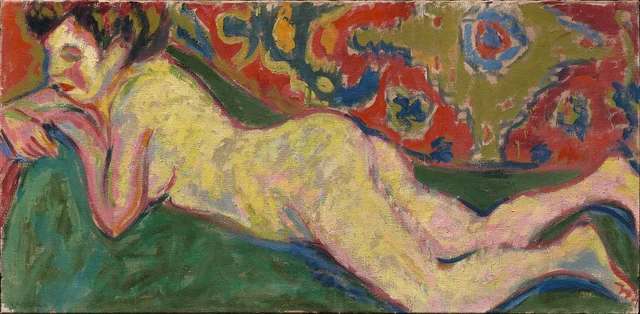 Nu reclinadoErnst Ludwig Kirchner, 1909
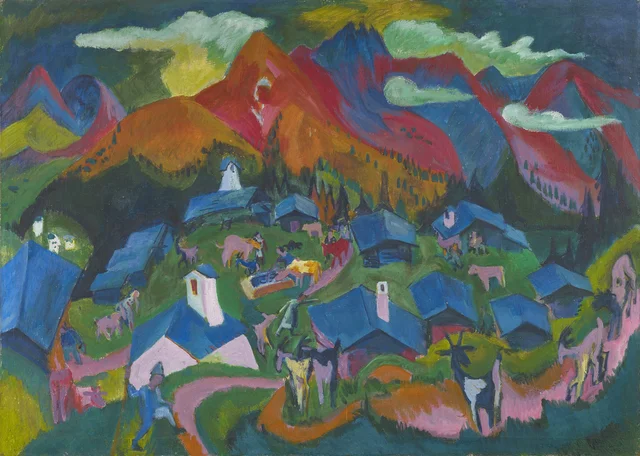 Stafelalp, o retorno dos animaisErnst Ludwig Kirchner, 1919