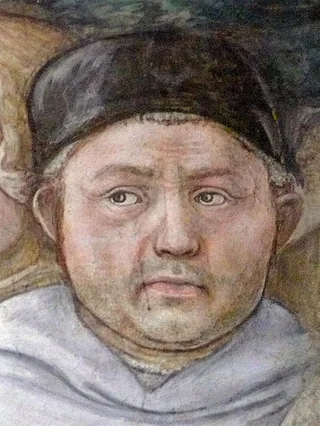
Filippo Lippi
1469 · República de Florença · Renascimento
A história
Filippo Lippi era um frade que vivia esquecendo que era frade. Órfão cedo em Florença, foi colocado no convento carmelita junto à igreja do Carmine, onde, quando menino, podia ver Masaccio pintando os afrescos que reinventavam a arte florentina, figuras sólidas com peso real num espaço real. Lippi fez os votos, mas era pintor antes de tudo, e com o tempo os Médici, a família de banqueiros que governava Florença, passaram a mantê-lo trabalhando quase como artista particular.
Por volta de 1456, enquanto servia como capelão de um convento em Prato, ele conheceu uma jovem noviça chamada Lucrezia Buti e a tirou das freiras durante uma procissão religiosa. O escândalo foi enorme. O casal teve um filho, Filippino, que se tornou um belo pintor por seus próprios méritos, e, segundo o biógrafo Vasari, foi o próprio Cosimo de' Medici quem por fim acertou as coisas e conseguiu liberar os dois de seus votos.
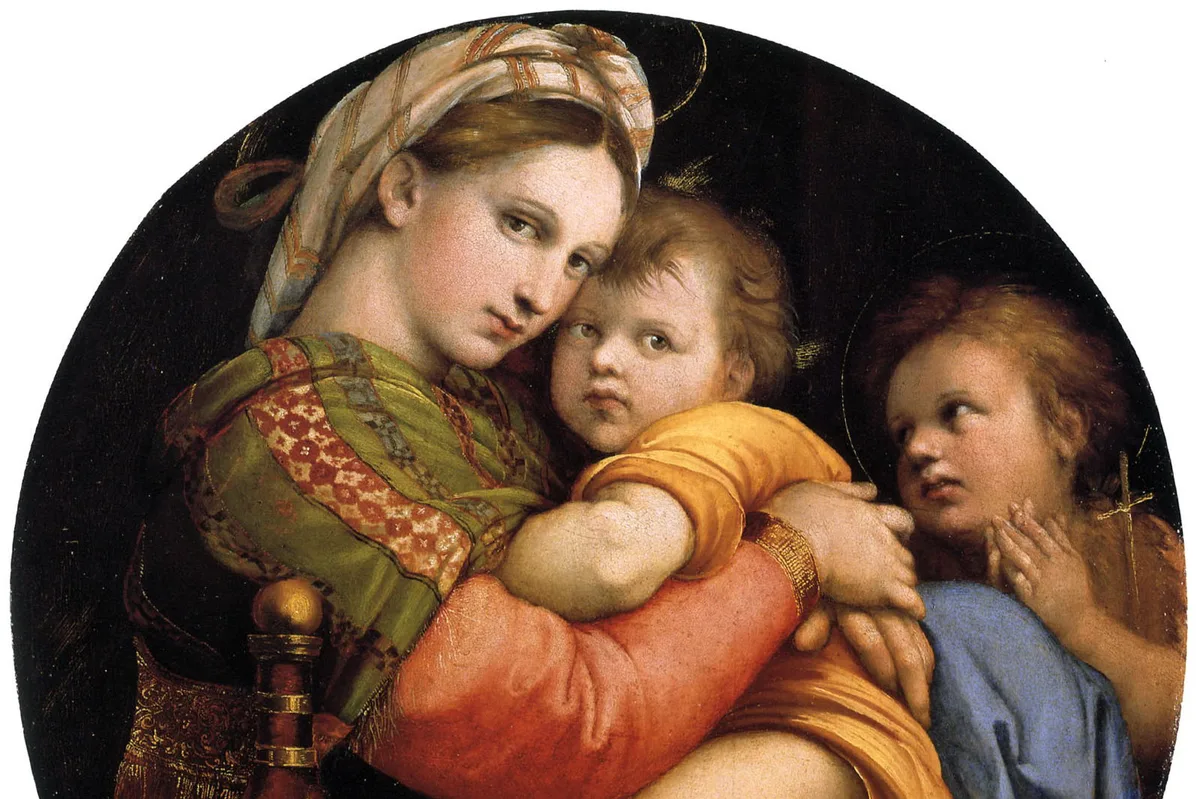
Ao longo de tudo isso, Lippi pintou algumas das Madonas mais ternas do século, jovens de rosto humano diante de paisagens reais. Seu discípulo mais importante absorveu exatamente essa doçura de linha, Sandro Botticelli, que a levou para a geração seguinte. Lippi morreu em 1469 em Spoleto, onde trabalhava em afrescos na catedral.
Mais artigos
Obras
27 obras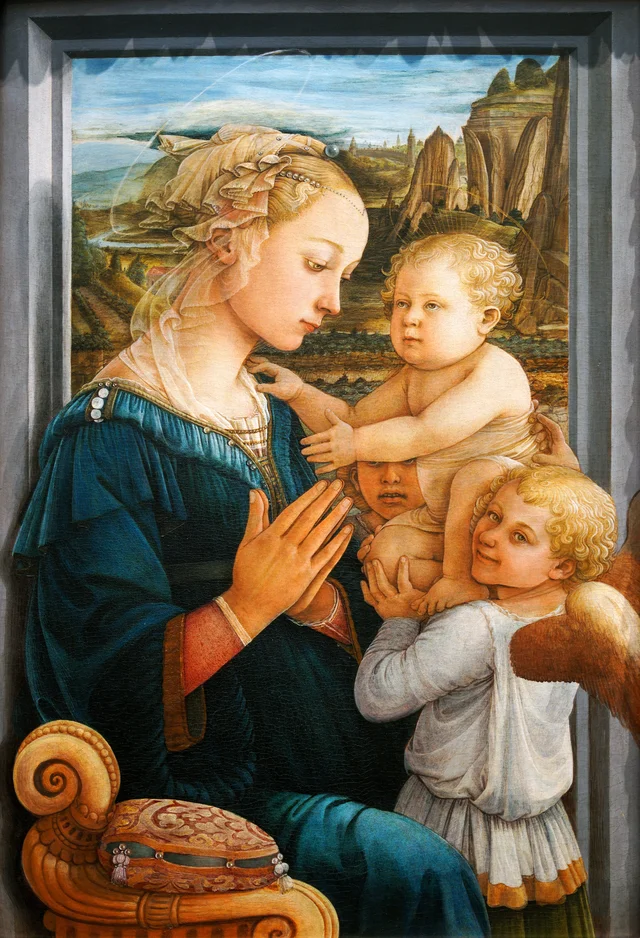 Madona com o MeninoFilippo Lippi, 1460
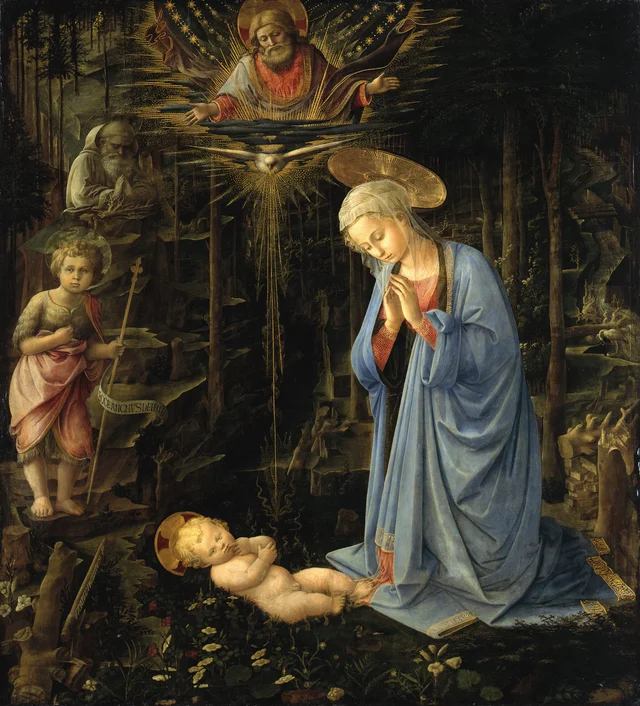 Adoração na florestaFilippo Lippi, 1459
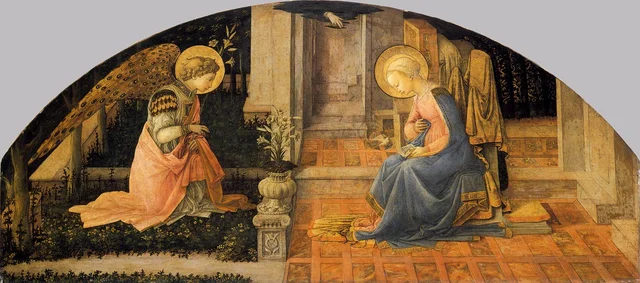 A AnunciaçãoFilippo Lippi, 1450
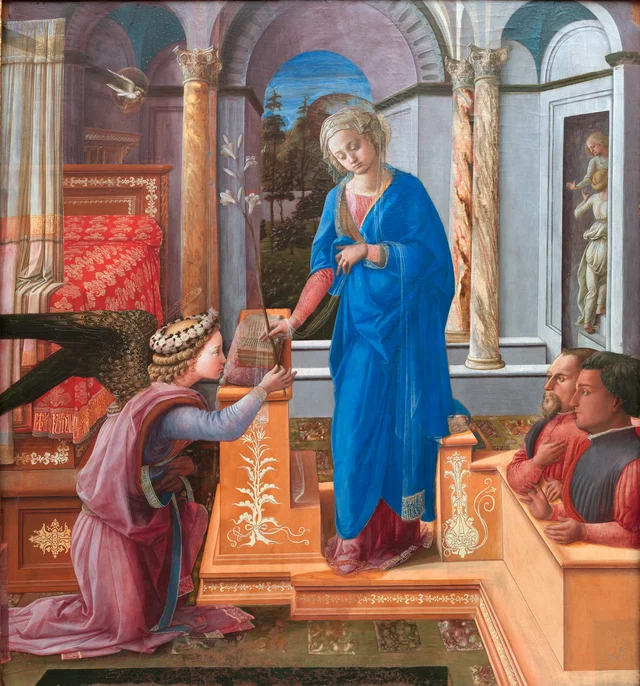 Anunciação com dois doadores ajoelhadosFilippo Lippi, 1445
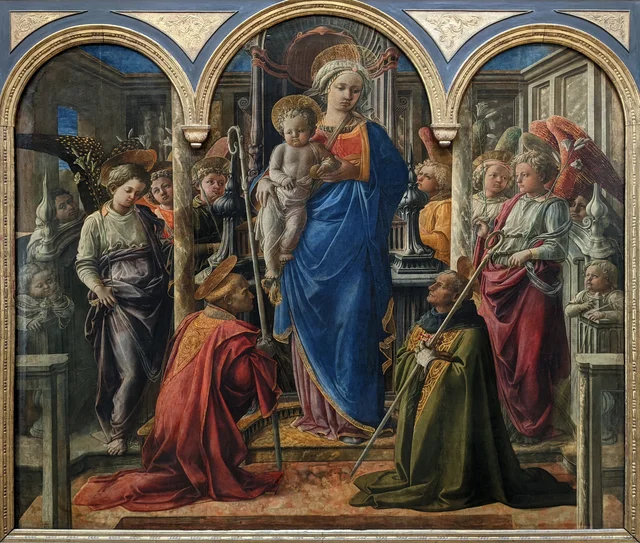 Retábulo Barbadori e predelaFilippo Lippi, 1437
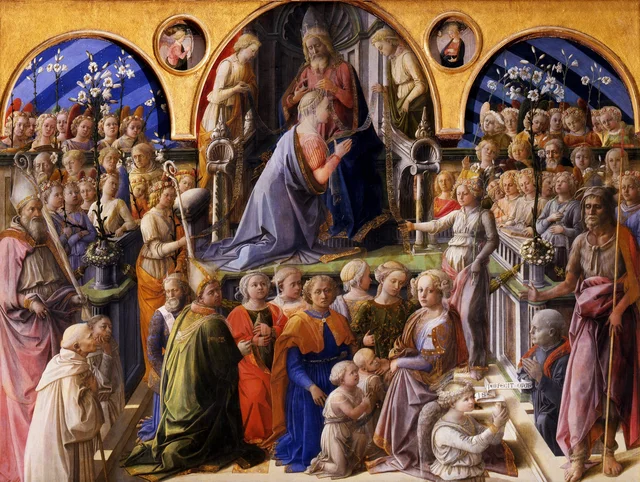 A coroação da VirgemFilippo Lippi, 1441
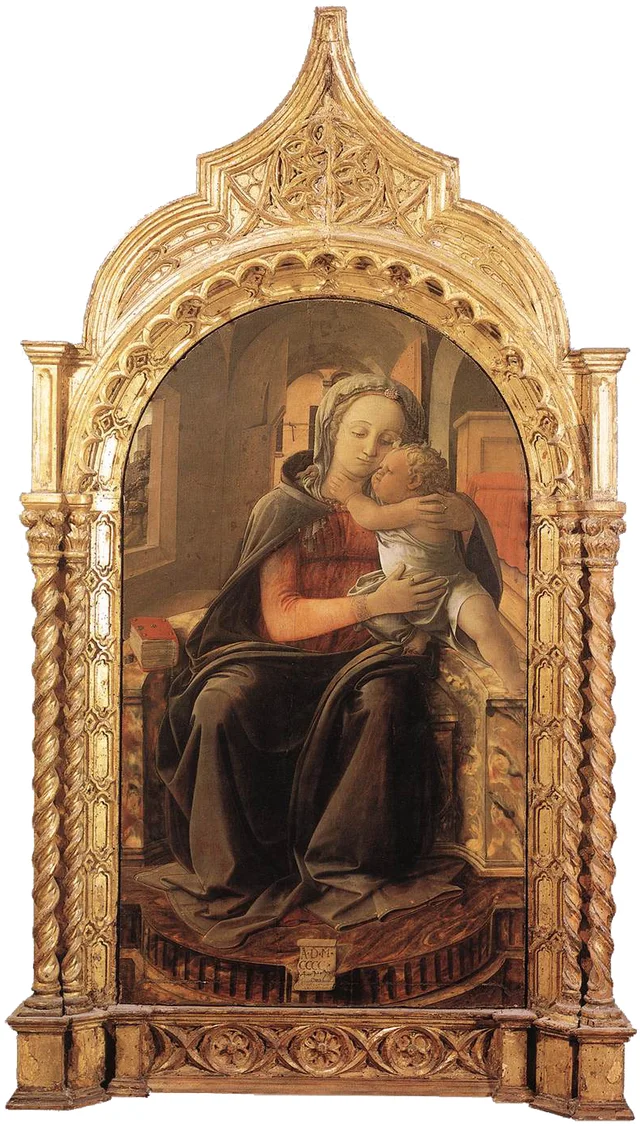 Virgem com o Menino EntronizadaFilippo Lippi, 1437
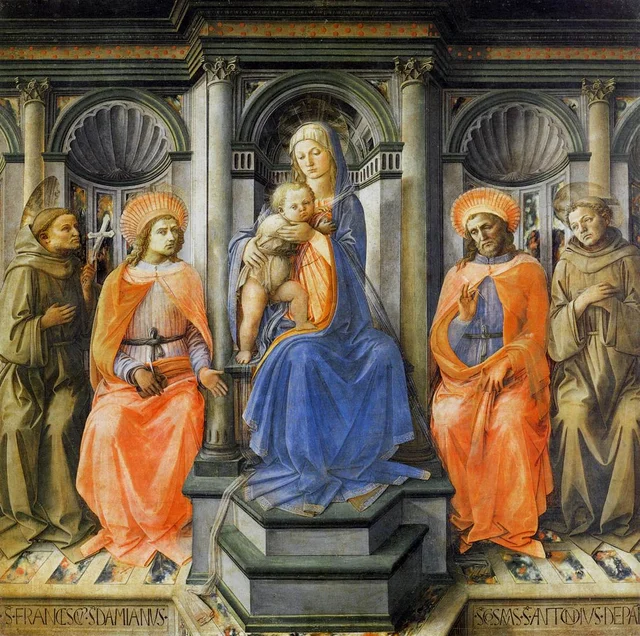 A Virgem e o Menino com os santos Francisco, Damião, Cosme e Antônio de PáduaFilippo Lippi, 1440
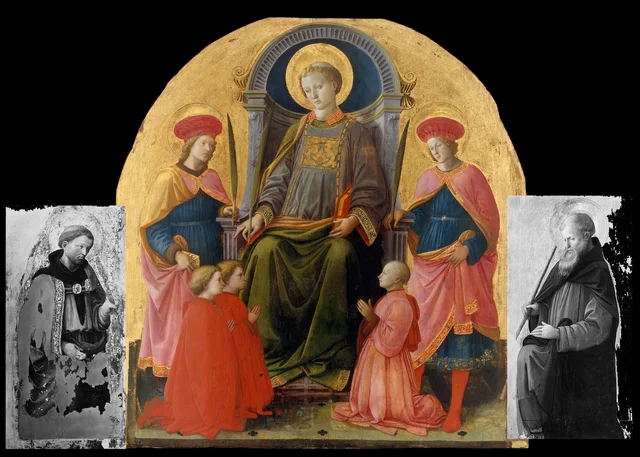 São Lourenço entronizado com santos e doadoresFilippo Lippi, 1453
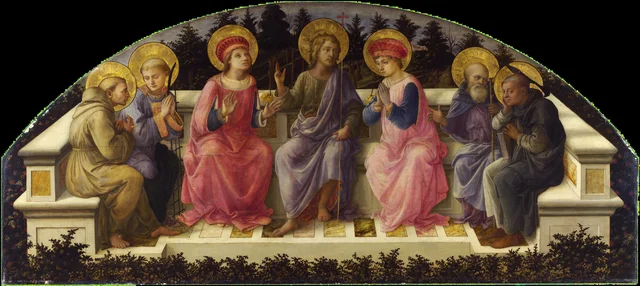 Sete SantosFilippo Lippi, 1449
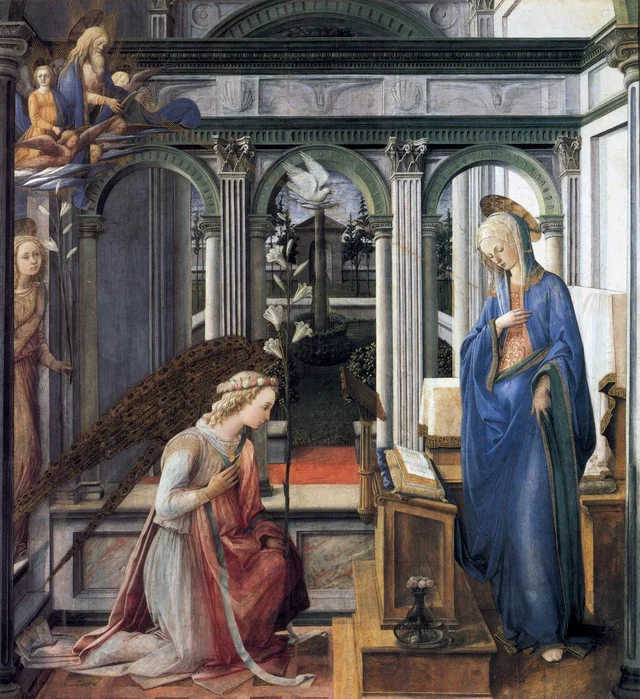 A AnunciaçãoFilippo Lippi, 1447
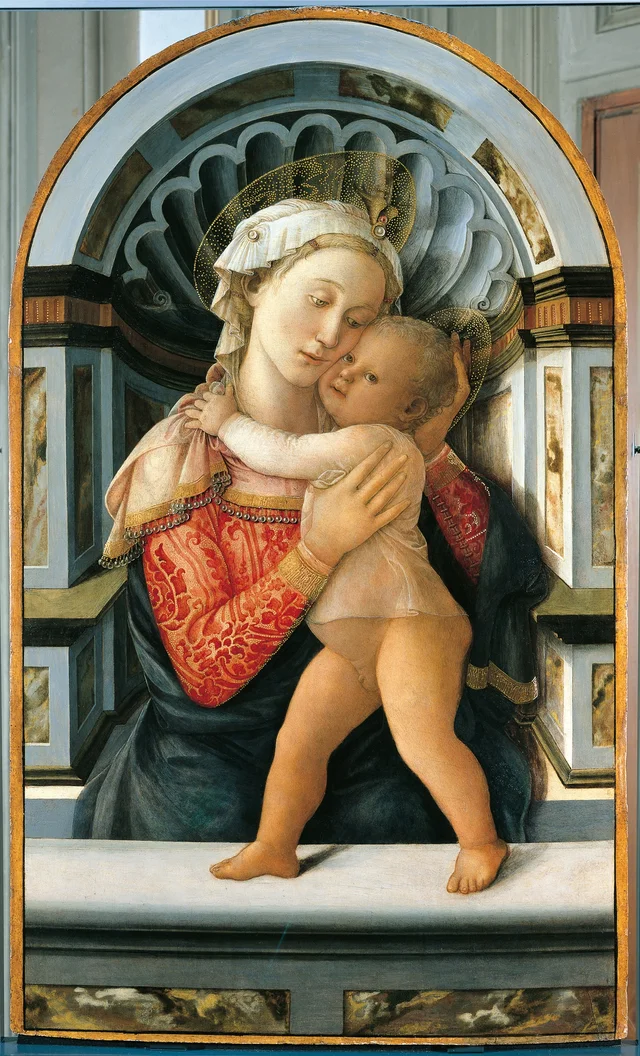 Madona do Palácio Medici-RiccardiFilippo Lippi, 1466
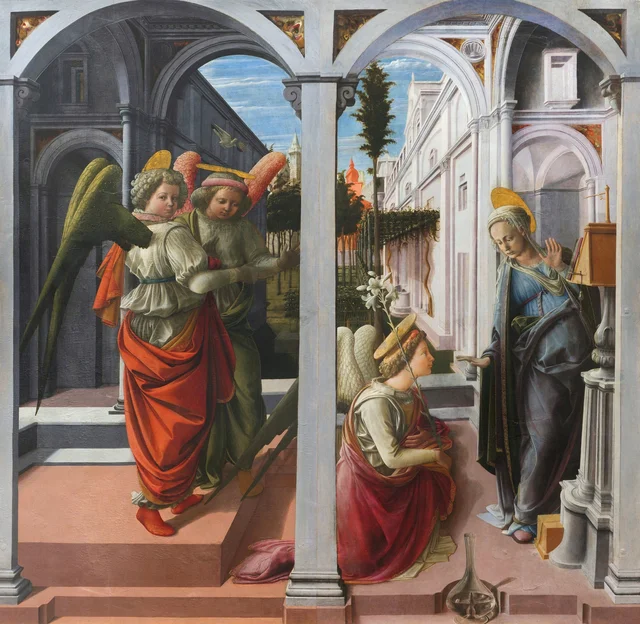 Anunciação MartelliFilippo Lippi, 1445
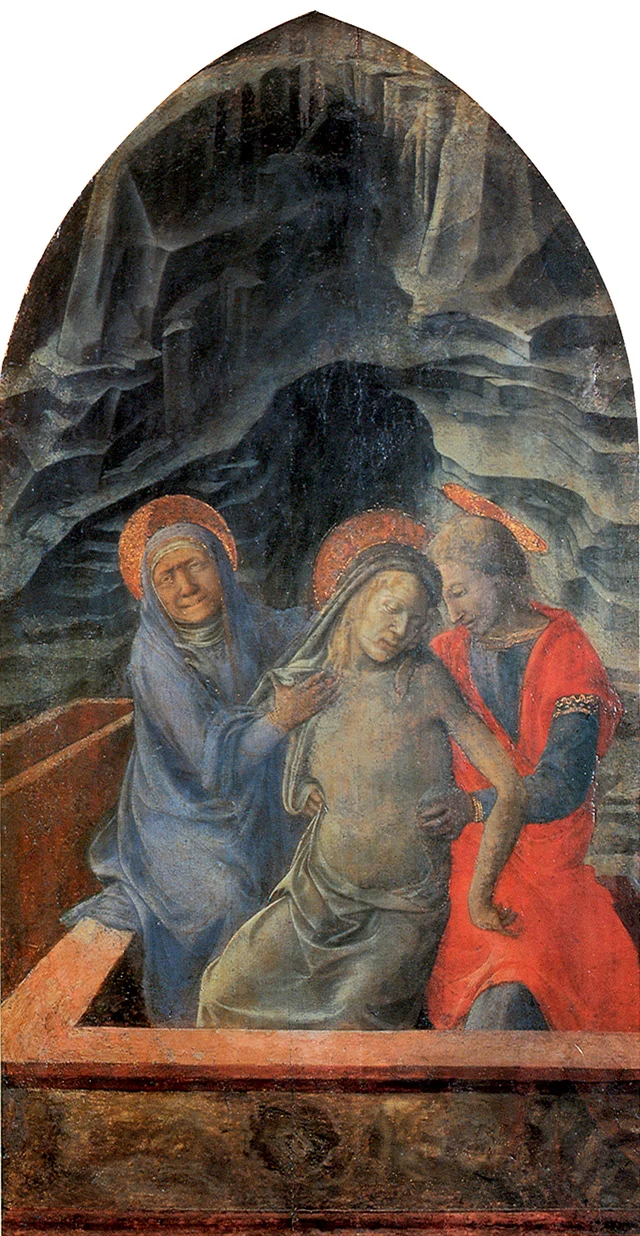 PietàFilippo Lippi, 1437
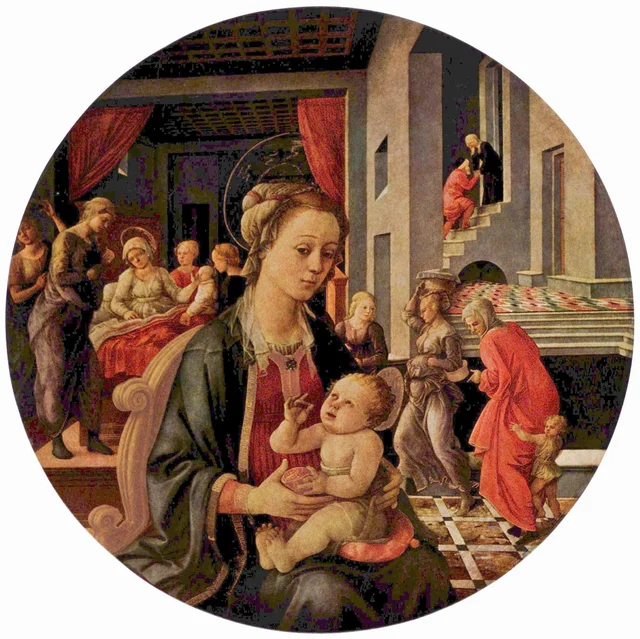 Madona com o Menino e cenas da vida de santa AnaFilippo Lippi, 1452
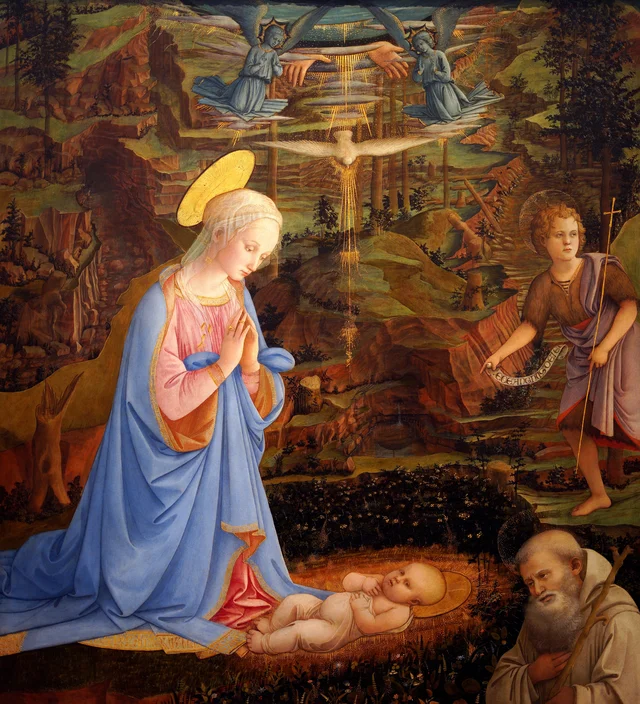 Adoração de CamaldoliFilippo Lippi, 1463
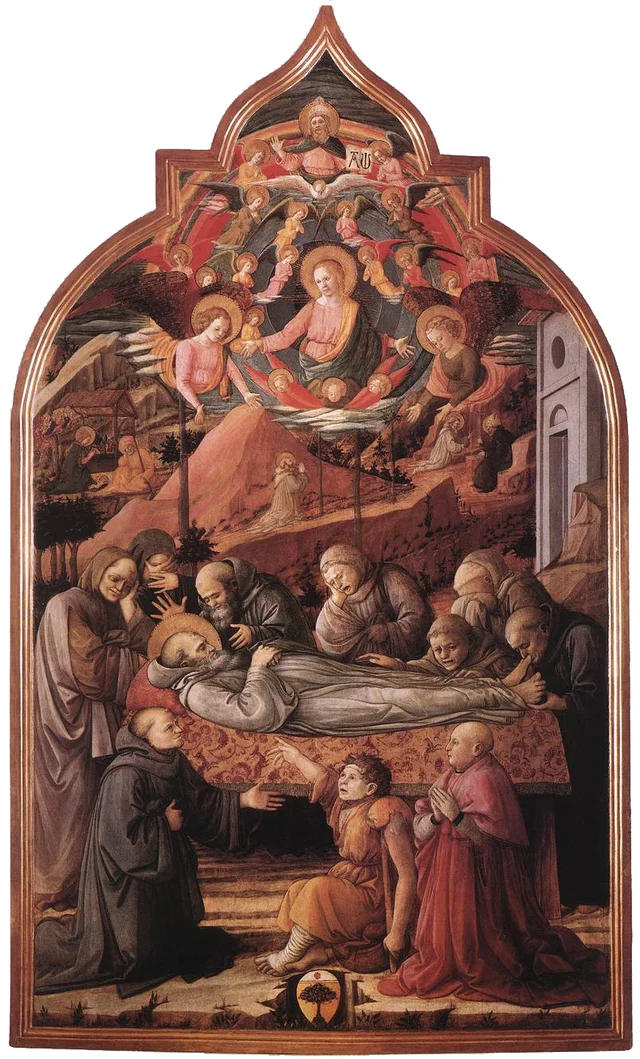 Funeral de São JerônimoFilippo Lippi, 1452
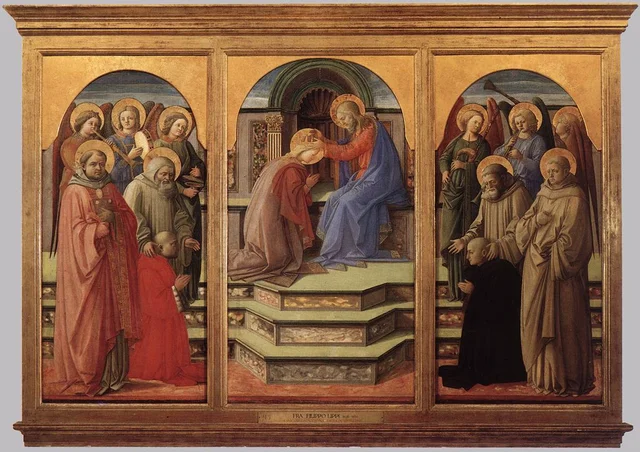 Coroação MarsuppiniFilippo Lippi, 1444
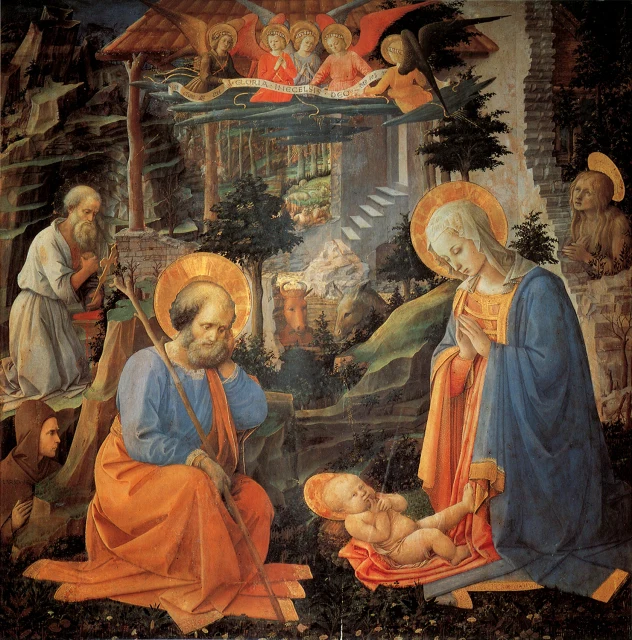 Adoração do Menino com os santos José, Jerônimo, Hilarião, Madalena e anjosFilippo Lippi, 1455
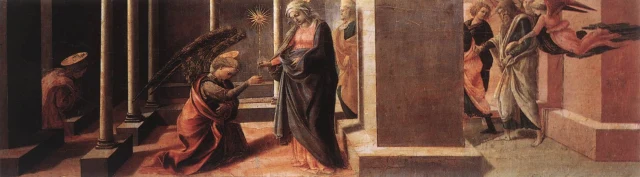 O anúncio da morte da VirgemFilippo Lippi, 1438
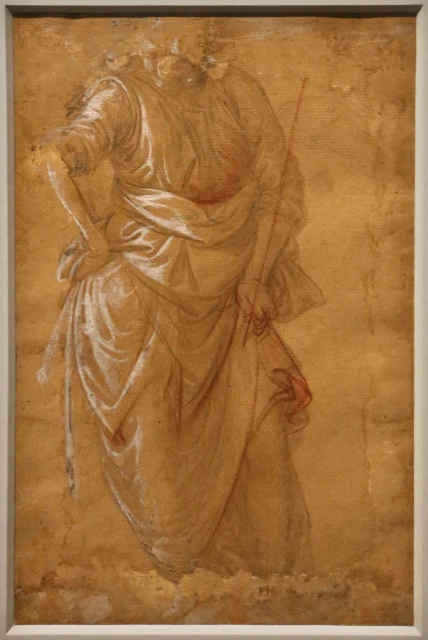 Estudo de figuraFilippo Lippi, 1464
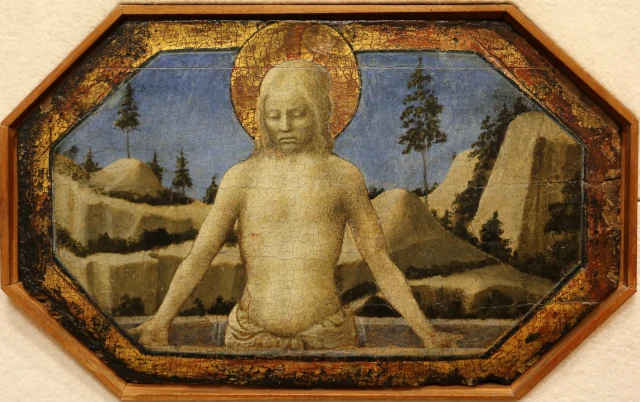 Homem das DoresFilippo Lippi
 Predela do retábulo BarbadoriFilippo Lippi, 1438
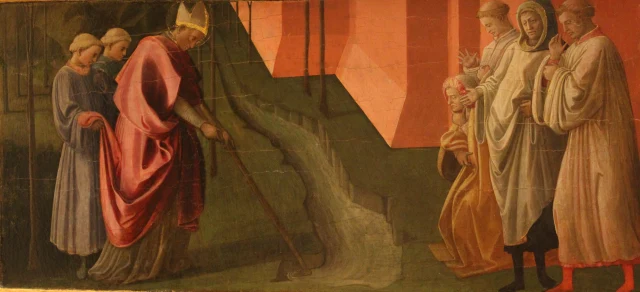 São Frediano desvia o curso do rio SerchioFilippo Lippi, 1438