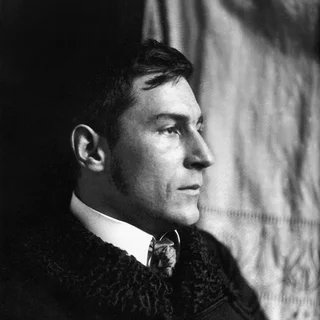
Franz Marc
1880–1916 · Reino da Baviera · Expressionismo
A história
Franz Marc encontrou seu tema quase por acaso. Formado em Munique e atraído desde cedo pela filosofia religiosa oriental, fixou-se por volta de 1910 nos animais como tema central, pintando cavalos, cervos e raposas em azuis, vermelhos e amarelos saturados, não para representá-los de forma naturalista, mas como símbolos de um mundo espiritual que ele acreditava intocado pela corrupção humana. Seu quadro de 1911, Cavalo Azul I, é típico: um animal em azul-ultramar reluzindo contra colinas ondulantes, a cor usada como sentimento, não como descrição.
Naquele ano conheceu o pintor russo Wassily Kandinsky, e juntos romperam com o grupo muniquês Neue Künstlervereinigung para fundar o Der Blaue Reiter, o Cavaleiro Azul, publicando em 1912 um almanaque que se tornaria um dos documentos fundadores do Expressionismo alemão. Marc e Kandinsky compartilhavam a crença de que a abstração podia revelar uma essência espiritual oculta por trás das aparências comuns, e as pinturas de animais de Marc ficaram cada vez mais fraturadas e prismáticas à medida que ele avançava nessa direção.
Foi convocado para o exército alemão no início da Primeira Guerra Mundial e morreu atingido por um estilhaço de granada perto de Verdun em 4 de março de 1916, aos trinta e seis anos. O comando militar alemão havia elaborado uma lista de artistas notáveis a serem retirados do combate por seu valor cultural; Marc estava nela, mas a ordem de transferência nunca chegou a tempo.
Mais artigos
Obras
104 obras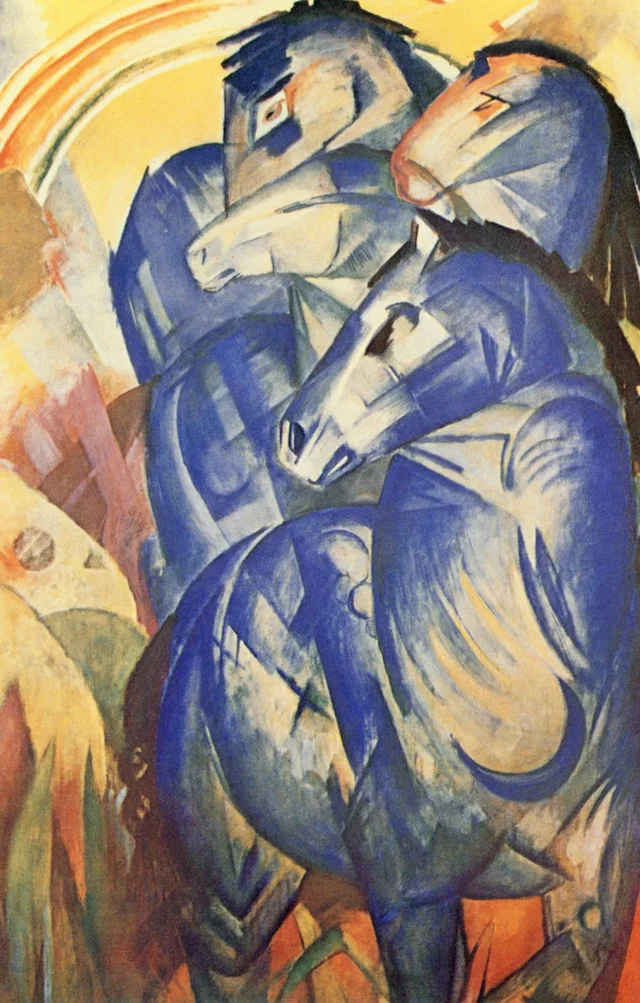 A torre dos cavalos azuisFranz Marc, 1913
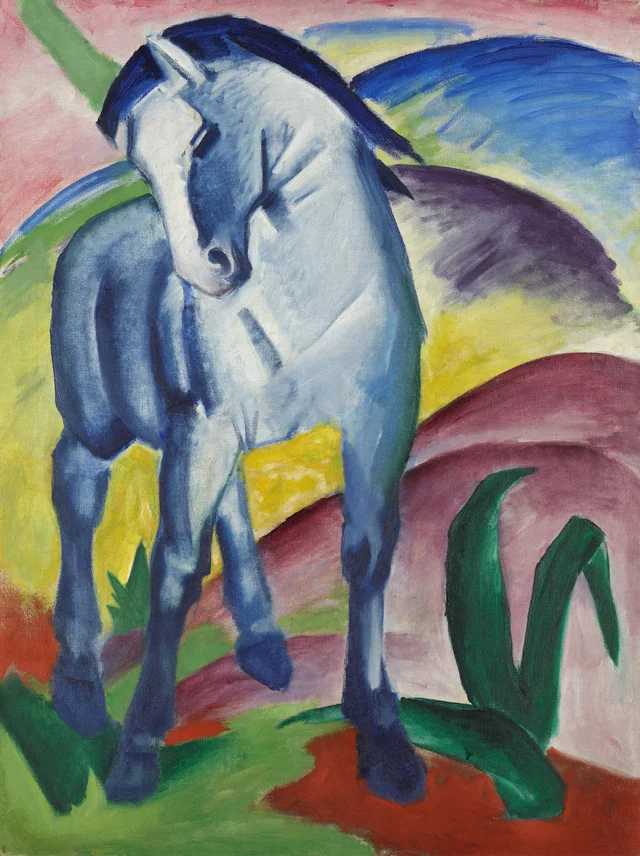 Cavalo Azul IFranz Marc, 1911
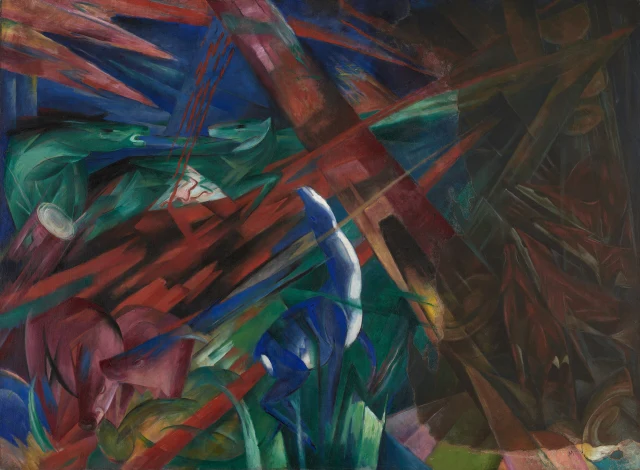 O destino dos animaisFranz Marc, 1913
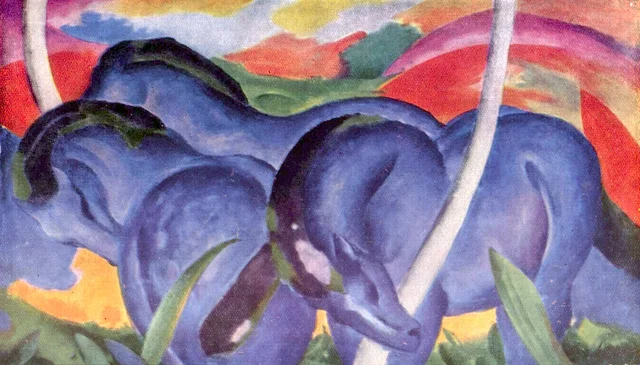 Os grandes cavalos azuisFranz Marc, 1911
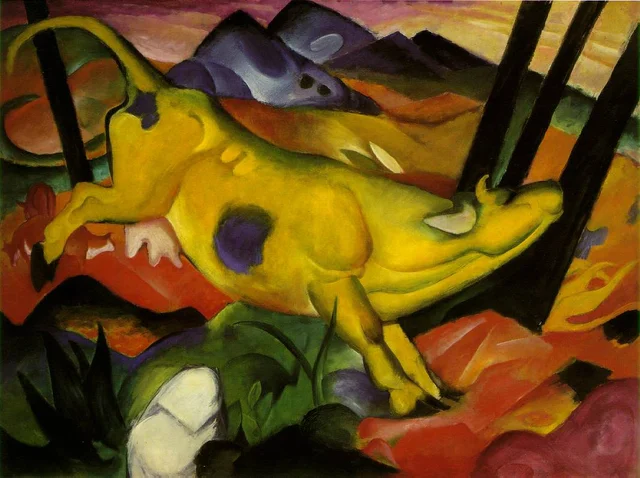 A vaca amarelaFranz Marc, 1911
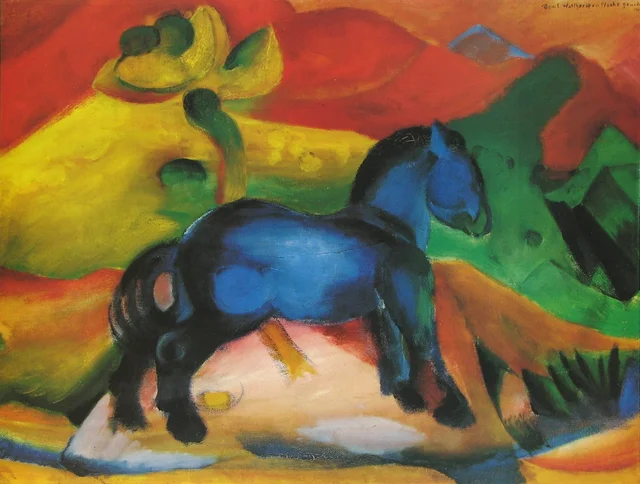 Cavalo azulFranz Marc, 1912
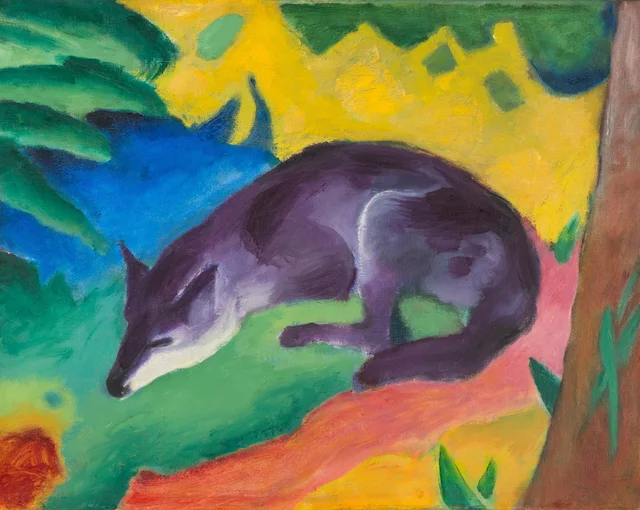 RaposaFranz Marc, 1911
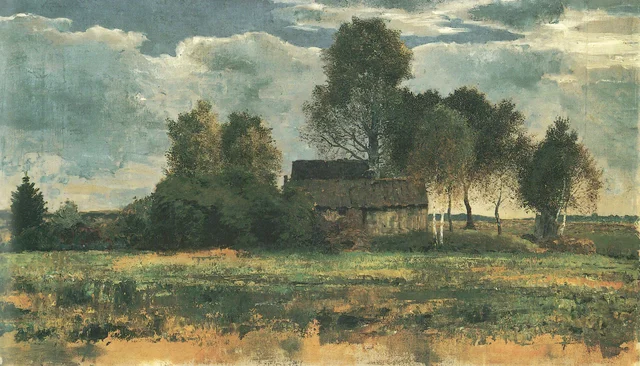 Cabanas no charco de DachauFranz Marc, 1902
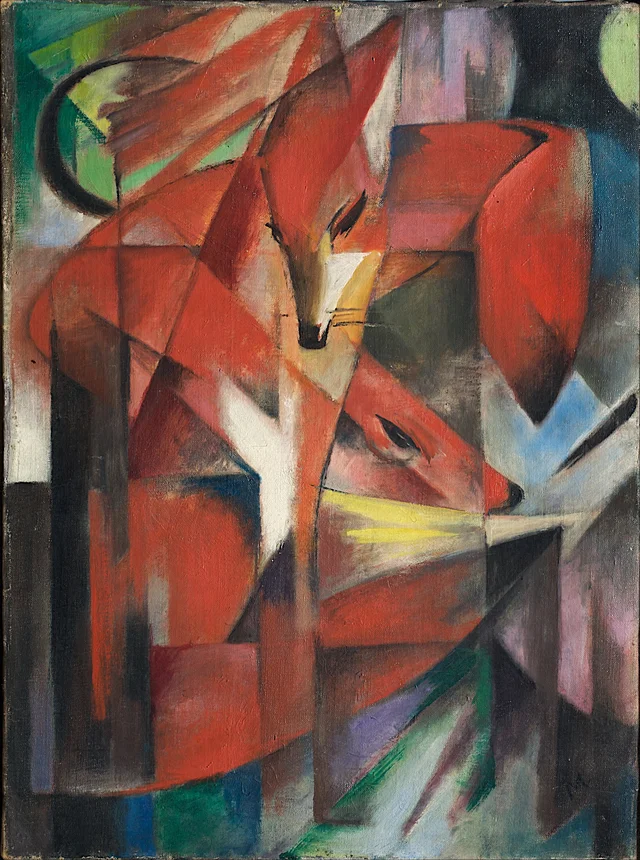 As RaposasFranz Marc, 1913
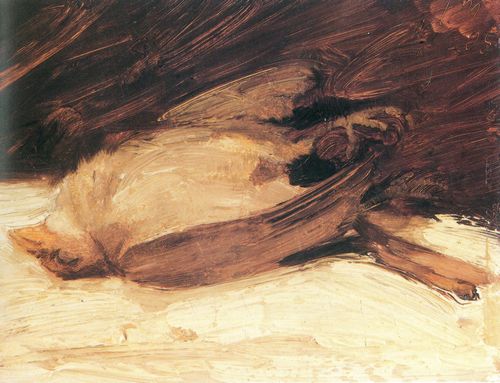 O pardal mortoFranz Marc, 1905
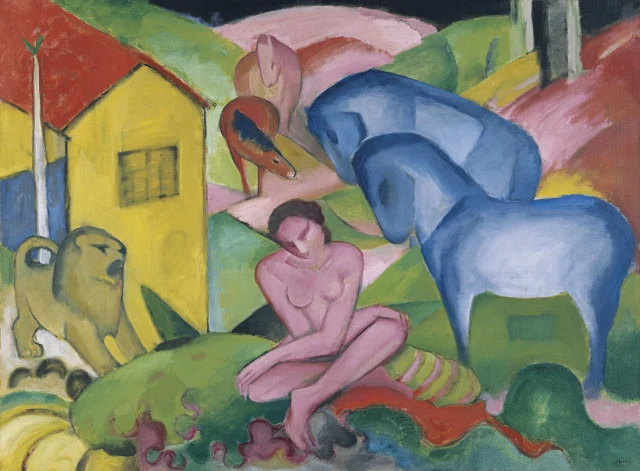 O SonhoFranz Marc, 1912
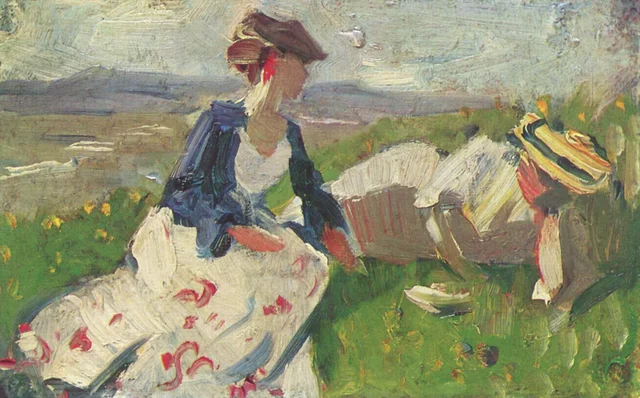 Duas Mulheres na EncostaFranz Marc, 1906
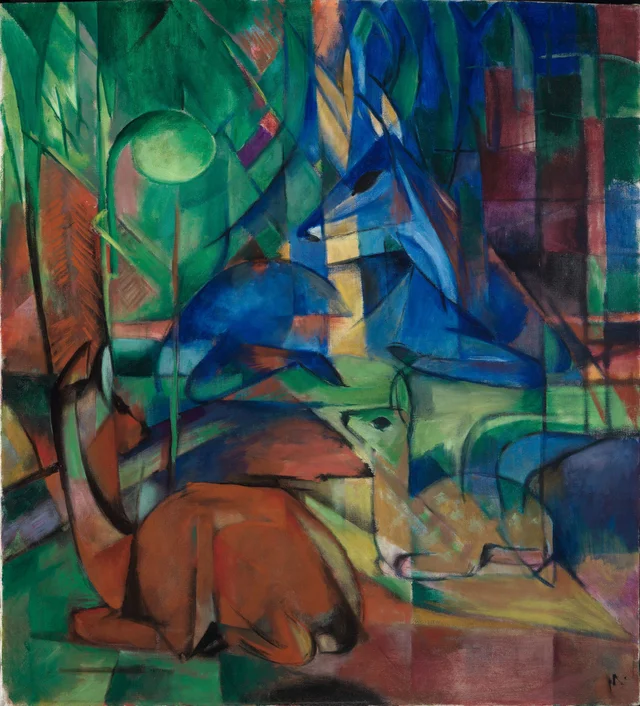 Corço na floresta IIFranz Marc, 1914
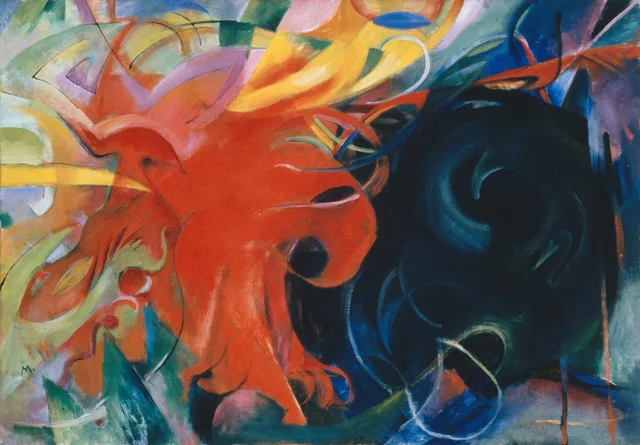 Formas em LutaFranz Marc, 1914
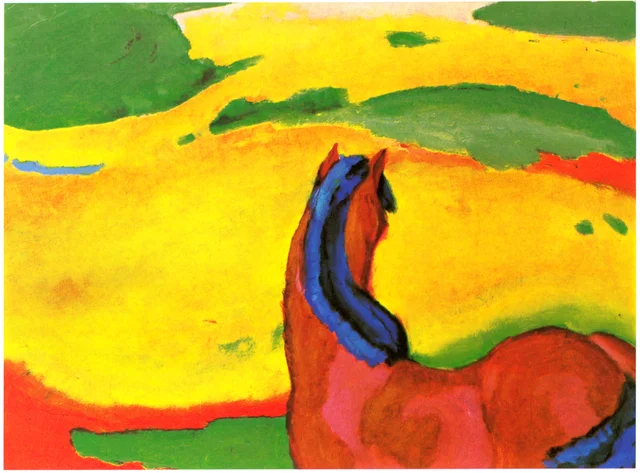 Cavalo em uma paisagemFranz Marc, 1910
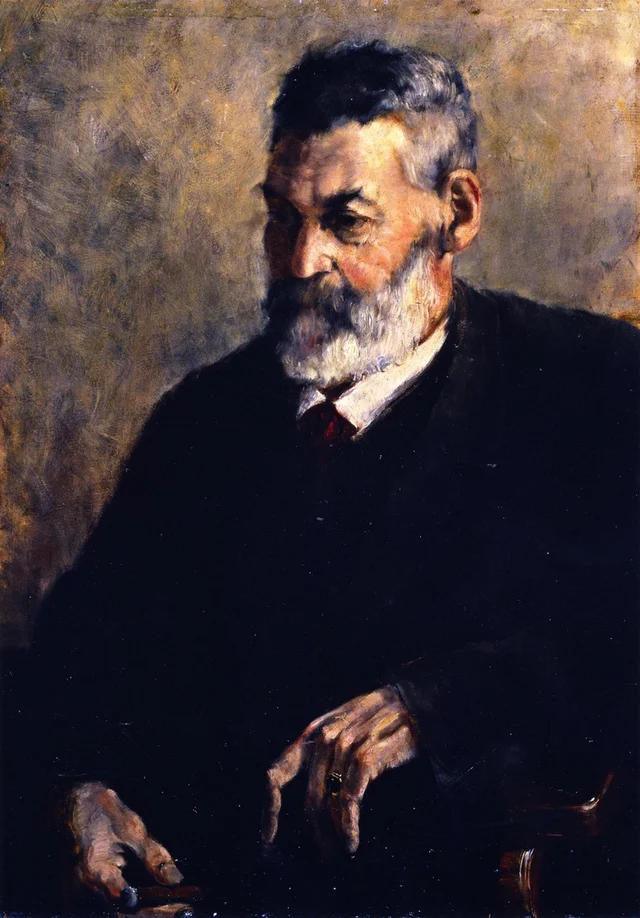 Retrato do paiFranz Marc, 1902
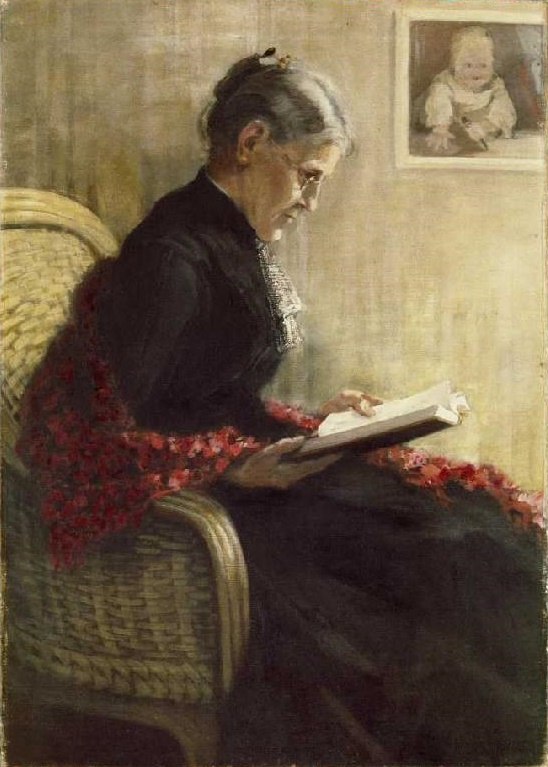 Retrato da mãeFranz Marc, 1902
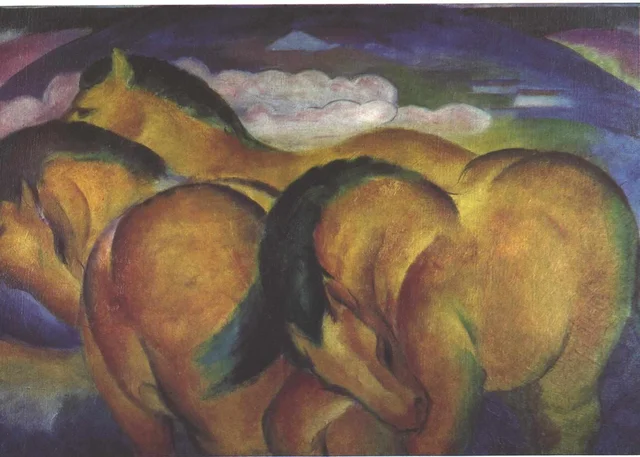 Os Pequenos Cavalos AmarelosFranz Marc, 1912
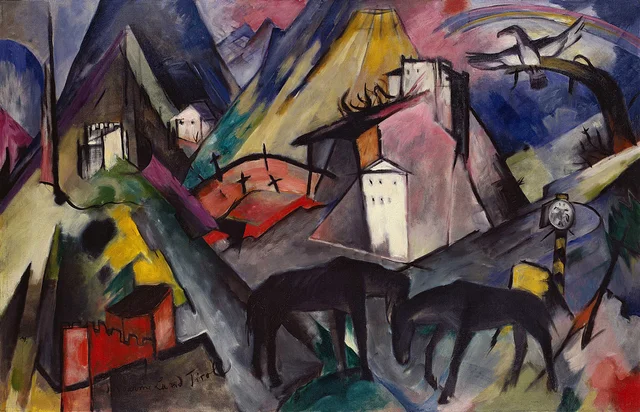 A Infeliz Terra do TirolFranz Marc, 1913
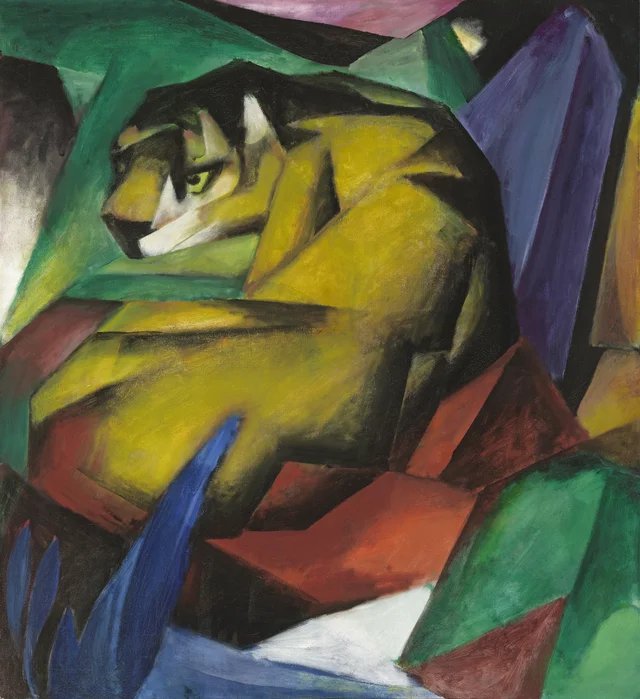 TigreFranz Marc, 1912
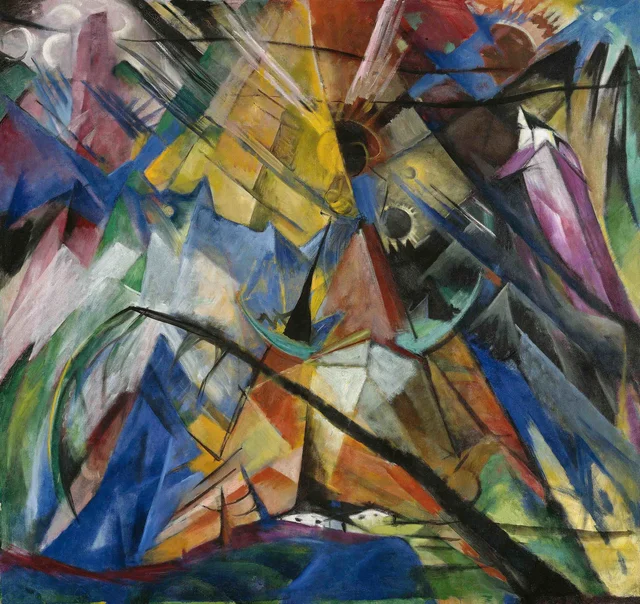 TirolFranz Marc, 1914
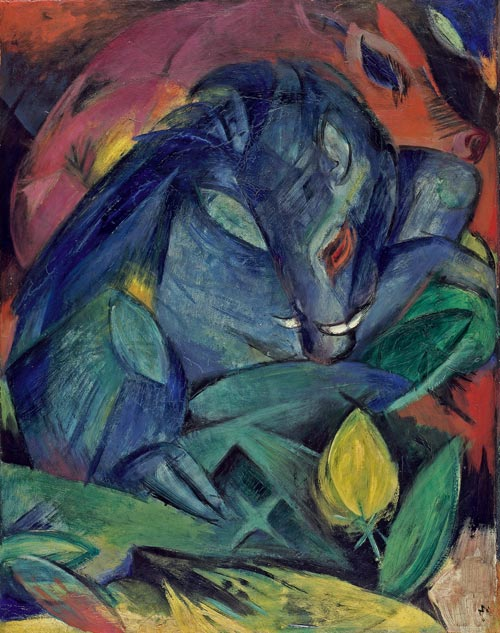 Javalis SelvagensFranz Marc, 1913
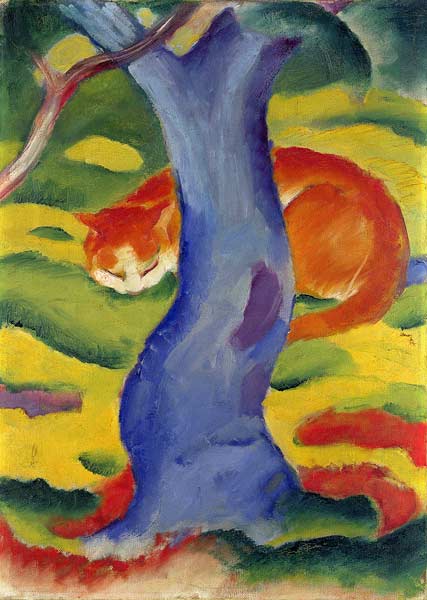 Gato Atrás de uma ÁrvoreFranz Marc, 1911
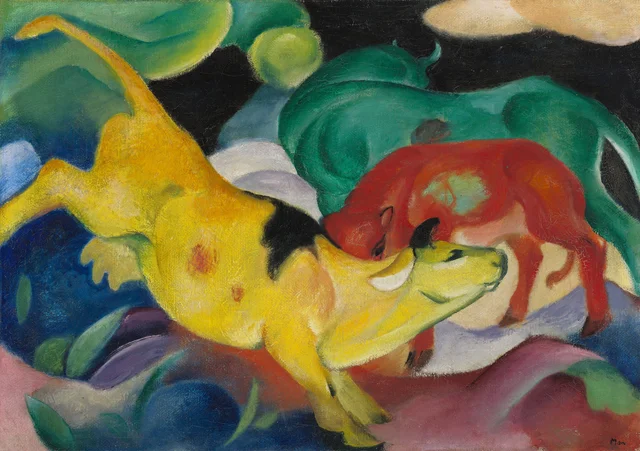 Vacas, Vermelha, Verde, AmarelaFranz Marc, 1911
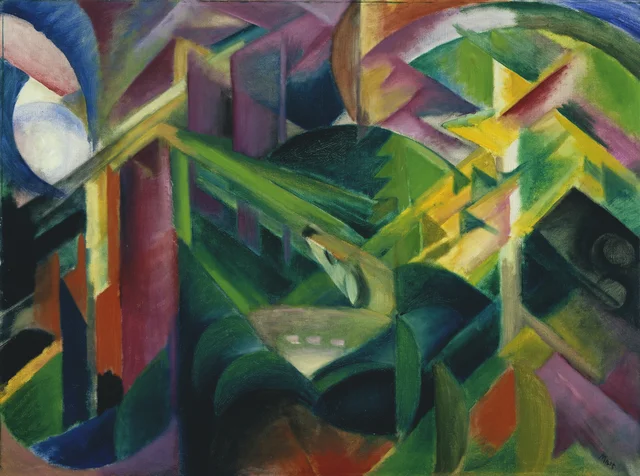 Cervos no jardim de um mosteiroFranz Marc, 1912