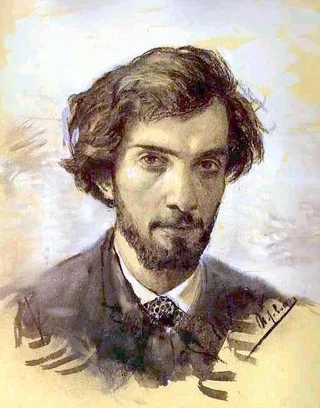
Isaac Levitan
1860–1900 · Império Russo · Realismo
A história
Em 1892, o pintor Isaac Levitan recebeu ordem de deixar Moscou. Já era famoso, com obras colecionadas por Pavel Tretiakov, o principal mecenas de arte da cidade, mas era judeu, e um decreto que expulsava os judeus de Moscou não abria exceção nem para um artista célebre. Ele partiu para o campo e escreveu a um amigo dizendo que se sentia como o Judeu Errante da velha lenda.
Esse amigo era o escritor Anton Tchékhov, que o conhecia desde os tempos de estudante. Foram próximos por anos, até que Tchékhov publicou um conto, A Cigarra, sobre o caso de uma mulher com um pintor, e Levitan reconheceu ali a própria vida e rompeu o contato. Levaram três anos para se reconciliar.
Levitan é o grande pintor da paisagem russa de estado de alma, em que uma curva de rio vazia ou um céu baixo e cinzento pode carregar todo um sentimento. Uma de suas telas mais conhecidas mostra a Vladimirka, a larga estrada de terra por onde os condenados eram levados a pé rumo à Sibéria, pintada como uma trilha vazia e plana sob um céu pesado. Morreu em 1900, ainda sem 40 anos, com dezenas de estudos inacabados ainda no ateliê.
Obras
13 obras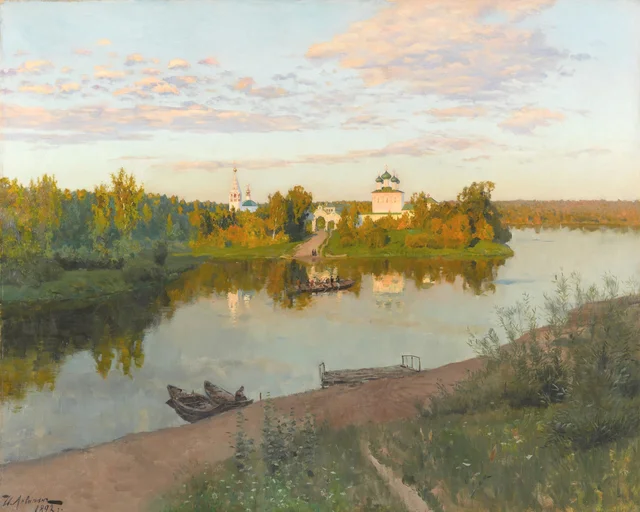 Sinos da TardeIsaac Levitan, 1892
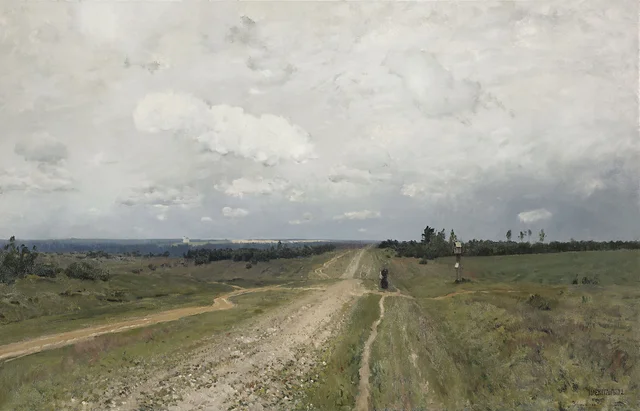 A Estrada de VladimirIsaac Levitan, 1892
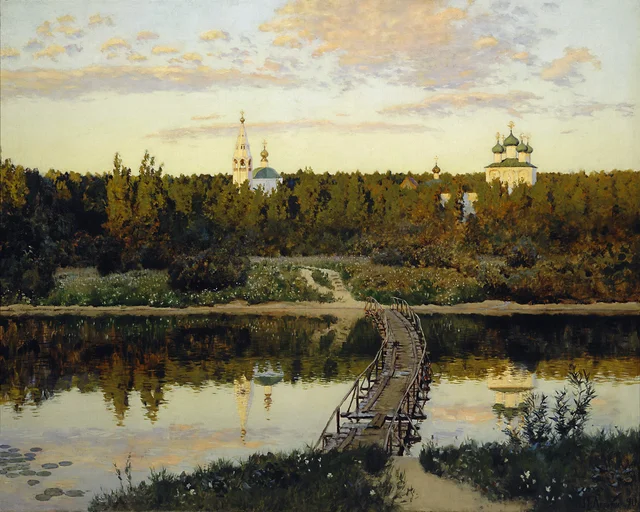 Um Mosteiro TranquiloIsaac Levitan, 1890
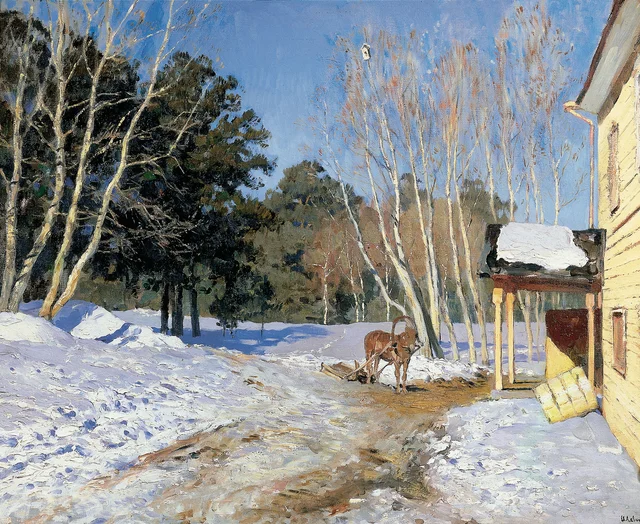 MarçoIsaac Levitan, 1895
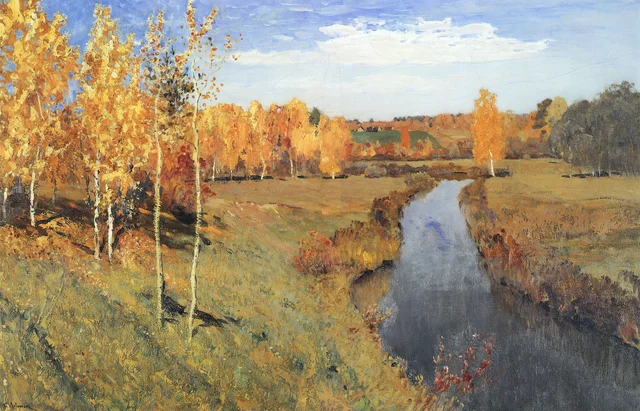 Outono douradoIsaac Levitan, 1895
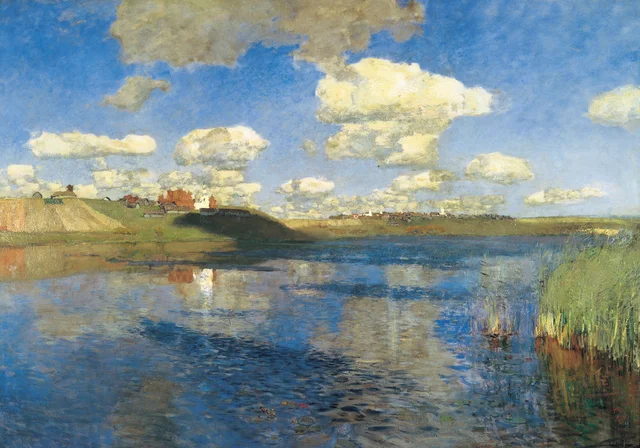 Lago. RússiaIsaac Levitan, 1899
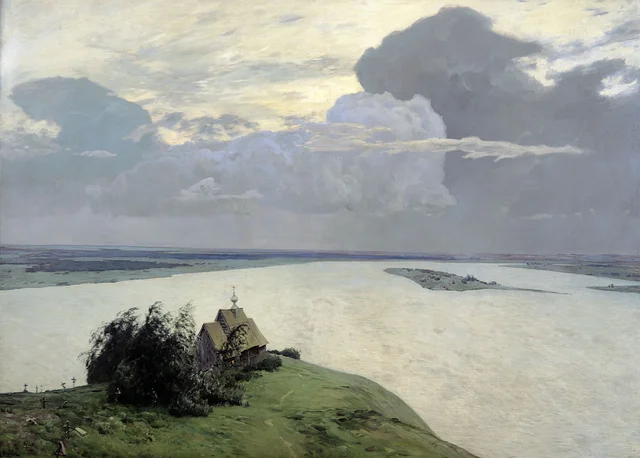 Sobre o Repouso EternoIsaac Levitan, 1894
 Vento fresco. O VolgaIsaac Levitan, 1895
 Sokolniki. OutonoIsaac Levitan, 1879
 Primavera. Águas AltasIsaac Levitan, 1897
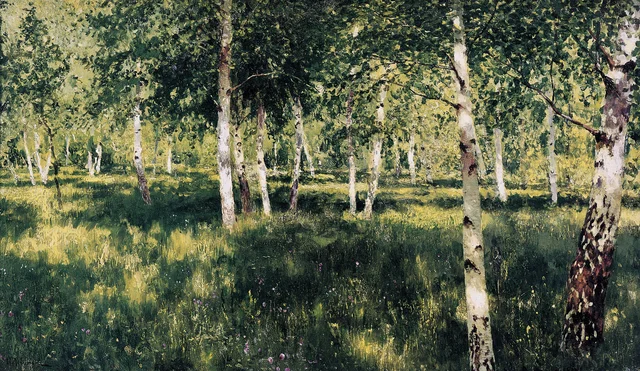 Bosque de BétulasIsaac Levitan, 1889
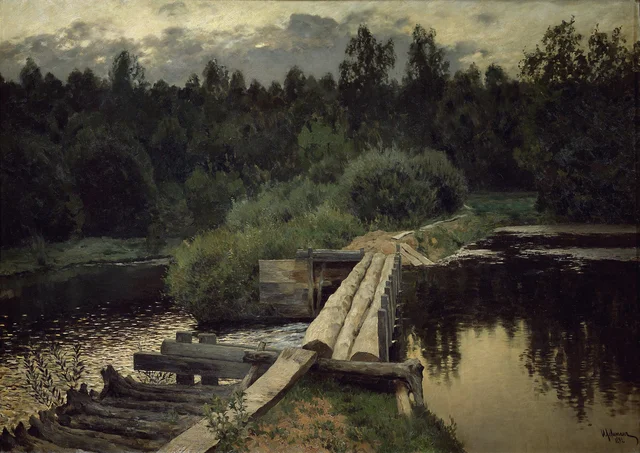 Junto ao remansoIsaac Levitan, 1892
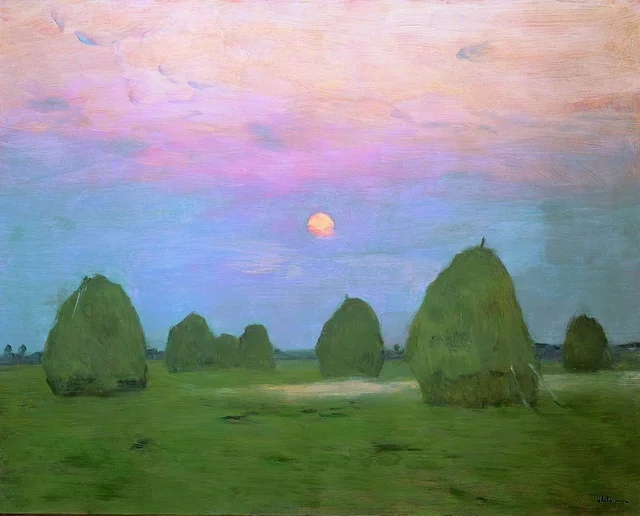 Crepúsculo. Medas de fenoIsaac Levitan, 1899