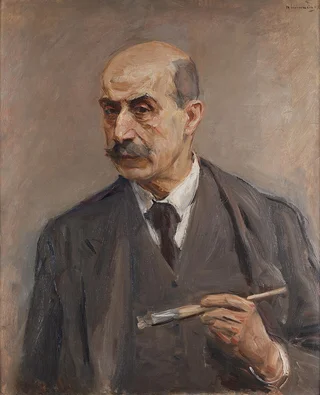
Max Liebermann
1847–1935 · Alemanha · Impressionismo
A história
Na noite de 30 de janeiro de 1933, colunas de simpatizantes nazistas marcharam com tochas pela Porta de Brandemburgo, em Berlim. Max Liebermann assistia das janelas de sua casa, que ficava bem ao lado da porta, na Pariser Platz. Ele tinha 85 anos, era judeu e havia anos o pintor mais laureado da Alemanha, e sua reação virou uma lenda berlinense de repulsa. Disse que não conseguiria comer tanto quanto gostaria de vomitar.
Àquela altura, Liebermann liderava a pintura alemã havia uma geração. Trouxera a Berlim um impressionismo de sabor francês e pintara cervejarias ao ar livre, orfanatos holandeses e trabalhadores em seus ofícios, e a partir de 1920 presidia a Academia Prussiana de Artes, a principal instituição artística do país. Na primavera de 1933, a Academia decidiu parar de exibir obras de artistas judeus, e ele renunciou antes que pudesse ser empurrado para fora.
Suas pinturas foram retiradas dos museus alemães. Passou os últimos anos recluso, muitas vezes em sua villa de verão à beira do lago Wannsee, nos arredores de Berlim, pintando os canteiros de flores do jardim vezes sem conta, um tema que nada exigia do mundo para além da cerca. Morreu em Berlim em fevereiro de 1935, e tão poucas pessoas ousaram ir ao enterro que ele foi acompanhado por pouco mais do que a própria família.
Obras
20 obras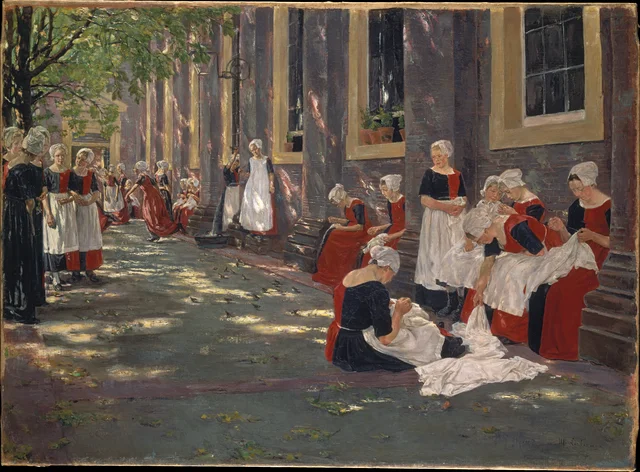 Tempo livre no orfanato de AmsterdãMax Liebermann, 1881
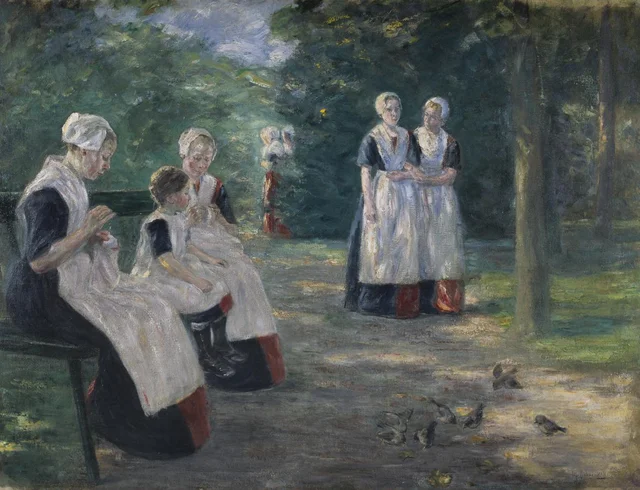 O Jardim do Orfanato de AmsterdãMax Liebermann, 1894
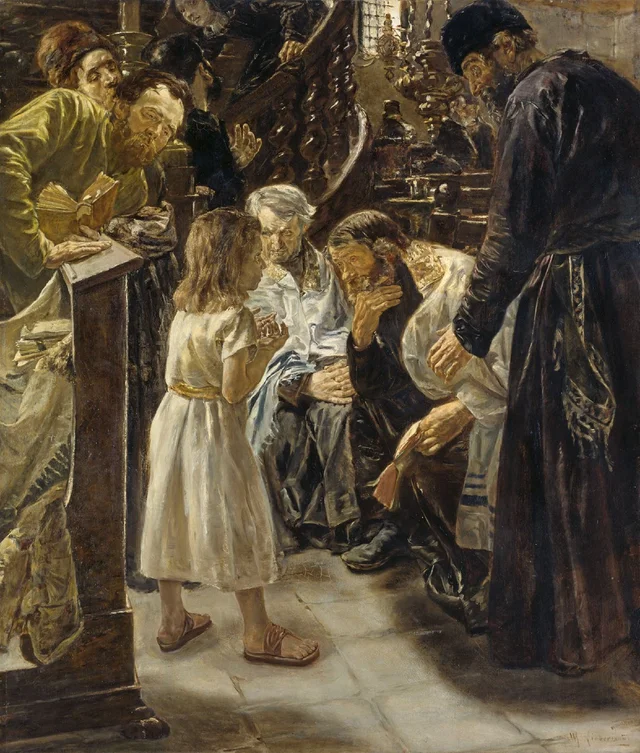 Jesus aos Doze Anos no TemploMax Liebermann, 1879
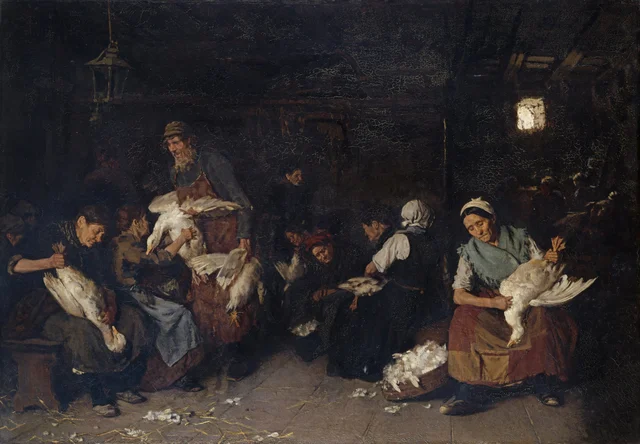 Mulheres depenando gansosMax Liebermann, 1870
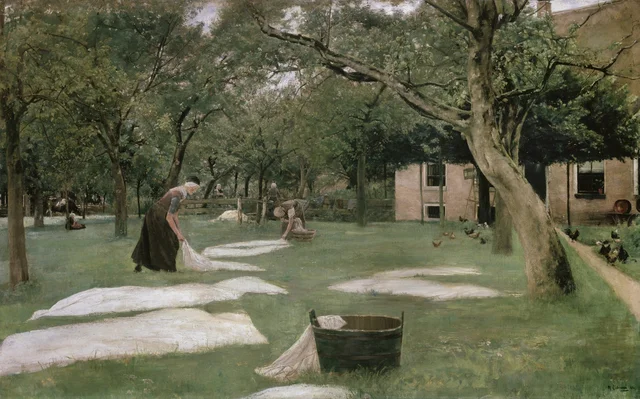 O Campo de AlvejamentoMax Liebermann, 1882
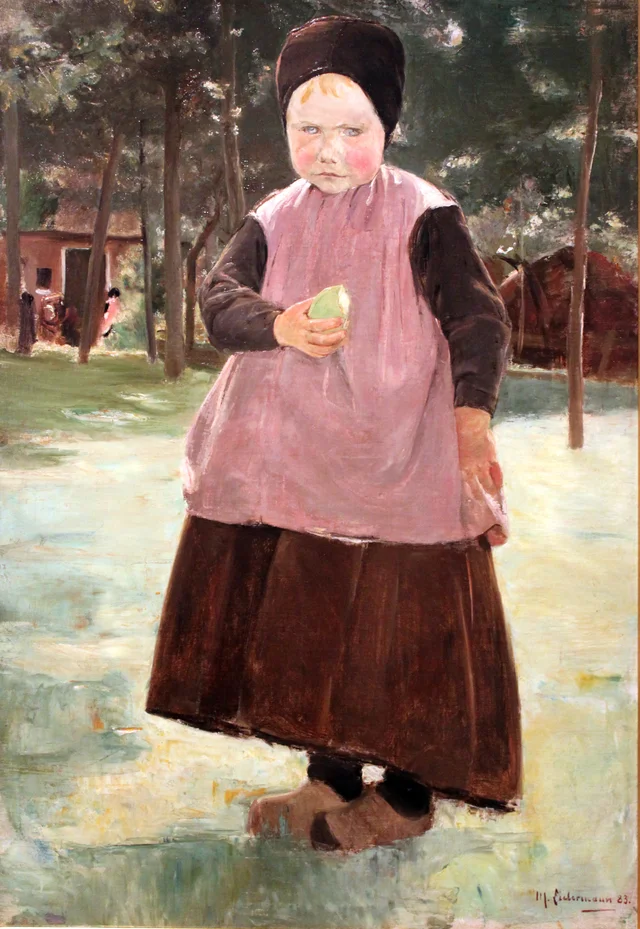 EvaMax Liebermann, 1883
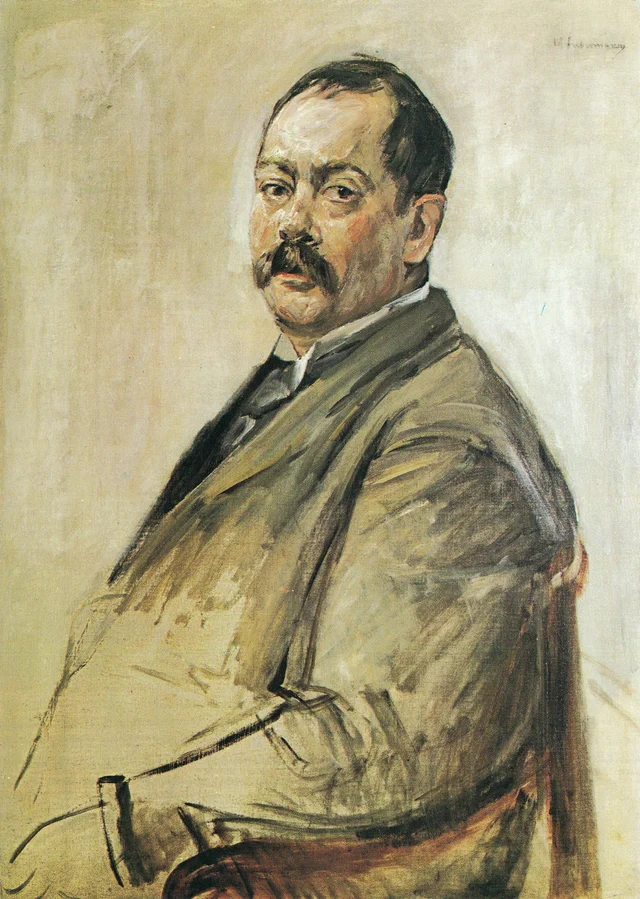 Retrato do pintor Lovis CorinthMax Liebermann, 1899
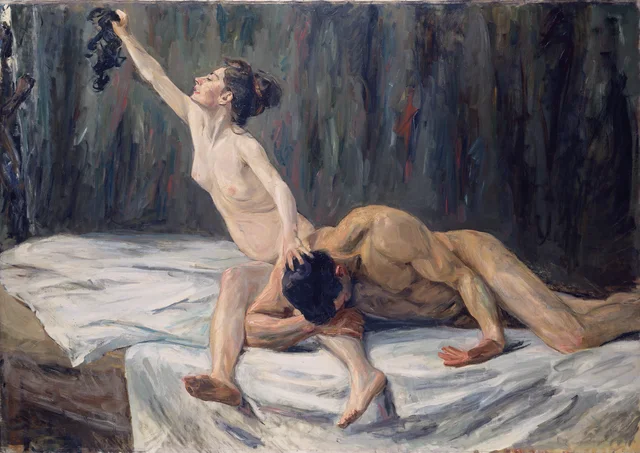 Sansão e DalilaMax Liebermann, 1902
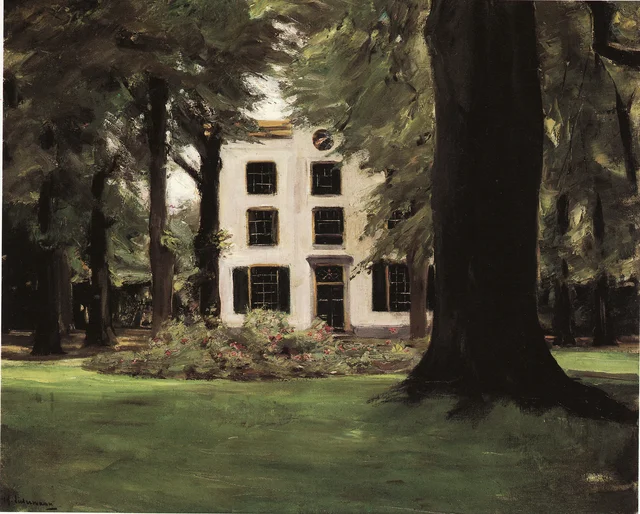 Vila em HilversumMax Liebermann, 1901
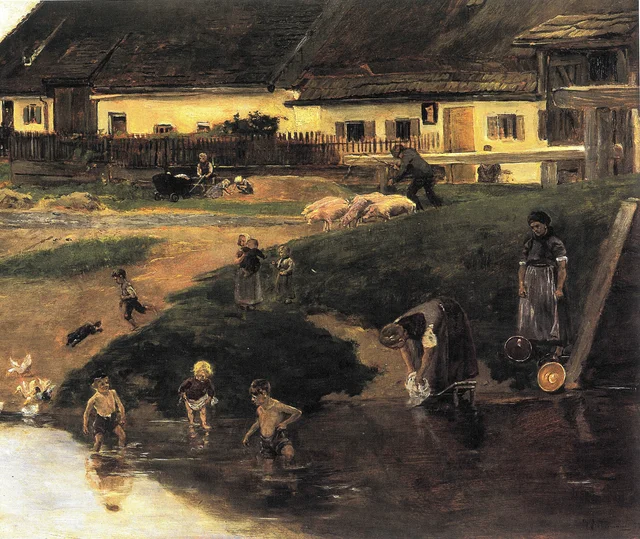 Lagoa da aldeia em Etzenhausen - Idílio ruralMax Liebermann, 1879
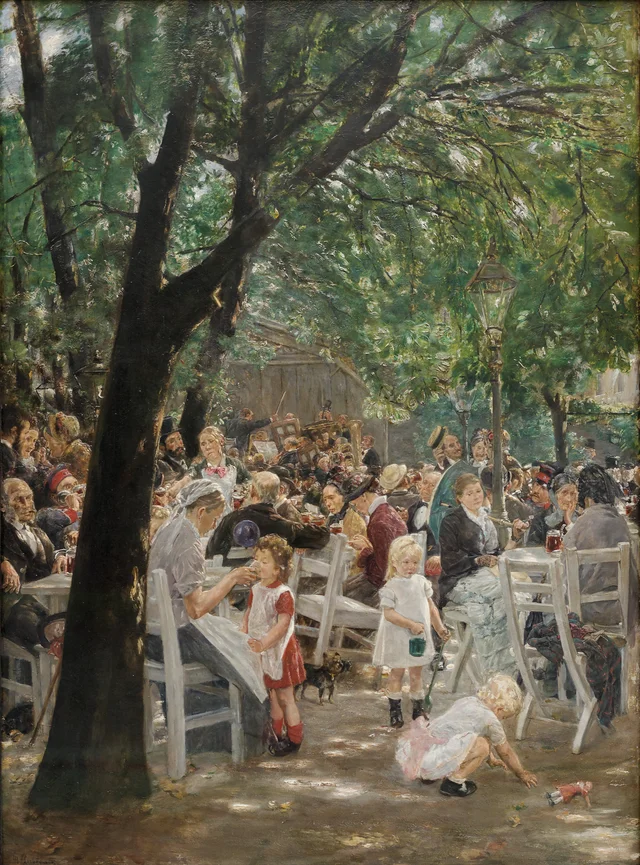 Jardim de Cerveja de MuniqueMax Liebermann, 1884
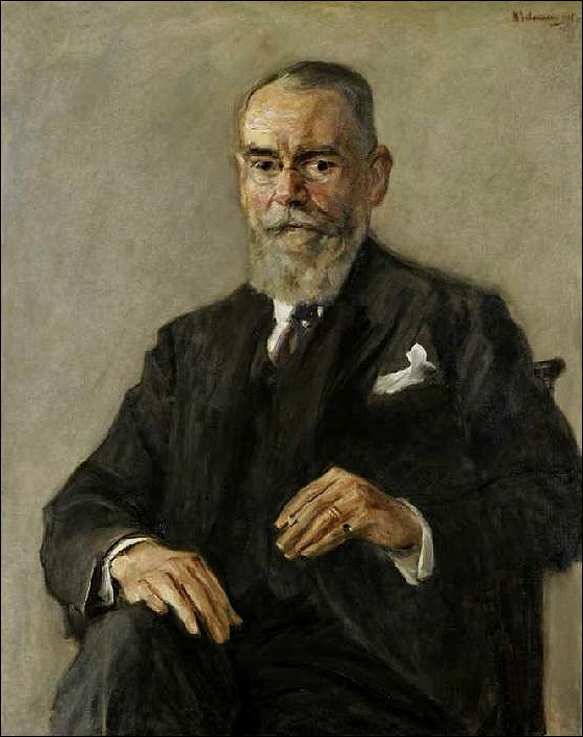 Retrato de August BatschariMax Liebermann, 1918
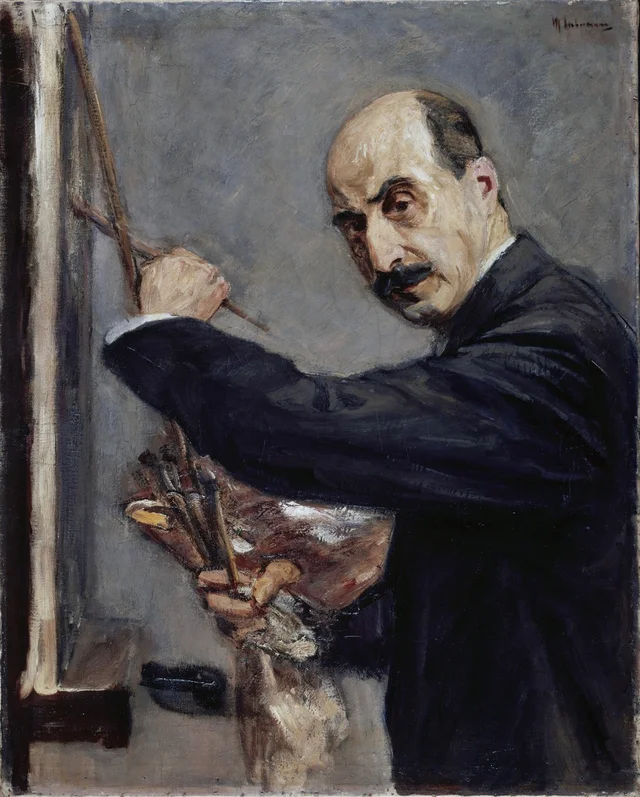 AutorretratoMax Liebermann, 1908
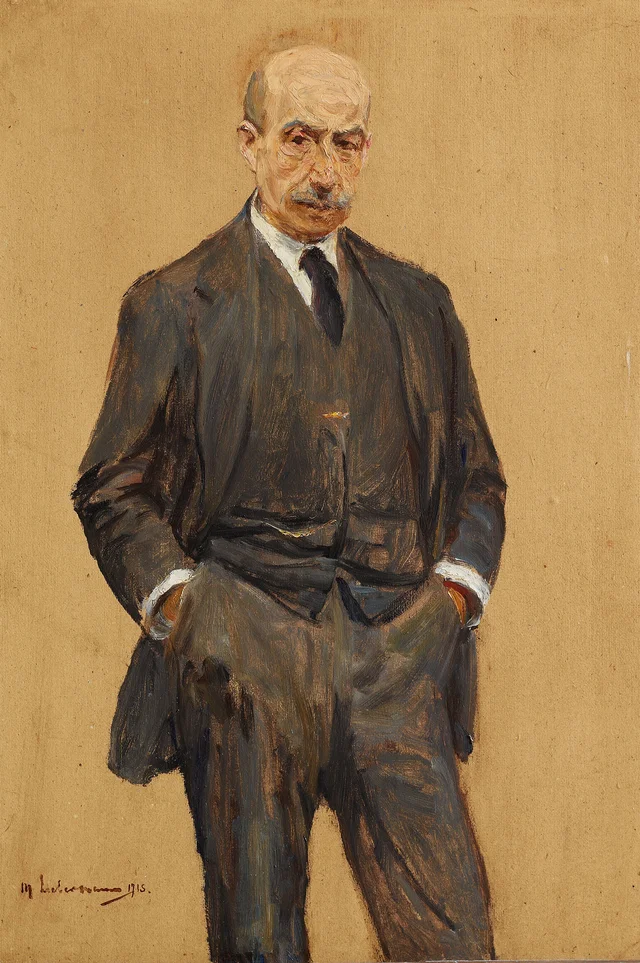 Autorretrato, de pé em figura de três quartos, com as duas mãos nos bolsos da calçaMax Liebermann, 1915
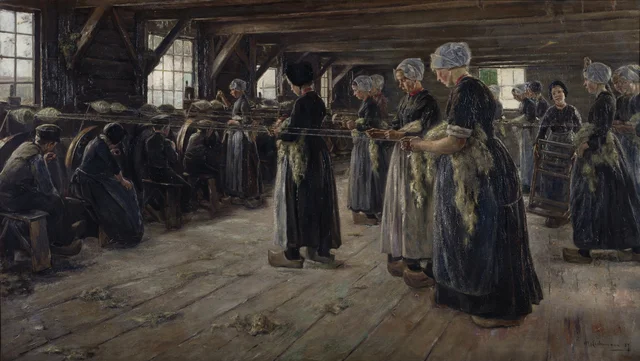 O celeiro de linho em LarenMax Liebermann, 1887
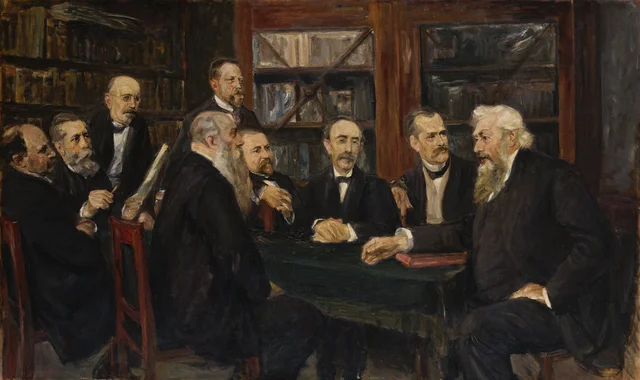 A Convenção dos Professores de HamburgoMax Liebermann, 1906
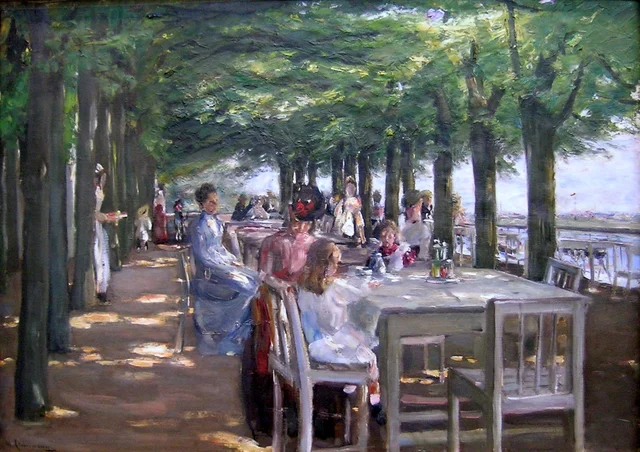 O terraço do Hotel Louis C. Jacob em Nienstedten, no ElbaMax Liebermann, 1902
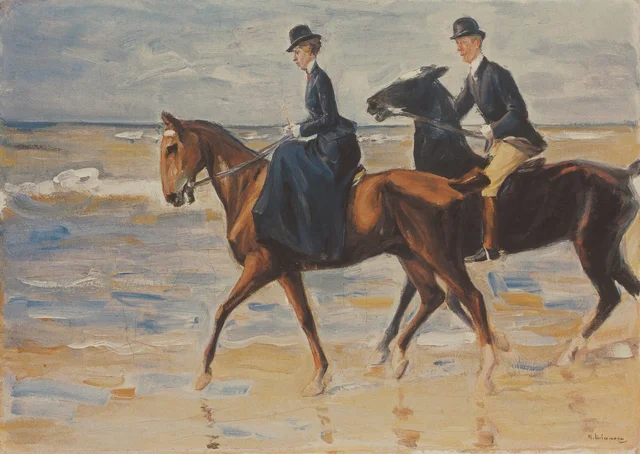 Dois cavaleiros na praiaMax Liebermann, 1903
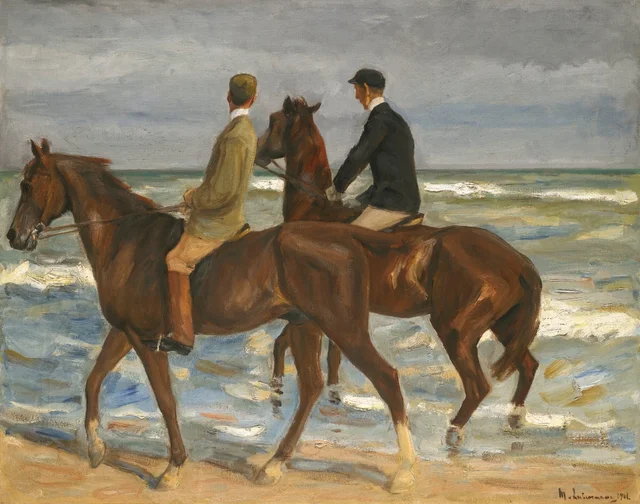 Dois cavaleiros na praiaMax Liebermann, 1901
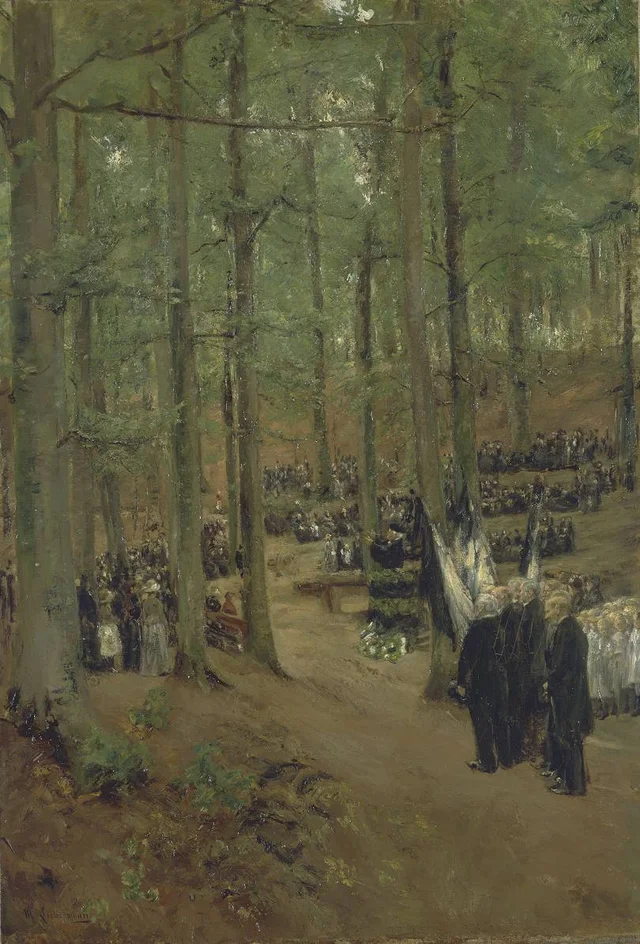 Cerimônia memorial pelo Kaiser Frederico em KösenMax Liebermann, 1888