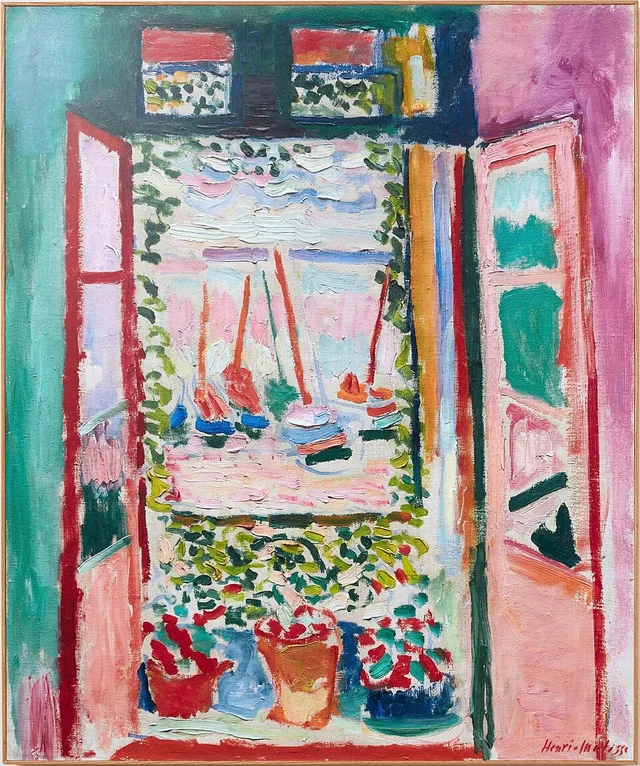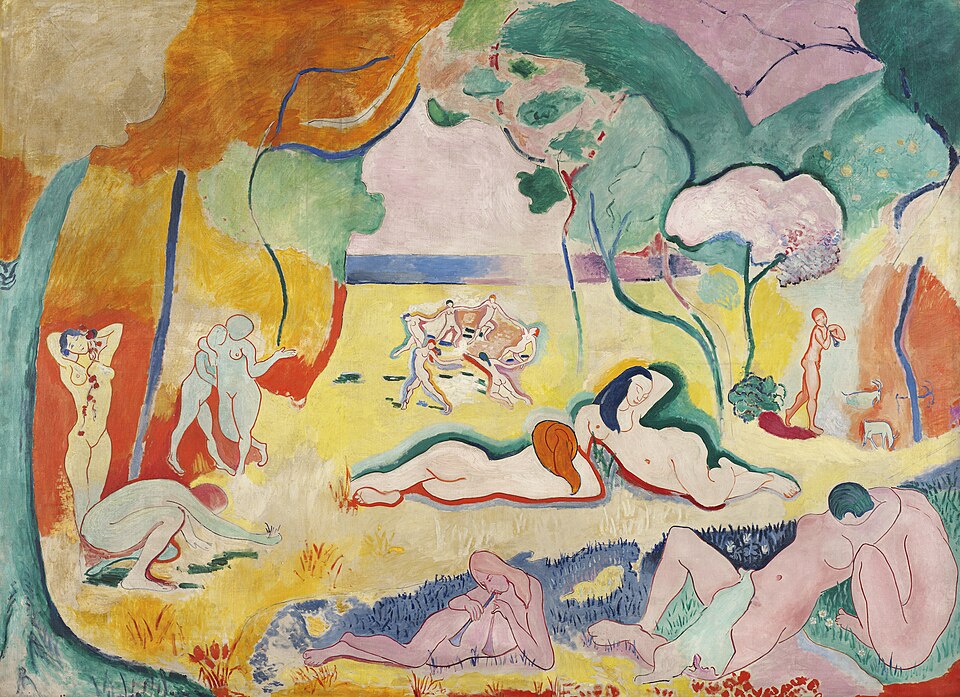
Henri Matisse, The Joy of Life, 1906. Wikimedia Commons.
A Alegria de Viver
Ficha técnica
A história
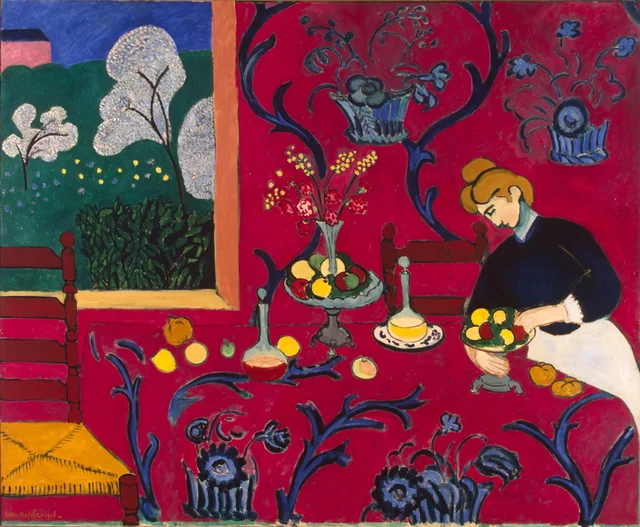
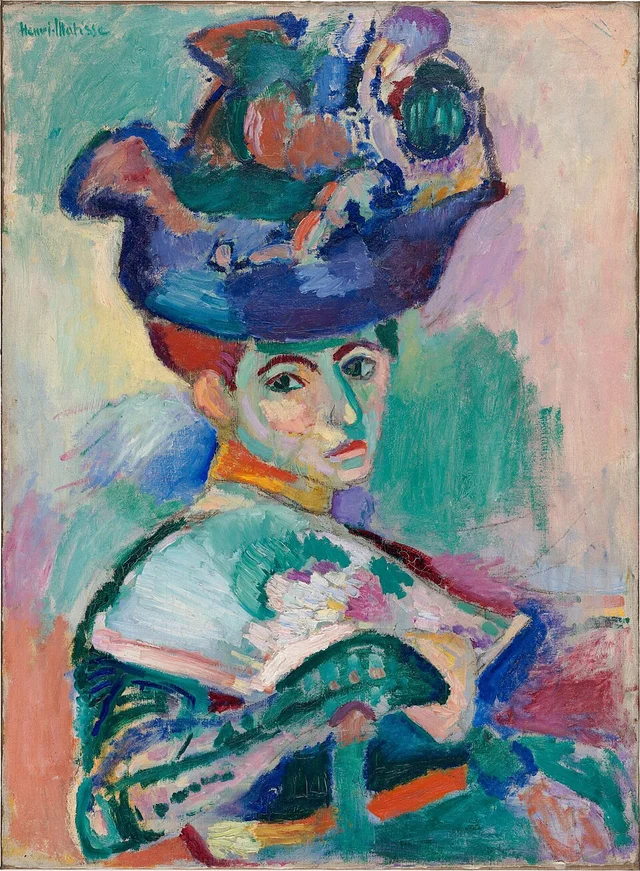
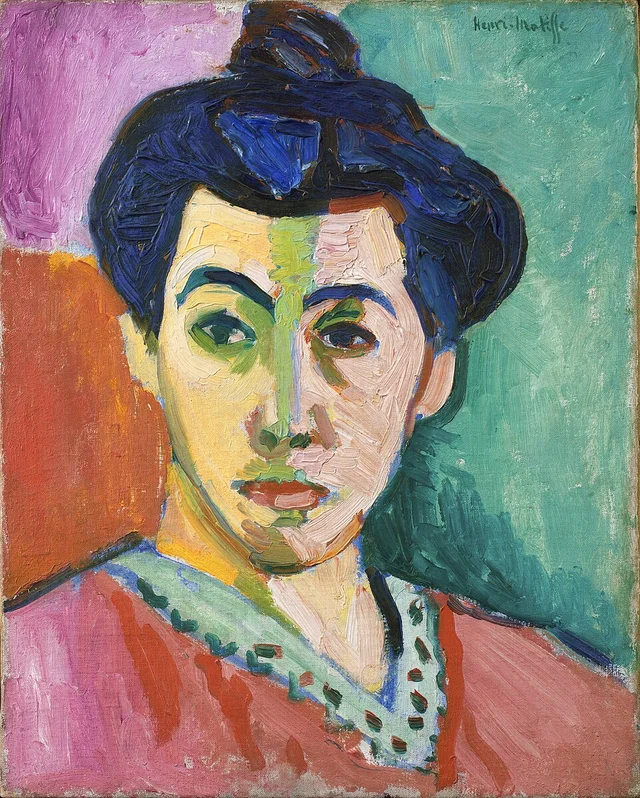
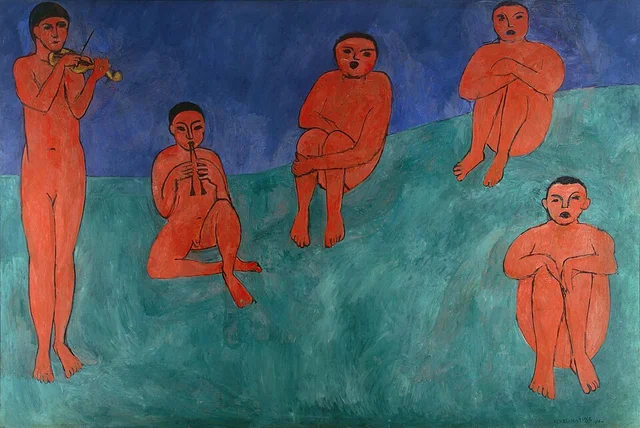
No outono de 1905, num salão parisiense, um crítico apelidou Matisse e seus amigos de fauves, feras, pelas cores cruas que jogavam na tela. Poucos meses depois Matisse expôs esta grande cena arcádica, corpos nus repousando, dançando e tocando flauta num bosque de cores que não obedecem à natureza. O verde vira laranja, os troncos ficam rosados, o desenho se simplifica até virar contorno puro. Era o quadro mais ambicioso que ele tentara, uma afirmação serena do prazer de viver. Leo e Gertrude Stein, americanos que colecionavam o novo em Paris, o compraram. Hoje pertence à Fundação Barnes, na Filadélfia, onde o colecionador Albert Barnes o pendurou entre outras ousadias da mesma geração.