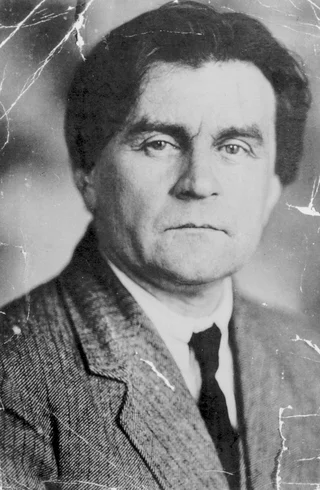
Казимир Малевич
1878–1935 · Российская империя · супрематизм
История
В декабре 1915 года, когда Россия уже два года вела проигрываемую войну, а революция была не за горами, Малевич повесил небольшую картину — чёрный квадрат на белом фоне — высоко в углу петроградской галереи. Именно в этом углу в русском доме традиционно держали святую икону, и все в зале поняли этот жест. Выставку он назвал «0,10», последней футуристической выставкой, и утверждал, что живопись нужно свести к нулю и начать заново.
Новое искусство он назвал супрематизмом: плоские цветные формы, парящие на белом, подвластные чистому чувству, а не деревьям, лицам или вещам. Несколько лет после революции 1917 года это радикальное искусство было на подъёме, и Малевич преподавал, публиковался и выстраивал свои квадраты и кресты в целую систему форм.
Затем политика переменилась. При Сталине государству требовался реализм, понятный простому человеку, и абстракцию оттеснили на обочину. В 1930 году Малевича арестовали и неделями допрашивали, а в последние годы жизни он вернулся к узнаваемым крестьянам и портретам, хотя часто вставлял туда маленький чёрный квадрат как личную подпись. Когда он умер в 1935 году, друзья положили его в гроб под чёрным квадратом и отметили его могилу таким же знаком.
Работы
26 работ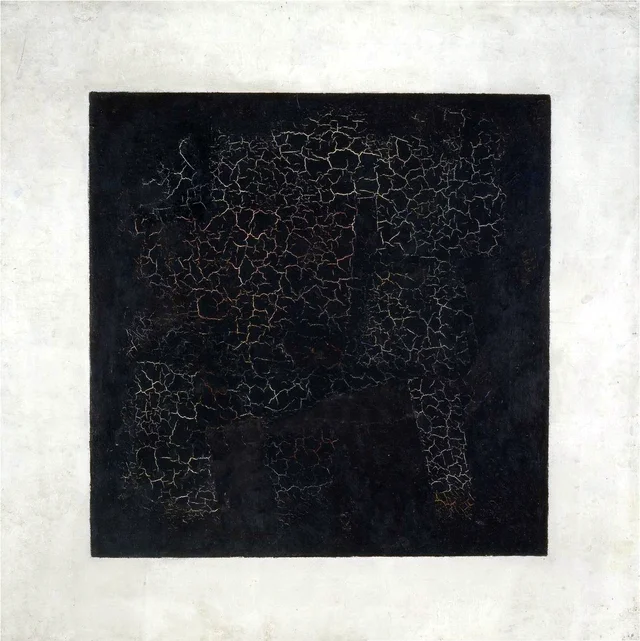 Чёрный квадрат (1915)Казимир Малевич, 1915
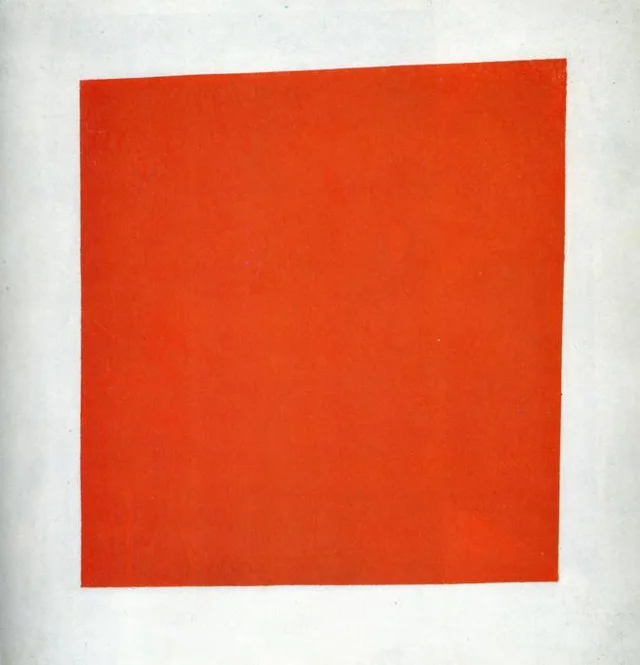 Красный квадратКазимир Малевич, 1915
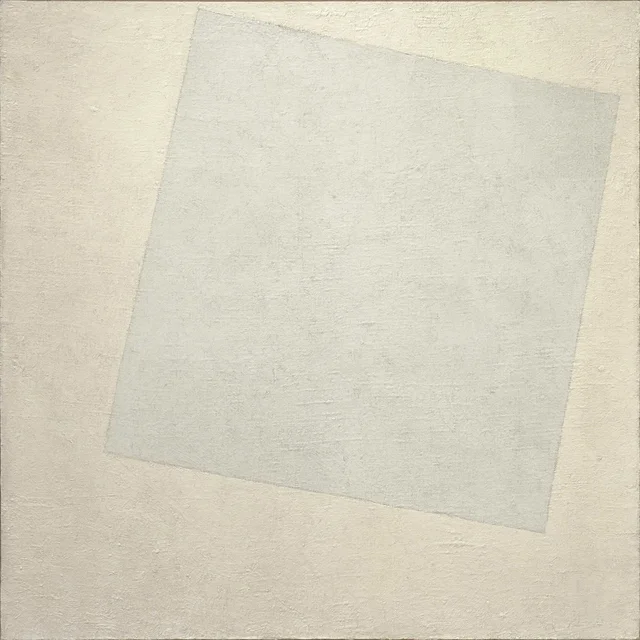 Белое на беломКазимир Малевич, 1918
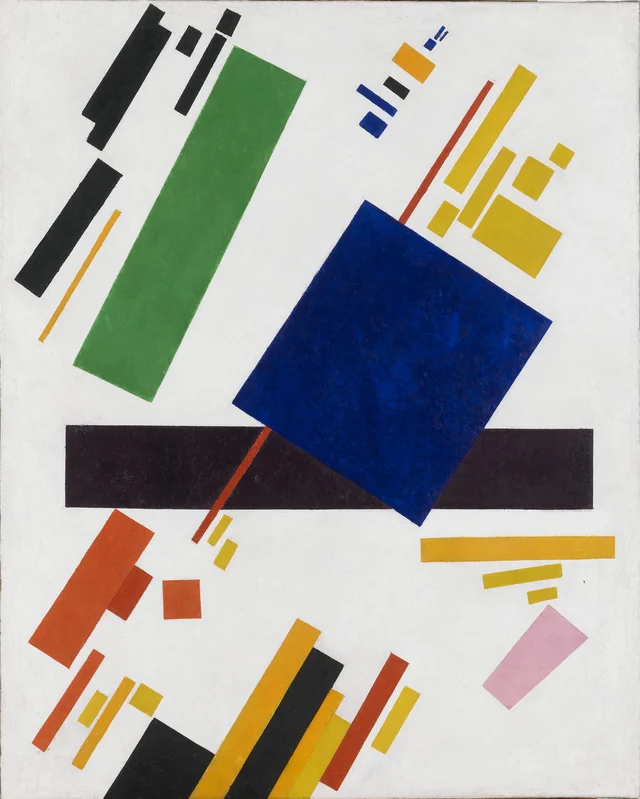 Супрематическая композицияКазимир Малевич, 1916
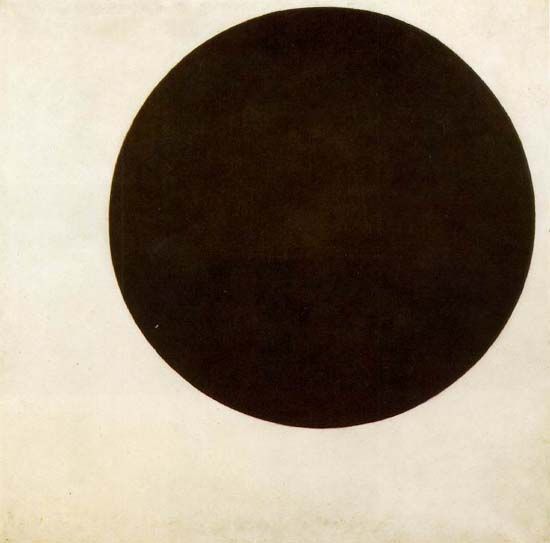 Чёрный кругКазимир Малевич, 1924
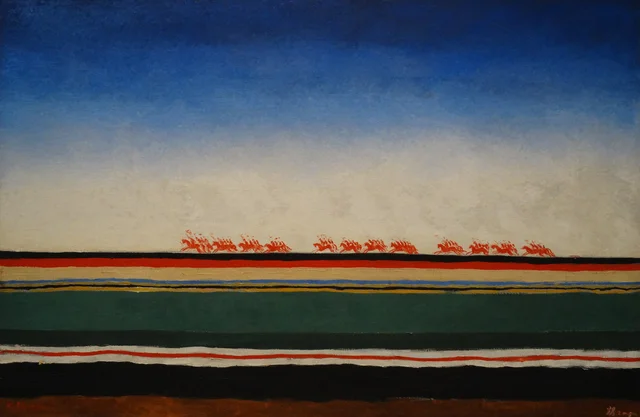 Скачет красная конницаКазимир Малевич, 1932
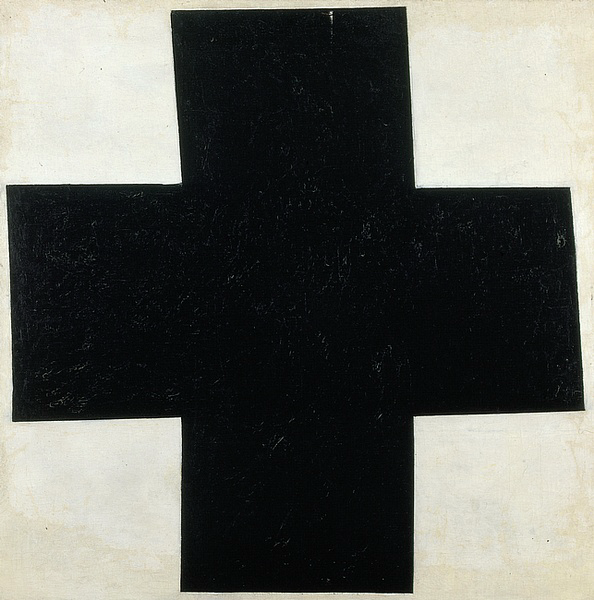 Чёрный крестКазимир Малевич, 1915
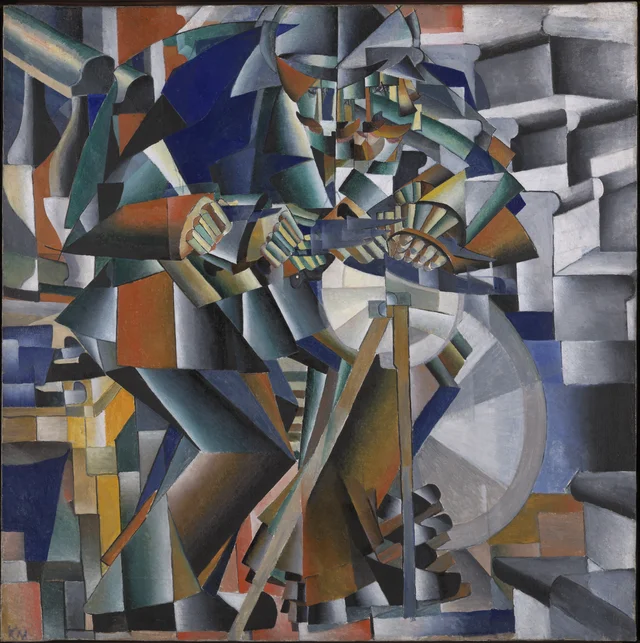 ТочильщикКазимир Малевич, 1912
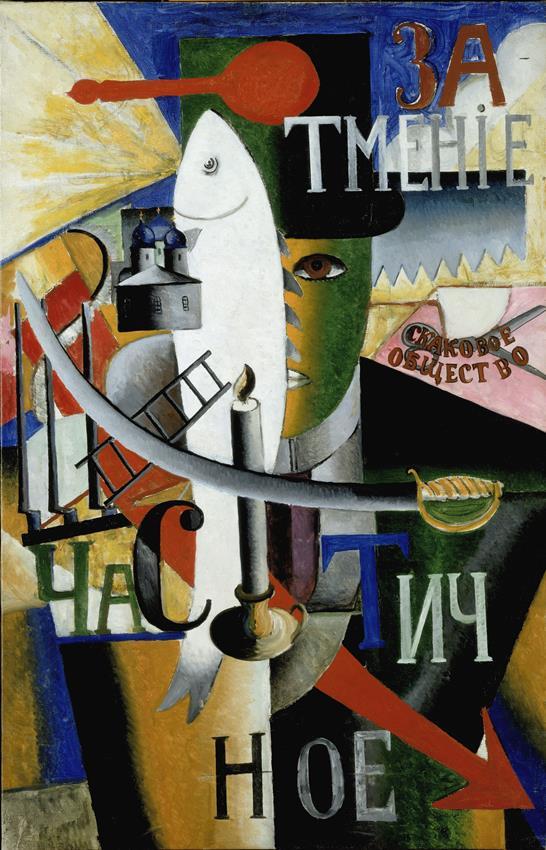 Англичанин в МосквеКазимир Малевич, 1914
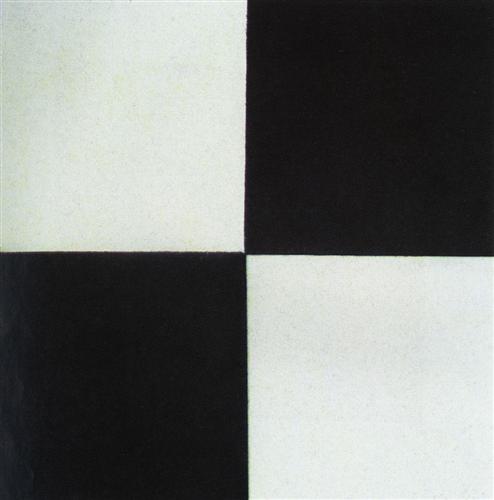 Четыре квадратаКазимир Малевич, 1915
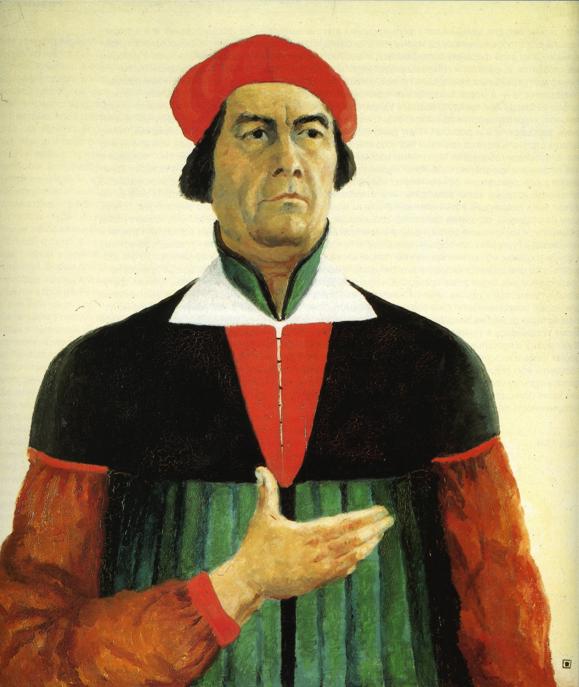 АвтопортретКазимир Малевич, 1933
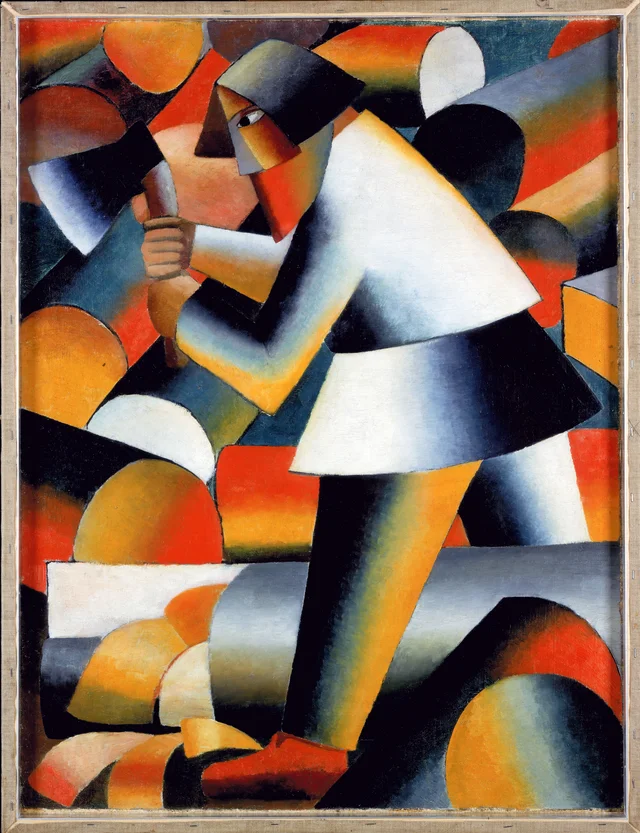 ДровосекКазимир Малевич, 1912
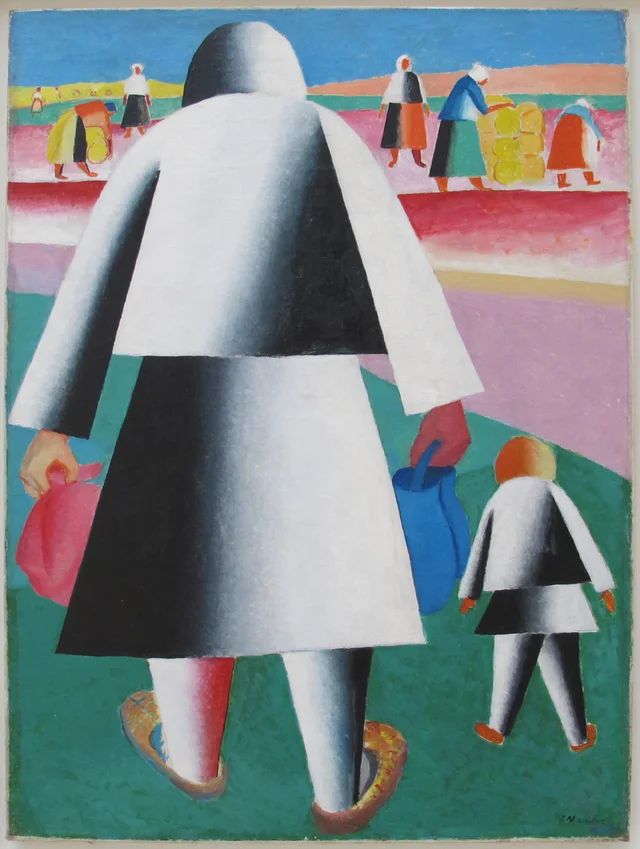 На поле II (Марта и Жанно)Казимир Малевич, 1929
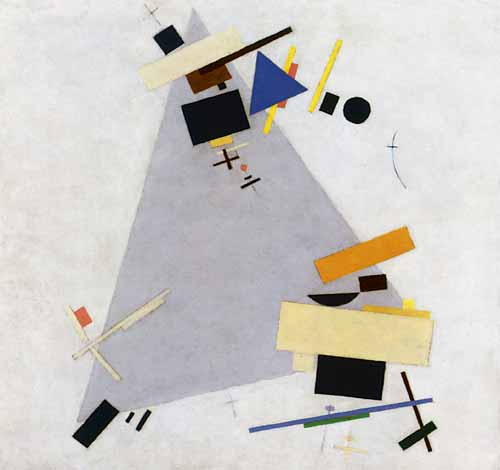 Динамический супрематизмКазимир Малевич, 1915
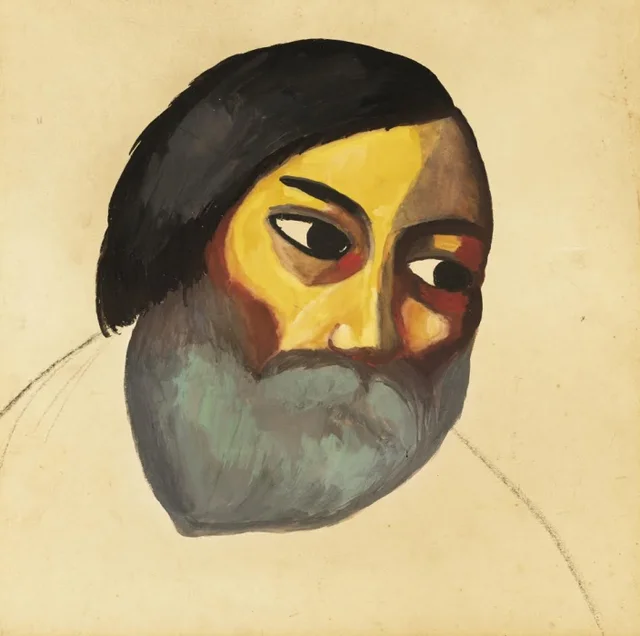 Голова крестьянинаКазимир Малевич, 1911
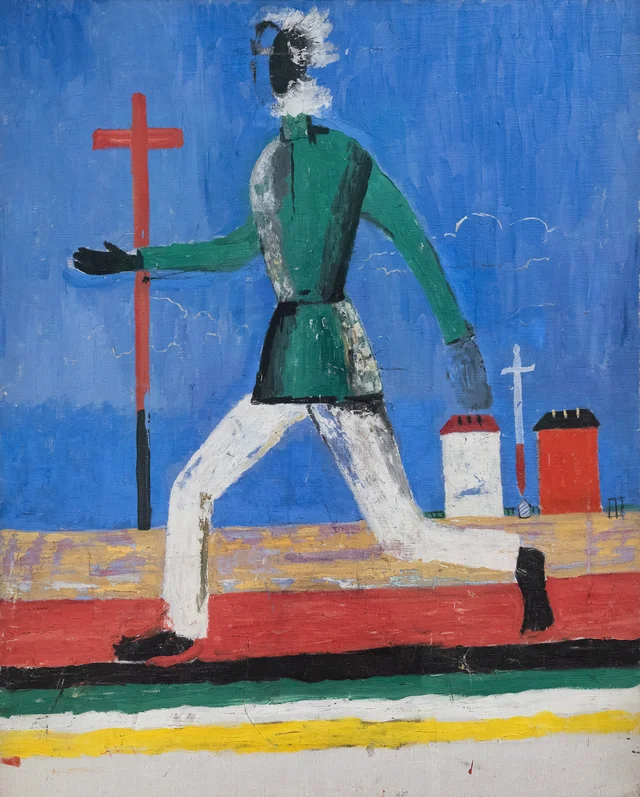 Ощущение опасностиКазимир Малевич, 1930
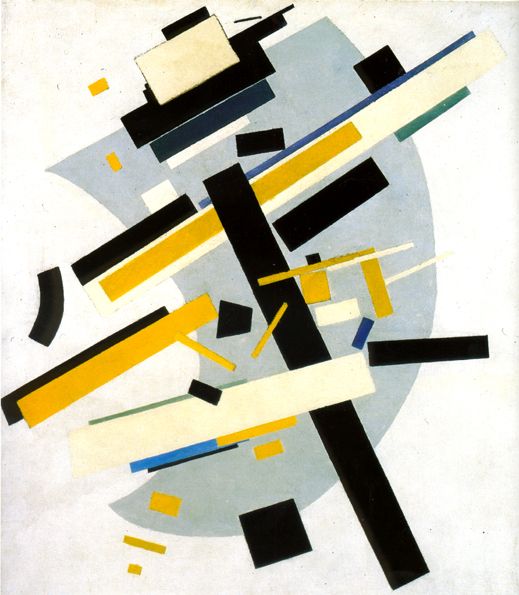 Супремус № 58: жёлтое и чёрноеКазимир Малевич, 1916
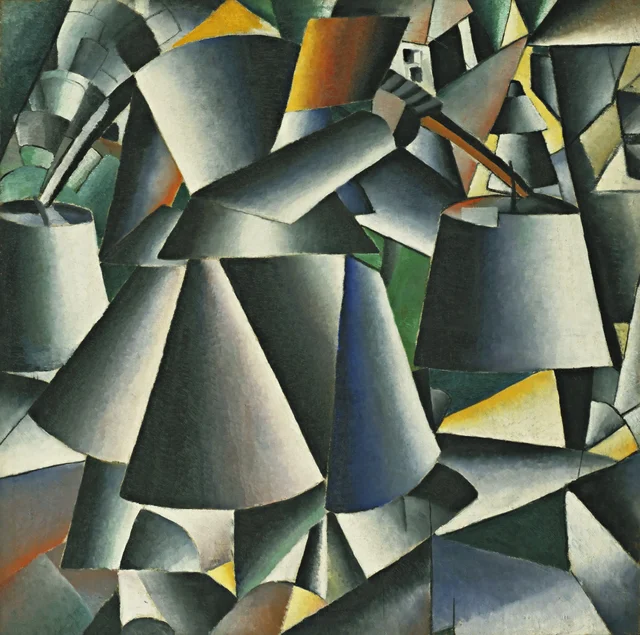 Женщина с вёдрами: динамическая композицияКазимир Малевич, 1912
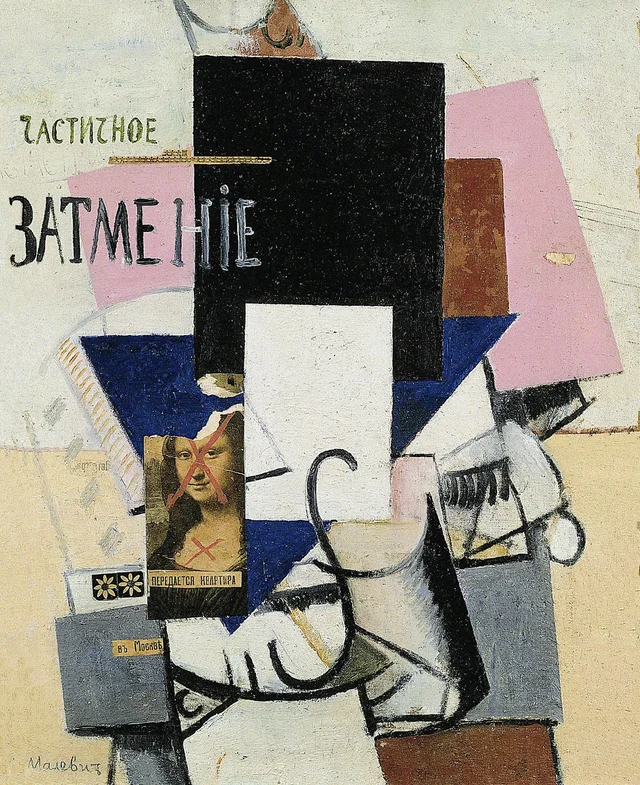 Частичное затмениеКазимир Малевич, 1914
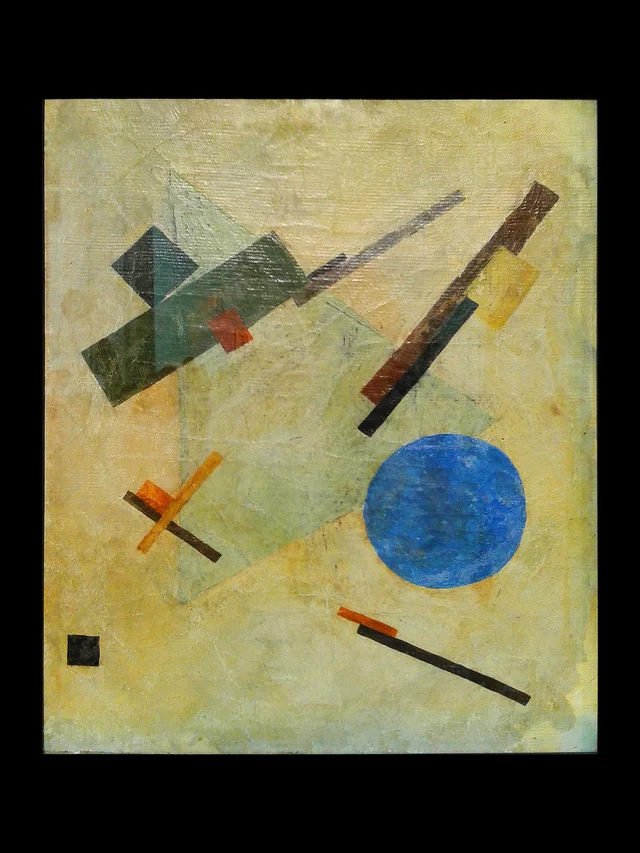 Супрематическая композиция 1Казимир Малевич, 1916
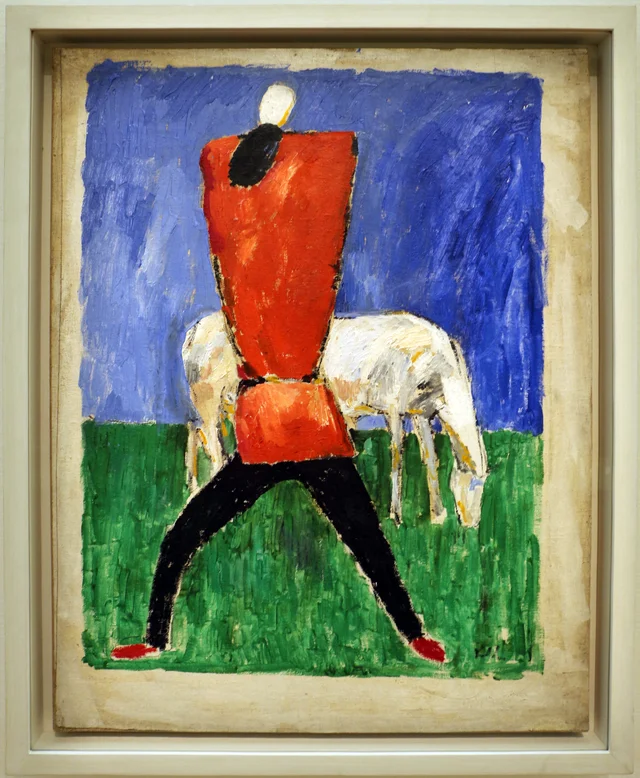 Белая лошадьКазимир Малевич, 1930
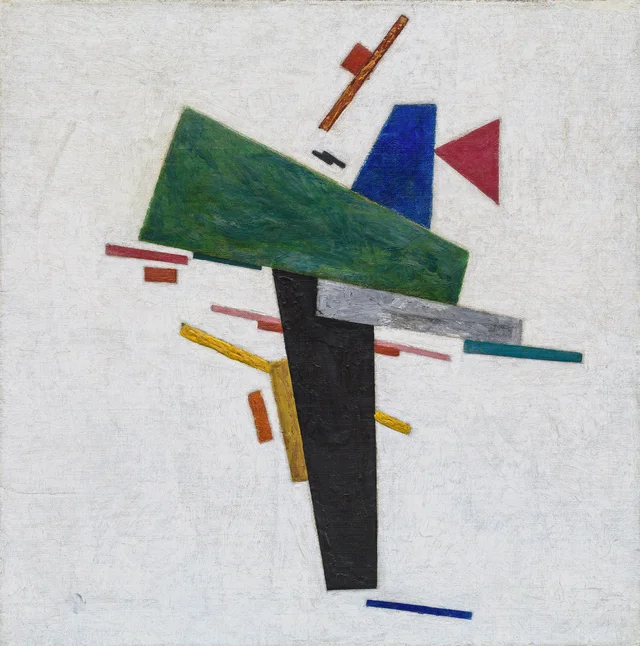 Без названияКазимир Малевич, 1916
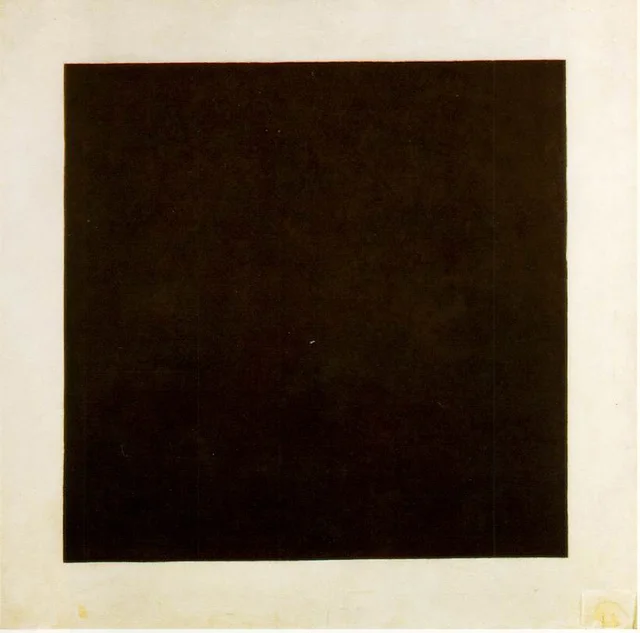 Чёрный квадрат (1924)Казимир Малевич, 1924
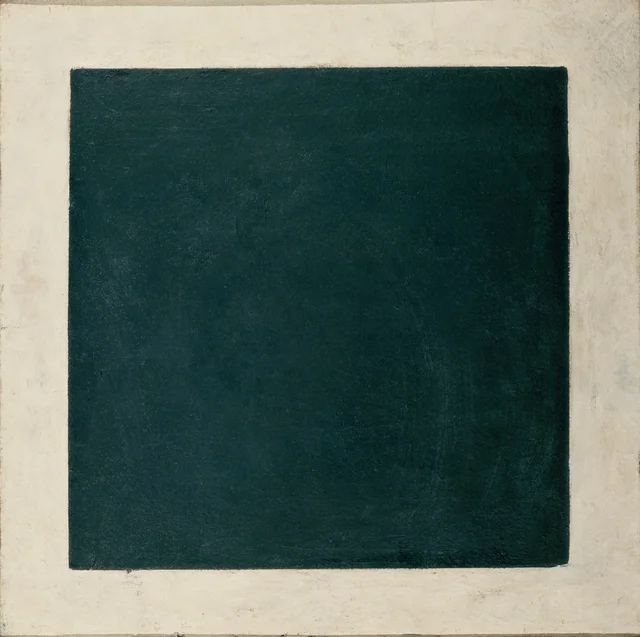 Чёрный квадрат (1930)Казимир Малевич, 1930
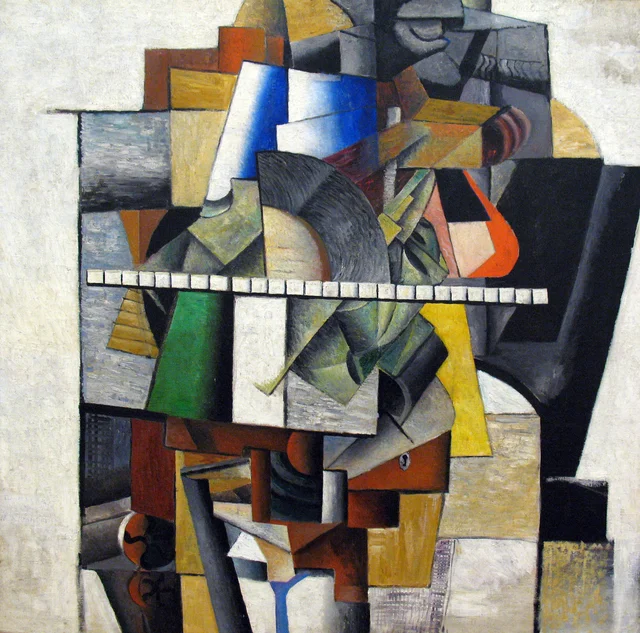 Портрет Михаила МатюшинаКазимир Малевич, 1913