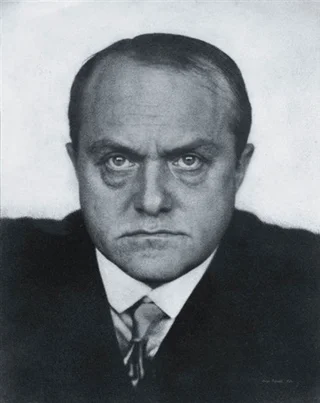
Макс Бекман
1884–1950 · Германия · Экспрессионизм
История
В июле 1937 года нацистское правительство открыло в Мюнхене выставку «Дегенеративное искусство», показ конфискованной модернистской живописи, устроенный так, чтобы высмеять и унизить создавших её художников. Работы Макса Бекмана сняли с немецких музейных стен и повесили там. В день открытия он уехал в Амстердам и в Германии больше не жил.
Его уже переменила одна война. Бекман пошёл добровольцем-санитаром на Первую мировую, и увиденное на фронте, раненые, мёртвые, переполненные полевые госпитали, сломало его прежнюю, более мягкую манеру и толкнуло к тесным, угловатым сценам, которыми он и стал известен: цирки, кабаре, фигуры, что глядят с холста прямо на зрителя. За жизнь он написал себя больше 80 раз, в матросской тельняшке, в смокинге, в мясницком халате, пользуясь собственным лицом так, как другие живописцы пользуются наёмной моделью.
В Амстердаме годы оккупации он провёл в почти полном одиночестве, заканчивая большие триптихи, плотно населённые фигурами в масках и личными символами, объяснять которые чаще всего отказывался. В 1947 году он уехал в США, преподавал сперва в Сент-Луисе, потом в Нью-Йорке и умер на манхэттенской улице в декабре 1950 года, идя посмотреть на одну из собственных картин, выставленную в Метрополитен-музее.
Работы
12 работ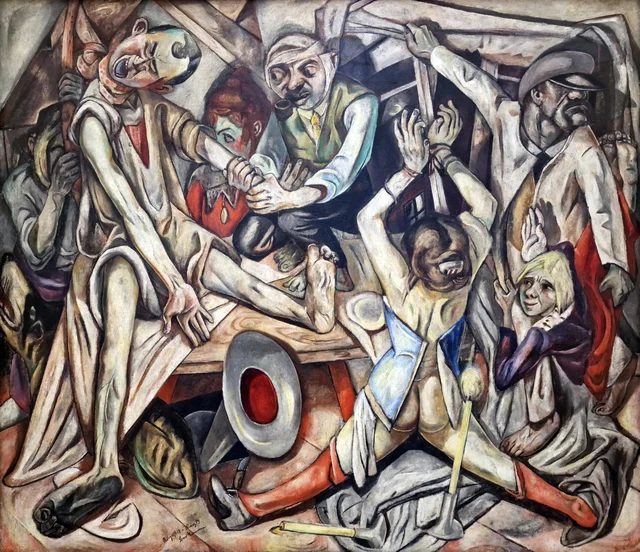 НочьМакс Бекман, 1918
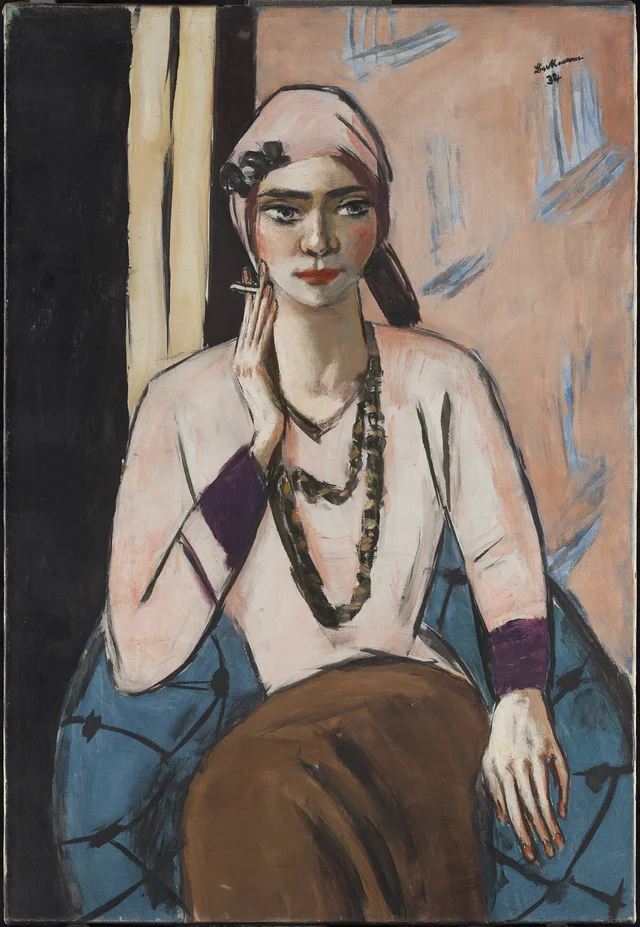 Куаппи в розовом свитереМакс Бекман, 1934
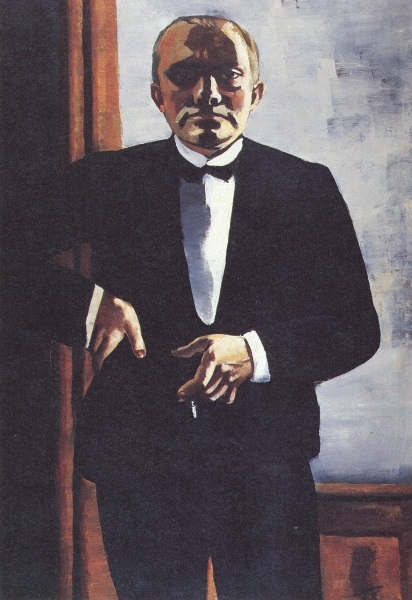 Автопортрет в смокингеМакс Бекман, 1927
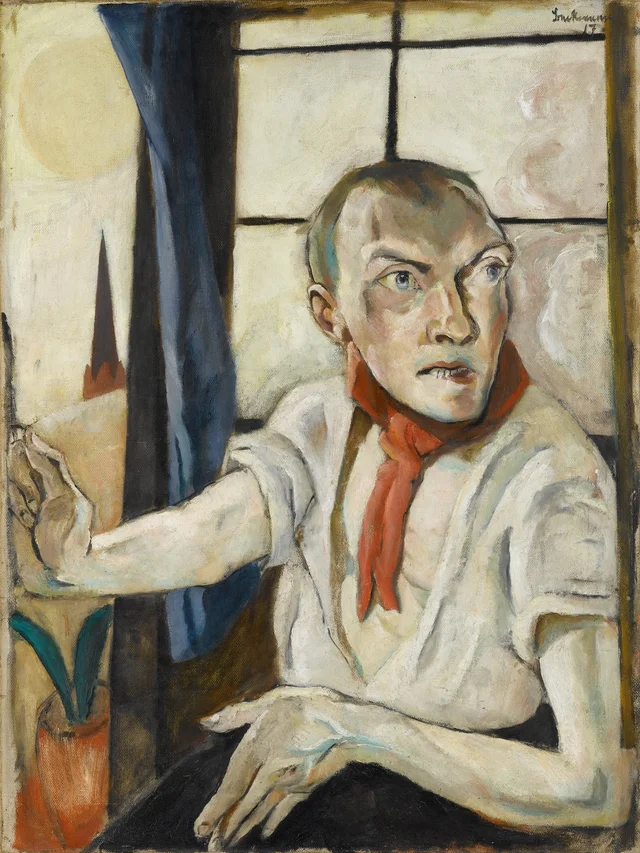 Автопортрет с красным шарфомМакс Бекман, 1917
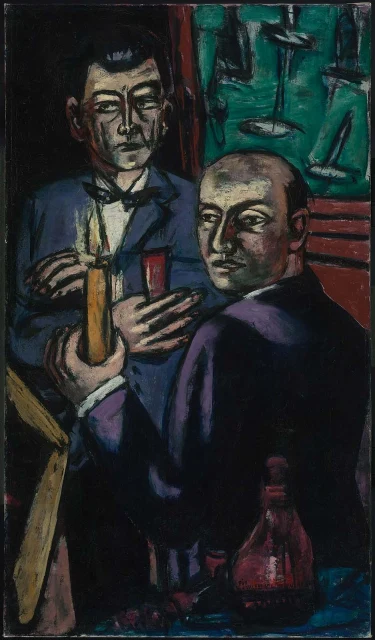 Двойной портретМакс Бекман, 1946
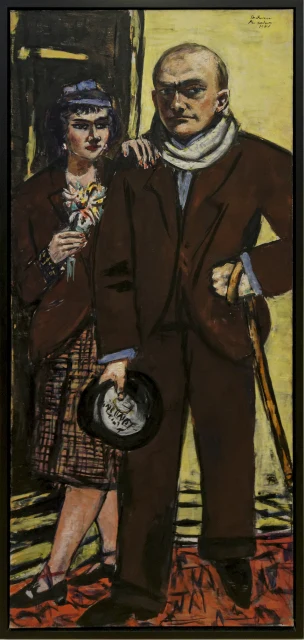 Двойной портрет художника и его жены КваппиМакс Бекман, 1941
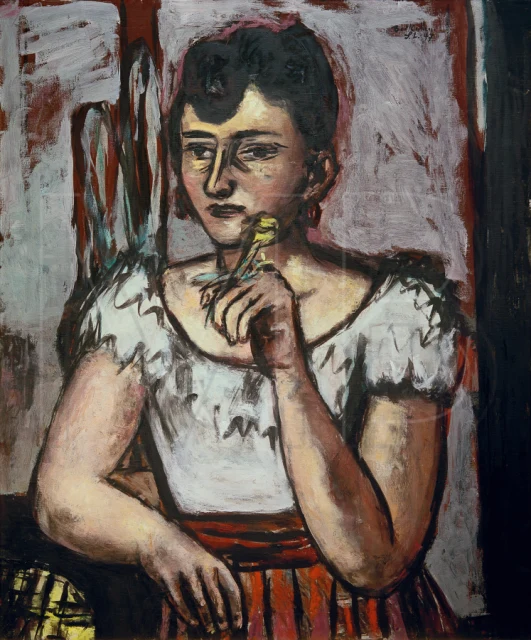 Юретта РэтбоунМакс Бекман, 1947
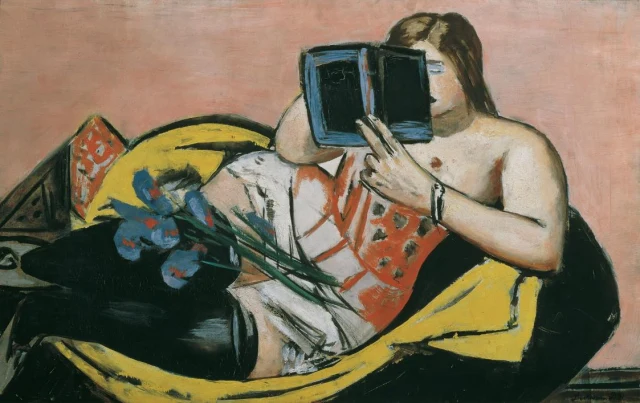 Лежащая женщина с книгой и ирисамиМакс Бекман, 1931
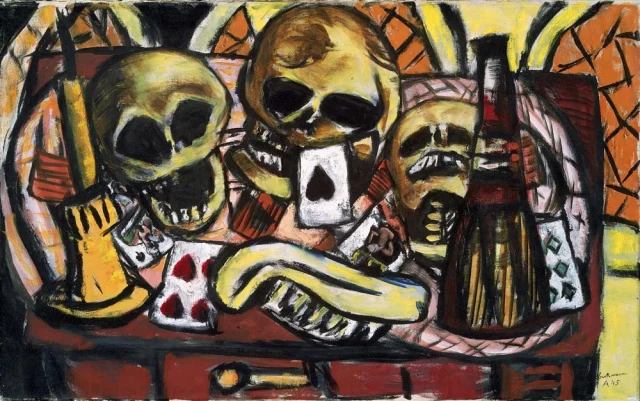 Натюрморт с тремя черепамиМакс Бекман, 1945
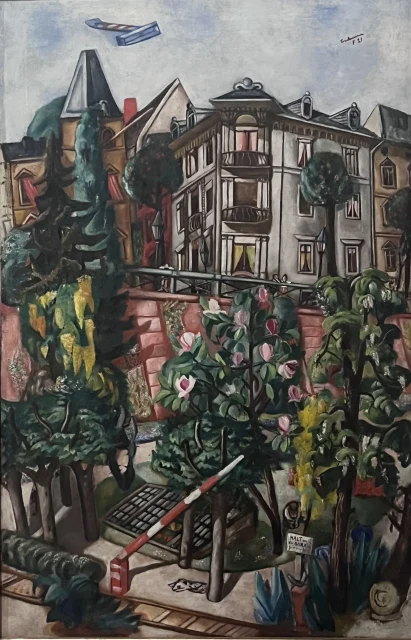 Ницца во Франкфурте-на-МайнеМакс Бекман, 1921
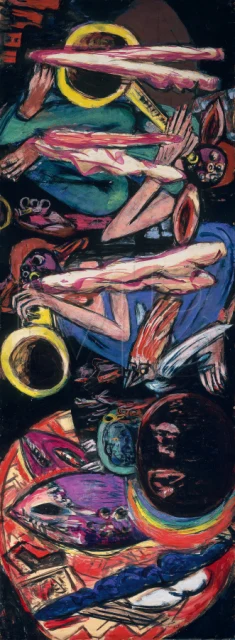 БуряМакс Бекман, 1949