契马布埃

契马布埃

1240–1302 · 佛罗伦萨共和国 · 特雷琴托


故事

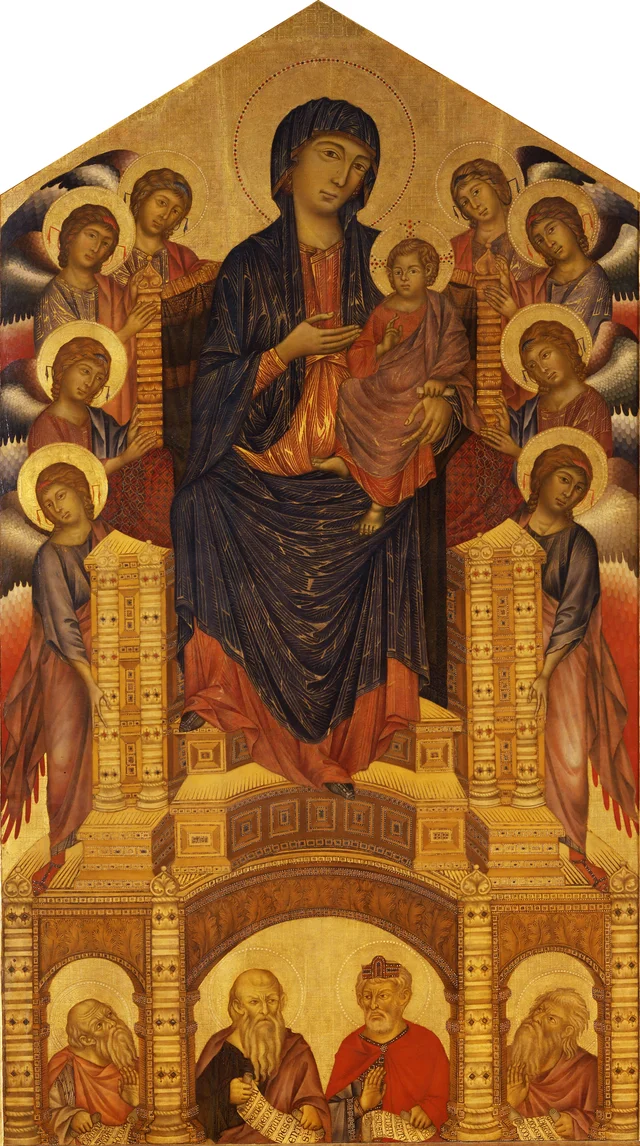
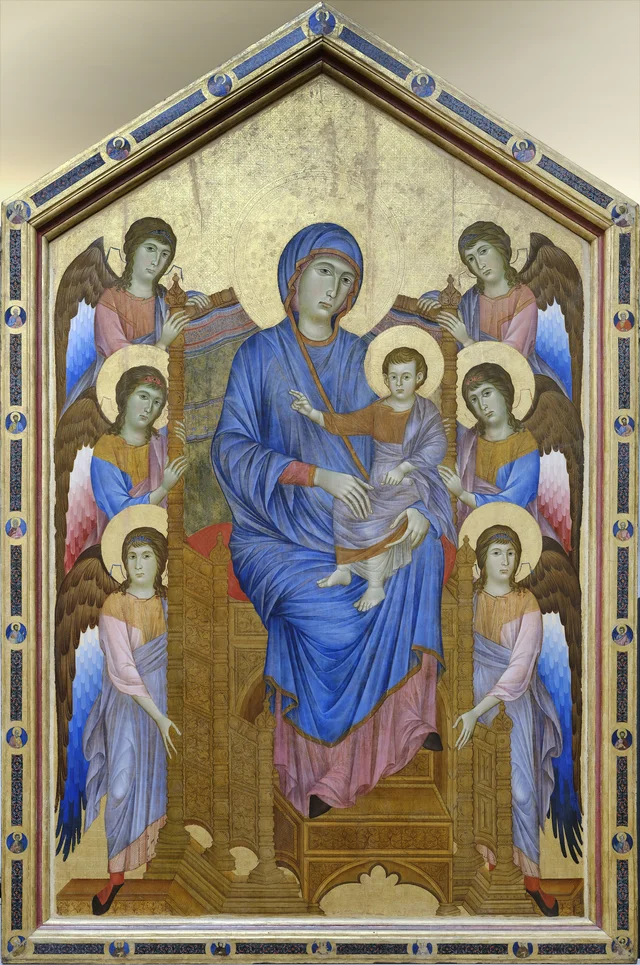
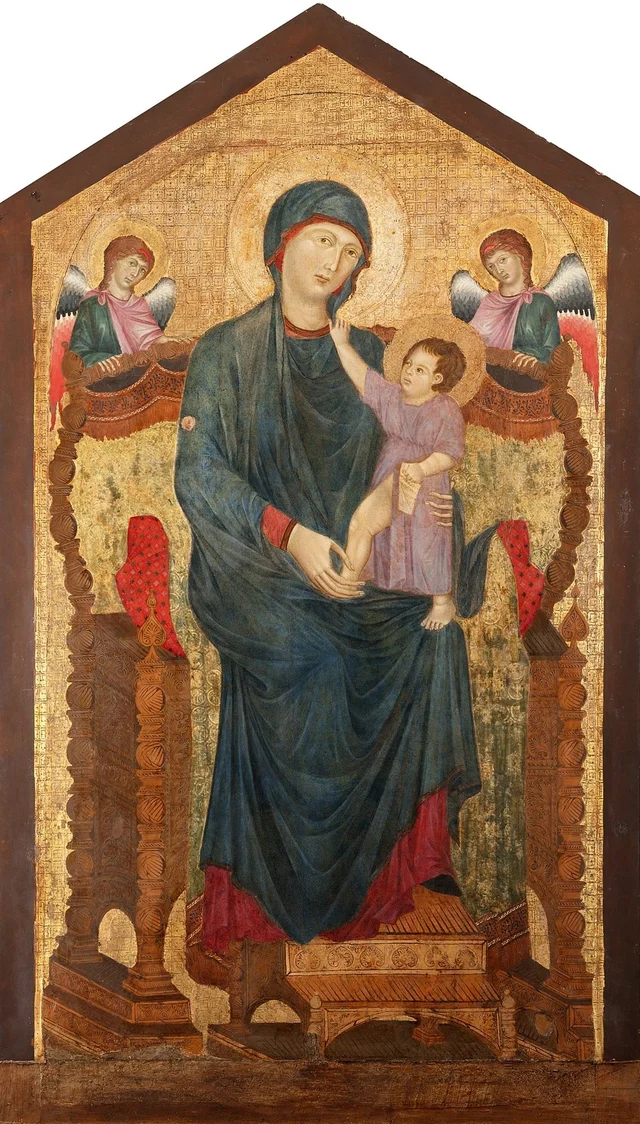
Cimabue worked in Florence in the late 1200s, at the very start of what modern historians call the Italian Renaissance, when most painting in Italy still followed flat, gold-background Byzantine conventions. His figures started to push against that flatness, faces with real weight and shadow, drapery that suggests a body underneath it, most visibly in the huge Maestà altarpiece he painted for a church in Florence, now in the Uffizi.

What actually kept his name alive for seven centuries, though, is a single line from Dante. Writing his Purgatorio around 1310, only a few years after Cimabue's death, Dante has a soul on the mountain of Purgatory remark that Cimabue once believed he held the field in painting, and now Giotto has the acclaim, so that the other's fame grows dim. Giotto, generally accepted as Cimabue's pupil, was already being read as the artist who moved painting decisively forward, and Cimabue as the master whose reputation was fading in his student's shadow.

Little of Cimabue's own work survives intact. Frescoes he painted in the upper basilica at Assisi have darkened and flaked badly, the white lead pigment he used in the shadows having chemically reversed over the centuries, so that faces once modeled in light now read as ghostly, dark negatives of themselves.

作品

4 件作品