弗里达·卡罗

弗里达·卡罗

1907–1954 · 墨西哥 · 超现实主义


故事

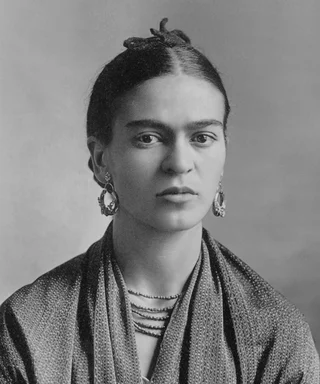
On the 17th of September, 1925, a wooden bus in Mexico City collided with an electric streetcar, and an iron handrail went through the pelvis of an 18-year-old passenger named Frida Kahlo. She survived with a broken spine, a shattered pelvis and leg, and a lifetime of pain ahead; she would go through something like 30 operations before she was done. During the long convalescence, flat on her back, her mother had a special easel built over the bed and a mirror fixed to the canopy above her. With nothing else to look at, Kahlo began to paint the one subject always in view.

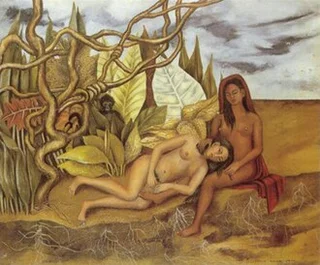
She was her own first model, and stayed her main one. She had grown up alongside the Mexican Revolution, and liked to give her birth year as 1910, the year it began, though she was really born in 1907. In its aftermath Mexican artists were turning away from European fashion toward the country's own Indigenous past, and Kahlo took that turn personally, wearing the long Tehuana dresses of southern Mexico and painting herself inside its folk imagery, its retablo altar-pictures, its skeletons and bleeding hearts.

In 1928 she showed some canvases to Diego Rivera, already Mexico's most famous muralist, a huge man more than 20 years her senior. He encouraged the work and married her the next year; her family called it the union of an elephant and a dove. The marriage was volatile, full of affairs on both sides, a divorce and a remarriage. Through all of it she kept painting the body the accident had left her, split open, pierced, braced in steel. In one of the late canvases her spine is a cracked stone column and her skin is studded with nails, and she looks straight out at us, tears on her face, dressed only in the surgical corset she actually wore.

作品

4 件作品