乔尔乔·瓦萨里
1511–1574 · 佛罗伦萨共和国 · 文艺复兴
故事
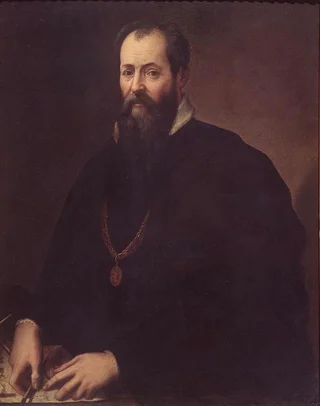
Much of the familiar story of the Renaissance, that Giotto was discovered drawing sheep, that Leonardo and Michelangelo were rival giants, that Florence led the way, reaches us through one man: Giorgio Vasari. In 1550 he published the Lives of the Artists, a thick book of biographies of Italian painters and sculptors, and in doing so more or less invented art history as a form of writing.
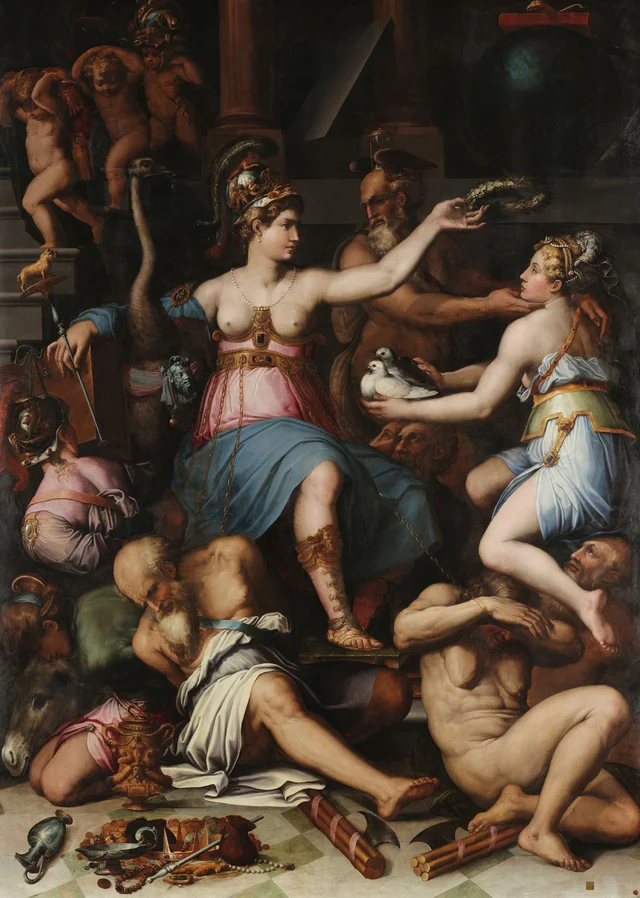
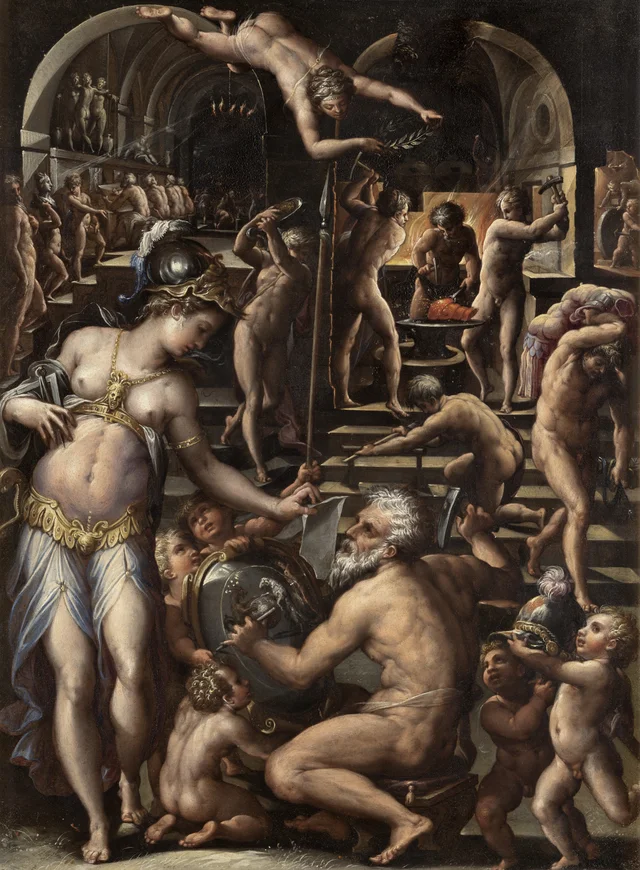
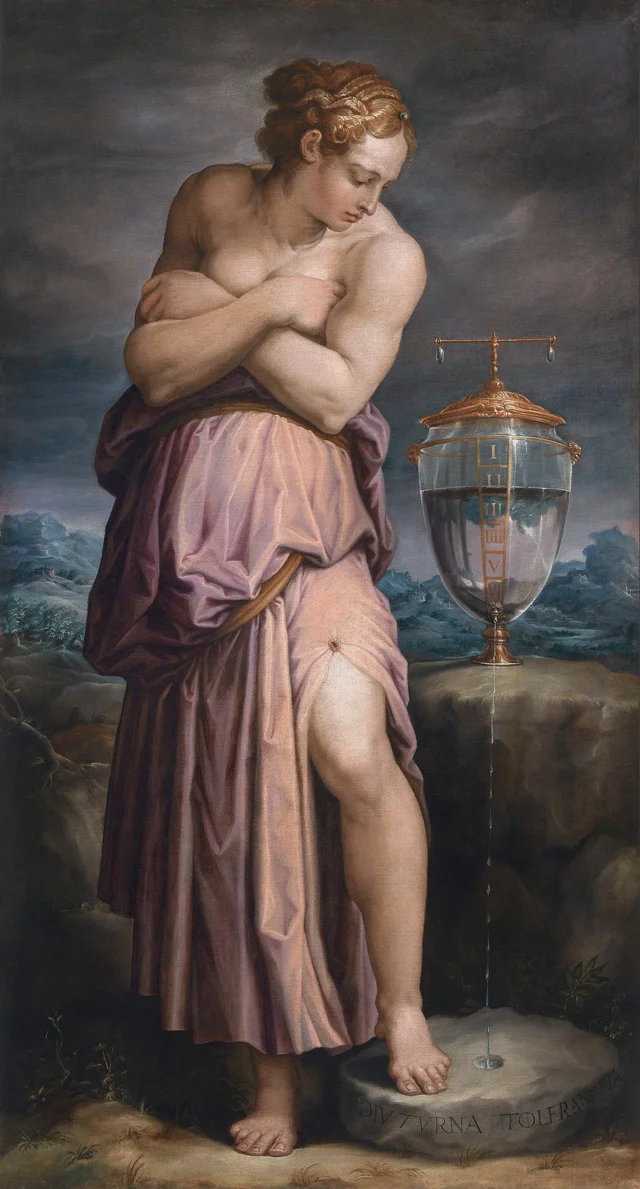
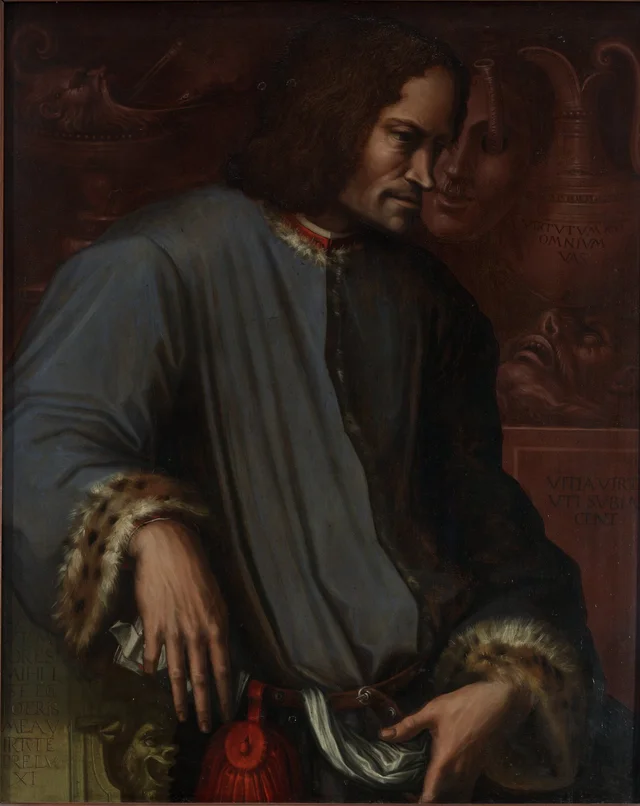
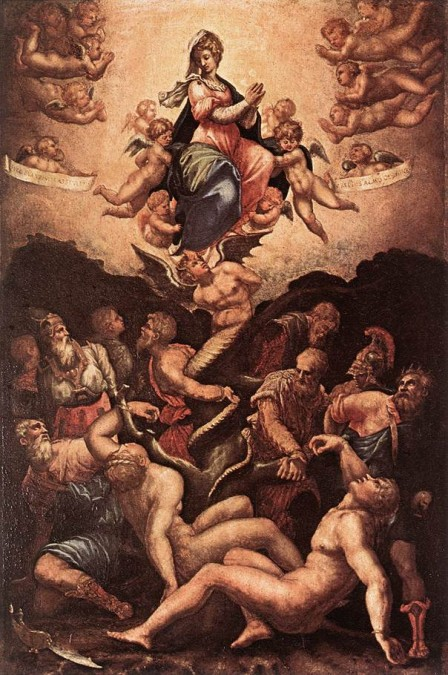
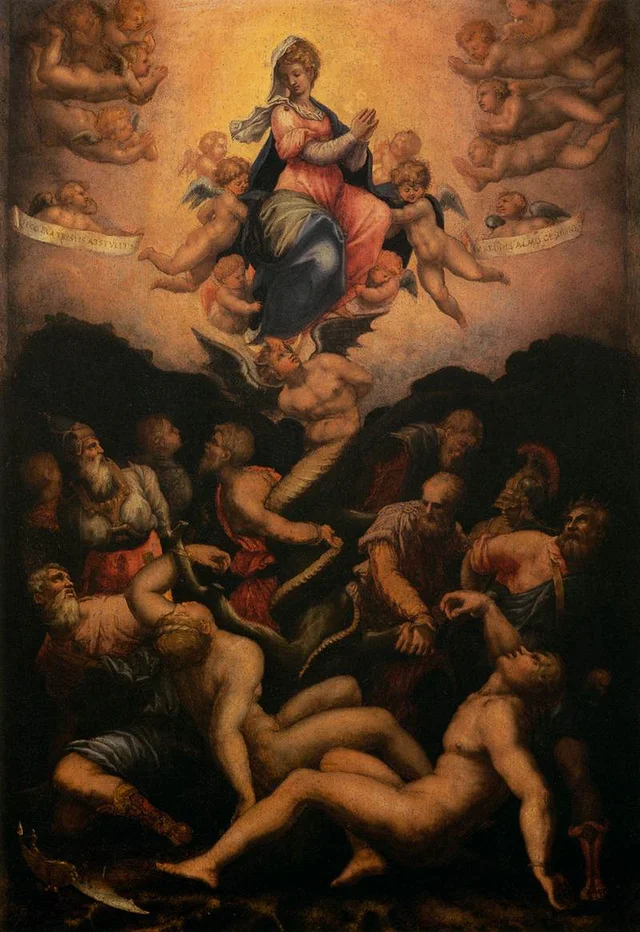
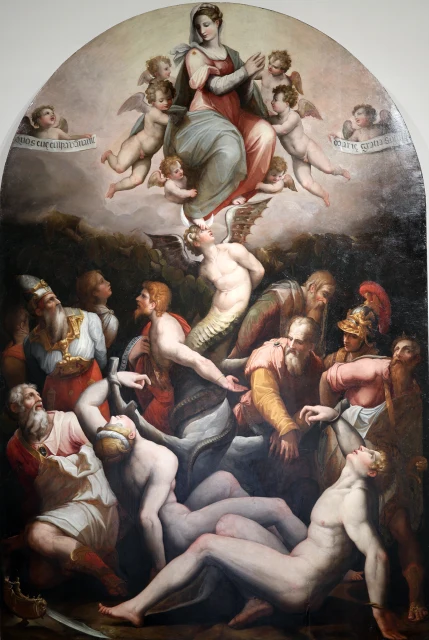
He was himself a busy painter and architect in the service of Cosimo I de' Medici, the duke who ruled Florence. As a painter he covered walls and ceilings for the Medici at great speed, work that later ages rated well below his book. As an architect he fared better. He designed the Uffizi, built as government offices along the river Arno and now one of the world's great museums, and the raised passage still called the Vasari Corridor.
That corridor was a rush job. Vasari put it up in about five months in 1565 so the Medici could walk from their palace to the seat of government without crossing the streets among the crowds, finished in time for a grand ducal wedding.