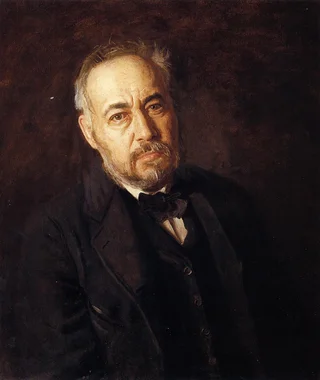
托马斯·埃金斯
1844–1916 · 美国 · 现实主义
故事
托马斯·埃金斯想让美国艺术诚实地正视人的身体,这让他付出了代价。1875年在费城,他画了《格罗斯医生的临床课》——声名显赫的外科医生塞缪尔·格罗斯双手带血,站在一间教学手术室里俯身病人,一边开刀一边讲课。1876年百年博览会的评审团觉得它对艺术展厅来说太过骇人,改把它挂进了军队医院的展区。
埃金斯曾在巴黎、也在医学院的解剖室里学习,他教画一如他作画,坚持要宾夕法尼亚美术学院的学生对着全裸的模特写生,女生也不例外。1886年,一堂解剖课上,他为了向一个有女生在座的班级展示一组肌肉,掀掉了男模特的遮布。学院将他解职,二十八名学生随他一同退学,另立了自己的艺术联盟。
此后大半生,他多少被冷落在一旁,画费城那些医生、科学家和音乐家毫不留情的肖像,而这些人往往不喜欢他把自己看得那么直白;他还和埃德沃德·迈布里奇一道,试验新兴的运动摄影。承认大多来得极晚,甚至要等到他1916年去世之后。《格罗斯医生的临床课》留在了费城,2007年一场公众募捐把它从一桩6800万美元的出售中保了下来。
作品
15 件作品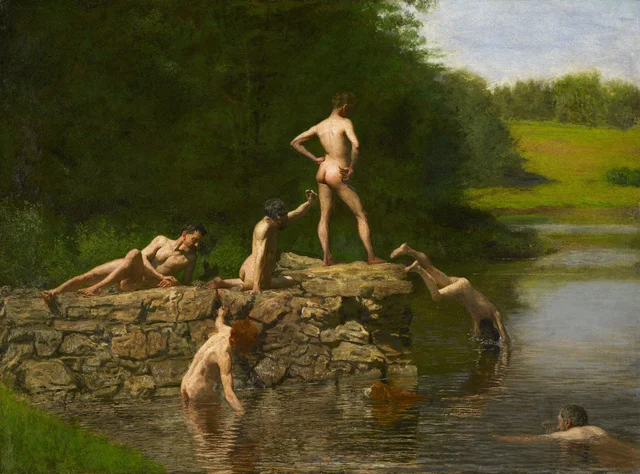 游泳托马斯·埃金斯, 1885
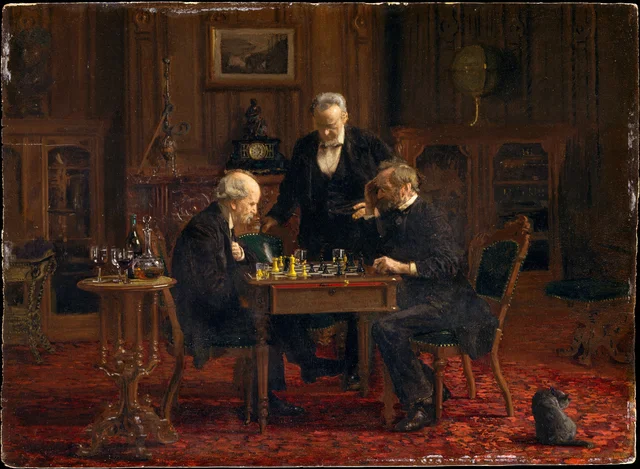 下棋者托马斯·埃金斯, 1876
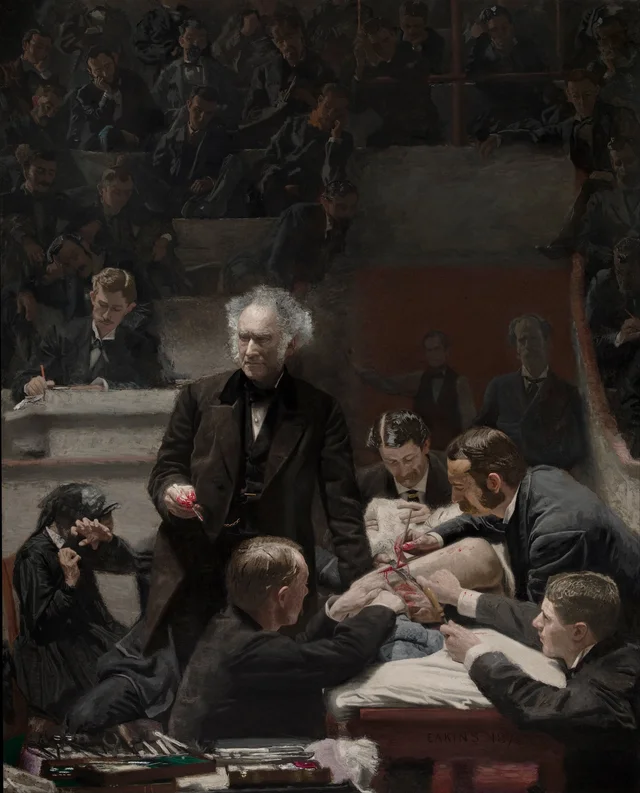 格罗斯医生的临床课托马斯·埃金斯, 1875
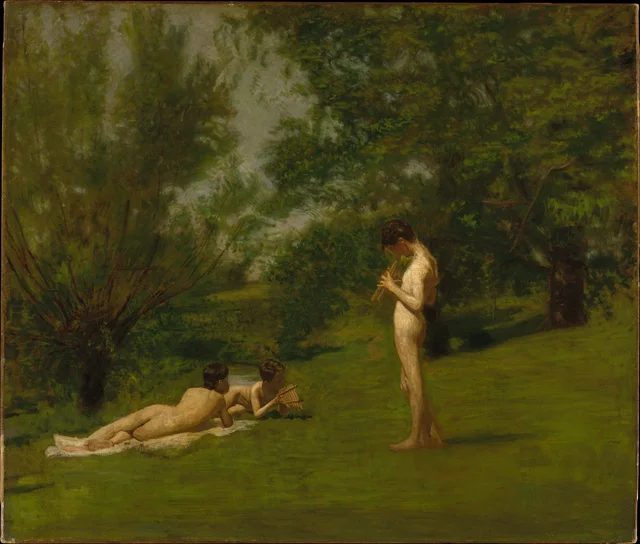 阿卡迪亚托马斯·埃金斯, 1883
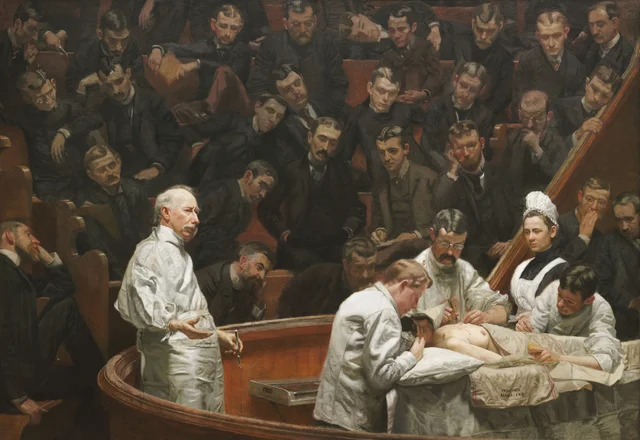 阿格纽诊所托马斯·埃金斯, 1889
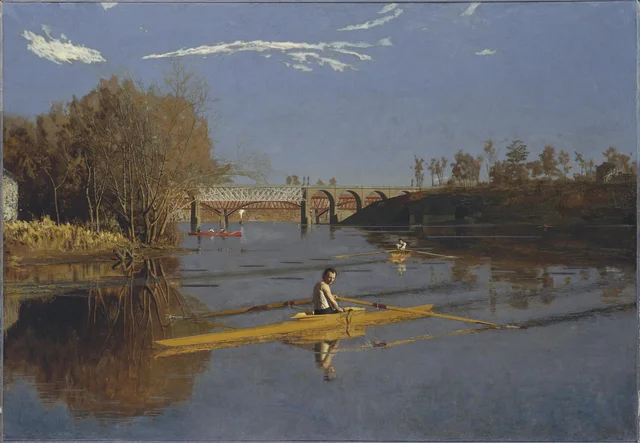 划单人赛艇的马克斯·施密特托马斯·埃金斯, 1871
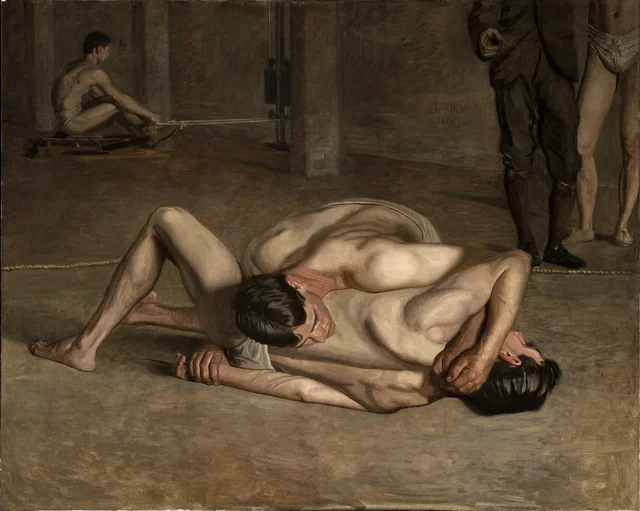 摔跤手托马斯·埃金斯, 1899
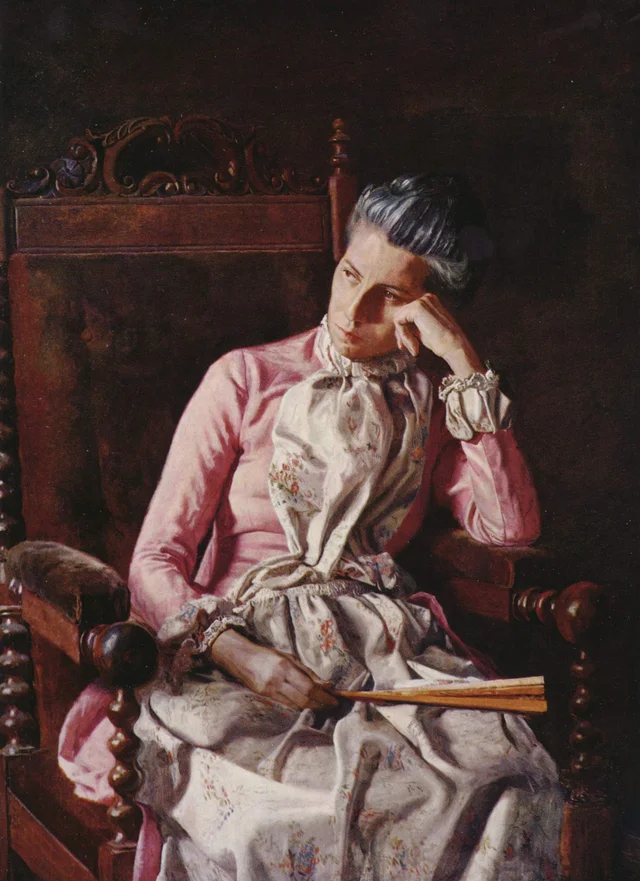 阿米莉亚·范布伦小姐托马斯·埃金斯, 1891
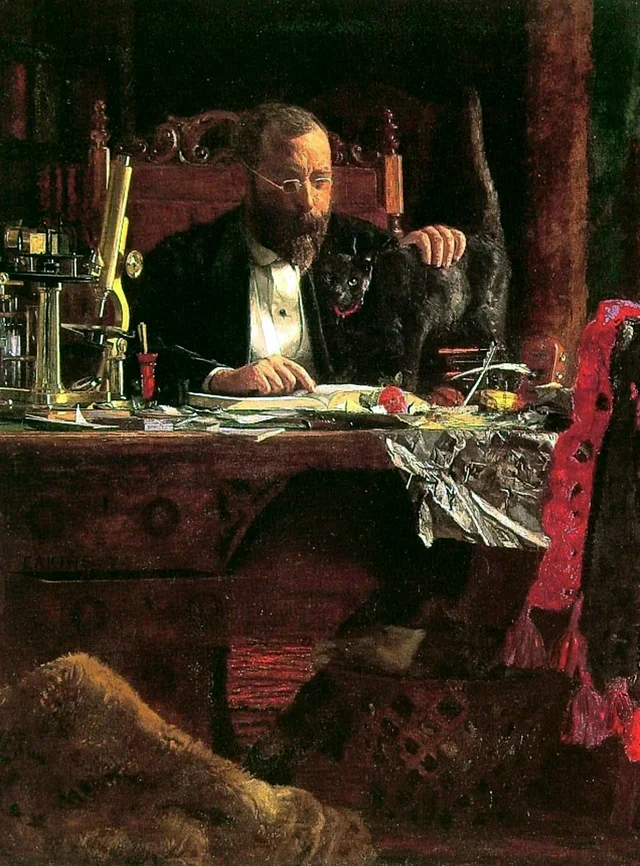 本杰明·H·兰德教授肖像托马斯·埃金斯, 1874
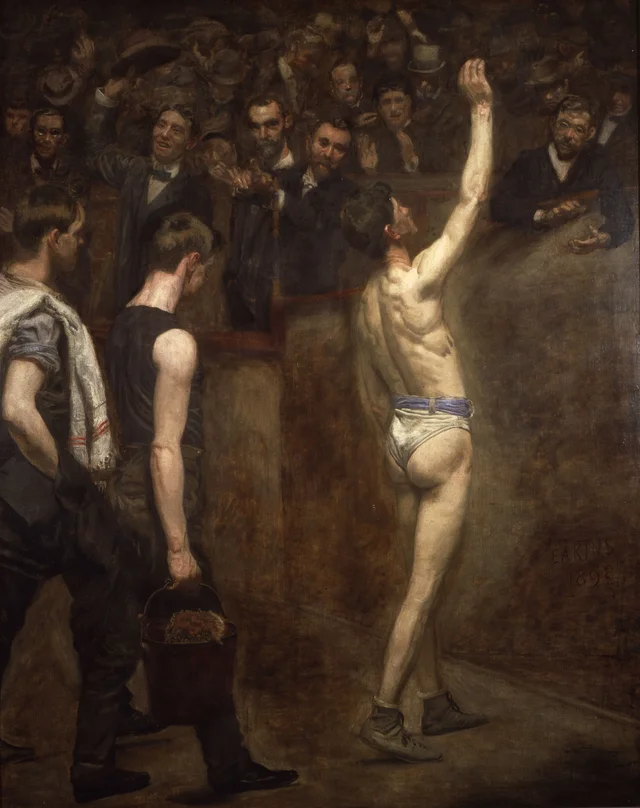 Salutat托马斯·埃金斯, 1898
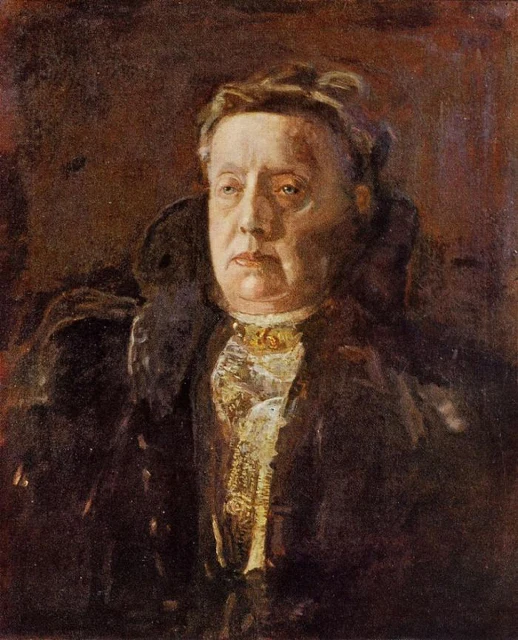 吉尔伯特·L.帕克夫人托马斯·埃金斯, 1910
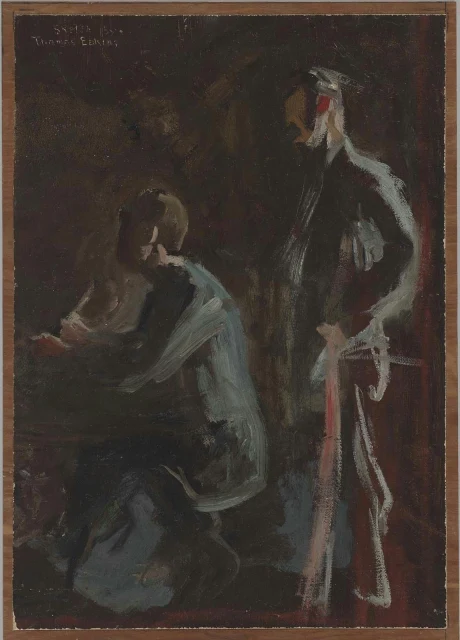 《李将军在阿波马托克斯向格兰特将军投降》草图托马斯·埃金斯, 1877
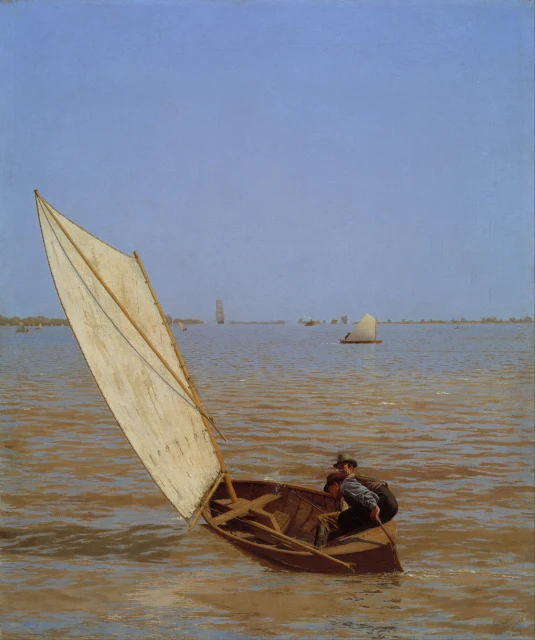 出发猎秧鸡托马斯·埃金斯, 1874
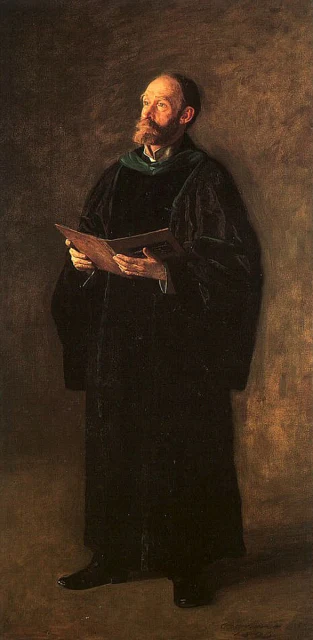 院长点名托马斯·埃金斯, 1899
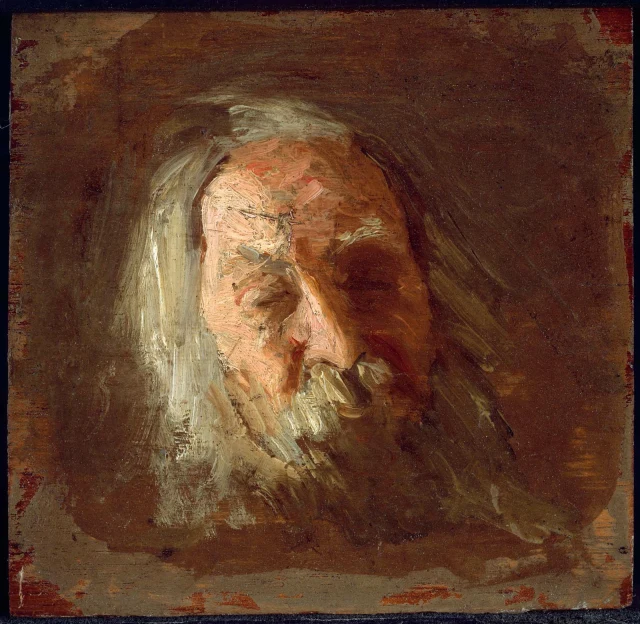 沃尔特·惠特曼托马斯·埃金斯, 1887