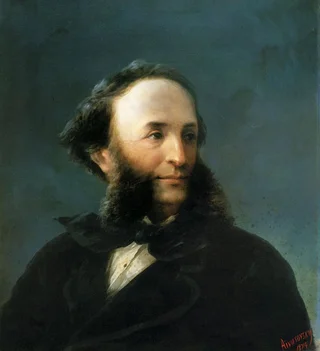
Iwan Aiwasowski
1817–1900 · Russisches Kaiserreich · Romantik
Die Geschichte
1842 hielt in Rom ein Bild der Bucht von Neapel im Mondlicht den englischen Maler J.M.W. Turner, damals den gefeiertsten Marinemaler Europas, davor an – gemalt vom 25-jährigen Iwan Aiwasowski. Turner schrieb ihm ein kurzes Gedicht auf Italienisch, in dem er das Licht des Bildes lobte. Im selben Jahr kaufte Papst Gregor XVI. eines von Aiwasowskis Seestücken, Chaos, für die vatikanische Galerie. Aiwasowski, geboren als Sohn armenischer Eltern im Krimhafen Feodossija, hatte zwei Jahre früher als üblich mit einer Goldmedaille die Kaiserliche Akademie der Künste in Sankt Petersburg abgeschlossen und war auf Kosten der Akademie zum Studium nach Italien geschickt worden.
Er arbeitete auf eine für einen Maler von Stürmen und Küsten ungewöhnliche Weise: fast ausschließlich aus dem Gedächtnis, kaum je vor Ort skizzierend, und schnell, manchmal ein großes Gemälde in einer einzigen Sitzung von wenigen Stunden vollendend. 1845 kehrte er endgültig nach Feodossija zurück, baute ein Haus und Atelier mit Blick auf das Meer, das er in seiner ganzen Jugend zum Studium verlassen hatte, und blieb dort für den Rest seiner Laufbahn, ernannt zum offiziellen Maler der russischen Marine, deren Schiffe und Schlachten er neben reinen Seestücken malte.
Über rund 60 Jahre hinweg schuf er etwa 6.000 Gemälde und setzte seinen Wohlstand für Feodossija selbst ein, finanzierte das erste öffentliche Museum der Stadt, eine Kunstschule und ein neues Aquädukt, das frisches Wasser in einen Ort brachte, der zuvor ohne ausgekommen war. Der Schriftsteller Anton Tschechow machte eine örtliche Redewendung populär, die für alles besonders Schöne galt: dass es "eines Pinsels von Aiwasowski würdig" sei.
Weitere Artikel
Werke
30 Werke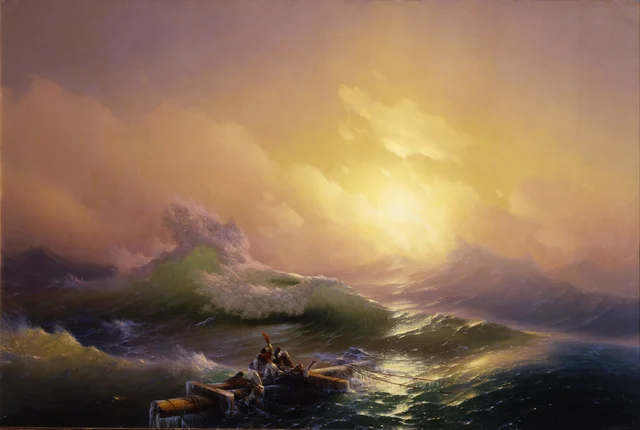 Die neunte WelleIwan Aiwasowski, 1850
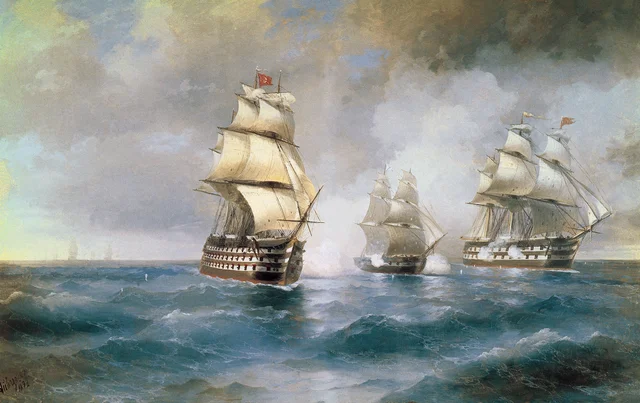 Die Brigg „Merkurij“ im Kampf mit zwei türkischen SchiffenIwan Aiwasowski, 1892
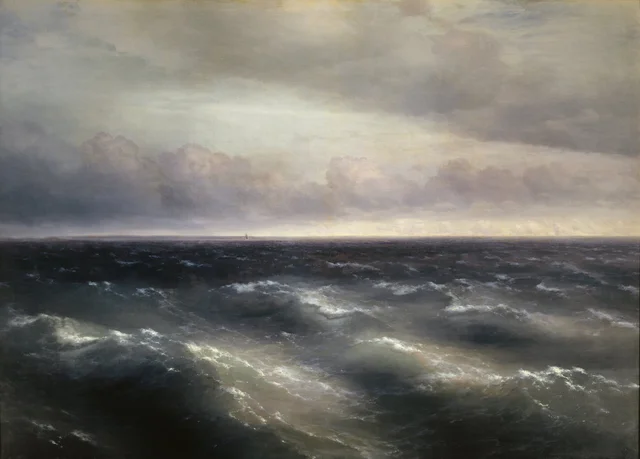 Das Schwarze MeerIwan Aiwasowski, 1881
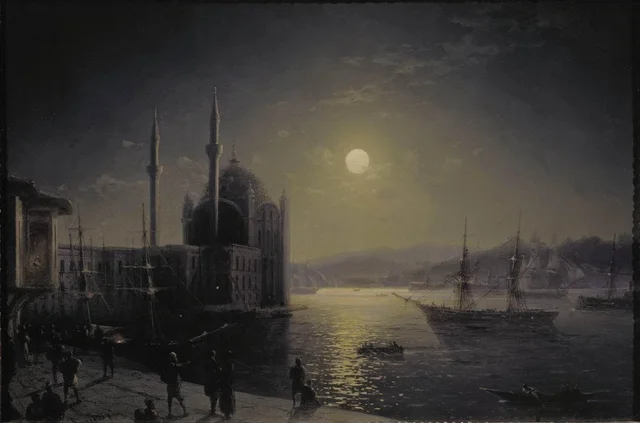 Mondnacht am BosporusIwan Aiwasowski, 1894
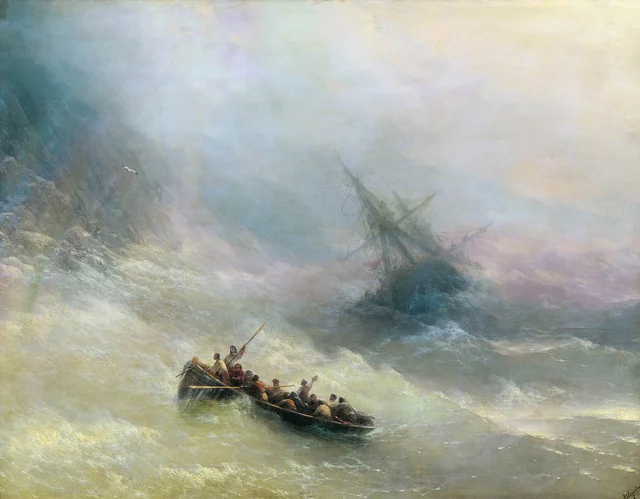 Der RegenbogenIwan Aiwasowski, 1873
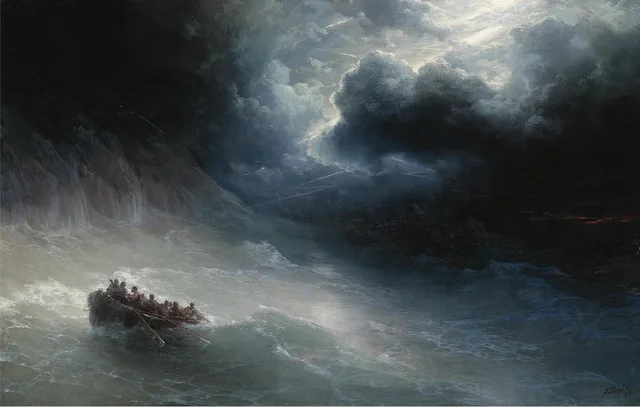 Der Zorn der MeereIwan Aiwasowski, 1886
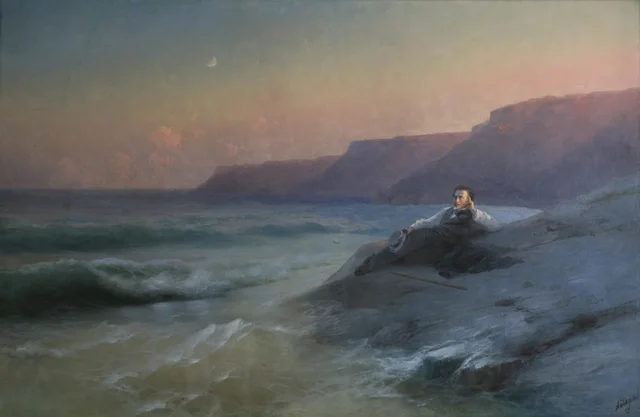 Puschkin an der Küste des Schwarzen MeeresIwan Aiwasowski, 1887
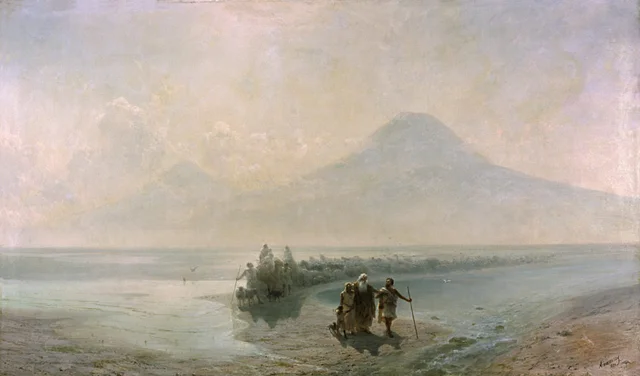 Noahs Abstieg vom AraratIwan Aiwasowski, 1887
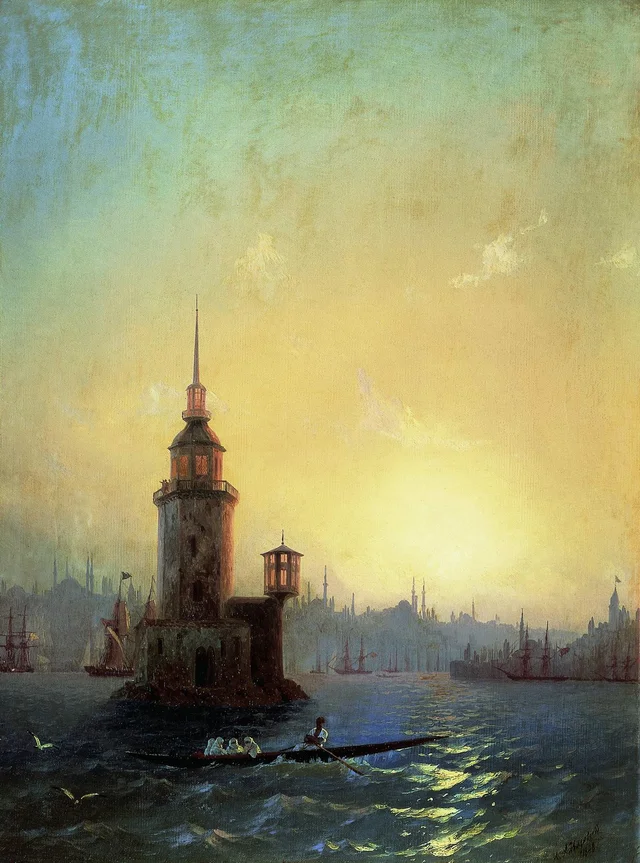 Der JungfrauenturmIwan Aiwasowski, 1848
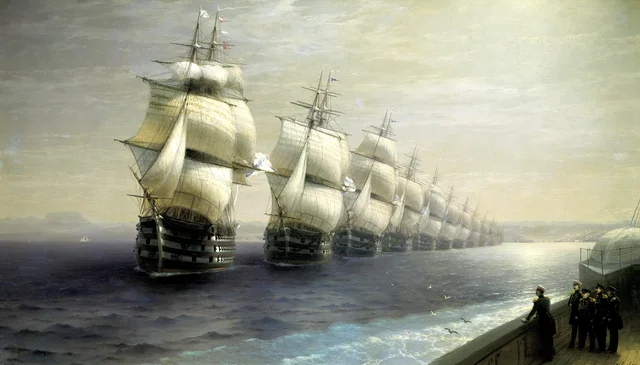 Parade der SchwarzmeerflotteIwan Aiwasowski, 1886
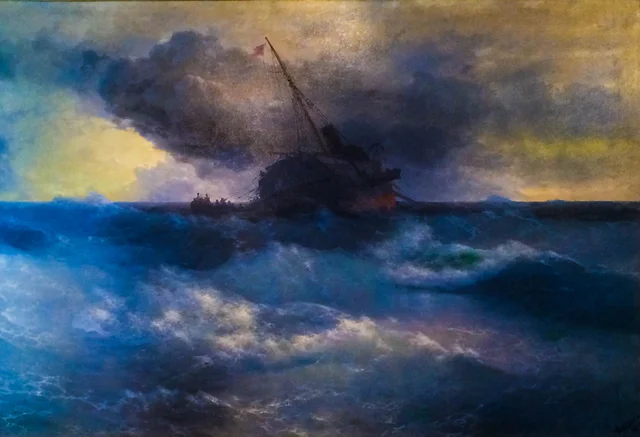 Schiff im SturmIwan Aiwasowski, 1899
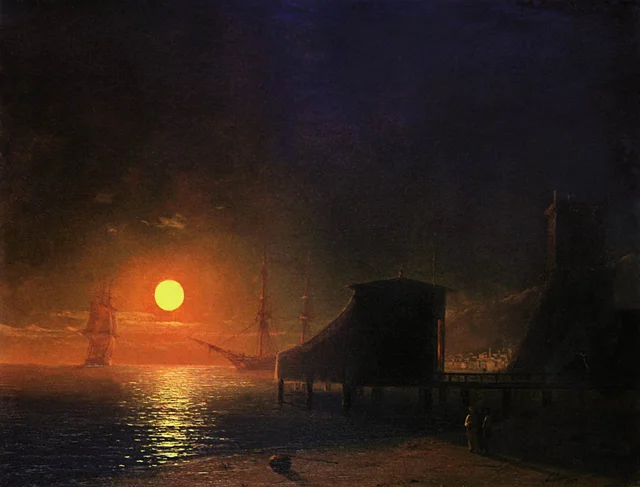 Feodossija. MondnachtIwan Aiwasowski, 1852
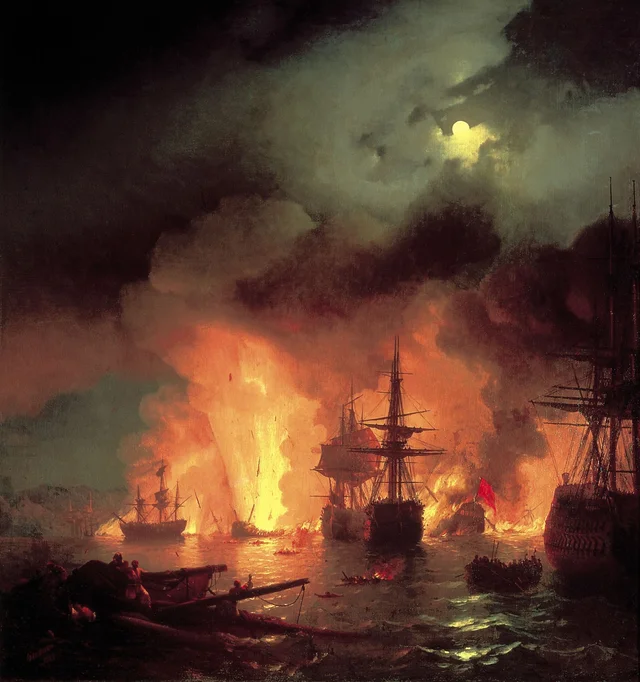 Schlacht von TschesmeIwan Aiwasowski, 1848
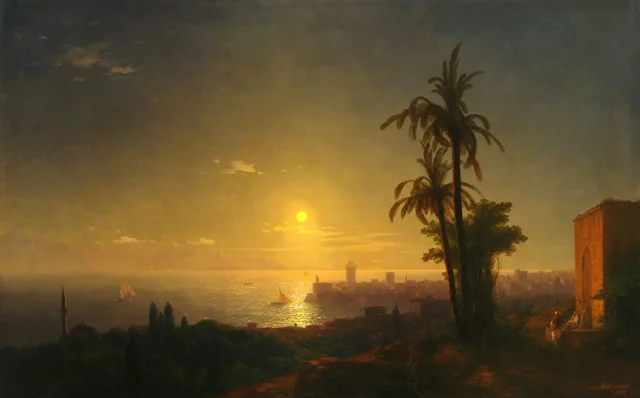 Nacht auf der Insel RhodosIwan Aiwasowski, 1850
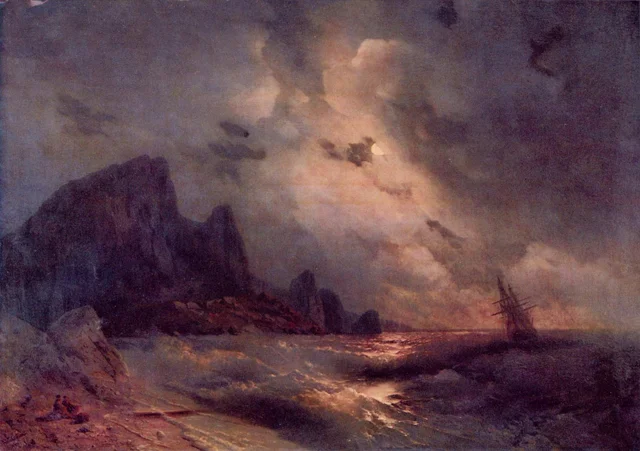 Das MeerIwan Aiwasowski, 1864
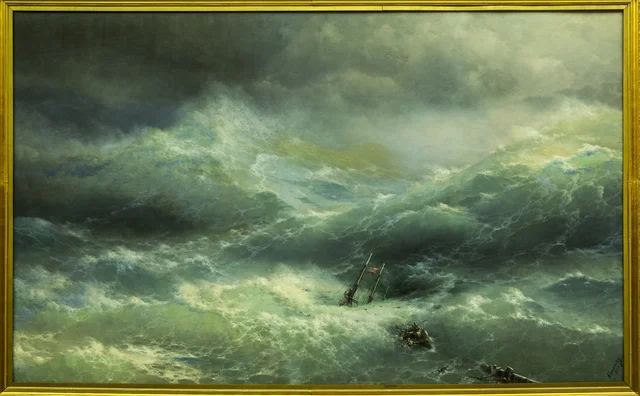 Die WelleIwan Aiwasowski, 1889
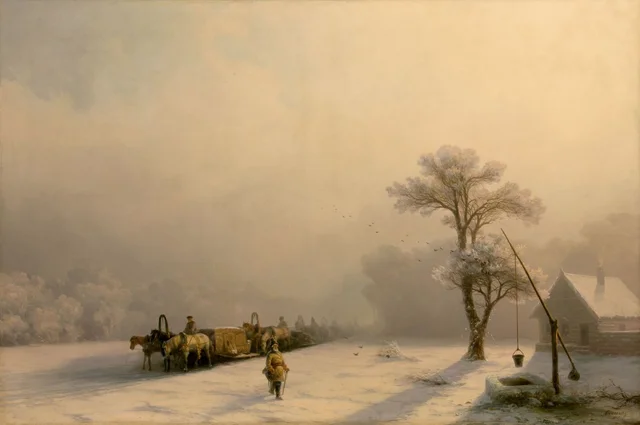 Winterkarawane auf der StraßeIwan Aiwasowski, 1857
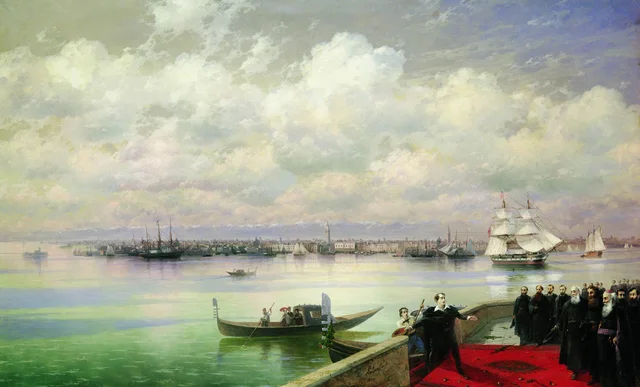 Byrons Besuch bei den Mechitaristen auf der Insel Surb GhazarIwan Aiwasowski, 1899
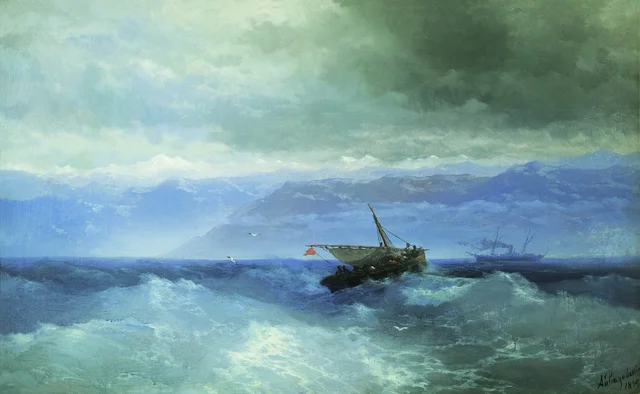 Der Kaukasus vom Meer aus gesehenIwan Aiwasowski, 1894
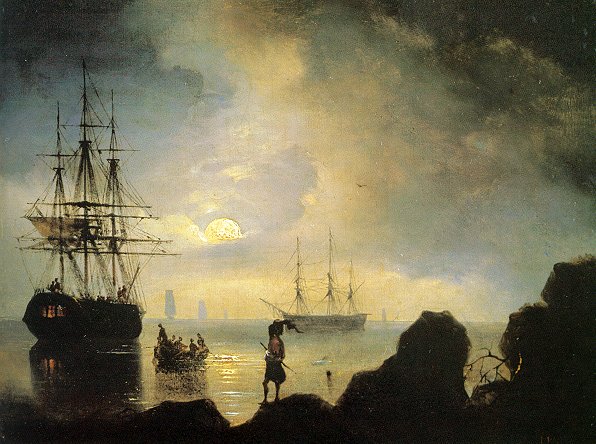 Fischer am UferIwan Aiwasowski
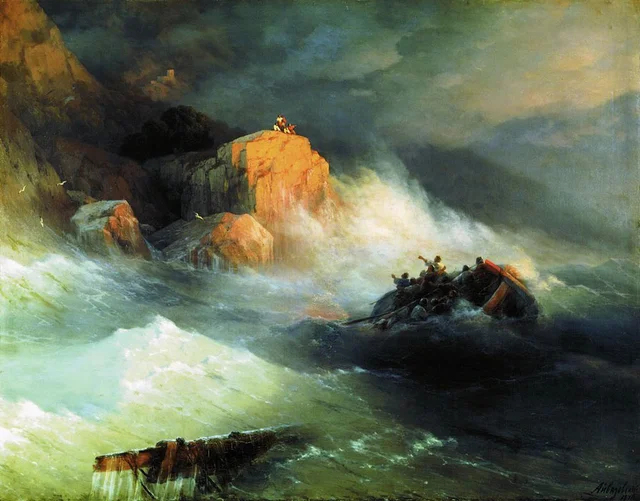 SchiffbruchIwan Aiwasowski, 1876
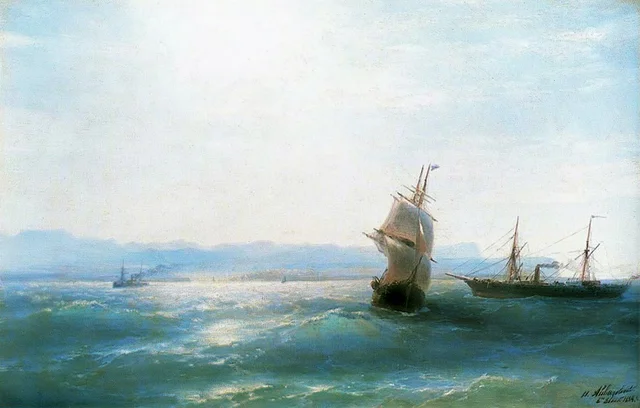 Sonniger TagIwan Aiwasowski, 1884
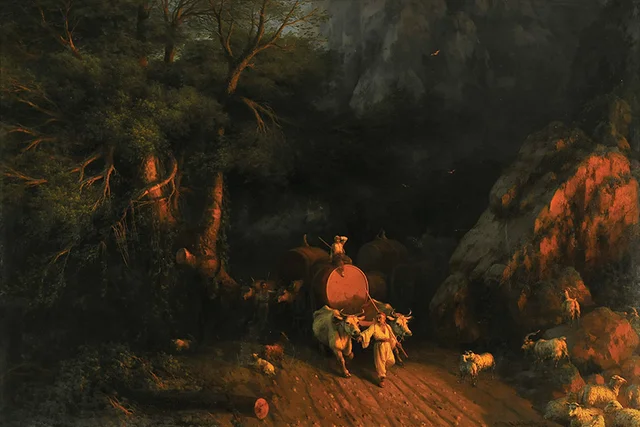 Der Weg im WaldIwan Aiwasowski, 1857
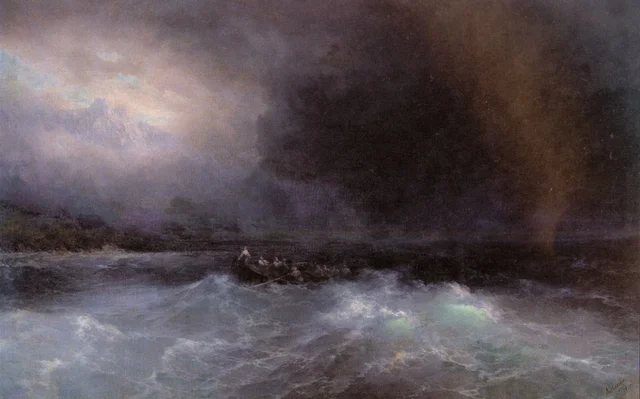 Die ÜberlebendenIwan Aiwasowski, 1895
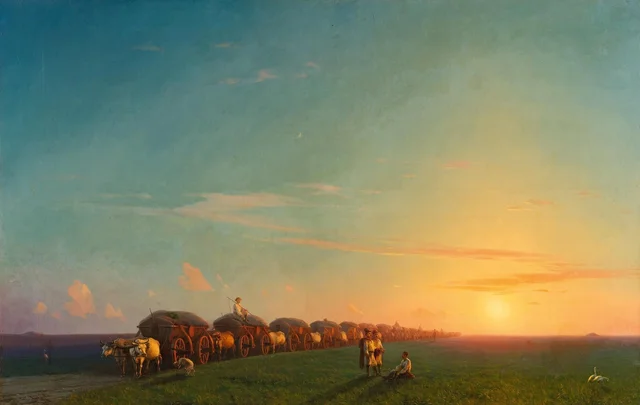 Weite Landschaft mit SiedlernIwan Aiwasowski, 1856