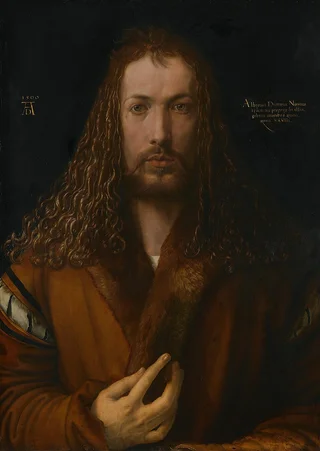
Albrecht Dürer
1471–1528 · Holy Roman Empire · German Renaissance
The story
In 1515 a live rhinoceros arrived in Lisbon, a gift travelling from a sultan in India to the King of Portugal, the first such animal anyone in Europe had seen in over 1,000 years, since the Roman arenas. Albrecht Dürer, up in Nuremberg in Germany, never went near it. What reached him was a letter and a rough sketch passed along the merchant networks. From that secondhand description he cut a woodcut of the beast, and it is magnificently, confidently wrong. The skin is rendered as bolted plates of armour, a little extra horn twists up from the shoulders, the legs are scaled like a lizard's. He even printed a line of text across the top vouching for its accuracy. The real rhinoceros drowned soon after in a shipwreck off Italy, so almost nobody could correct him.
Dürer's armoured version became the rhinoceros in the European imagination, copied into schoolbooks and encyclopaedias for the next 250 years. And that is the point about Dürer: he understood the printed image as a new kind of power. A painting hangs in one room, but a woodcut or an engraving could be pulled in hundreds and sold across the continent, and he pushed that medium further than anyone alive, signing every sheet with a monogram, an A cradling a D, that worked like a modern trademark.
He was a Nuremberg goldsmith's son who taught himself to think like a mathematician about proportion and perspective, and he lived at the exact moment the Reformation broke over Germany. He admired Martin Luther and grieved in his diary over a false rumour that Luther had been seized. The engraving many take for his summit, Melencolia I from 1514, is a puzzle still argued over, a brooding winged figure surrounded by the tools of geometry, sitting idle among them.
More articles
 Article · 41 min readThe Thyssen-Bornemisza Museum: 20 pictures bought by a father and his son
 Article · 44 min readThe Gemäldegalerie in Berlin: 20 paintings that Berlin bought, lost and divided
 Article · 37 min readThe Old Masters Picture Gallery in Dresden: how 15 paintings were bought, renamed and brought back
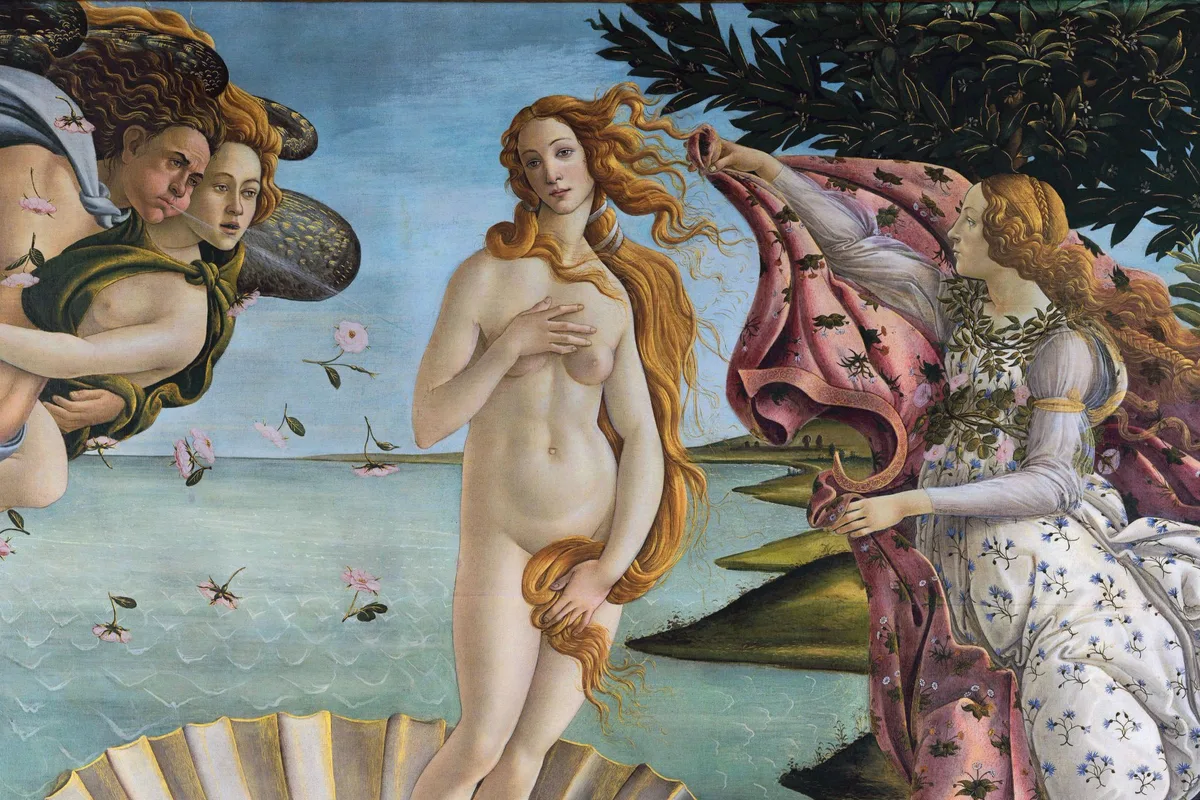 Article · 41 min readThe Uffizi: The Museum That Outlived the Medici
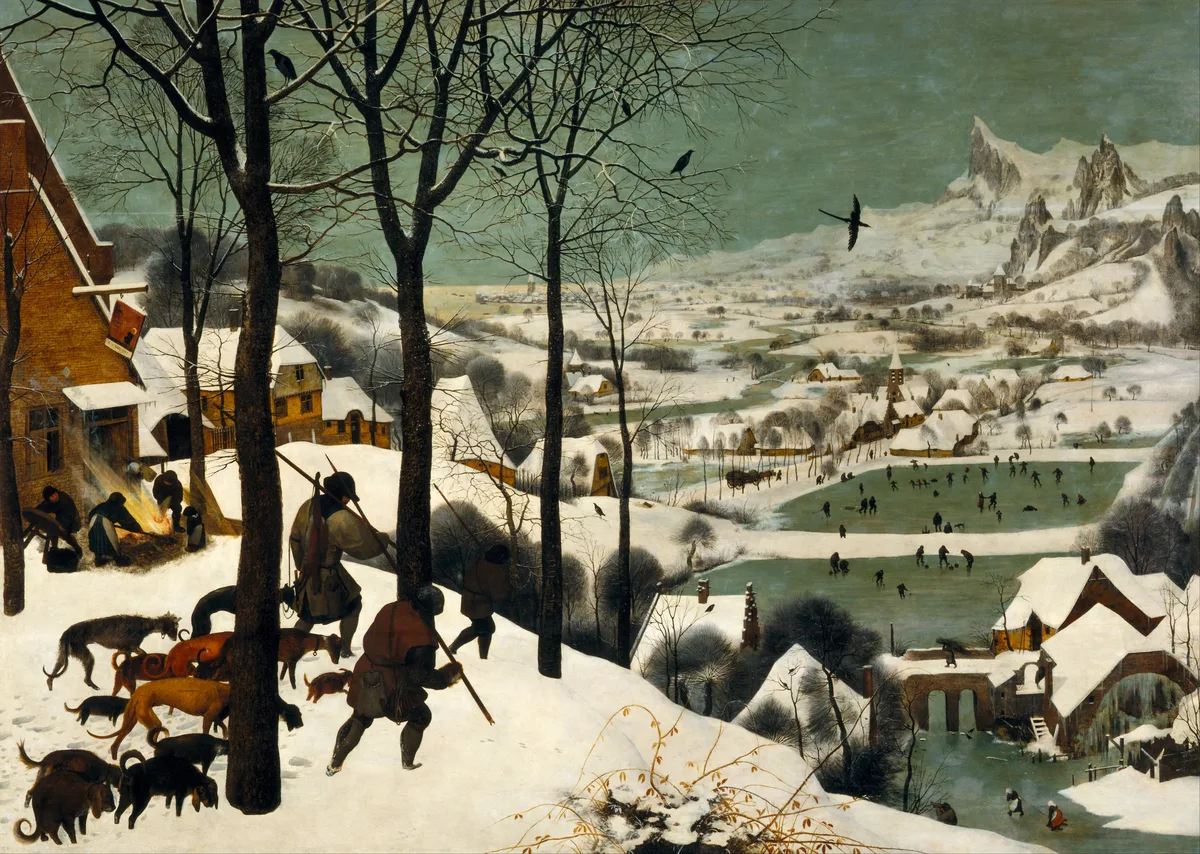 Article · 48 min readThe Kunsthistorisches Museum in Vienna: 25 works and how they reached the Habsburgs
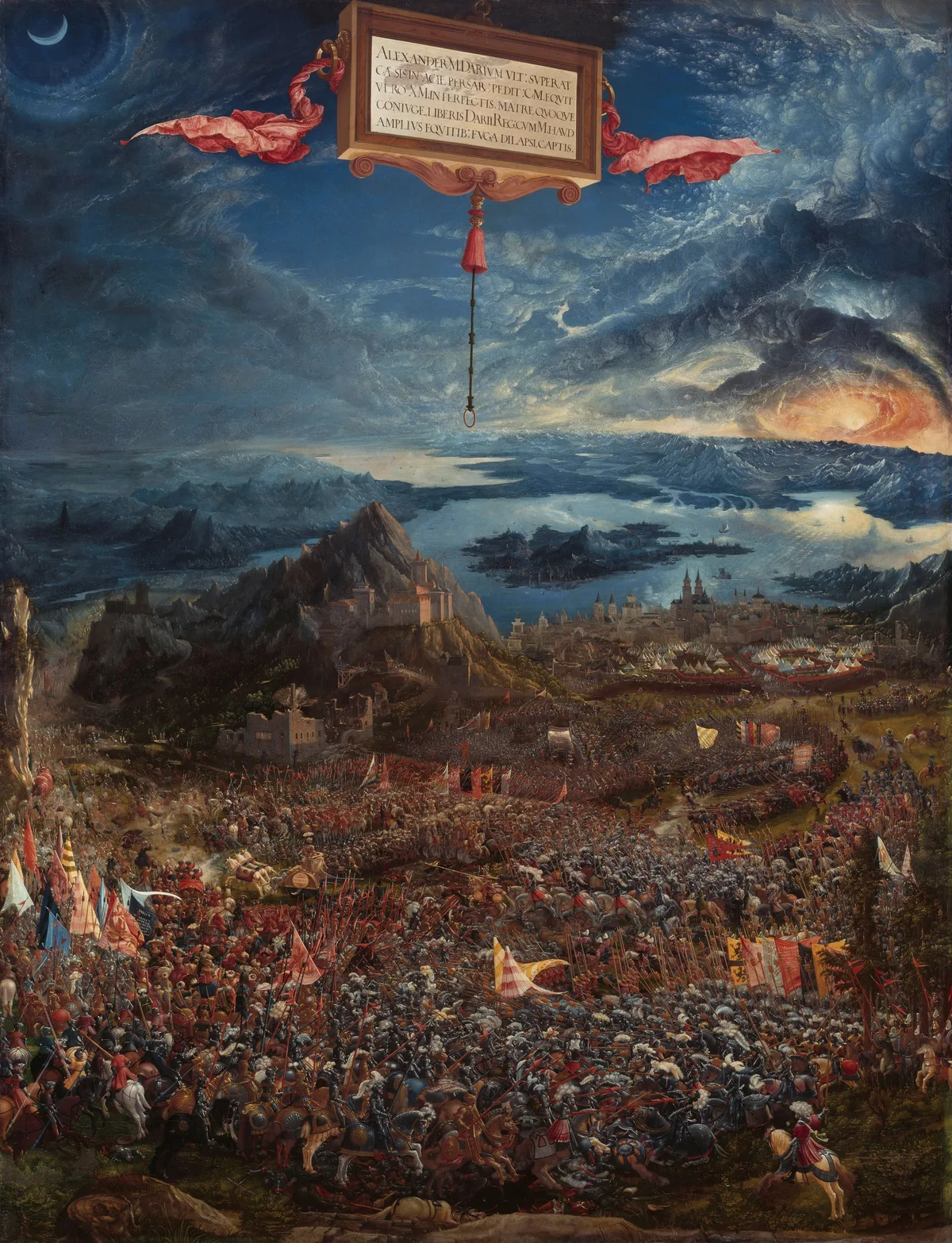 Article · 42 min readThe Alte Pinakothek: 20 paintings and how they came to Munich
Works
92 works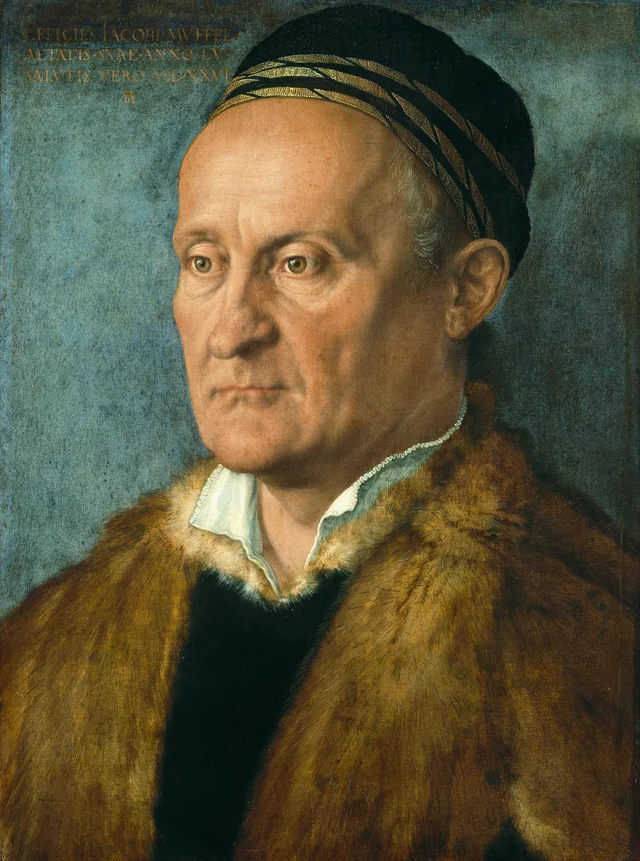 Portrait of Jakob MuffelAlbrecht Dürer, 1526
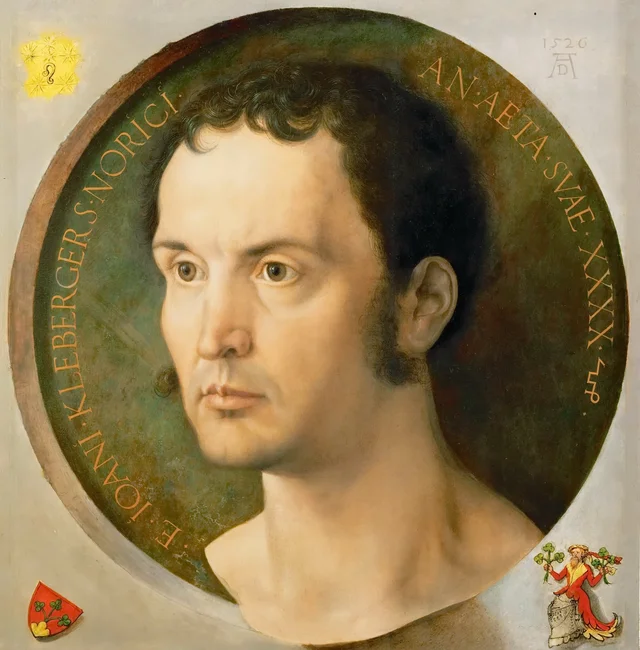 portrait of Johann KleebergerAlbrecht Dürer, 1526
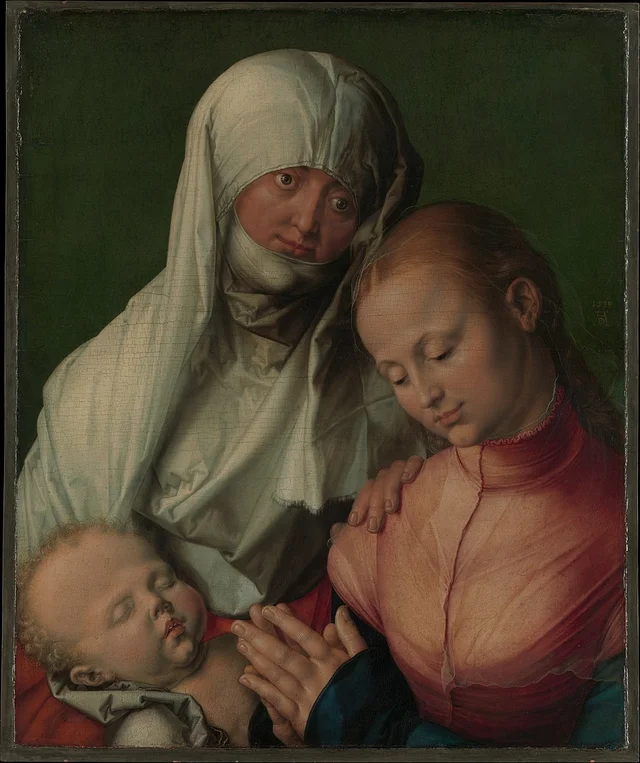 Virgin and Child with Saint AnneAlbrecht Dürer, 1519
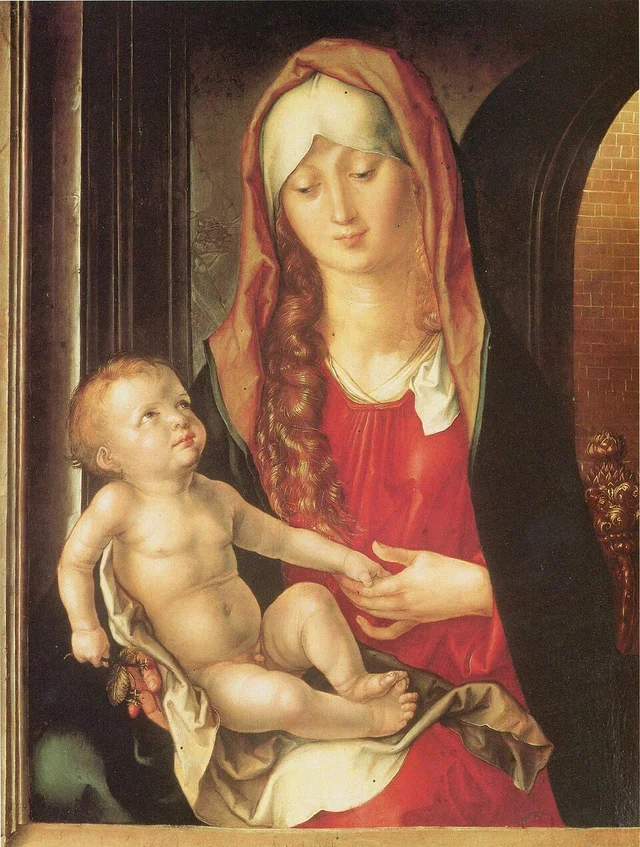 Bagnacavallo MadonnaAlbrecht Dürer, 1495
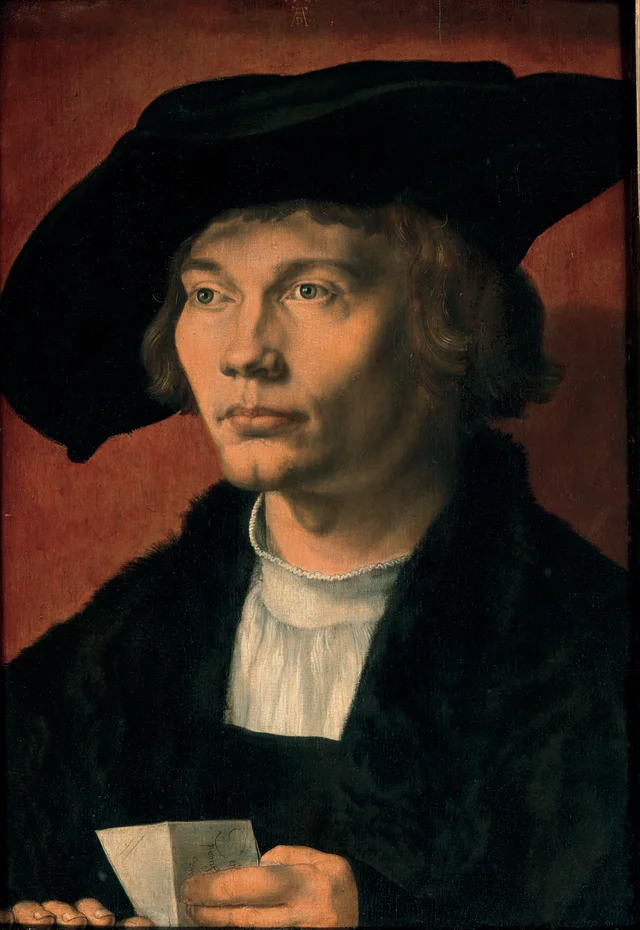 Portrait of Bernhart von ReesenAlbrecht Dürer, 1521
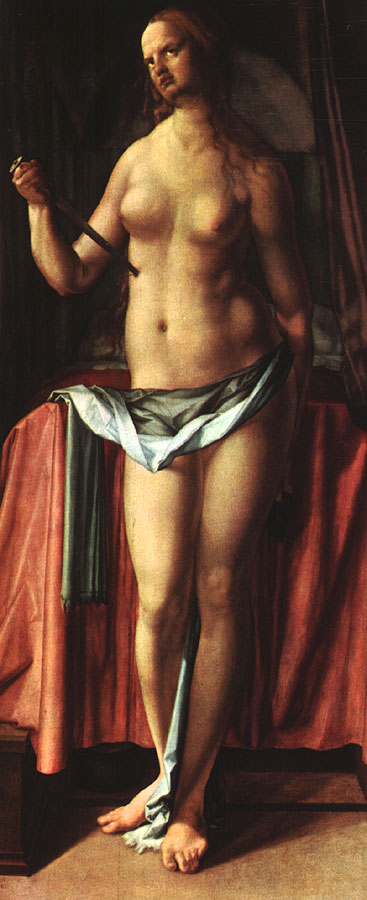 The Suicide of LucretiaAlbrecht Dürer, 1518
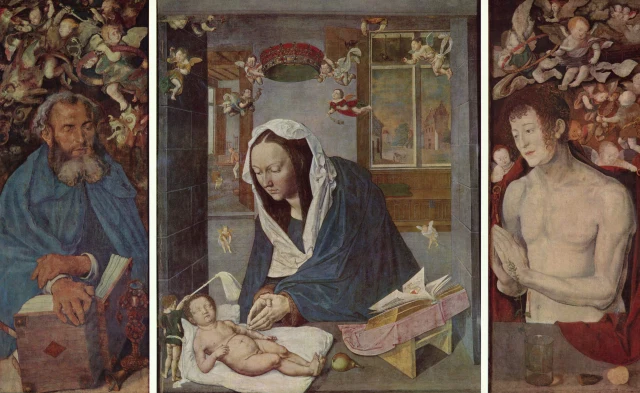 Dresden AltarpieceAlbrecht Dürer, 1496
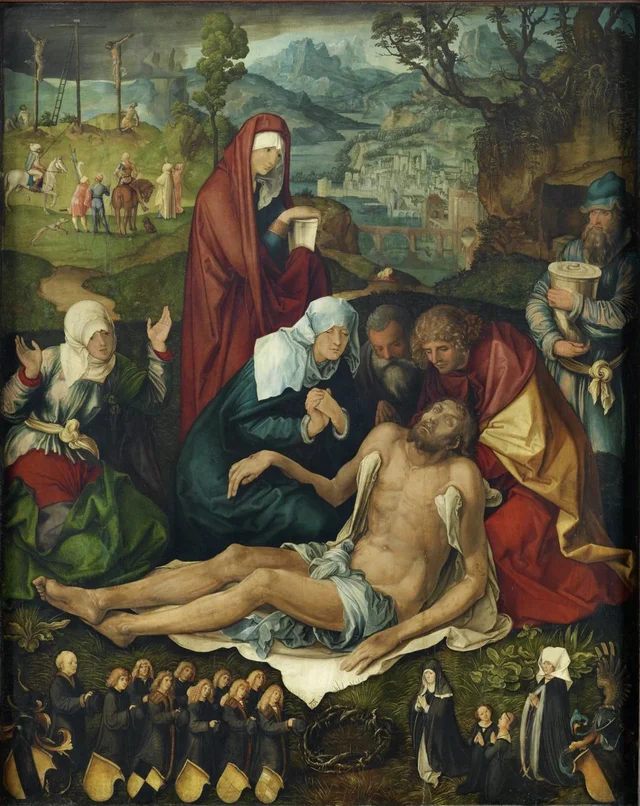 Lamentation of ChristAlbrecht Dürer, 1498
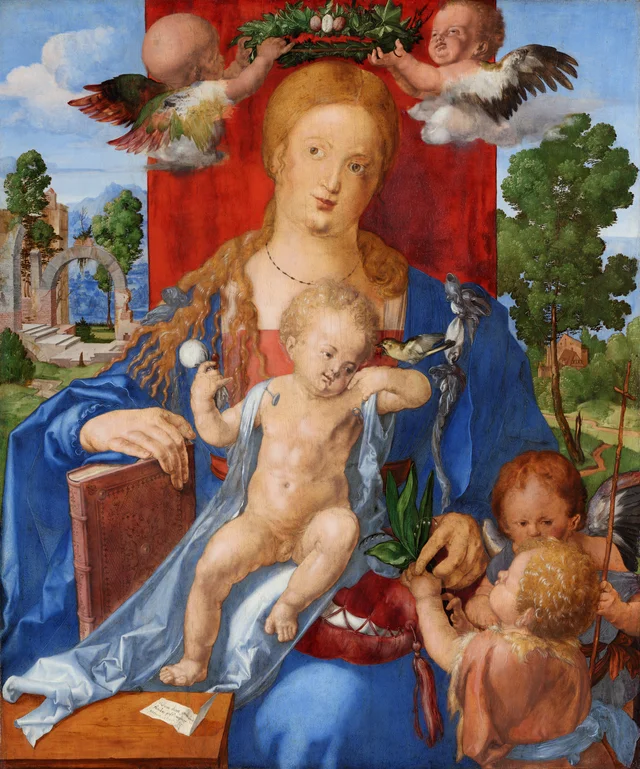 Madonna with the SiskinAlbrecht Dürer, 1506
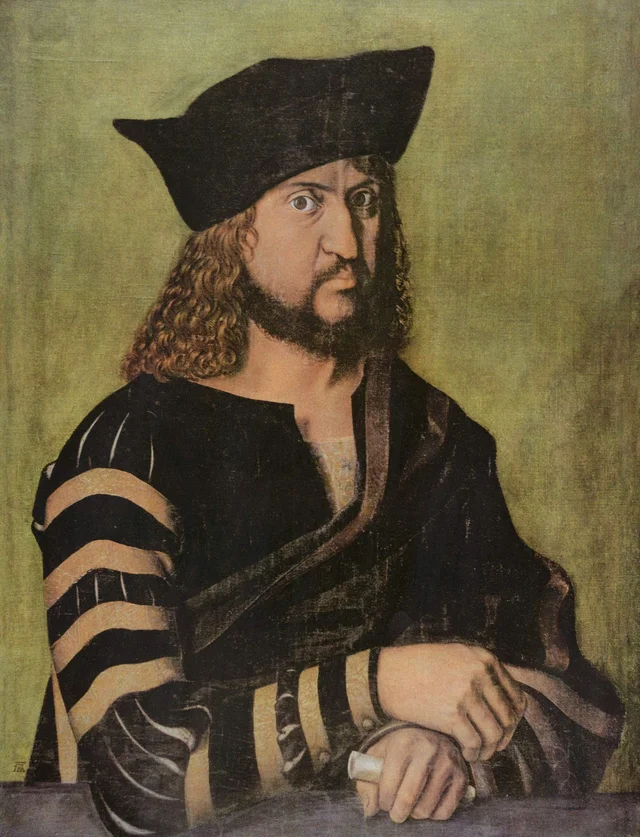 Portrait of Frederick III of SaxonyAlbrecht Dürer, 1496
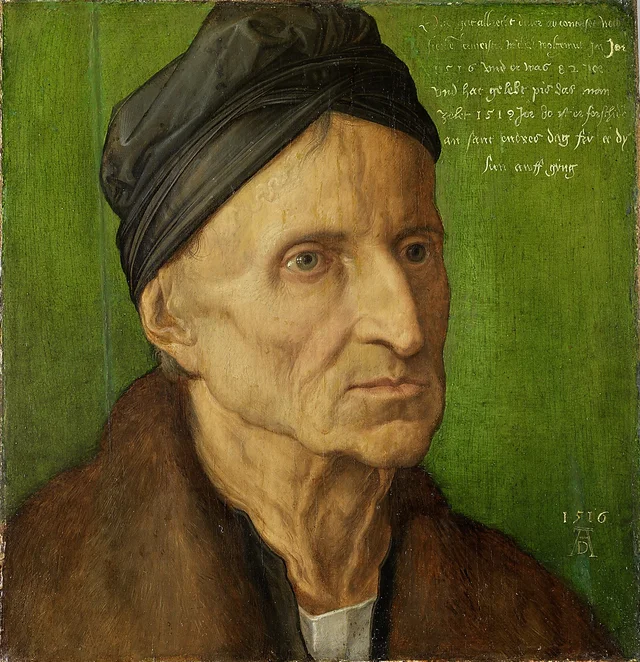 Portrait of the Nuremberg Painter Michael WolgemutAlbrecht Dürer, 1516
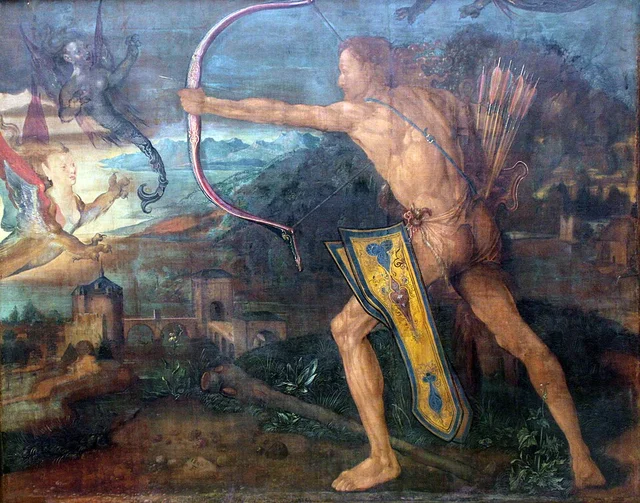 Hercules Killing the Stymphalian BirdsAlbrecht Dürer, 1500
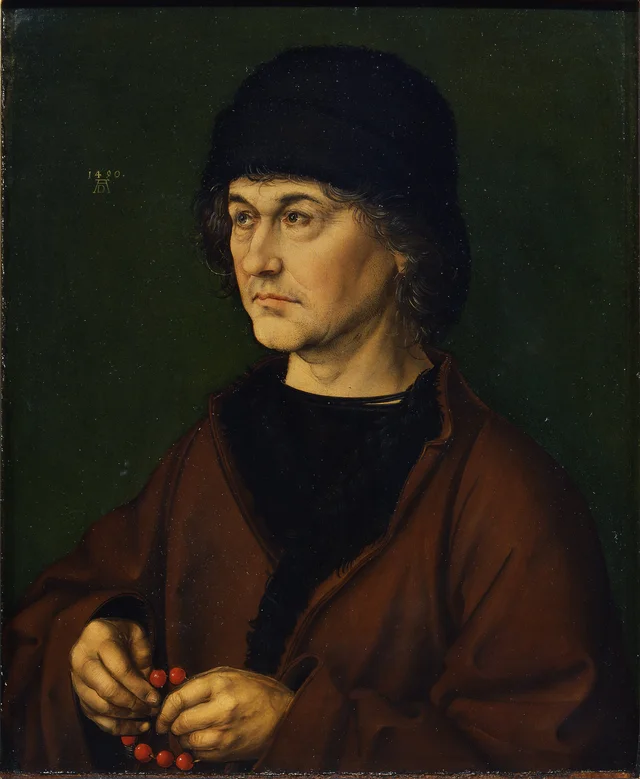 Portrait of the artist's fatherAlbrecht Dürer, 1490
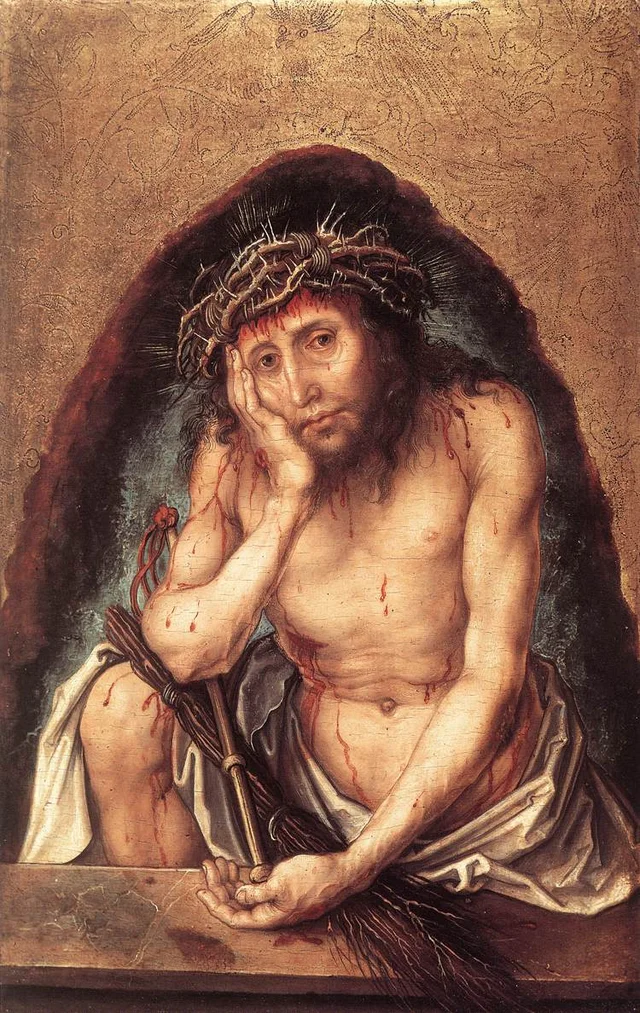 Christ as the Man of SorrowsAlbrecht Dürer, 1493
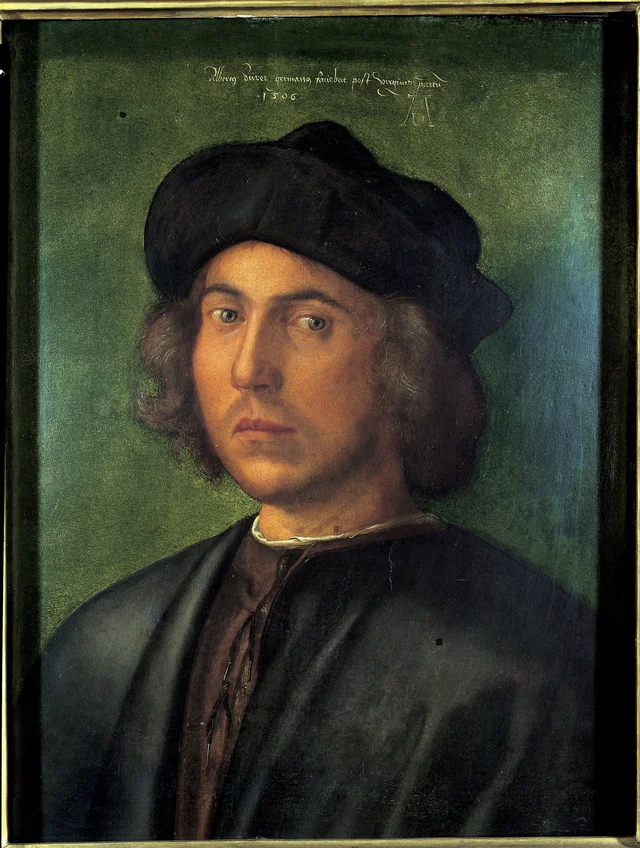 Portrait of a Young ManAlbrecht Dürer, 1506
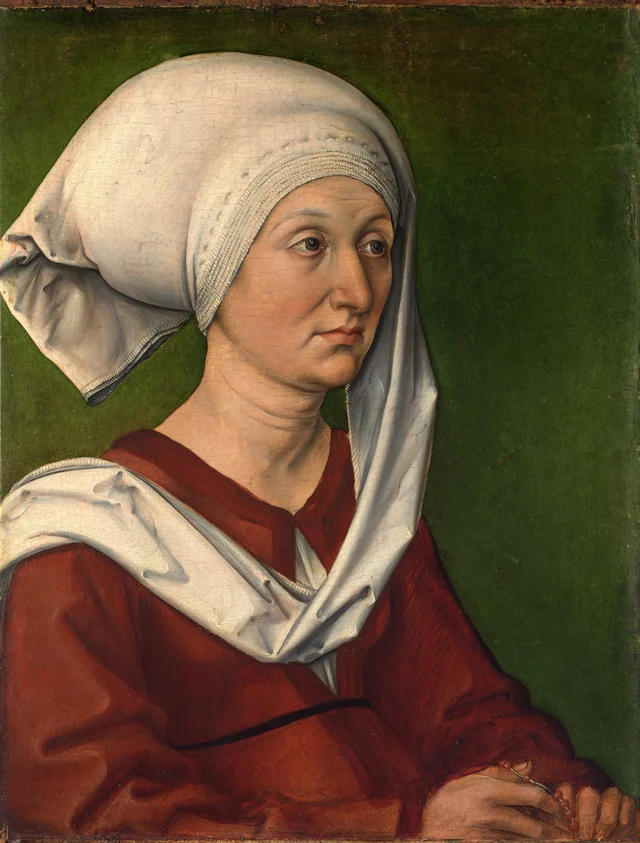 Portrait of Barbara HolperAlbrecht Dürer, 1490
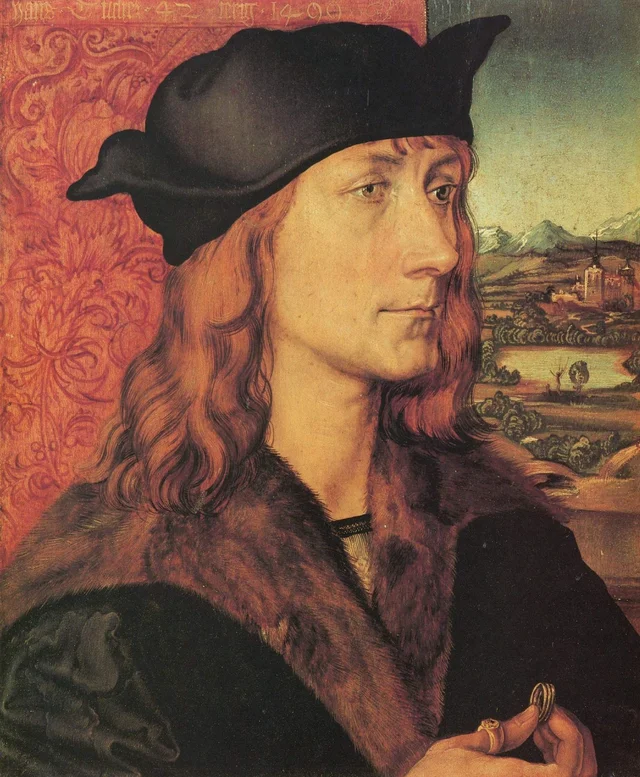 Portrait of Hans TucherAlbrecht Dürer, 1499
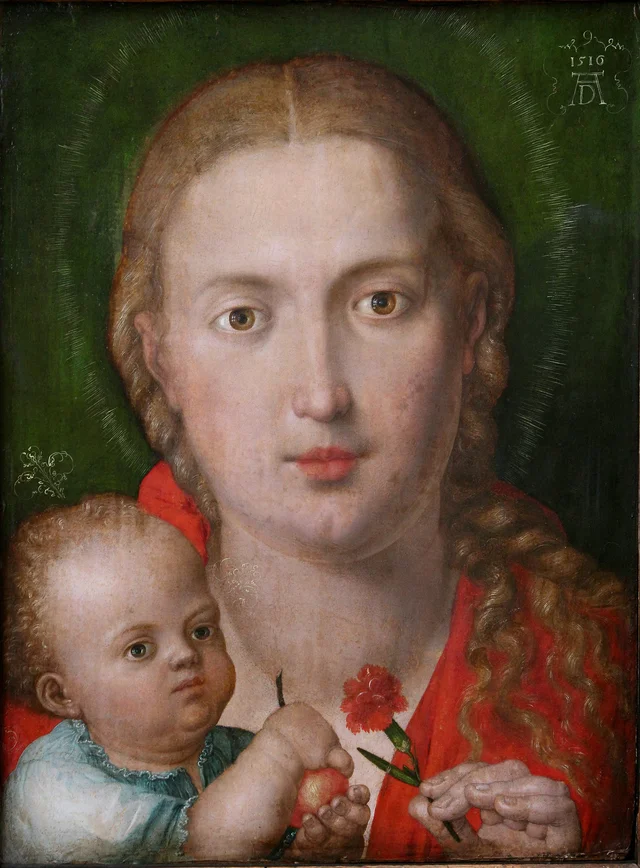 The Madonna of the CarnationAlbrecht Dürer, 1516
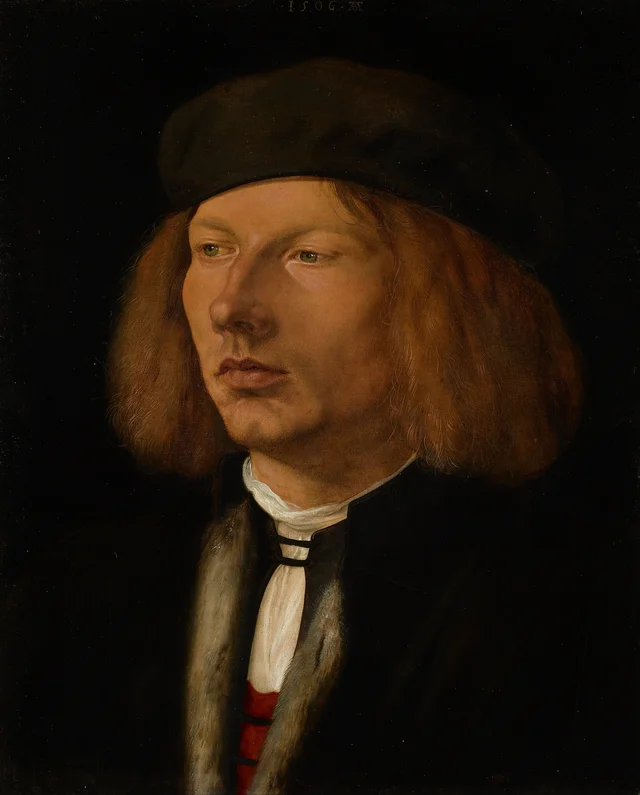 Burkard von SpeyerAlbrecht Dürer, 1506
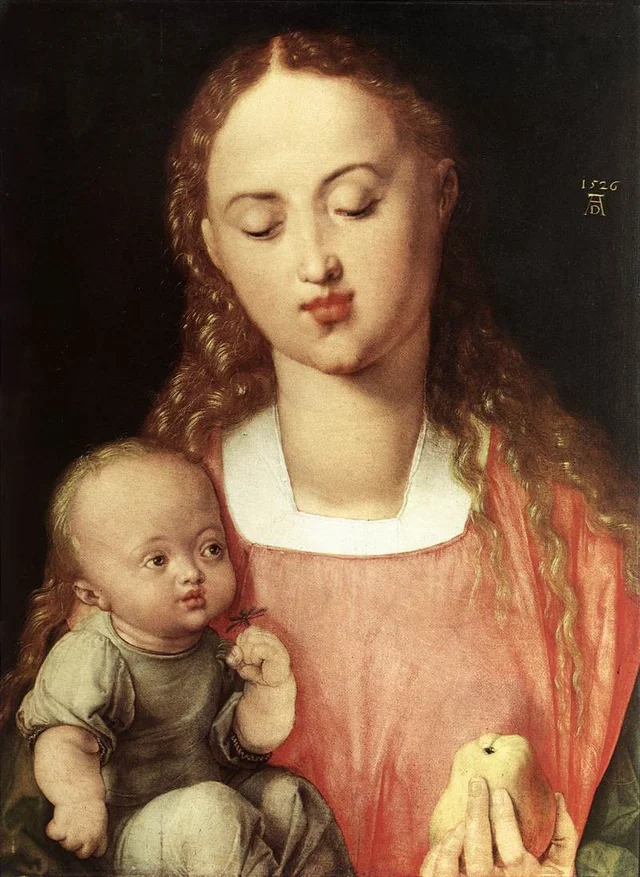 Madonna and ChildAlbrecht Dürer, 1526
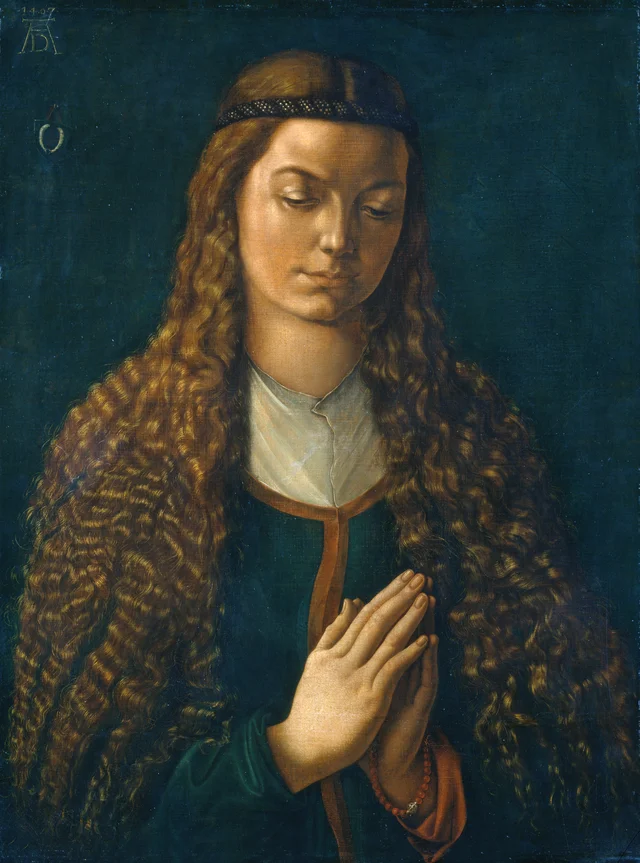 Portrait of a Young Fürleger with Loose HairAlbrecht Dürer, 1497
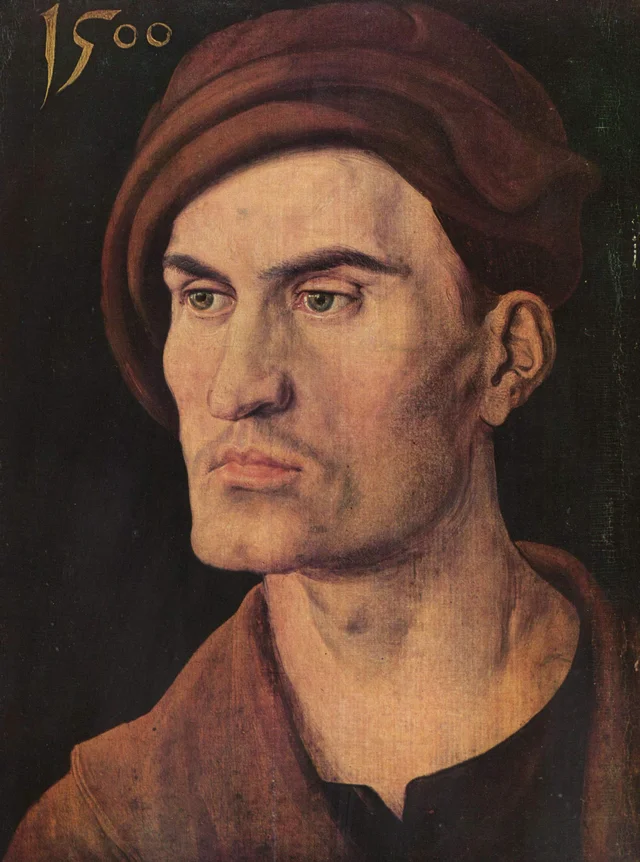 Portrait of a Young ManAlbrecht Dürer, 1500
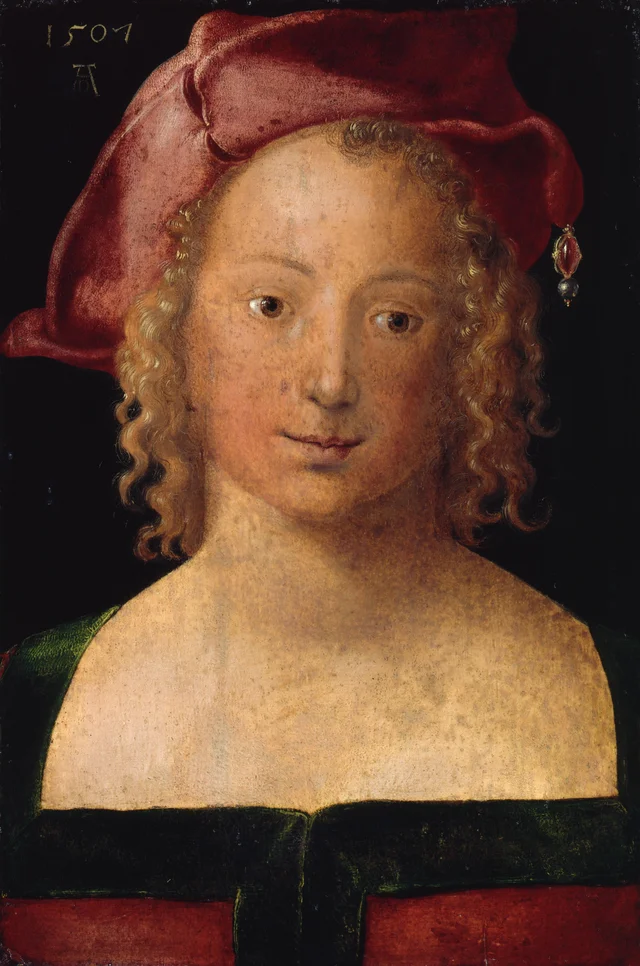 Portrait of a Young Woman with a (Red) BeretAlbrecht Dürer, 1507
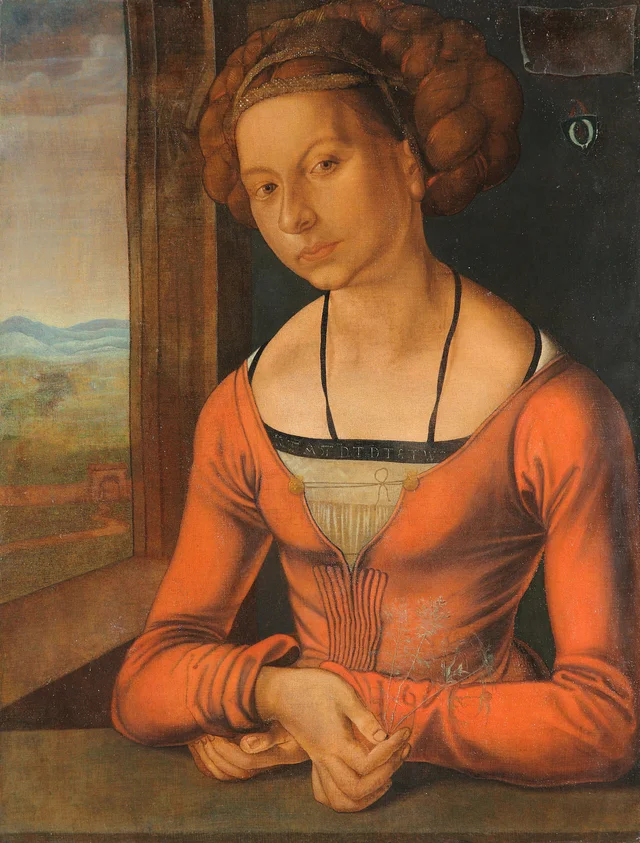 Portrait of a Young Woman with braided hairAlbrecht Dürer, 1497
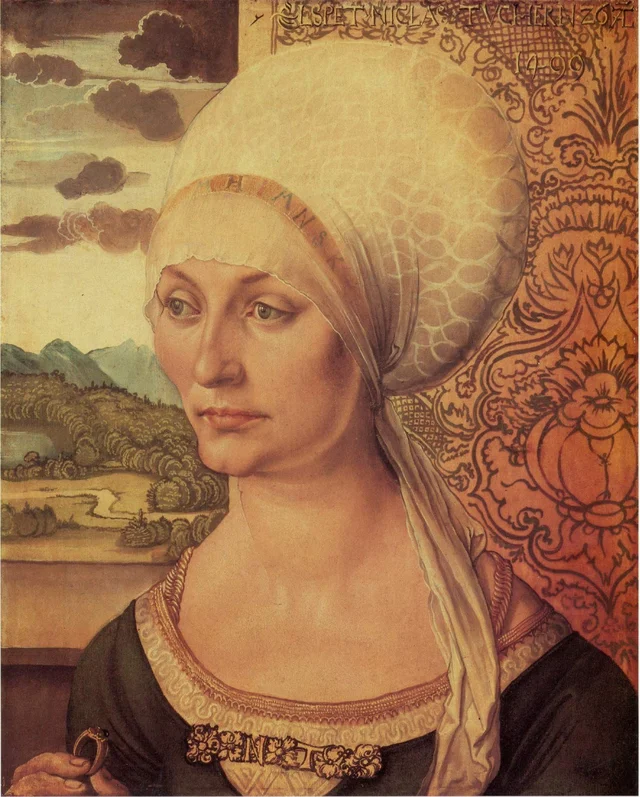 Portrait of Elspeth TucherAlbrecht Dürer, 1499