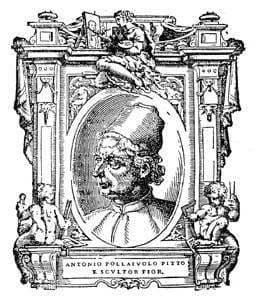
Antonio del Pollaiuolo
1429–1498 · Republic of Florence · Renaissance
The story
Antonio del Pollaiuolo was fascinated by the body in violent motion at a moment when hardly any artist could draw it convincingly. His engraving the Battle of the Nudes, from around 1470, shows ten muscular men hacking at each other, and it was really a demonstration piece, one artist showing his peers how the human figure looked from every angle under strain.
He was that Florentine type, the all-round craftsman, trained as a goldsmith and working as sculptor, painter, and engraver, often together with his brother Piero. People said he had dissected corpses to understand how muscles pull on the skeleton, which was still rare and half-forbidden.
His largest works are in bronze in Rome, above all the great tomb of Pope Sixtus IV in the Vatican, with the dead pope stretched on top and the liberal arts personified around the sides. His small painted panels of Hercules and his taut, straining anatomy fed straight into the next generation, including the young Michelangelo.
Works
7 works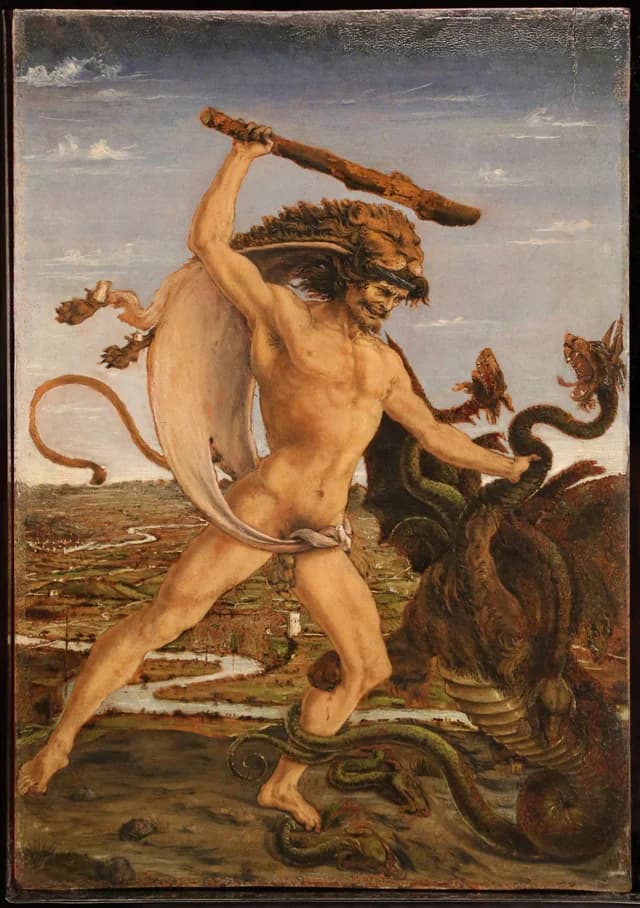 Hercules and the HydraAntonio del Pollaiuolo, 1475
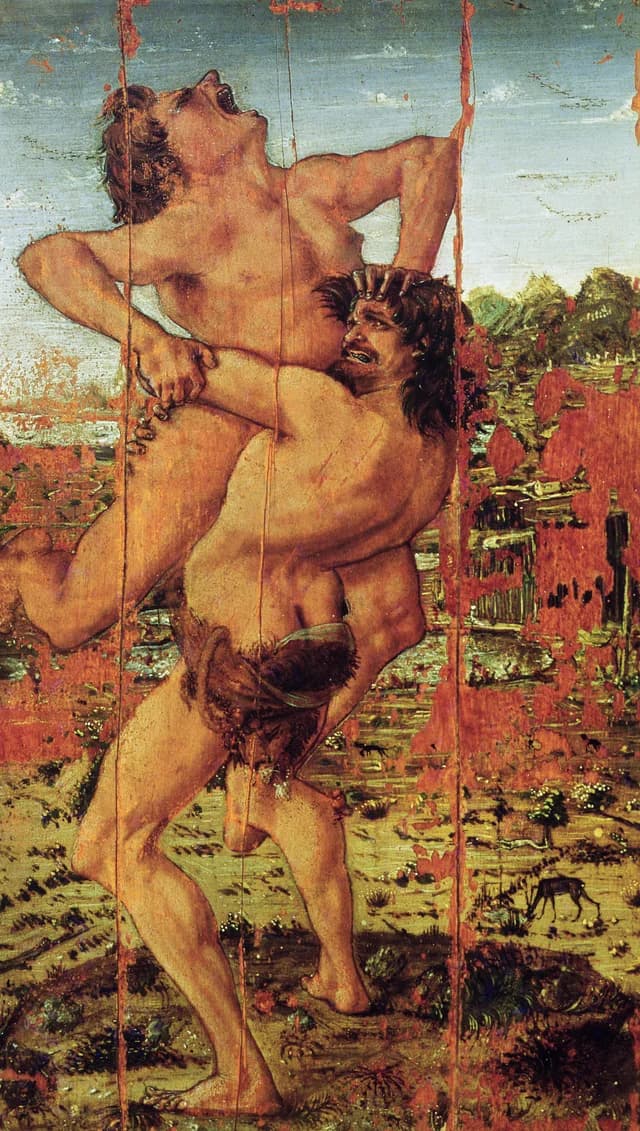 Heracles and AntaeusAntonio del Pollaiuolo, 1475
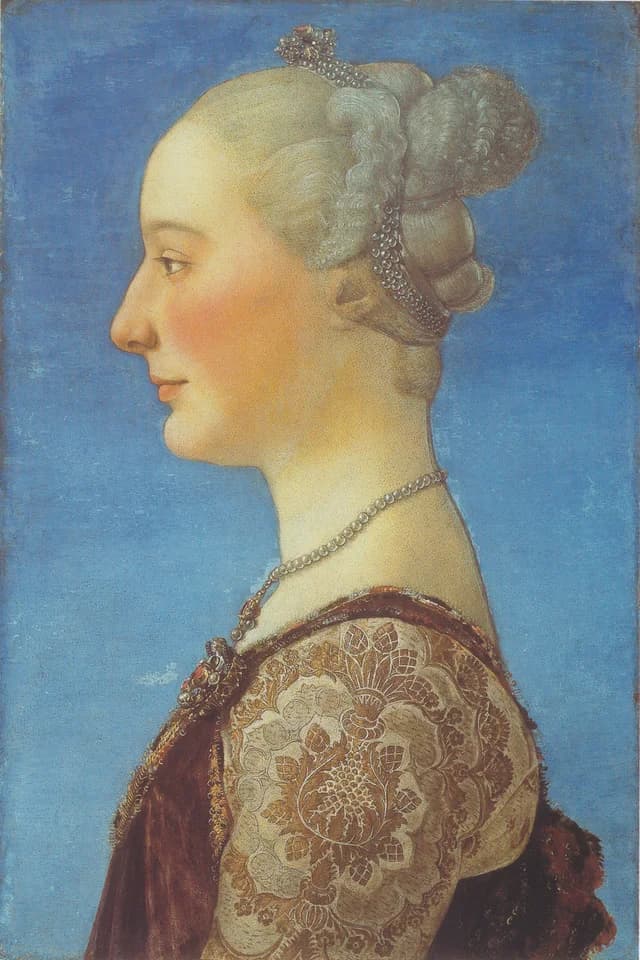 Portrait of a LadyAntonio del Pollaiuolo, 1475
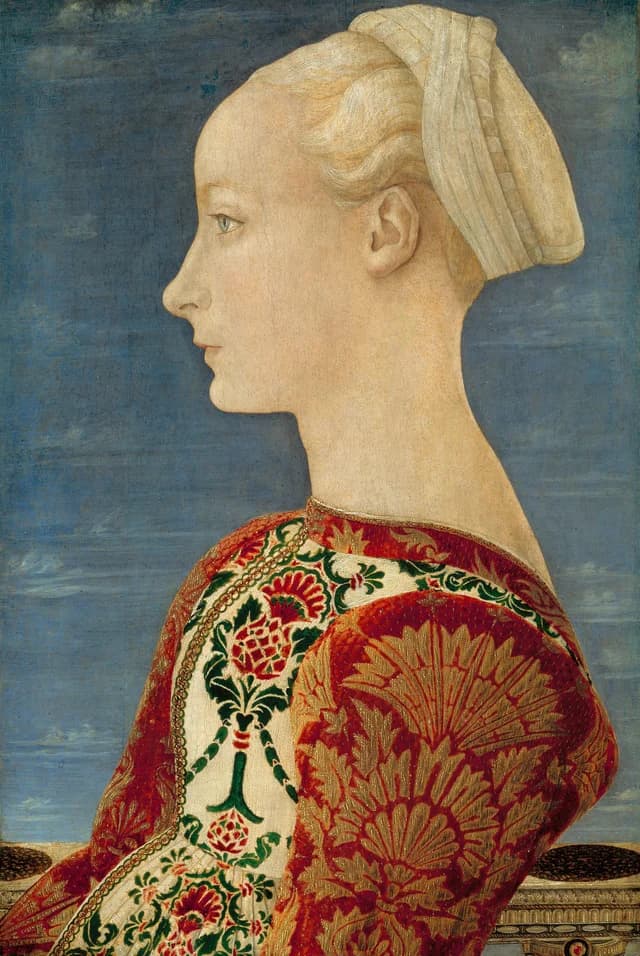 Profile Portrait of a Young LadyAntonio del Pollaiuolo, 1465
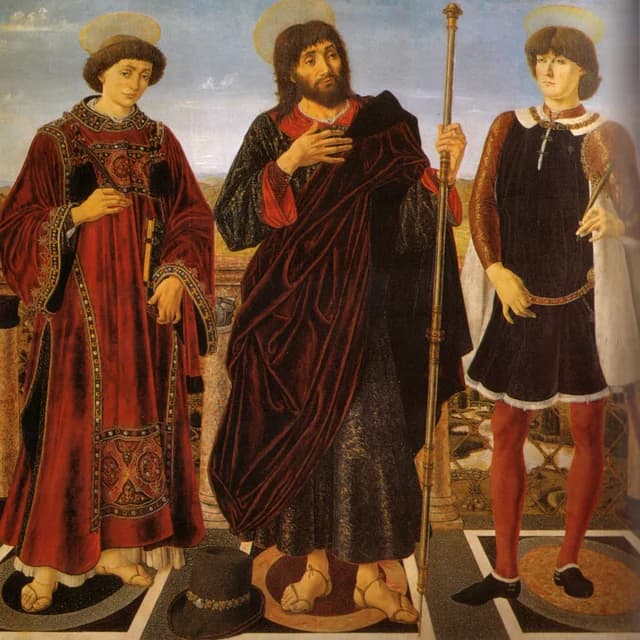 Cardinal of Portugal's AltarpieceAntonio del Pollaiuolo, 1466
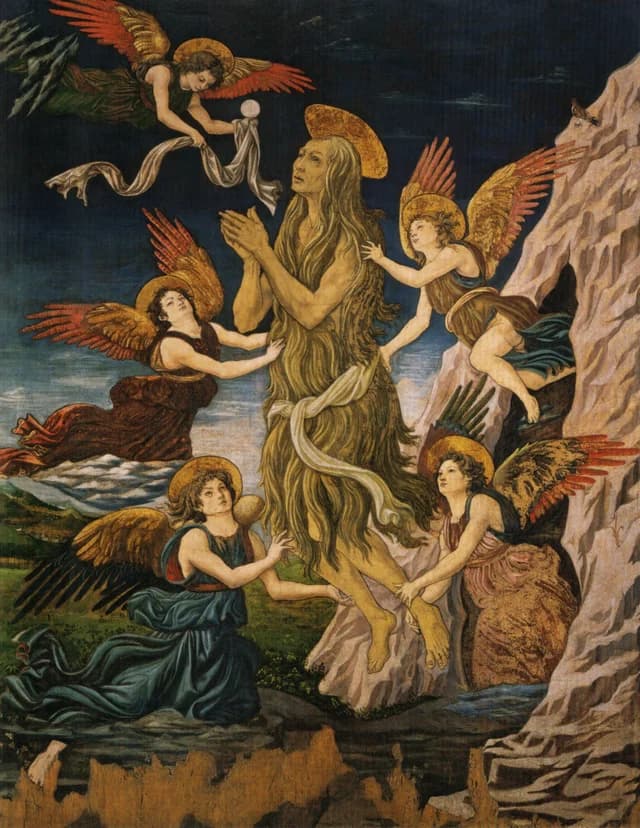 Elevation of the MagdalenAntonio del Pollaiuolo, 1460
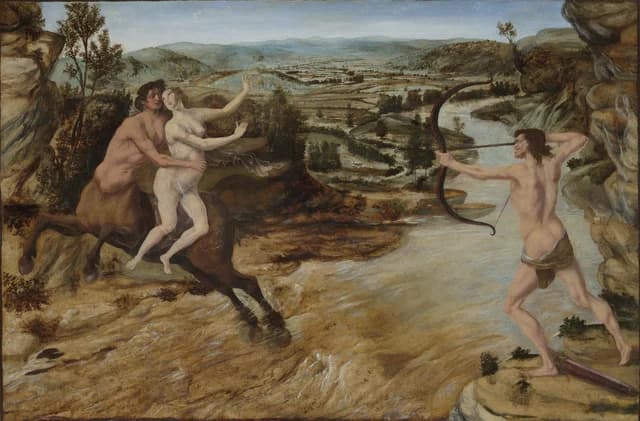 Hercules and DeianiraAntonio del Pollaiuolo, 1470