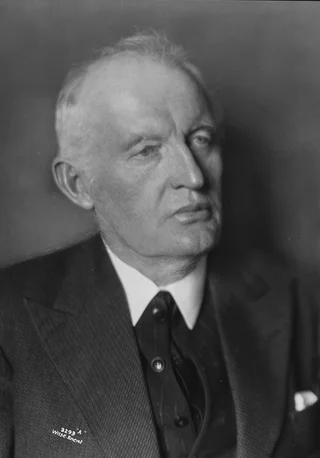
Edvard Munch
1863–1944 · Norway · Symbolism, Expressionism
The story
One evening in the early 1890s Munch was walking a road above the Kristiania fjord, the old name for Oslo, with two friends when the sky over the water turned blood-red. He wrote in his diary that he stopped, trembling, and felt an endless scream pass through nature. Out of that walk came The Scream, painted in 1893. Astronomers have since argued the red sky was real, an afterglow from the eruption of the volcano Krakatoa in 1883 that tinted sunsets across the world for months.
He had reasons to see dread in an ordinary sunset. His mother and his older sister Sophie both died of tuberculosis while he was a boy, and illness and breakdown followed him for decades. In 1908 he checked himself into a Copenhagen clinic after a collapse. He turned all of it into pictures of jealousy, sickness, and anxiety that he grouped under the title The Frieze of Life.
By the 1930s his fame was wide enough that the Nazi government pulled 82 of his works from German museums as degenerate art. He spent his last years outside occupied Norway's capital, on his estate at Ekely, guarding the thousands of paintings and prints he had kept for himself. He died there in January 1944 at 80, and left almost his entire private collection to the city of Oslo.
Works
316 works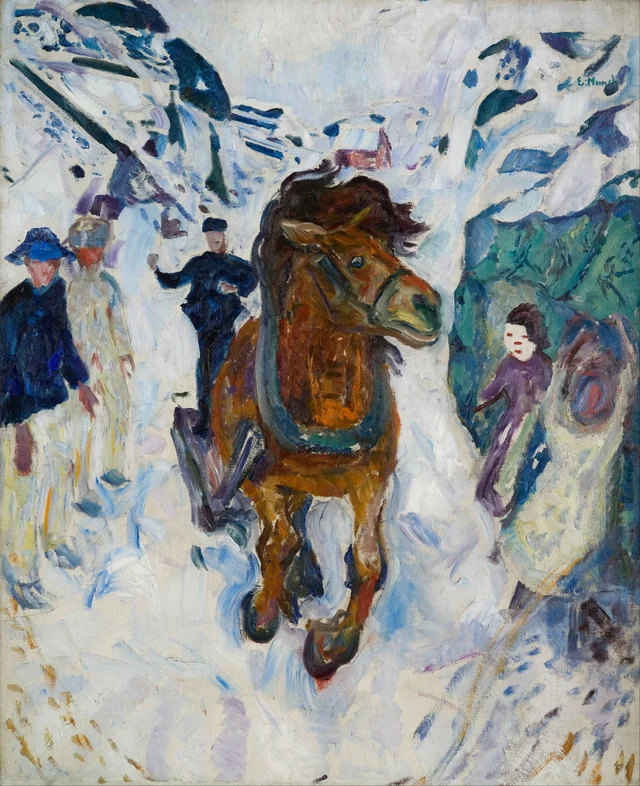 Galloping HorseEdvard Munch, 1912
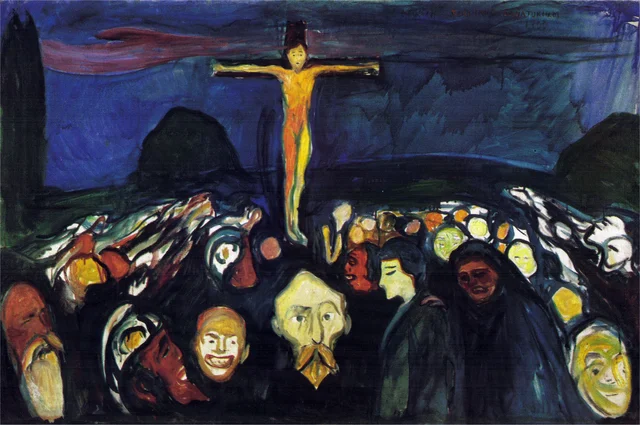 GolgothaEdvard Munch, 1900
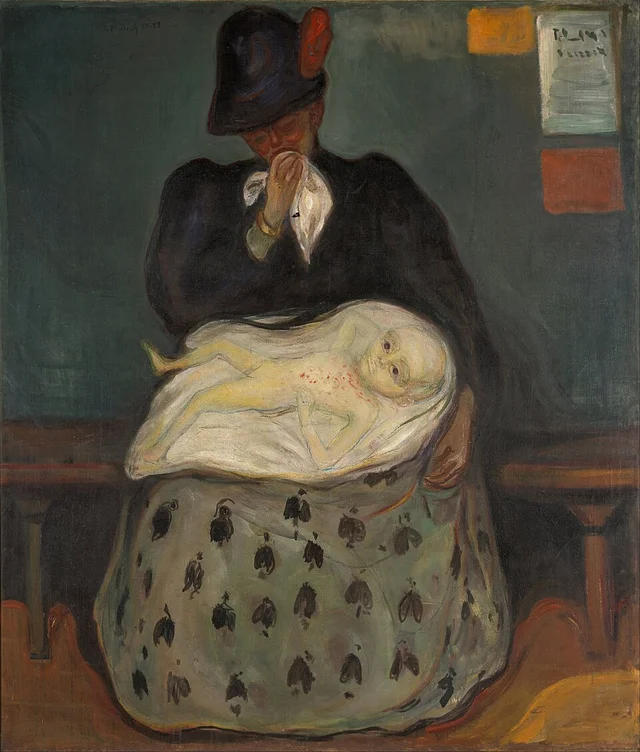 InheritanceEdvard Munch, 1897
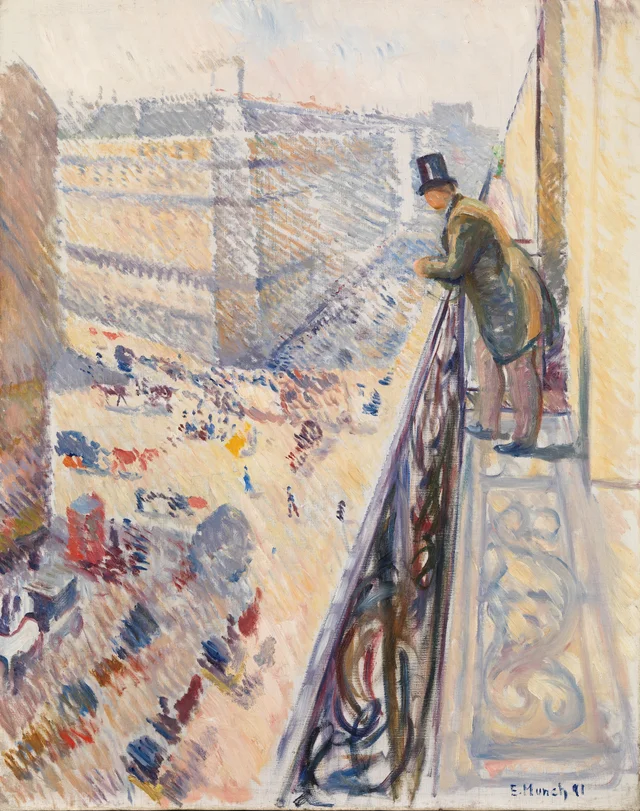 Rue LafayetteEdvard Munch, 1891
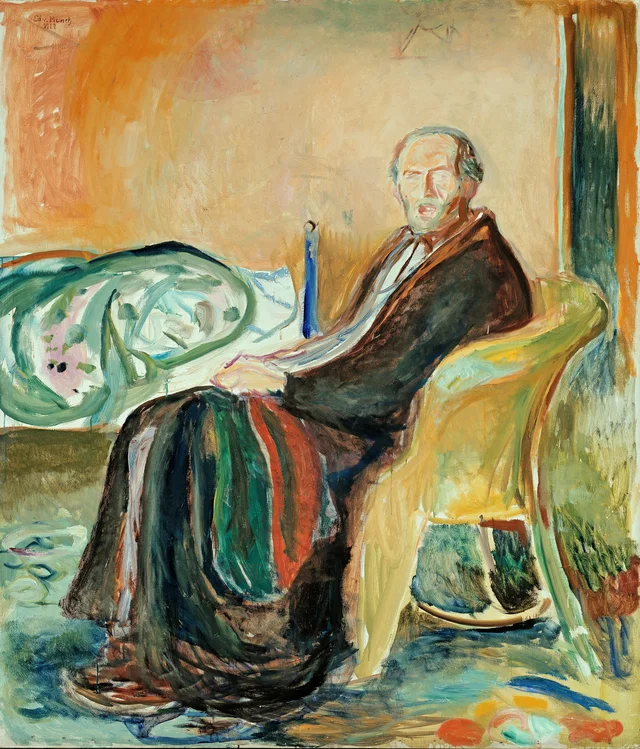 Self-Portrait with the Spanish FluEdvard Munch, 1919
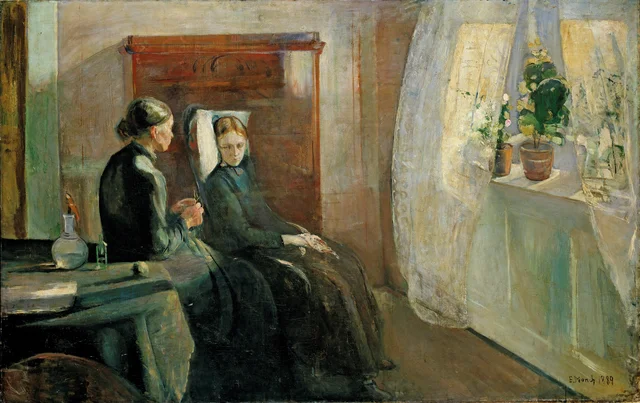 SpringEdvard Munch, 1889
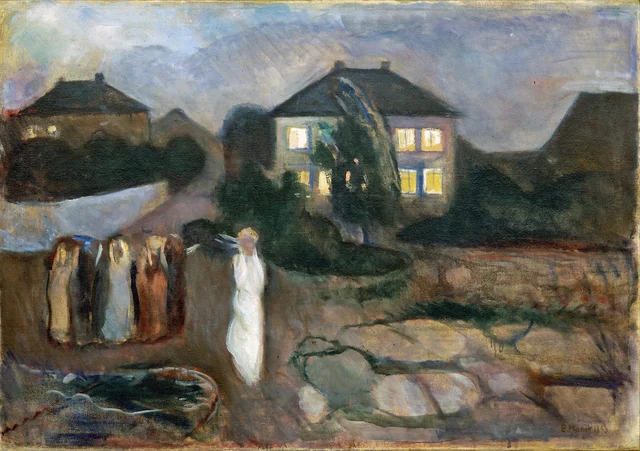 The StormEdvard Munch, 1893
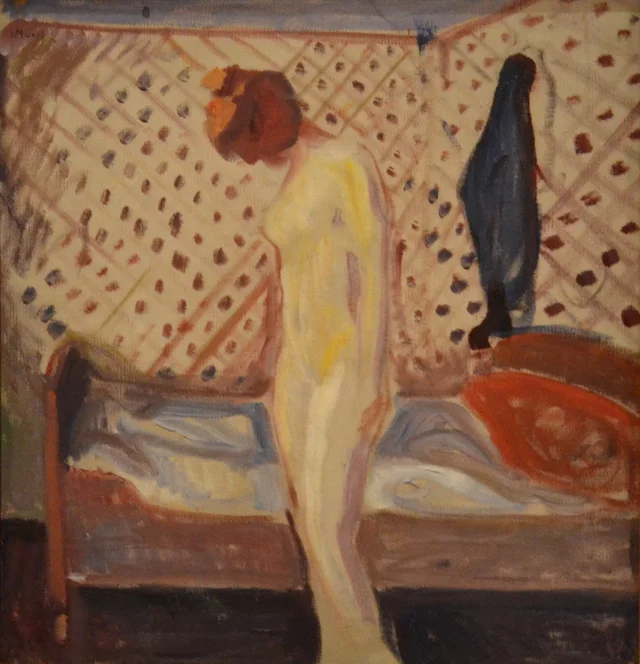 Weeping WomanEdvard Munch, 1907
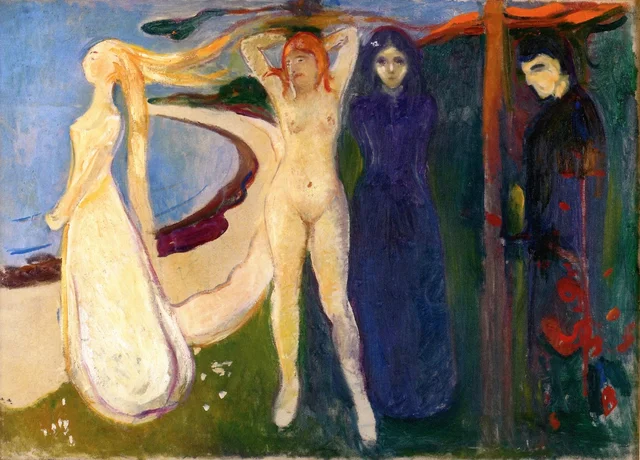 Woman. SphinxEdvard Munch, 1894
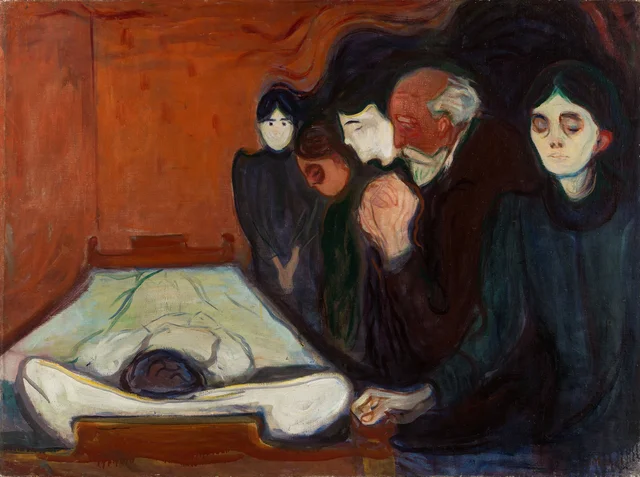 At the DeathbedEdvard Munch, 1895
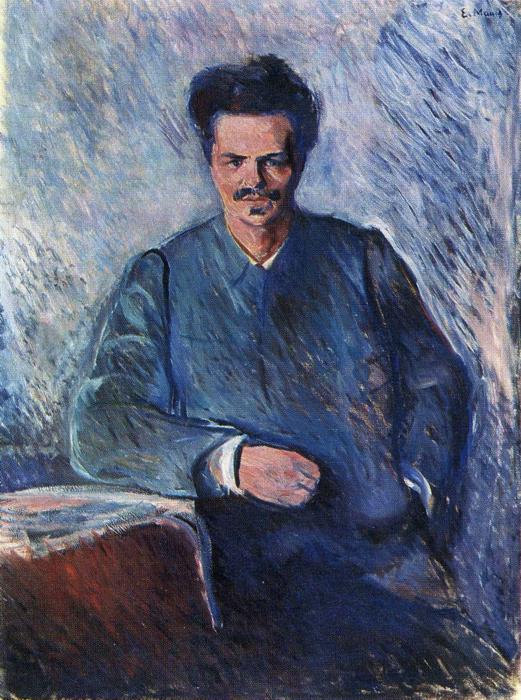 August StrindbergEdvard Munch, 1892
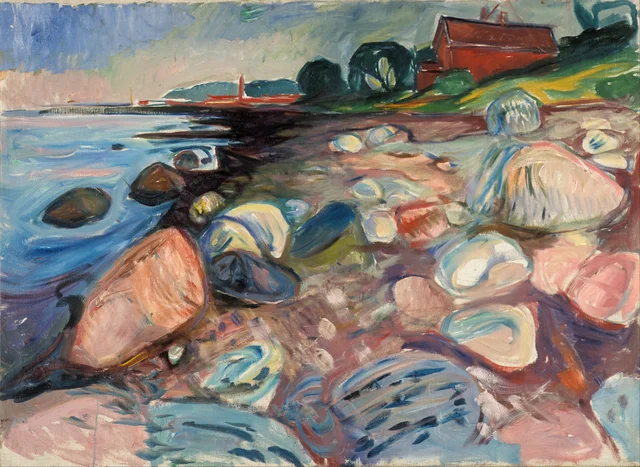 BeachEdvard Munch, 1904
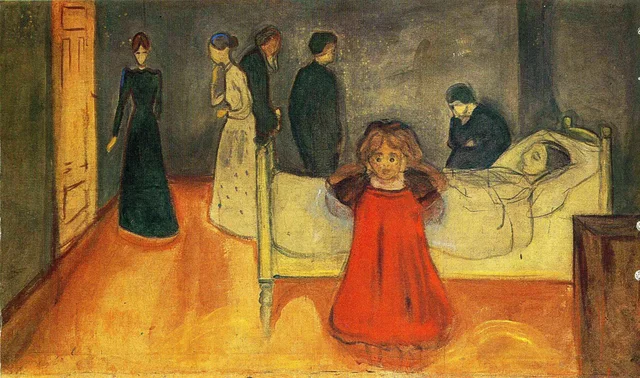 Death and the ChildEdvard Munch, 1899
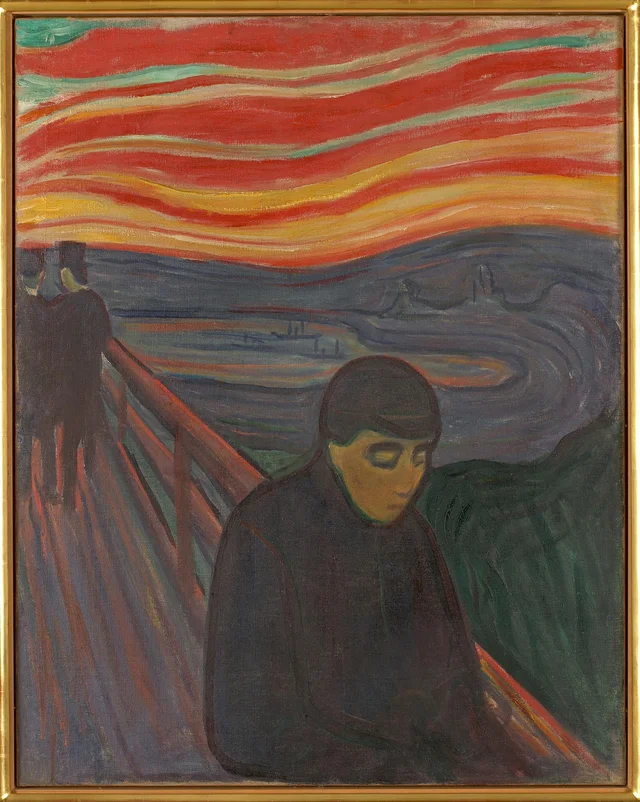 DespairEdvard Munch, 1894
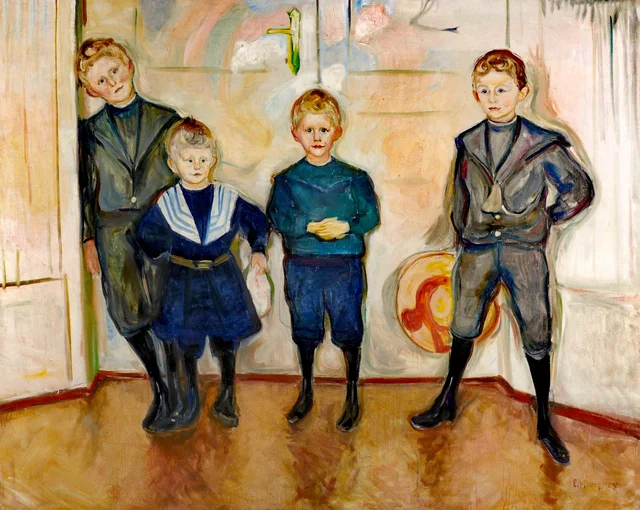 Dr. Linde's SonsEdvard Munch, 1903
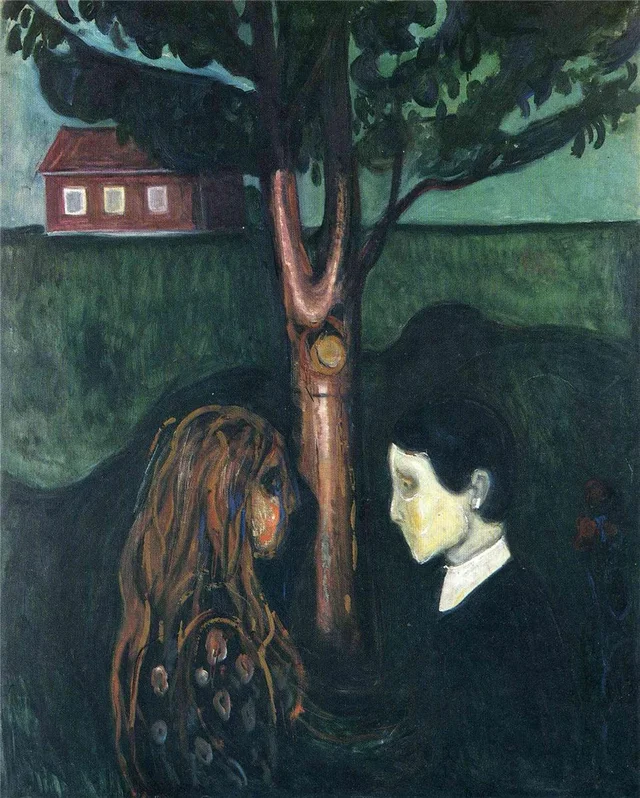 Eye in EyeEdvard Munch, 1899
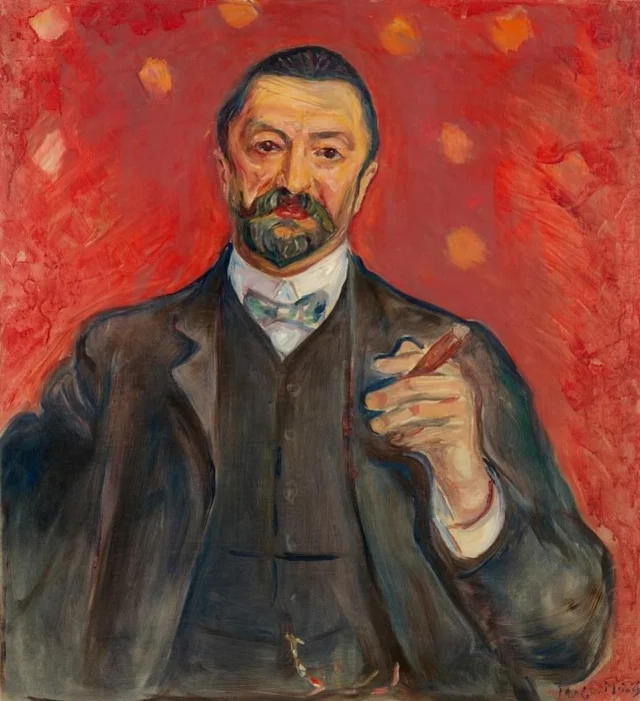 Felix AuerbachEdvard Munch, 1906
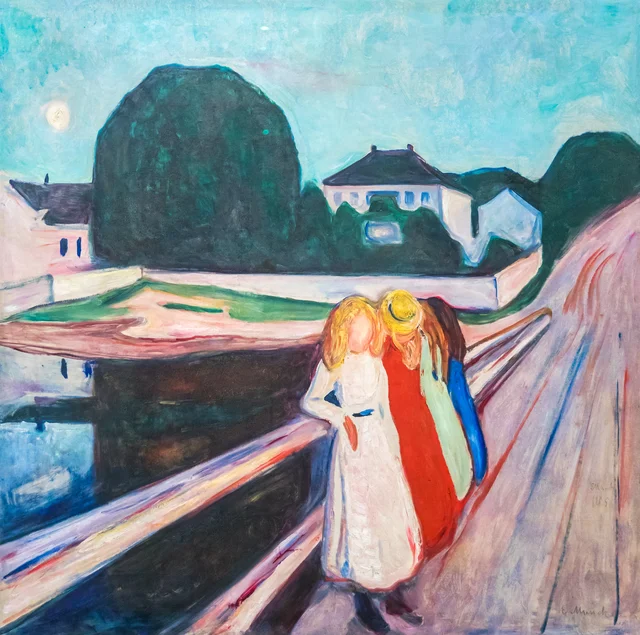 Four Girls on the BridgeEdvard Munch, 1905
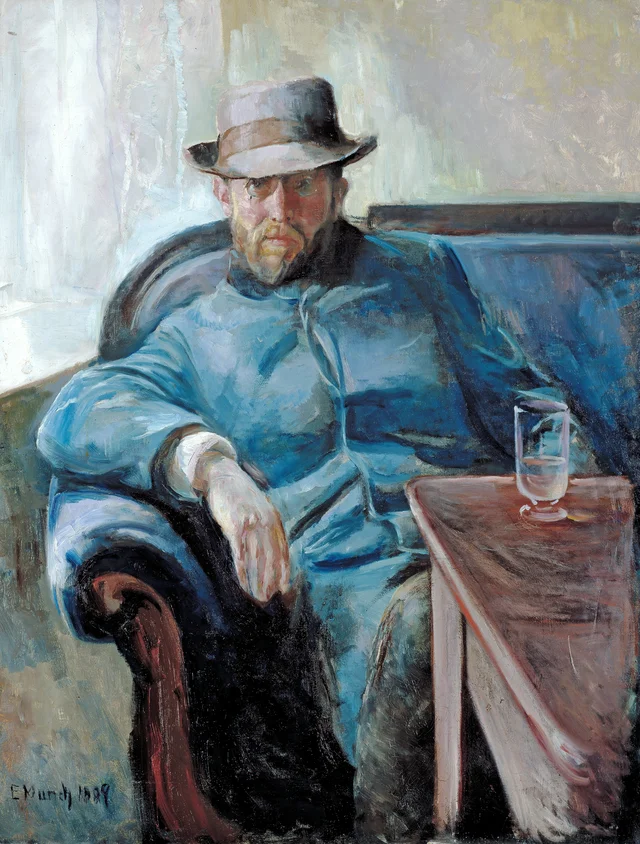 Hans JægerEdvard Munch, 1889
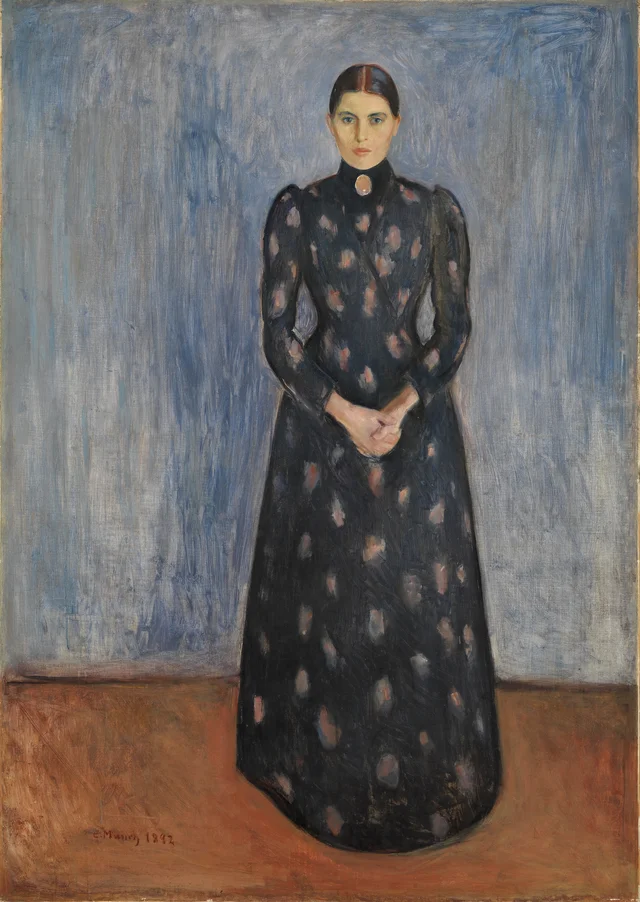 Inger in Black and VioletEdvard Munch, 1892
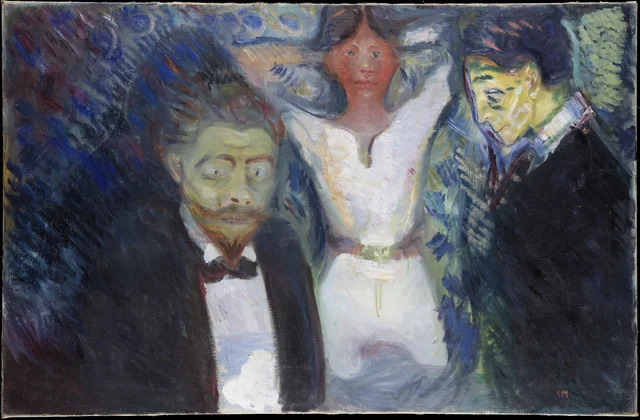 JealousyEdvard Munch, 1913
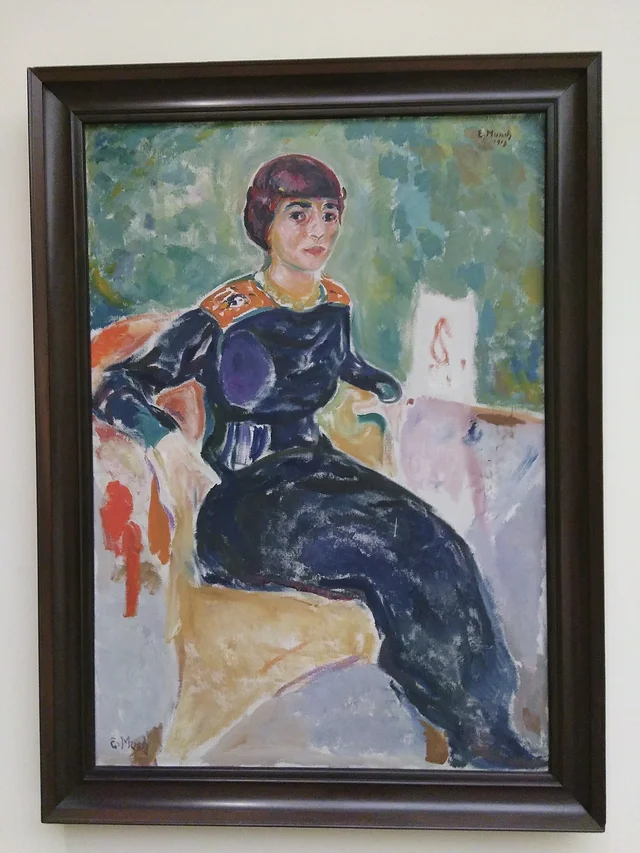 Portrait of Elsa GlaserEdvard Munch, 1913
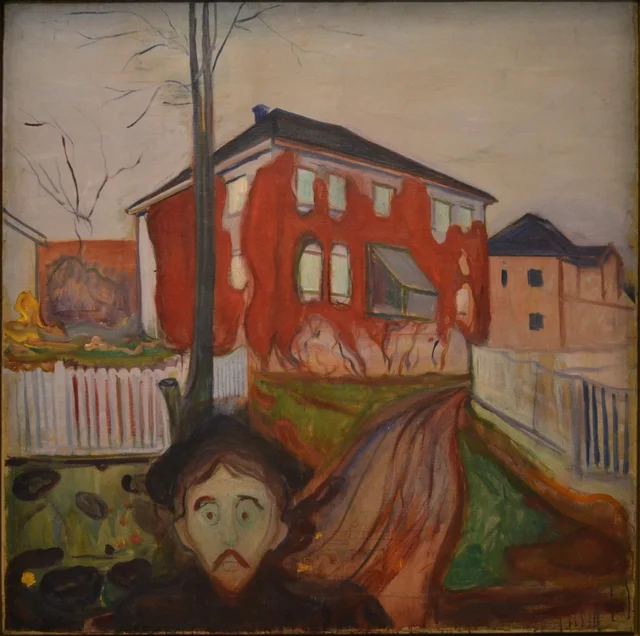 Red Virginia CreeperEdvard Munch, 1898
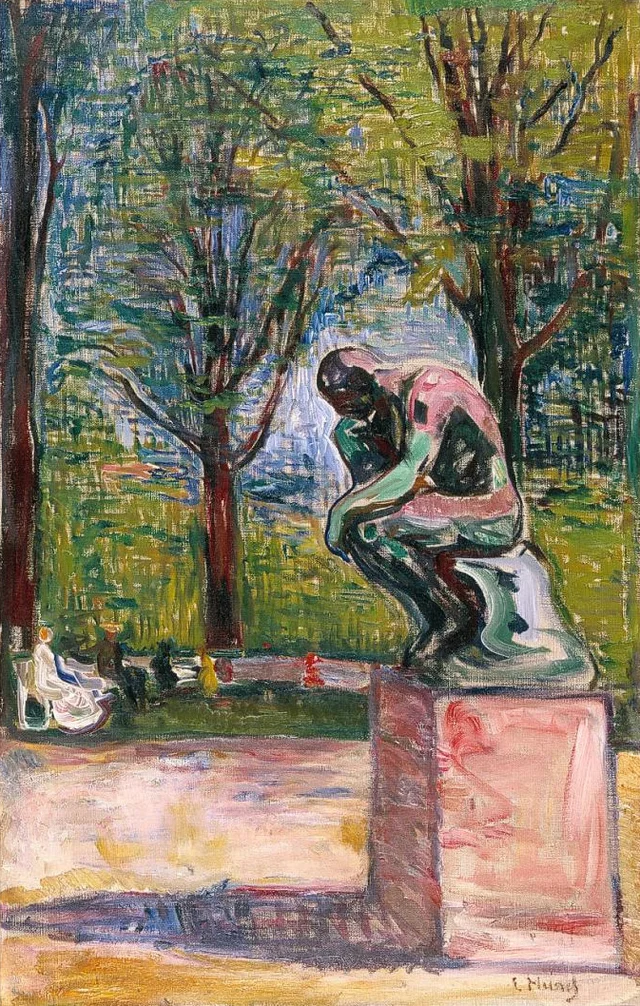 Rodin's "Le Penseur" in Dr. Linde's GardenEdvard Munch, 1907
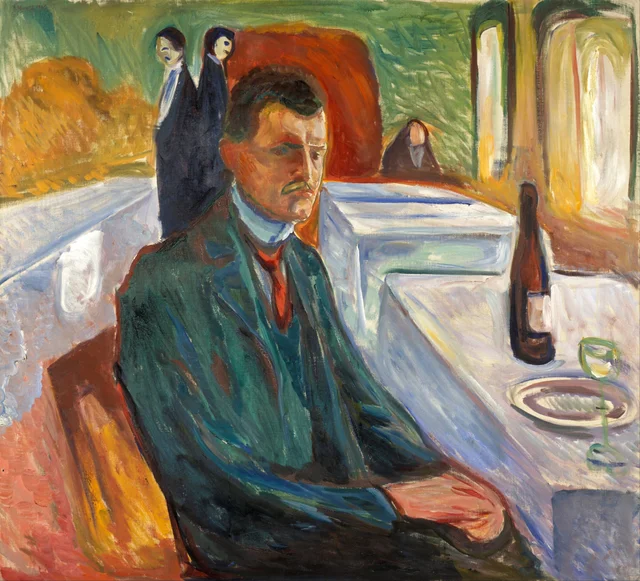 Self-Portrait With a Bottle of WineEdvard Munch, 1906