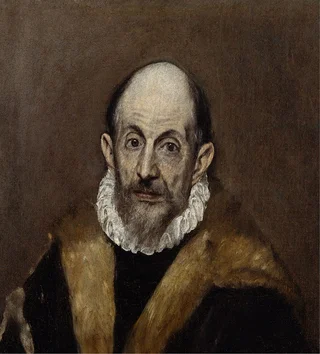
El Greco
1541–1614 · Crown of Castile · Spanish Renaissance
The story
He signed his paintings in Greek letters, Doménikos Theotokópoulos, all his life, even after Spain nicknamed him El Greco, the Greek. He was born on Crete in 1541 and trained in the flat, gold Byzantine manner of icon painting, then sailed to Venice and Rome to learn the oil technique of the Italian Renaissance. Around 1577 he settled in Toledo, the old religious capital of Spain, and never left.
He arrived hoping for royal work. King Philip II gave him one commission for the palace-monastery of El Escorial, a martyrdom scene finished around 1582, and disliked it enough to hang it out of the way and hire someone else. That closed the court to him. It also freed him, and Toledo's churches and priests kept him busy for the rest of his life with the burning, stretched, candle-lit saints that suited a city at the heart of the Counter-Reformation, the Catholic Church's push back against Protestantism.
For roughly 300 years after his death in 1614 he was treated as an eccentric, his elongated figures dismissed as a defect of eyesight or taste. Then painters at the start of the 20th century, Cézanne and the young Picasso among them, found in those distortions something deliberate and modern. Picasso studied El Greco's work closely in the years he was inventing Cubism.
More articles
 Article · 38 min readThe National Gallery of Art in Washington: 20 pictures that came from private hands
 Article · 30 min readWhat to See at the Met: 15 Highlights
 Article · 20 min readMuseo del Prado: The Paintings That Outlived Their Worlds
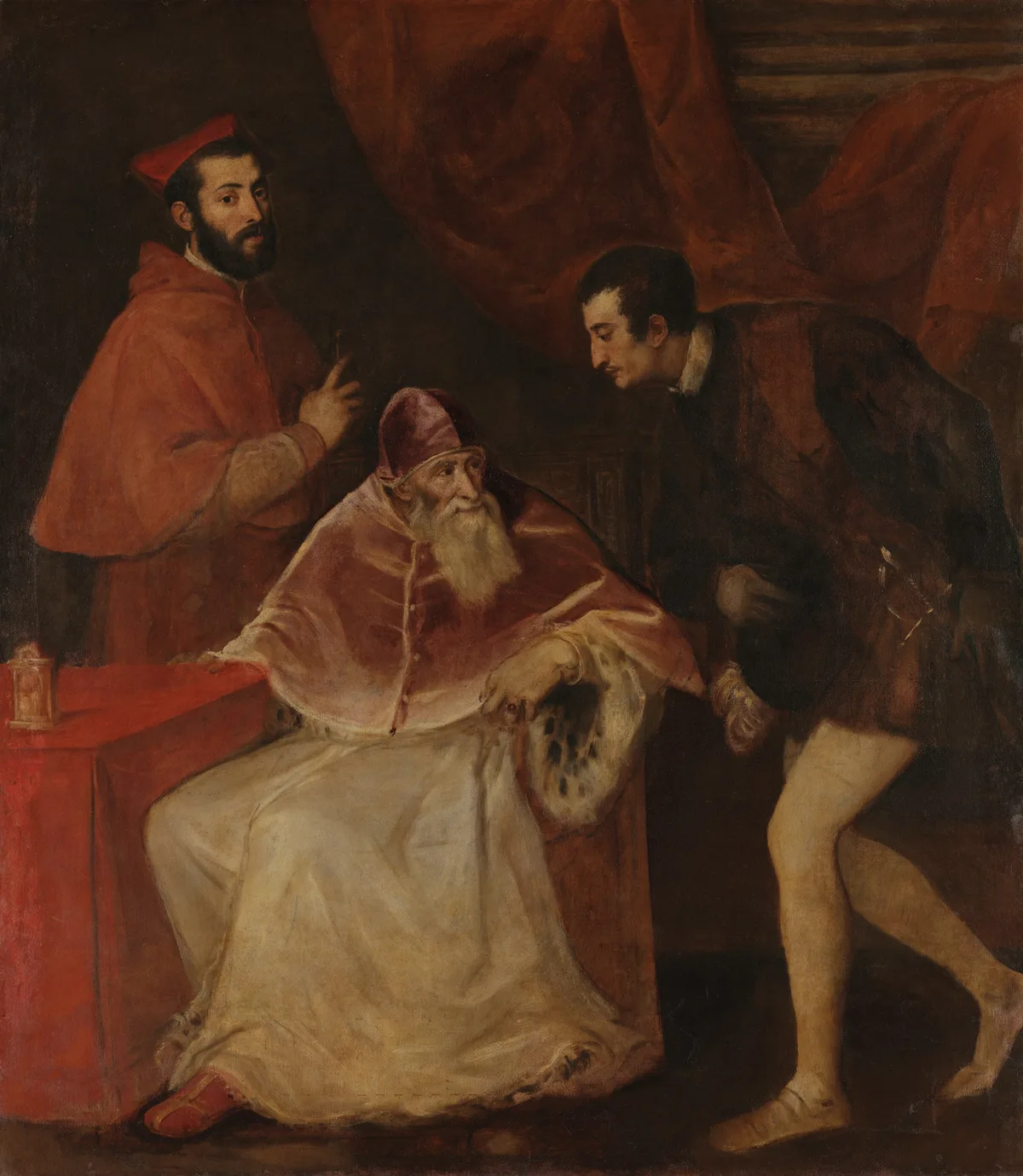 Article · 45 min readCapodimonte: how 20 works came to the hill above Naples
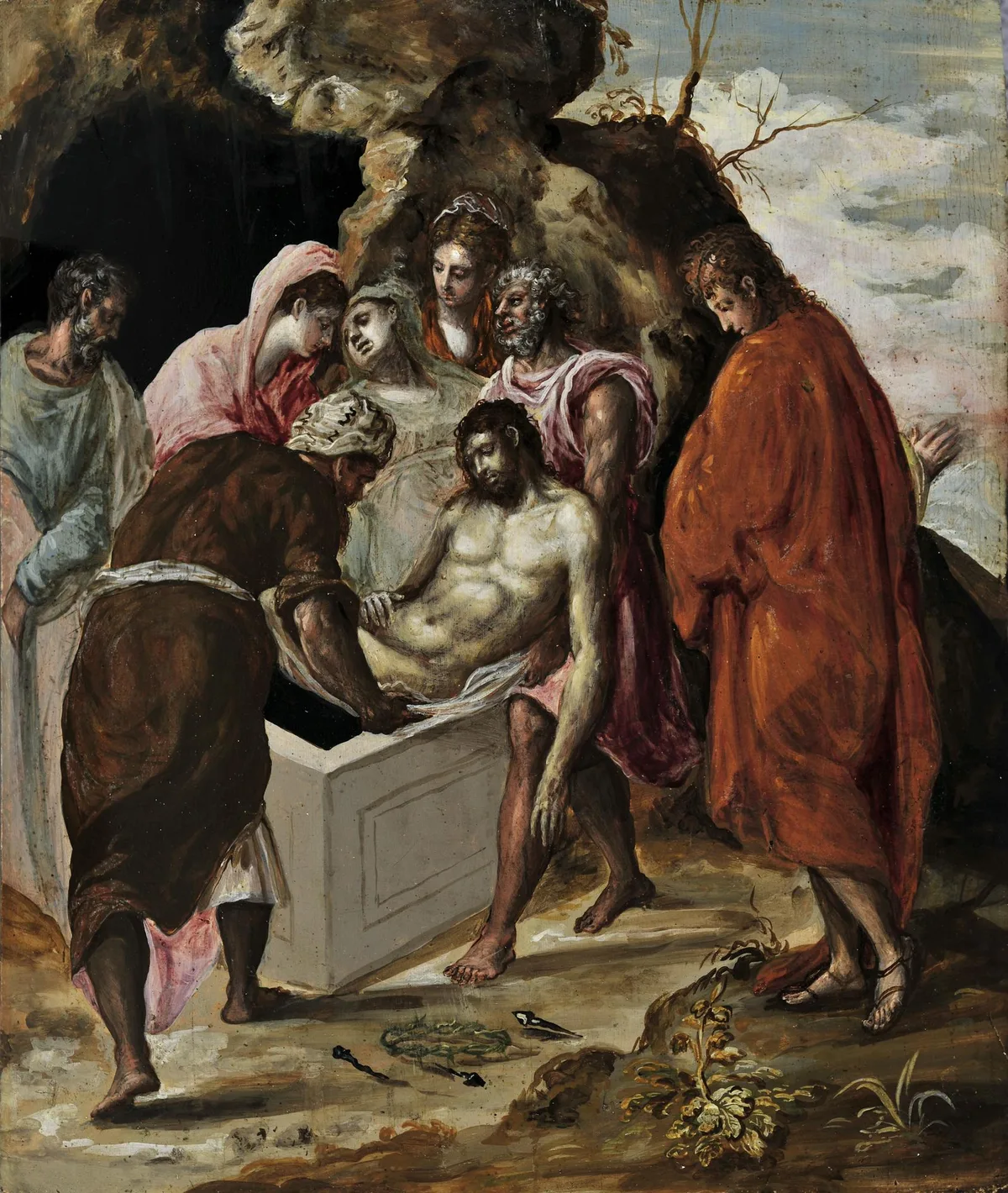 Article · 30 min readNational Gallery of Athens: fifteen paintings, from Venice to the Aegean
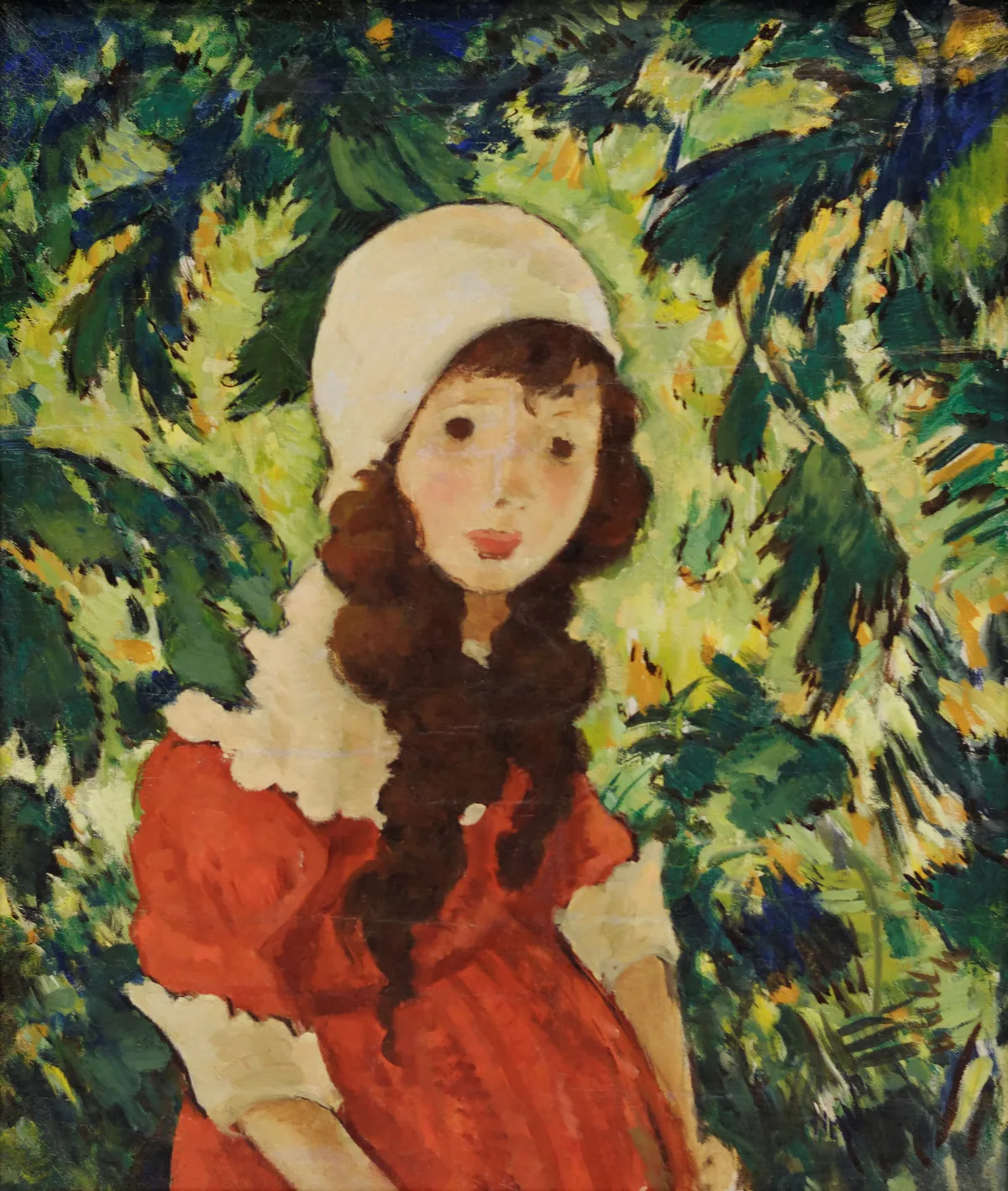 Article · 25 min readThe National Museum of Art of Romania: 15 Works and How They Reached a Former Royal Palace
Works
254 works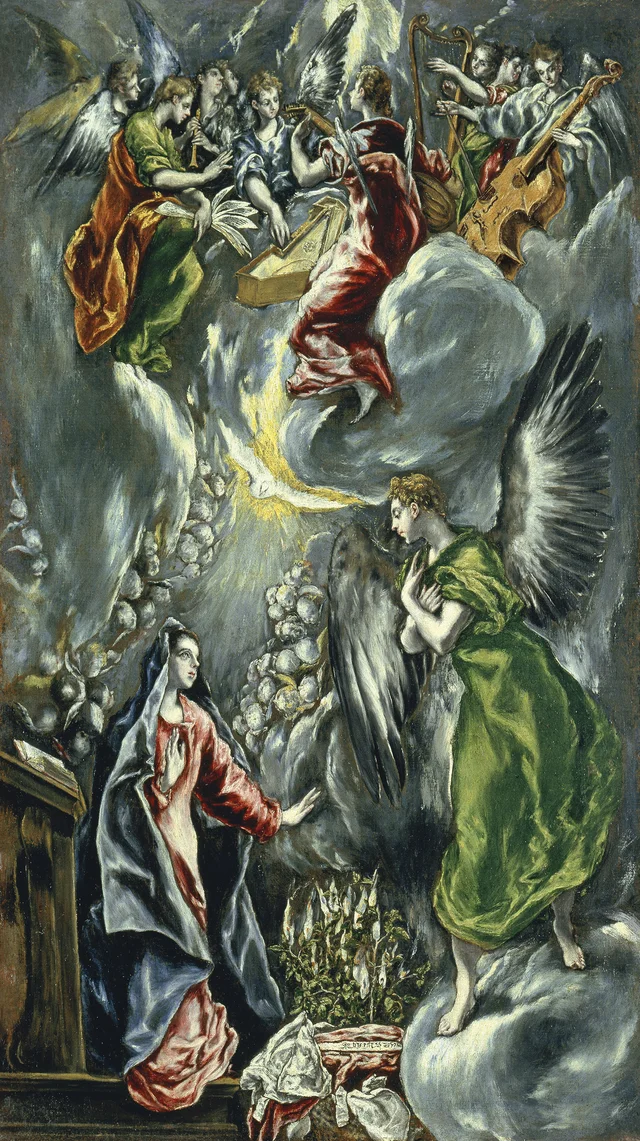 The AnnunciationEl Greco, 1598
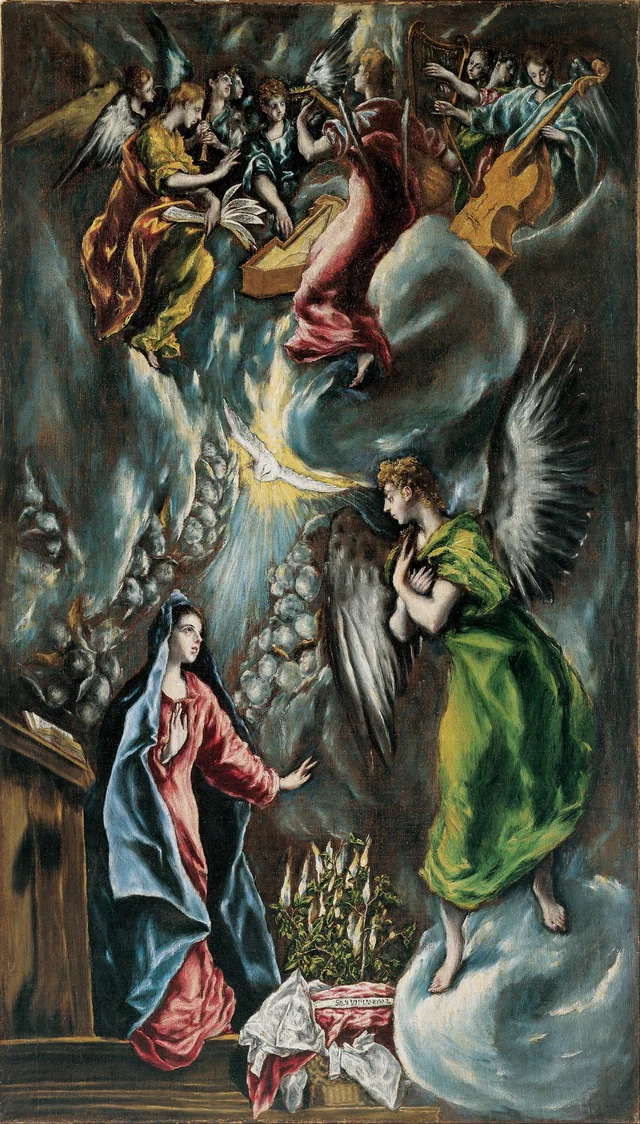 The AnnunciationEl Greco, 1598
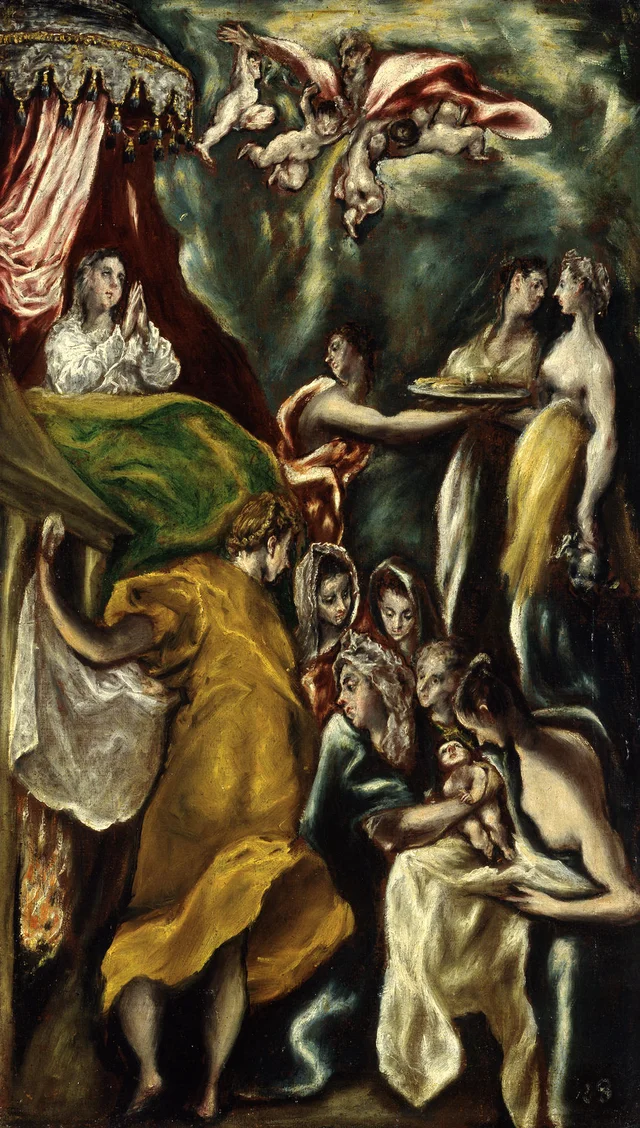 The Birth of the VirginEl Greco, 1614
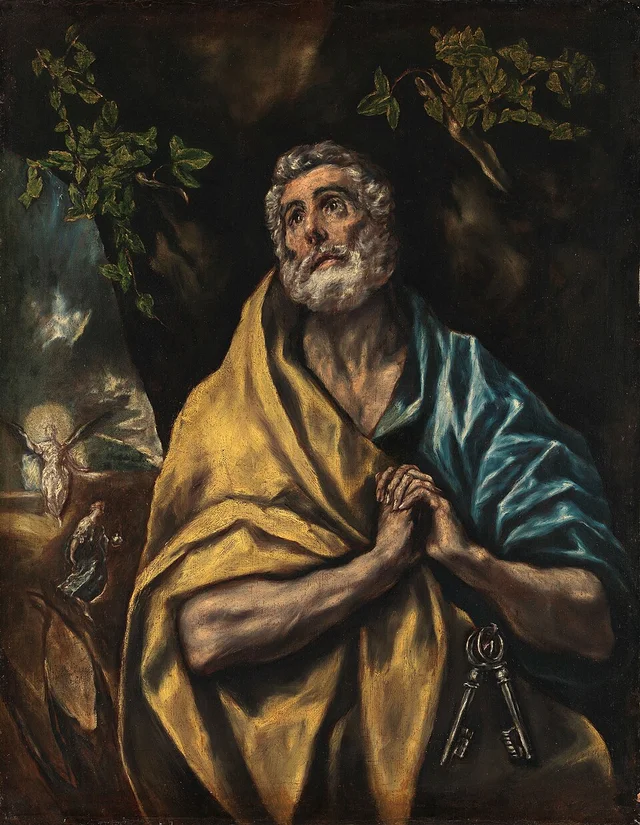 The Tears of Saint PeterEl Greco, 1590
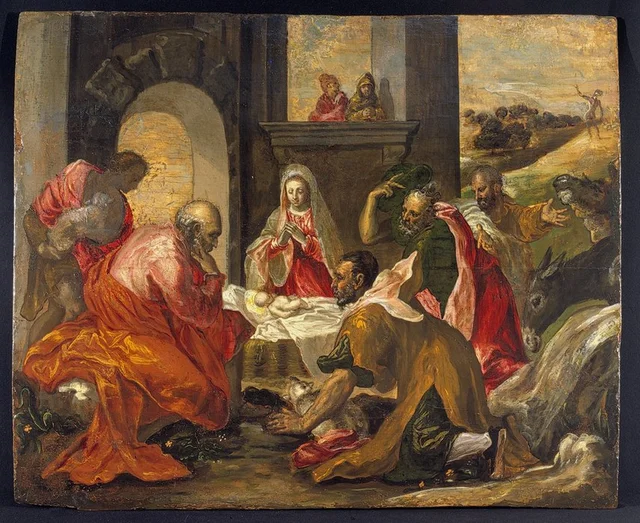 Adoration of the ShepherdsEl Greco, 1569
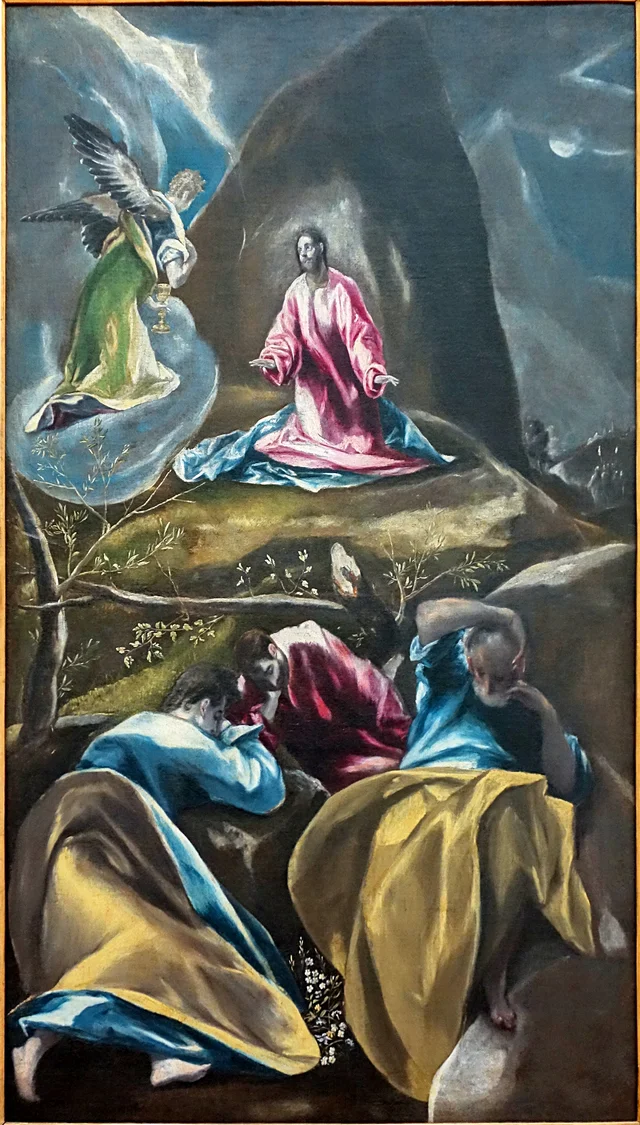 Agony in the GardenEl Greco, 1605
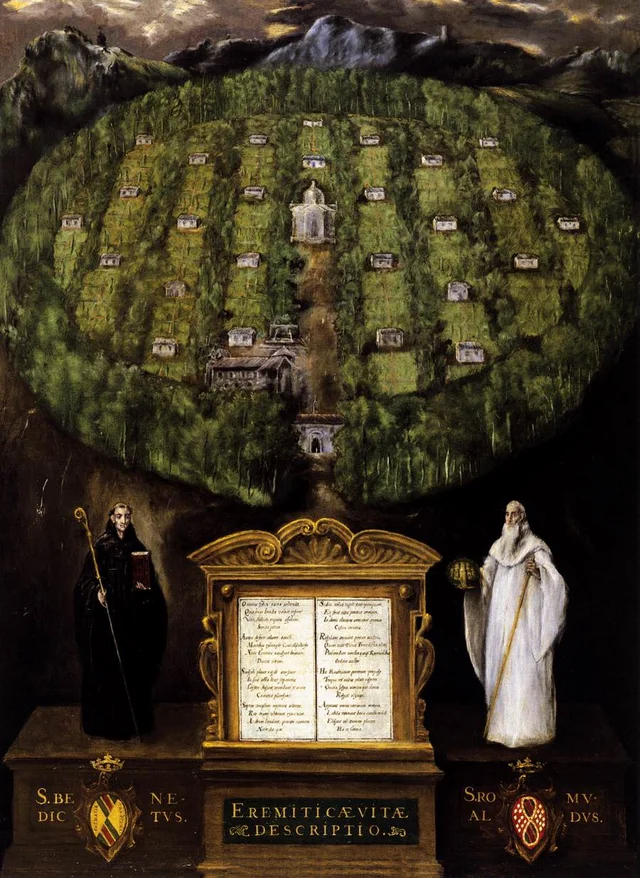 Allegory of the Order of the CamaldoleseEl Greco, 1600
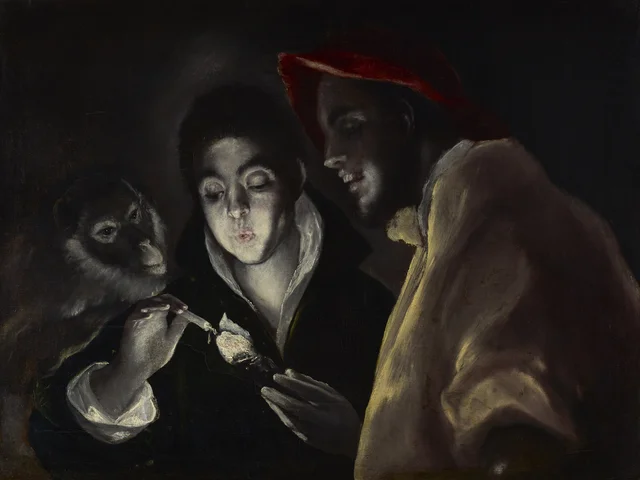 An Allegory (Fàbula)El Greco, 1582
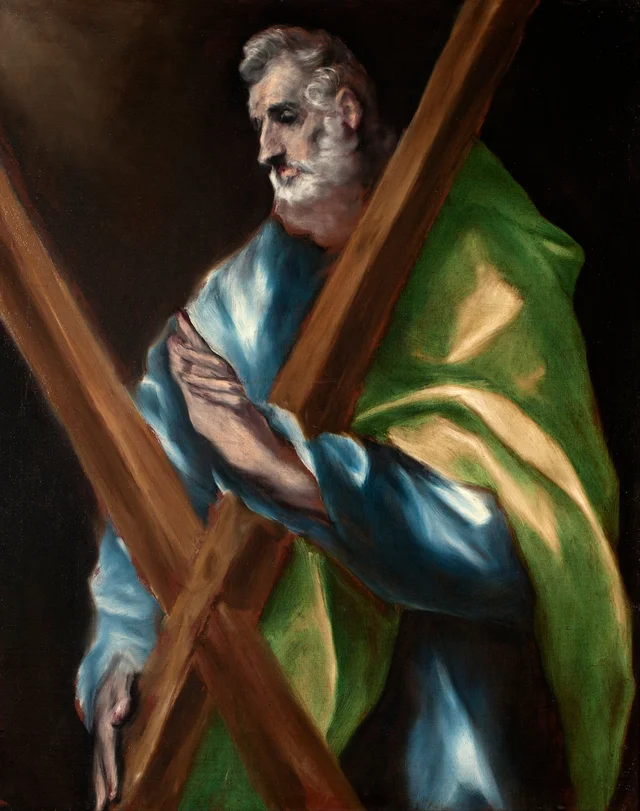 Apostle Saint AndrewEl Greco, 1610
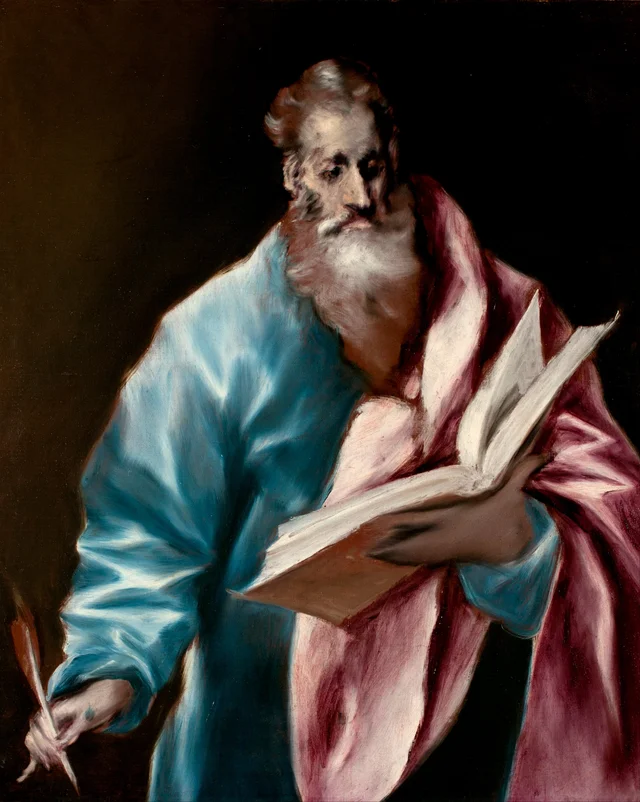 Apostle Saint MatthewEl Greco, 1610
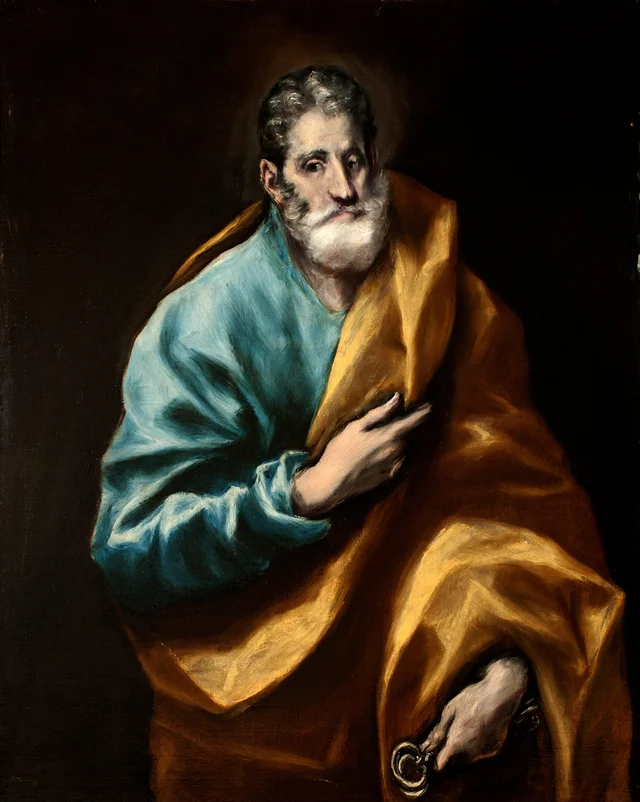 Apostle Saint PeterEl Greco, 1610
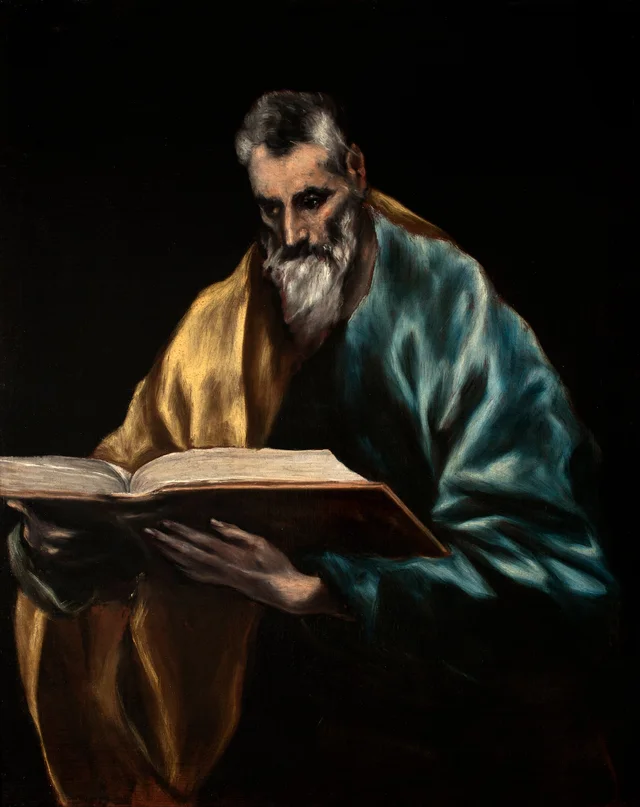 Apostle Saint SimonEl Greco, 1610
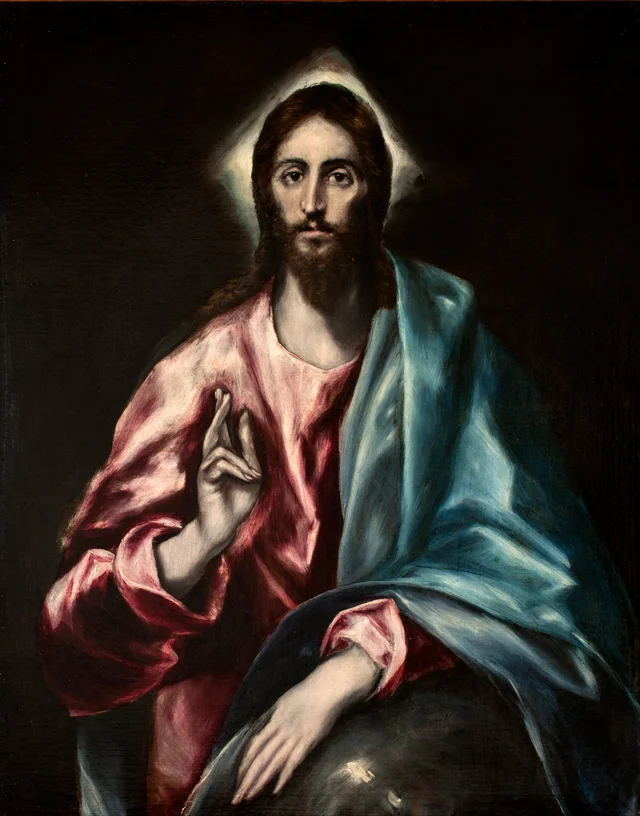 Christ as SaviorEl Greco, 1610
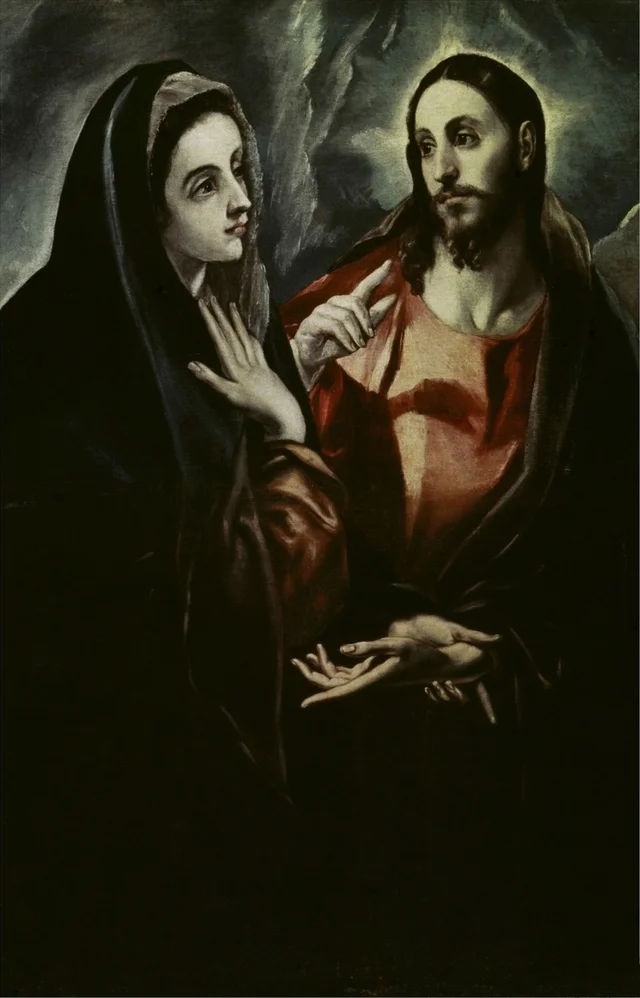 Christ bids Farewell to his MotherEl Greco, 1612
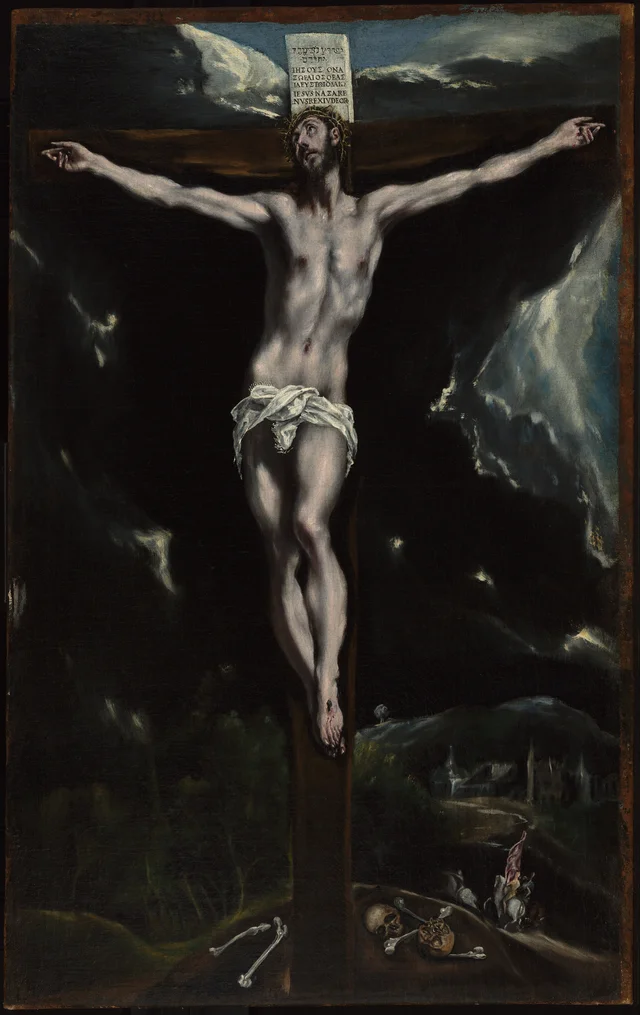 Christ on the CrossEl Greco, 1600
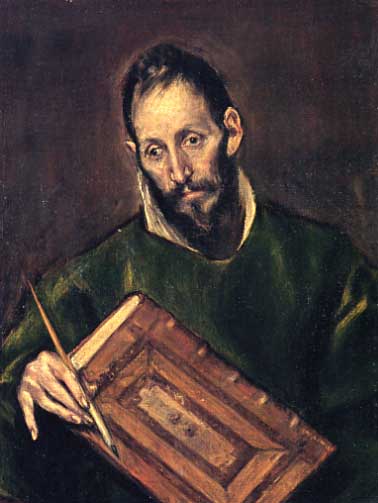 Luke the EvangelistEl Greco, 1610
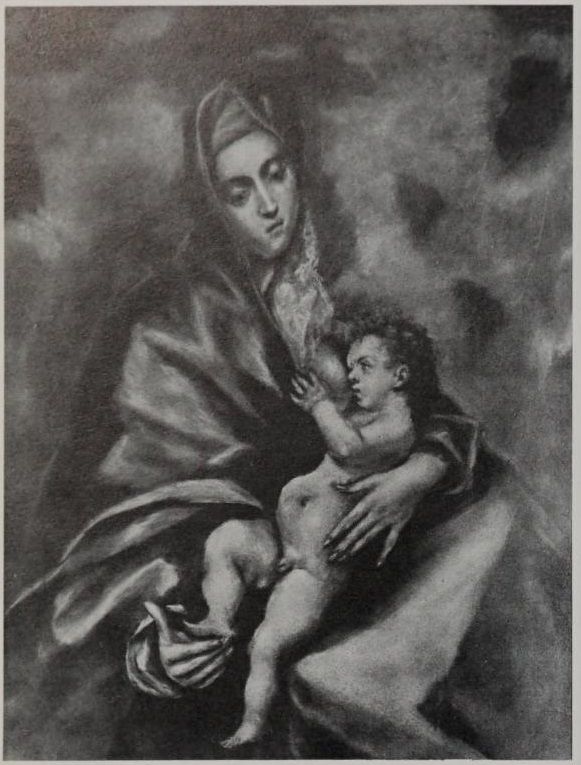 Madonna and ChildEl Greco, 1595
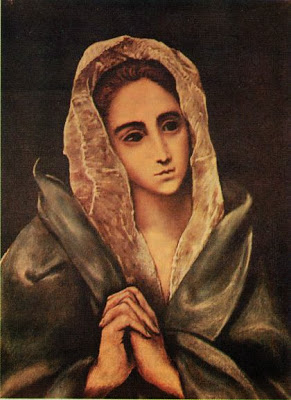 Mourning madonnaEl Greco, 1590
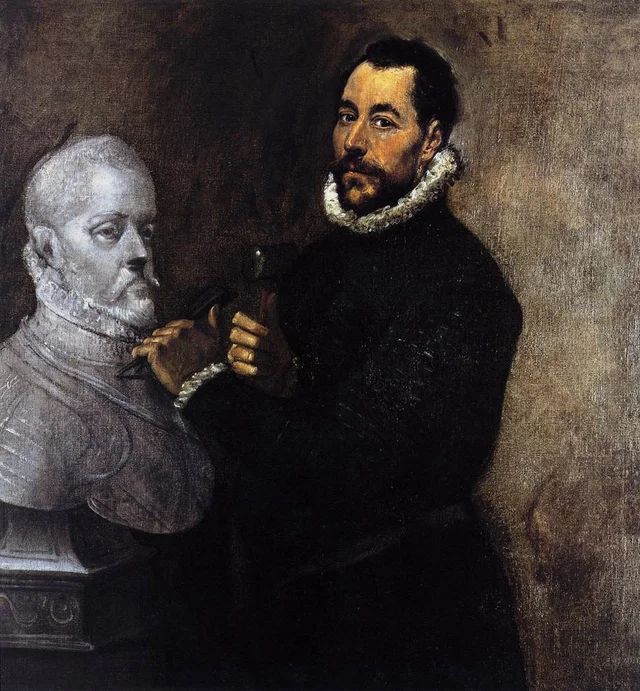 Portrait of a SculptorEl Greco, 1577
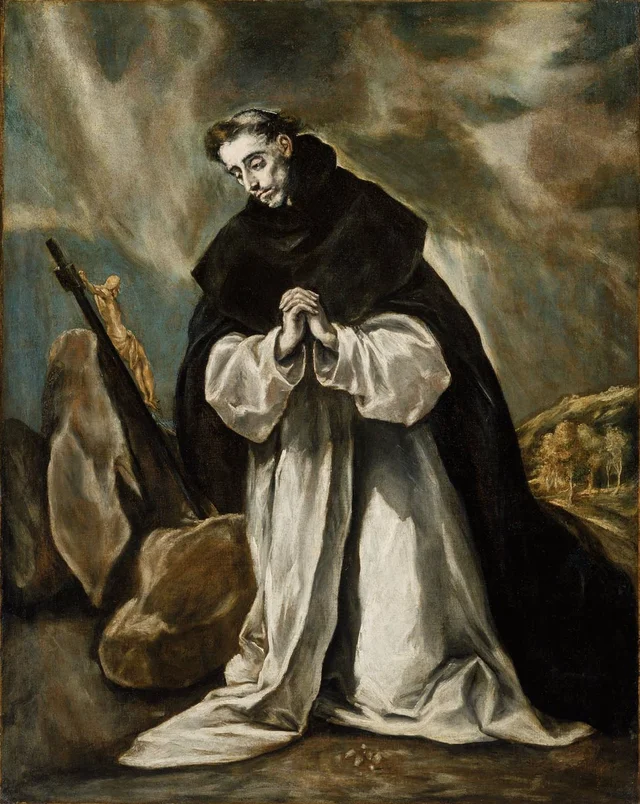 Saint Dominic in PrayerEl Greco, 1605
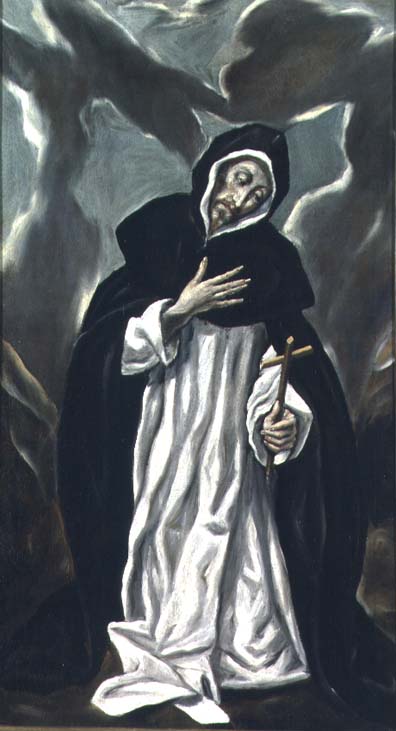 Saint Dominic prayingEl Greco, 1606
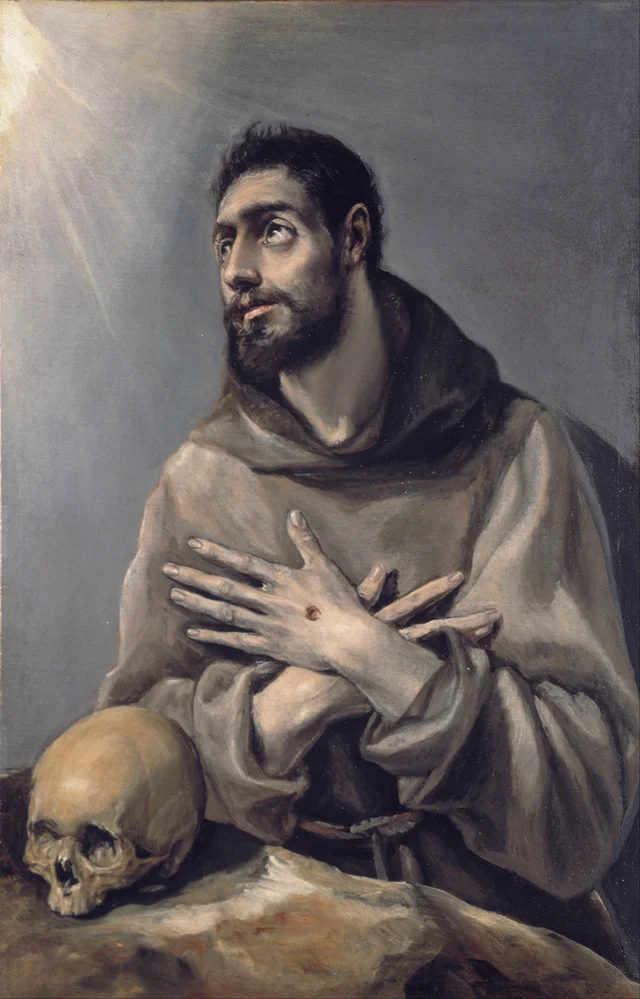 Saint Francis in ecstasyEl Greco, 1578
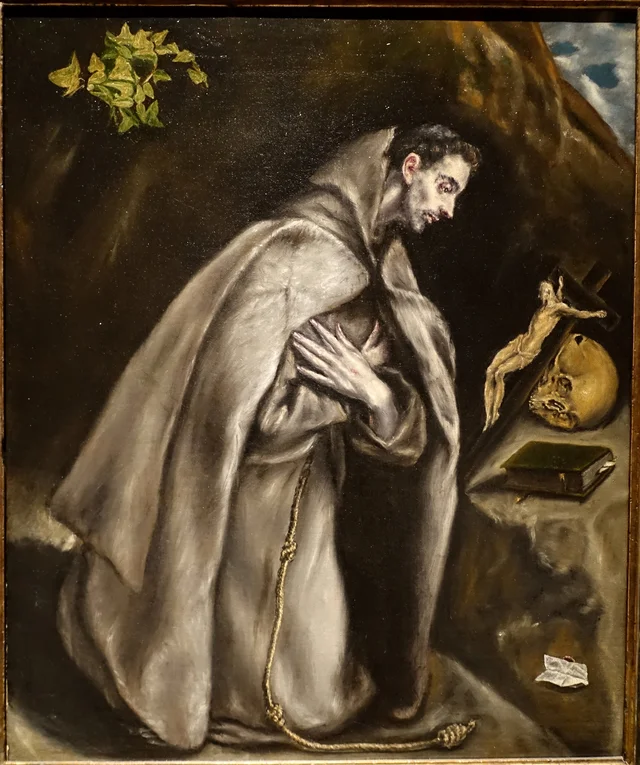 Saint Francis Kneeling in MeditationEl Greco, 1605
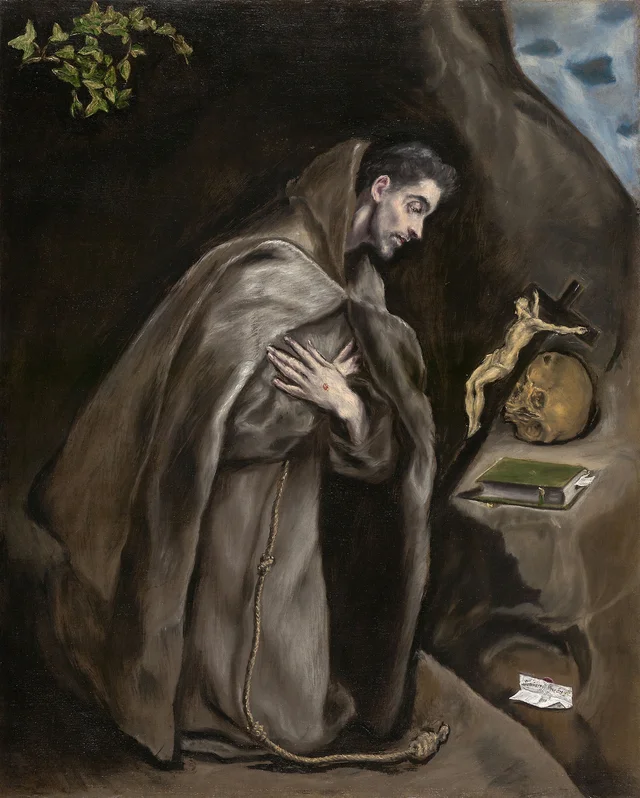 Saint Francis Kneeling in MeditationEl Greco, 1597
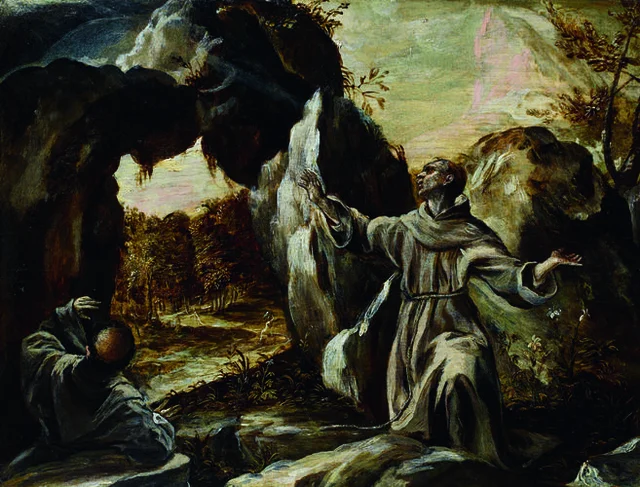 Saint Francis of Assisi receives the StigmataEl Greco, 1575