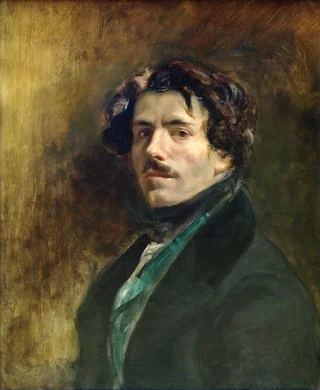
Eugène Delacroix
1798–1863 · France · Romanticism
The story
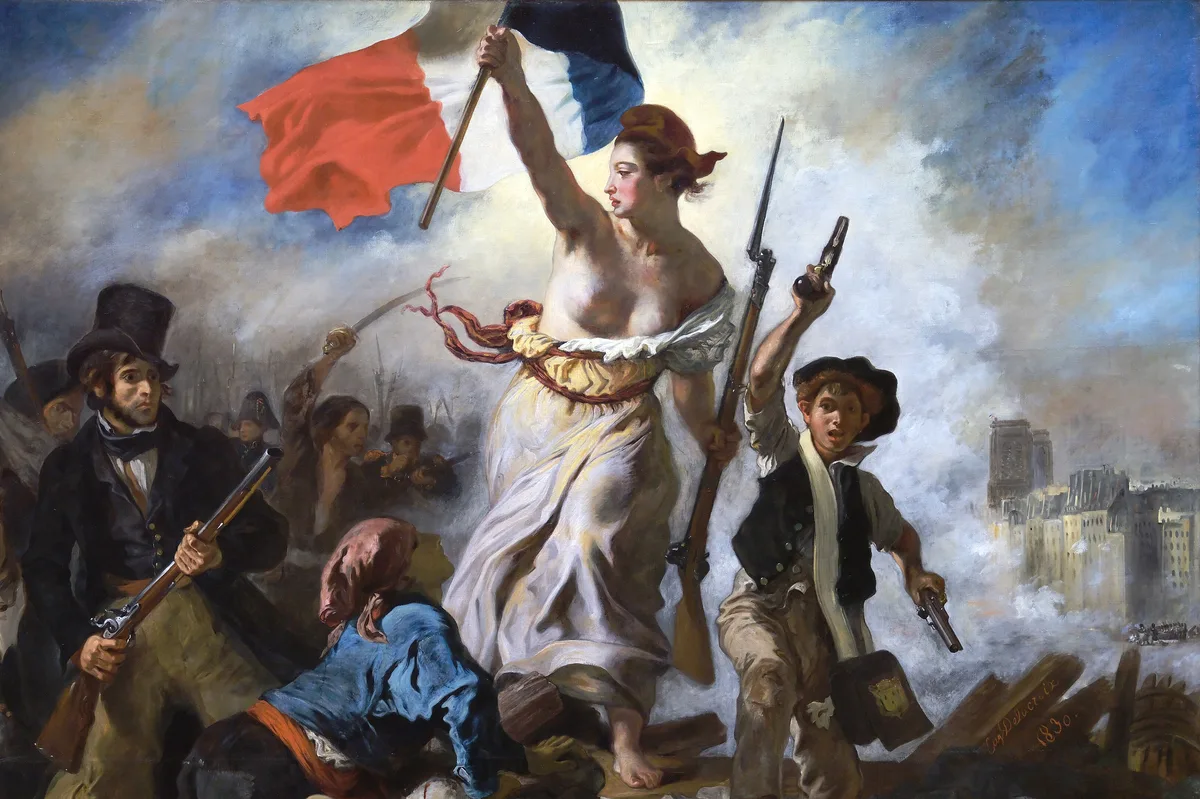
In late July 1830 the people of Paris spent three days on the barricades and drove out their king, Charles X. Eugene Delacroix, 32, watched from the sidelines and felt he had not done his part, so he did it with a brush. That winter he painted a bare-breasted woman striding over the dead with the tricolour flag in one hand and a musket in the other, leading a crowd of workers and street boys through the gunsmoke. Liberty Leading the People turned a week of real street fighting into the image France still reaches for whenever it rebels.
Delacroix led the other half of French painting from Ingres, the half that trusted colour and movement and feeling over clean drawing. Two years after Liberty he got the experience that set his palette alight. In 1832 he travelled to Morocco with a French diplomatic mission, and the light, the robes, the horses and courts of North Africa hit him like a revelation. He filled notebooks with quick watercolours and drew on that half-year journey for the next 30 years, more than 70 paintings coming out of it.
He was a Romantic in his friendships too, close to the composer Frederic Chopin, whom he painted at the piano, and to the writer George Sand. For much of his life he kept a journal that is still read as one of the sharpest things any painter has written about painting. Near the end he covered a chapel in the church of Saint-Sulpice in Paris with murals, one of them an angel wrestling Jacob among trees he had studied in a wood outside the city; he finished them in 1861 and died two years later.
More articles
Works
139 works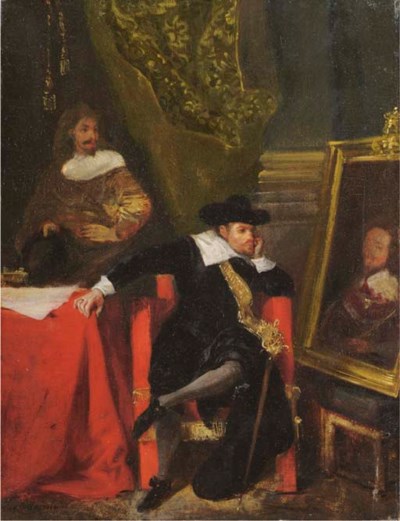 Cromwell at Windsor CastleEugène Delacroix, 1828
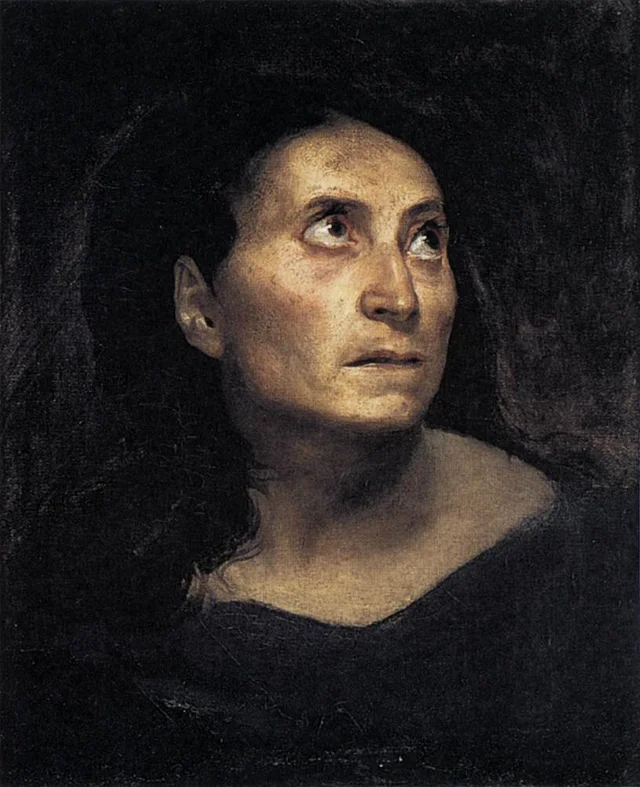 Head of a WomanEugène Delacroix, 1822
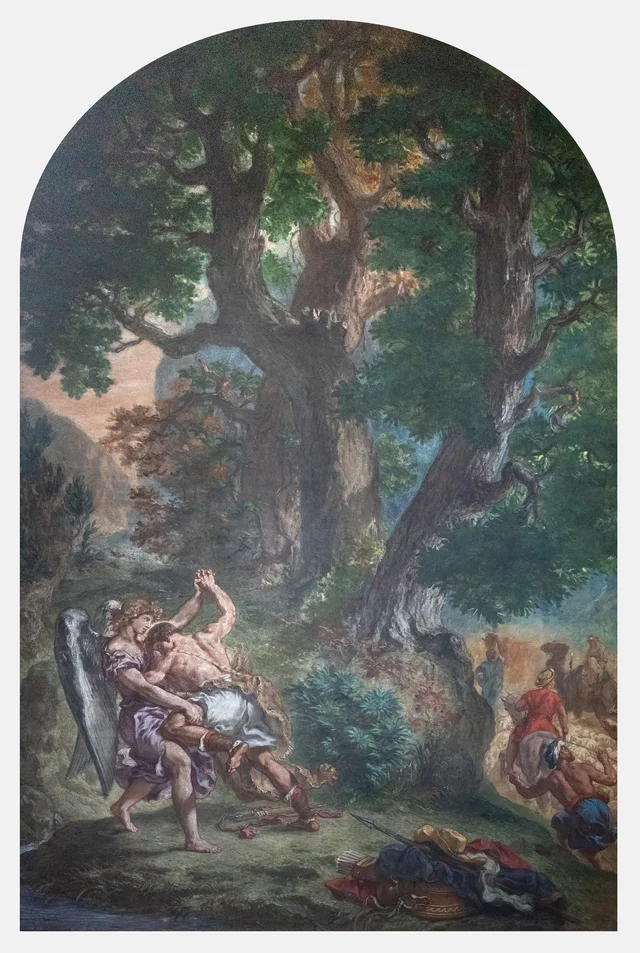 Jacob Wrestling with the AngelEugène Delacroix, 1860
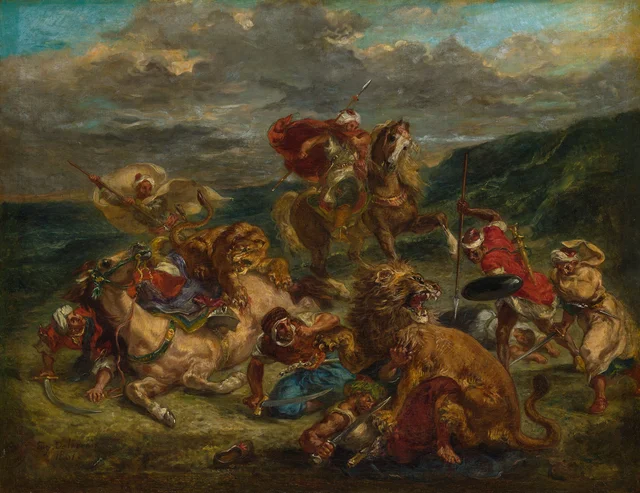 La Chasse aux lions au MarocEugène Delacroix, 1861
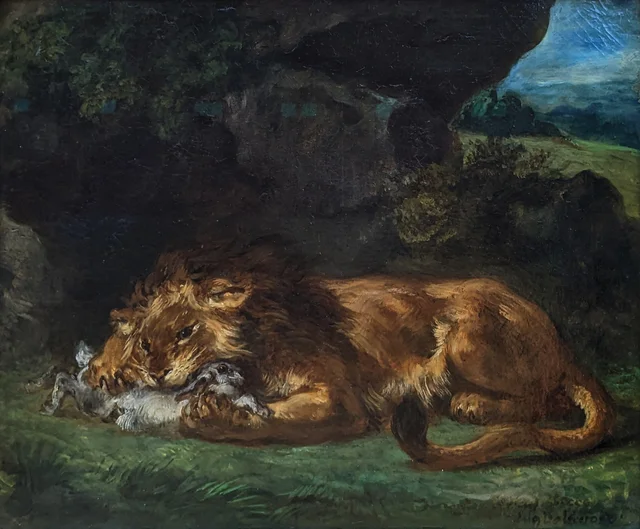 Lion Devouring a RabbitEugène Delacroix, 1853
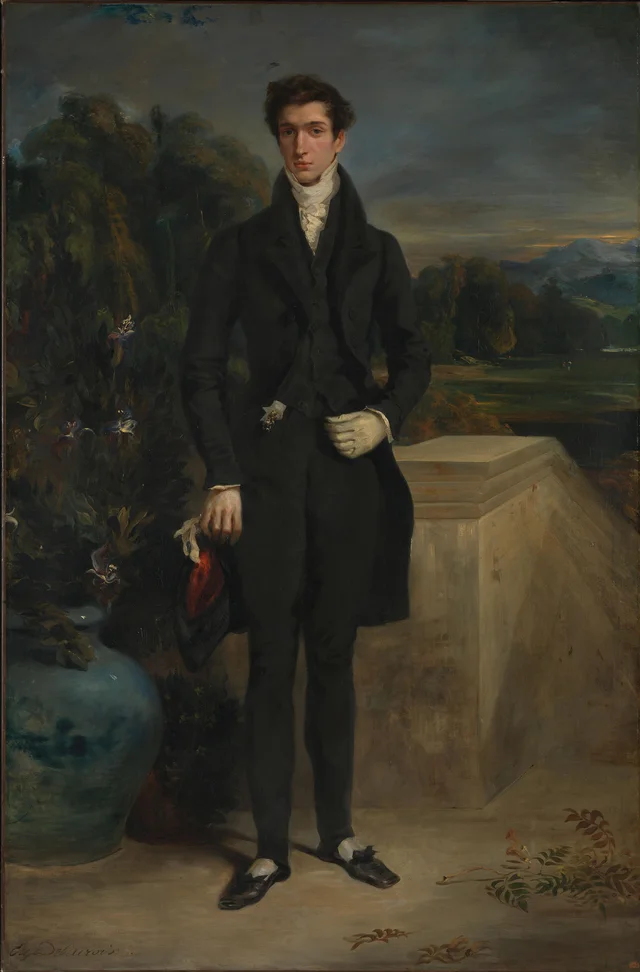 Portrait of Louis-Auguste SchwiterEugène Delacroix, 1827
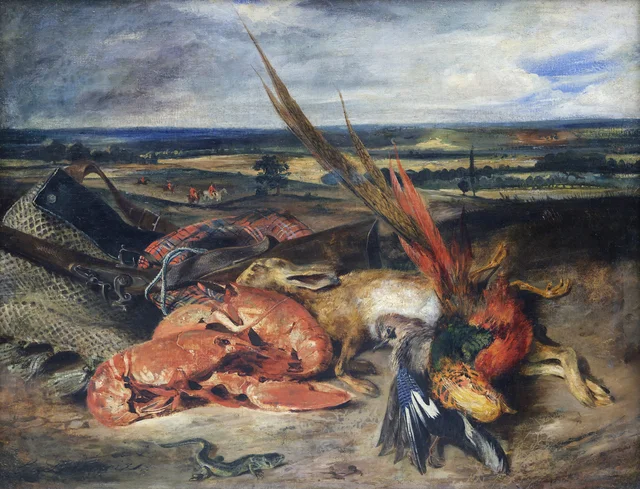 Still Life with Lobster and Hunting and Fishing TrophiesEugène Delacroix, 1827
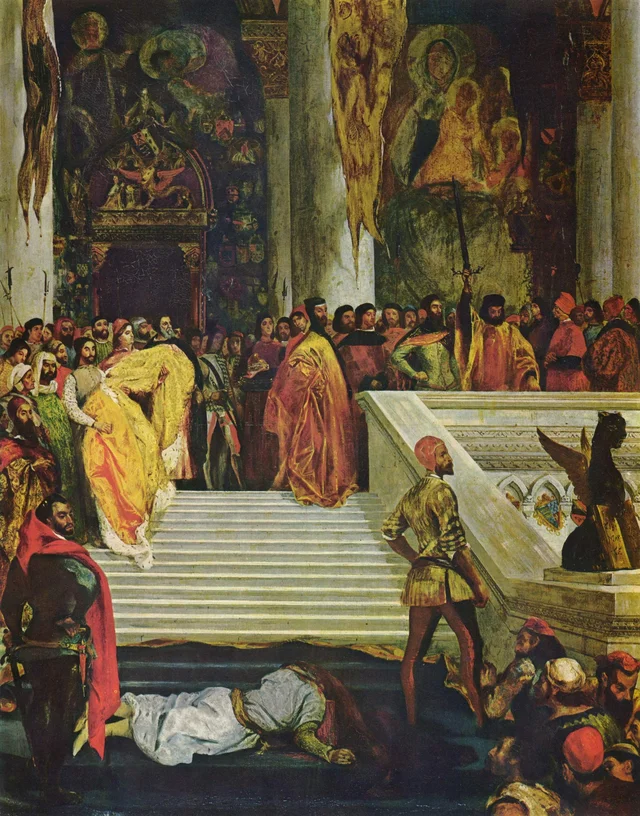 The Execution of the Doge Marino FalieroEugène Delacroix, 1826
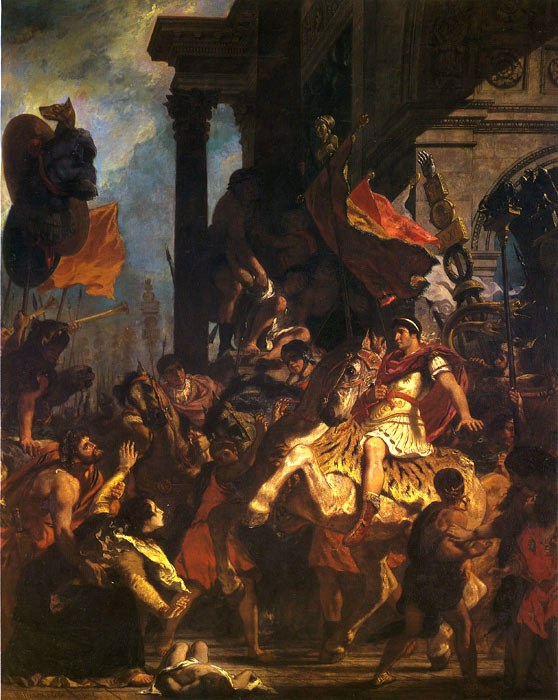 The Justice of TrajanEugène Delacroix, 1840
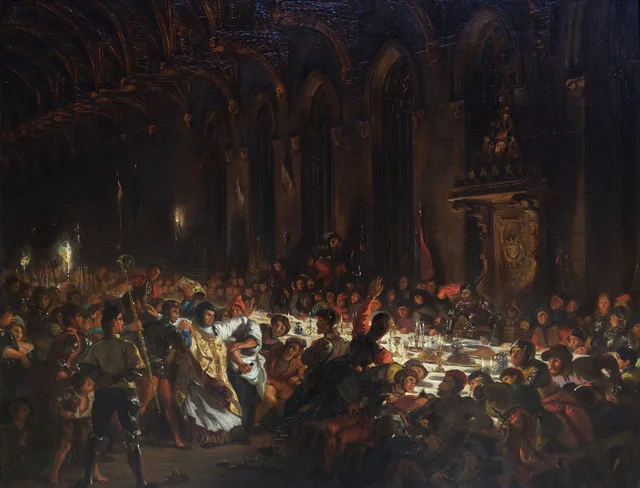 The Murder of the Bishop of LiègeEugène Delacroix, 1828
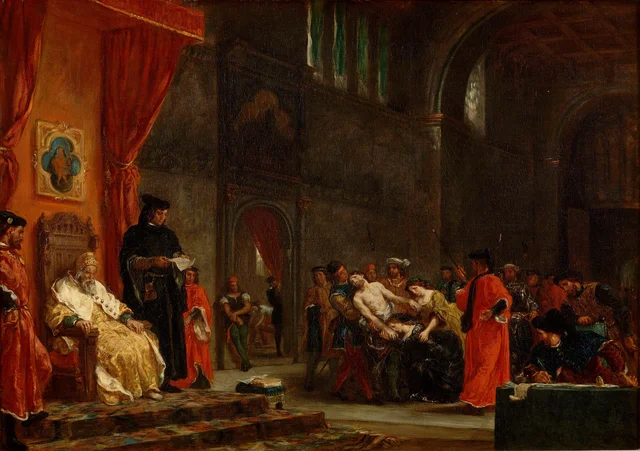 The Two FoscariEugène Delacroix, 1855
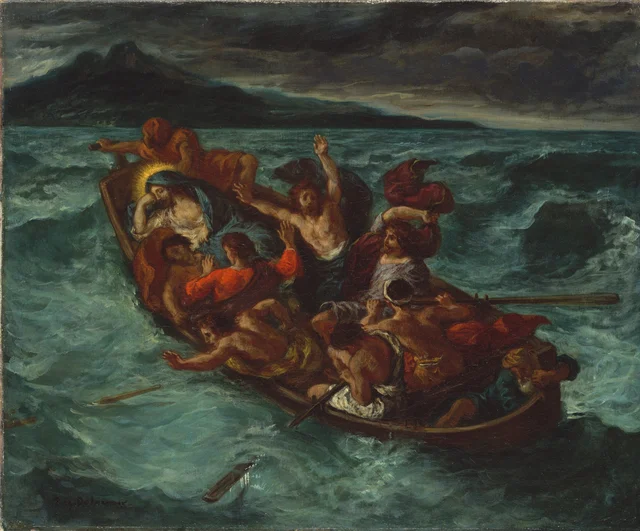 Christ Asleep during the TempestEugène Delacroix, 1853
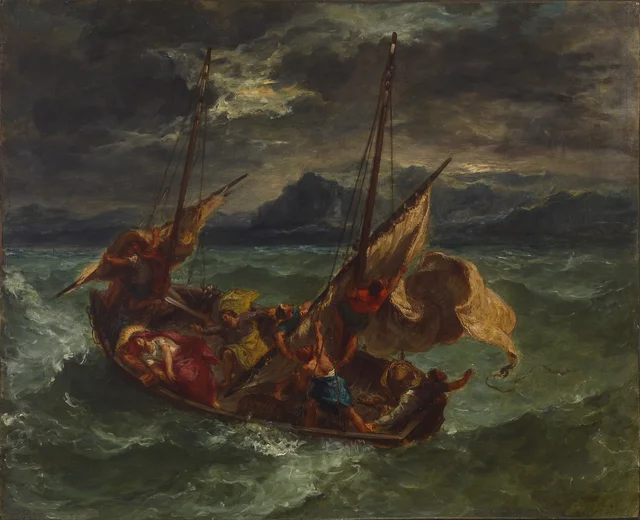 Christ on the Sea of GalileeEugène Delacroix, 1854
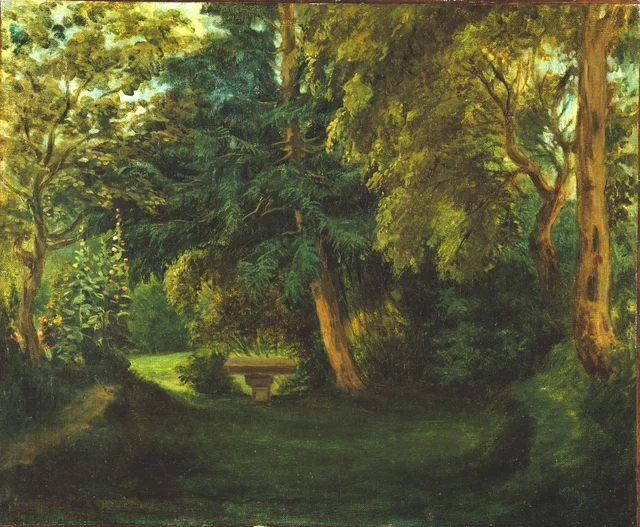 George Sand's Garden at NohantEugène Delacroix, 1842
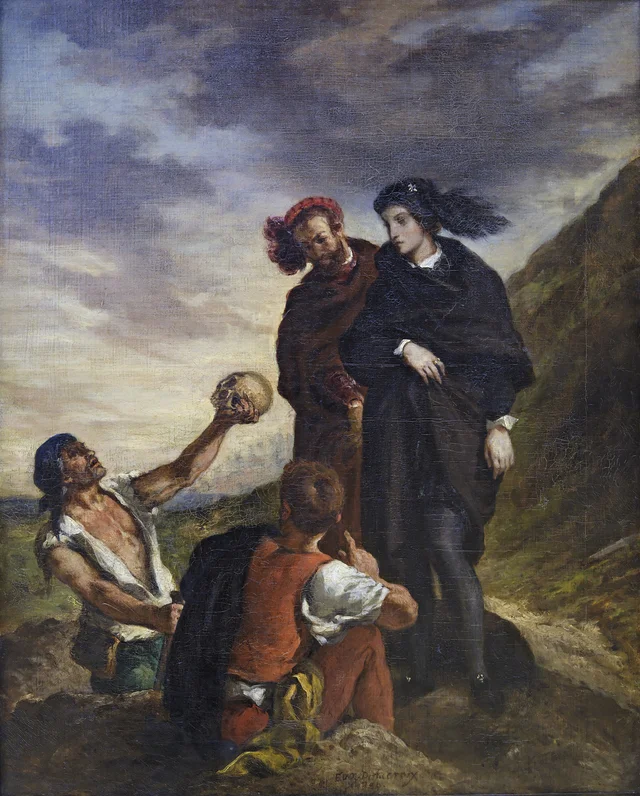 Hamlet and Horatio in the GraveyardEugène Delacroix, 1839
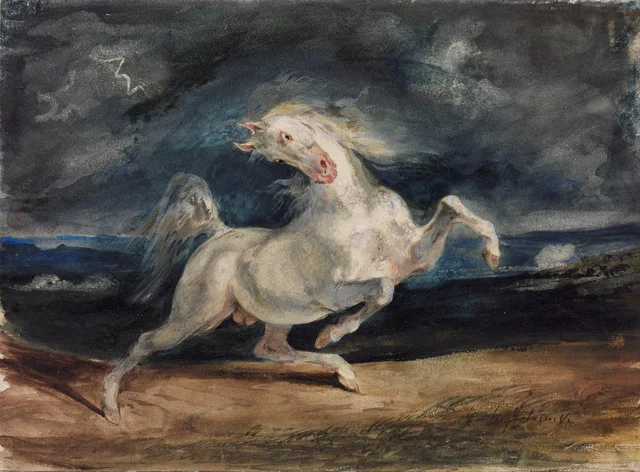 Horse Frightened by LightningEugène Delacroix, 1824
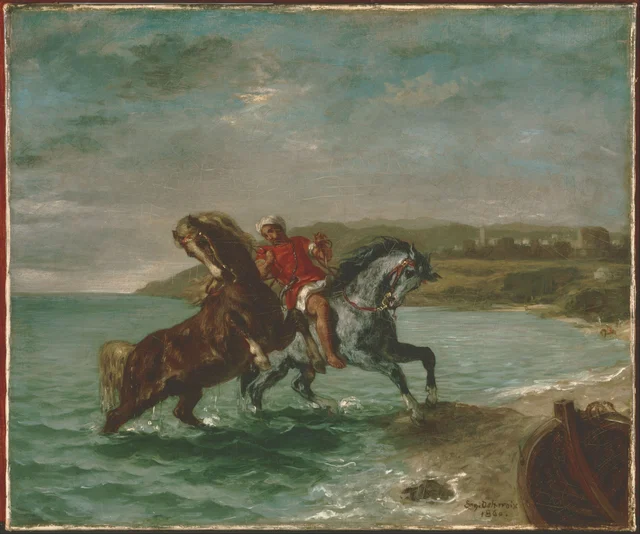 Horses Coming Out of the SeaEugène Delacroix, 1860
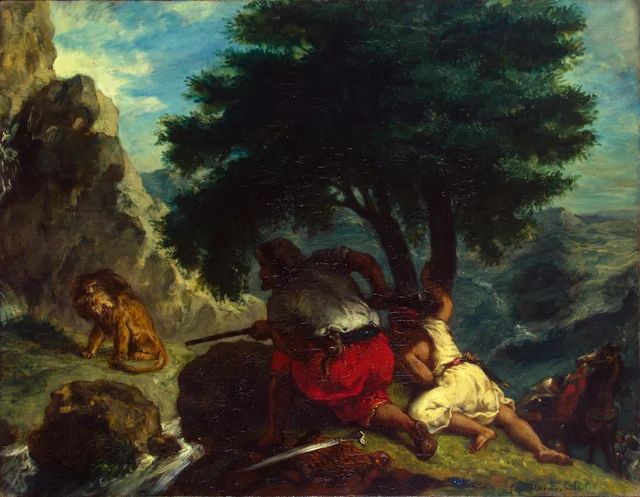 Lion Hunt in MoroccoEugène Delacroix, 1854
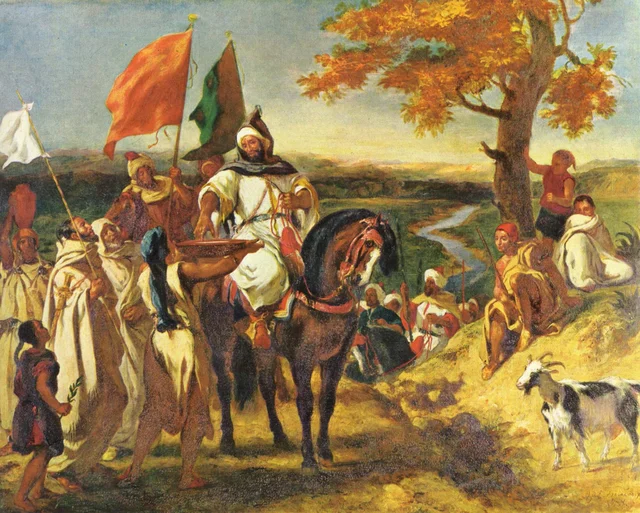 Moroccan caid visiting his tribeEugène Delacroix, 1837
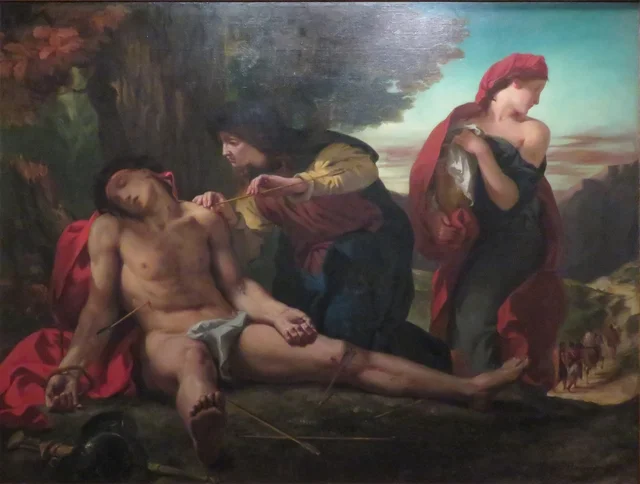 Saint Sebastian Tended by the Holy WomenEugène Delacroix, 1836
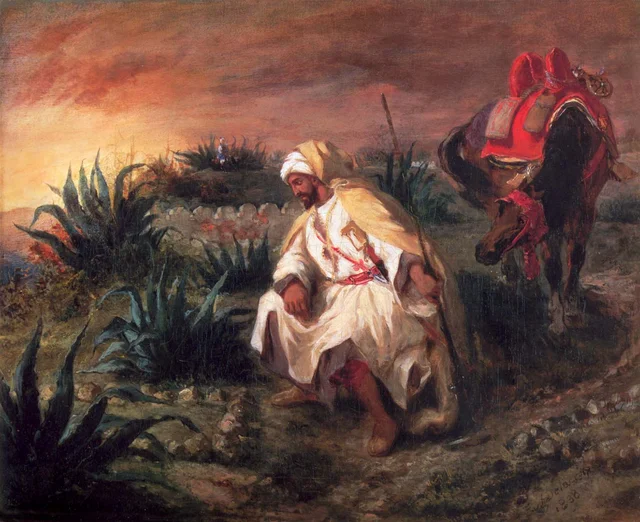 The Arabs at the GraveEugène Delacroix, 1838
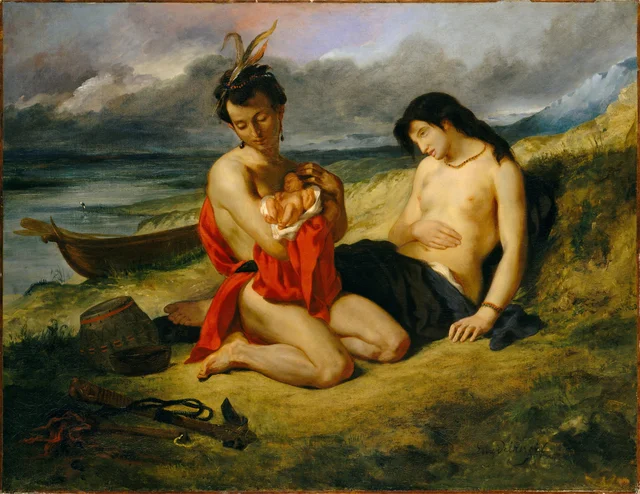 The NatchezEugène Delacroix, 1835
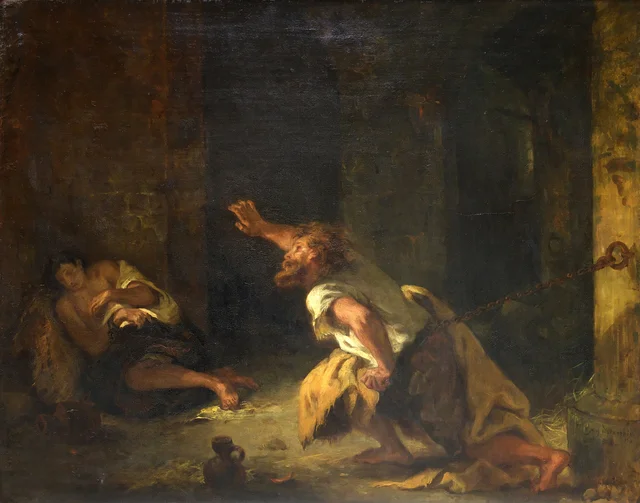 The Prisoner of ChillonEugène Delacroix, 1834
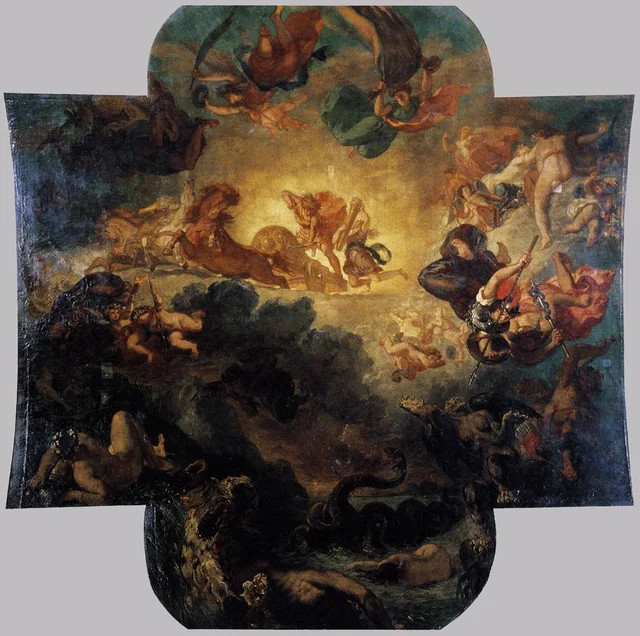 Apollo Vanquishing the PythonEugène Delacroix, 1850
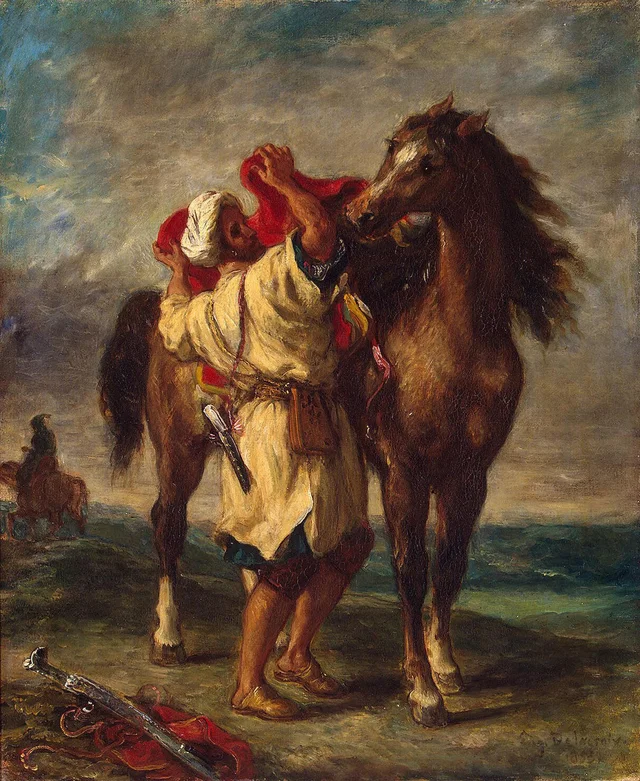 Arab Saddling his HorseEugène Delacroix, 1855