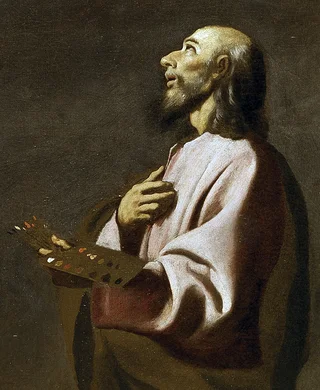
Francisco de Zurbarán
1598–1664 · Spain · Baroque
The story
In January 1626 the Dominican monastery of San Pablo el Real in Seville contracted the young Francisco de Zurbarán for 21 paintings in eight months, 14 of them scenes from the life of Saint Dominic. He delivered on time, and the commission made his name. Within three years the city council of Seville formally invited him to move there permanently because his paintings, they said, were raising the city's reputation.
For the next two decades Zurbarán painted almost exclusively for monasteries and religious orders across Spain and its American colonies, developing a style built on stark light against near-black backgrounds and an unusual gift for rendering white cloth, the coarse wool habits of Carthusians and Franciscans painted with a sculptor's attention to folds and weight.
His market collapsed after 1640, when Seville's taste shifted toward the softer, more sentimental religious painting of the younger Bartolomé Esteban Murillo. Zurbarán moved to Madrid in 1658 looking for royal work and died there in 1664, largely overtaken by the painter he had once outshone.
Works
106 works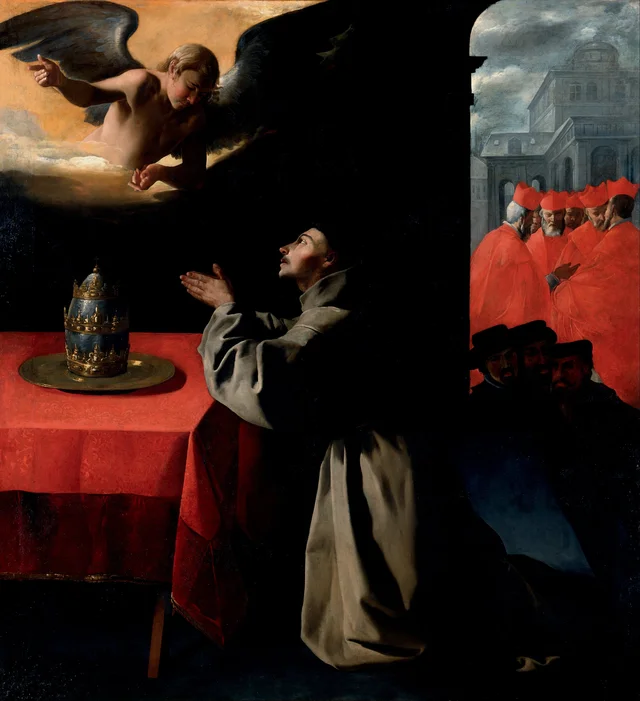 The Prayer of St. Bonaventura about the Selection of the New PopeFrancisco de Zurbarán, 1628
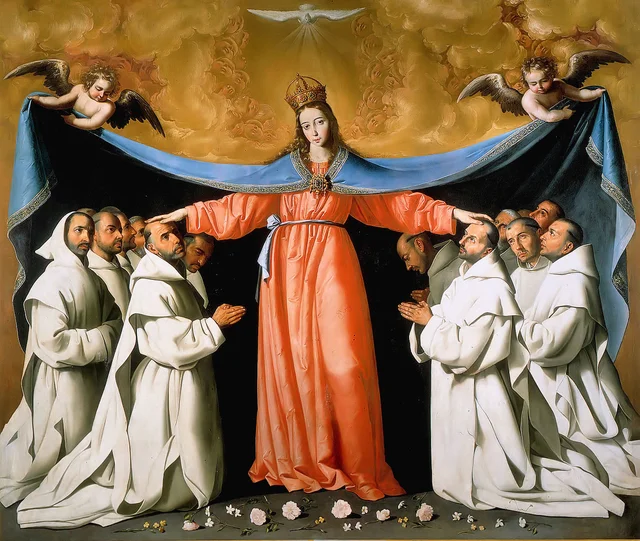 The Virgin of the CavesFrancisco de Zurbarán, 1650
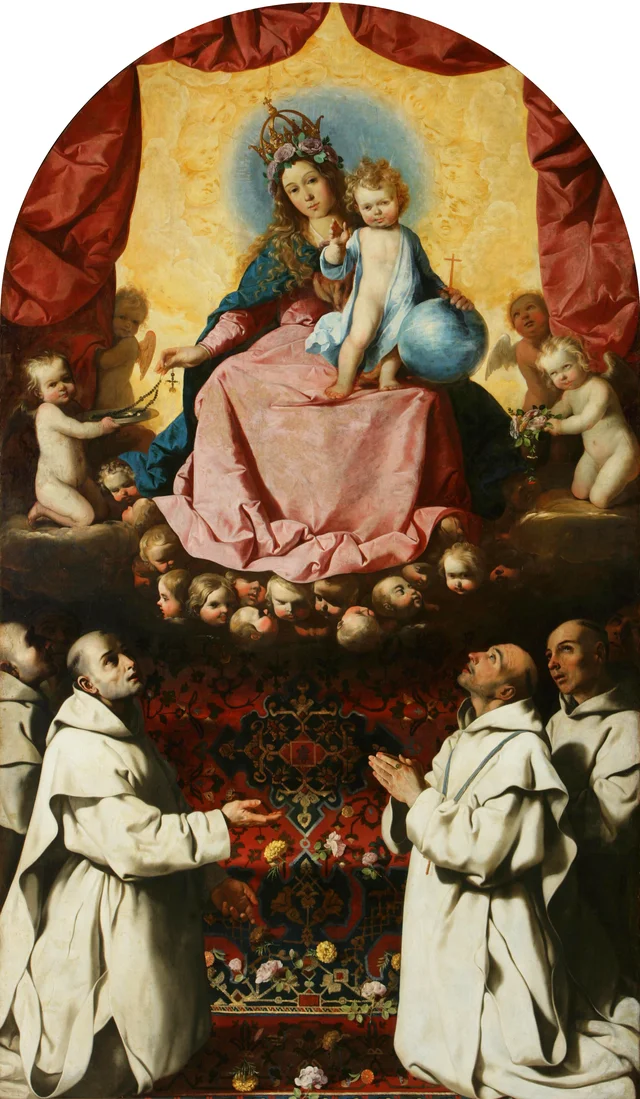 The Virgin of the Rosary venerated by CarthusiansFrancisco de Zurbarán, 1638
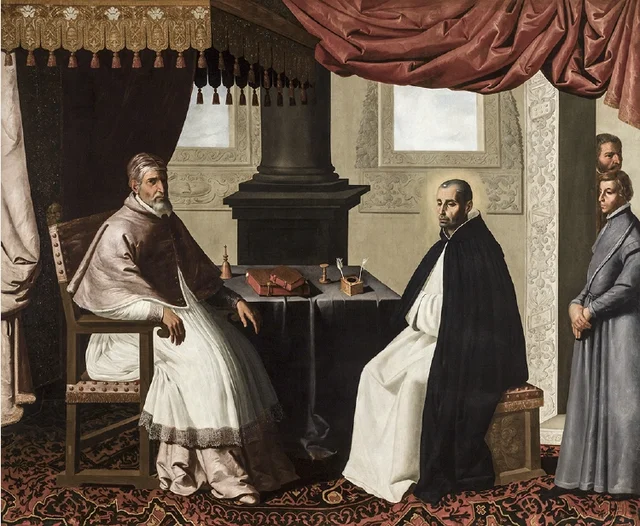 The Visit of Saint Bruno to Urban IIFrancisco de Zurbarán, 1655
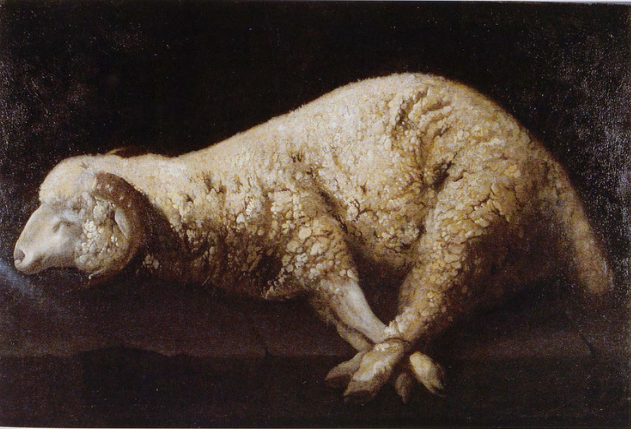 Agnus DeiFrancisco de Zurbarán, 1632
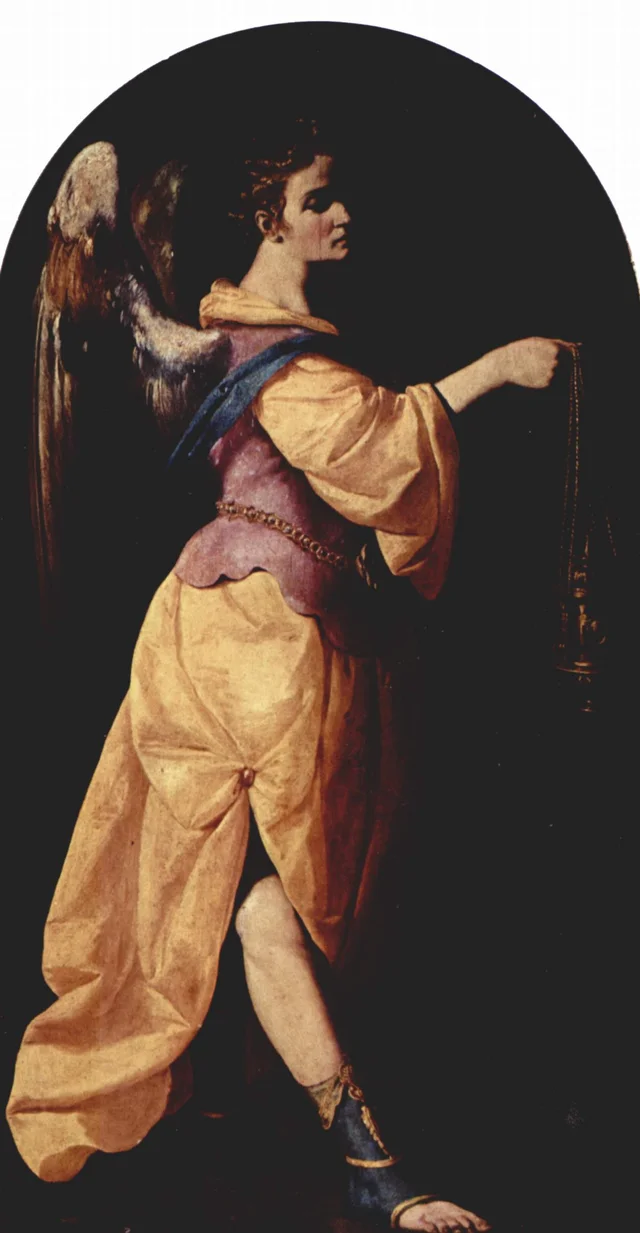 Angel Carrying a ThuribleFrancisco de Zurbarán, 1638
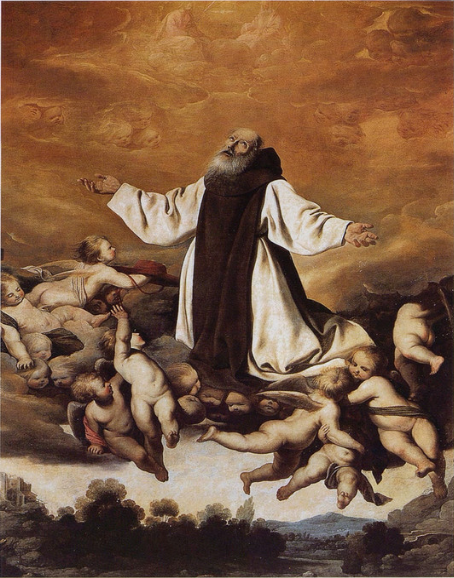 Apotheosis of Saint JeromeFrancisco de Zurbarán, 1640
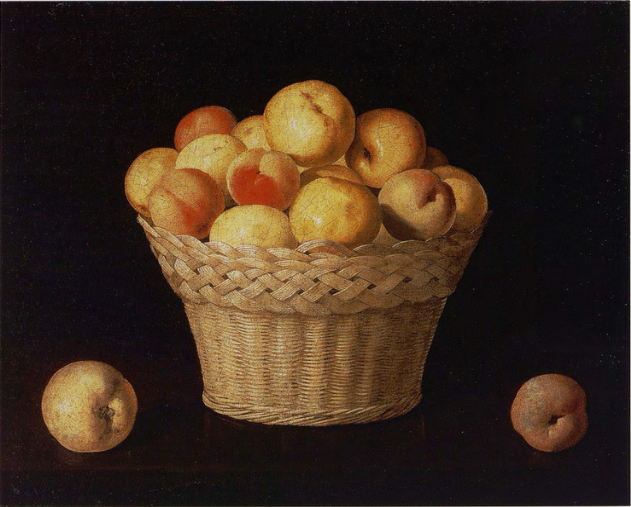 Basket of Apples and PeachesFrancisco de Zurbarán, 1630
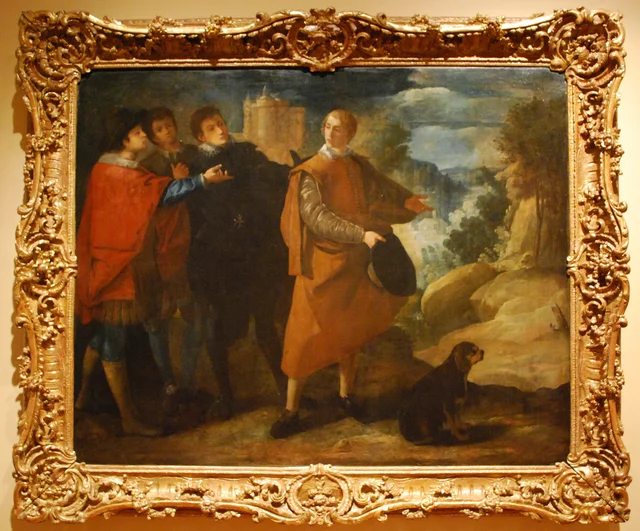 Departure of Saint Peter Nolasco for BarcelonaFrancisco de Zurbarán, 1628
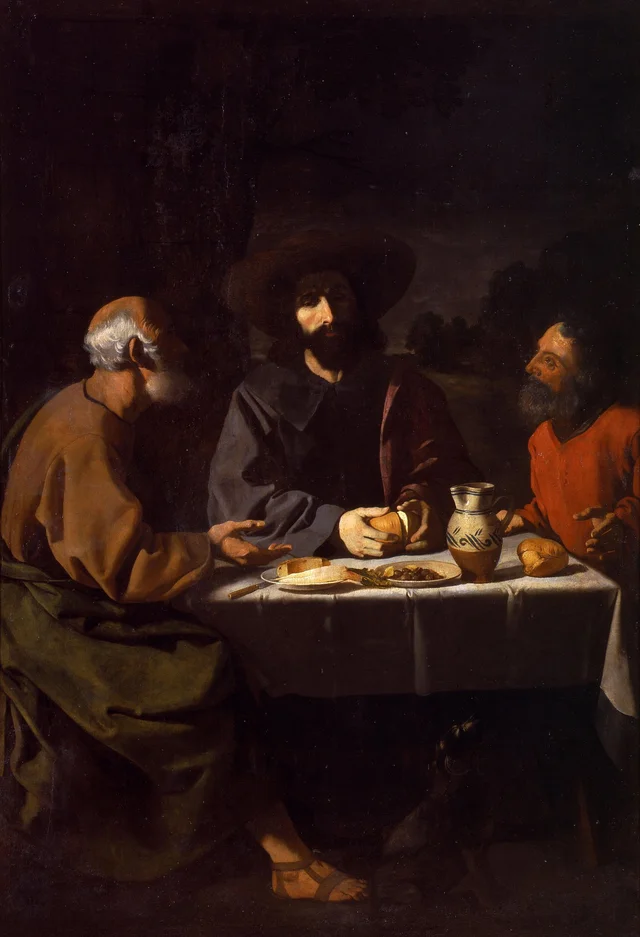 Dinner at EmmausFrancisco de Zurbarán, 1639
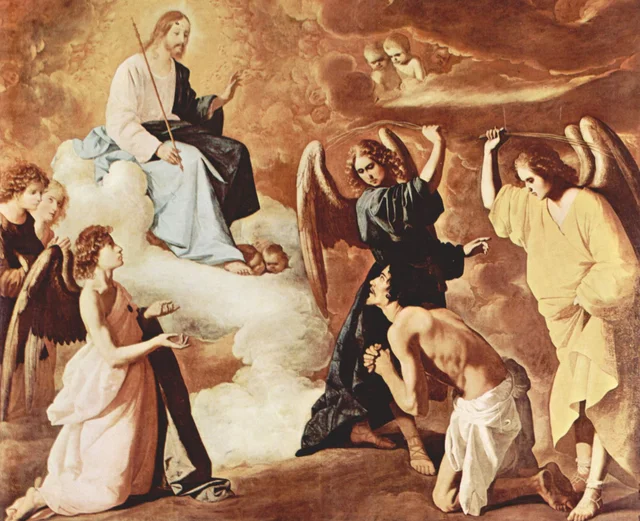 Flagellation of Saint JeromeFrancisco de Zurbarán, 1640
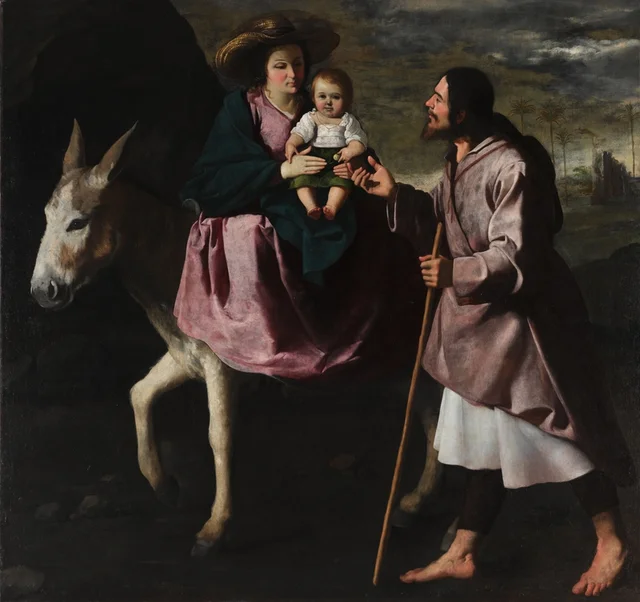 Flight into EgyptFrancisco de Zurbarán, 1639
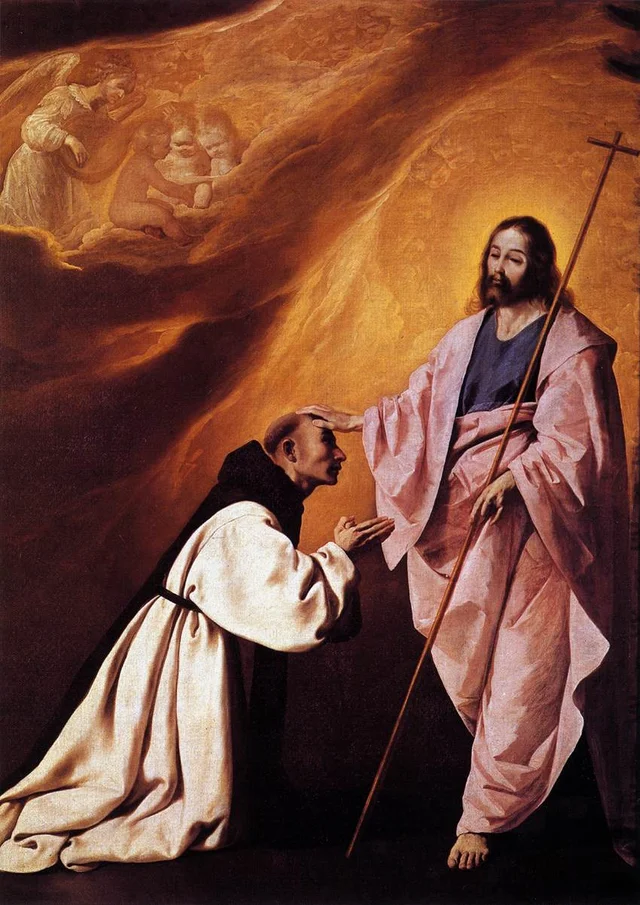 Friar Andrés de Salmeron Comforted by ChristFrancisco de Zurbarán, 1639
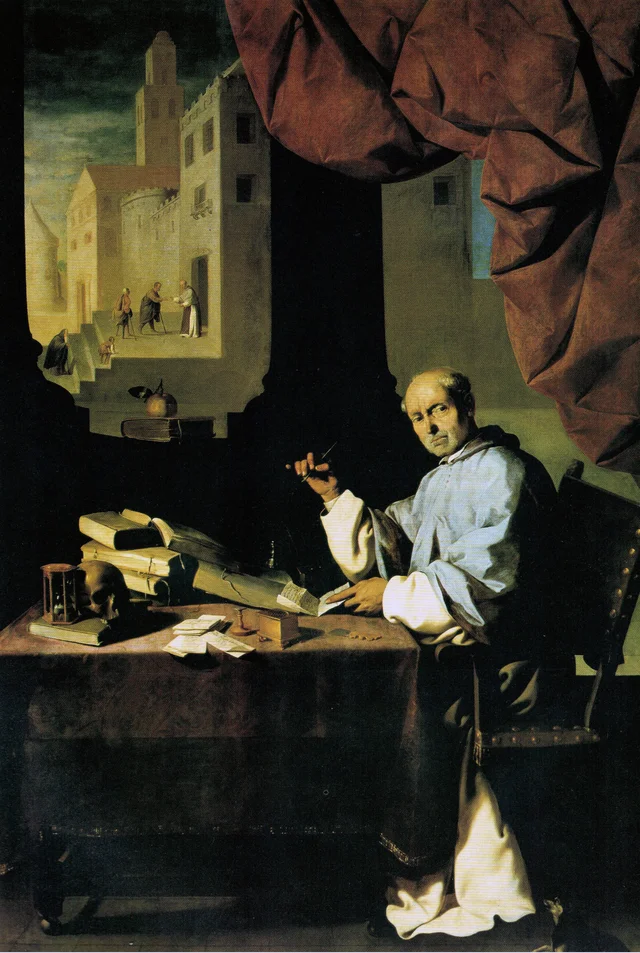 Friar Gonzalo de IllescasFrancisco de Zurbarán, 1639
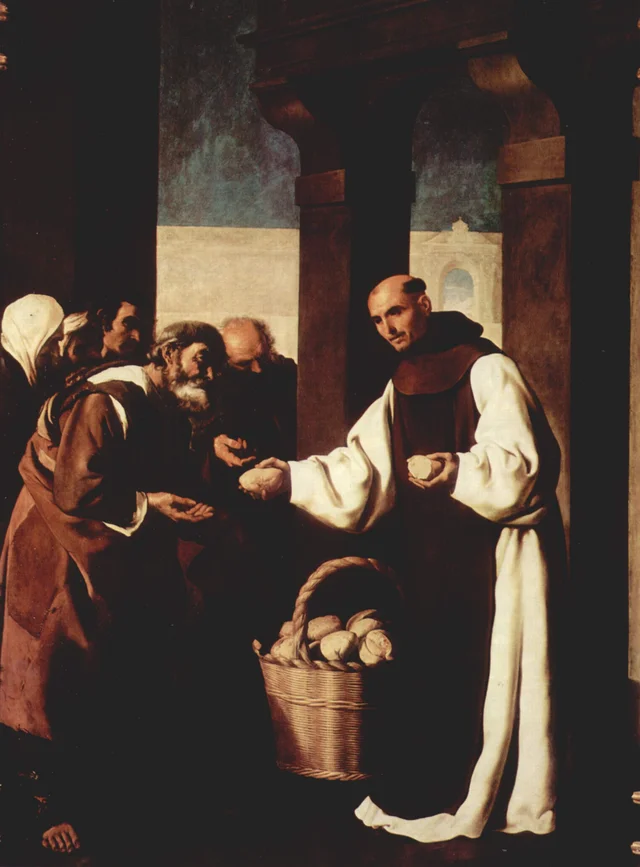 Friar Martín de Vizcaya Giving AlmsFrancisco de Zurbarán, 1639
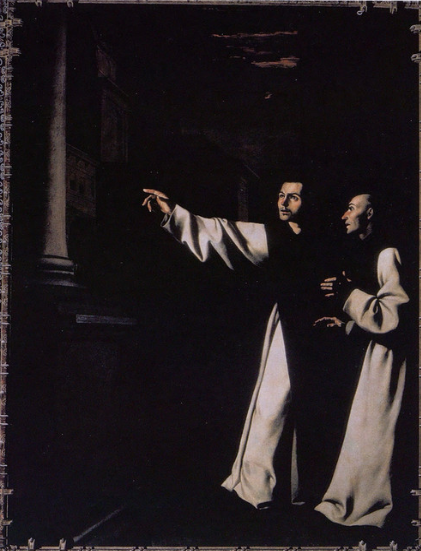 Friar Pedro de Salamanca's Premonitory VisionFrancisco de Zurbarán, 1639
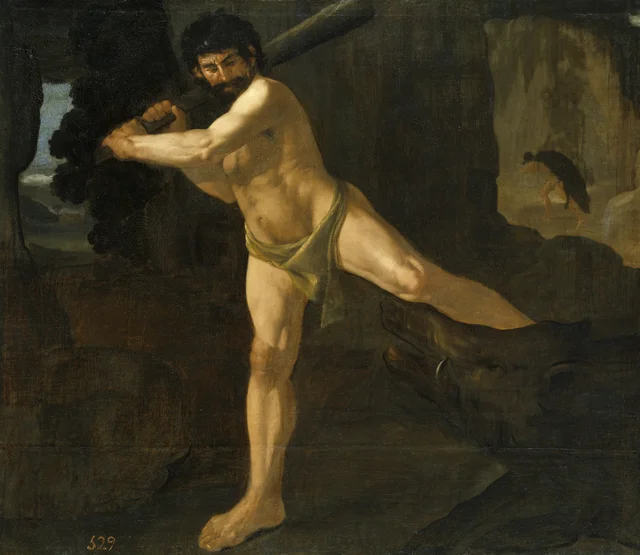 Hercules and the Erymanthian BoarFrancisco de Zurbarán, 1634
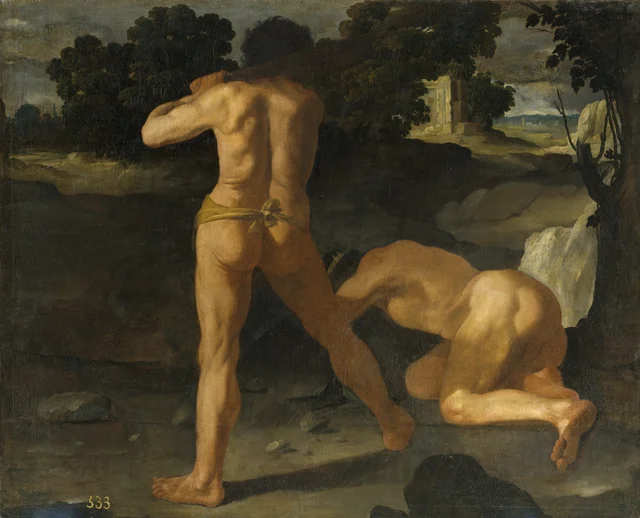 Hercules defeats King GeryonFrancisco de Zurbarán, 1634
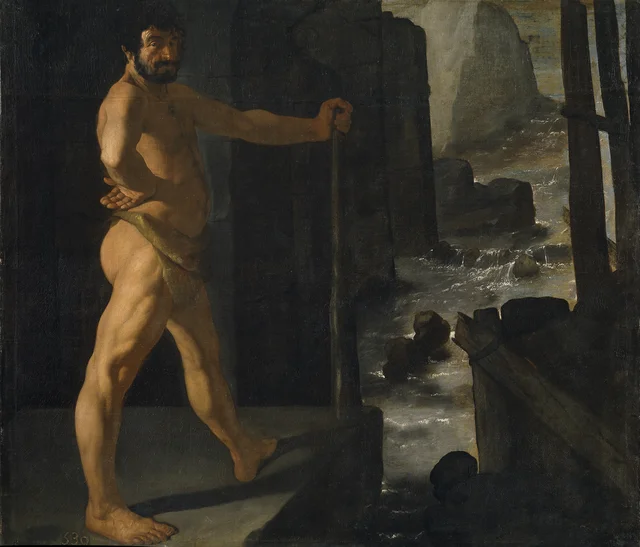 Hercules diverting the Course of the River AlpheusFrancisco de Zurbarán, 1634
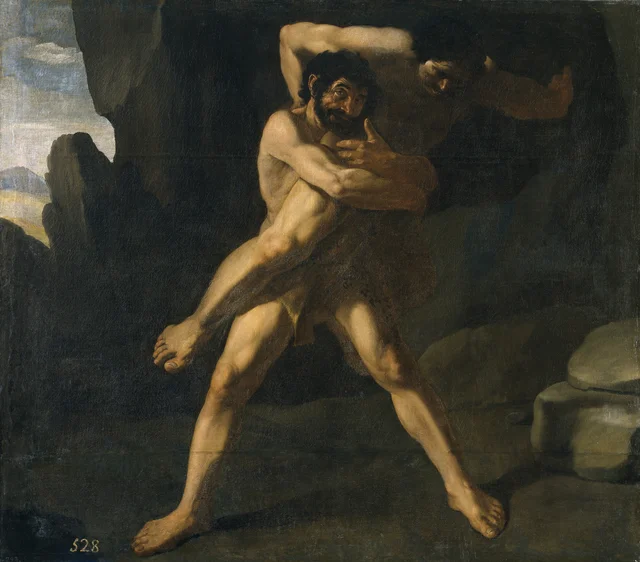 Hercules fighting with AntaeusFrancisco de Zurbarán, 1634
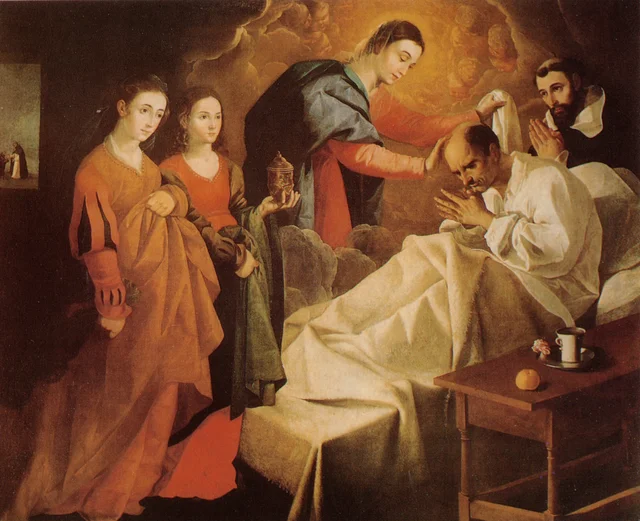 Miraculous Healing of the Blessed Reginald of OrleansFrancisco de Zurbarán, 1626
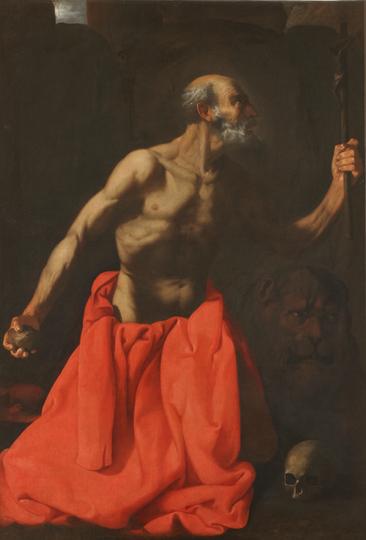 Penitent Saint JeromeFrancisco de Zurbarán, 1650
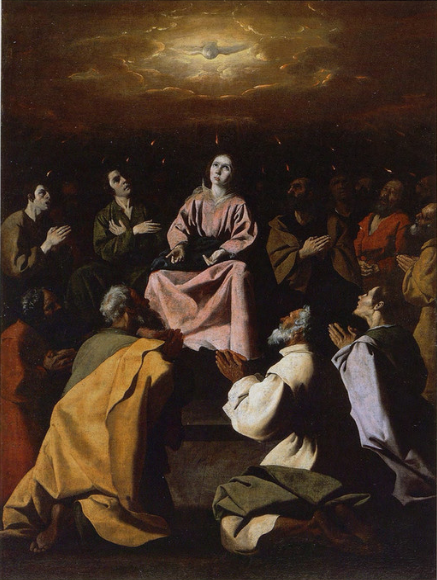 PentecostFrancisco de Zurbarán, 1635
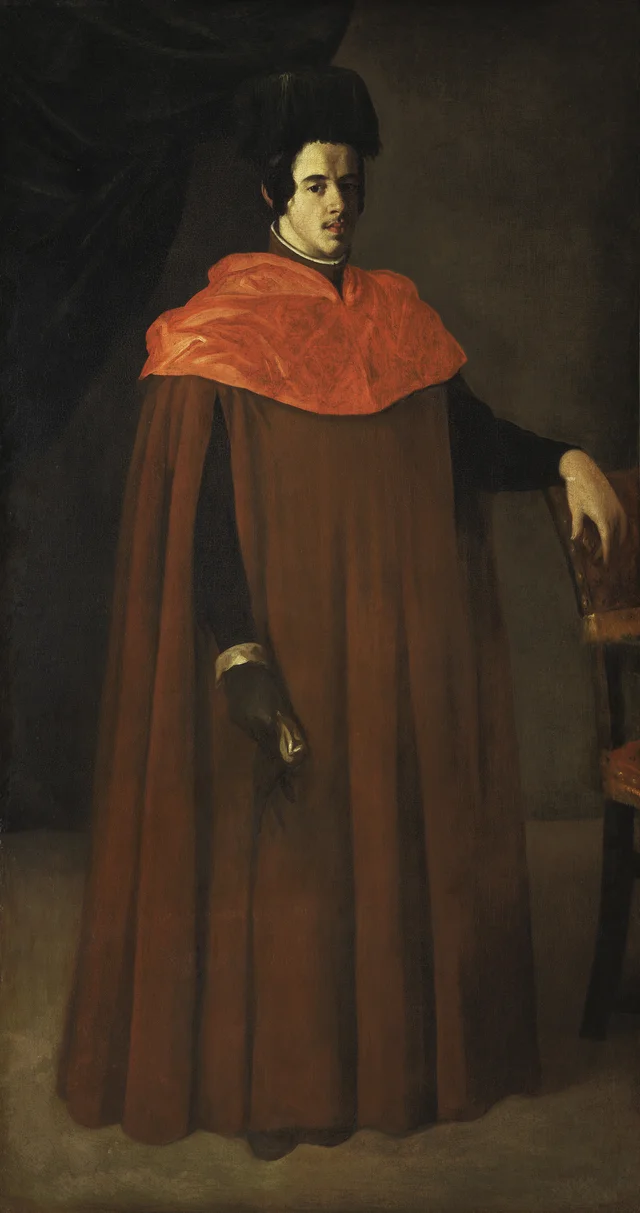 Portrait of a Doctor of LawFrancisco de Zurbarán, 1635
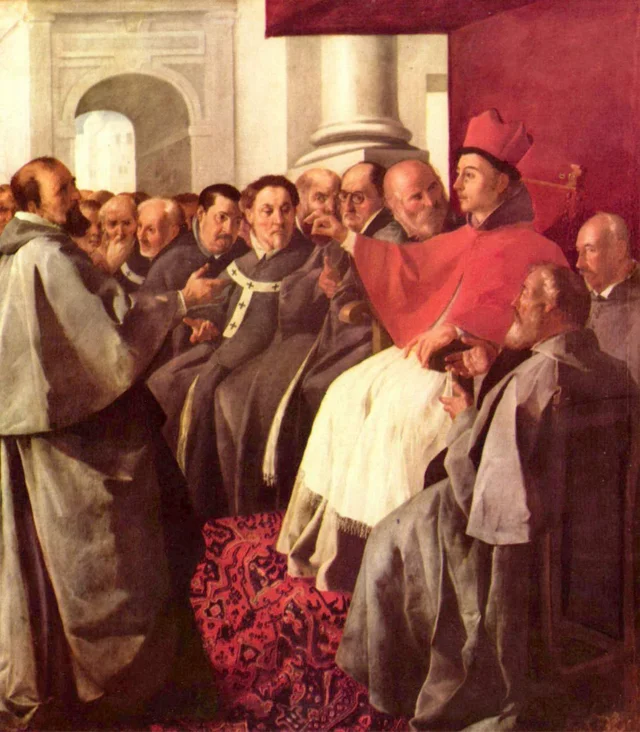 Saint Bonaventure at the Council of LyonFrancisco de Zurbarán, 1629