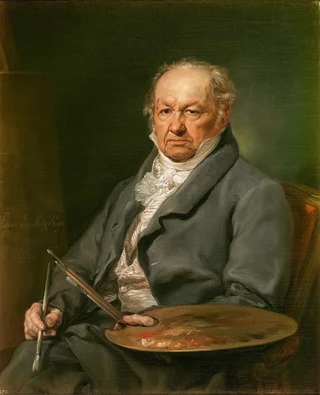
Francisco Goya
1746–1828 · Spain · Romanticism
The story
Francisco Goya climbed about as high as a painter could in 18th-century Spain. From a provincial town in Aragón he worked his way up to first court painter to the king in Madrid, turning out bright tapestry designs and flattering royal portraits. Then, in the winter of 1792, he was struck down by an illness no one has ever named with certainty, months of fever, dizziness and ringing in the head, and when it passed he was stone deaf, and stayed so for the remaining 35 years of his life. He kept his court position, but something in the work turned inward and dark.
Shut inside his own silence, he made a series of etchings, the Caprichos, full of witches, donkeys and monsters, one of them captioned that the sleep of reason produces monsters. Then history caught up with the private darkness. In 1808 Napoleon's armies poured into Spain, put the emperor's brother on the throne, and the Madrid crowd rose against them; the French shot the rebels in batches through the night. Years later Goya painted that night, a man in a white shirt flinging his arms wide before a faceless firing squad, a single lantern on the ground between them. It is often called the first great modern painting of war, with no glory in it anywhere.
At the end he went further still. Old, deaf, sickened by what he had lived through, he covered the walls of his own farmhouse outside Madrid with paintings meant for no one to buy, black, private, nightmarish things, among them a giant god devouring one of his own children. He never titled them; we call them the Black Paintings. He did not even take them with him when, near 80 and out of sympathy with the Spanish crown, he left the country for Bordeaux in France, where he died. The murals were peeled off the walls decades later and hang now in Madrid.
More articles
Works
374 works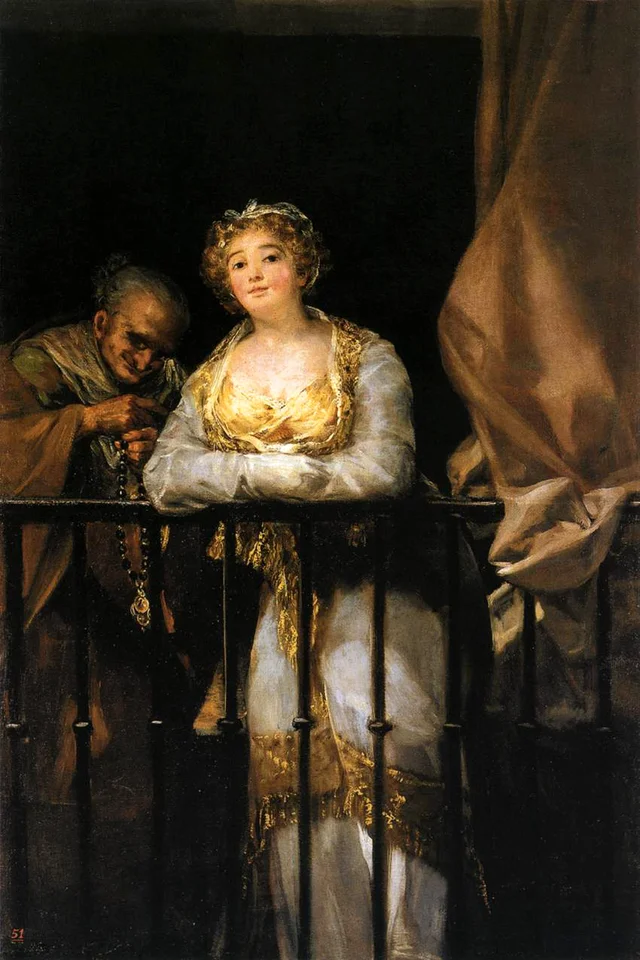 Maja and Celestine on the balconyFrancisco Goya, 1808
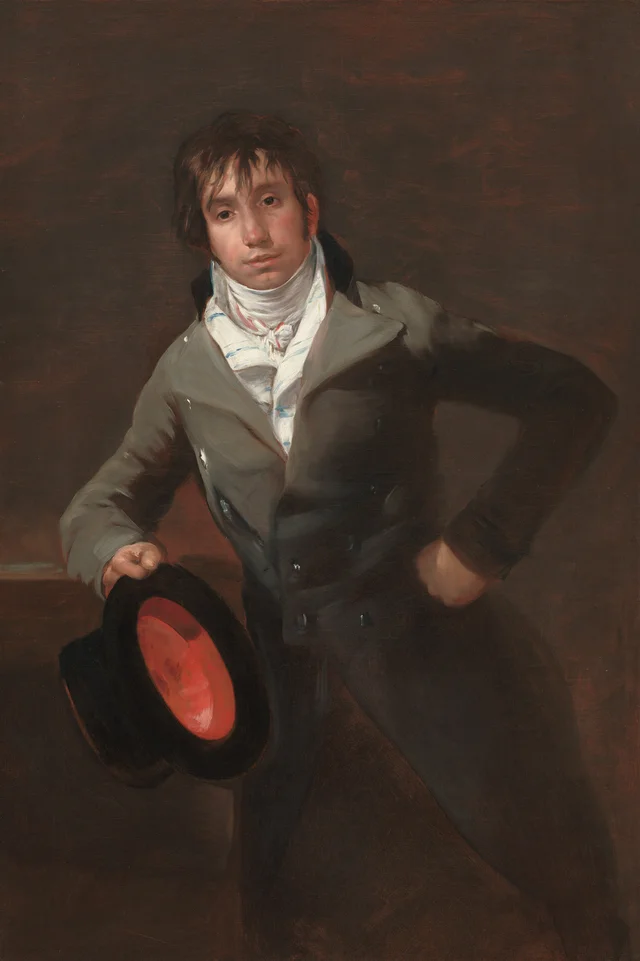 Portrait of Bartolomé Sureda y MiserolFrancisco Goya, 1804
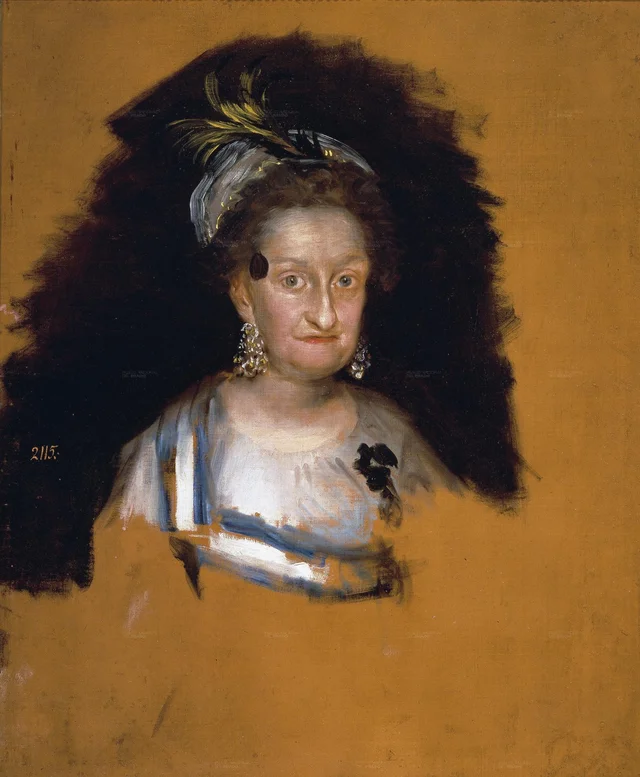 Portrait of Maria Josefa of SpainFrancisco Goya, 1800
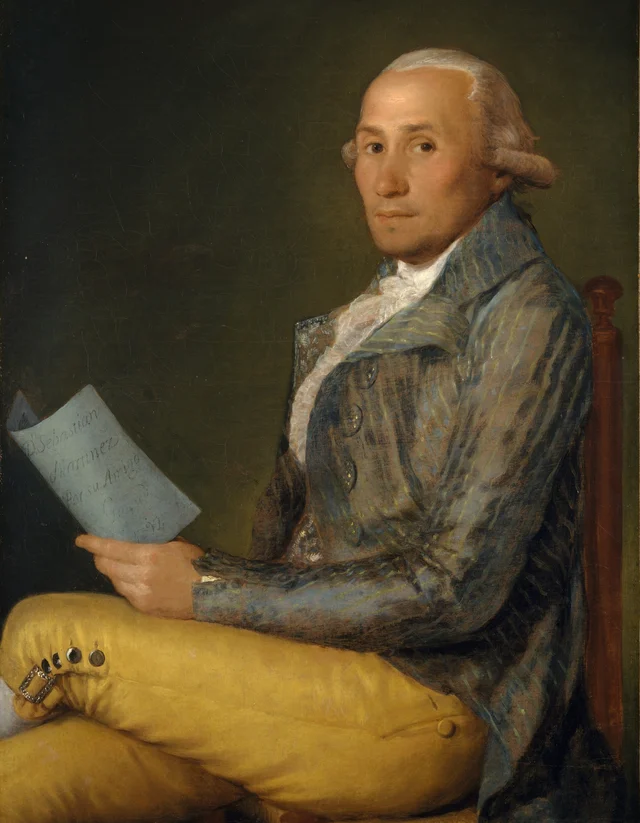 Portrait of Sebastián Martínez y PérezFrancisco Goya, 1792
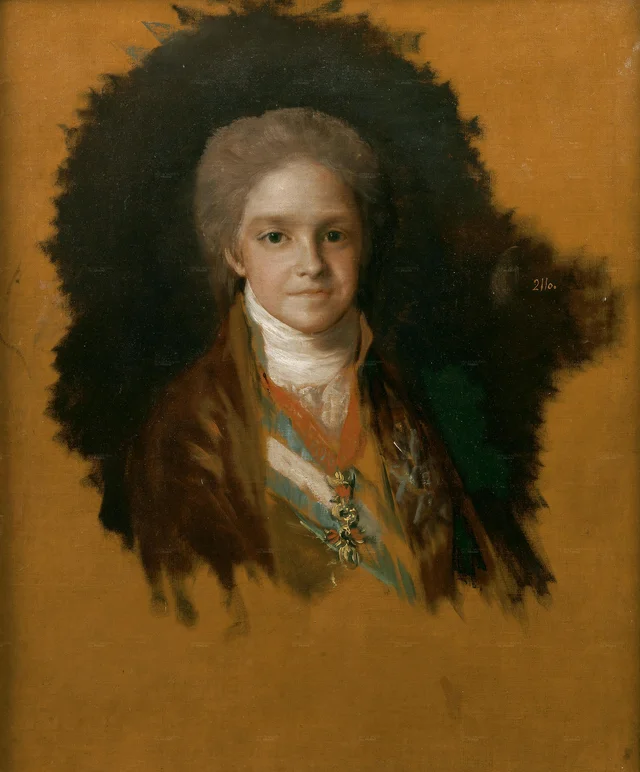 Portrait of the Infante Carlos María Isidro of SpainFrancisco Goya, 1800
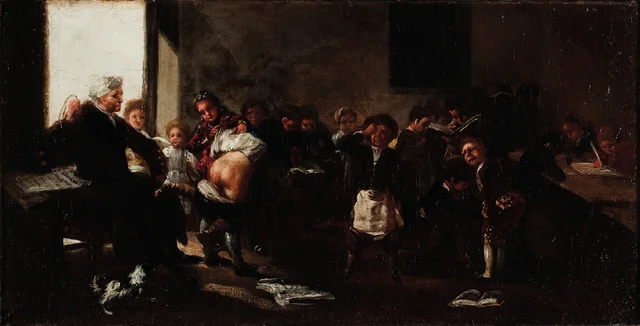 School sceneFrancisco Goya, 1780
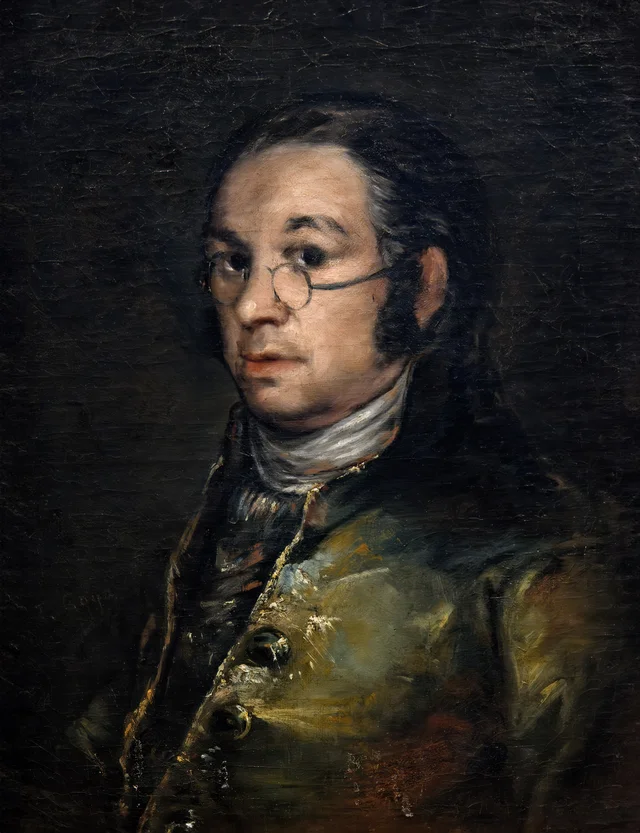 Self portrait with spectaclesFrancisco Goya, 1800
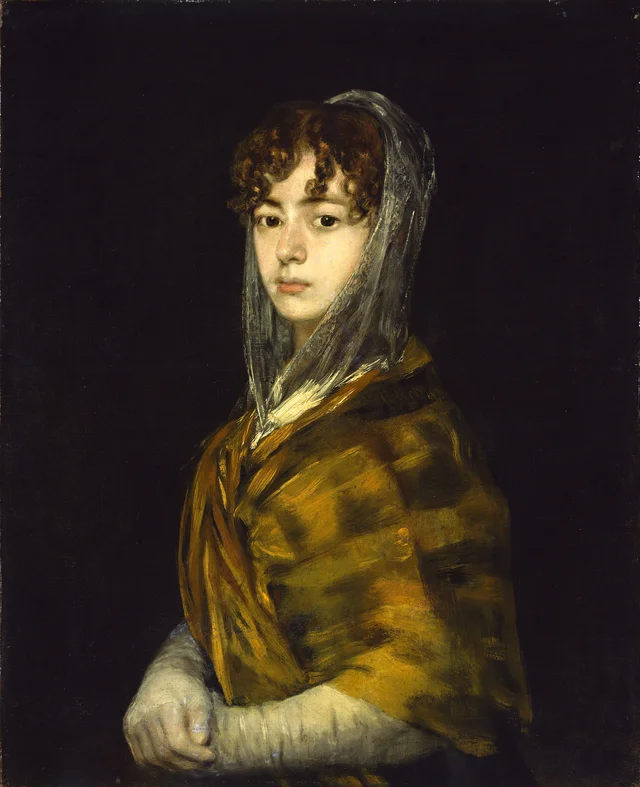 Señora Sabasa GarciaFrancisco Goya, 1804
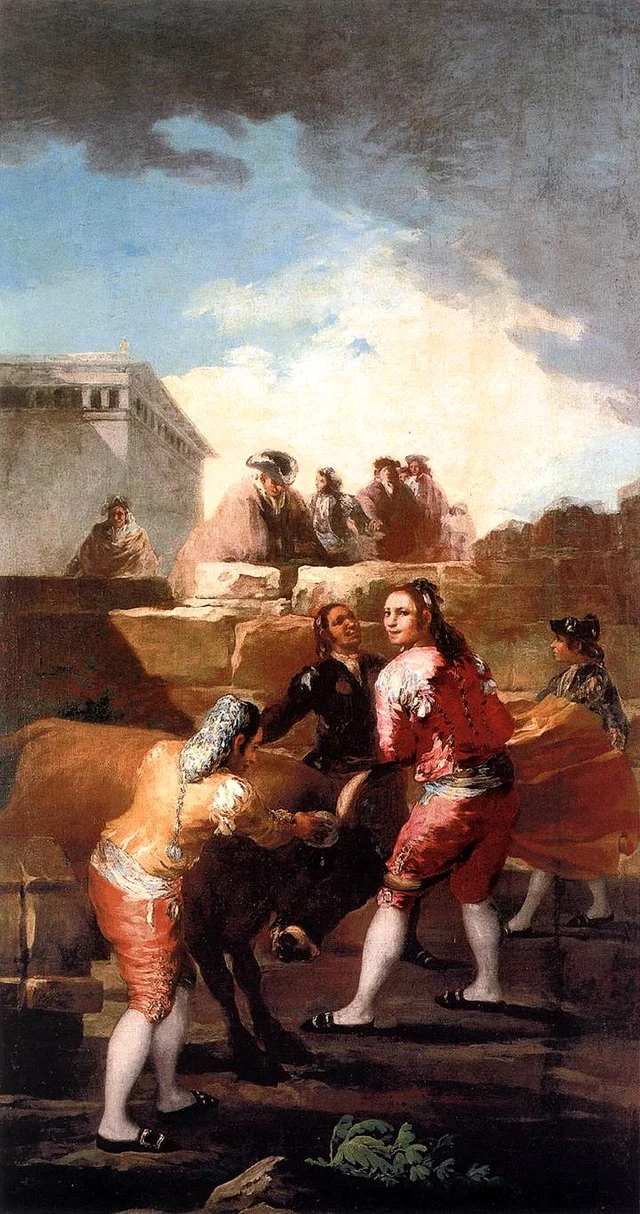 The BullfightFrancisco Goya, 1779
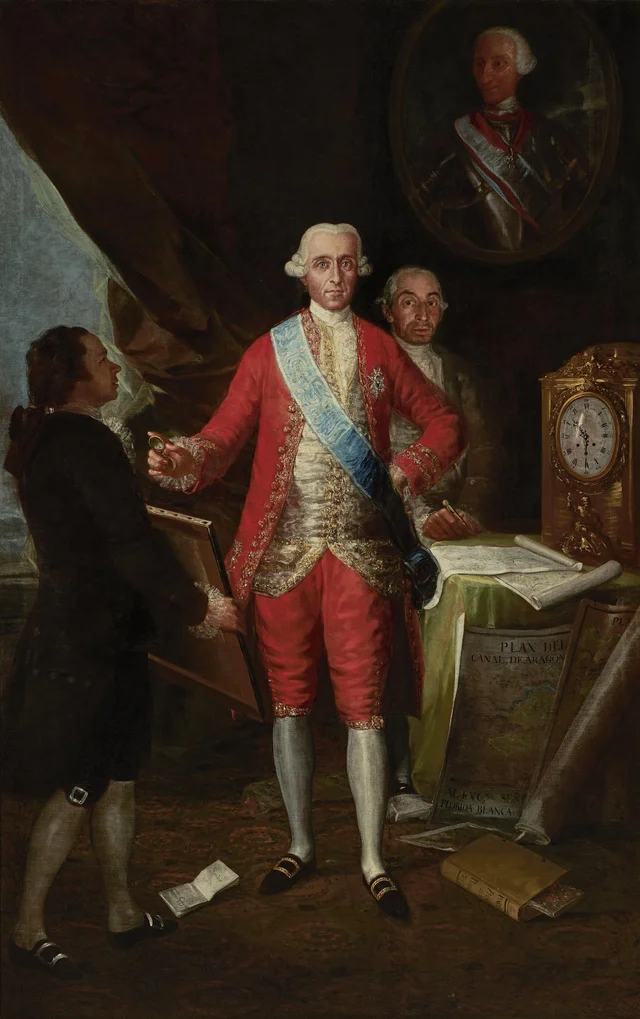 The Count of FloridablancaFrancisco Goya, 1783
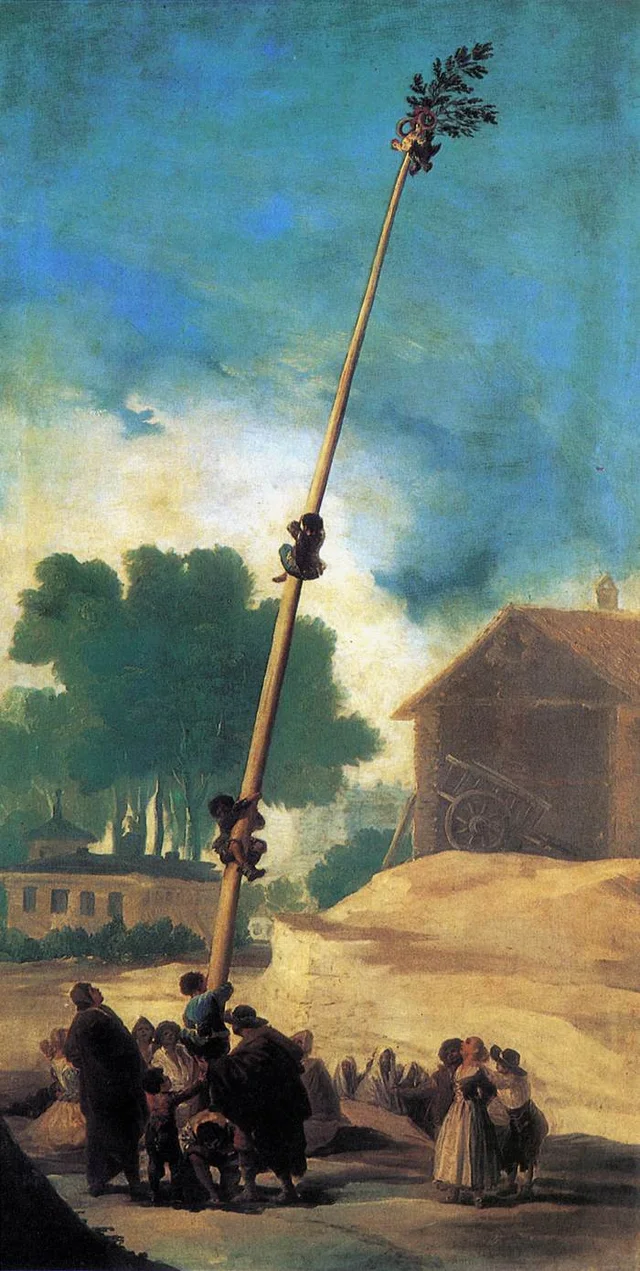 The Greasy PoleFrancisco Goya, 1787
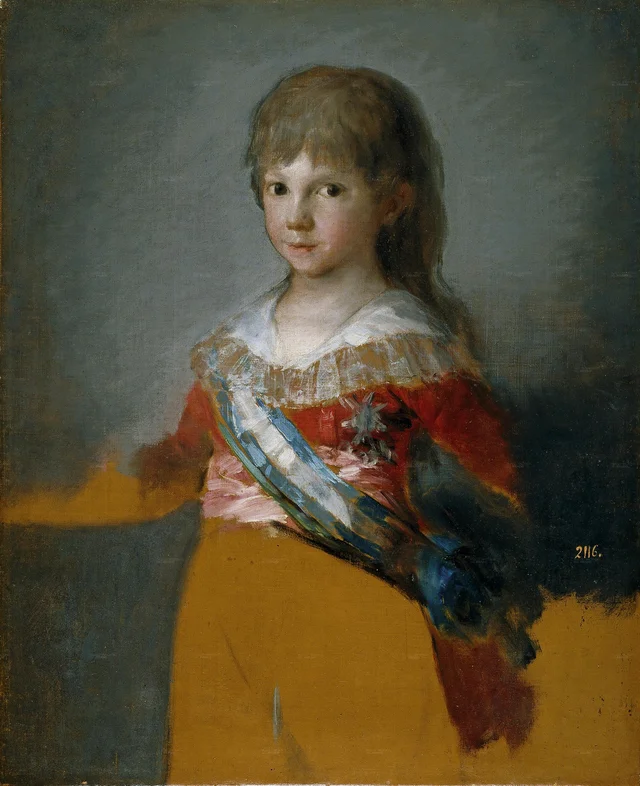 The infante Francisco de PaulaFrancisco Goya, 1800
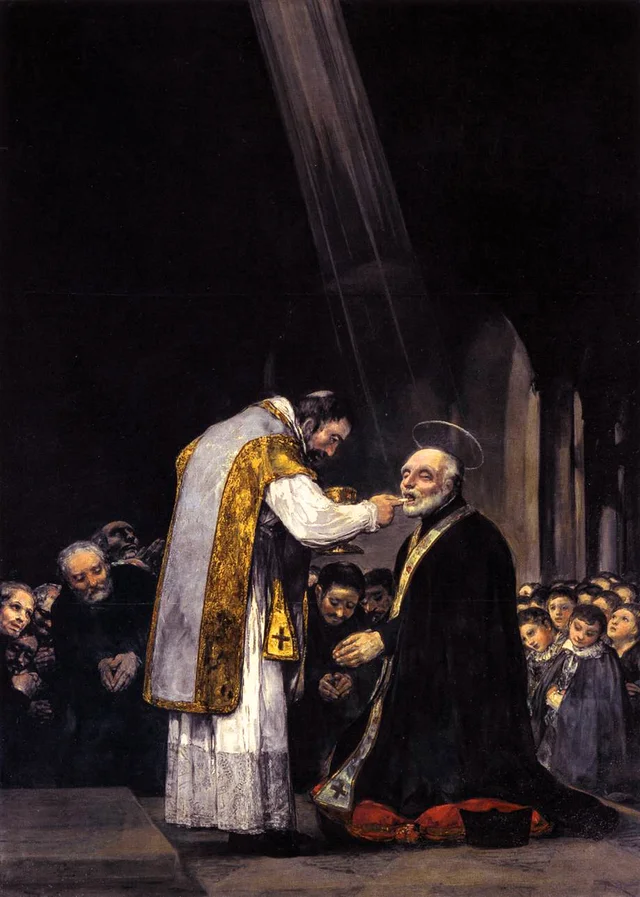 The last communion of St Joseph of CalasanzFrancisco Goya, 1819
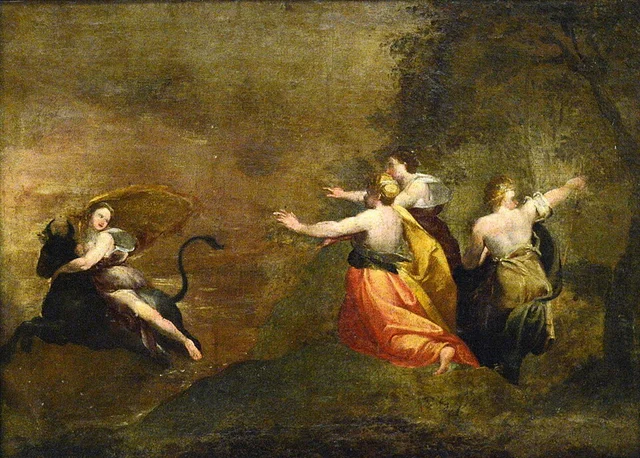 The Rape of EuropaFrancisco Goya, 1772
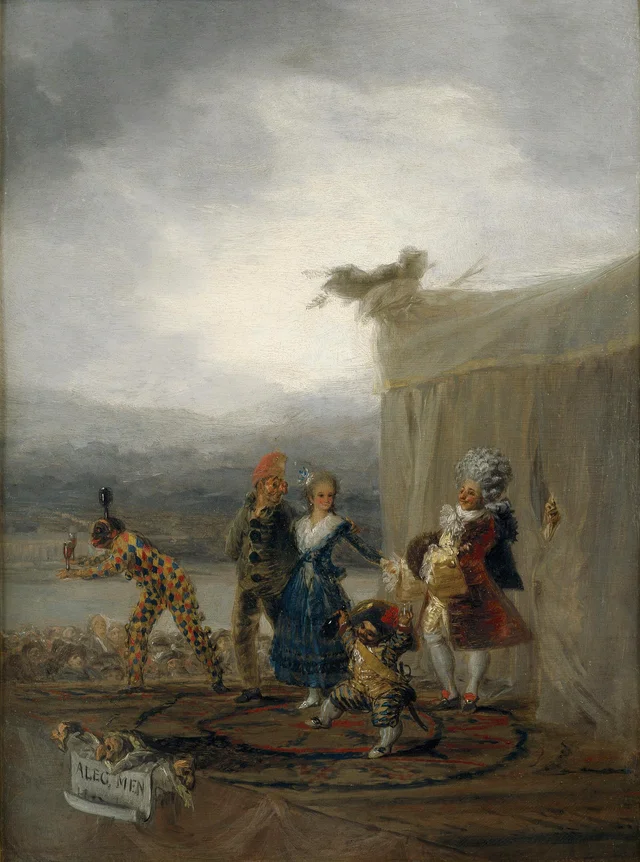 The Strolling PlayersFrancisco Goya, 1793
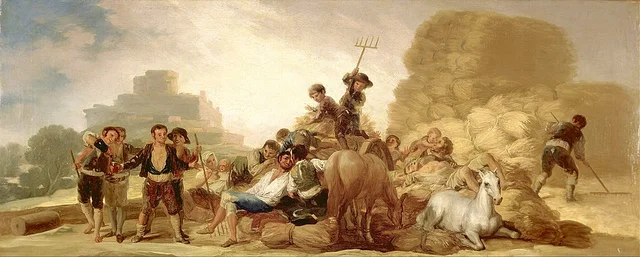 The Threshing FloorFrancisco Goya, 1786
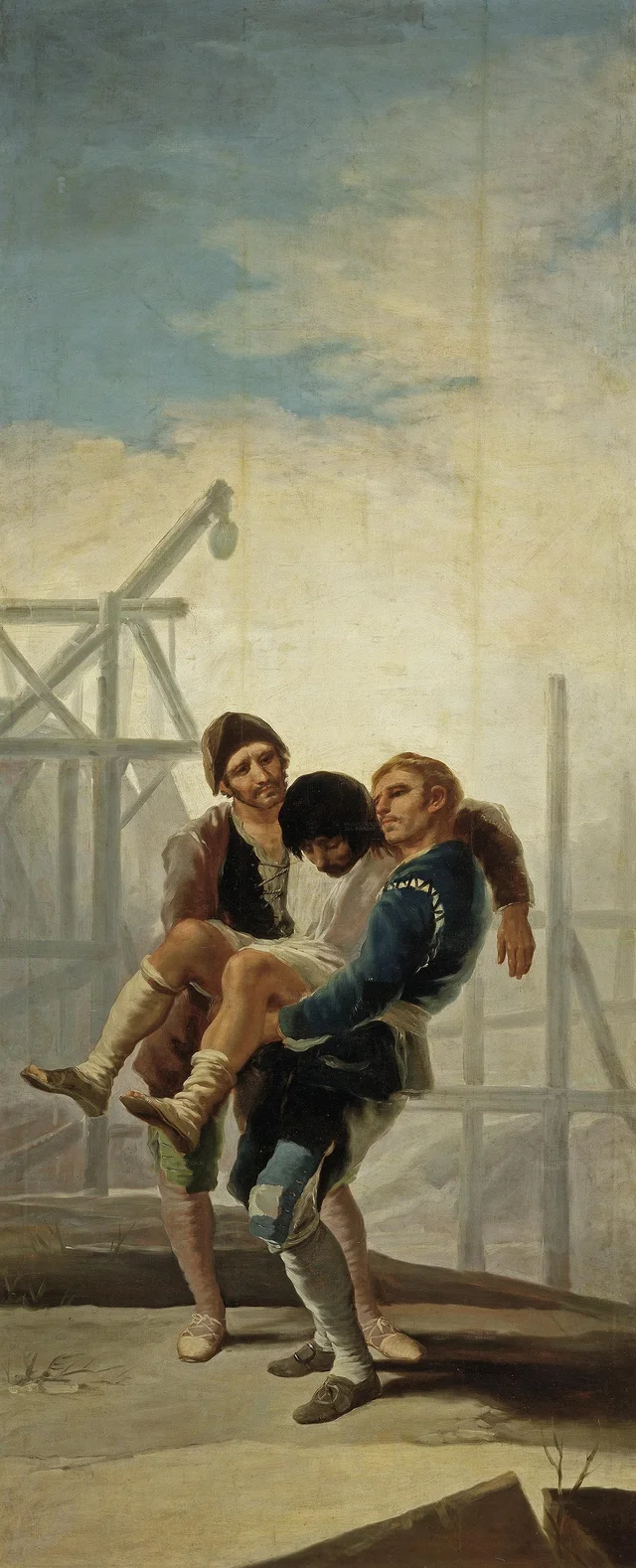 The wounded bricklayerFrancisco Goya, 1786
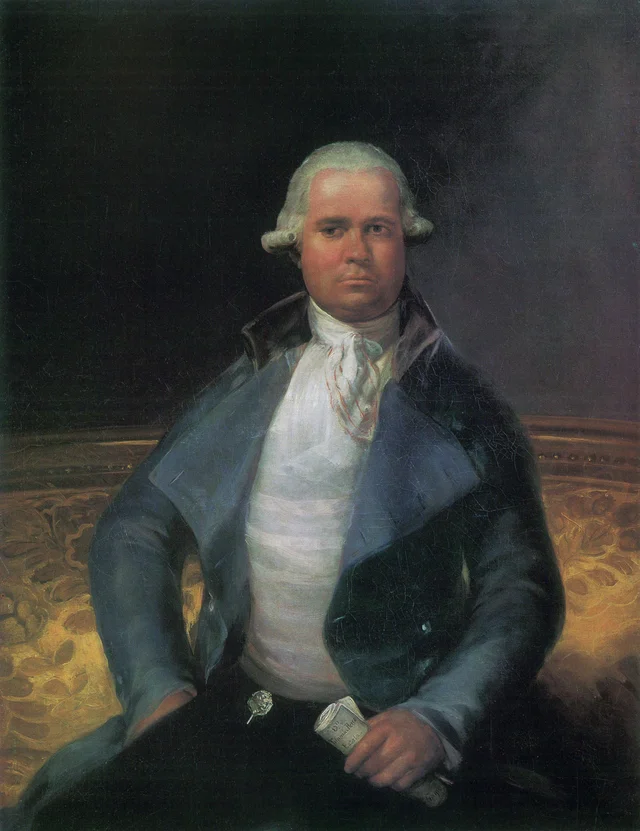 Tomás Pérez de EstalaFrancisco Goya, 1795
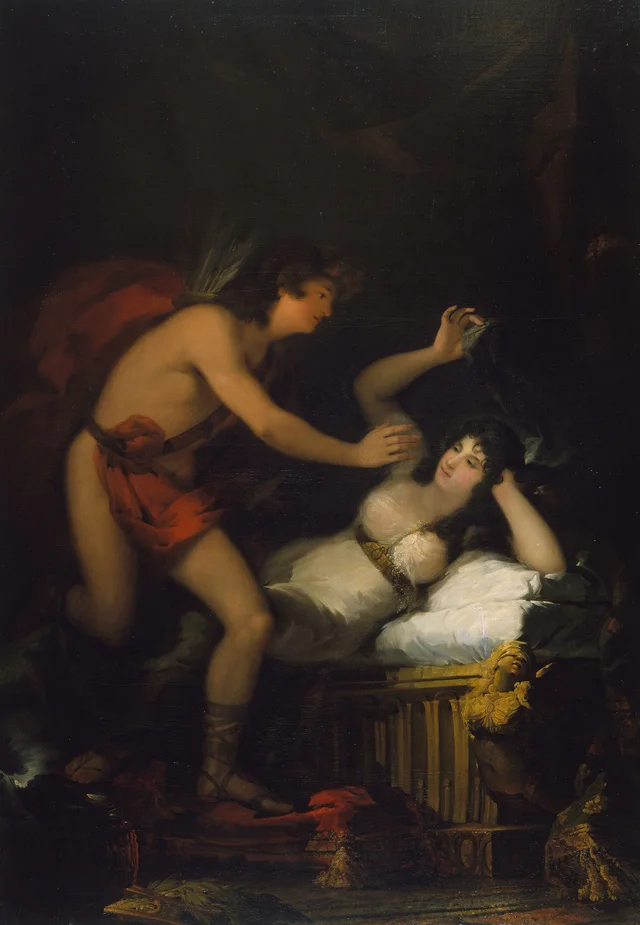 Allegory of Love, Cupid and PsycheFrancisco Goya, 1798
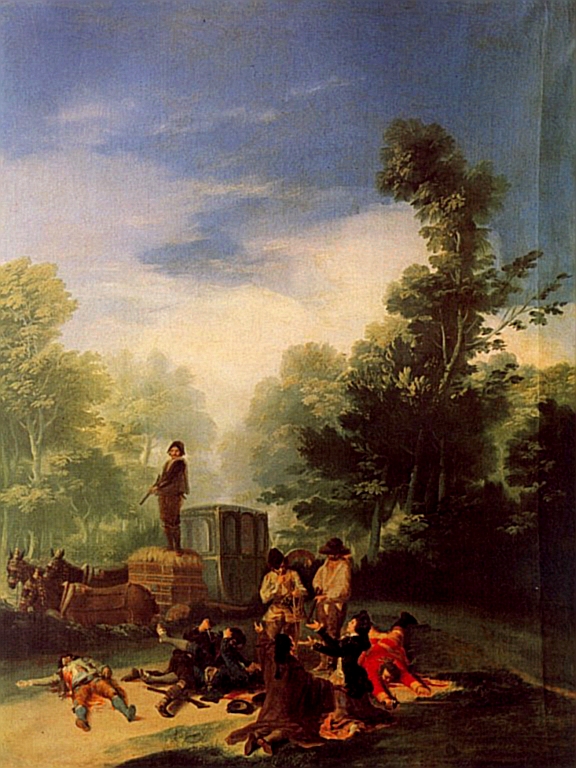 Attack on a CoachFrancisco Goya, 1787
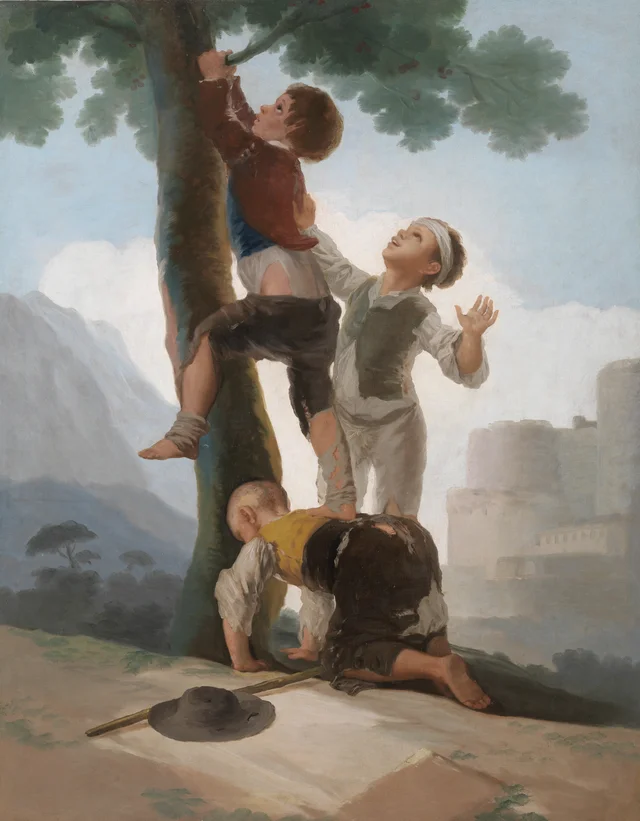 Boys climbing a treeFrancisco Goya, 1791
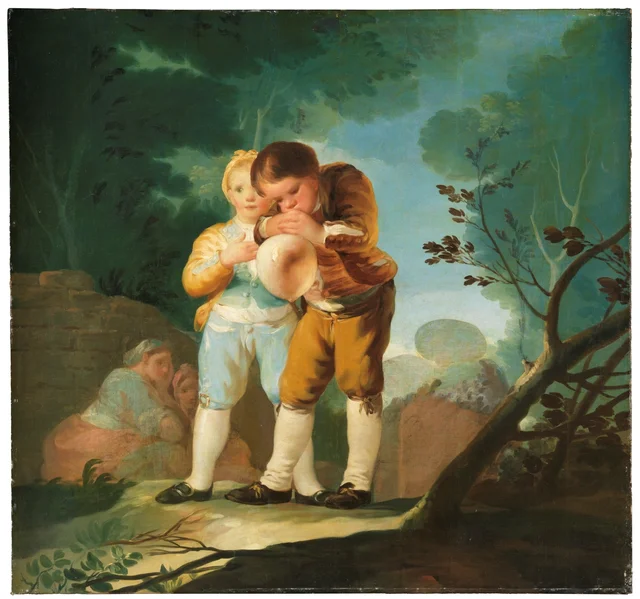 children inflating a bladderFrancisco Goya, 1778
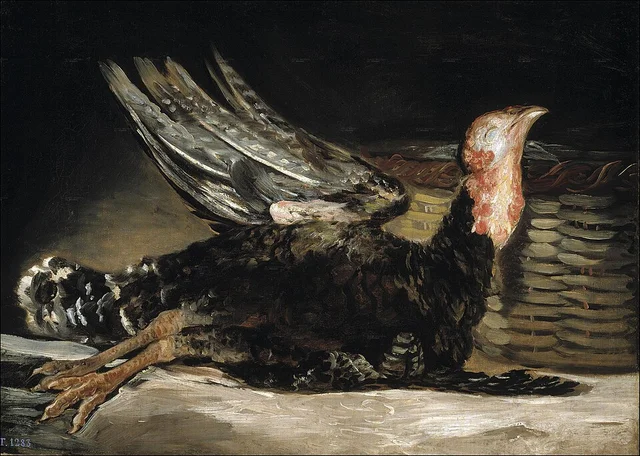 Dead turkeyFrancisco Goya, 1808
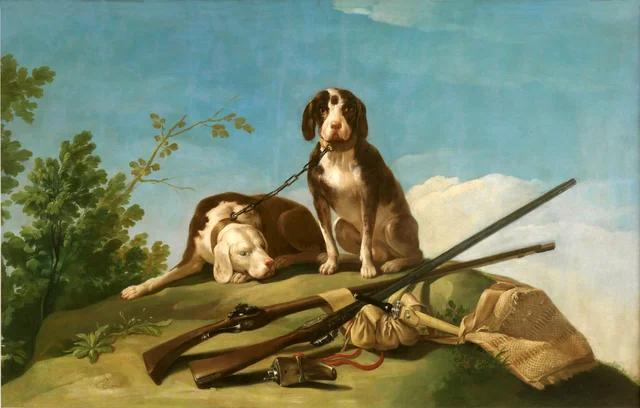 Dogs and hunting gearFrancisco Goya, 1775
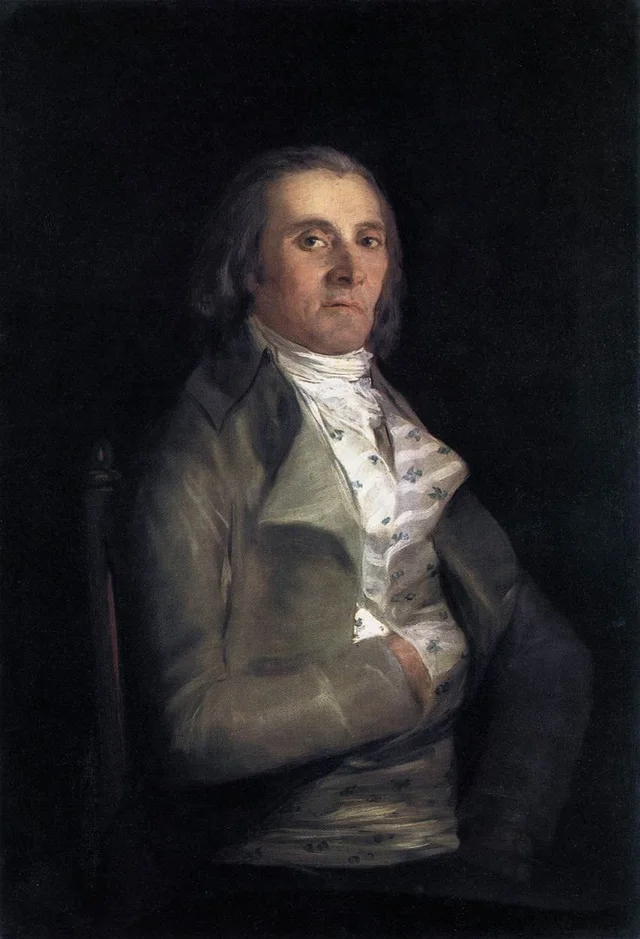 Don Andrés del PeralFrancisco Goya, 1798