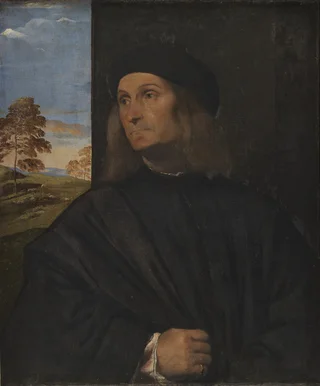
Giovanni Bellini
1430–1516 · Republic of Venice · Renaissance
The story
Giovanni Bellini ran the most important painter's workshop in Venice for the better part of six decades, and two of the students who passed through it, Giorgione and Titian, went on to define the next generation of Venetian art. Both men later surpassed the reputation of the master who trained them, something Bellini seems to have accepted without much fuss, judging by how long they stayed welcome in his circle.
What Bellini actually changed was technique. Venice painted largely in tempera through most of the 15th century, but Bellini adopted oil paint early and used its slow drying time to build up thin, translucent layers of color, letting light seem to come from inside the paint rather than sit on its surface. Skies, water, and the folds of a robe all picked up a softness earlier Venetian painters hadn't managed, and that atmospheric quality became the signature of the whole Venetian school for a century after him.
He came from a family of painters, the son of Jacopo Bellini and brother of Gentile Bellini, and worked into his eighties, still active when he died in Venice in December 1516.
More articles
 Article · 38 min readThe National Gallery of Art in Washington: 20 pictures that came from private hands
 Article · 37 min readGallerie dell'Accademia, Venice: twenty works and how each one got here
 Article · 37 min readPinacoteca di Brera: From Napoleon's Requisitions to the Grande Brera
 Article · 44 min readThe Gemäldegalerie in Berlin: 20 paintings that Berlin bought, lost and divided
Works
109 works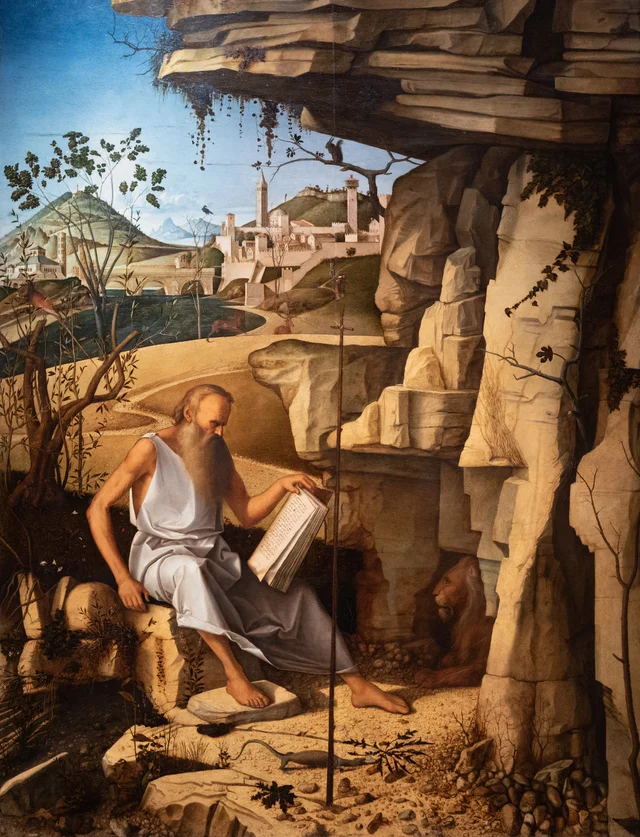 Saint Jerome Reading in the DesertGiovanni Bellini, 1480
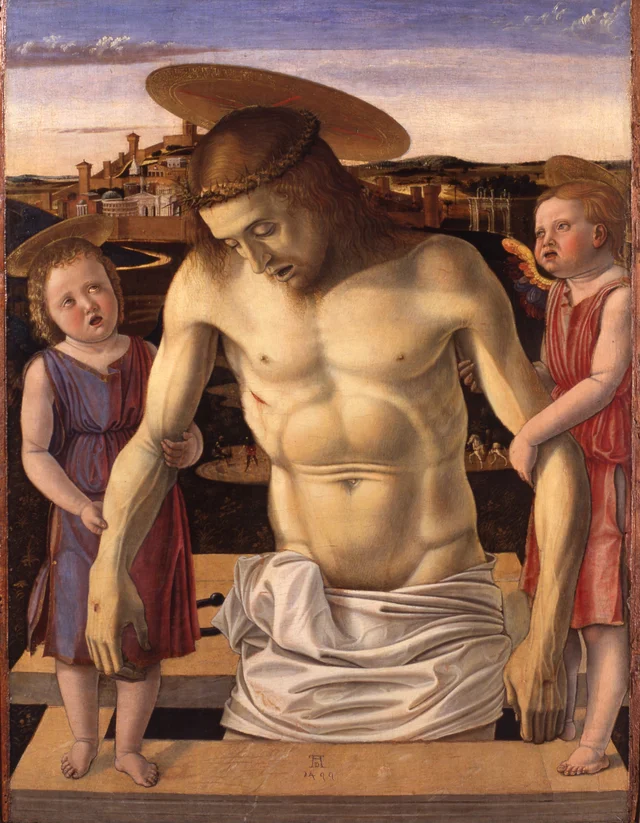 Dead Christ Supported by Two AngelsGiovanni Bellini, 1454
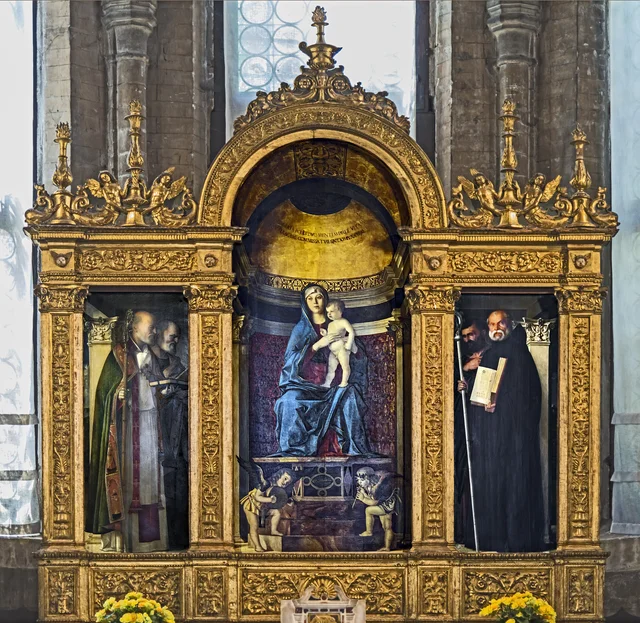 Frari TriptychGiovanni Bellini, 1488
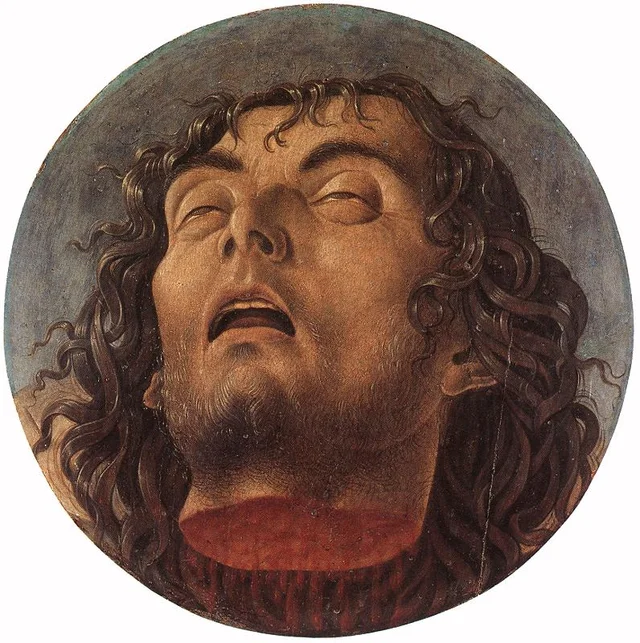 Head of Saint John the BaptistGiovanni Bellini, 1465
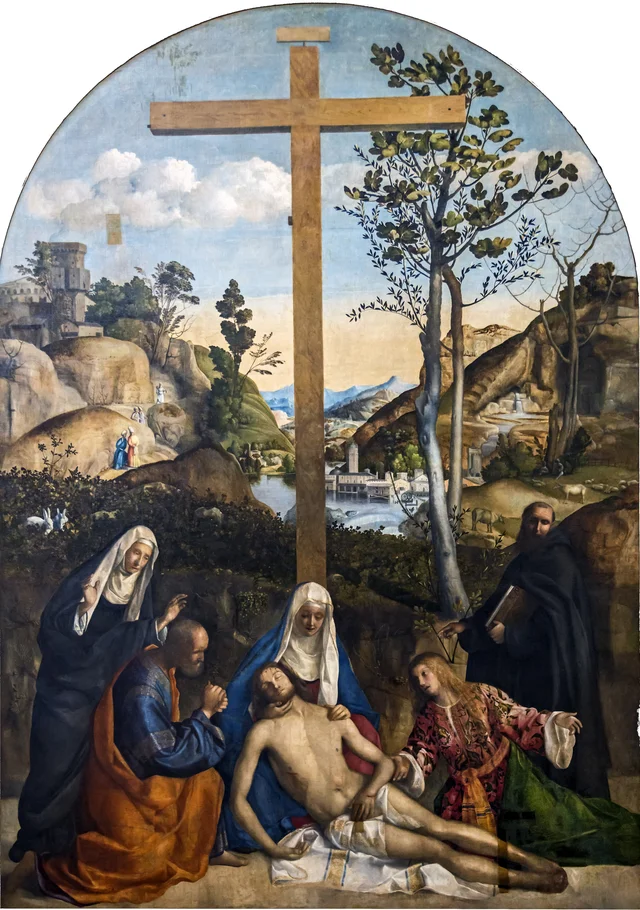 Lamentation over the Dead Christ with Joseph of Arimathea, the Virgin and Mary Magdalene, including SS. Martha and Philip BeniziGiovanni Bellini, 1510
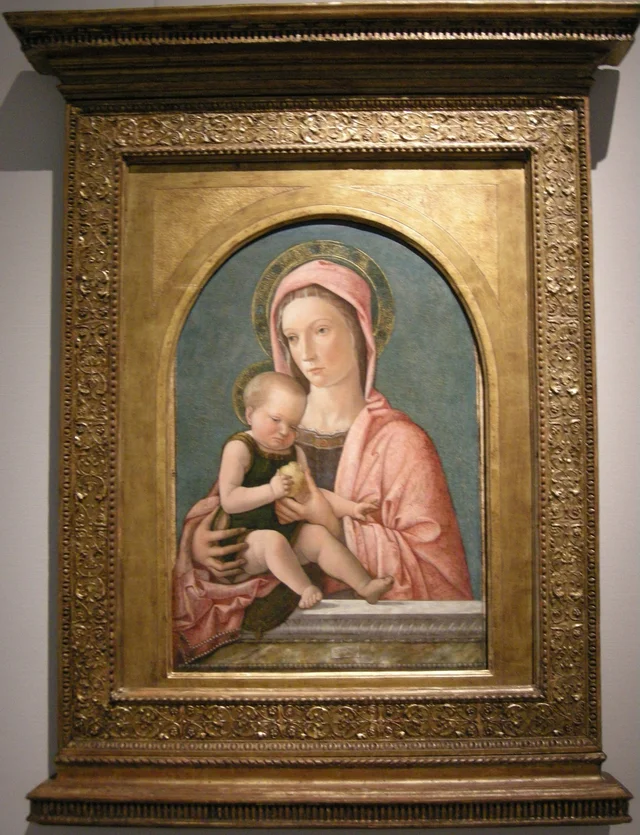 Madonna and ChildGiovanni Bellini, 1460
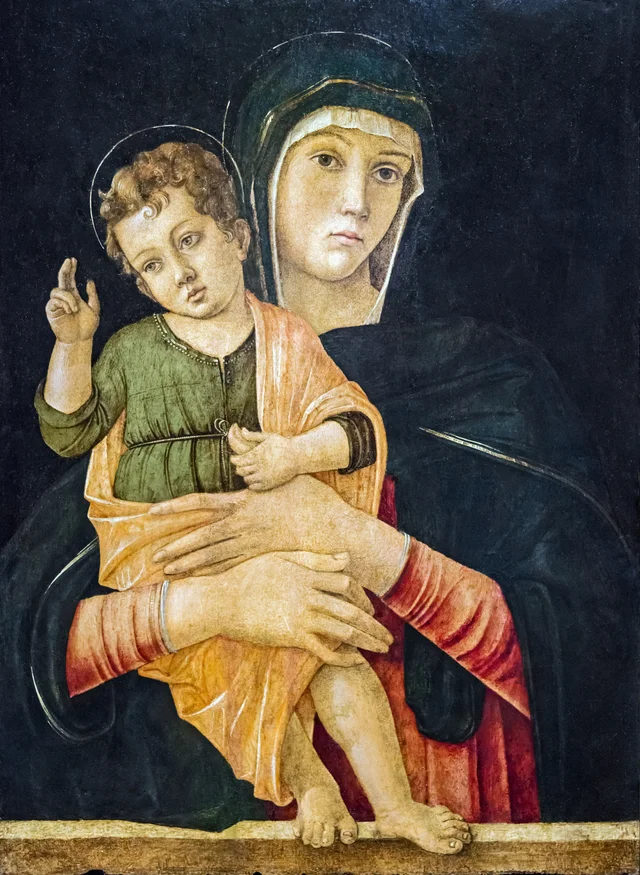 Madonna and Child BlessingGiovanni Bellini, 1464
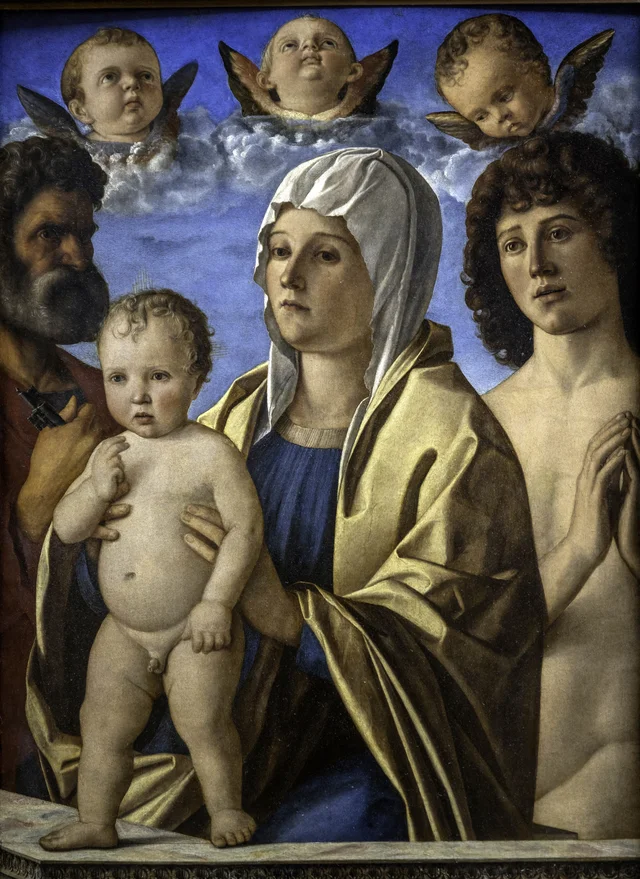 Madonna and Child with St. Peter and St. SebastianGiovanni Bellini, 1480
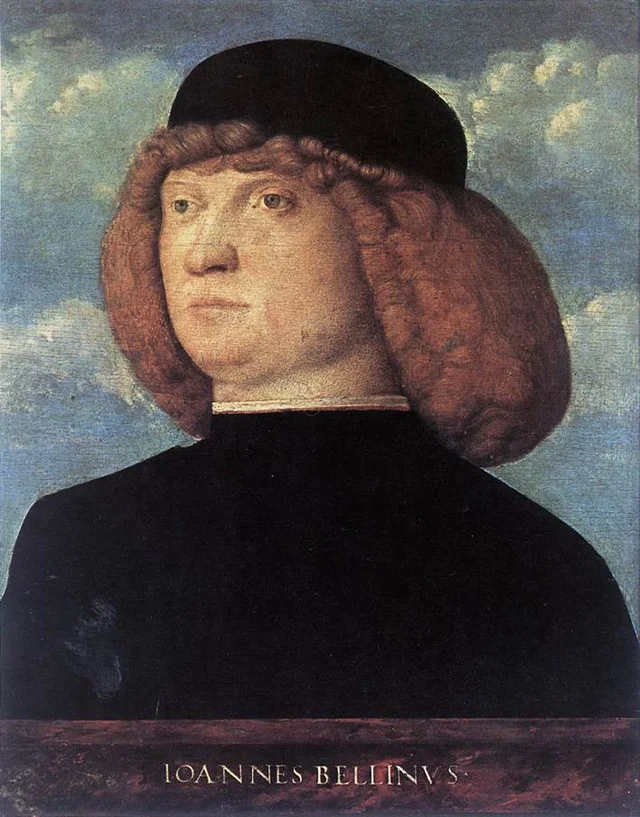 Portrait of a ManGiovanni Bellini, 1490
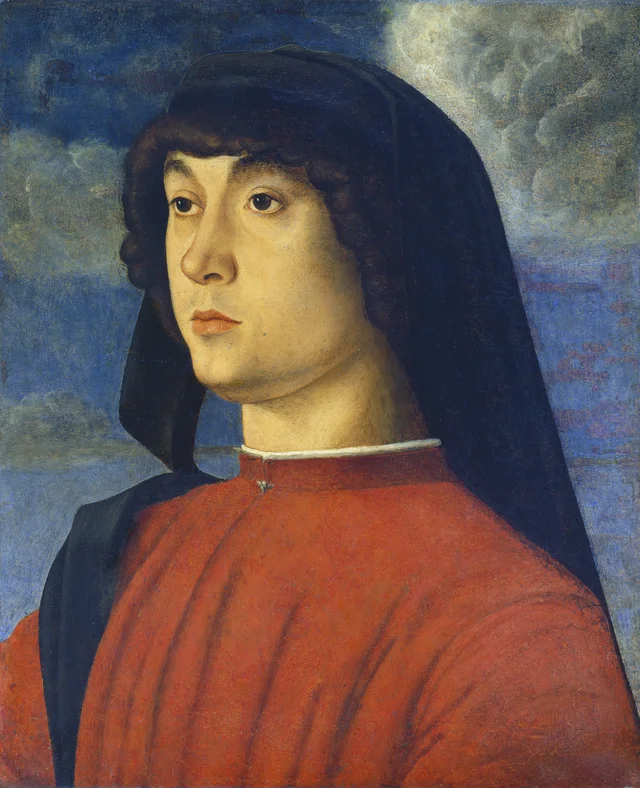 Portrait of a Young Man in RedGiovanni Bellini, 1485
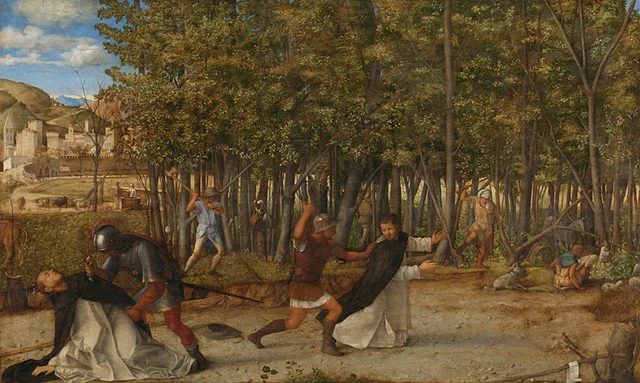 The Assassination of Saint Peter MartyrGiovanni Bellini, 1507
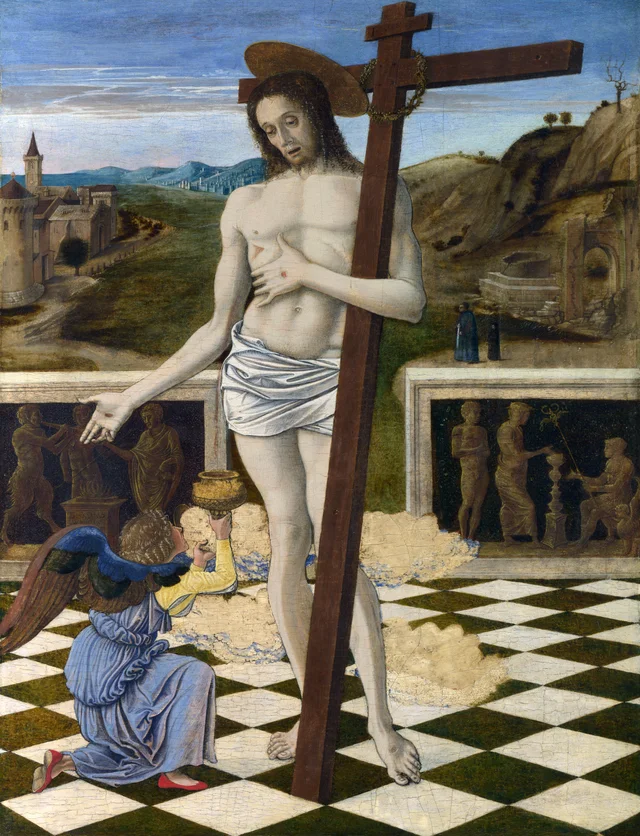 The Blood of the RedeemerGiovanni Bellini, 1462
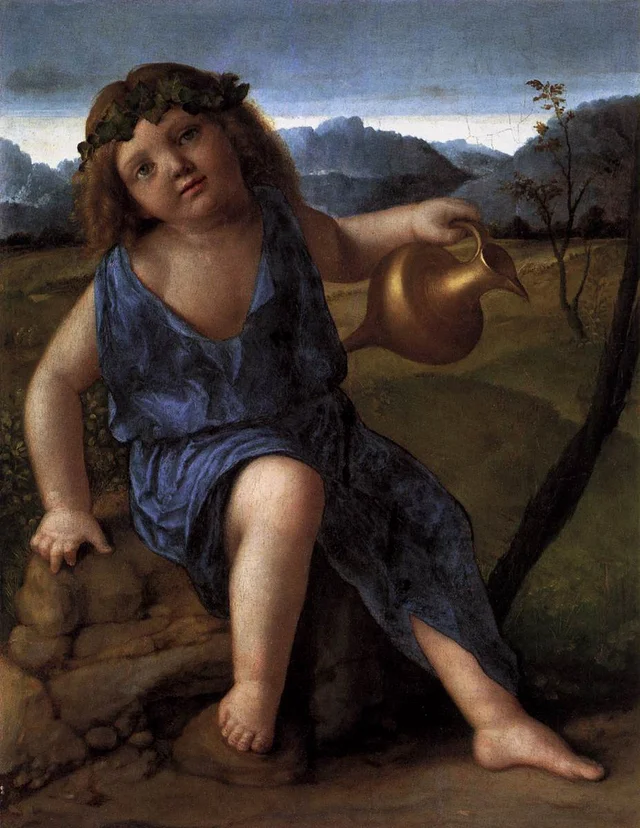 The Infant BacchusGiovanni Bellini, 1514
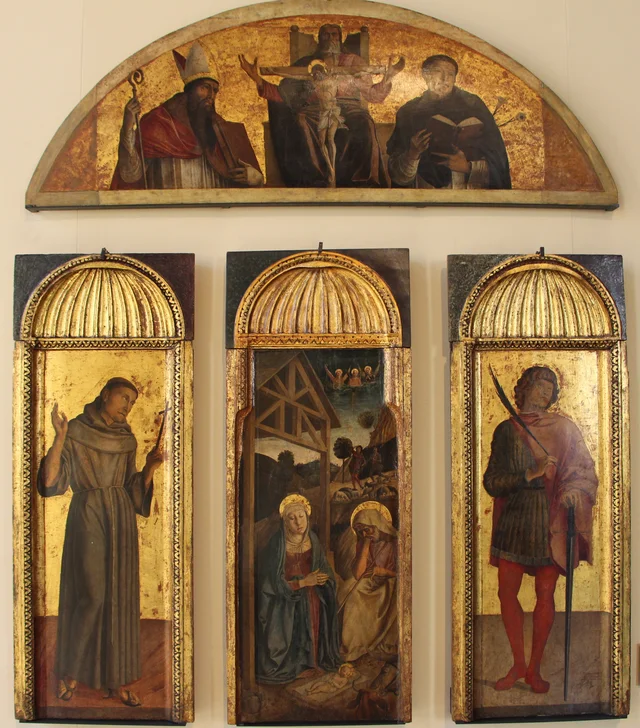 Triptych of birth of ChristGiovanni Bellini, 1464
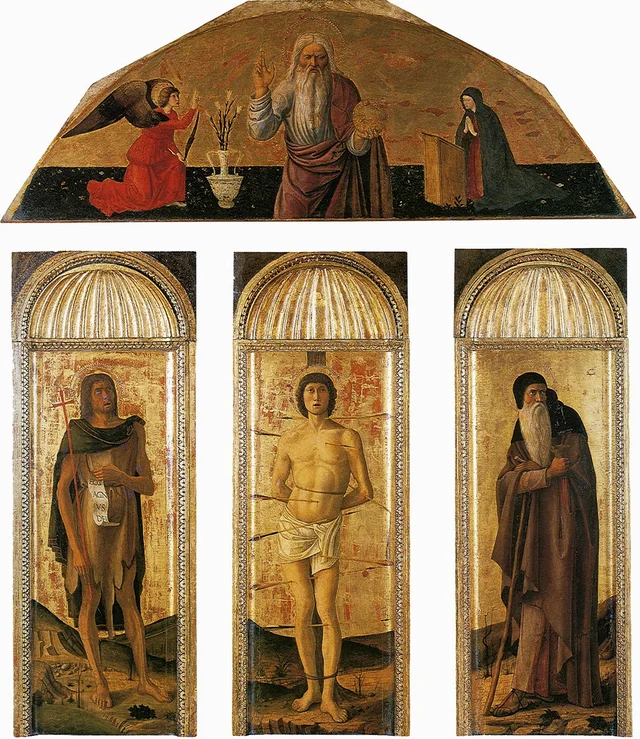 Triptych of Saint SebastianGiovanni Bellini, 1464
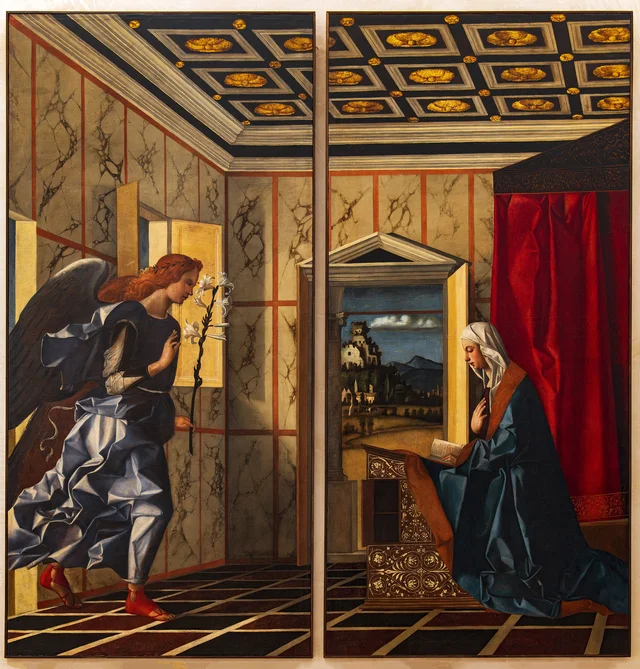 AnnunciationGiovanni Bellini, 1500
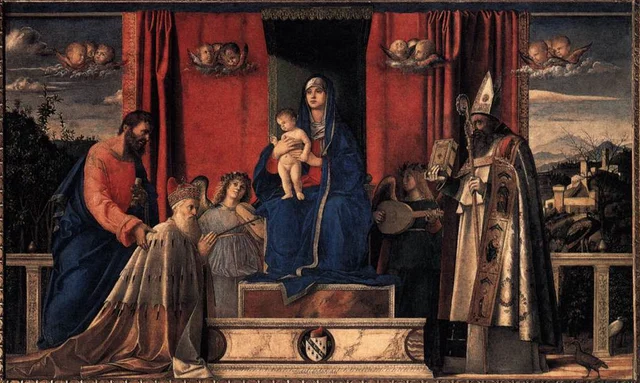 Barbarigo AltarpieceGiovanni Bellini, 1488
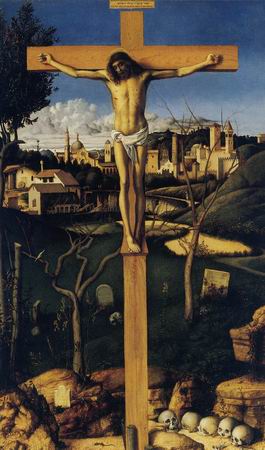 CrucifixionGiovanni Bellini, 1500
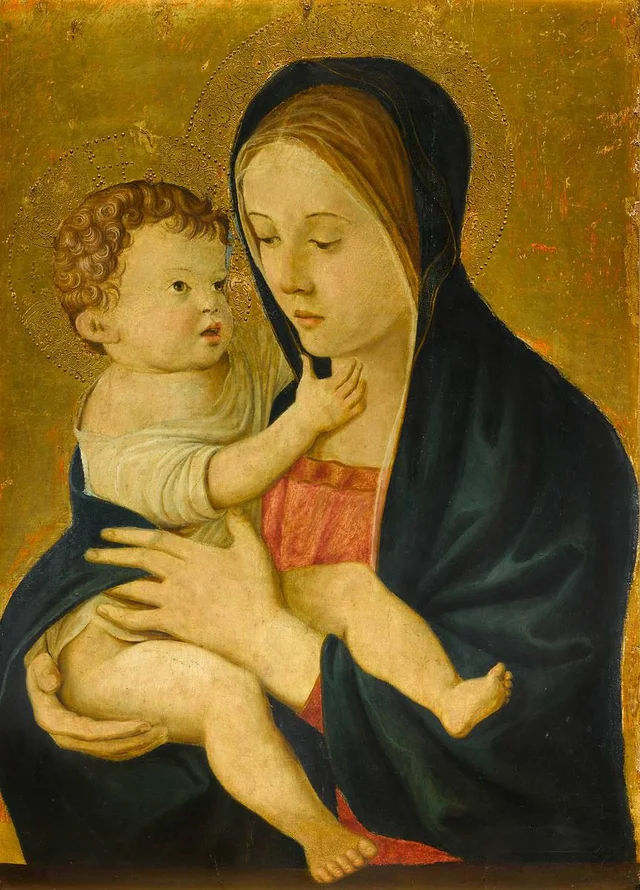 Madonna and ChildGiovanni Bellini, 1470
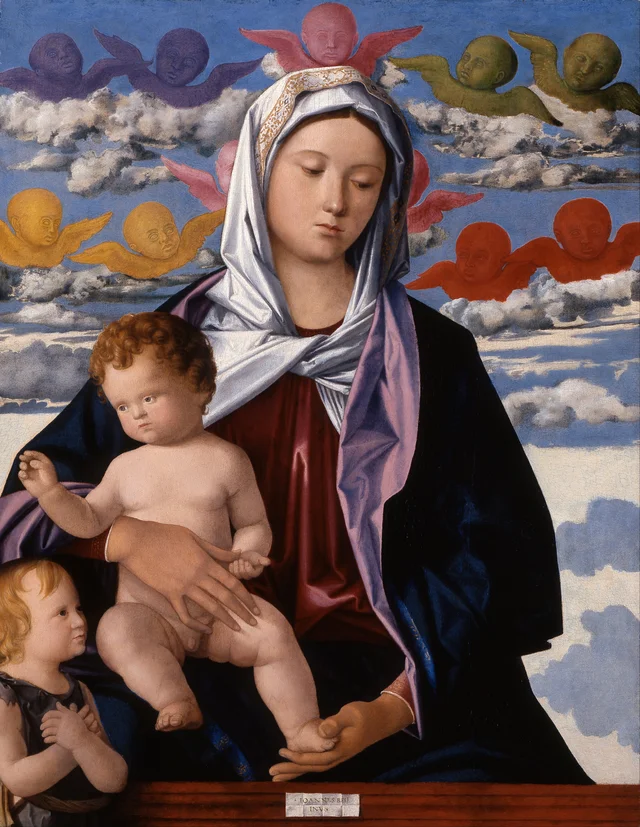 Madonna and Child with Saint John the BaptistGiovanni Bellini, 1495
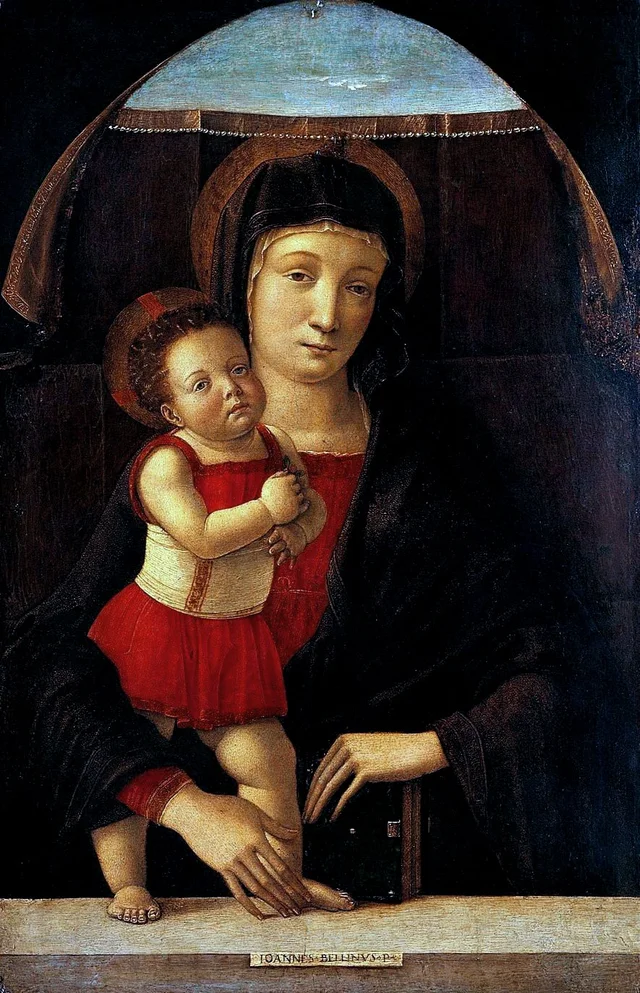 Madonna with ChildGiovanni Bellini, 1450
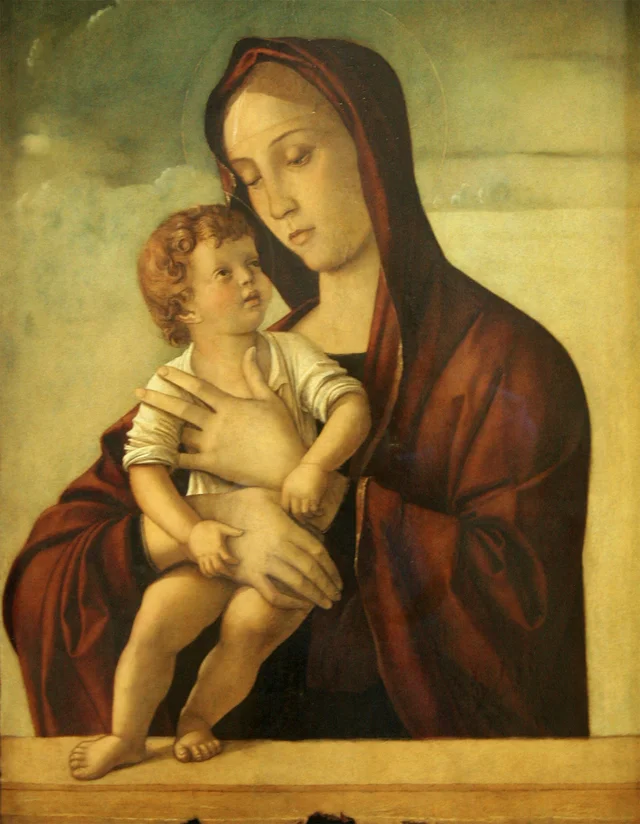 Madonna with ChildGiovanni Bellini
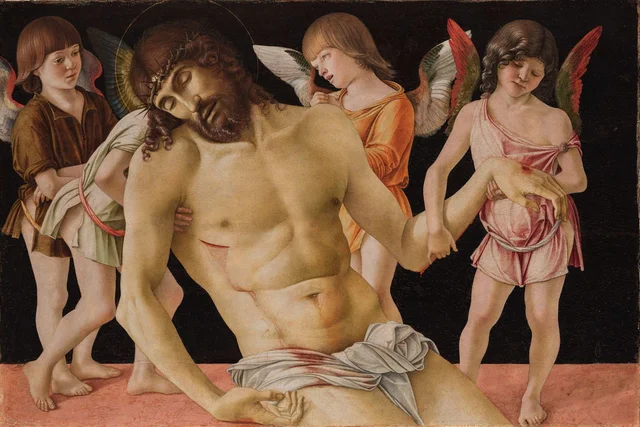 PietàGiovanni Bellini, 1470
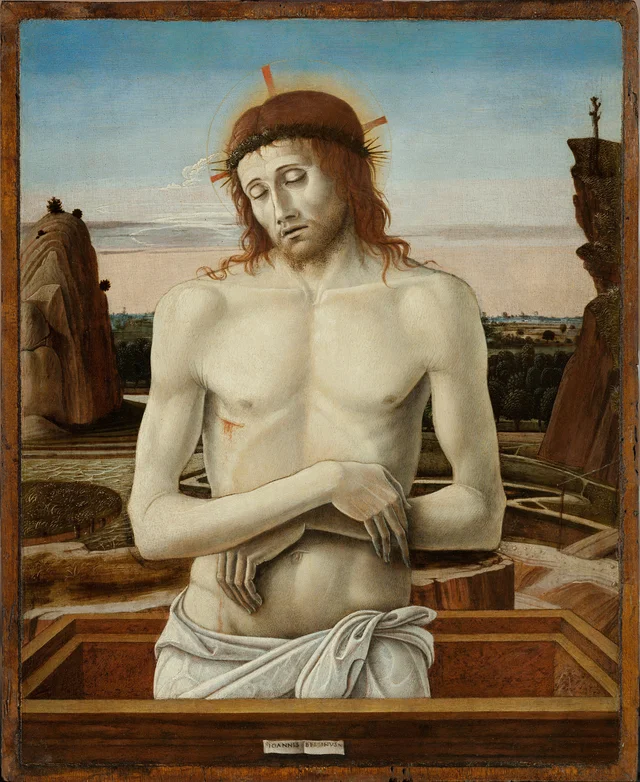 PietàGiovanni Bellini, 1455
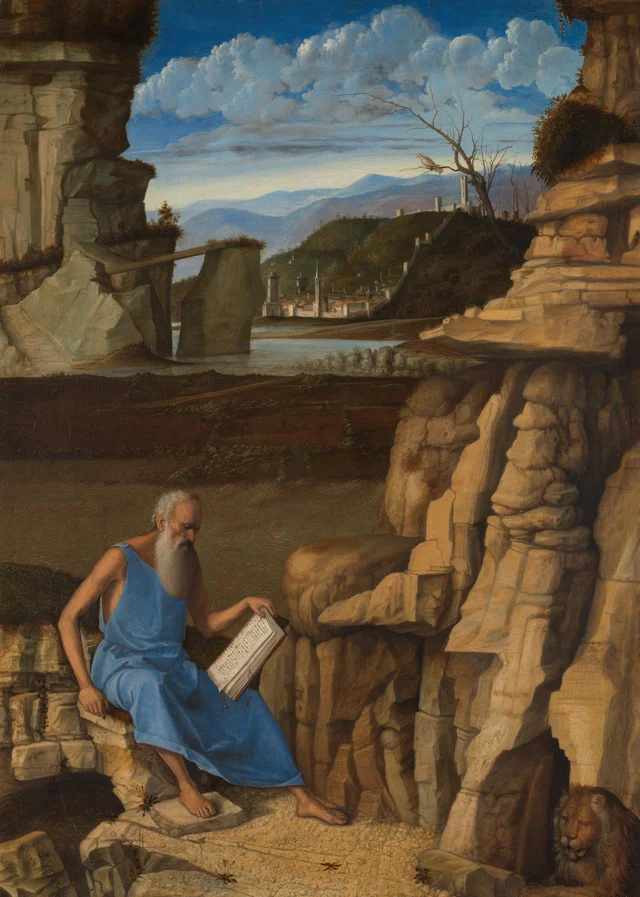 Saint Jerome Reading in a LandscapeGiovanni Bellini, 1482