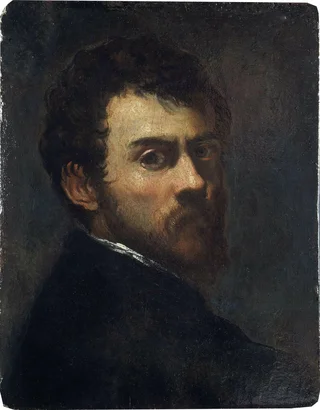
Jacopo Tintoretto
1518–1594 · Republic of Venice · Mannerism
The story
In May 1564 the confraternity of San Rocco in Venice invited several established painters, Tintoretto among them, to submit sketches for a ceiling painting, with the winner picked by a vote of the membership. Tintoretto did not submit a sketch. Working through the night, he had a full-size canvas of Saint Roch in Glory painted and installed directly into the ceiling frame before the other competitors even arrived to present their designs.
When the confraternity's board objected that this was not what had been asked for, Tintoretto answered that this was, in fact, his sketch, finished, and offered it to the Scuola as a gift, since its own charter obliged it to accept any donation made to its patron saint. Cornered by their own bylaws, the board kept the painting, and kept Tintoretto too.
He spent the next two decades, from 1564 into the late 1580s, filling the building's walls and ceilings with more than 50 canvases on the lives of Christ and of Saint Roch, paid a fixed annual salary rather than by commission, which let him treat the whole building as one continuous project instead of separate jobs. Tintoretto died in Venice in 1594, not long after finishing the cycle's last painting, a vast Paradise for the Doge's Palace, then the largest oil painting ever made on canvas.
More articles
Works
157 works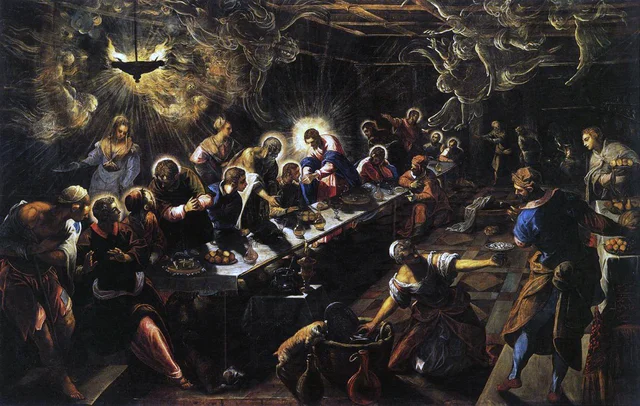 Last SupperJacopo Tintoretto, 1593
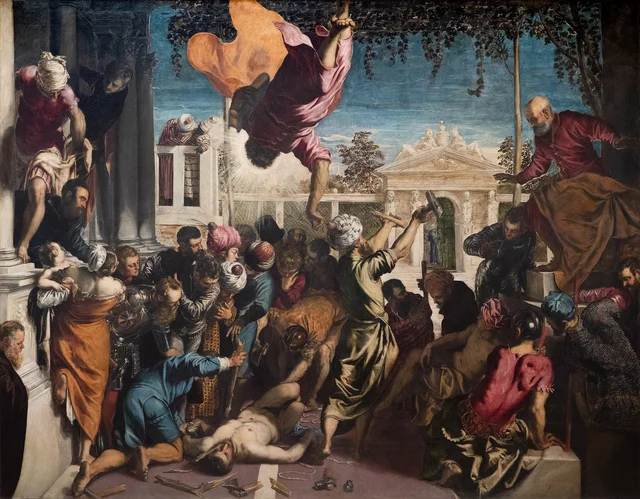 Miracle of the SlaveJacopo Tintoretto, 1547
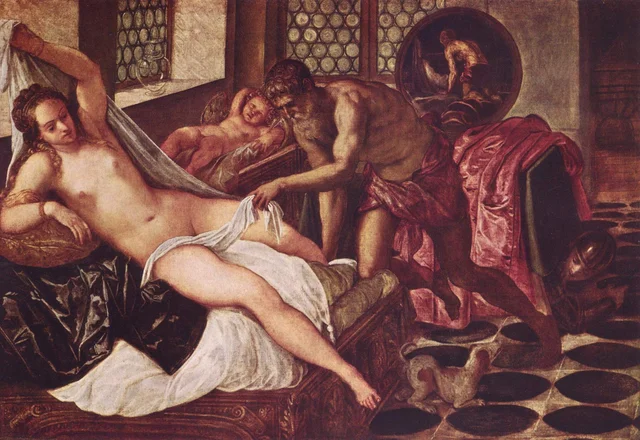 Venus and Mars Surprised by VulcanJacopo Tintoretto, 1555
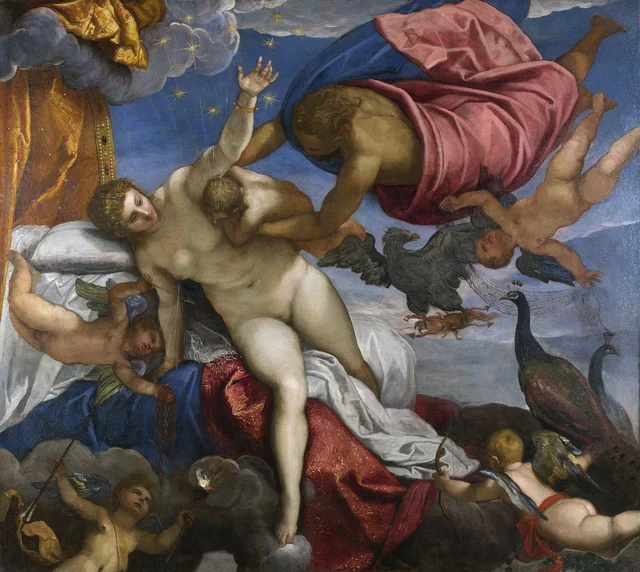 The Origin of the Milky WayJacopo Tintoretto, 1575
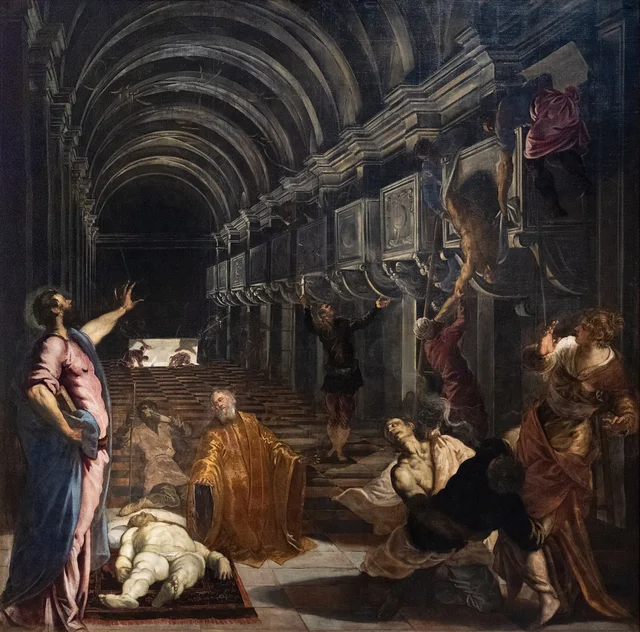 Finding of the body of St MarkJacopo Tintoretto, 1562
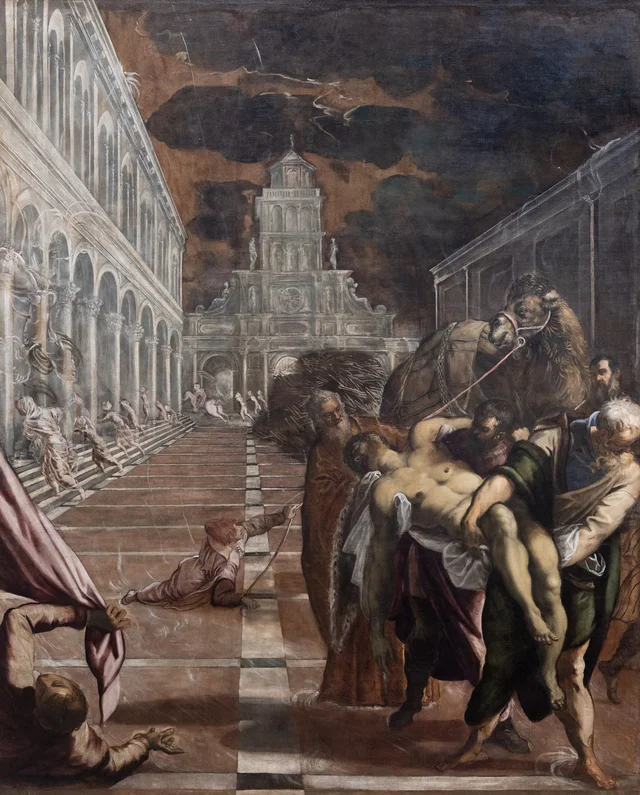 St Mark's Body Brought to VeniceJacopo Tintoretto, 1564
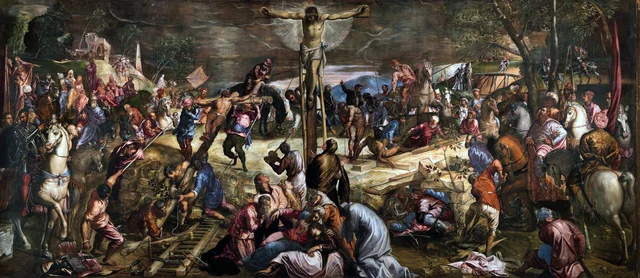 CrucifixionJacopo Tintoretto, 1565
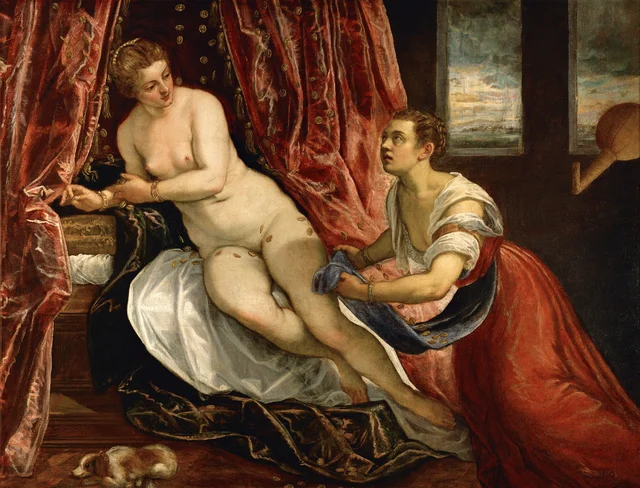 DanaeJacopo Tintoretto, 1570
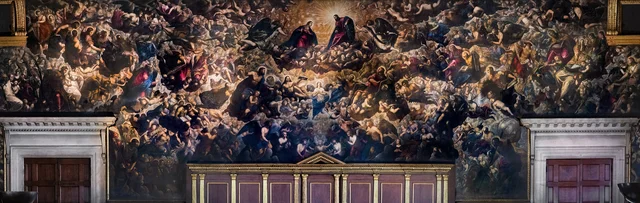 ParadiseJacopo Tintoretto, 1588
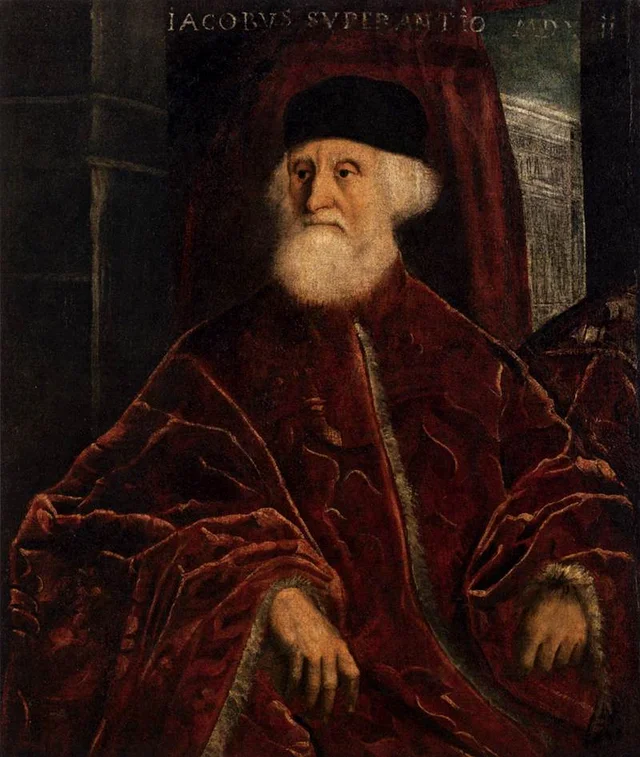 Portrait of Procurator Jacopo SoranzoJacopo Tintoretto, 1550
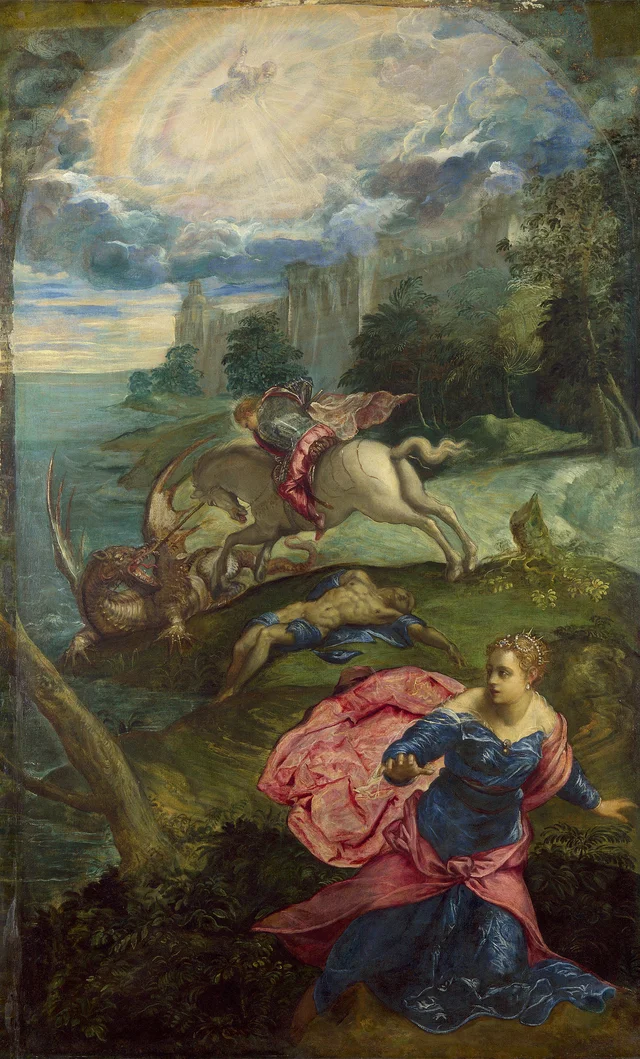 Saint George and the DragonJacopo Tintoretto, 1555
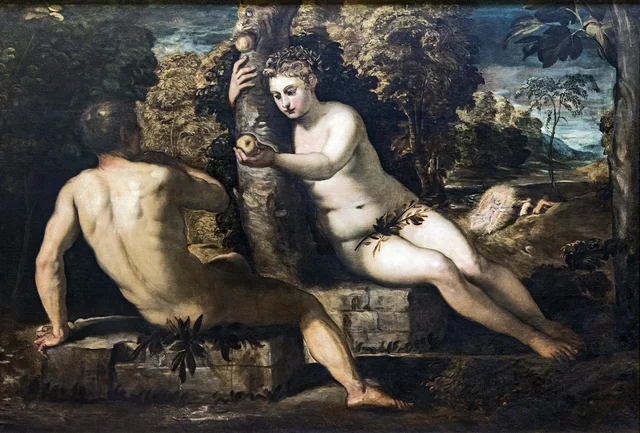 Temptation of AdamJacopo Tintoretto, 1550
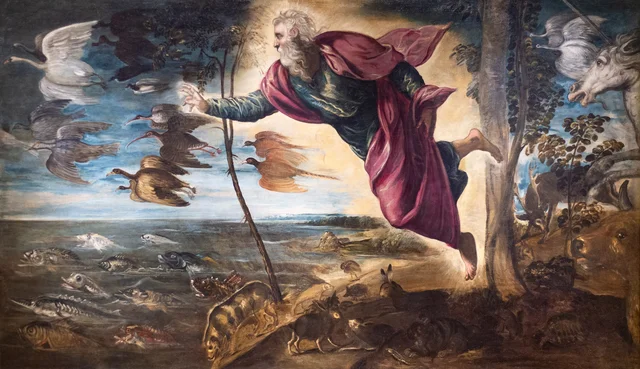 Creation of the AnimalsJacopo Tintoretto, 1550
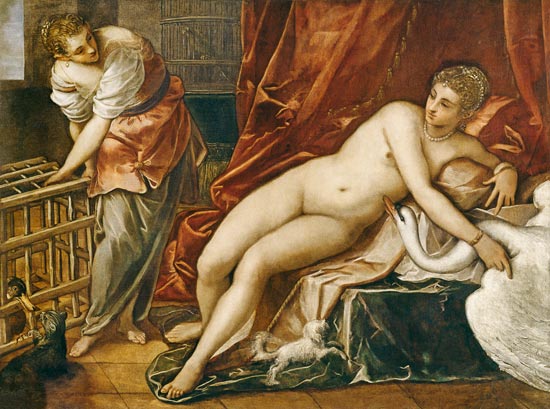 Leda and the SwanJacopo Tintoretto, 1550
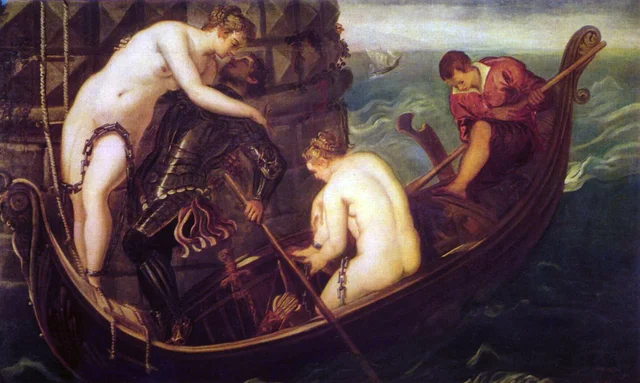 The Deliverance of ArsinoeJacopo Tintoretto, 1556
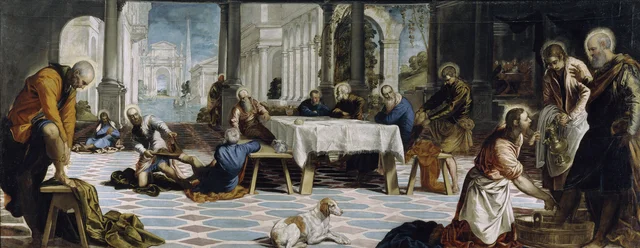 Christ Washing the Disciples' FeetJacopo Tintoretto, 1548
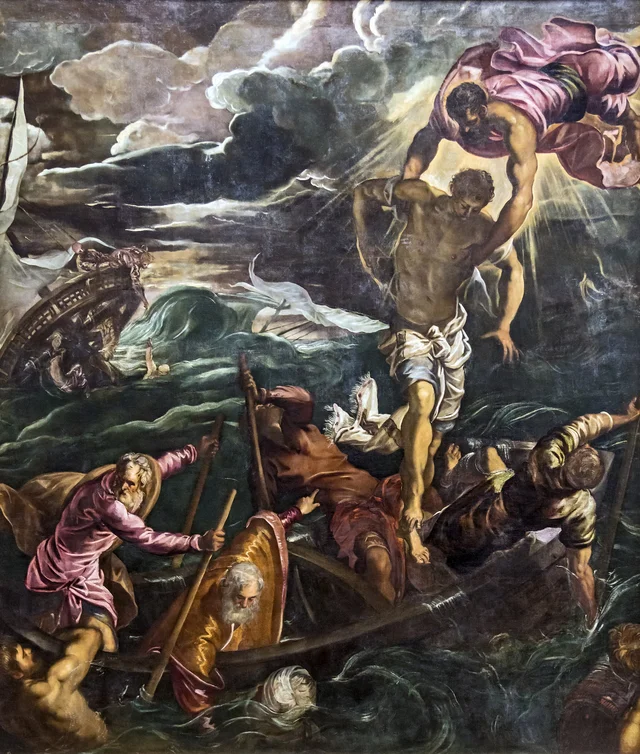 St. Mark rescues a SarracenJacopo Tintoretto, 1562
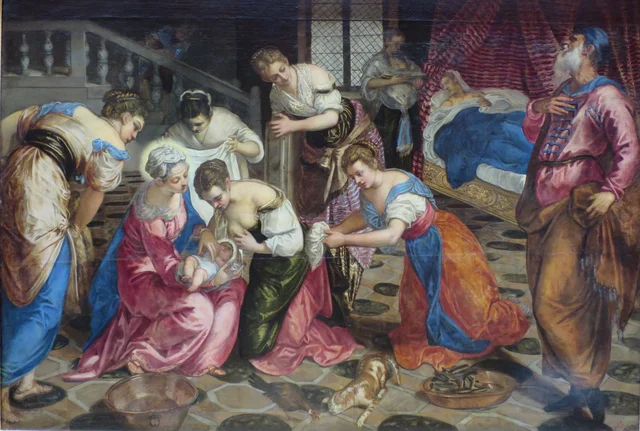 The Birth of John the BaptistJacopo Tintoretto, 1550
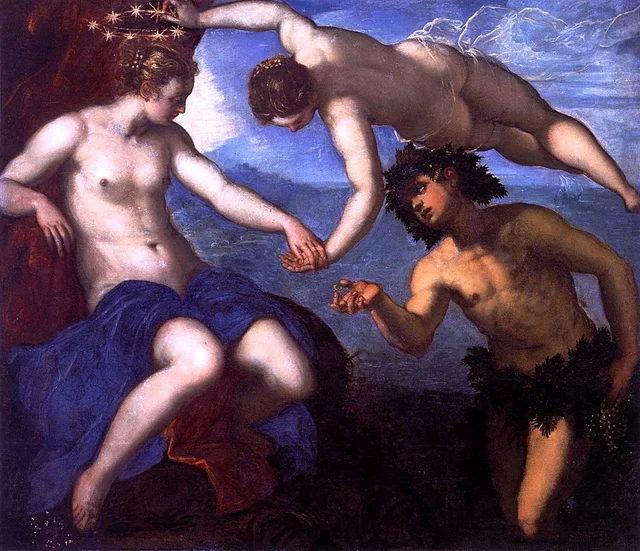 Bacchus, Venus and AriadneJacopo Tintoretto, 1577
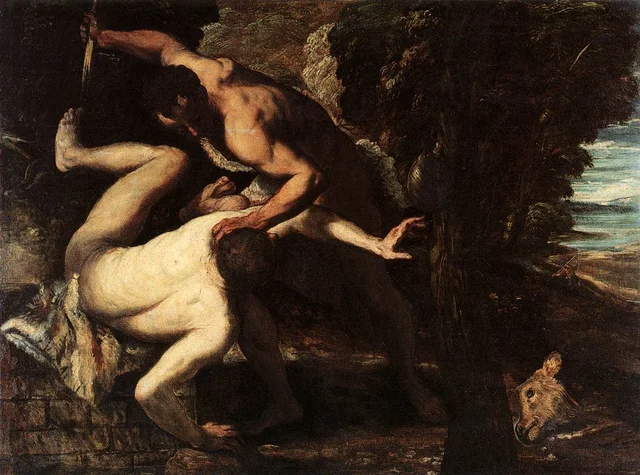 Cain and AbelJacopo Tintoretto, 1550
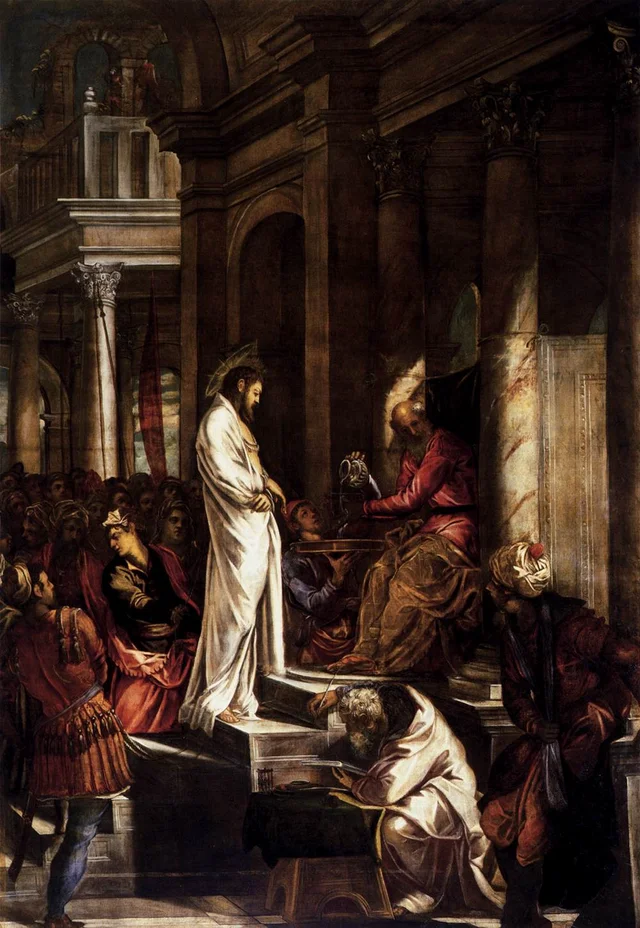 Christ before PilateJacopo Tintoretto, 1566
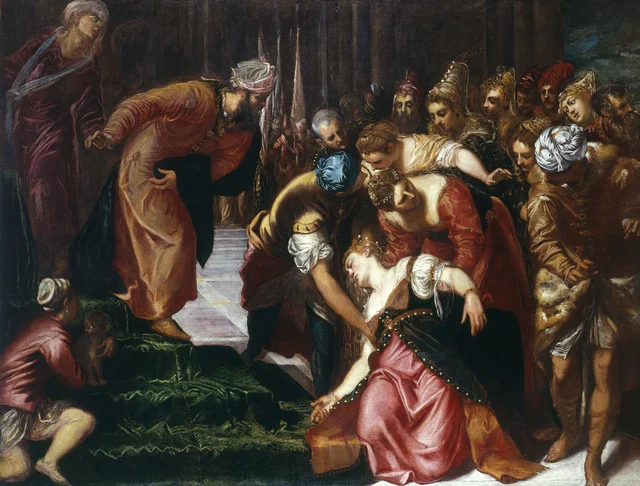 Esther before AhasuerusJacopo Tintoretto, 1547
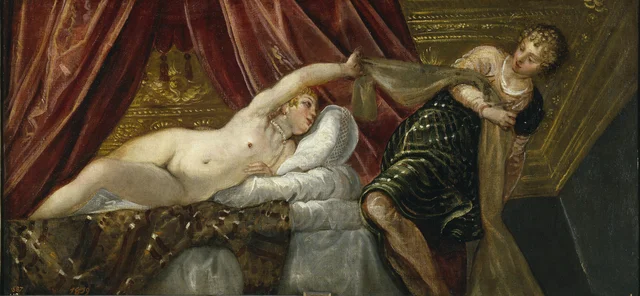 Joseph and Potiphar's WifeJacopo Tintoretto, 1555
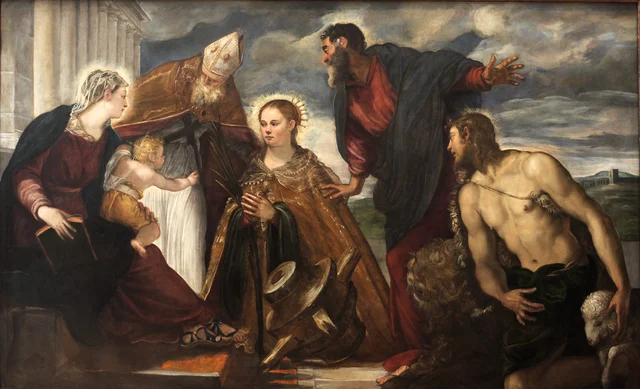 Madonna and Child with SaintsJacopo Tintoretto, 1549
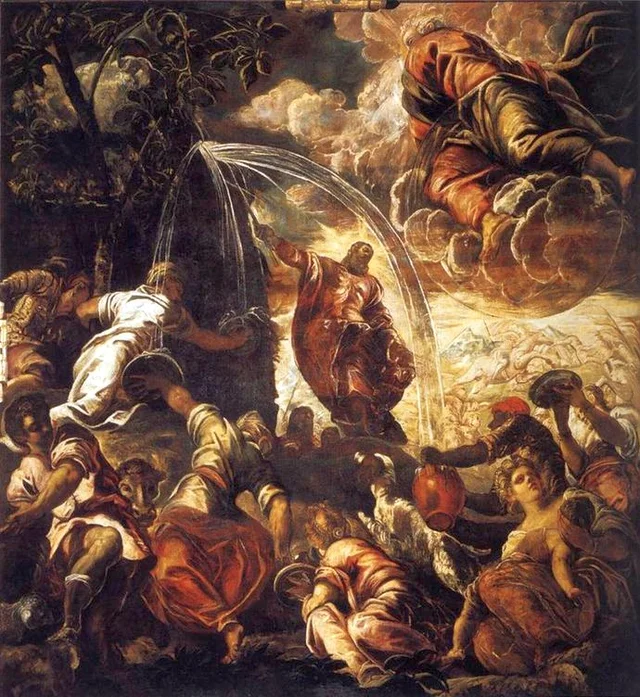 Moses Striking Water from the RockJacopo Tintoretto, 1577