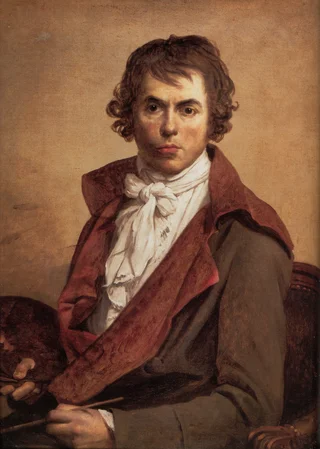
Jacques-Louis David
1748–1825 · France · Neoclassicism
The story
David was the great painter of the French Revolution, and he was also a working part of it. Elected to the National Convention, the new republic's assembly, he sat with the radical Montagnards, served on a committee that sent people to the guillotine, and voted for the death of King Louis XVI.
In July 1793 the journalist Jean-Paul Marat, a friend and political ally, was stabbed in his bath by Charlotte Corday, a young woman from the opposing faction. David painted him within months, dead and slumped over the tub in a plain dark room, the murder weapon and a bloodstained letter almost the only things in the frame. He cleared away the columns and allegory that history painting usually carried and gave the Revolution a martyr posed like a dead Christ.
When the Terror collapsed David was jailed, then rose again as the official painter of Napoleon, staging the emperor's coronation across an enormous canvas. After Napoleon's final defeat in 1815 David went into exile in Brussels, and he never returned to France, dying there in 1825.
More articles
Works
82 works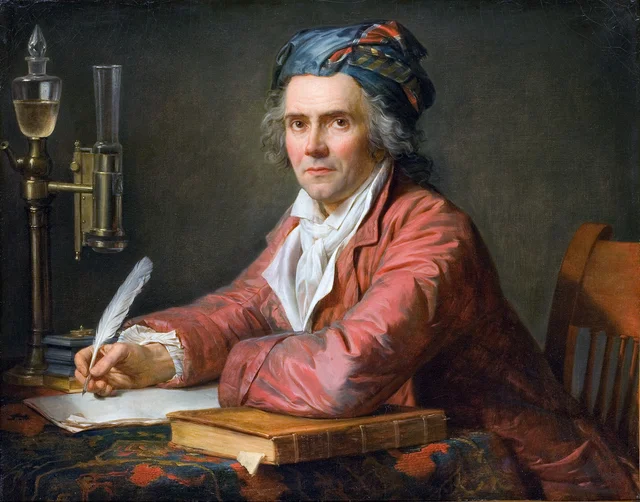 Portrait of Alphonse LeroyJacques-Louis David, 1783
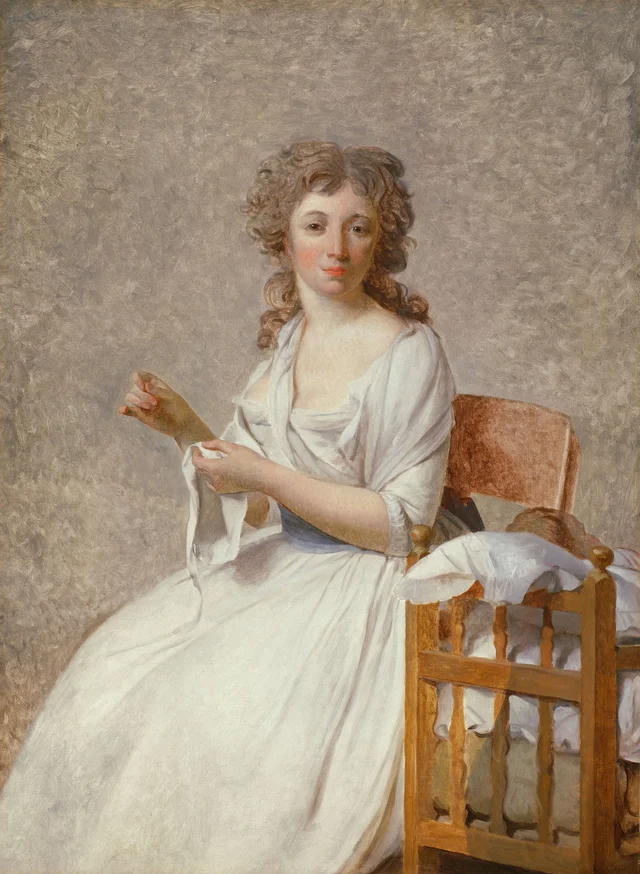 Portrait of Madame Adélaide PastoretJacques-Louis David, 1791
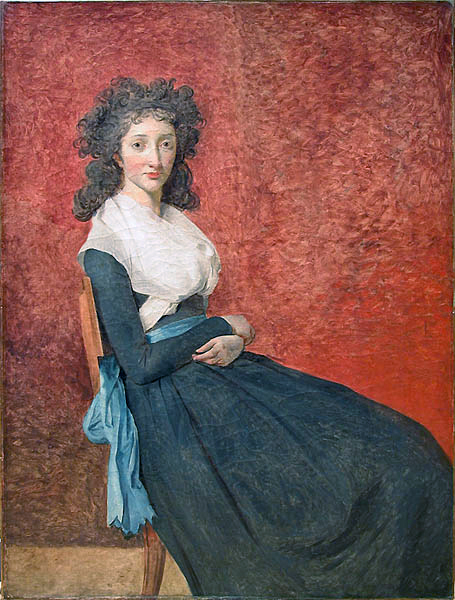 Portrait of Madame Marie-Louise TrudaineJacques-Louis David, 1794
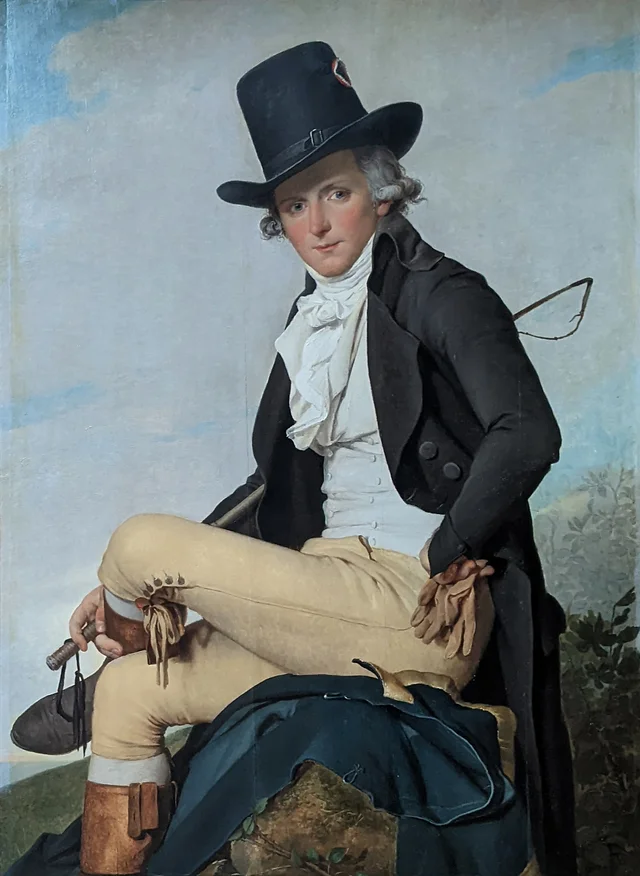 Portrait of Pierre SériziatJacques-Louis David, 1795
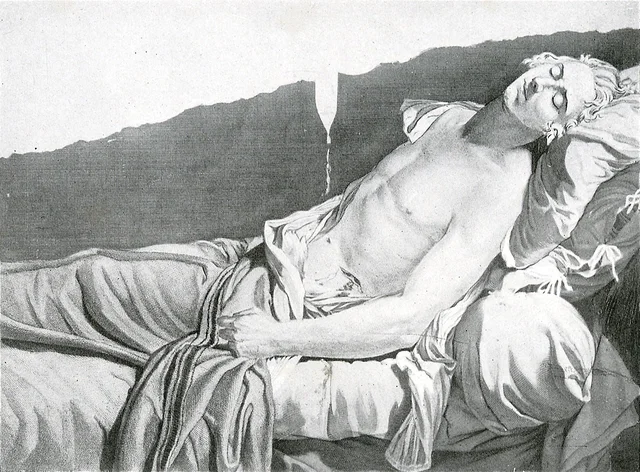 The Last Moments of Michel LepeletierJacques-Louis David, 1793
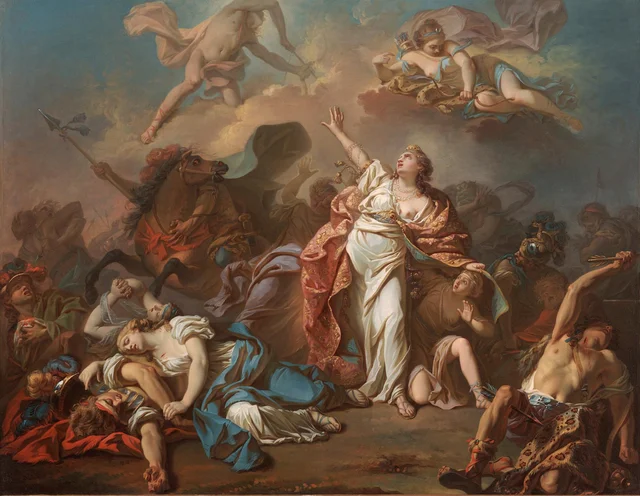 Apollo and Diana Attacking the Children of NiobeJacques-Louis David, 1772
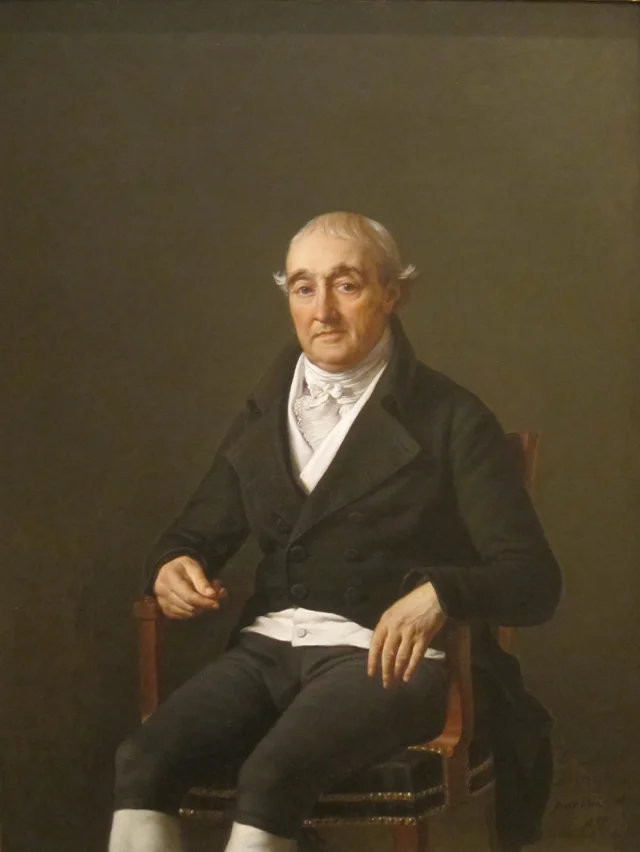 Portrait of Cooper PenroseJacques-Louis David, 1802
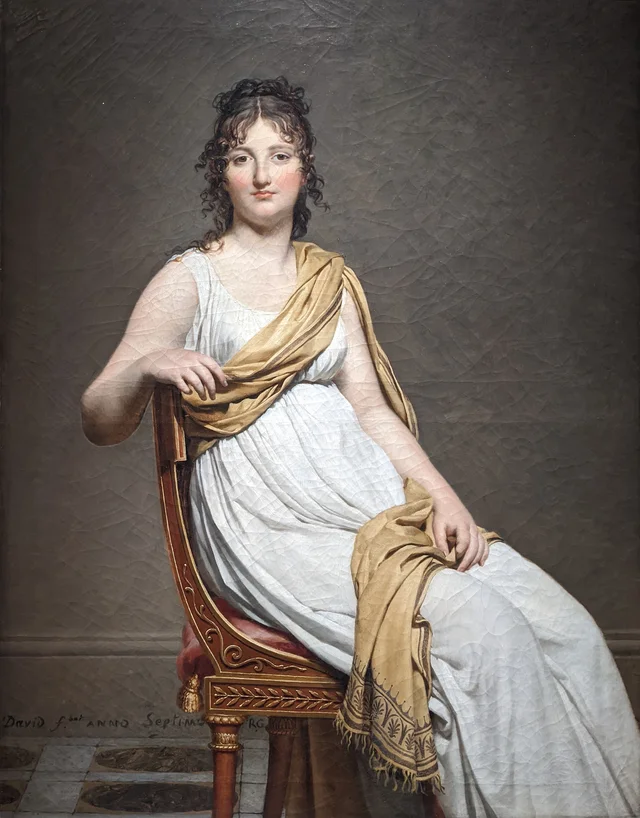 Portrait of Madame de VerninacJacques-Louis David, 1799
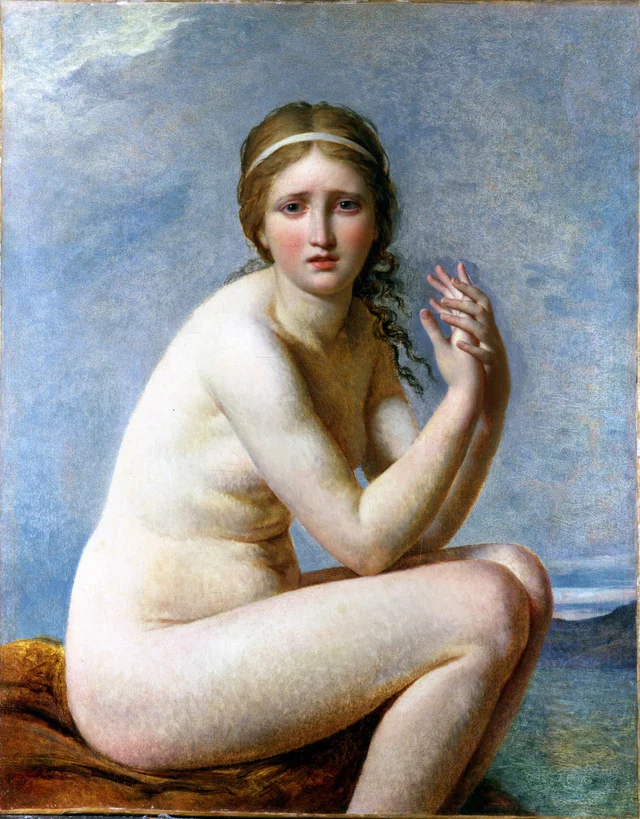 Psyche AbandonedJacques-Louis David, 1795
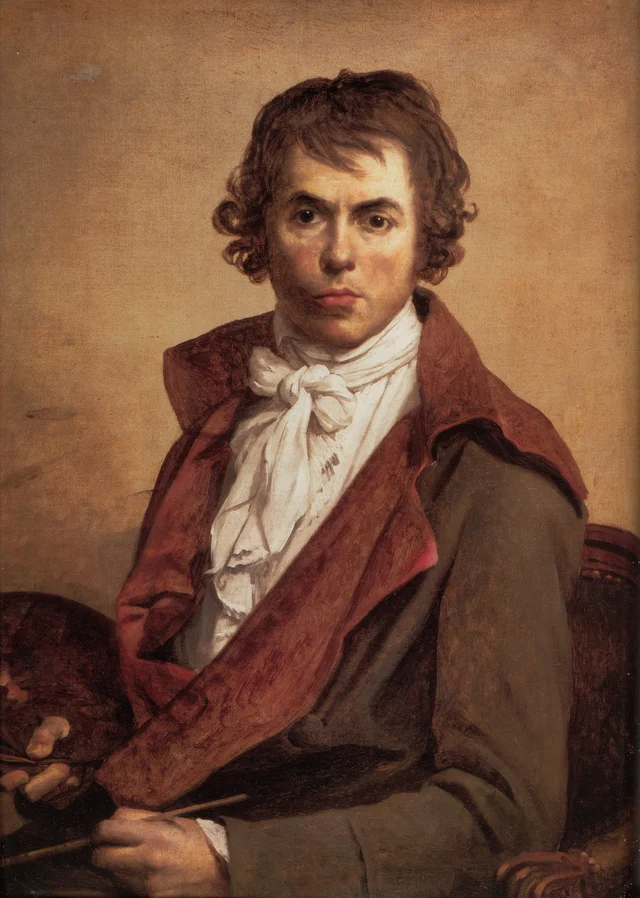 Self-portraitJacques-Louis David, 1794
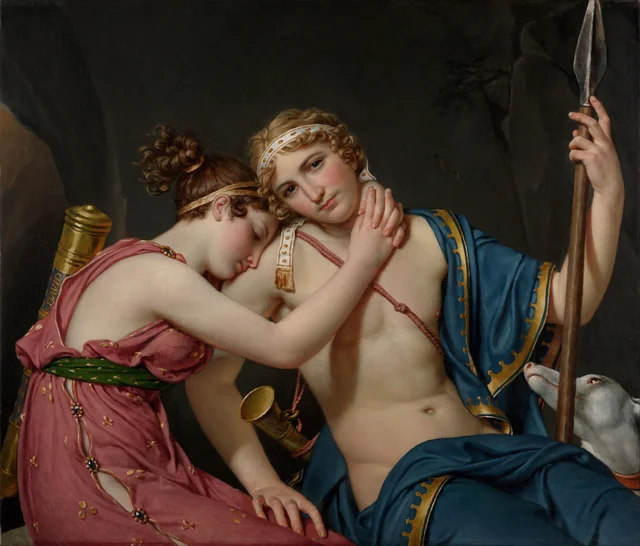 The Farewell of Telemachus and EucharisJacques-Louis David, 1818
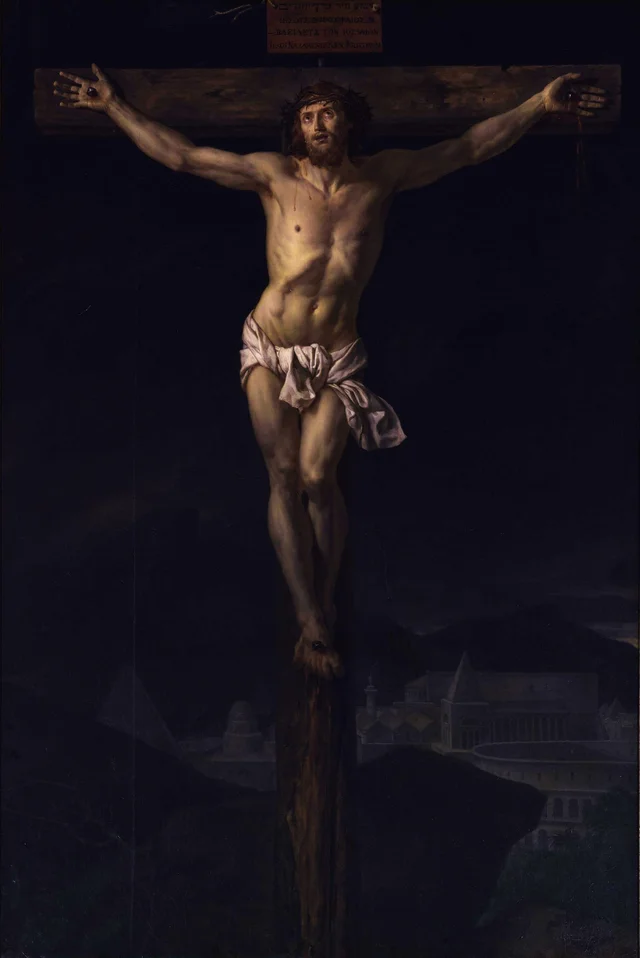 Christ on the CrossJacques-Louis David, 1782
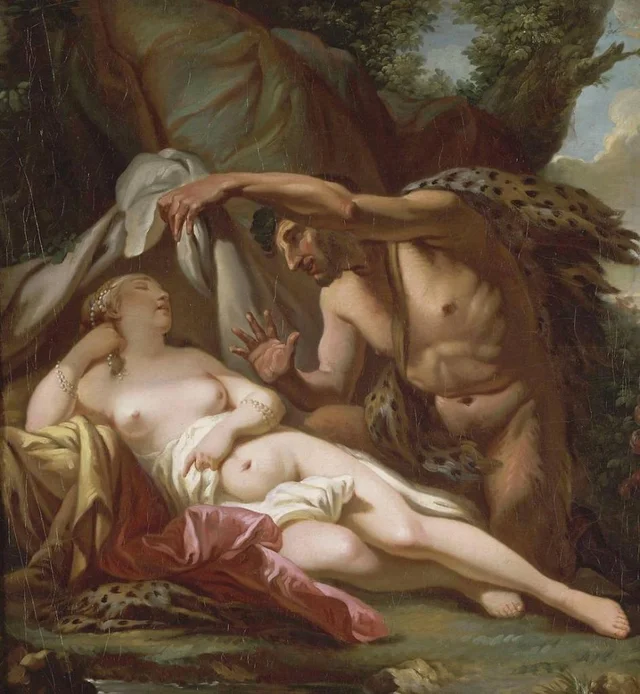 Jupiter and AntiopeJacques-Louis David, 1771
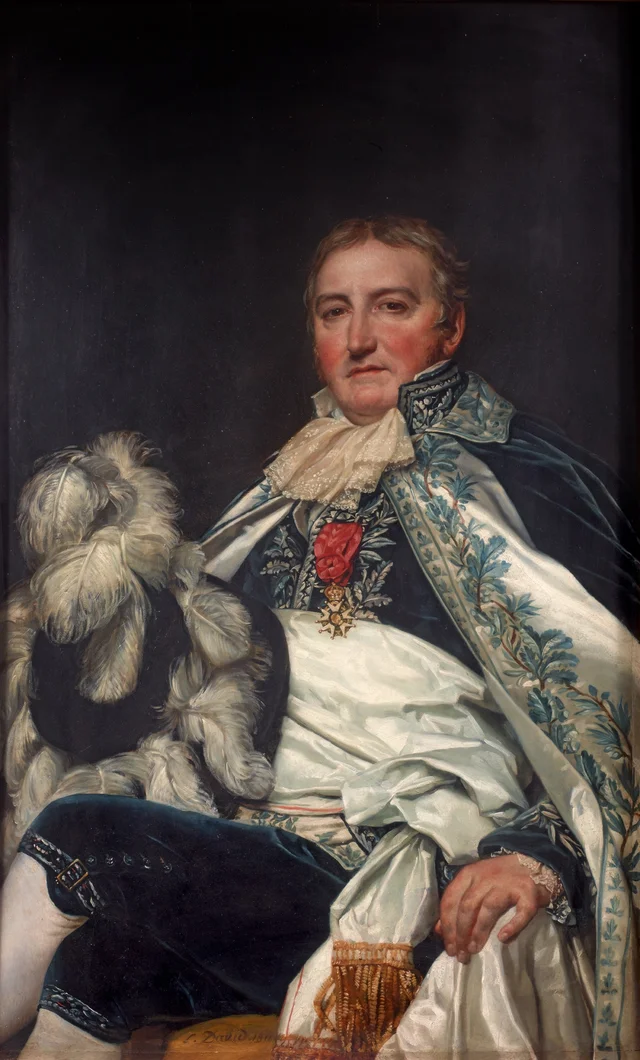 Portrait du comte Antoine Français de NantesJacques-Louis David, 1811
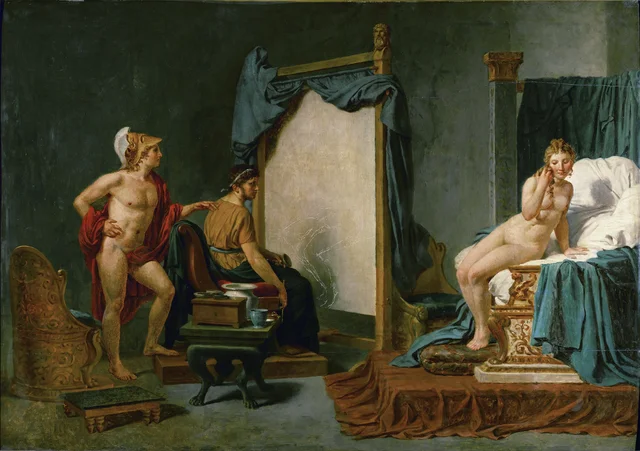 Apelles Painting Campaspe in the Presence of Alexander the GreatJacques-Louis David, 1814
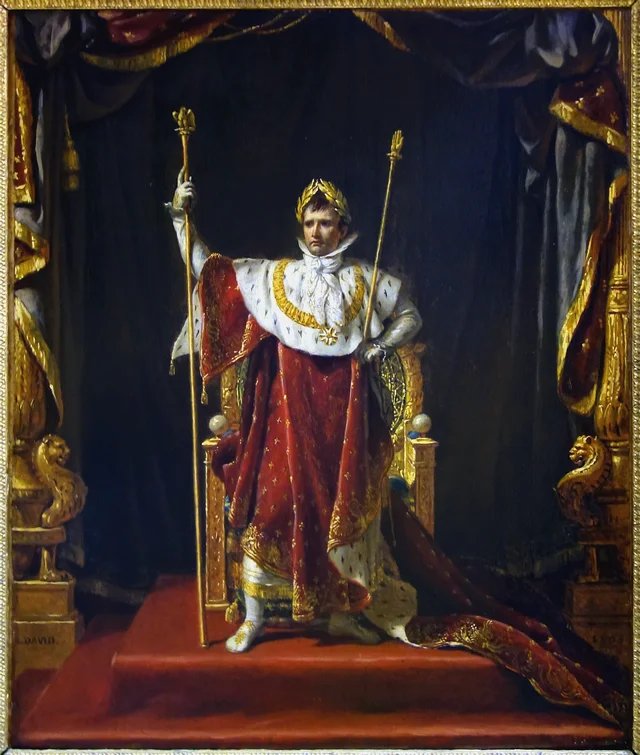 Napoleon in Imperial CostumeJacques-Louis David, 1805
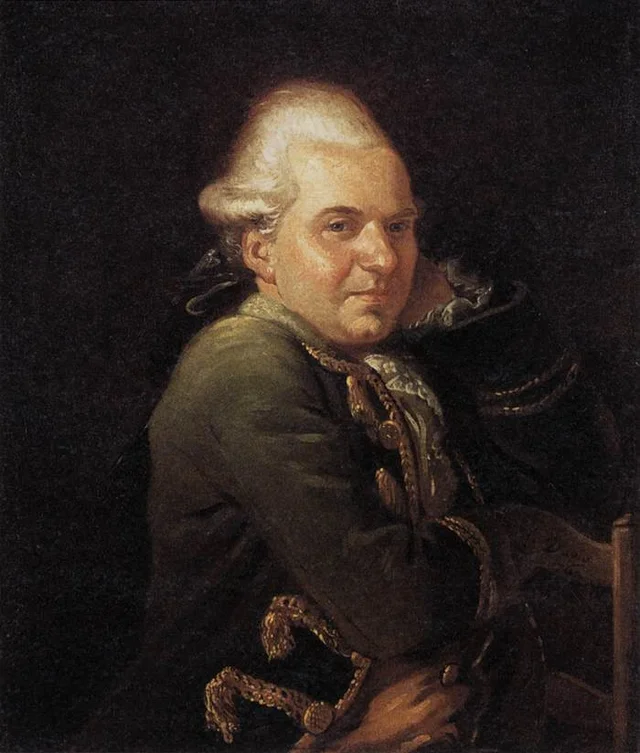 Portrait of François BuronJacques-Louis David, 1769
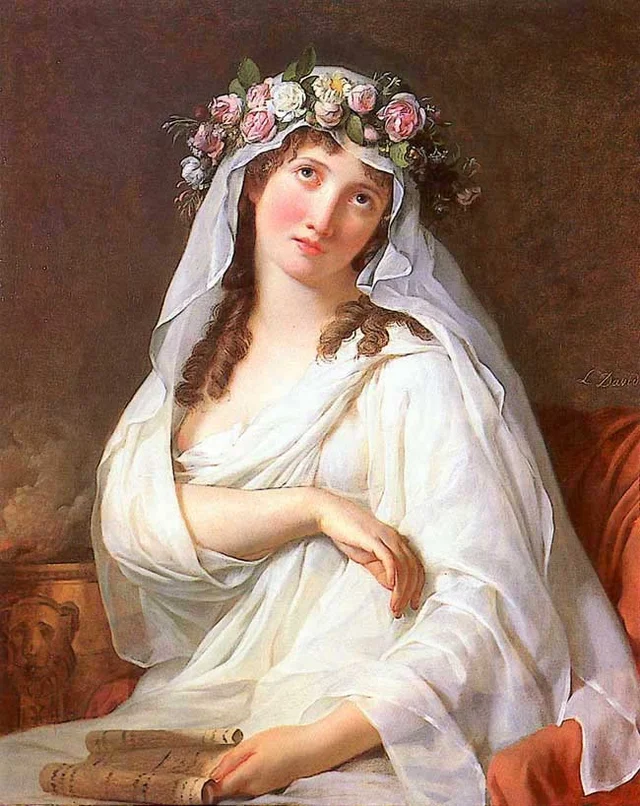 The Vestal VirginJacques-Louis David, 1783
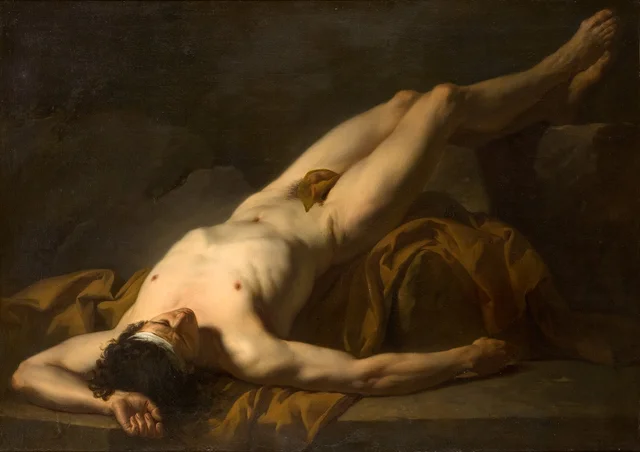 Académie d'homme, HectorJacques-Louis David, 1778
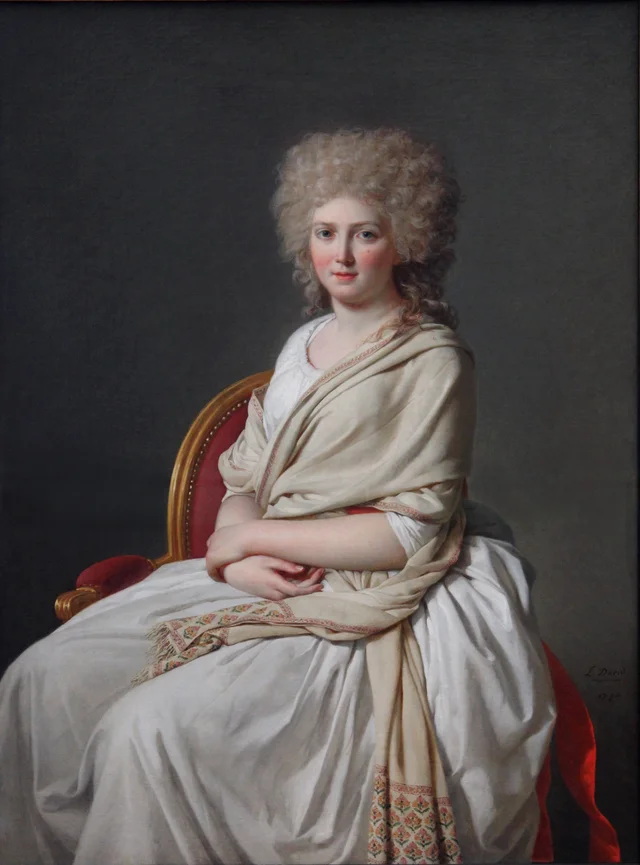 Anne-Marie-Louise Thélusson, Countess of SorcyJacques-Louis David, 1790
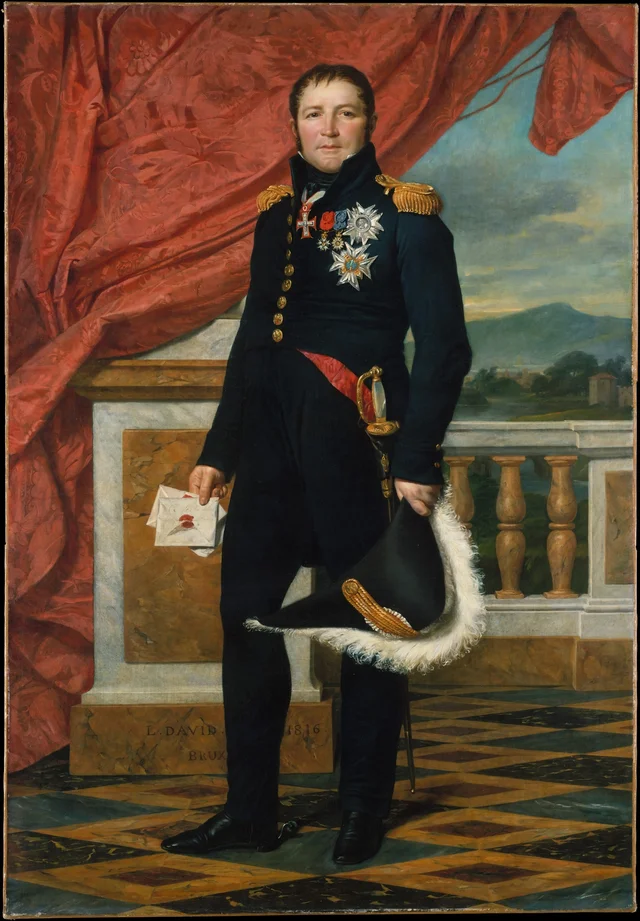 General Étienne-Maurice Gérard (1773–1852), Marshal of FranceJacques-Louis David, 1816
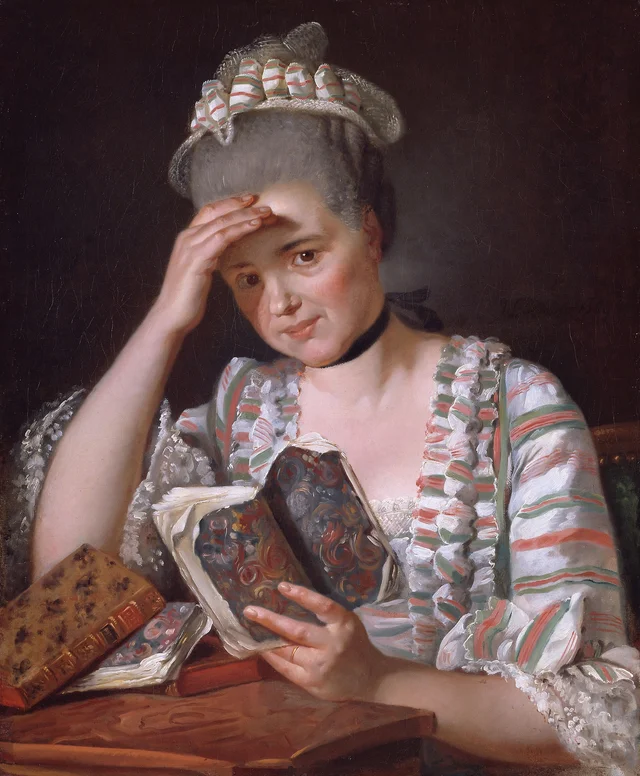 Madame François BuronJacques-Louis David, 1769
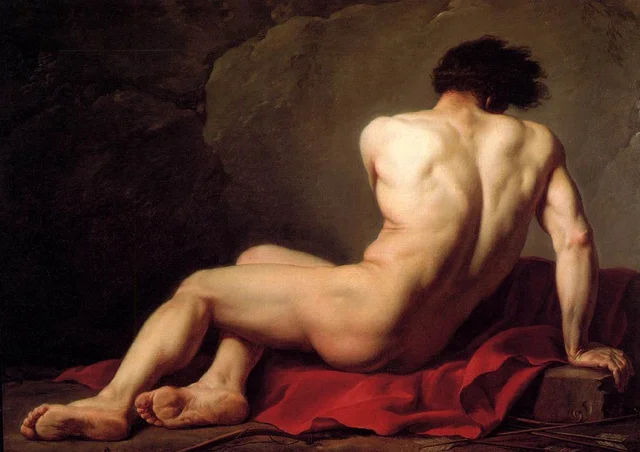 PatroclusJacques-Louis David, 1780
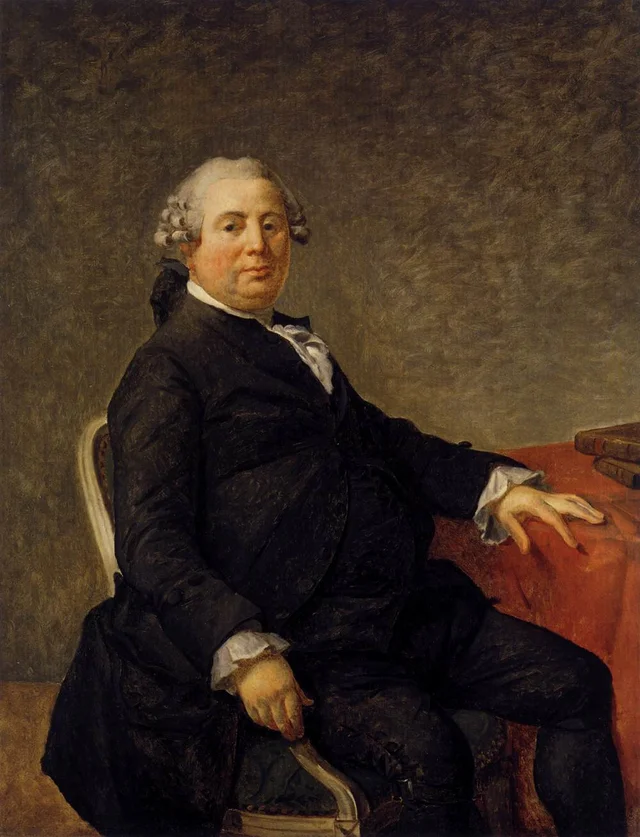 Philippe-Laurent de JoubertJacques-Louis David, 1790
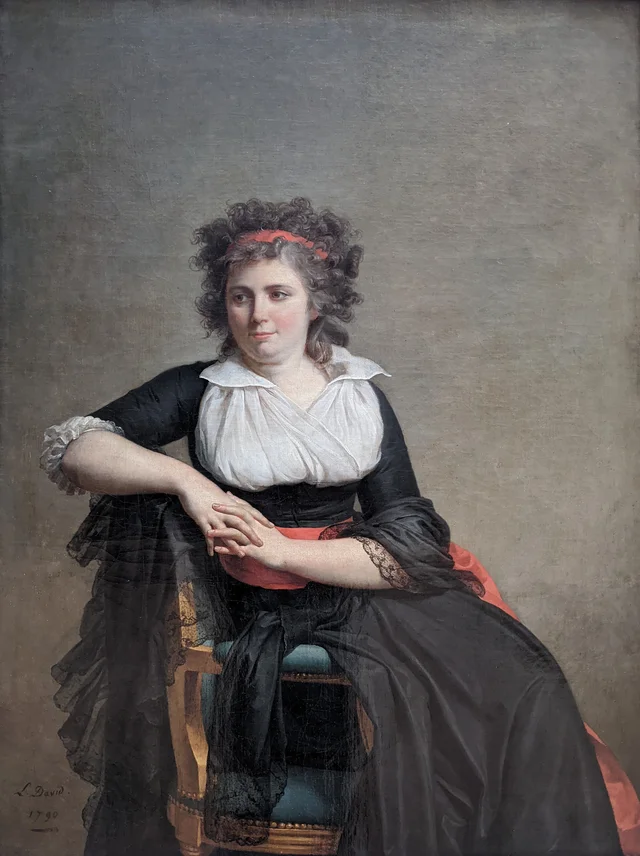 Portrait of the Marquise d'OrvilliersJacques-Louis David, 1790