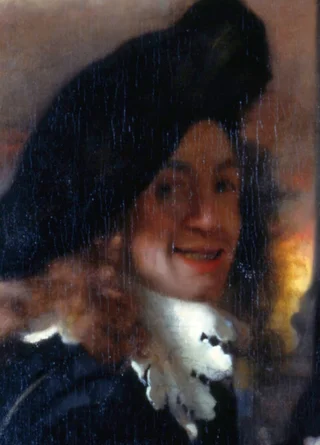
Johannes Vermeer
1632–1675 · Dutch Republic · Dutch Golden Age painting
The story
Vermeer worked slowly and left very little behind. Only about 34 paintings are firmly given to him today, most of them quiet interiors of Delft, the Dutch town where he spent his whole life, women reading letters or pouring milk in a shaft of window light. He painted them over roughly 20 years while also running a business dealing other artists' pictures to make ends meet.
Then the market vanished under him. In 1672, remembered in the Netherlands as the Rampjaar, the disaster year, French armies under Louis the Fourteenth invaded the Dutch Republic and the economy collapsed, and with it the trade in paintings that Vermeer lived on. He died three years later in 1675, suddenly, leaving his wife Catharina and 11 surviving children buried in debt. She tried to hand two of his canvases to the local baker to settle a bread bill.
For almost 200 years he was nearly forgotten outside Delft. In the 1860s a French critic, Théophile Thoré, hunted down his scattered pictures and wrote the articles that made his name, calling him the Sphinx of Delft because so little about the man was known. That is still roughly true. We have his paintings and a handful of documents, and almost no words from Vermeer himself.
More articles
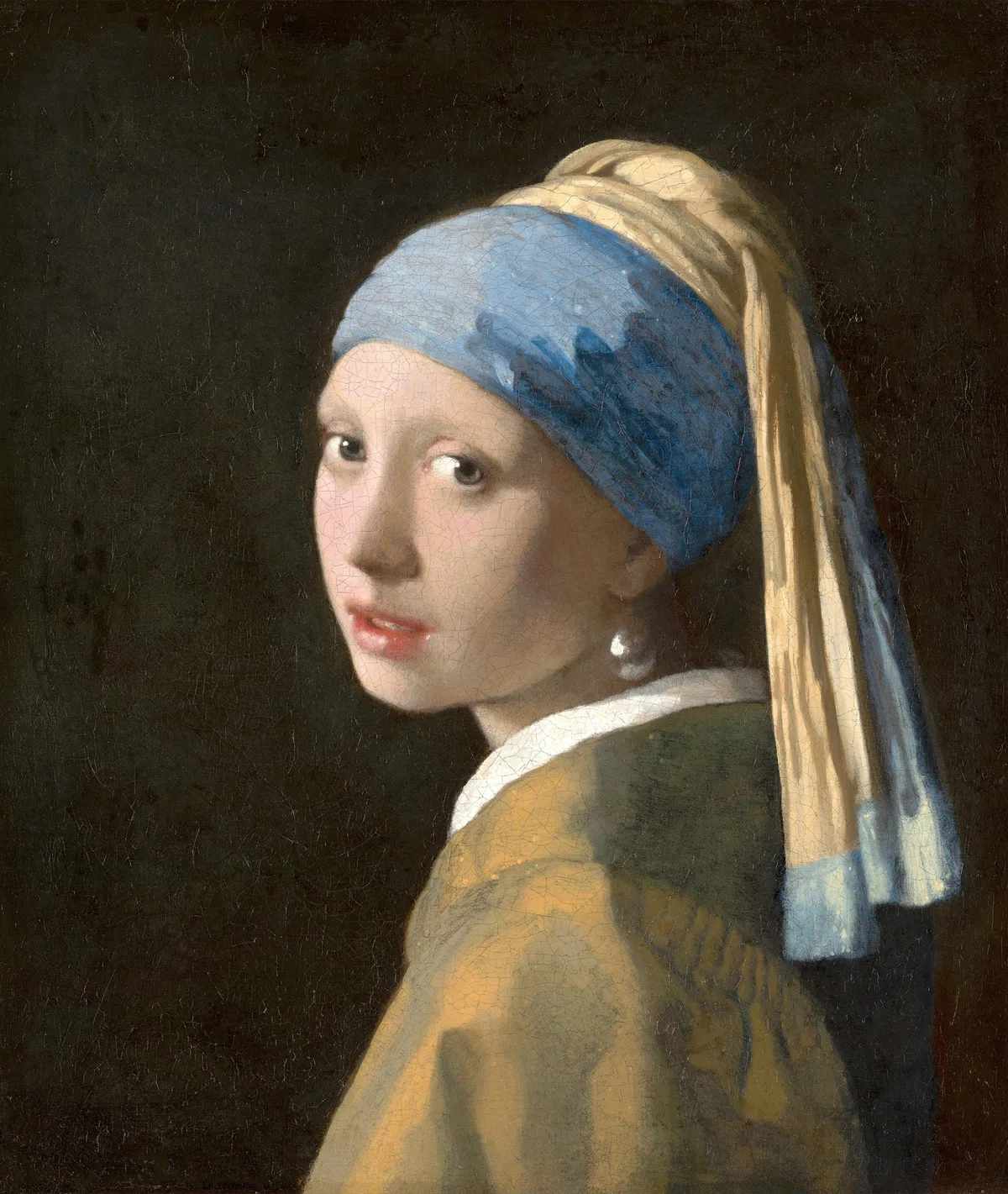 Article · 45 min readThe Mauritshuis in The Hague: 20 paintings and how they came here
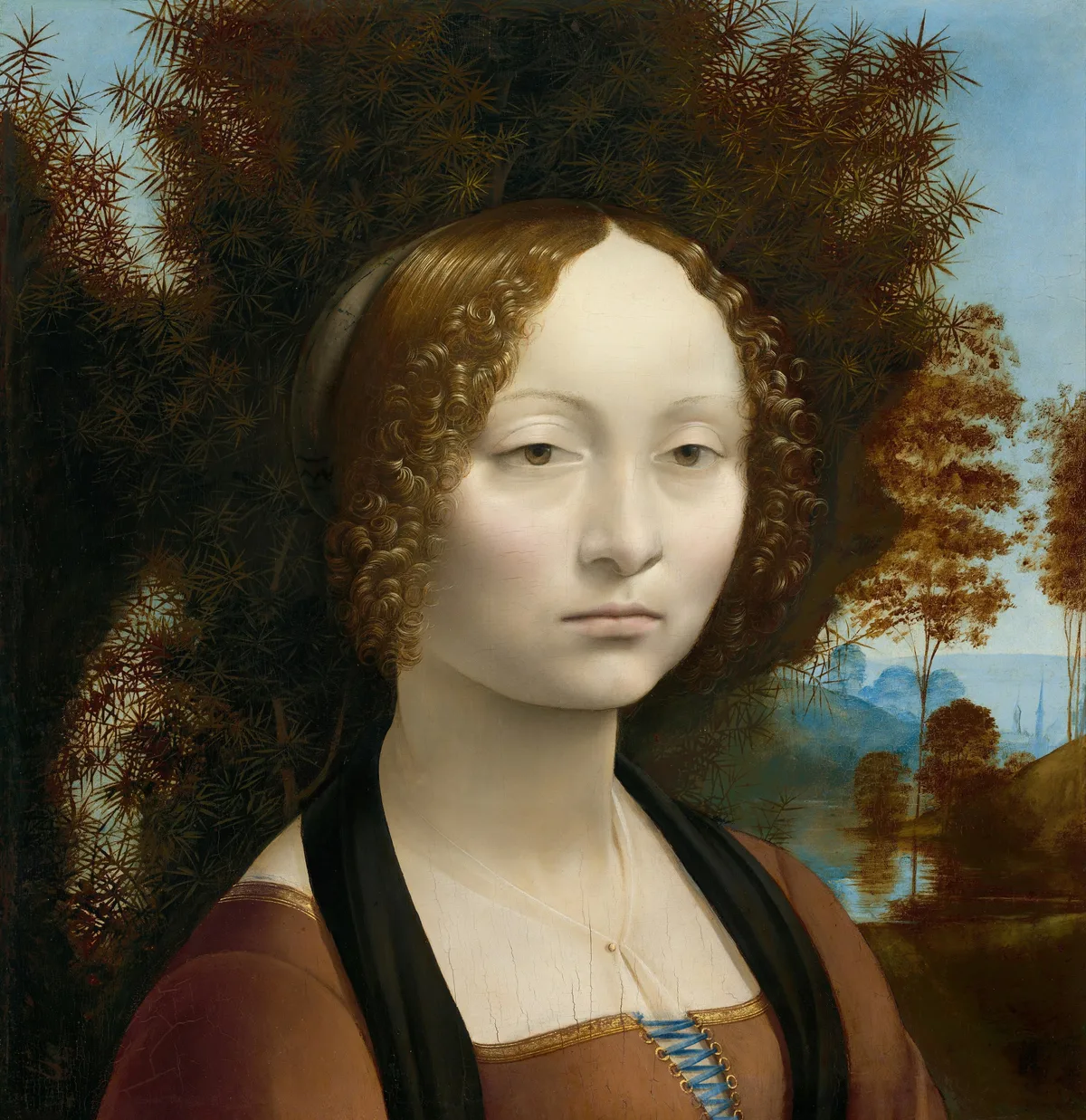 Article · 38 min readThe National Gallery of Art in Washington: 20 pictures that came from private hands
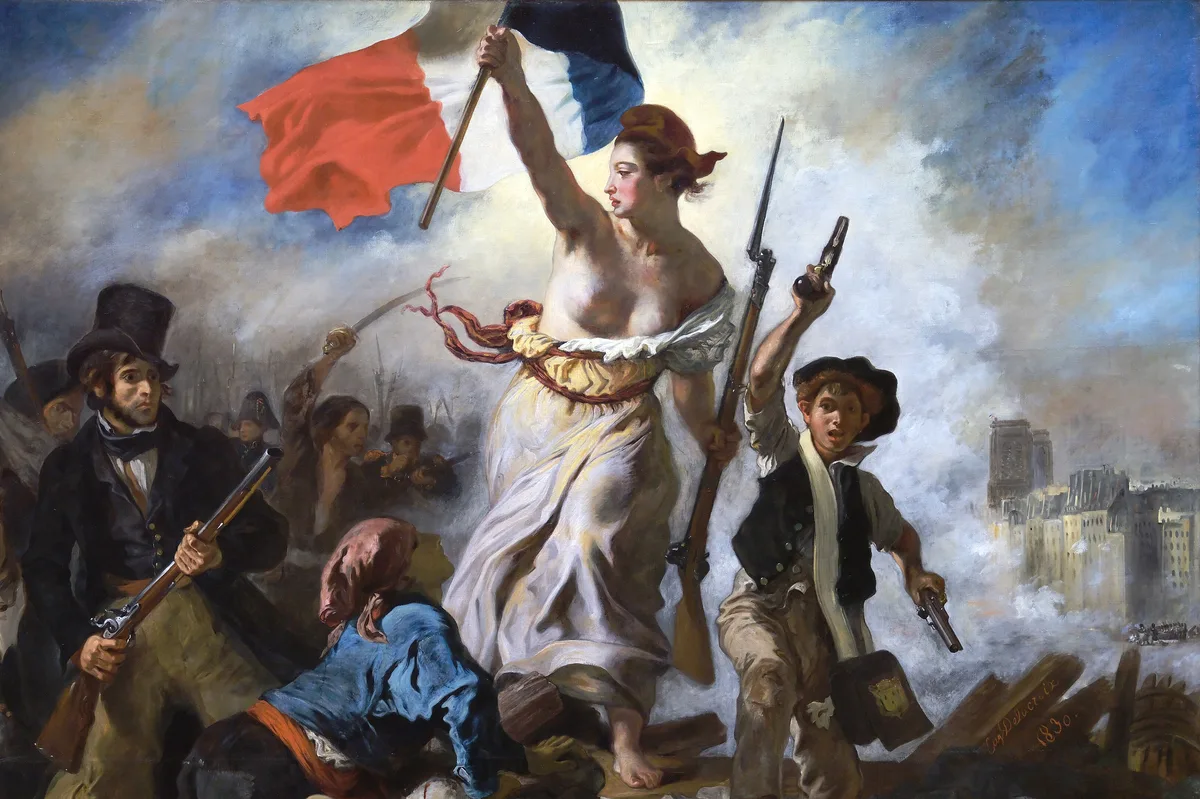 Article · 42 min readWhat to See at the Louvre: 25 Highlights
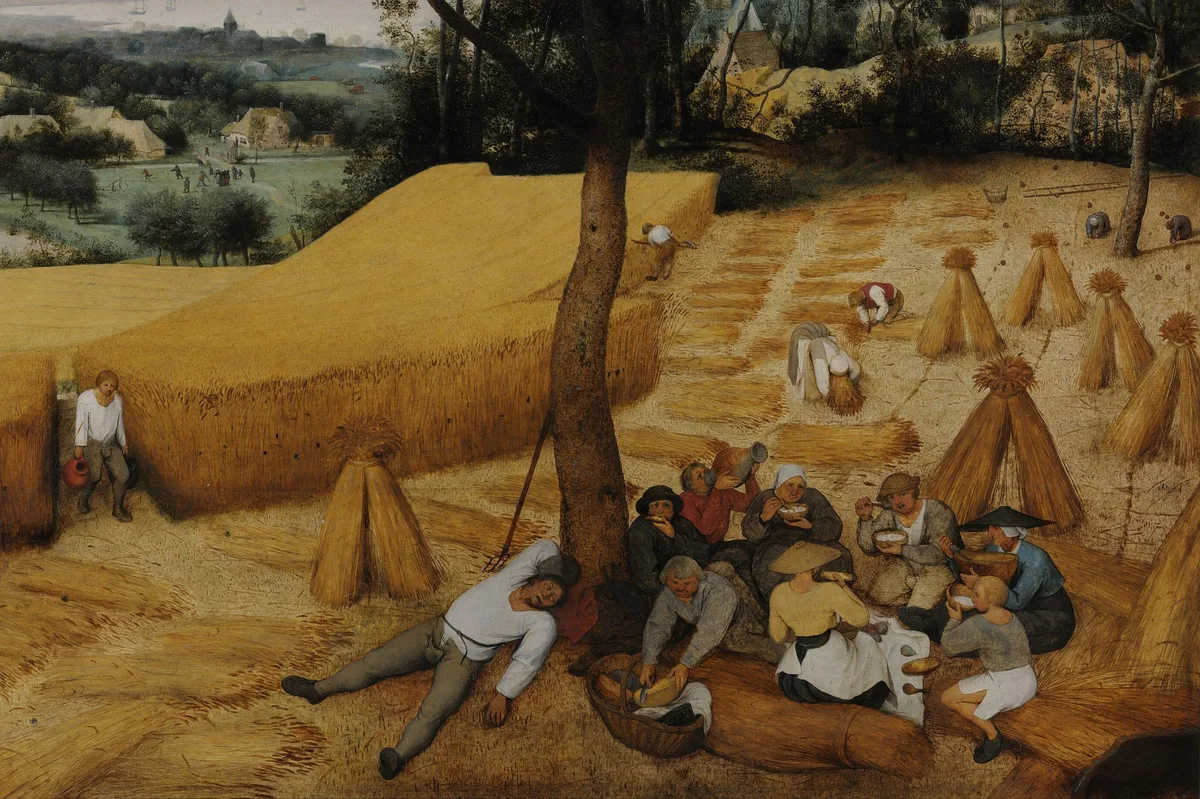 Article · 30 min readWhat to See at the Met: 15 Highlights
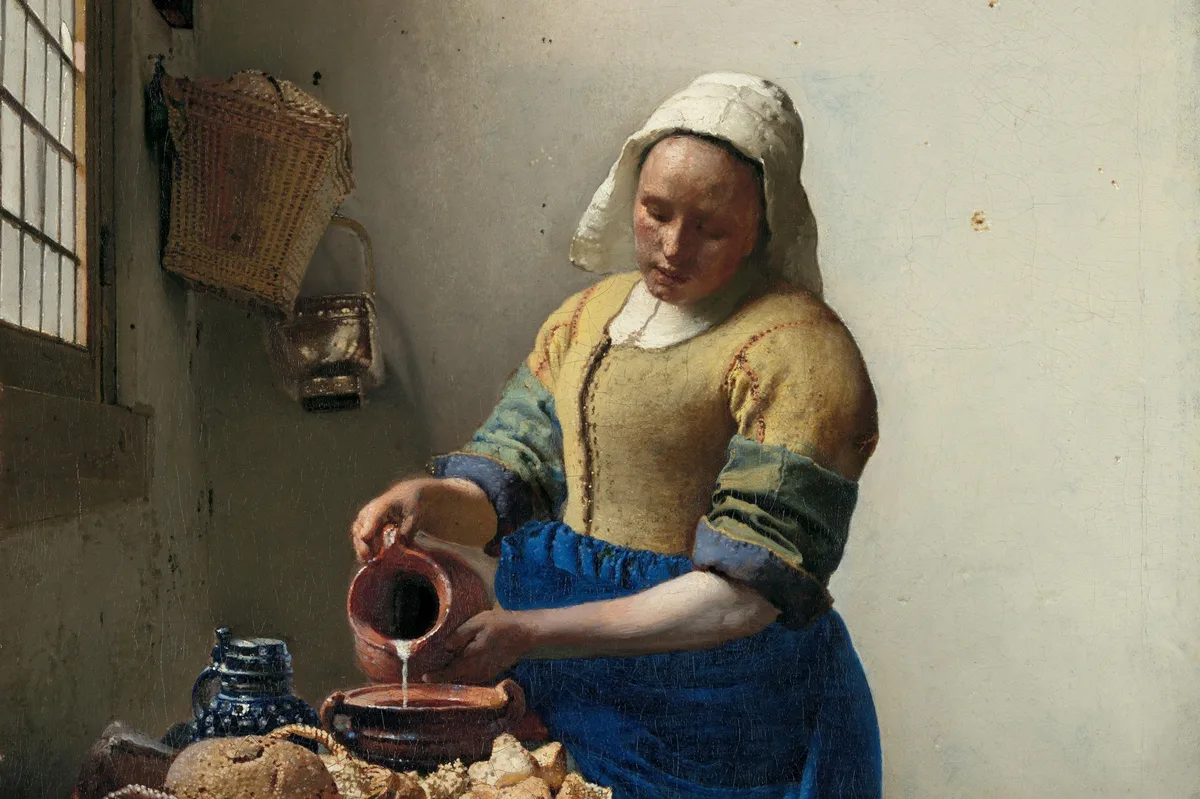 Article · 57 min readThe Rijksmuseum in Amsterdam: 25 works and their owners
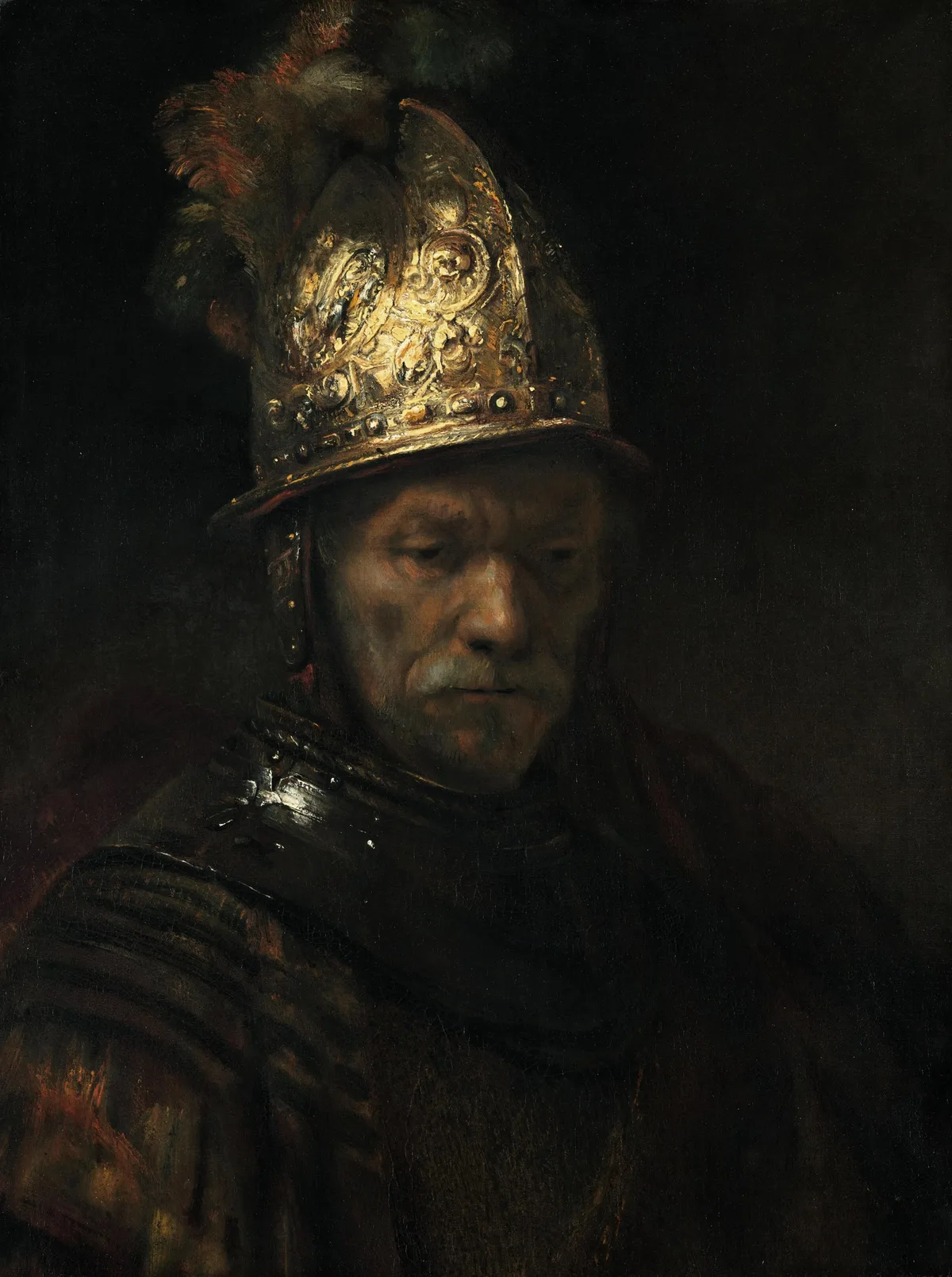 Article · 44 min readThe Gemäldegalerie in Berlin: 20 paintings that Berlin bought, lost and divided
Works
36 works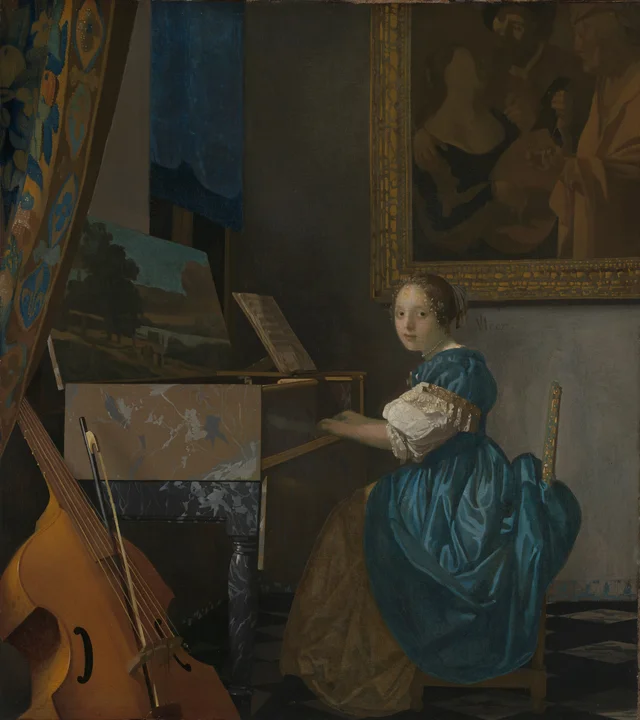 A Young Woman seated at a VirginalJohannes Vermeer, 1670
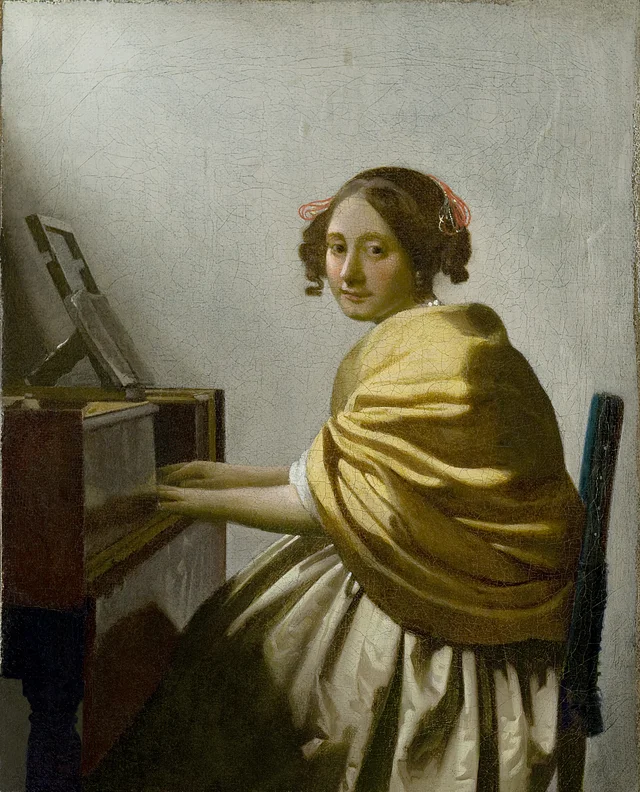 A Young Woman Seated at the VirginalsJohannes Vermeer, 1670
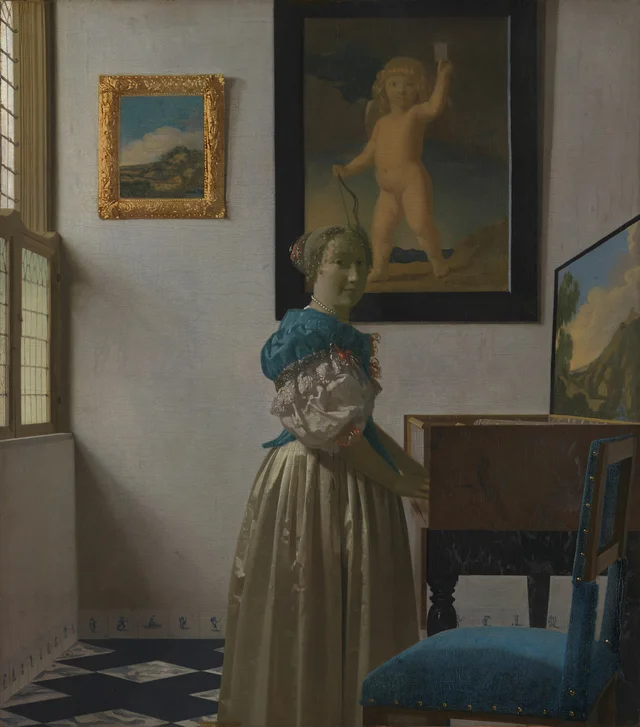 A Young Woman Standing at a VirginalJohannes Vermeer, 1670
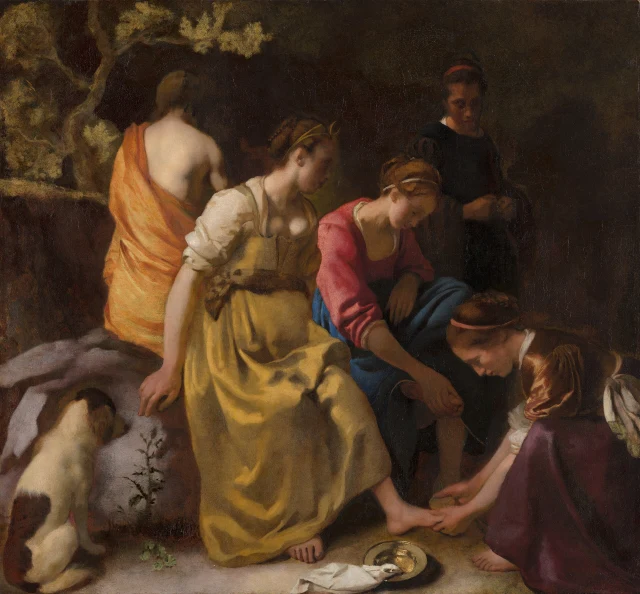 Diana and her NymphsJohannes Vermeer, 1653
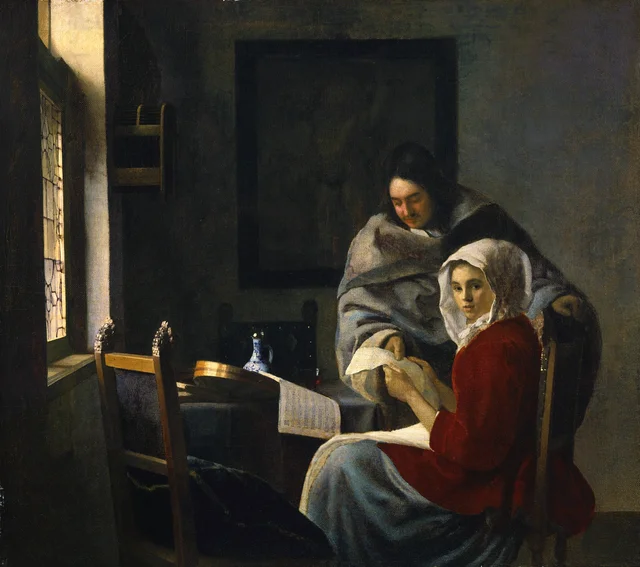 Girl Interrupted at her MusicJohannes Vermeer, 1660
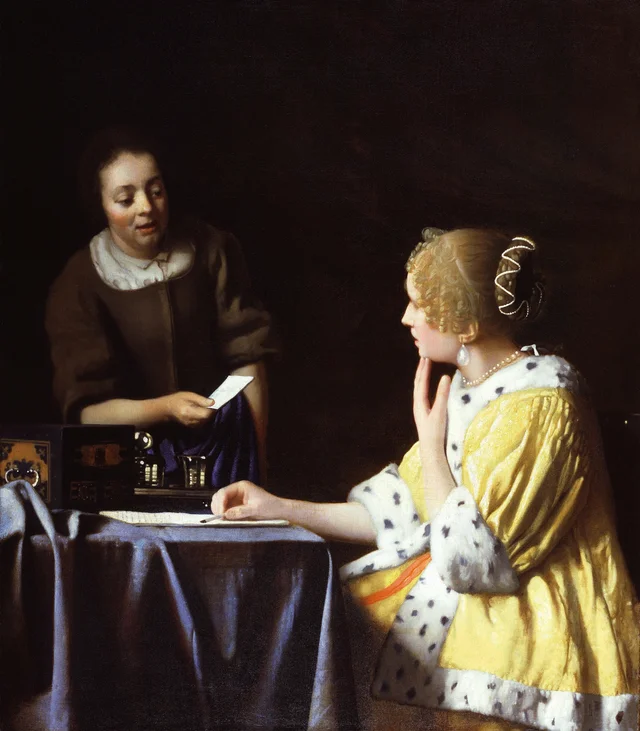 Mistress and MaidJohannes Vermeer, 1666
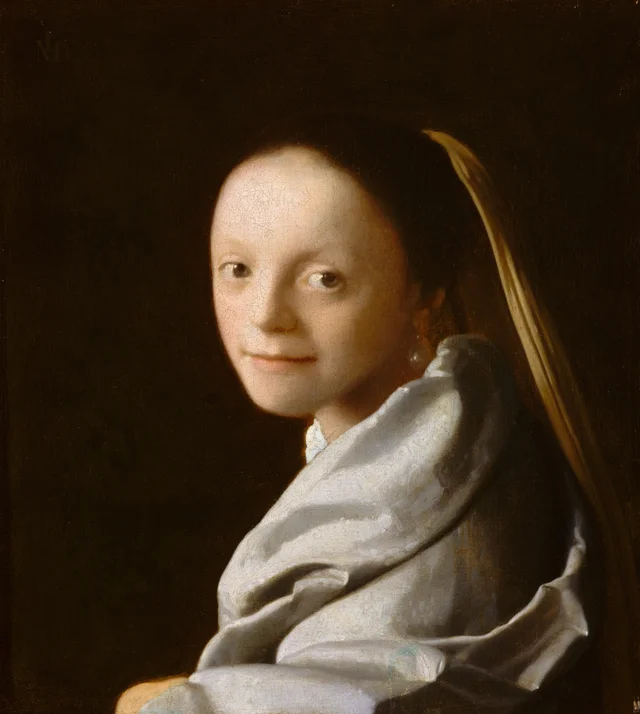 Portrait of a Young WomanJohannes Vermeer, 1665
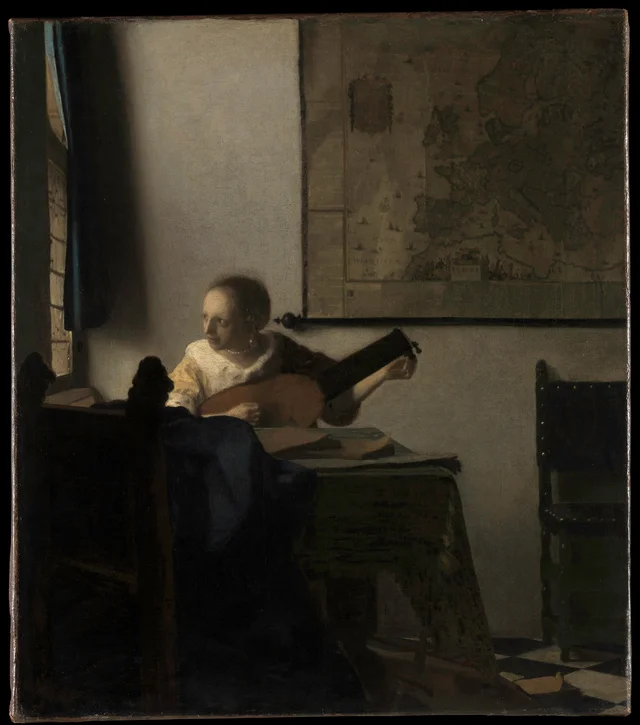 Woman with a LuteJohannes Vermeer, 1662
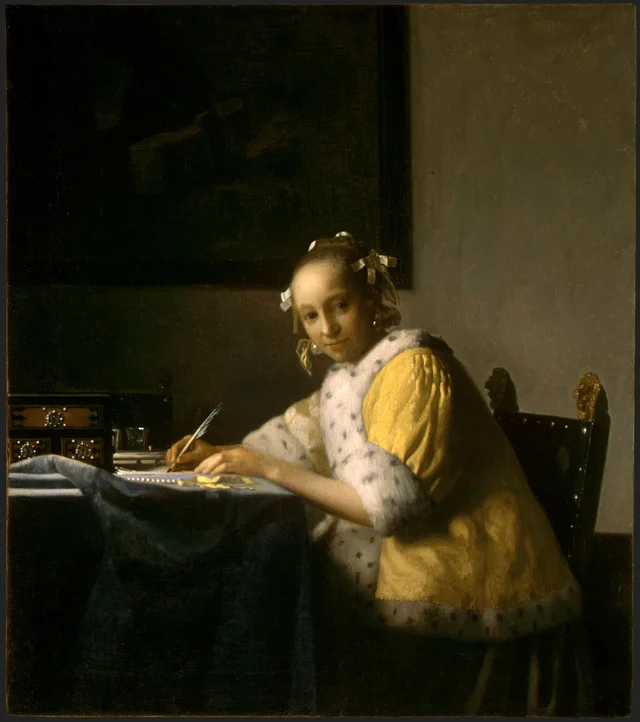 A Lady Writing a LetterJohannes Vermeer, 1665
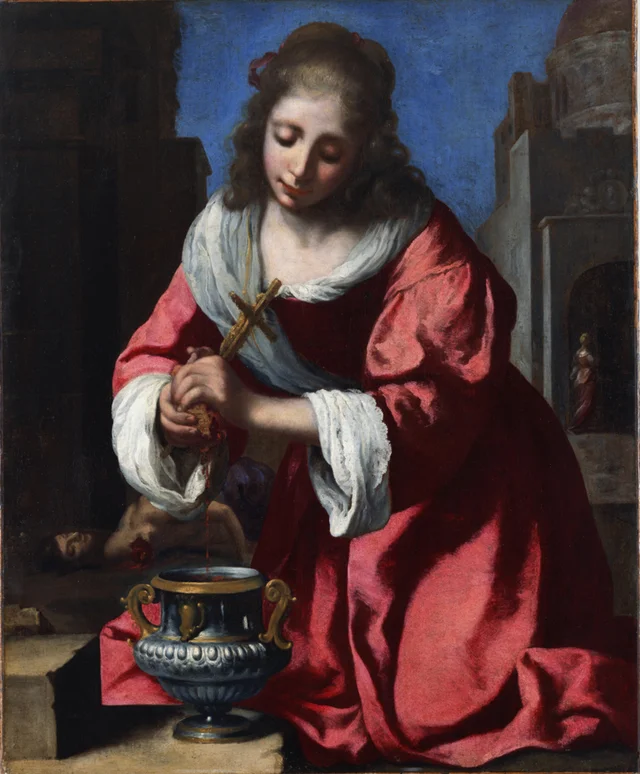 Saint PraxedisJohannes Vermeer, 1655
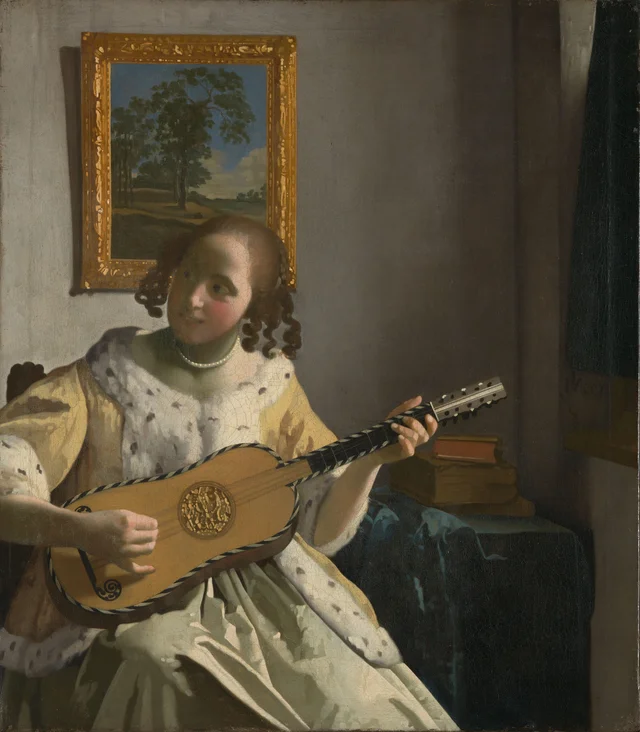 The Guitar PlayerJohannes Vermeer, 1672