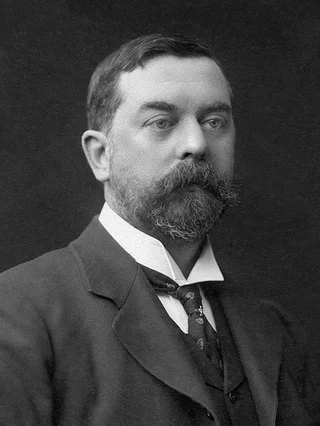
John Singer Sargent
1856–1925 · United States · Impressionism
The story
In 1884, Sargent asked a Louisiana-born Parisian socialite named Virginie Gautreau to sit for a portrait, not as a commission but because he wanted to paint her: pale skin, a profile she was famous for, and a black dress with a jeweled strap slipping off one shoulder. When it went on display at the Salon as Portrait de Mme***, everyone in Paris knew exactly who it was, and the falling strap read as an open admission of the affairs she was already rumored to be having. The reaction was brutal. One critic called her a clown in a pantomime, and Gautreau's mother reportedly came to Sargent's studio in tears begging him to withdraw it.
Sargent repainted the strap back onto her shoulder, but the damage to his reputation in Paris was done, and he left for London within the year. There he rebuilt his career almost from nothing, painting the British aristocracy and wealthy American expatriates, and by the 1890s he was the most sought-after portrait painter in the English-speaking world.
He kept the original Madame X in his own studio for decades, refusing to sell or exhibit it publicly, and only let it go to the Metropolitan Museum in New York in 1916, calling it the best thing he had ever painted.
More articles
Works
137 works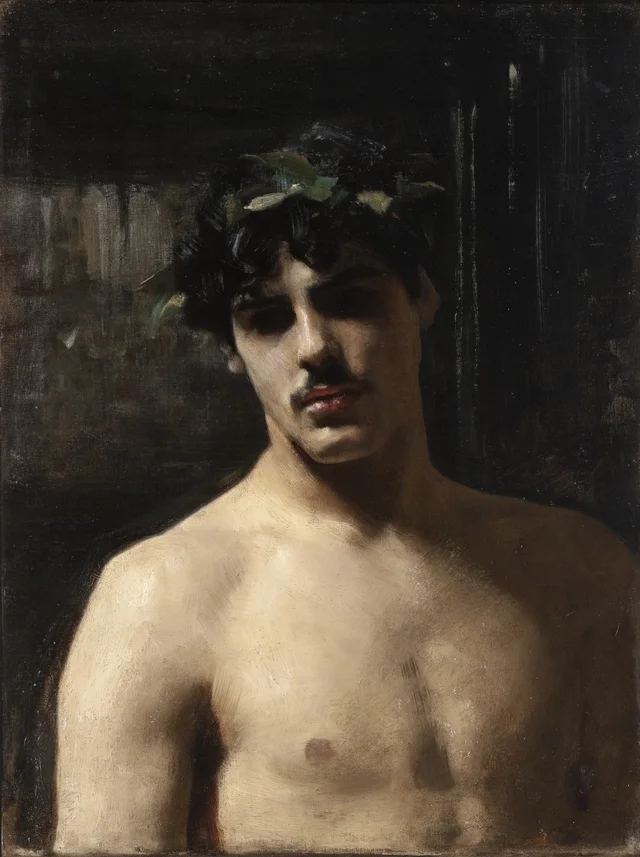 Man Wearing LaurelsJohn Singer Sargent, 1877
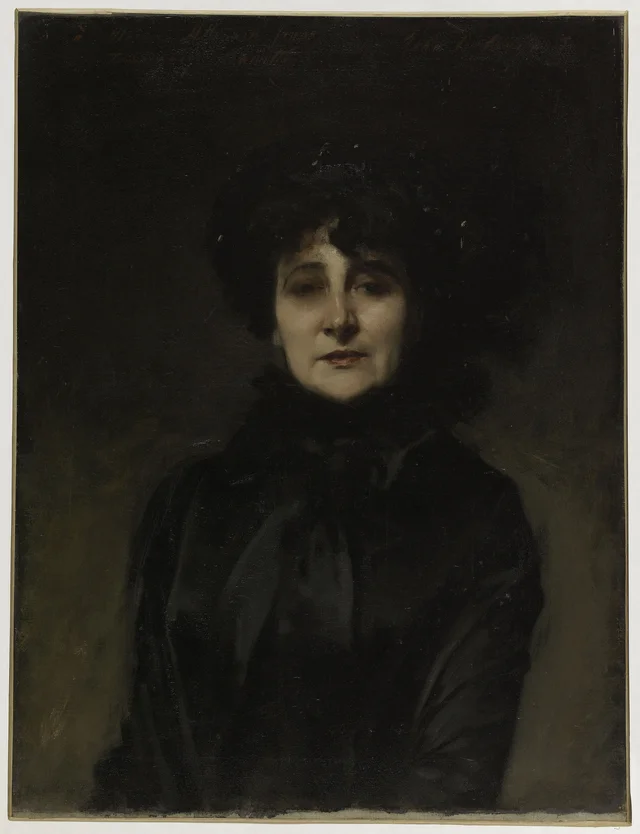 Mme Emma-Marie Allouard-JouanJohn Singer Sargent, 1882
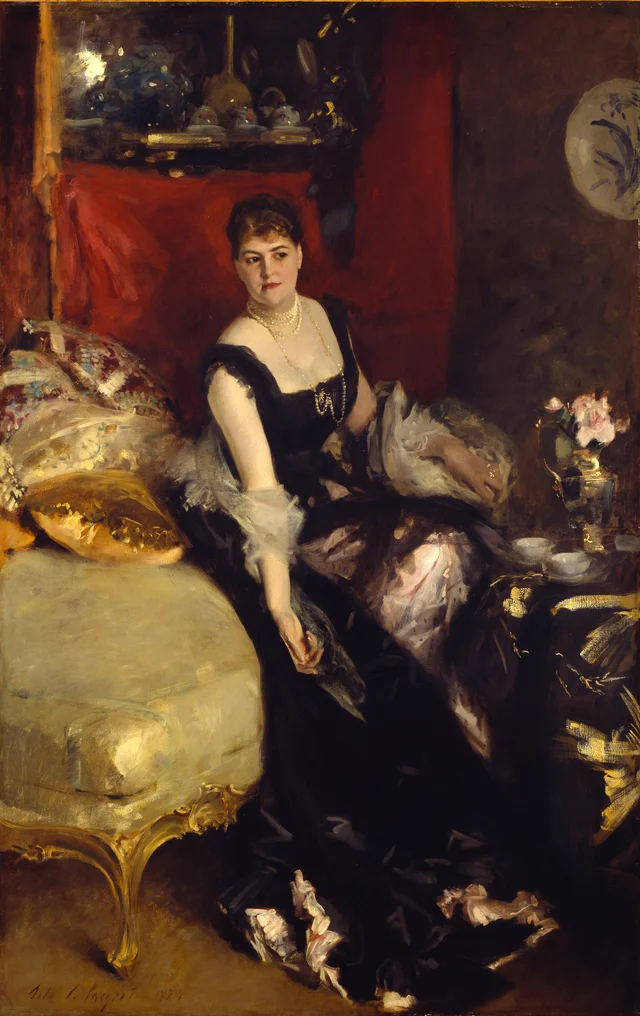 Mrs. Kate A. MooreJohn Singer Sargent, 1884
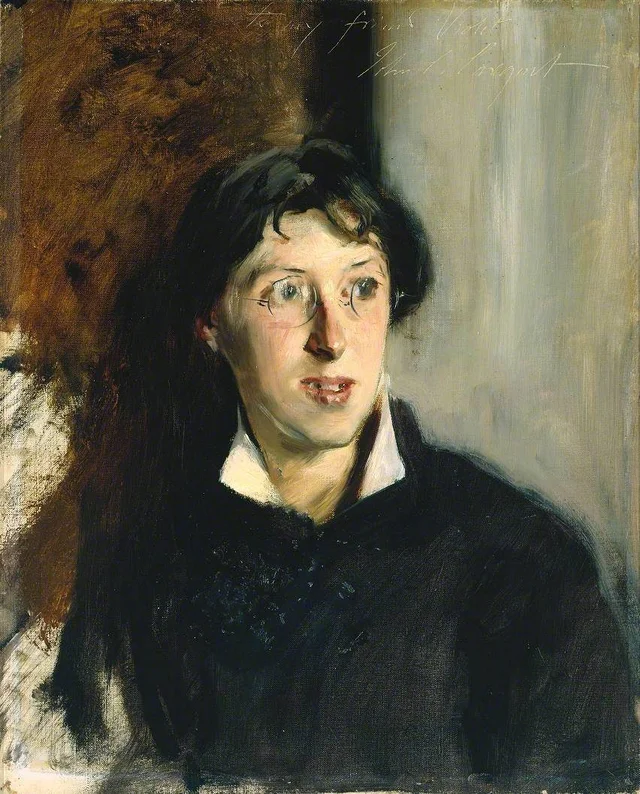 Portrait de Vernon LeeJohn Singer Sargent, 1881
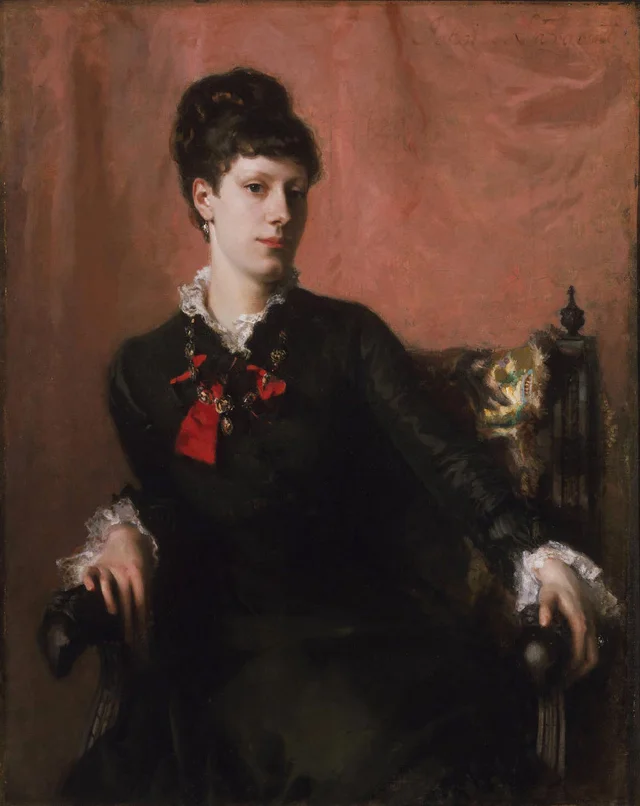 Portrait of Frances Sherborne Ridley WattsJohn Singer Sargent, 1877
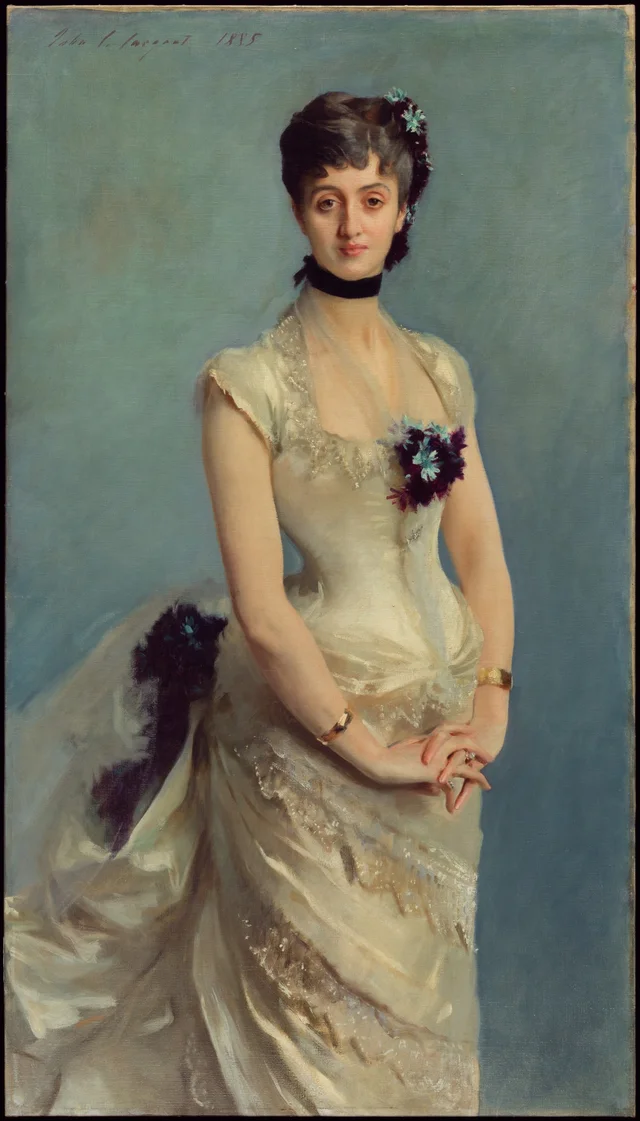 Portrait of Madame Paul PoirsonJohn Singer Sargent, 1885
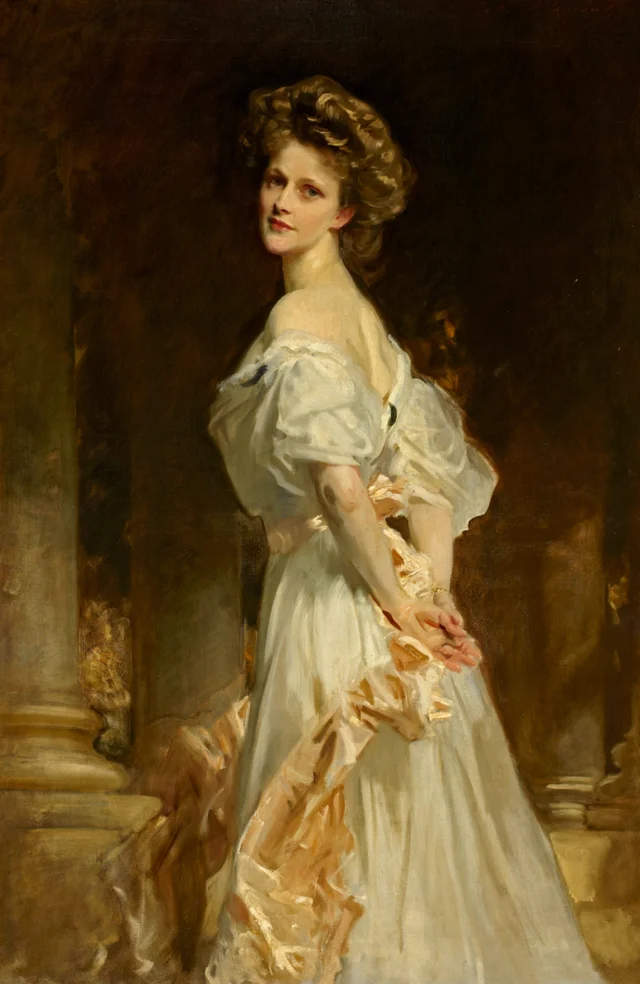 Portrait of Nancy AstorJohn Singer Sargent, 1908
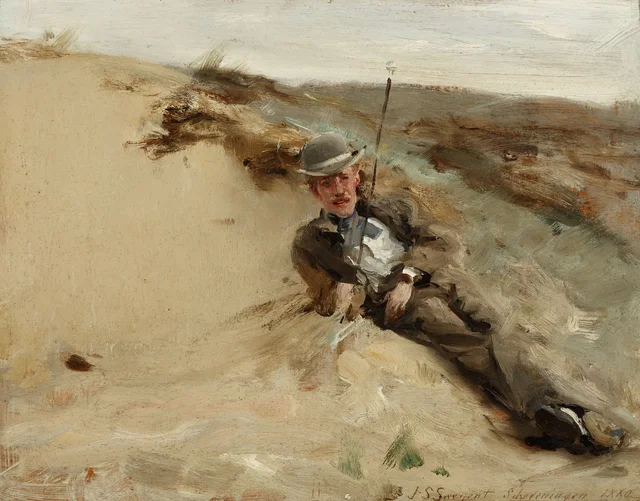 Portrait of Ralph Curtis on the Beach at ScheveningenJohn Singer Sargent, 1880
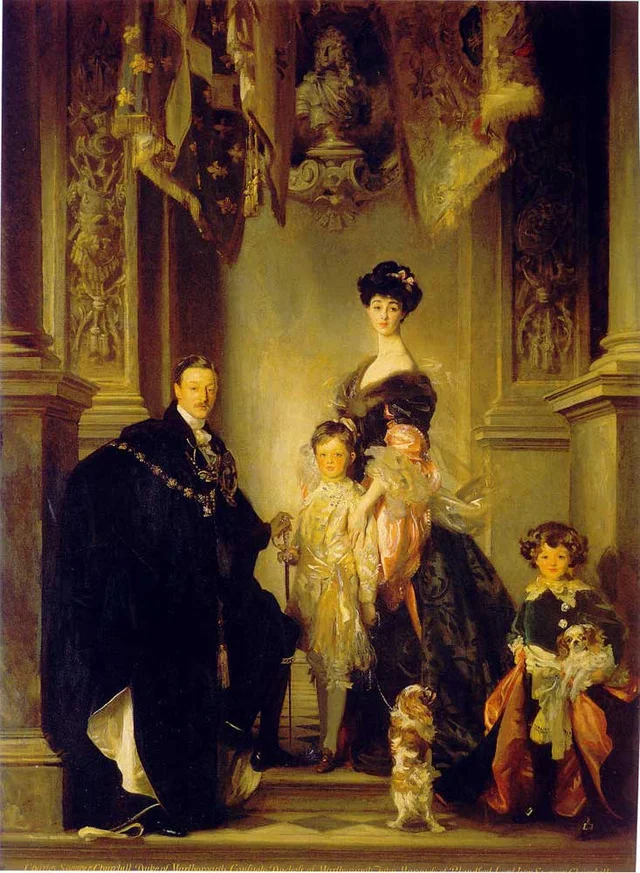 Portrait of the 9th Duke of Marlborough with his familyJohn Singer Sargent, 1905
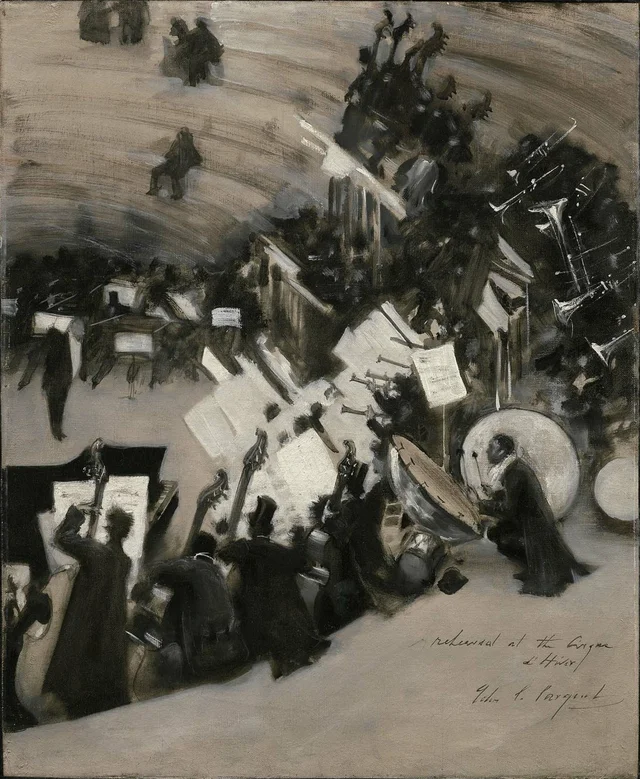 Rehearsal of the Pasdeloup Orchestra at the Cirque d'HiverJohn Singer Sargent, 1879
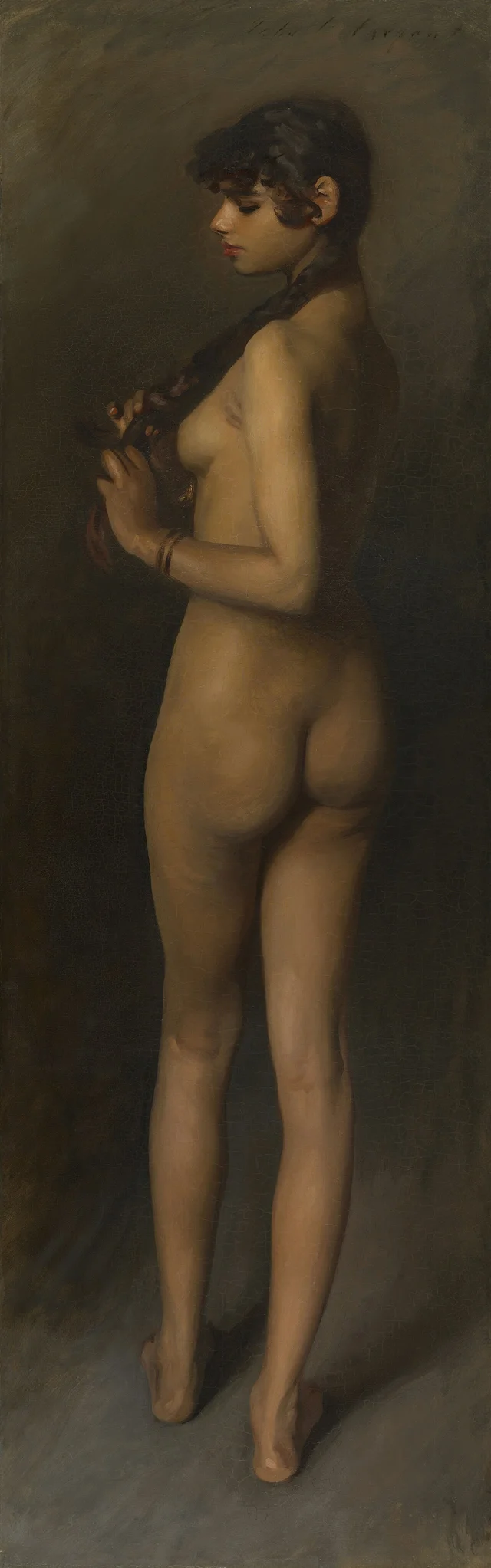 Study from LifeJohn Singer Sargent, 1891
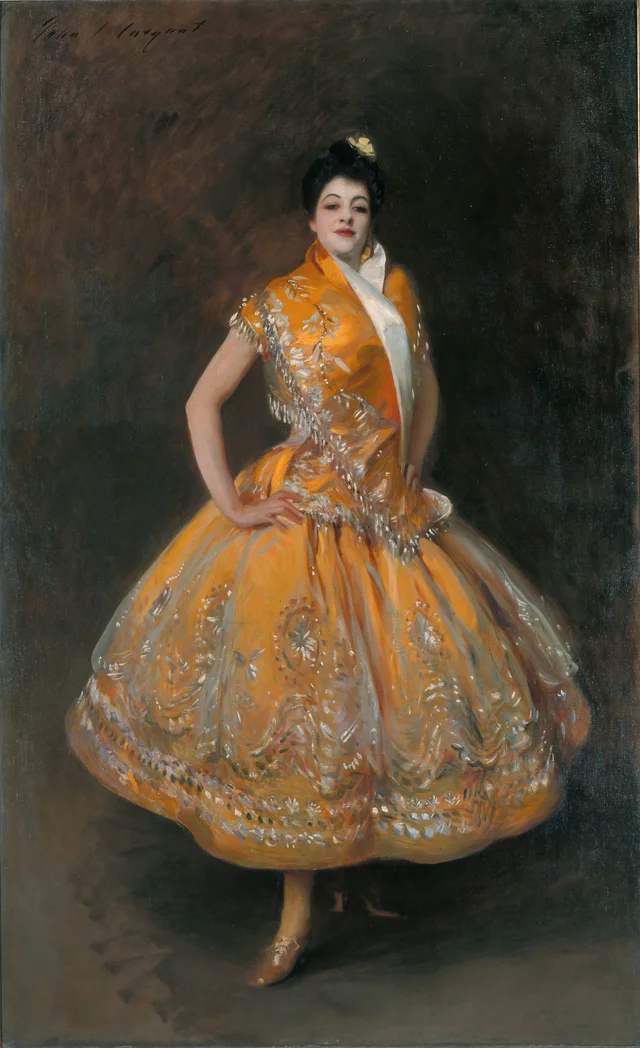 The CarmencitaJohn Singer Sargent, 1890
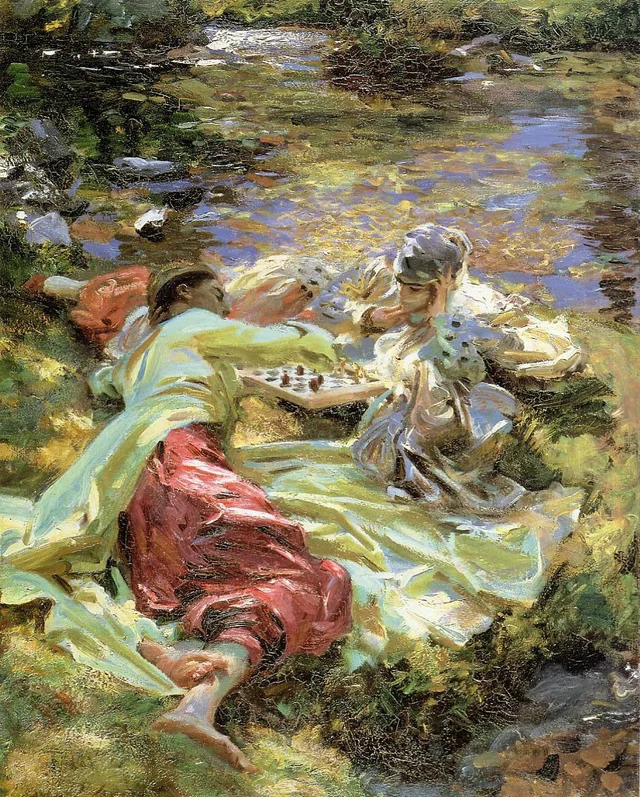 The Chess GameJohn Singer Sargent, 1907
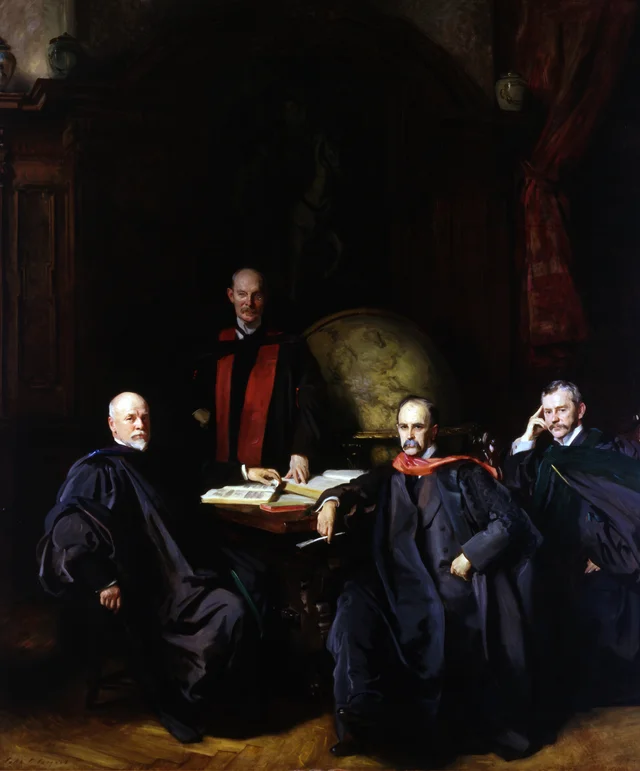 The Four DoctorsJohn Singer Sargent, 1906
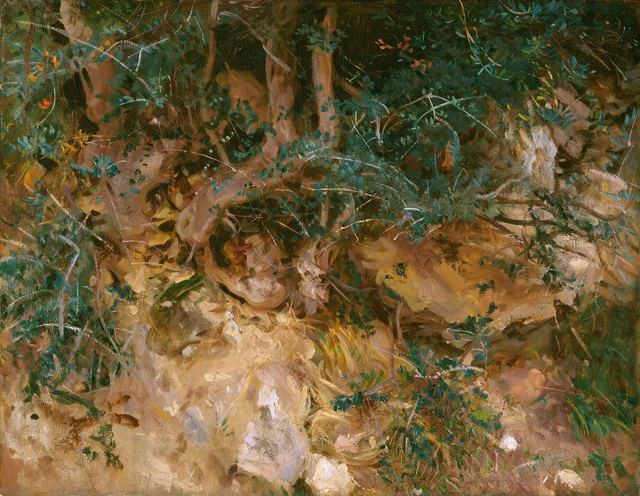 Valdemosa, Majorca: Thistles and Herbage on a HillsideJohn Singer Sargent, 1908
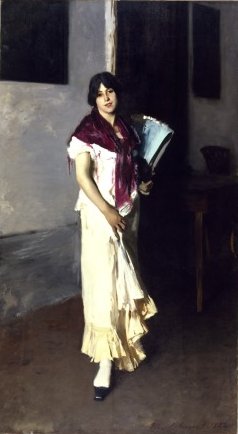 A Venetian WomanJohn Singer Sargent, 1882
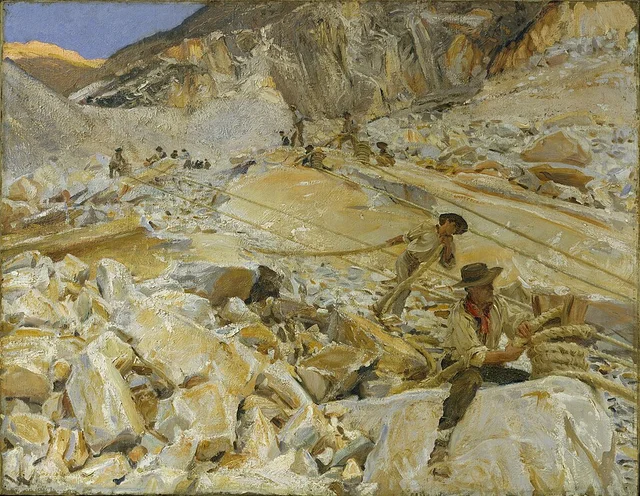 Bringing Down Marble from the Quarries to CarraraJohn Singer Sargent, 1911
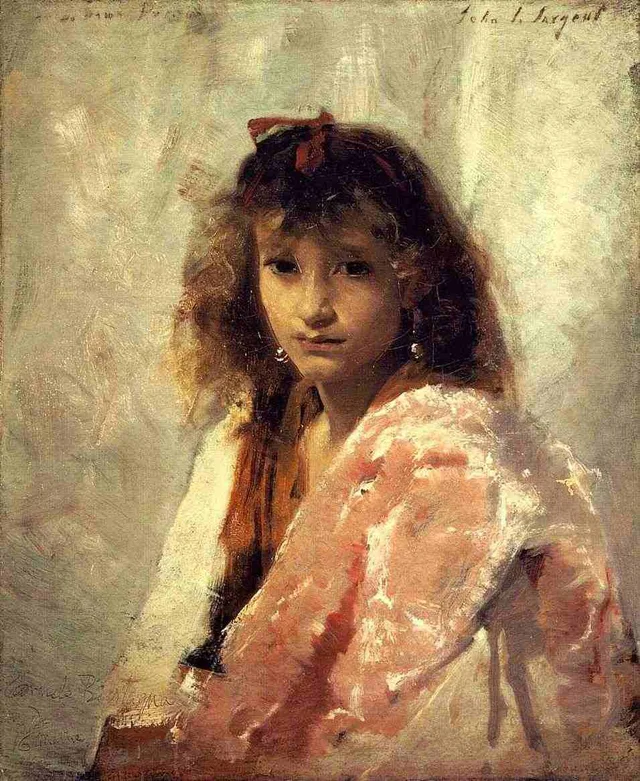 Carmela BertagnaJohn Singer Sargent, 1880
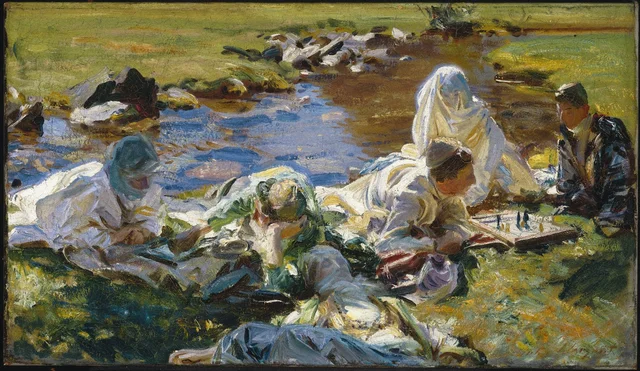 Dolce Far NienteJohn Singer Sargent, 1907
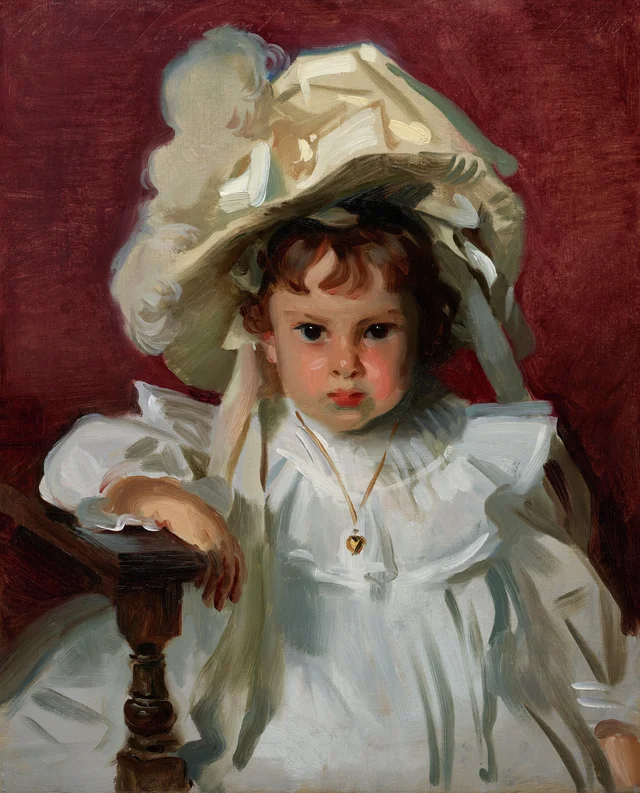 DorothyJohn Singer Sargent, 1900
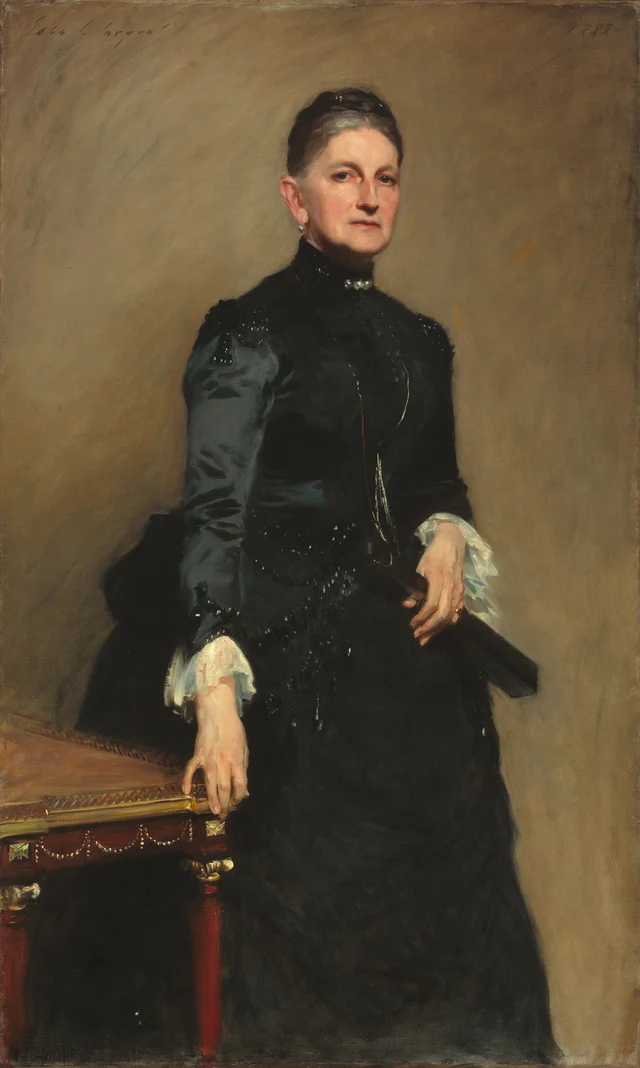 Eleanora O'Donnell Iselin (Mrs. Adrian Iselin)John Singer Sargent, 1888
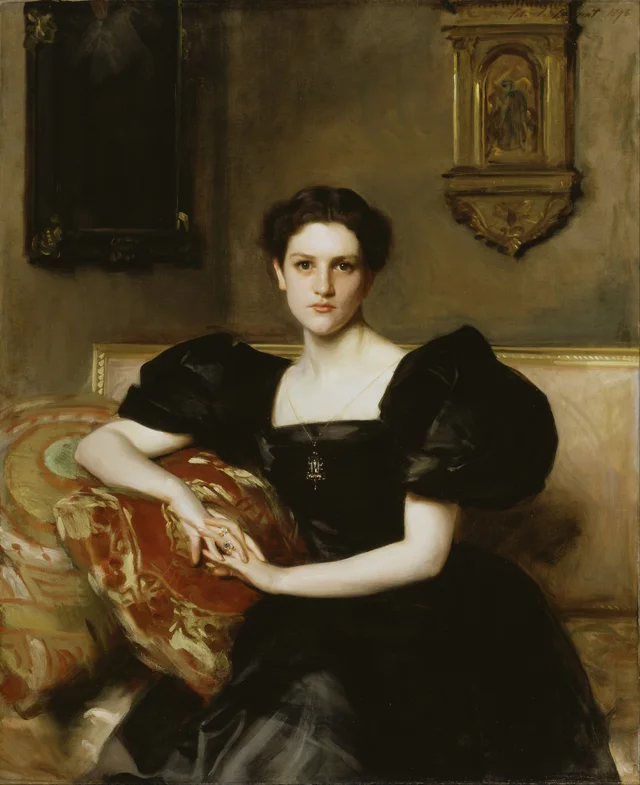 Elizabeth Winthrop Chanler (Mrs. John Jay Chapman)John Singer Sargent, 1893
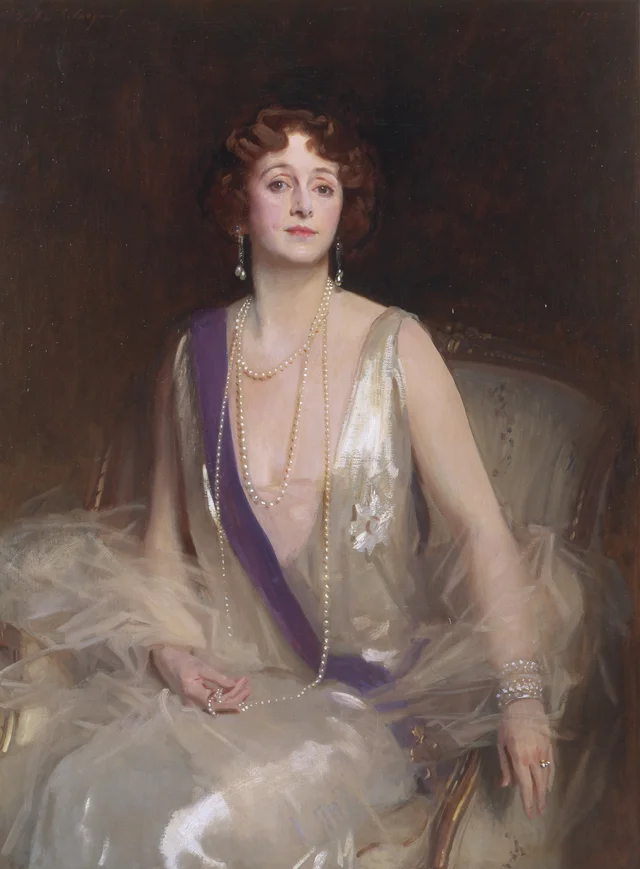 Grace Elvina, Marchioness Curzon of KedlestonJohn Singer Sargent, 1925
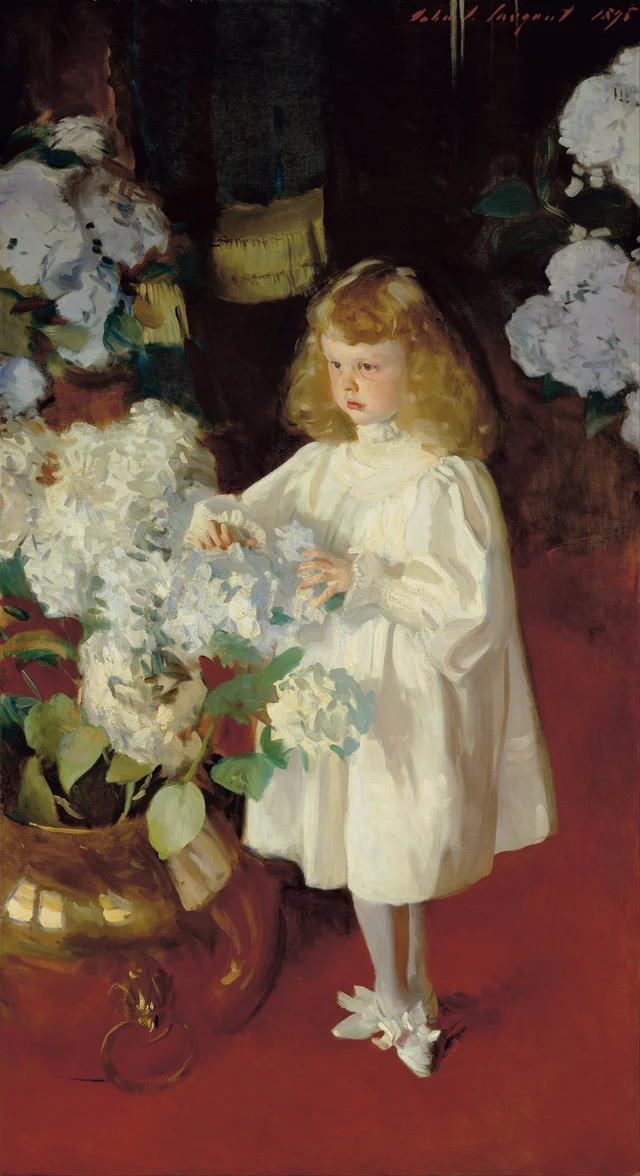 Helen SearsJohn Singer Sargent, 1895
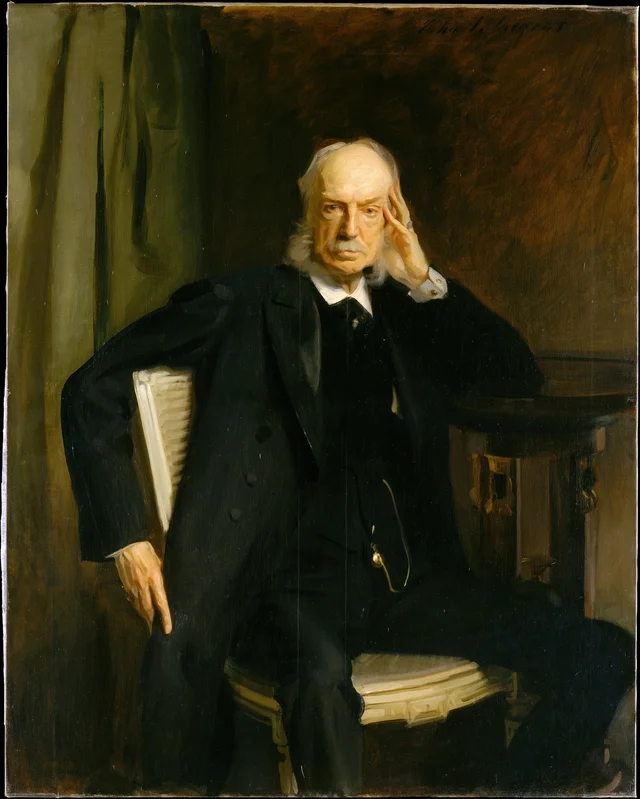 Henry G. MarquandJohn Singer Sargent, 1897