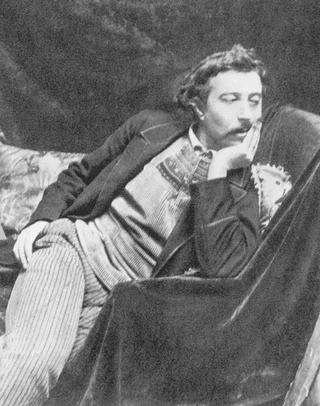
Paul Gauguin
1848–1903 · France · Post-impressionism
The story
Until he was in his mid-thirties, Paul Gauguin was a Paris stockbroker with a good salary, a Danish wife, and five children. He collected Impressionist paintings as a rich man's hobby and dabbled at making his own. Then in 1882 the Paris stock exchange crashed, the firm he worked for came apart, and the comfortable life went with it. Gauguin decided the disaster was permission: he would paint full time. His family, appalled, eventually left him.
He drifted to Pont-Aven, a cheap artists' village in Brittany, and there worked out the style that made him. In 1888 he painted a group of Breton women in white bonnets seeing a vision after church, Jacob wrestling an angel on a flat field of pure red. There was no attempt at real space or natural colour; the picture was built from bold outlines and blocks of flat tone, an idea rather than a scene. This way of painting from imagination and symbol, which he called Synthetism, fed straight into modern art.
That autumn Vincent van Gogh coaxed him south to Arles to share a house and start an artists' colony. It lasted nine weeks. The two men painted furiously and argued worse, and just before Christmas 1888 the quarrel ended with van Gogh cutting off part of his own ear and Gauguin fleeing back to Paris. Gauguin wanted somewhere further from Europe altogether, and in 1891 he sailed to Tahiti, a French colony in the Pacific, looking for a paradise he had half-invented in his own head. He found a Papeete already colonised and Catholic, painted some of the most famous canvases of his life there anyway, and died poor on the remoter Marquesas Islands in 1903.
More articles
 Article · 49 min readMusée d'Orsay: From Napoleon III's Cabanel to the 43-Million-Euro Caillebotte
 Article · 41 min readThe Thyssen-Bornemisza Museum: 20 pictures bought by a father and his son
 Article · 41 min readKunstmuseum Basel: from the Amerbach purchase to the case of Rousseau's Muse, 1661–2023
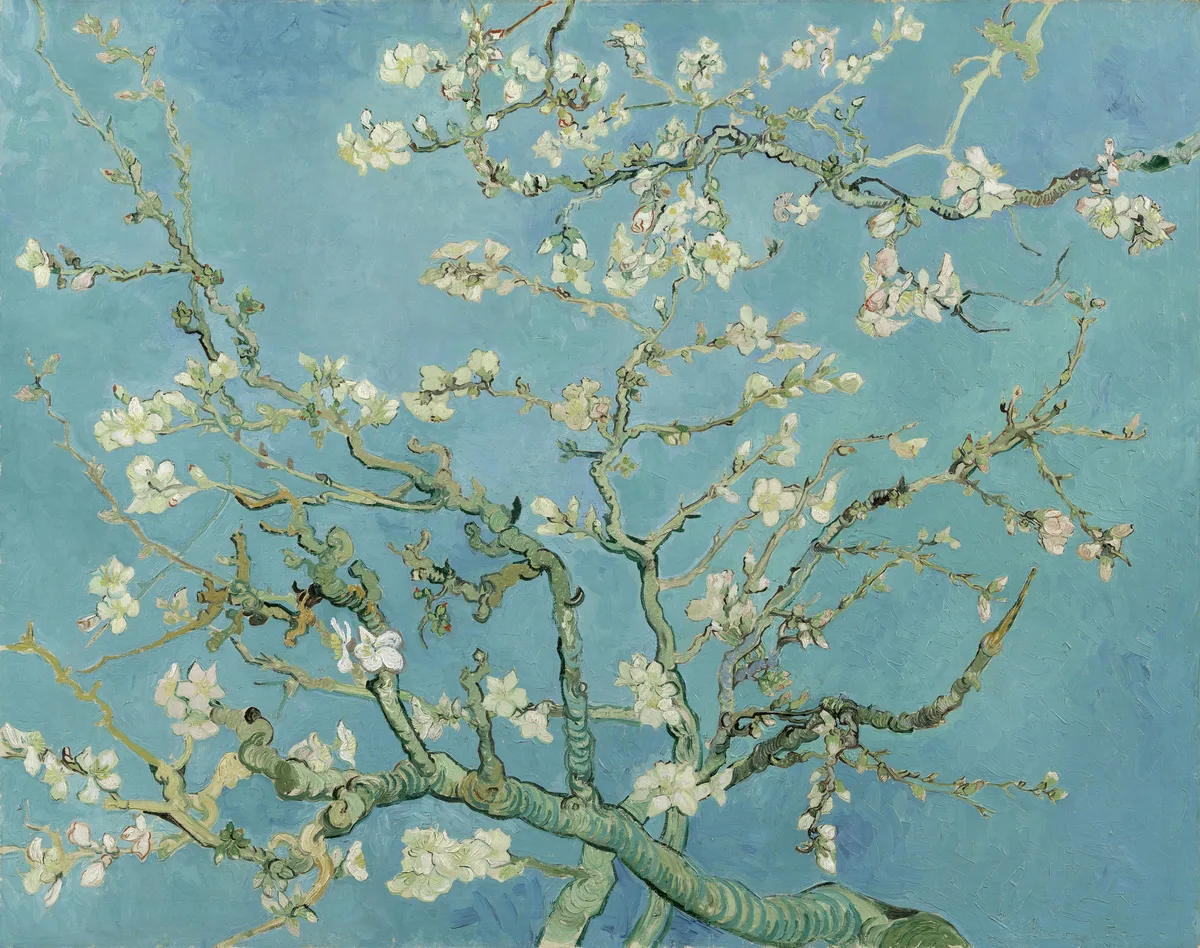 Article · 39 min readThe Van Gogh Museum: his mother, Theo, Gauguin and the other people in his paintings
Works
158 works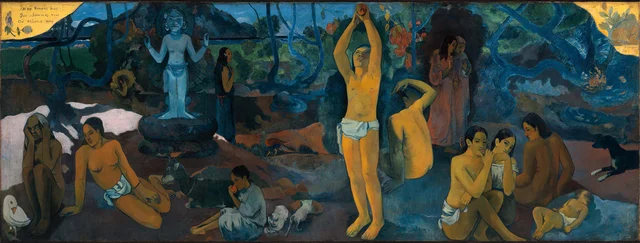 Where Do We Come From? What Are We? Where Are We Going?Paul Gauguin, 1897
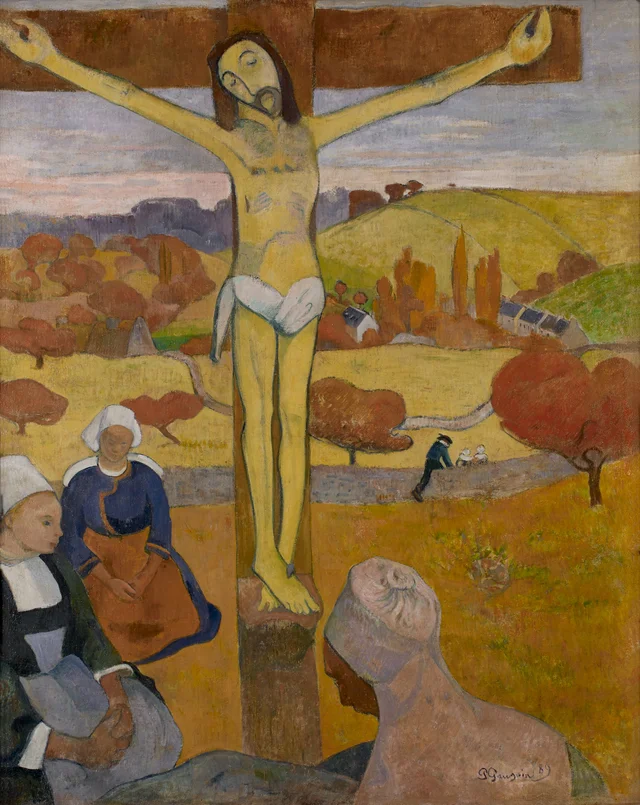 The Yellow ChristPaul Gauguin, 1889
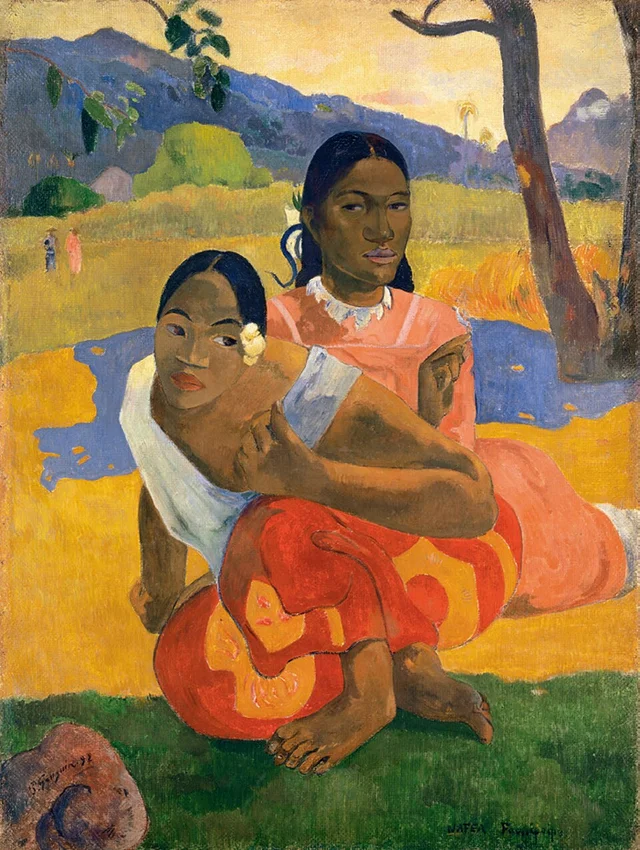 When Will You Marry?Paul Gauguin, 1892
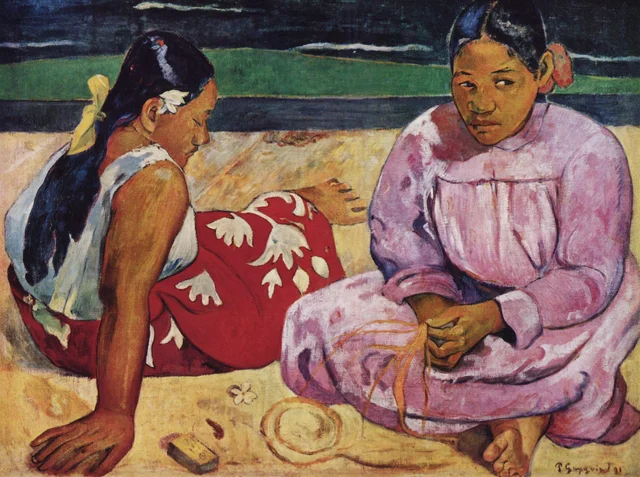 Tahitian Women on the BeachPaul Gauguin, 1891
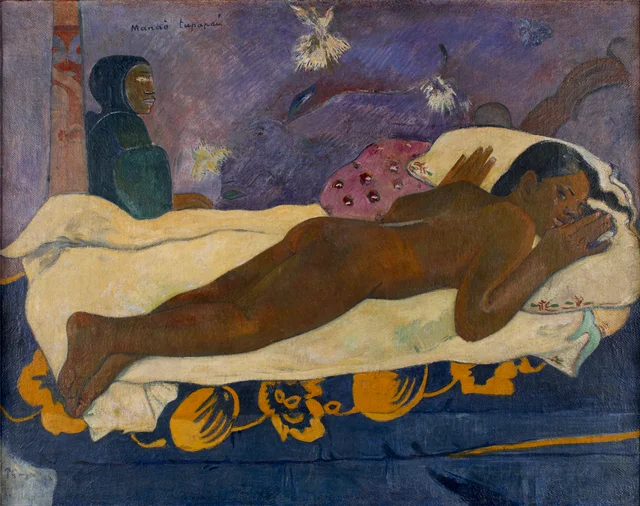 Manaò tupapaúPaul Gauguin, 1892
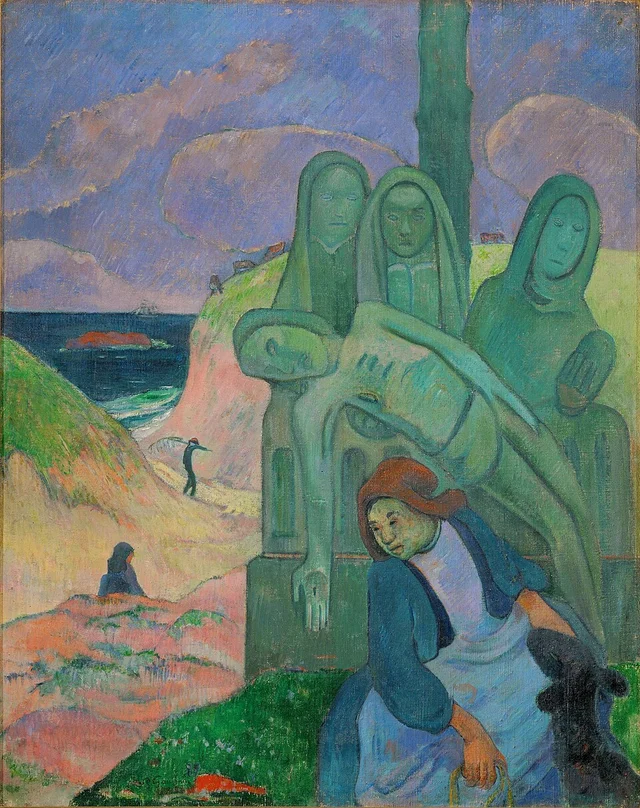 The Green ChristPaul Gauguin, 1889
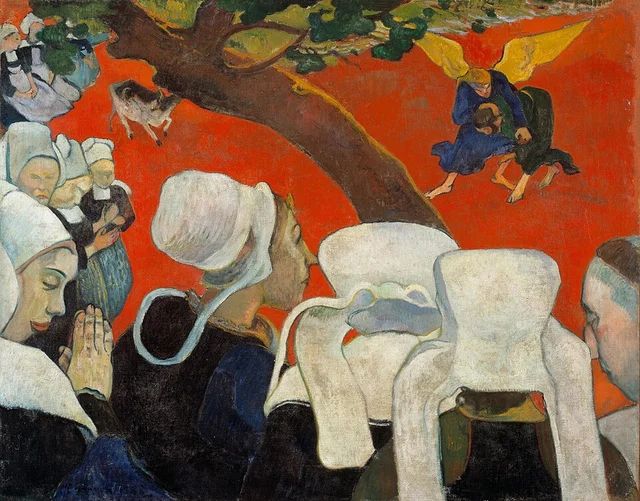 Vision After the SermonPaul Gauguin, 1888
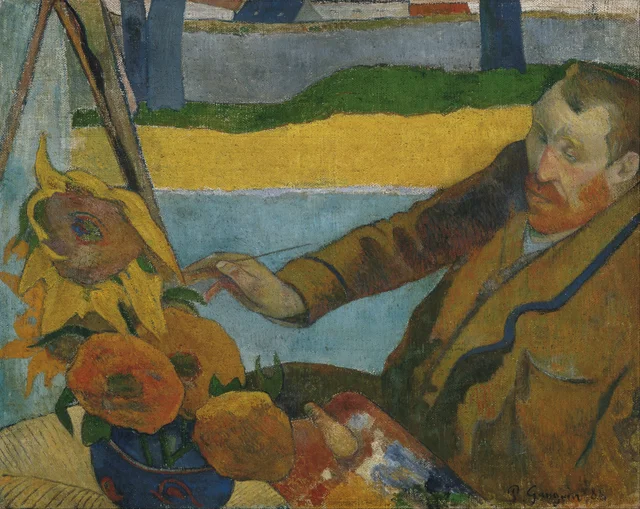 The Painter of SunflowersPaul Gauguin, 1888
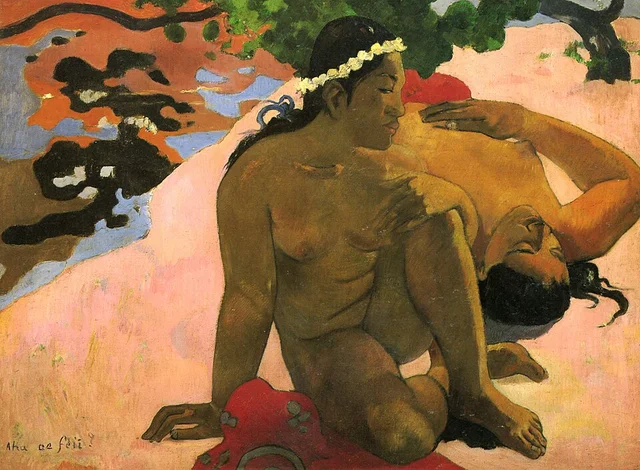 Aha Oe Feii?Paul Gauguin, 1892
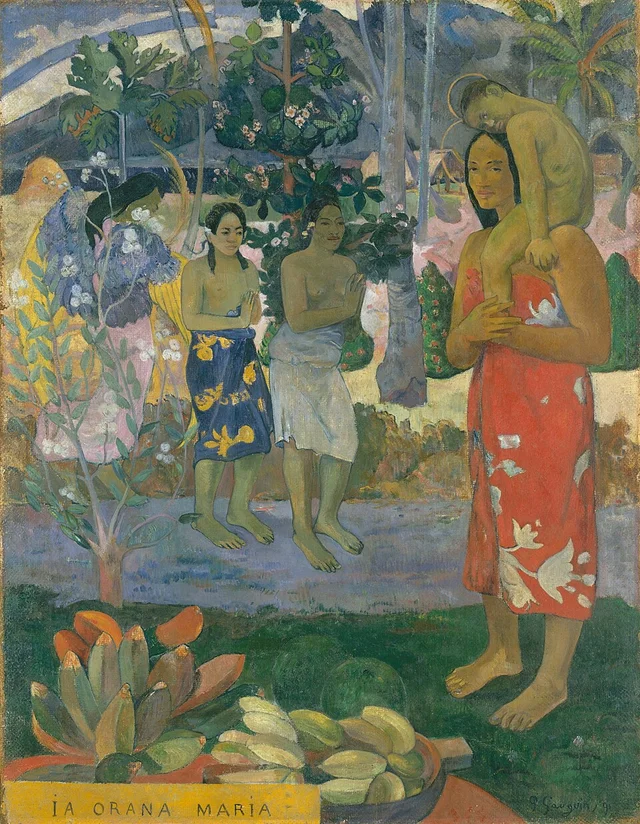 Ia Orana MariaPaul Gauguin, 1891
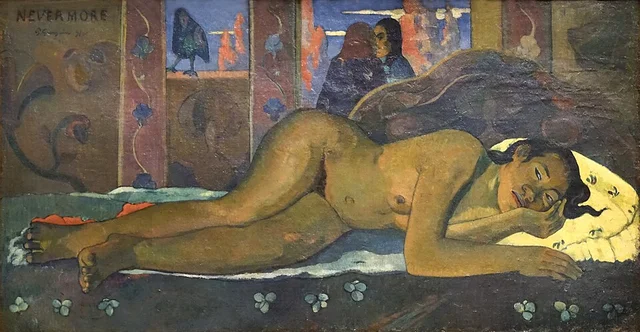 NevermorePaul Gauguin, 1897
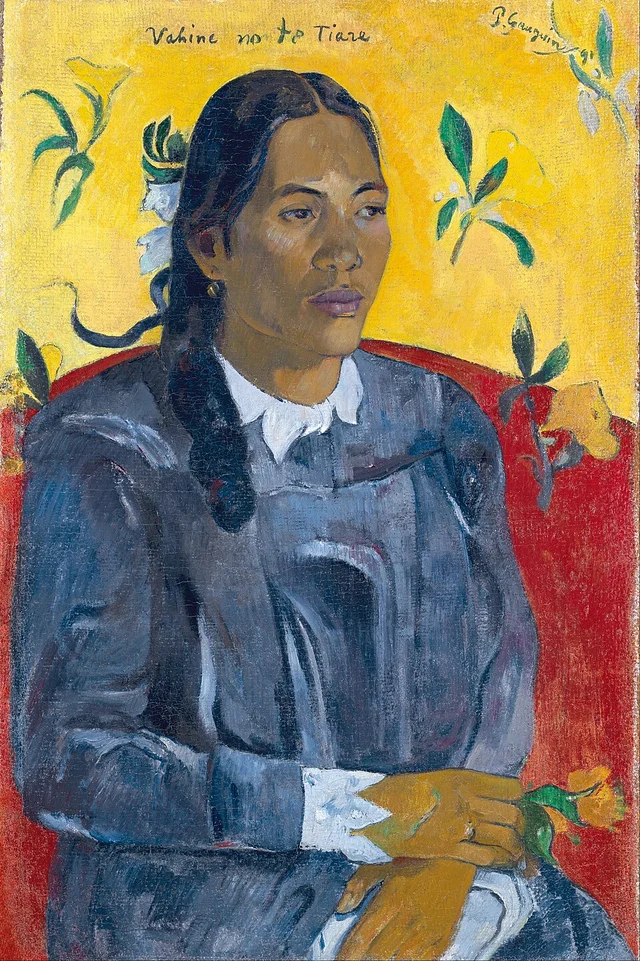 Tahitian Woman with a FlowerPaul Gauguin, 1891
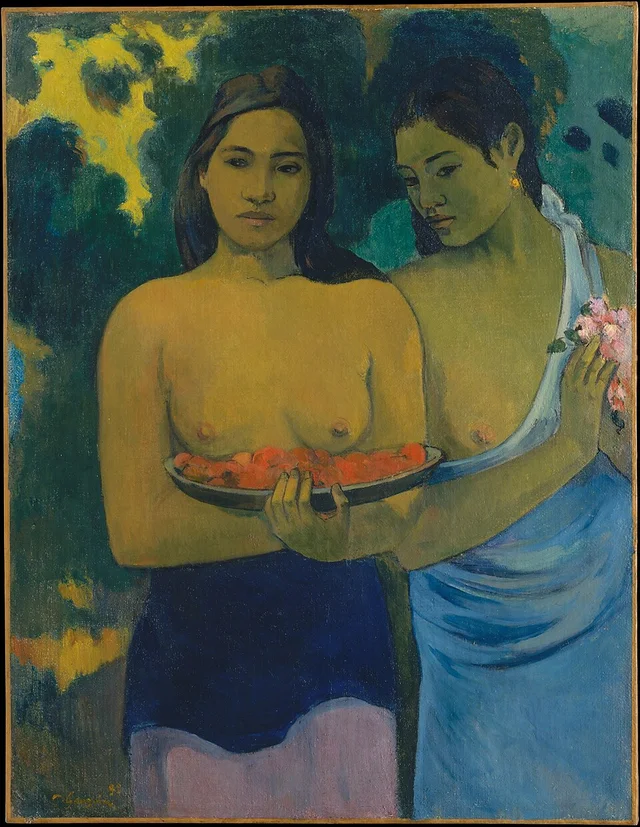 Two Tahitian WomenPaul Gauguin, 1899
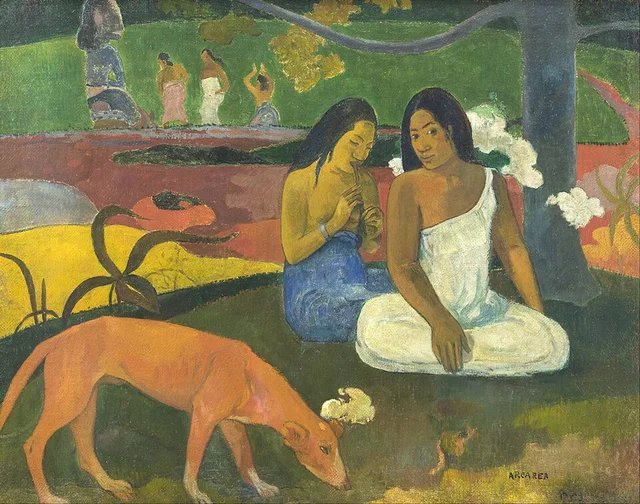 AreareaPaul Gauguin, 1892
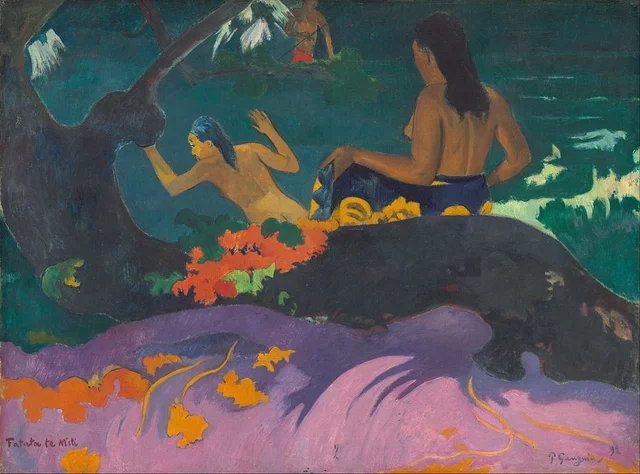 Fatata te MitiPaul Gauguin, 1892
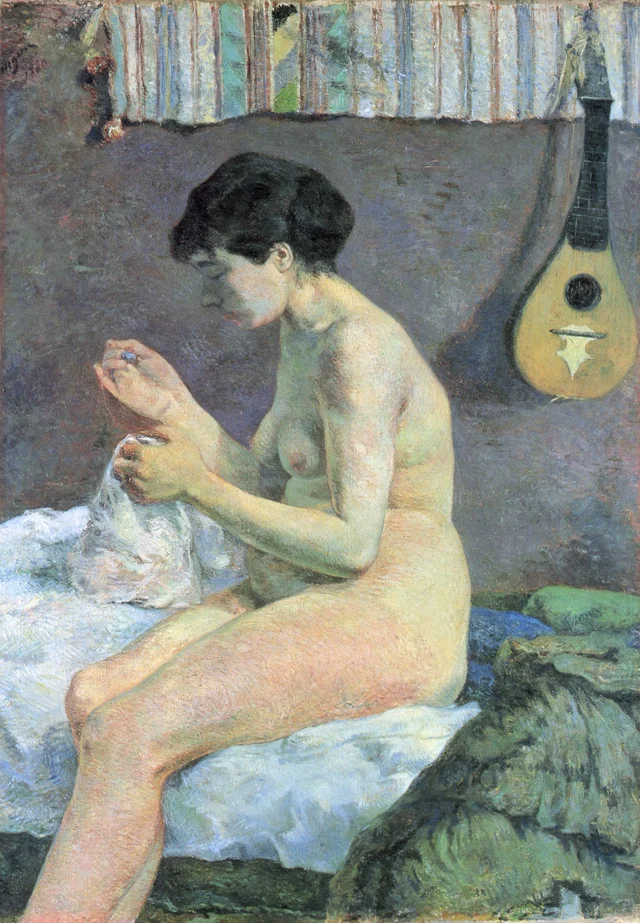 Study of a NudePaul Gauguin, 1880
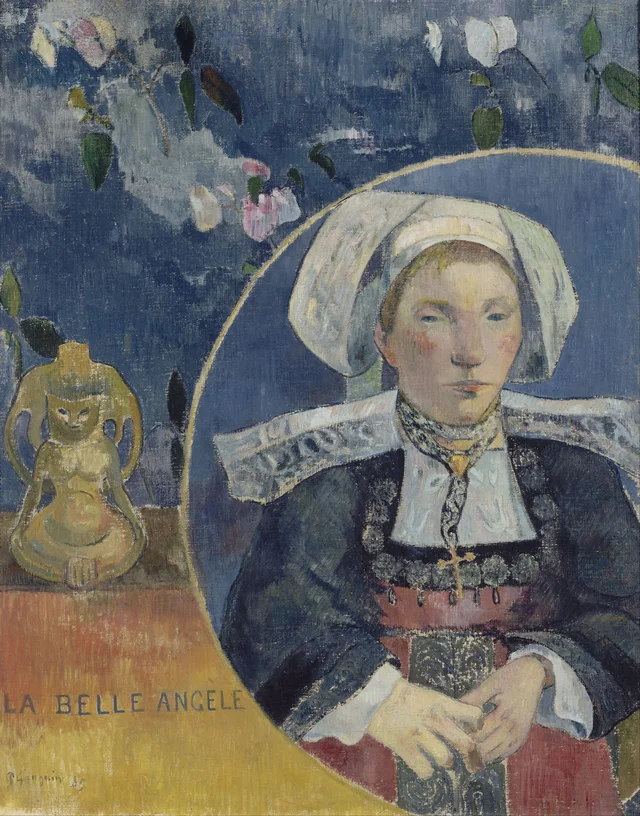 La belle AngèlePaul Gauguin, 1889
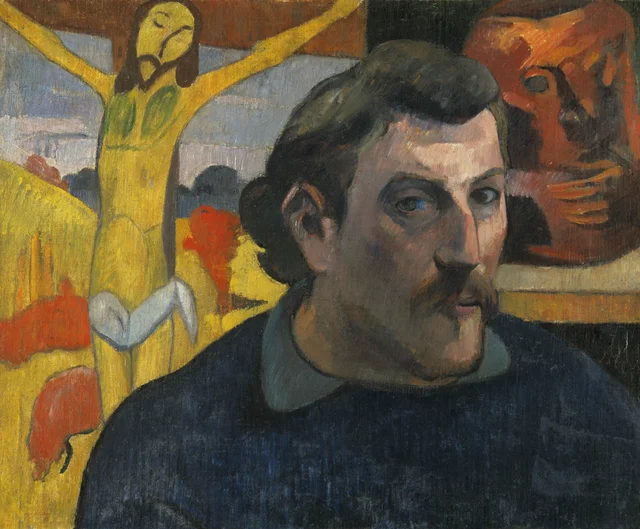 Portrait of the Artist with the Yellow ChristPaul Gauguin, 1890
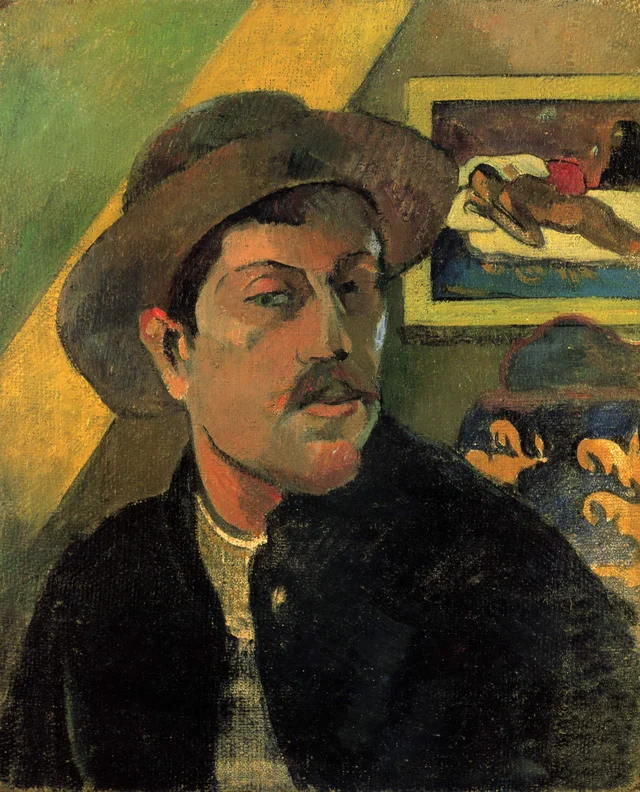 Self-portrait with hatPaul Gauguin, 1893
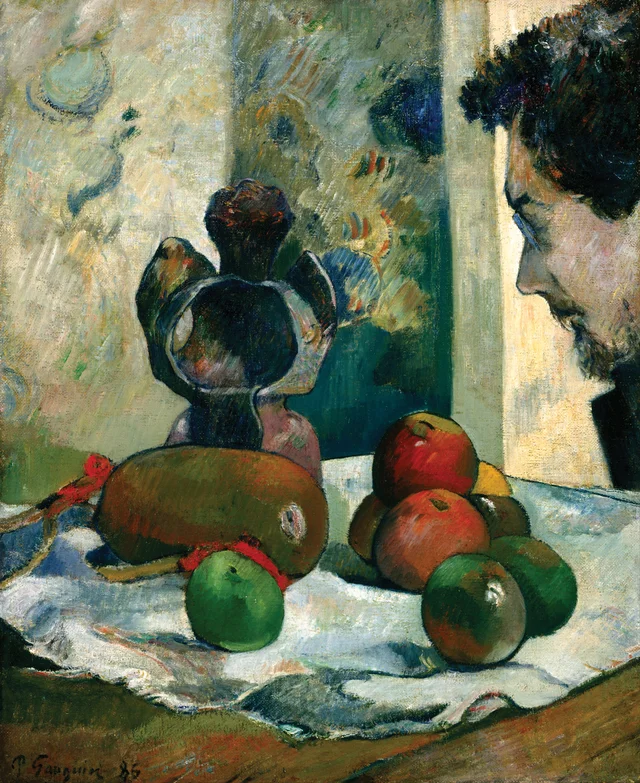 Still Life with Profile of LavalPaul Gauguin, 1886
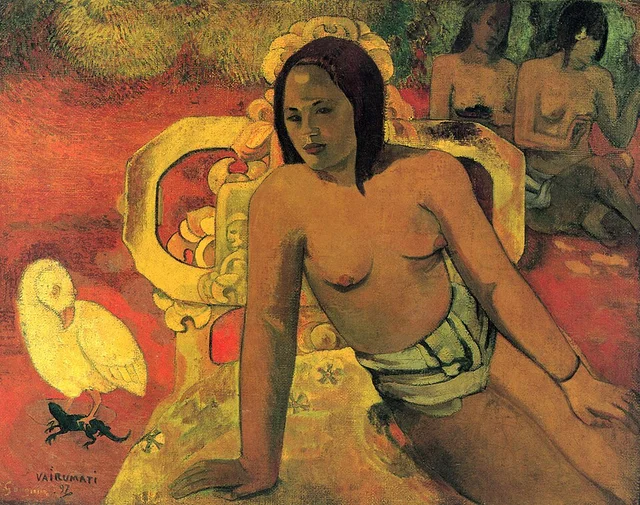 VairumatiPaul Gauguin, 1897
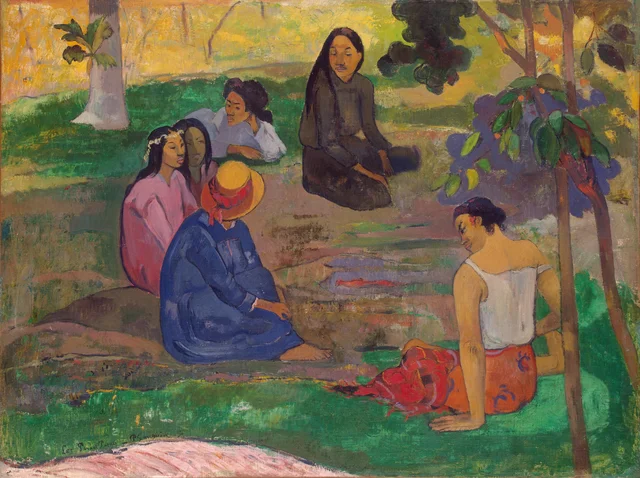 Conversation (Les Parau Parau)Paul Gauguin, 1891
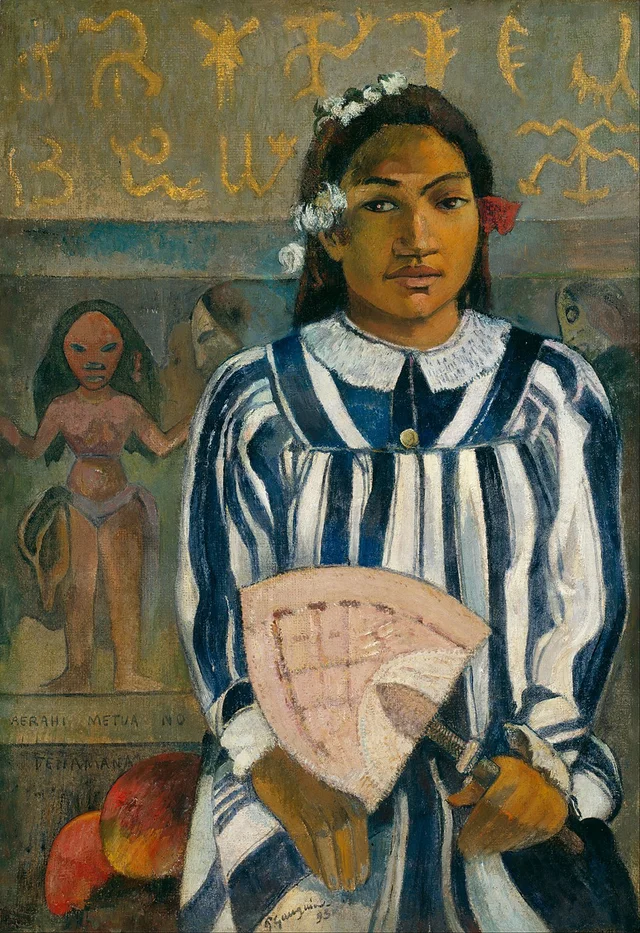 Merahi metua no TehamanaPaul Gauguin, 1893
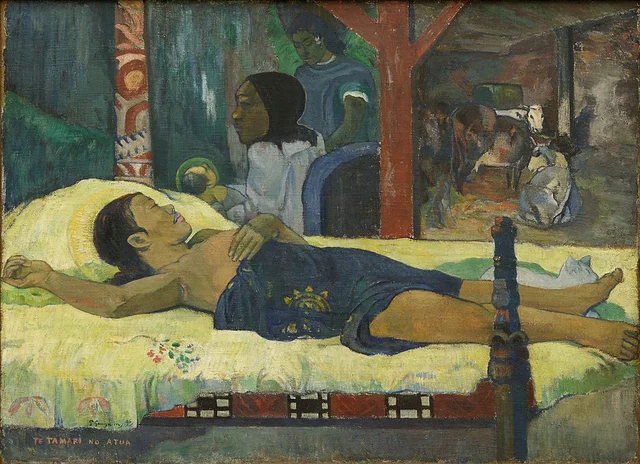 Te tamari no atuaPaul Gauguin, 1896
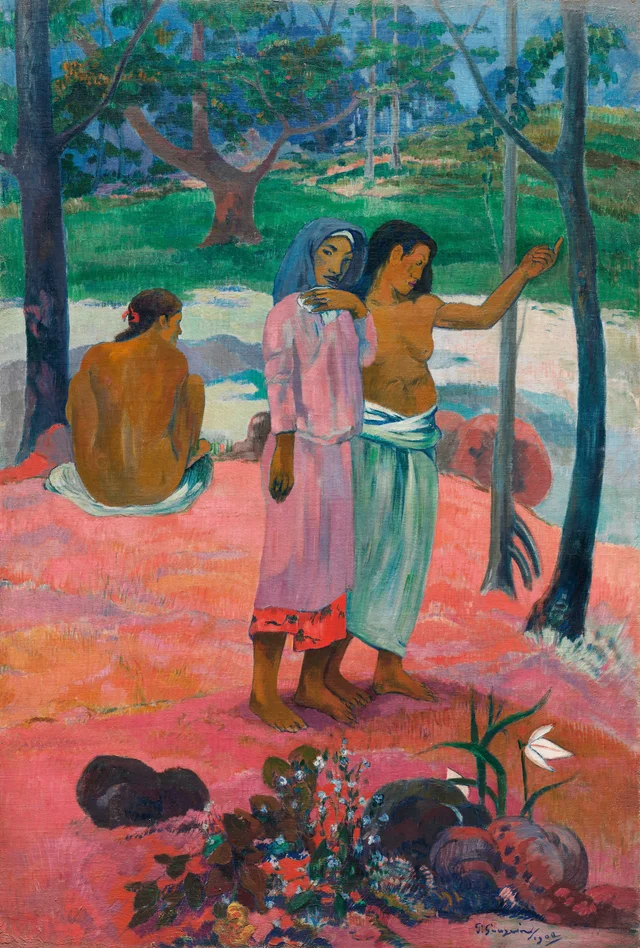 The CallPaul Gauguin, 1902