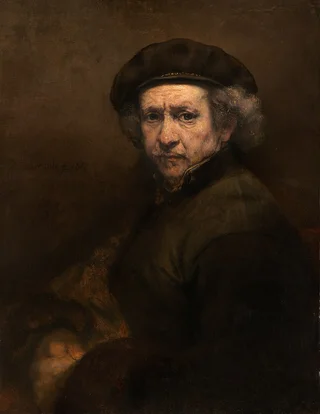
Rembrandt
1606–1669 · Dutch Republic · Dutch Golden Age painting
The story
In the 1630s Rembrandt was the most sought-after portraitist in Amsterdam, a city then swelling with money from Dutch ships that reached as far as Japan. He married well, to Saskia, the daughter of a well-connected family, bought a large house on a fashionable street, and filled it with things, paintings, weapons, exotic shells, suits of armour, whatever he thought he might one day paint. He bought at auction the way other men drank.
Then the tide went out. Saskia died young, in 1642, the same year he finished the enormous militia portrait now called The Night Watch. Fashion in portraiture was moving toward something smoother and brighter than his deep browns and heavy shadow. Commissions thinned. His spending did not. By 1656 he was insolvent, and rather than face debtors' prison he surrendered his goods to the city to be sold for his creditors. The inventory drawn up that year lists the shells and the armour and more than 60 of his own paintings. Within two years the grand house was gone too, sold at auction, and he moved with what remained of his household to plainer rooms across town.
None of this dimmed the work; if anything it did the opposite. Freed of the polished society portrait, he painted with a rougher, thicker hand, loading the light onto a forehead or a sleeve and letting the rest sink into dark. He kept turning the mirror on himself, and across his life he left around 80 self-portraits, the late ones unsparing, the face of a man who had lost nearly everything and was still looking hard at it. He died in 1669, and in one of his very last self-portraits he painted himself laughing, in the guise of an ancient Greek painter, brush in hand, at a joke the picture never explains.
More articles
 Article · 45 min readThe Mauritshuis in The Hague: 20 paintings and how they came here
 Article · 38 min readThe National Gallery of Art in Washington: 20 pictures that came from private hands
 Article · 42 min readWhat to See at the Louvre: 25 Highlights
 Article · 30 min readWhat to See at the Met: 15 Highlights
 Article · 41 min readThe Thyssen-Bornemisza Museum: 20 pictures bought by a father and his son
 Article · 57 min readThe Rijksmuseum in Amsterdam: 25 works and their owners
Works
307 works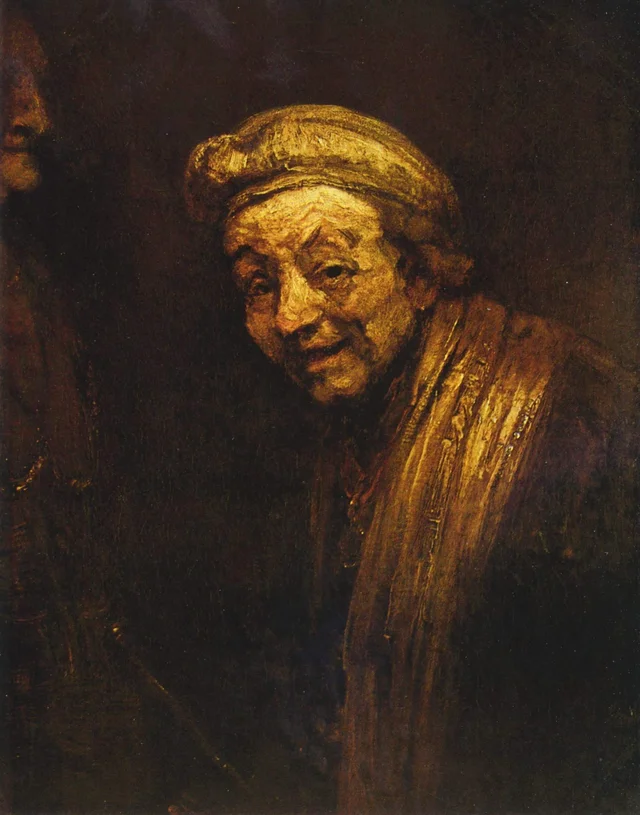 Self-portrait as Zeuxis LaughingRembrandt, 1663
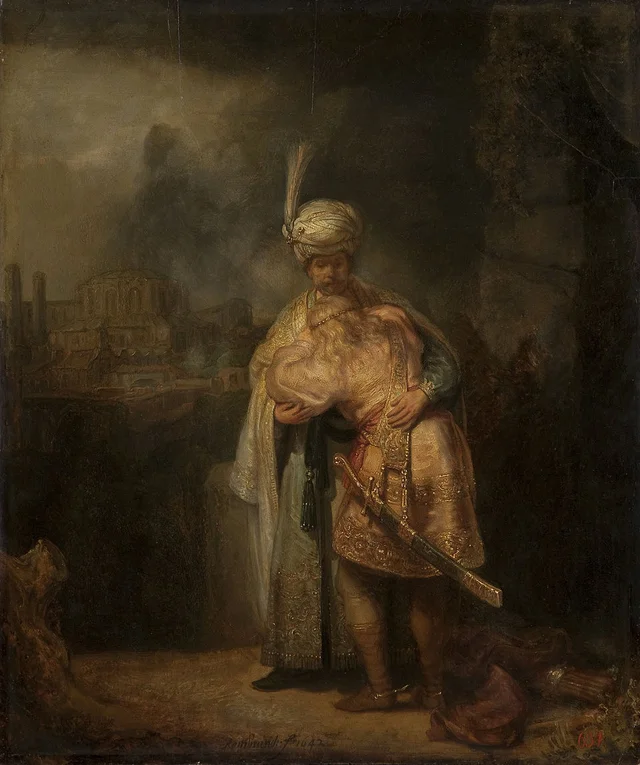 Separation of David and JonathanRembrandt, 1642
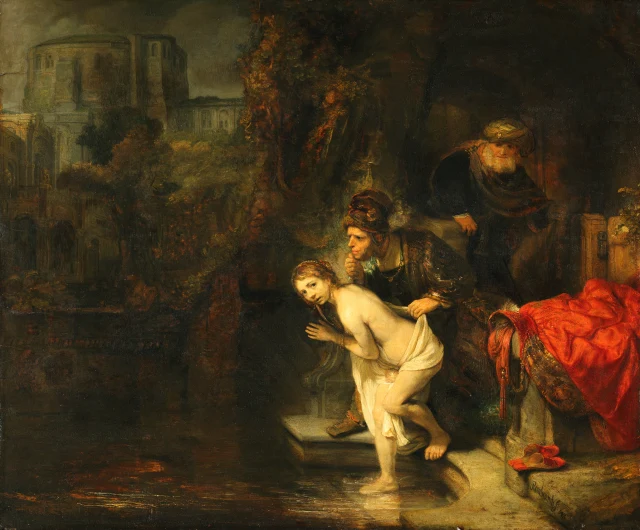 Susanna and the EldersRembrandt, 1647
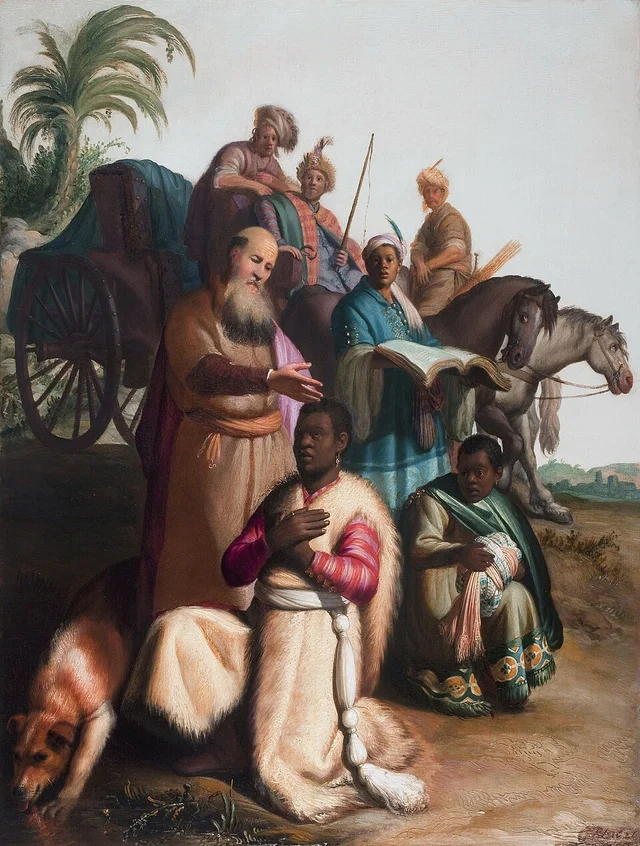 The Baptism of the EunuchRembrandt, 1626
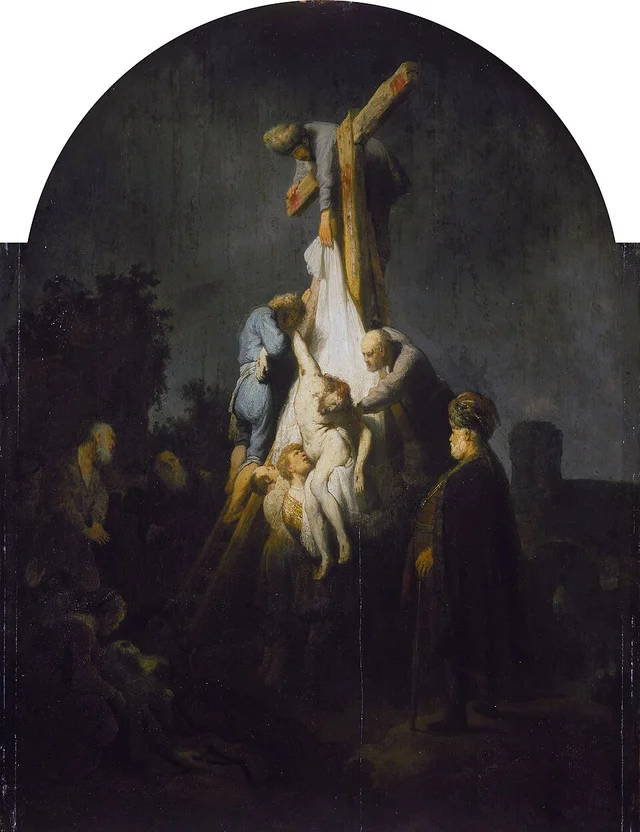 The Descent from the CrossRembrandt, 1633
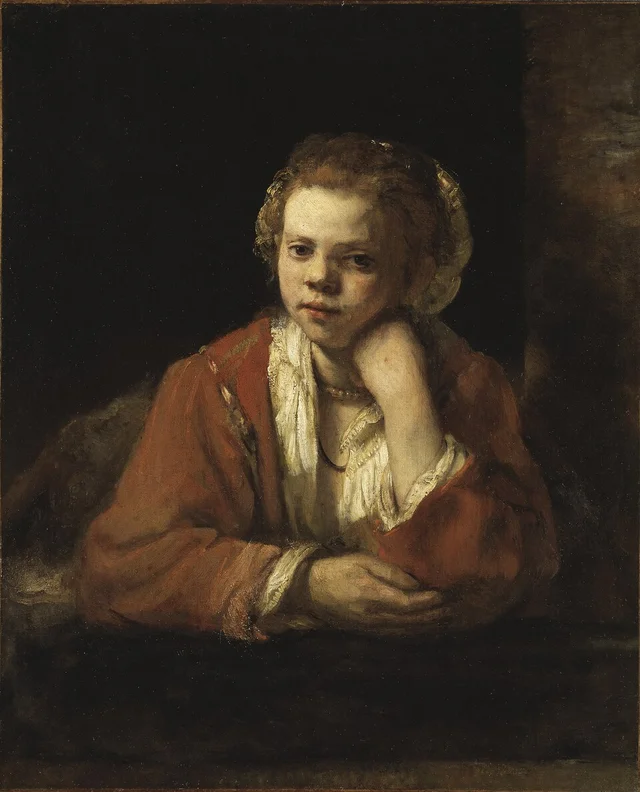 The Kitchen MaidRembrandt, 1651
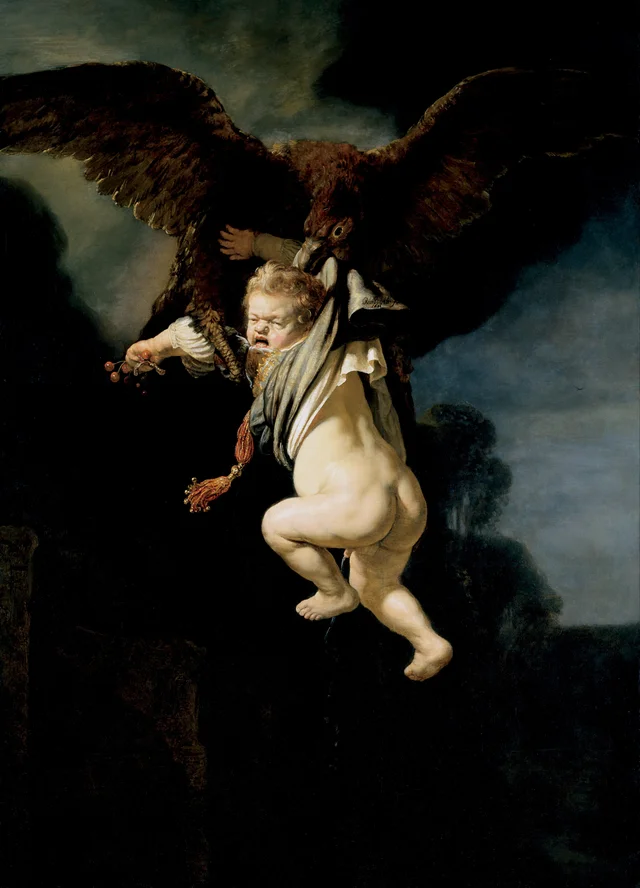 The Rape of GanymedeRembrandt, 1635
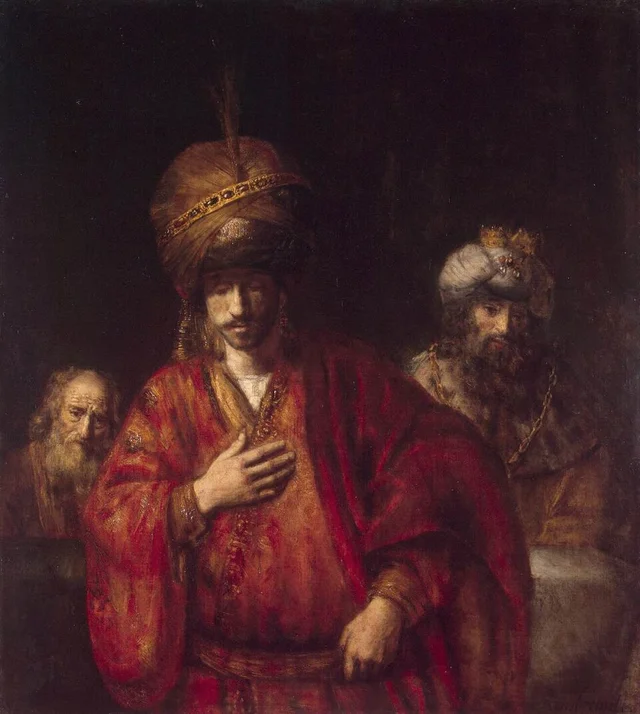 Haman recognizes his fateRembrandt, 1665
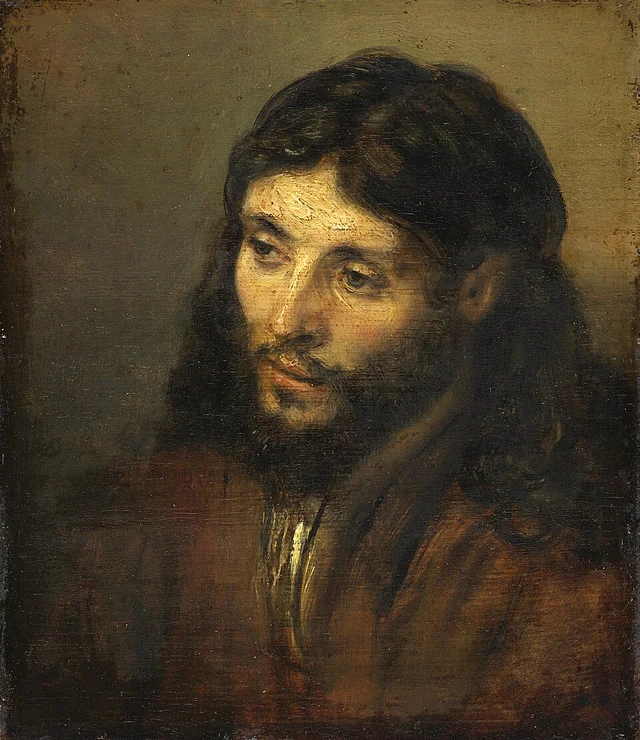 Head of ChristRembrandt, 1647
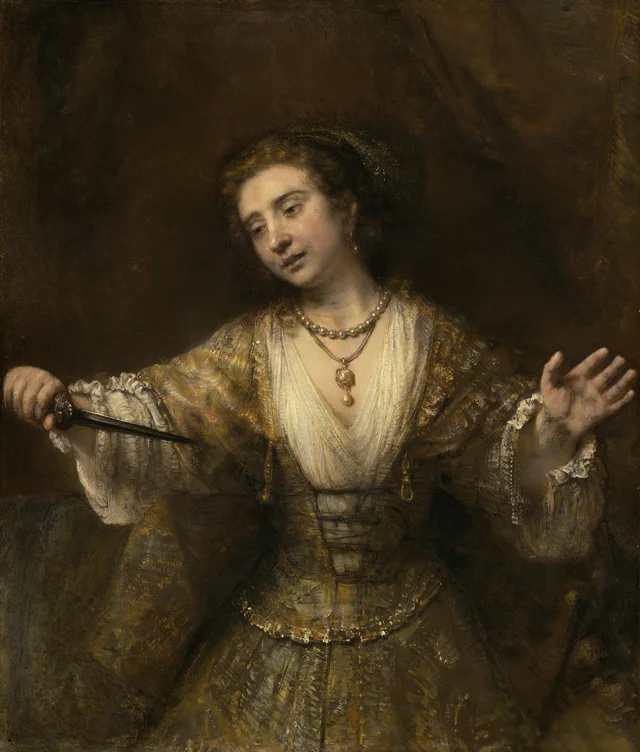 LucretiaRembrandt, 1664
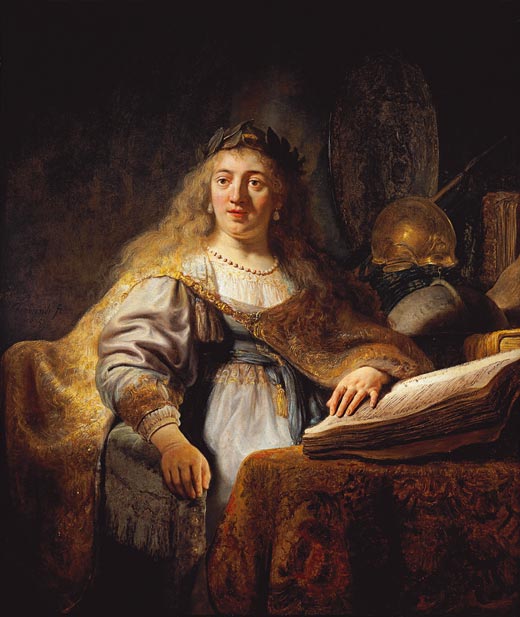 Minerva in Her StudyRembrandt, 1635
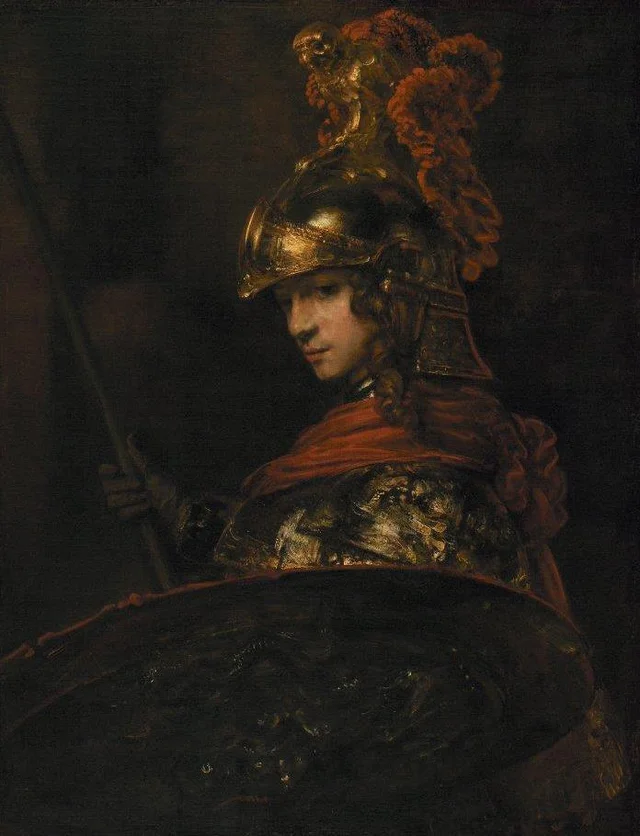 Pallas AthenaRembrandt, 1657
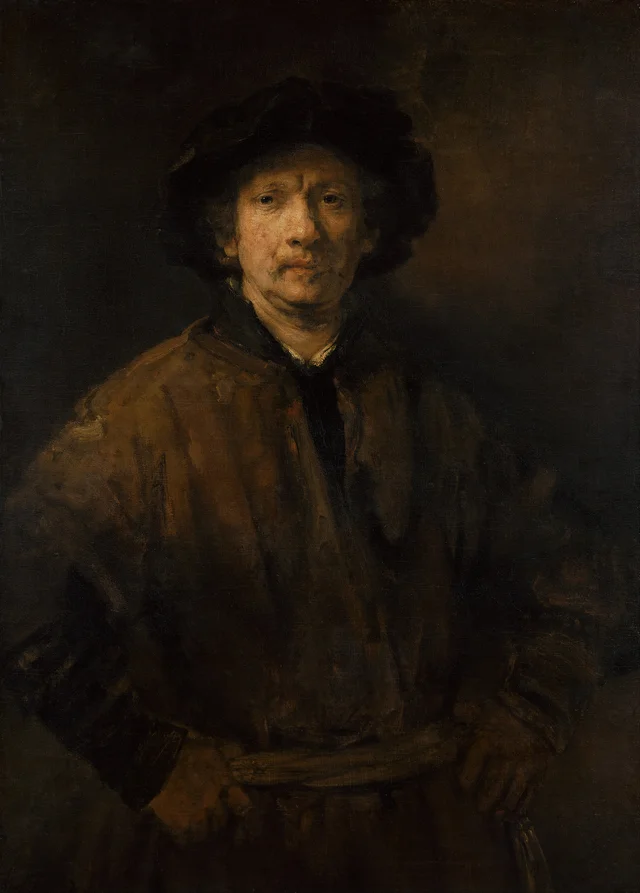 Self PortraitRembrandt, 1652
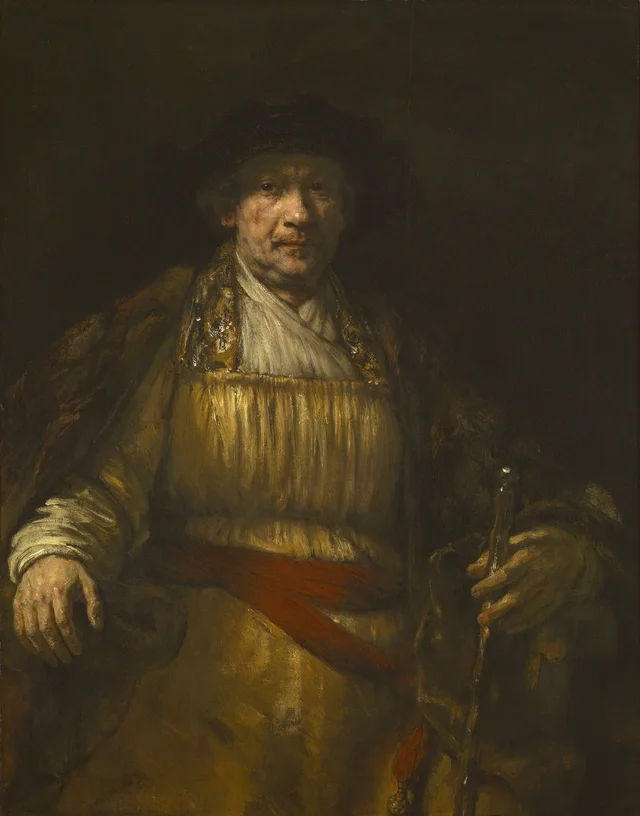 Self PortraitRembrandt, 1658
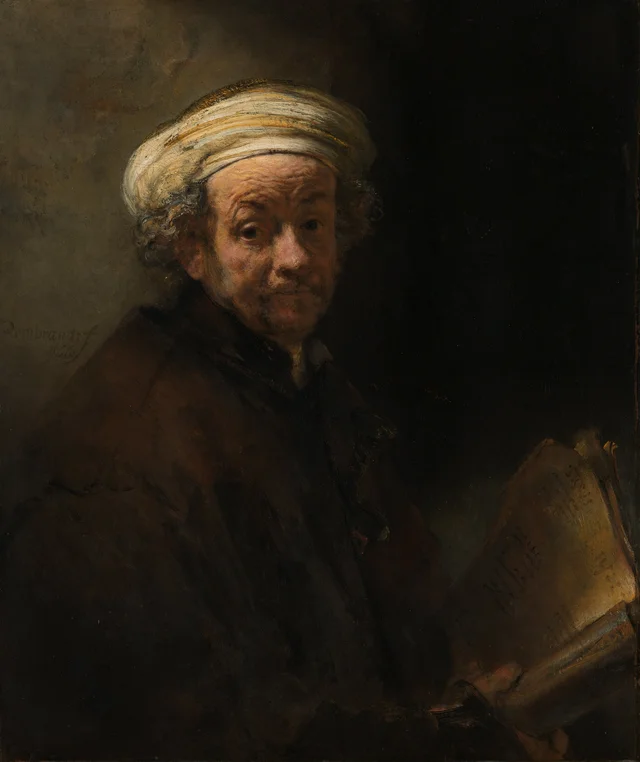 Self-portrait as the Apostle PaulRembrandt, 1661
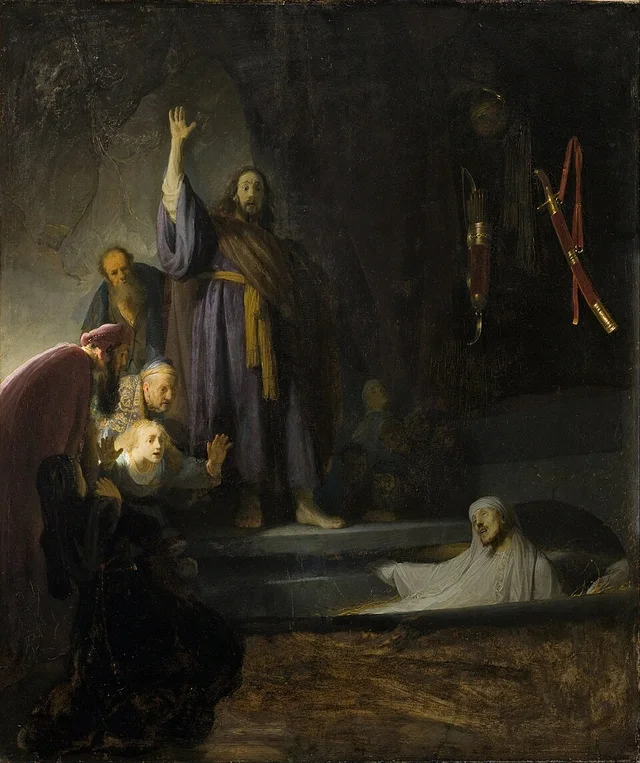 The Raising of LazarusRembrandt, 1630
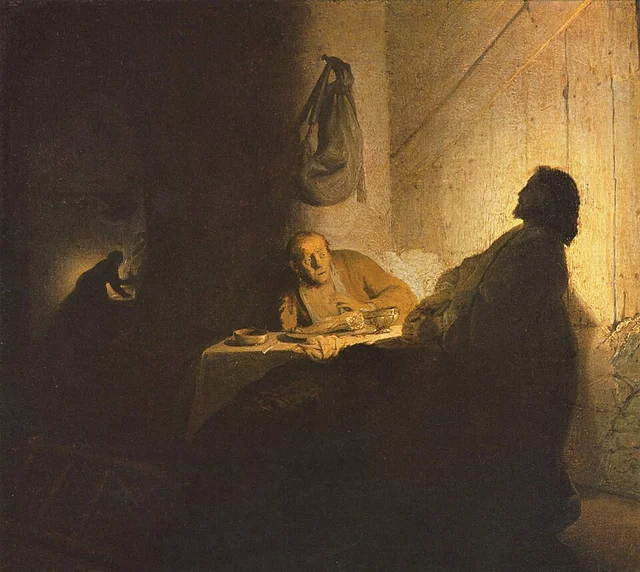 The Supper at EmmausRembrandt, 1628
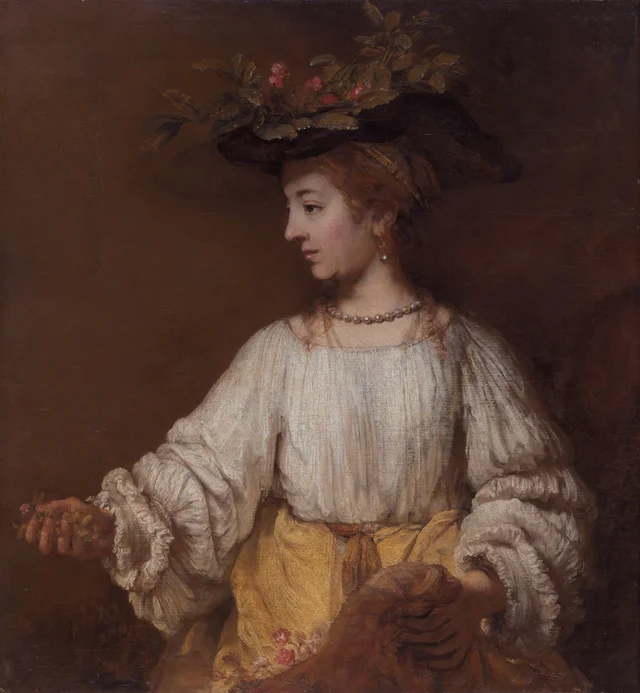 FloraRembrandt, 1654
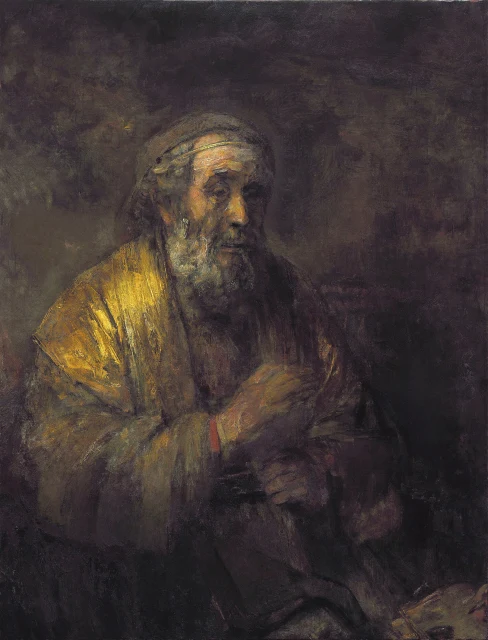 HomerRembrandt, 1663
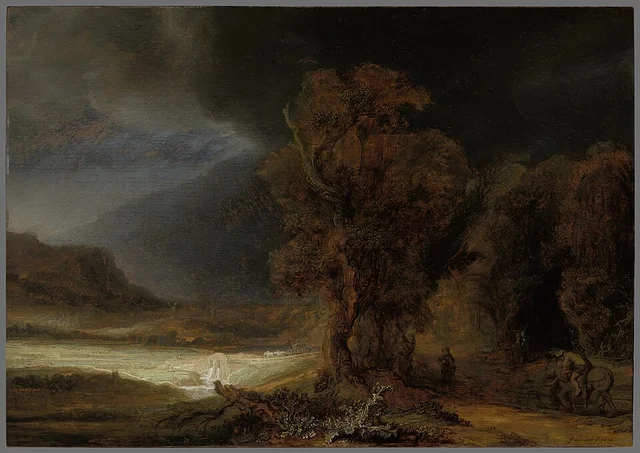 Landscape with the Good SamaritanRembrandt, 1638
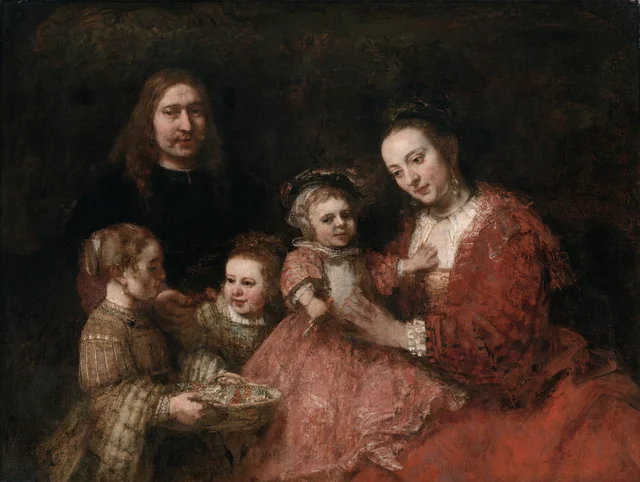 Portrait of a familyRembrandt, 1668
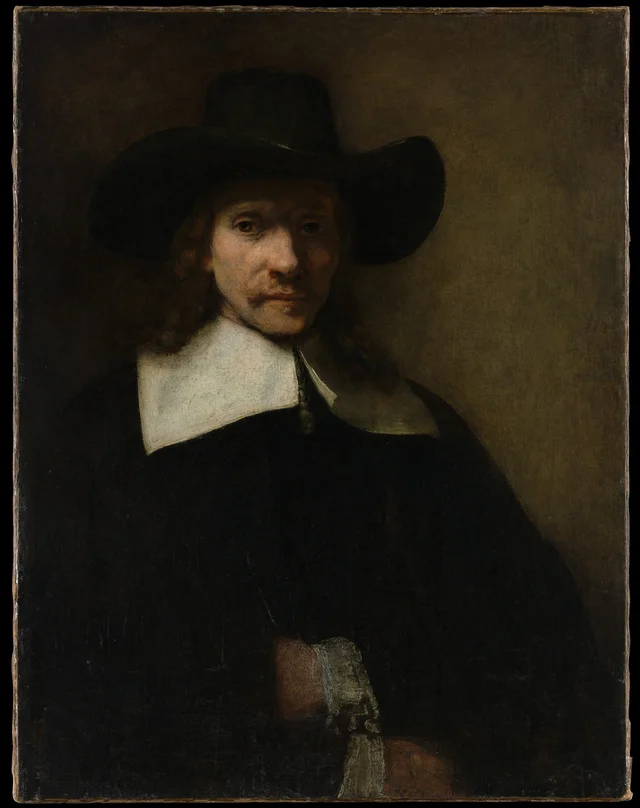 Portrait of a ManRembrandt, 1650
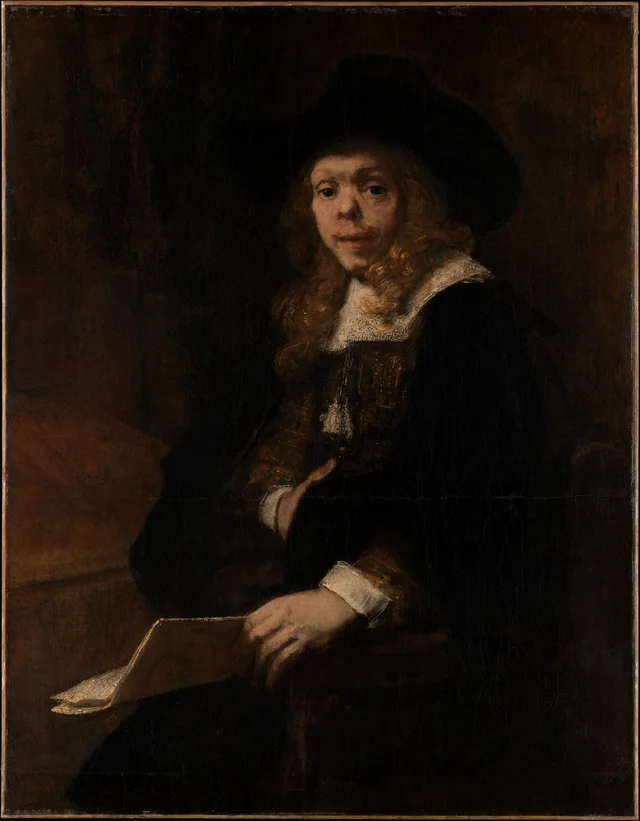 Portrait of Gerard de LairesseRembrandt, 1665
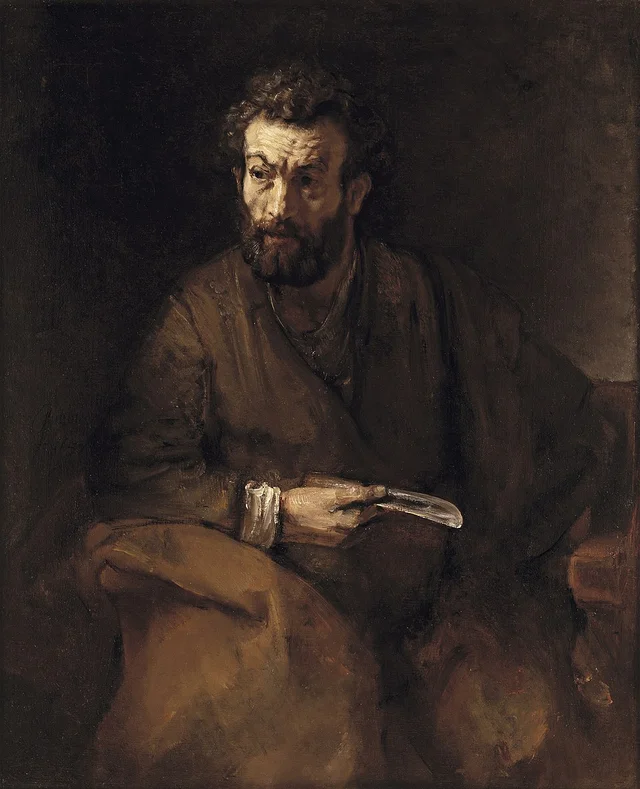 Saint BartholomewRembrandt, 1657
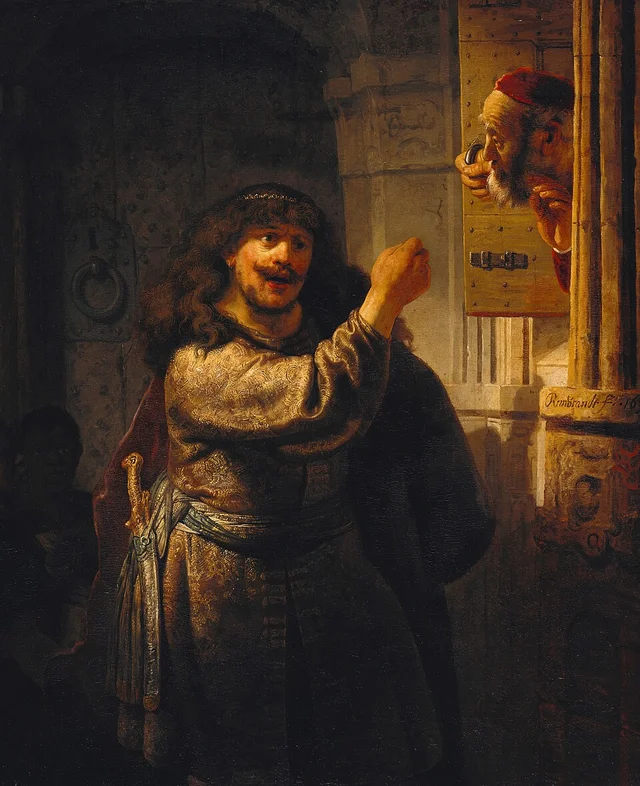 Samson threatens his father-in-lawRembrandt, 1635