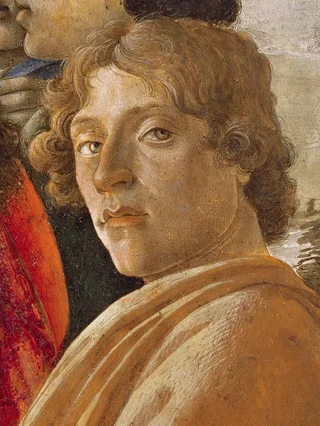
Sandro Botticelli
1445–1510 · Republic of Florence · Early Renaissance
The story
For a few decades in the late 1400s, Florence was run in all but name by the Medici, a banking family who liked their power dressed in poetry and philosophy. Sandro Botticelli was their painter for it. He was born there around 1445, trained in the city's workshops, and by his forties he was turning out the images we still reach for when we picture the Renaissance at its most confident — Venus arriving on a shell, Spring walking through an orange grove, both painted for Medici cousins and hung in their villas.
Those pictures were unusual even then. Large mythological scenes of nearly-nude pagan gods, made for a private house rather than a church, they leaned on the Greek learning the Medici circle was busy reviving. The philosopher Marsilio Ficino, working under Medici patronage, argued that pagan beauty and Christian faith could be reconciled, and Botticelli's Venus is about as close as paint gets to that idea.
Then it fell apart. Lorenzo de' Medici died in 1492, the family was driven out two years later, and a Dominican friar named Savonarola took hold of the city with sermons about sin and the end of days. In 1497 his followers built the Bonfire of the Vanities in the main square and burned mirrors, fine clothes, books, and paintings judged immoral. Botticelli's mythologies survived, most likely because they sat safe in private Medici rooms. The painter himself seems to have been shaken by the preaching, and his later work turns religious and severe, the earlier lightness gone. He died in 1510, out of fashion, and stayed largely forgotten until the 19th century pulled the Venus back into view.
More articles
 Article · 38 min readThe National Gallery of Art in Washington: 20 pictures that came from private hands
 Article · 44 min readThe Gemäldegalerie in Berlin: 20 paintings that Berlin bought, lost and divided
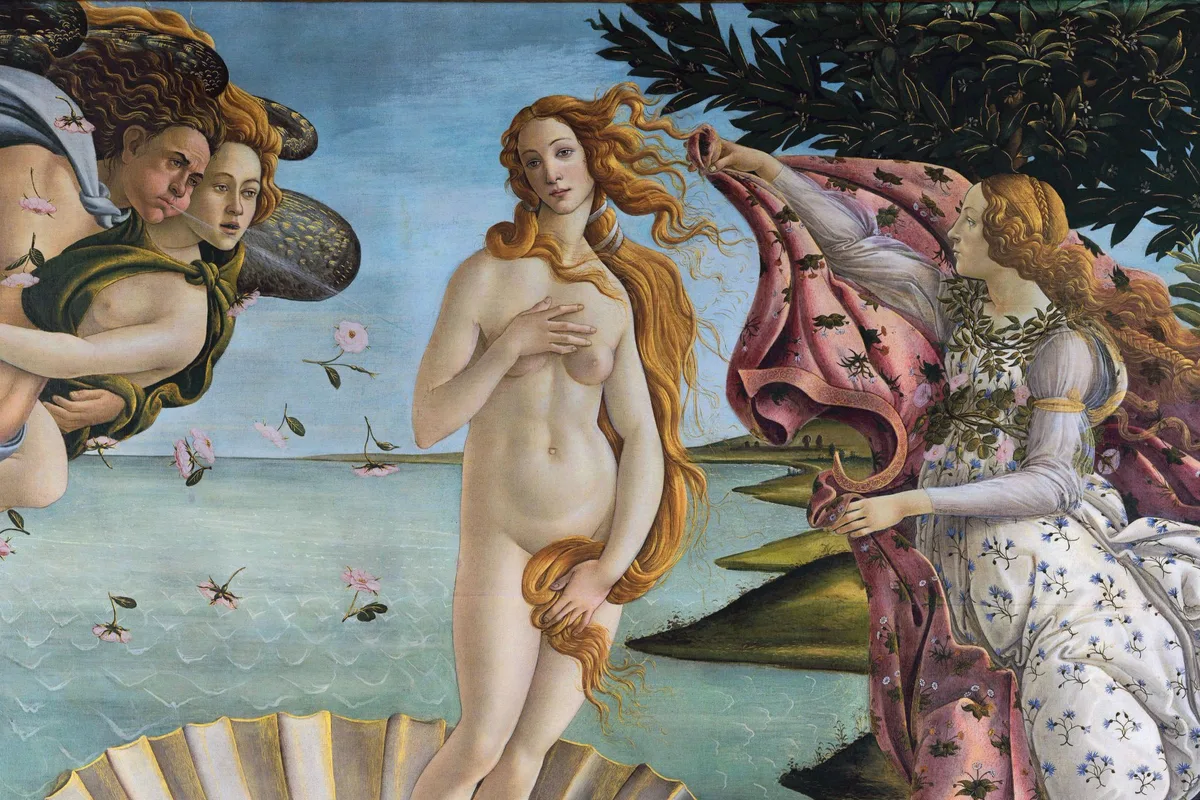 Article · 41 min readThe Uffizi: The Museum That Outlived the Medici
 Article · 42 min readThe Alte Pinakothek: 20 paintings and how they came to Munich
 Article · 39 min readHow the National Gallery Came Together: From Angerstein to Artemisia
Works
119 works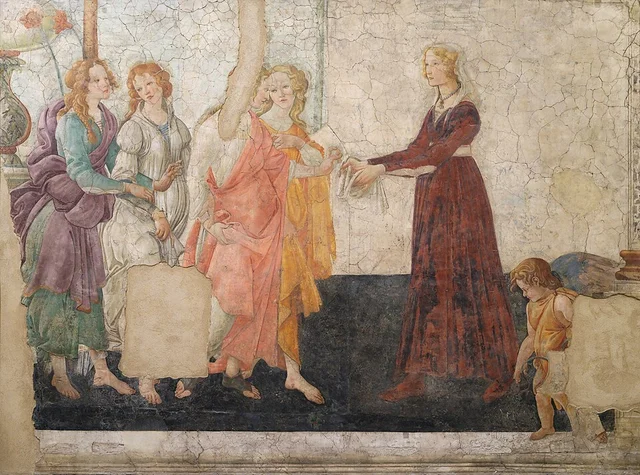 Venus and the Three Graces Presenting Gifts to Giovanna degli AlbizziSandro Botticelli, 1484
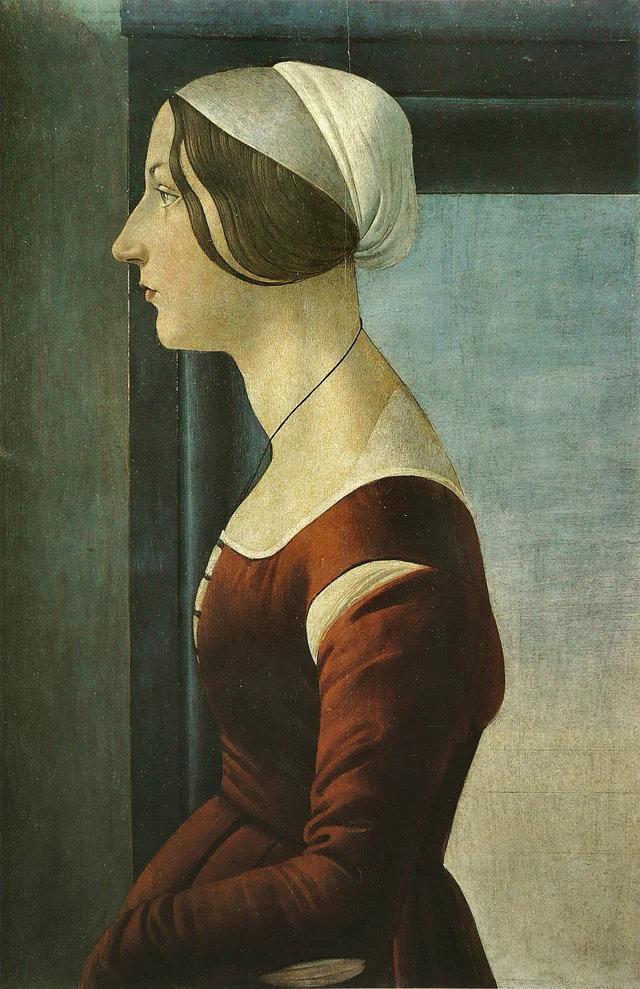 Portrait of a Young WomanSandro Botticelli, 1485
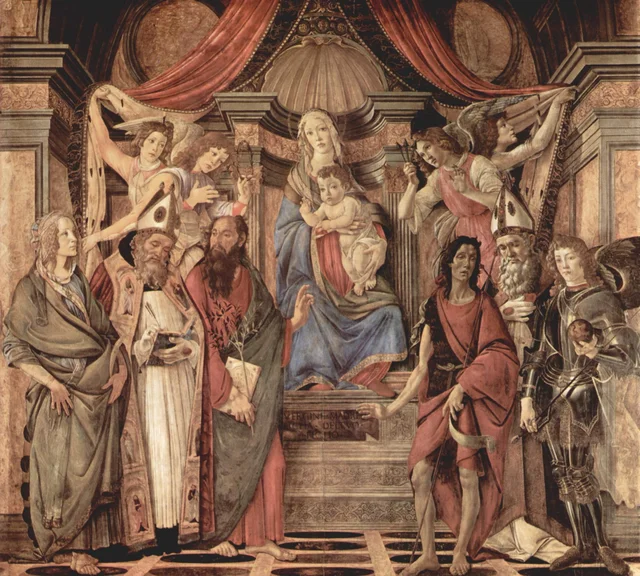 San Barnaba AltarpieceSandro Botticelli, 1487
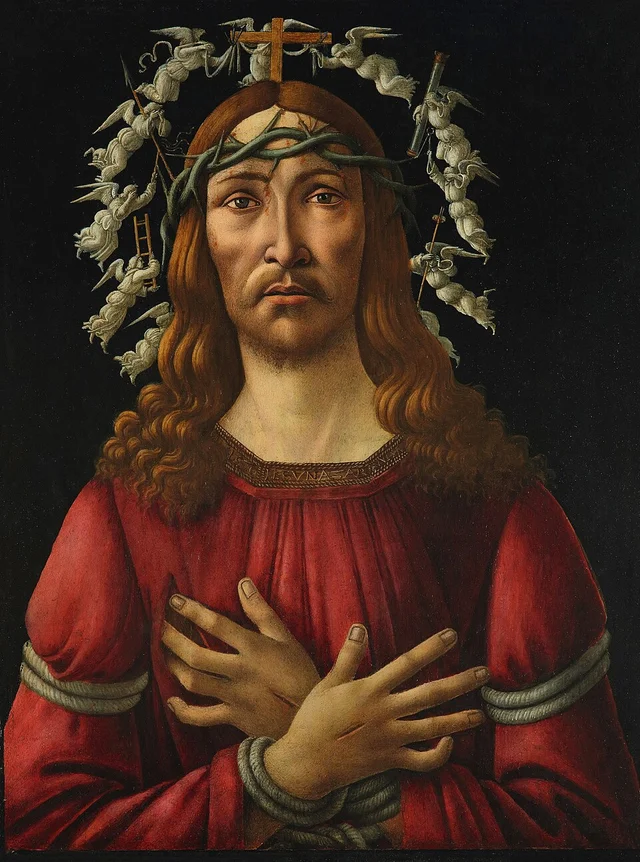 The Man of SorrowsSandro Botticelli, 1500
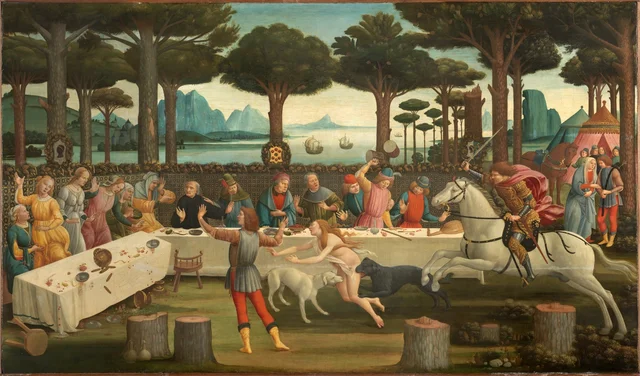 The Story of Nastagio Degli Onesti, part threeSandro Botticelli, 1483
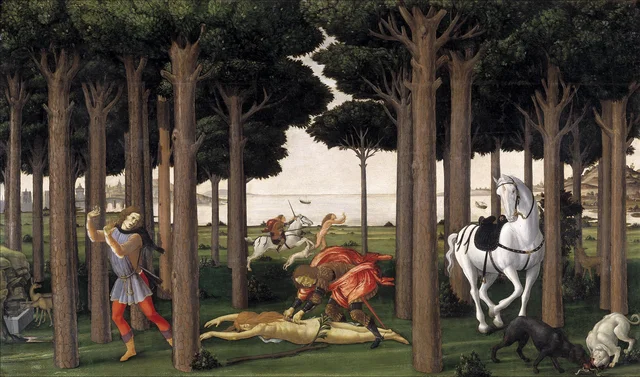 The Story of Nastagio Degli Onesti, part twoSandro Botticelli, 1483
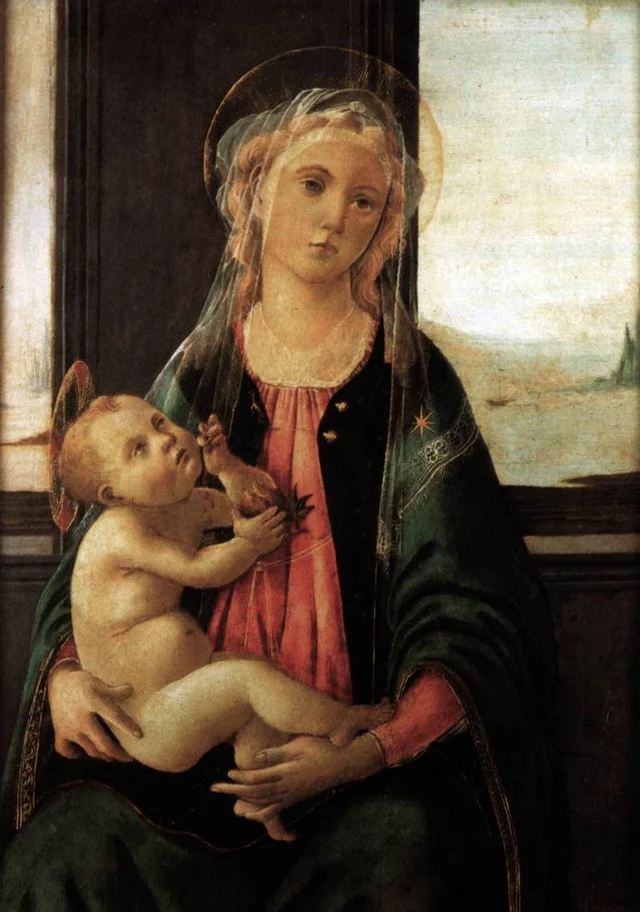 Virgin of the SeaSandro Botticelli, 1477
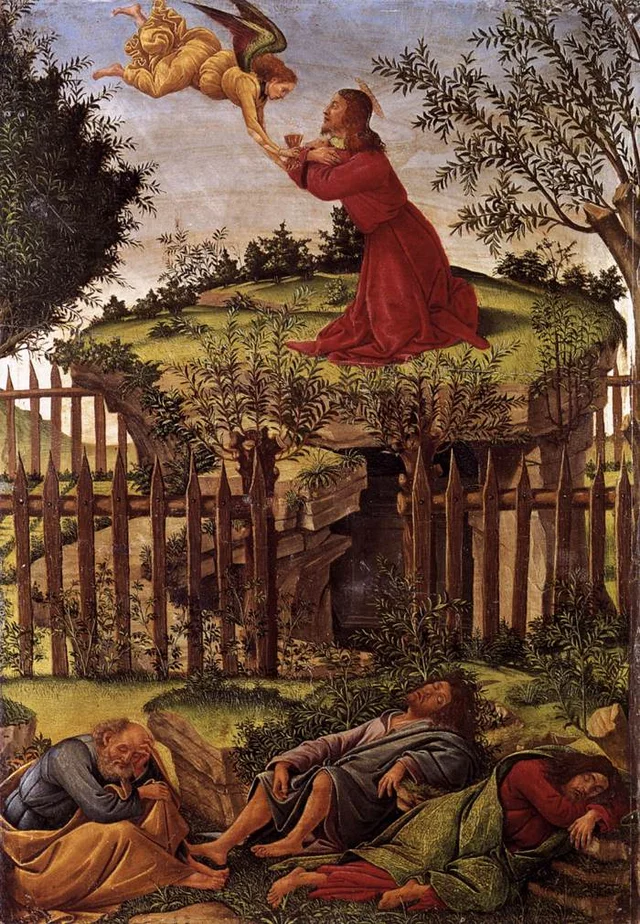 Agony in the GardenSandro Botticelli, 1499
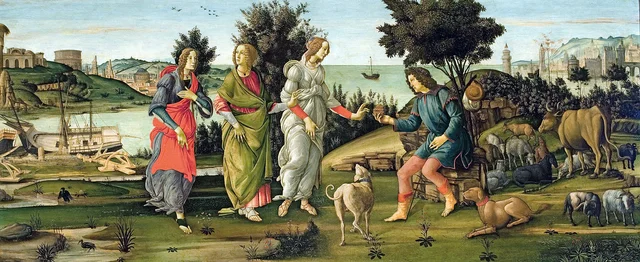 Judgement of ParisSandro Botticelli, 1486
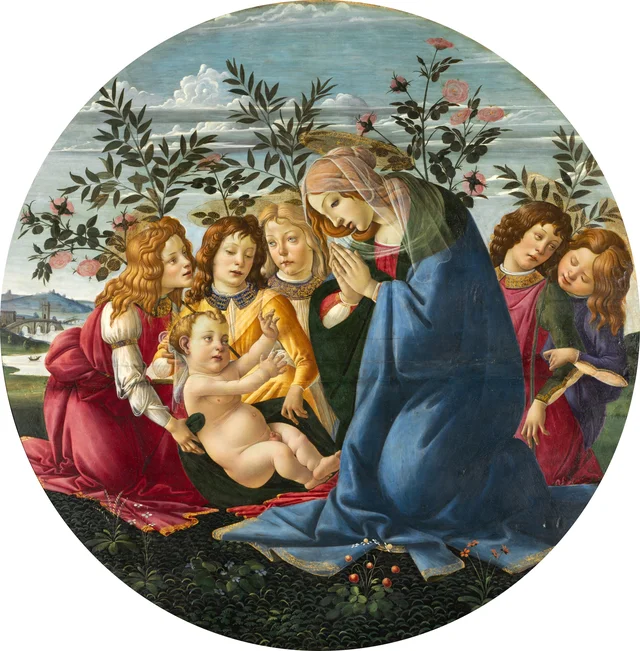 Madonna Adoring the Child with Five AngelsSandro Botticelli, 1480
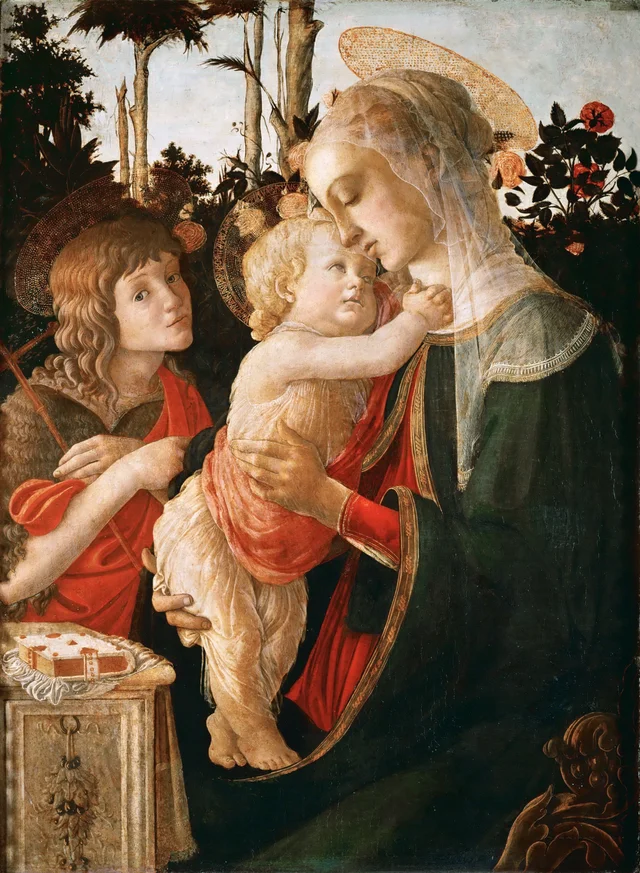 Madonna and Child with the Young St. John the BaptistSandro Botticelli, 1500
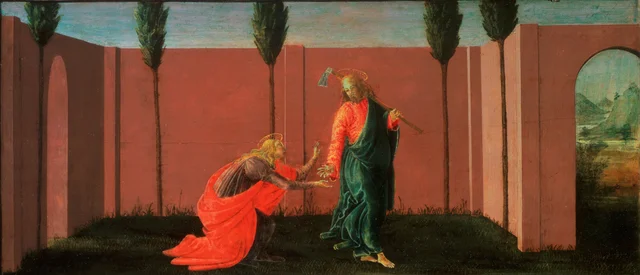 Noli Me TangereSandro Botticelli, 1491
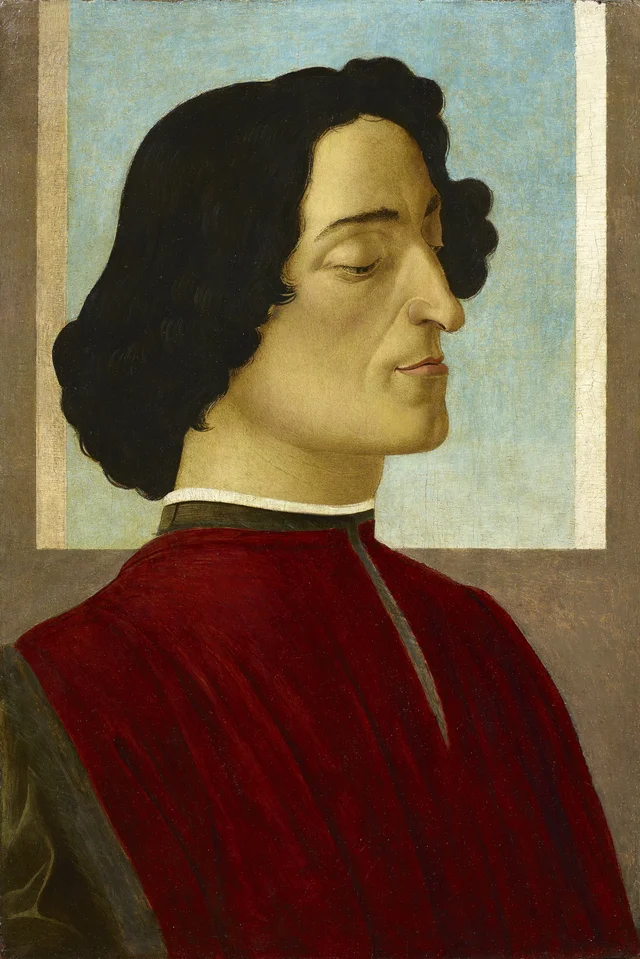 Portrait of Giuliano de' MediciSandro Botticelli, 1479
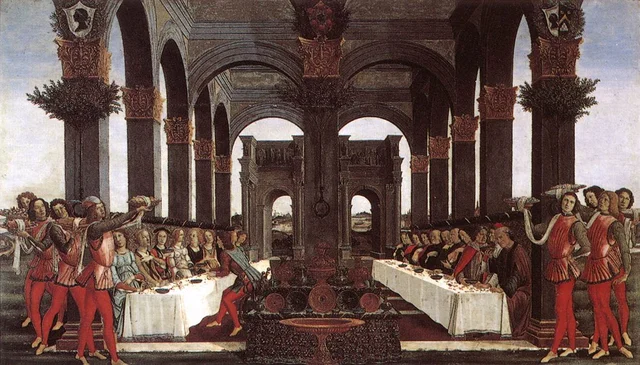 The Story of Nastagio Degli Onesti, part fourSandro Botticelli, 1483
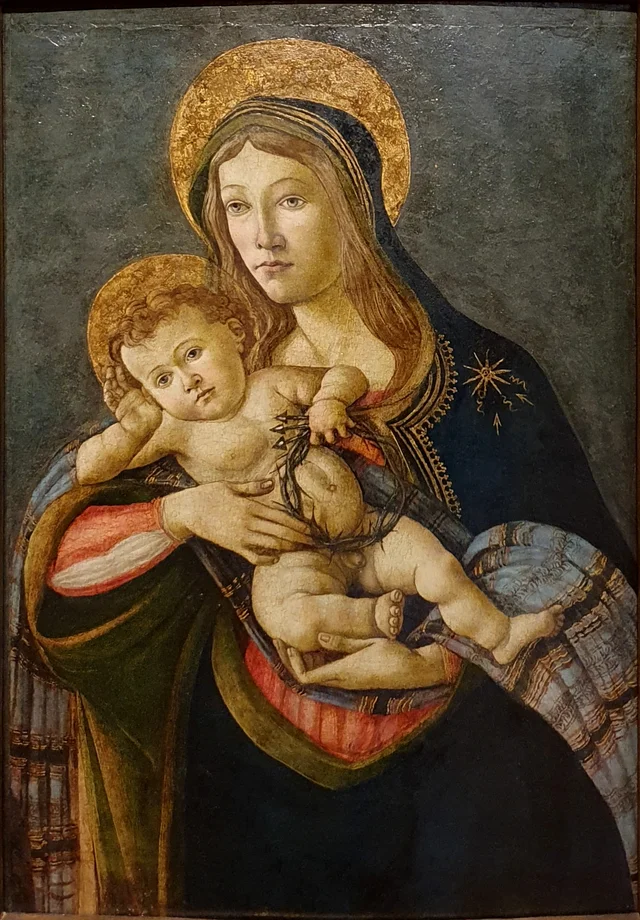 The Virgin and the Child with the Crown of Thorns and Three NailsSandro Botticelli, 1477
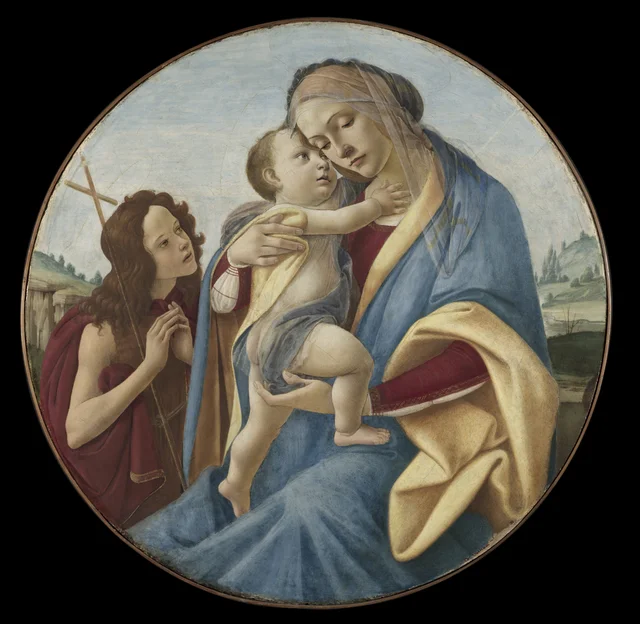 Virgin and Child with the Young Saint John the BaptistSandro Botticelli, 1490
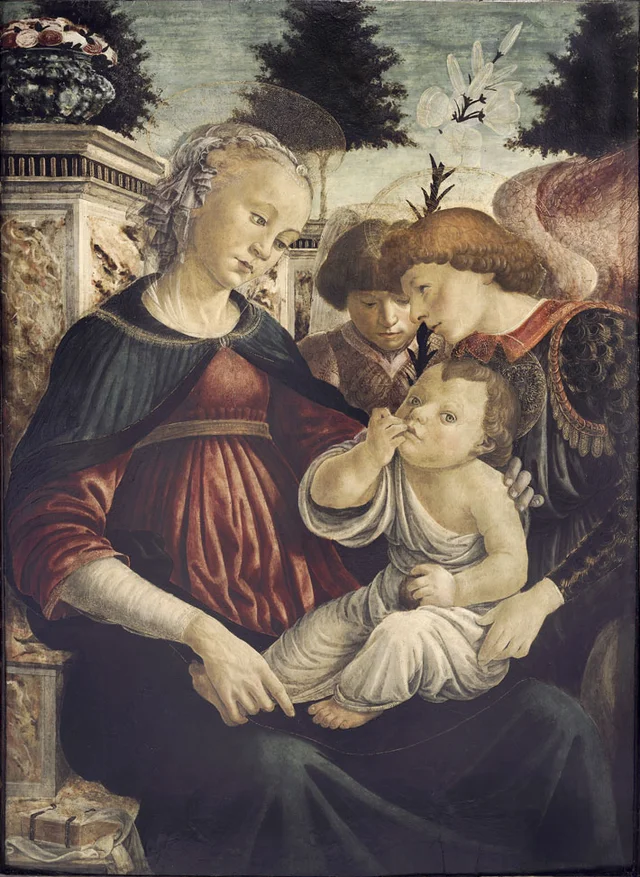 Virgin and Child with two AngelsSandro Botticelli, 1468
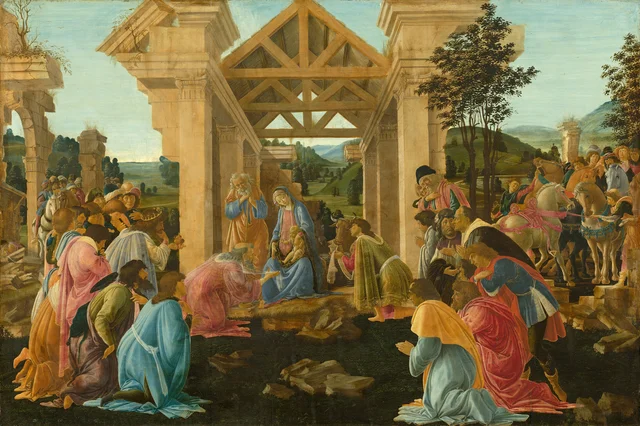 Adoration of the MagiSandro Botticelli, 1482
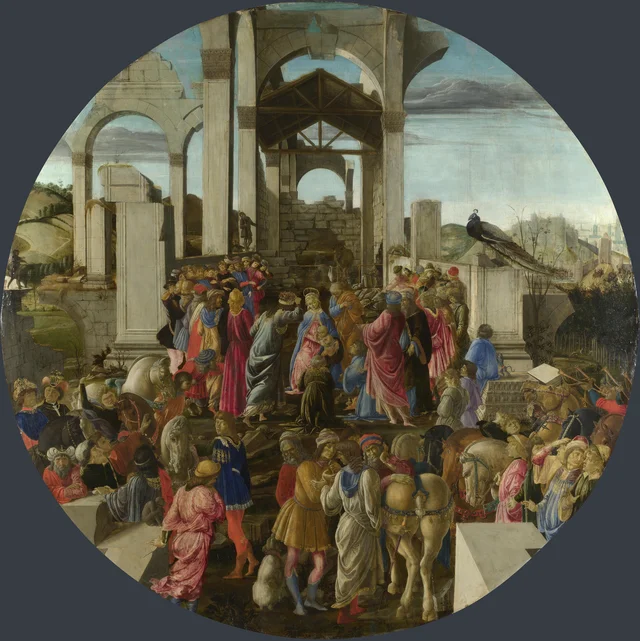 Adoration of the Magi of ca. 1470-1475Sandro Botticelli, 1470
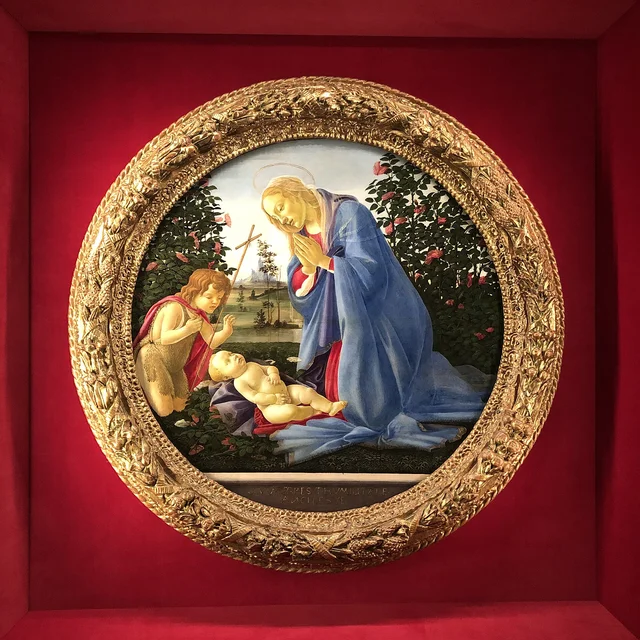 Madonna adoring the Child with St. John the BaptistSandro Botticelli, 1477
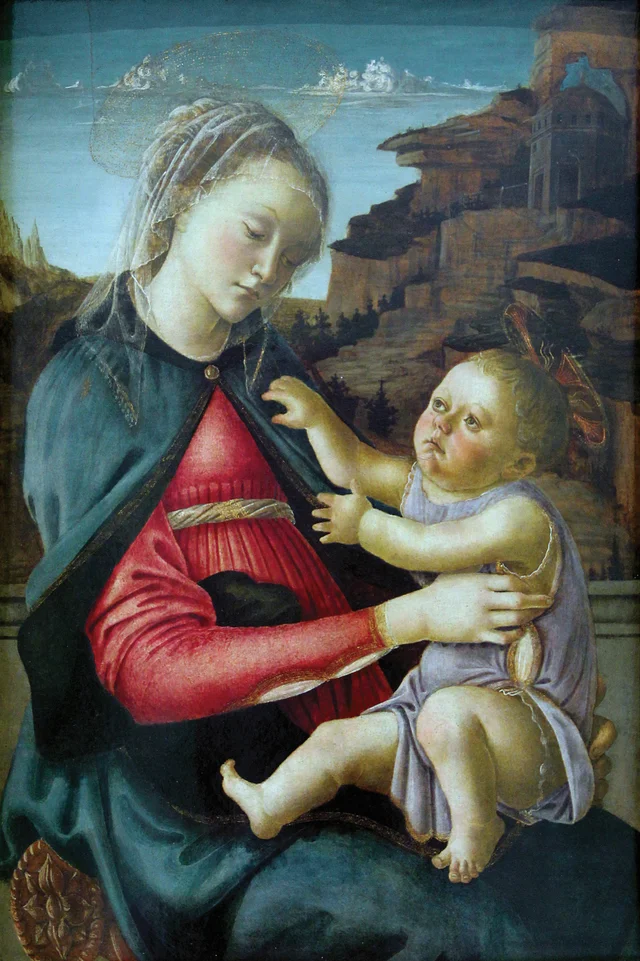 Madonna and ChildSandro Botticelli, 1465
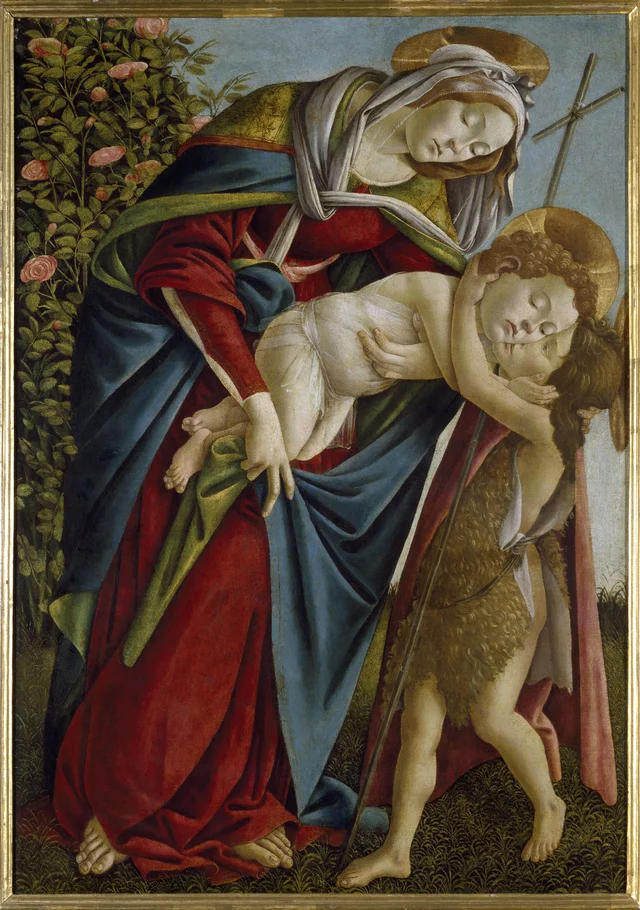 Madonna and Child and the Young St John the BaptistSandro Botticelli, 1505
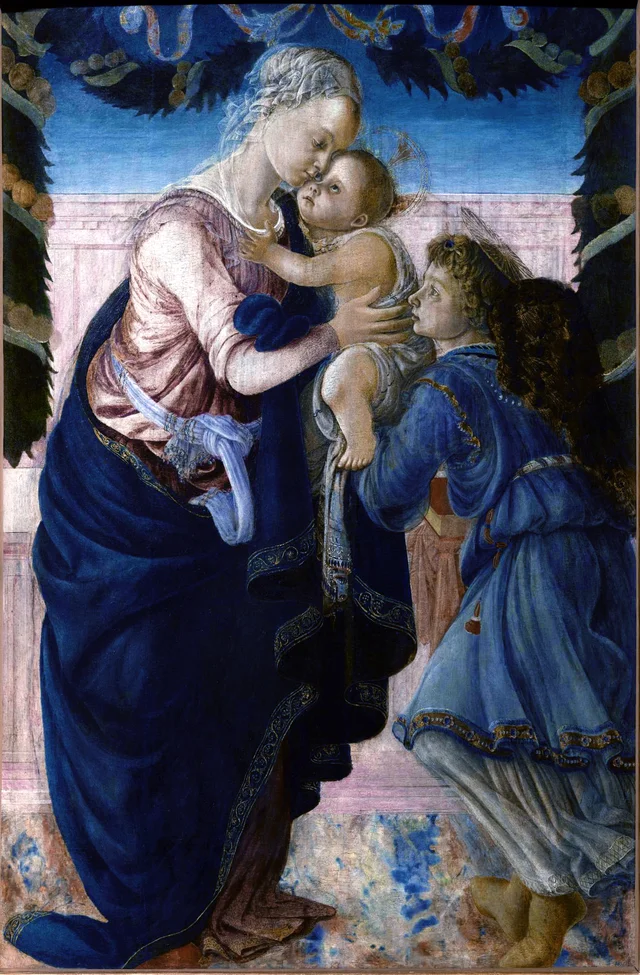 Madonna and Child with an AngelSandro Botticelli, 1465
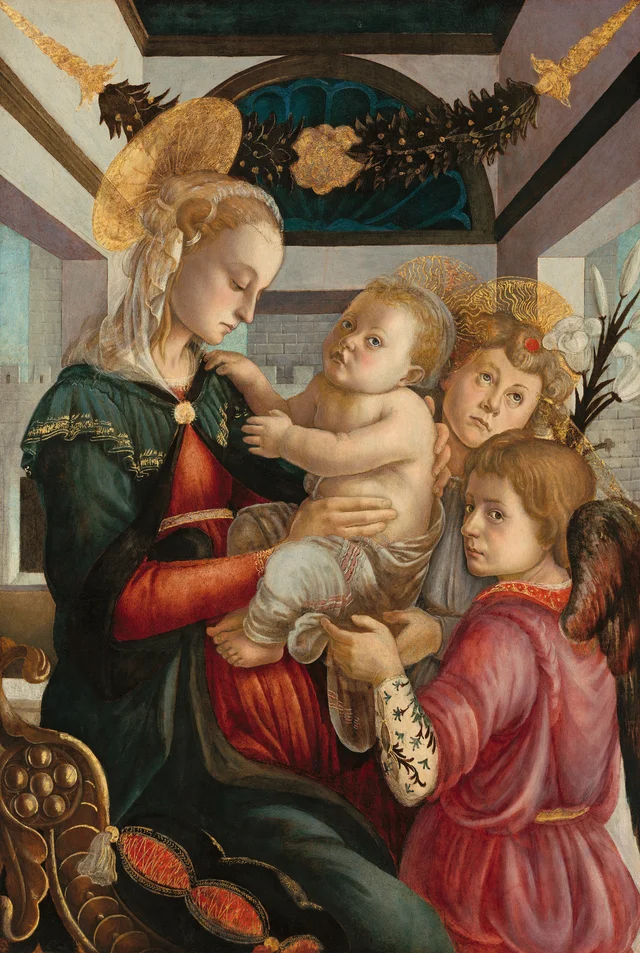 Madonna and Child with AngelsSandro Botticelli, 1470
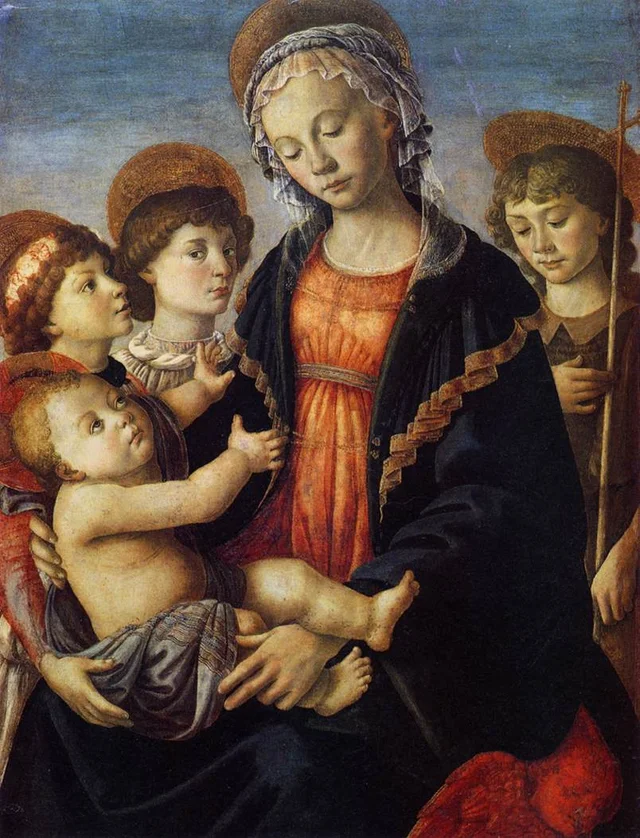 Madonna and Child with Saint John the Baptist and Two AngelsSandro Botticelli, 1470