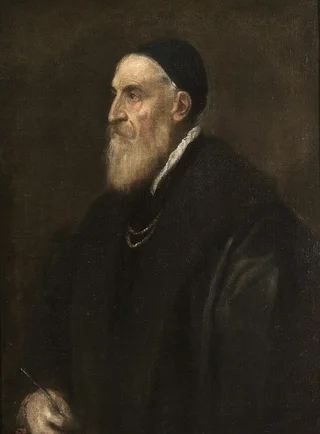
Titian
1488–1576 · Republic of Venice · Venetian school
The story
Titian ran the busiest and most powerful painting workshop in 16th-century Venice, and he ran it for a very long time. Born around 1488 in the mountains north of the city, he took over as Venice's leading painter after Giovanni Bellini died, and confirmed it in 1518 with a towering altarpiece of the Virgin rising to heaven for the Frari church, its figures larger and more alive than anything the city had seen.
His reach went far beyond Venice. In 1530 he met the Holy Roman Emperor Charles V, the most powerful man in Europe, and became his favoured portraitist. The story goes that the emperor once bent to pick up a brush Titian had dropped, an unheard-of gesture toward a mere painter. Charles made him a count, and his son Philip II of Spain kept Titian on for decades, commissioning a series of large mythological canvases of Greek gods and mortals that the painter shipped off to Madrid.
Titian worked into extreme old age, and his late paintings loosen almost to a blur, the paint dragged and smeared with fingers as much as brushes, so that up close they dissolve. He was still at it when the plague swept through Venice in 1576. It killed him that August, along with his son Orazio, and he was buried in the same Frari church that held his first great triumph. He was somewhere near 88.
More articles
 Article · 38 min readThe National Gallery of Art in Washington: 20 pictures that came from private hands
 Article · 37 min readGallerie dell'Accademia, Venice: twenty works and how each one got here
 Article · 42 min readWhat to See at the Louvre: 25 Highlights
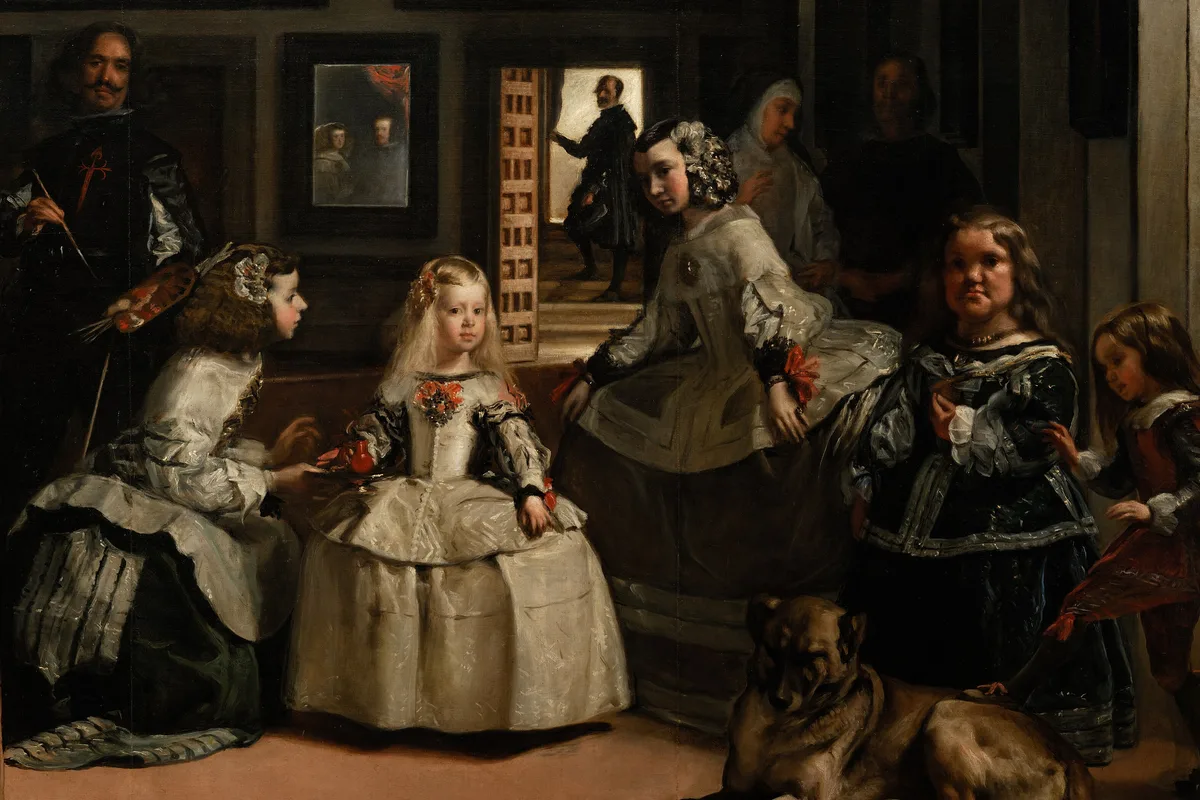 Article · 20 min readMuseo del Prado: The Paintings That Outlived Their Worlds
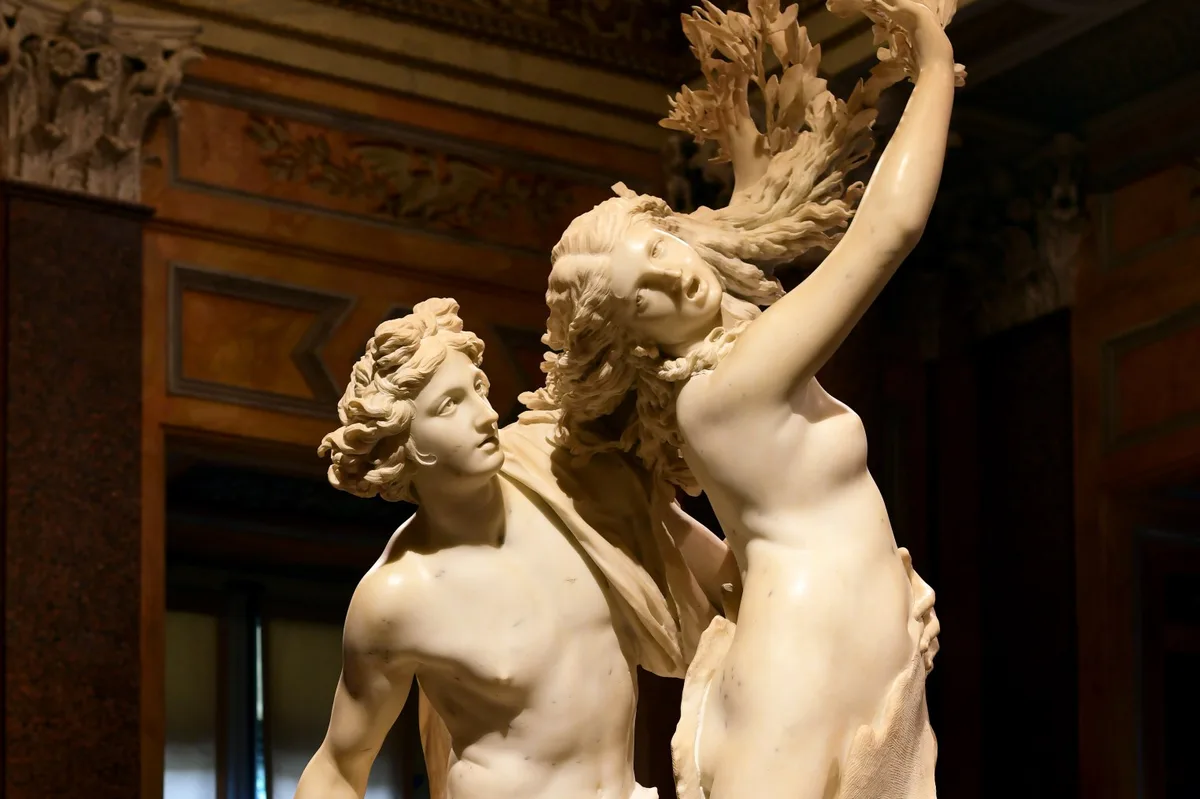 Article · 40 min readGalleria Borghese: From Scipione Borghese to the State Purchase
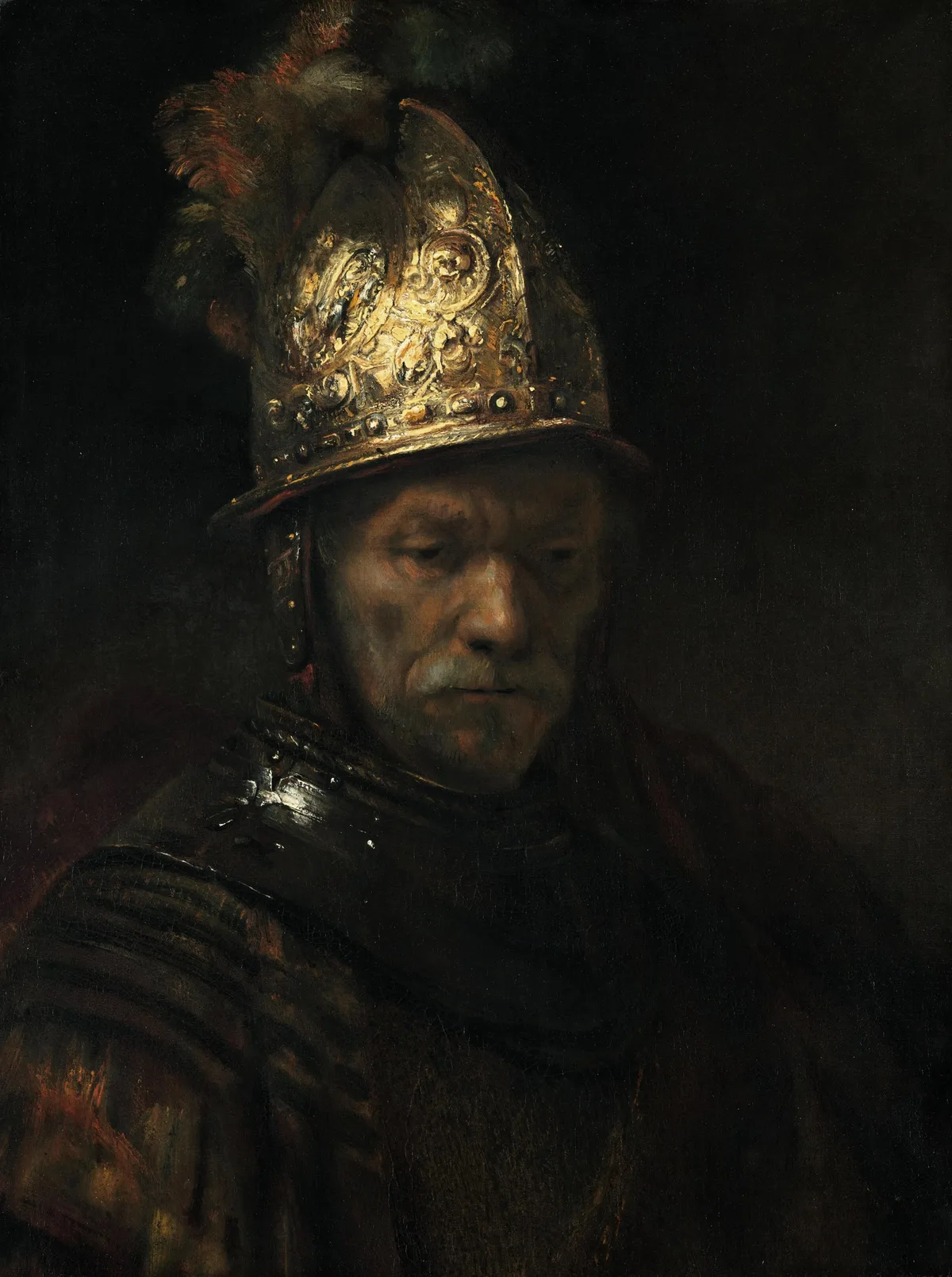 Article · 44 min readThe Gemäldegalerie in Berlin: 20 paintings that Berlin bought, lost and divided
Works
286 works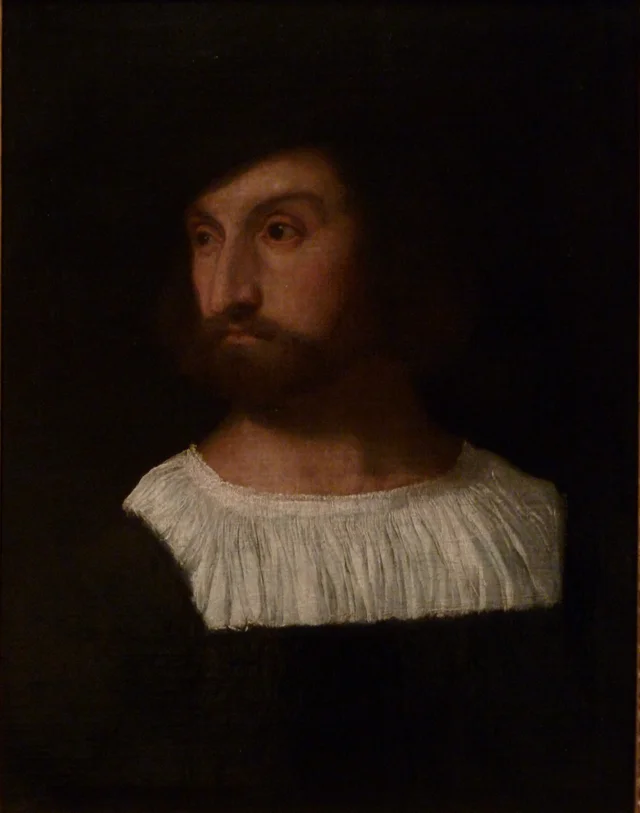 Portrait of a ManTitian, 1515
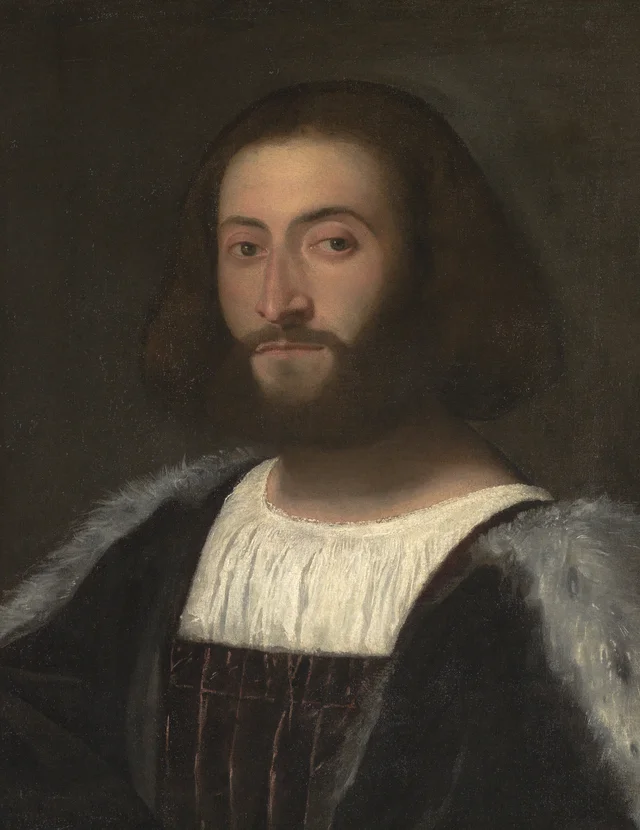 Portrait of a ManTitian, 1509
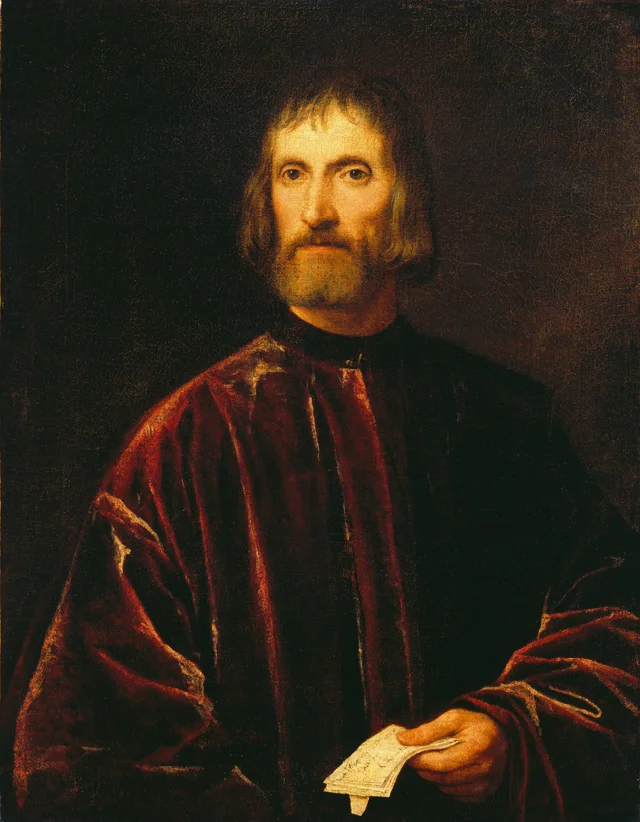 Portrait of Andrea dei FranceschiTitian, 1532
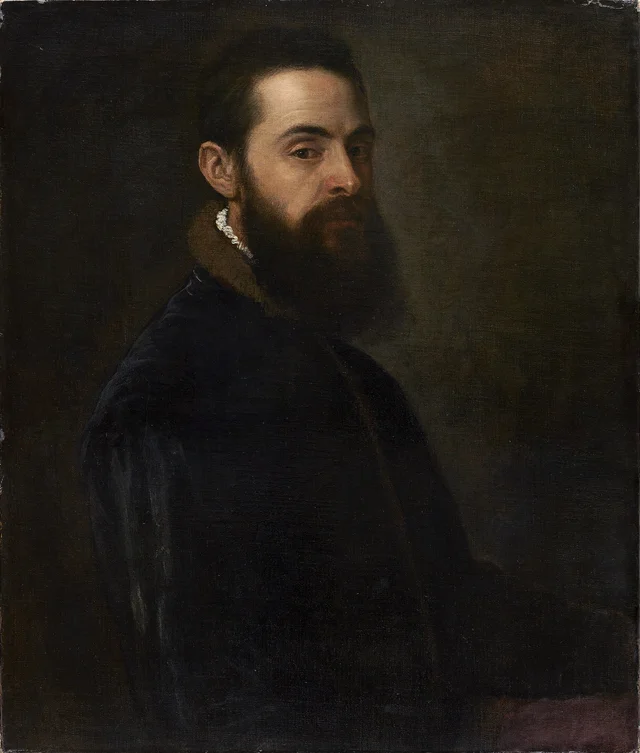 Portrait of Antonio AnselmiTitian, 1550
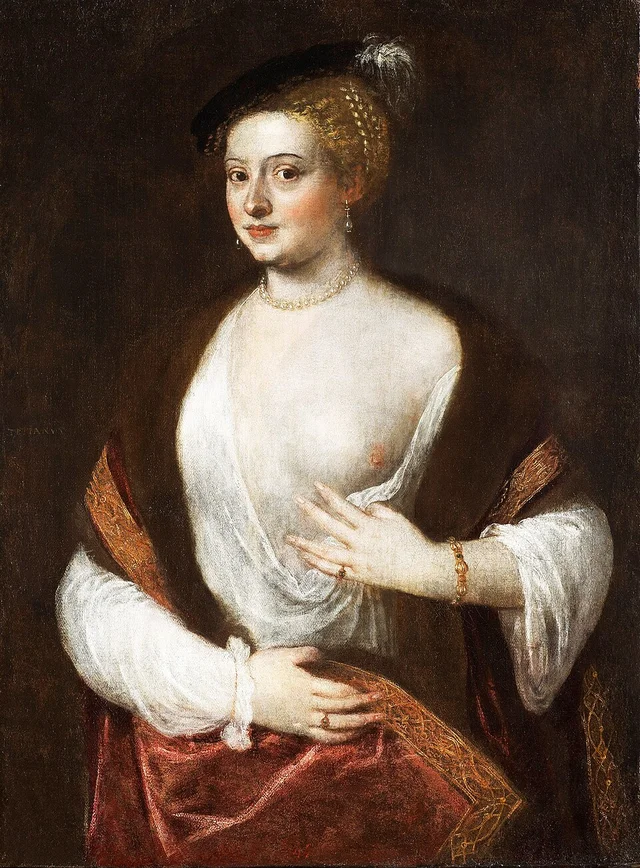 Portrait of an unknown lady, said to be Titian's mistressTitian, 1550
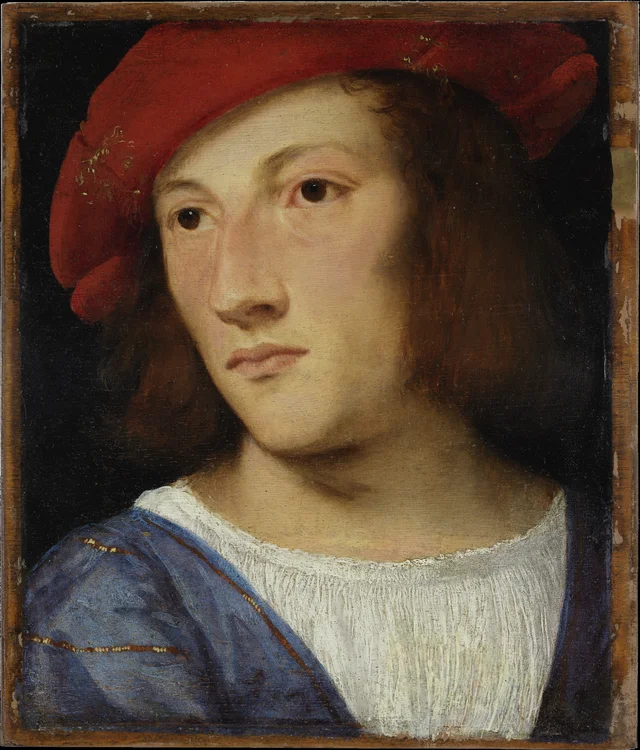 Portrait of a Young ManTitian, 1510
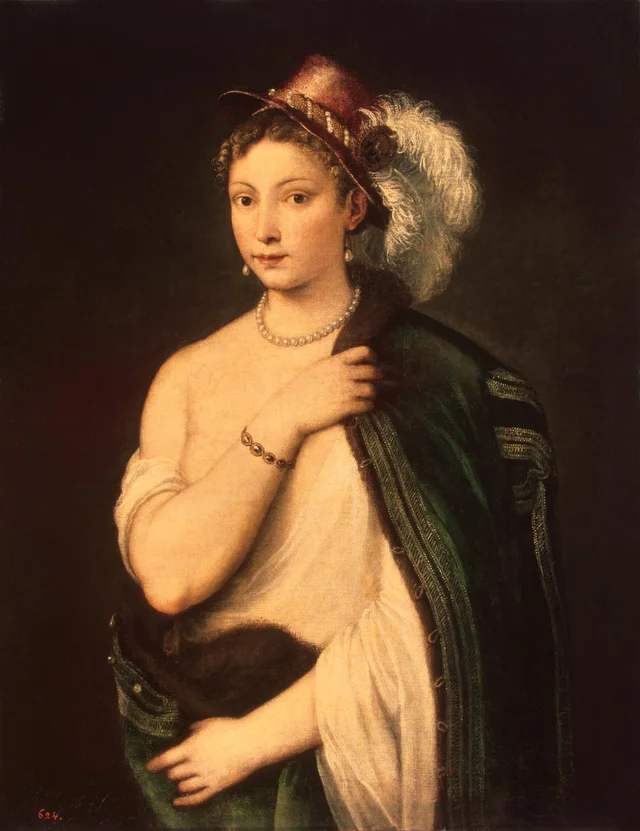 Portrait of a Young WomanTitian, 1536
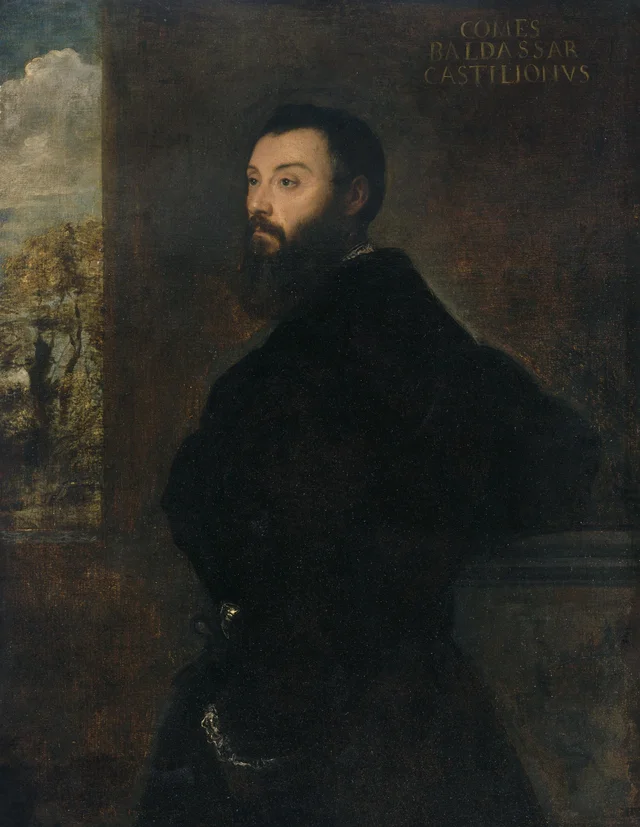 Portrait of Baldassare CastiglioneTitian, 1537
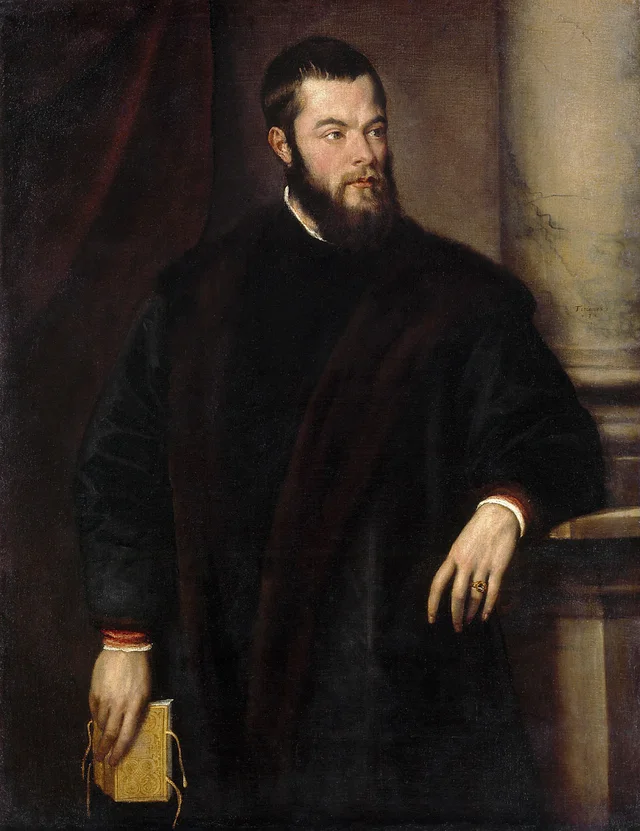 Portrait of Benedetto VarchiTitian, 1540
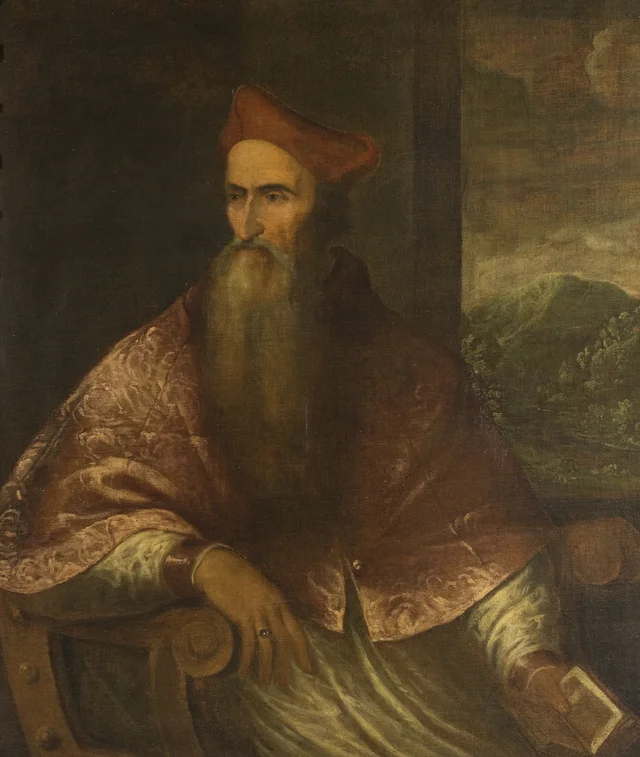 Portrait of Cardinal Pietro BemboTitian, 1545
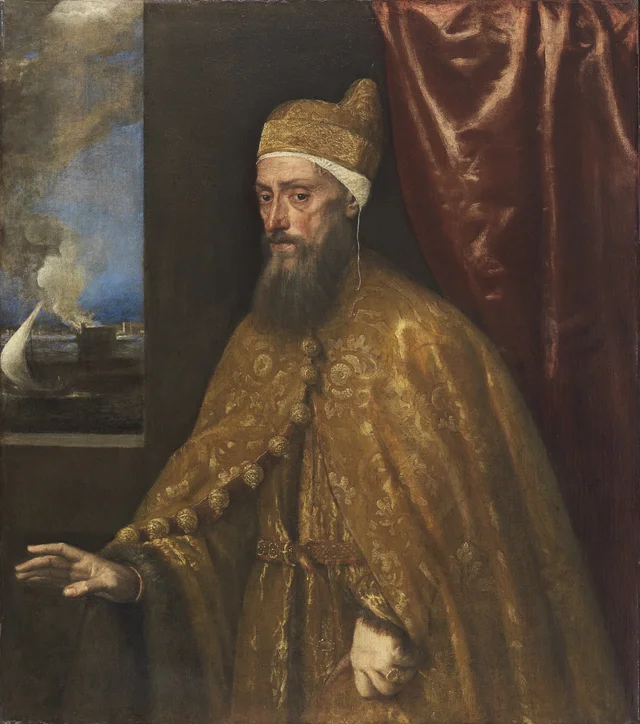 Portrait of Doge Francesco VenierTitian, 1554
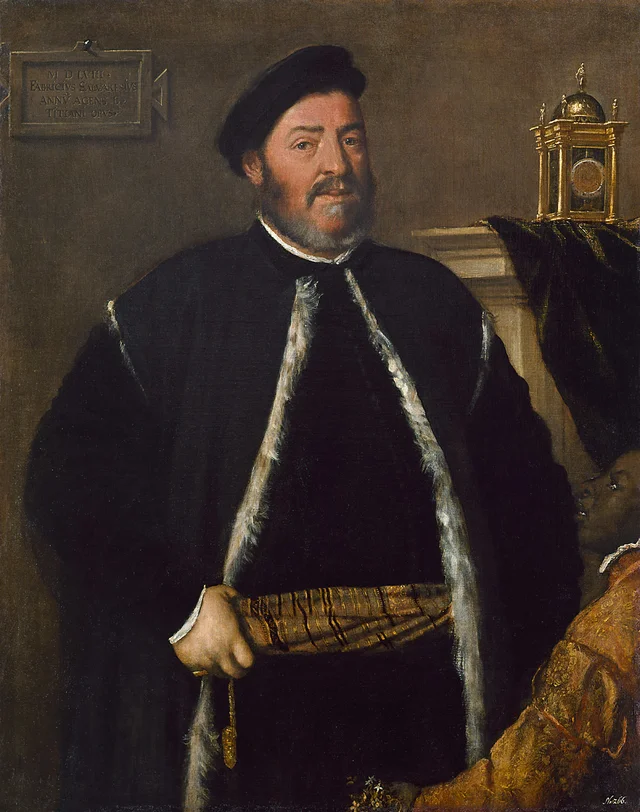 Portrait of Fabrizio SalvaresioTitian, 1558
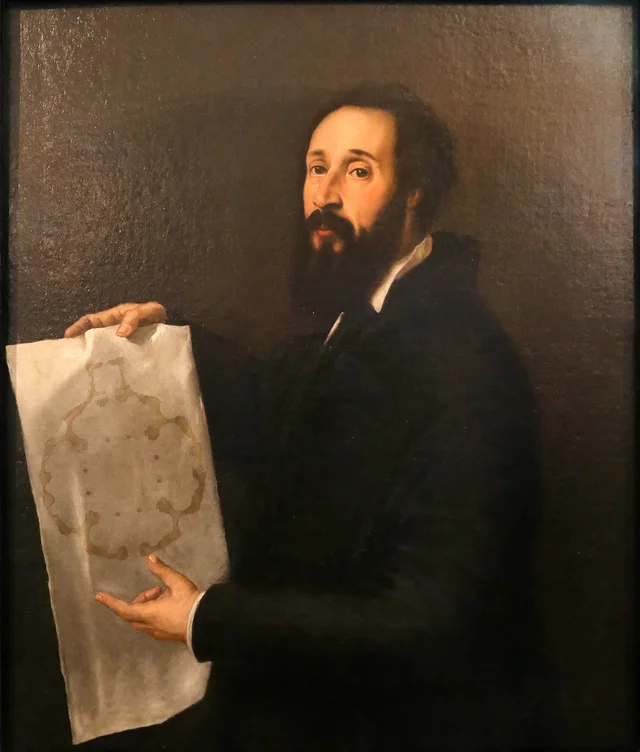 Portrait of Giulio RomanoTitian, 1537
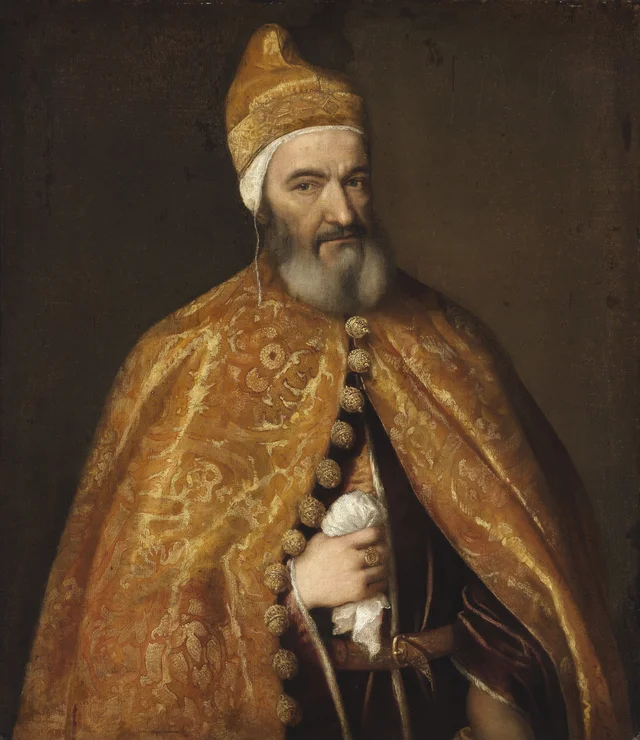 Portrait of Marcantonio Trevisan, Doge of VeniceTitian, 1553
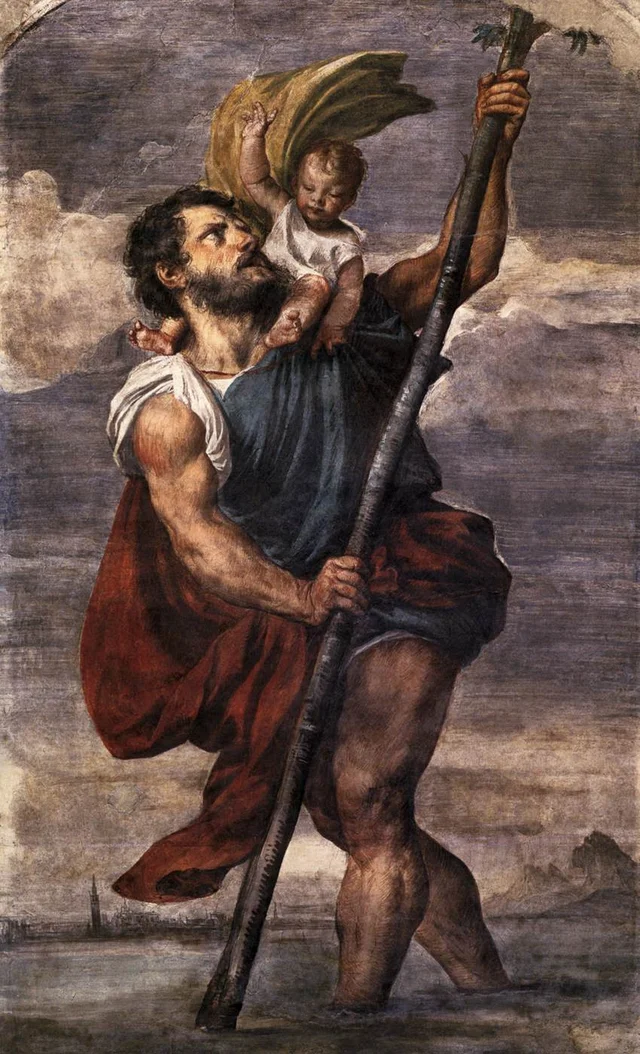 Saint ChristopherTitian, 1523
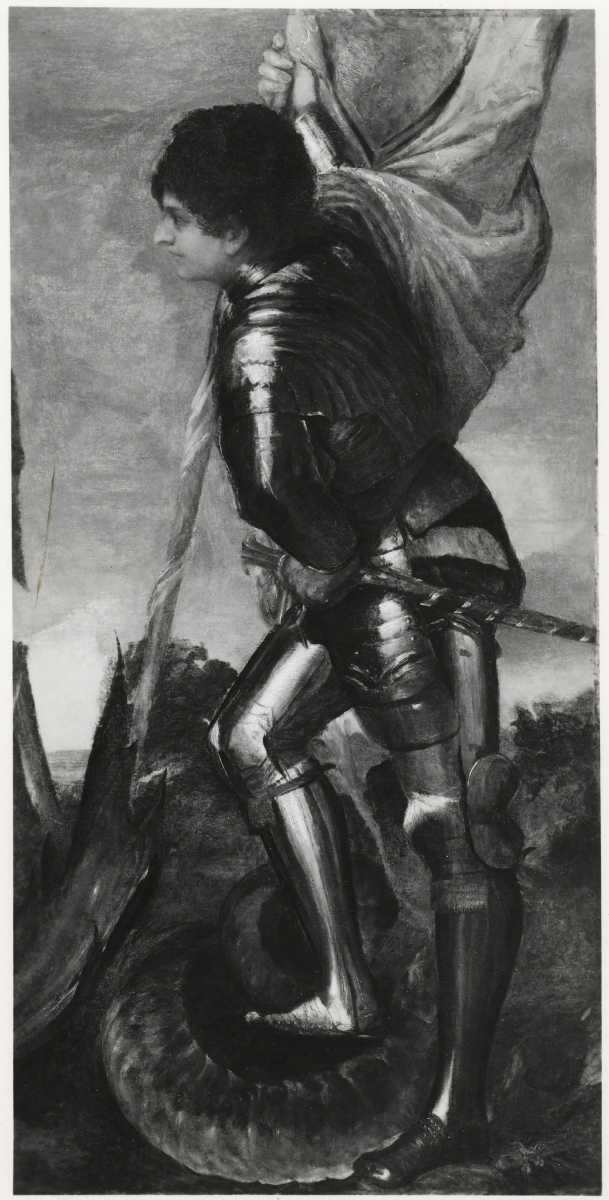 Saint GeorgeTitian, 1510
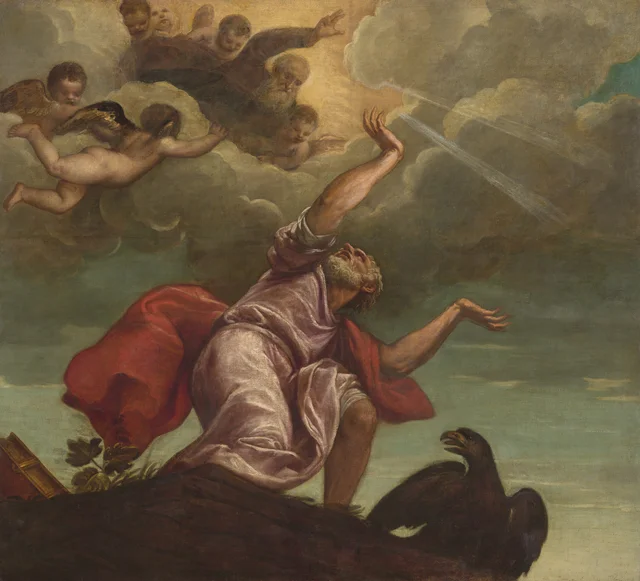 Saint John the Evangelist on PatmosTitian, 1547
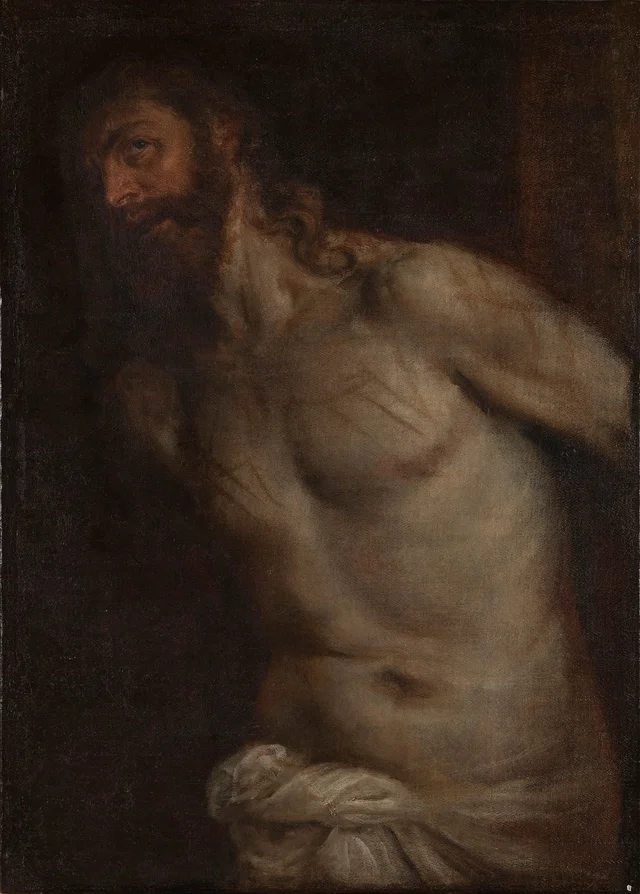 Scourged ChristTitian, 1568
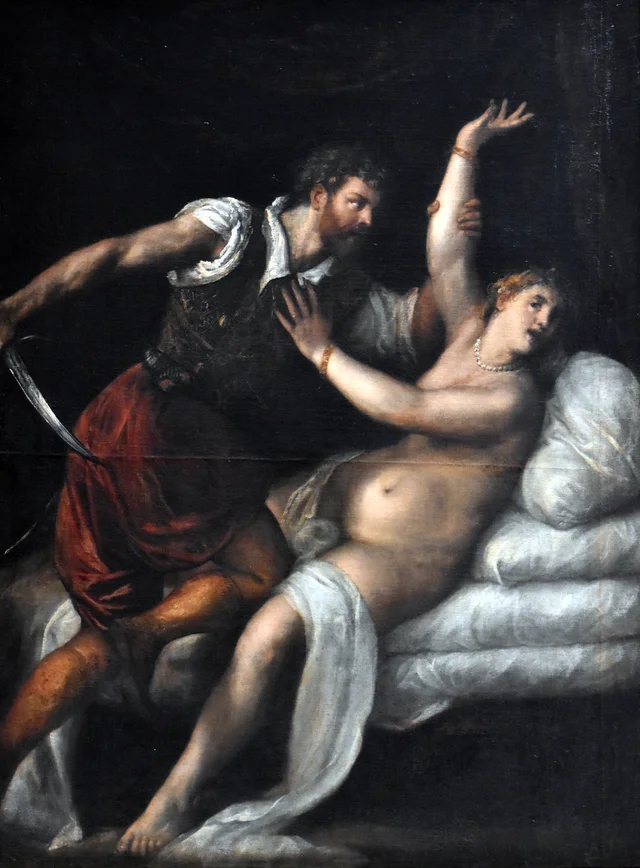 Tarquin and LucretiaTitian, 1570
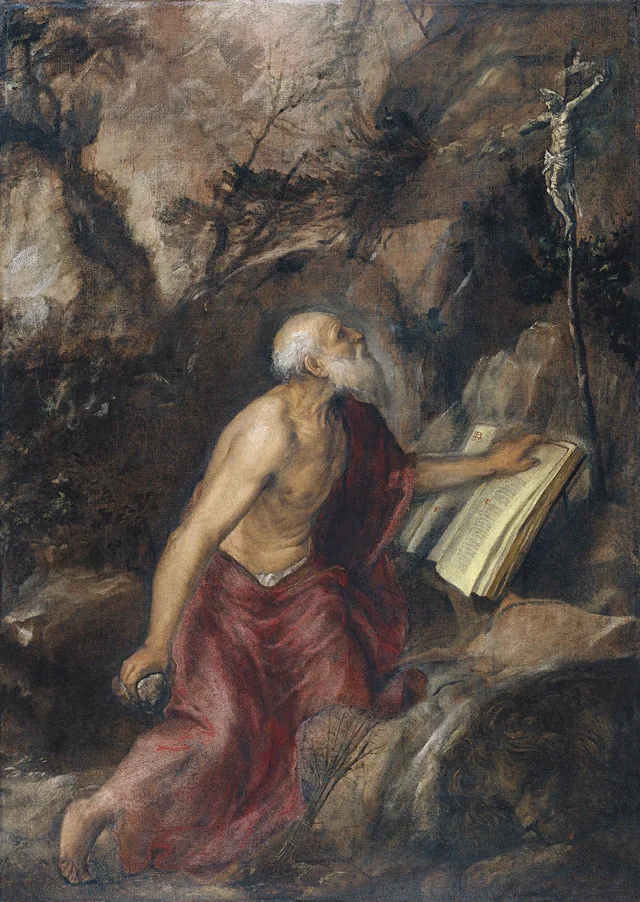 The penitent Saint JeromeTitian, 1570
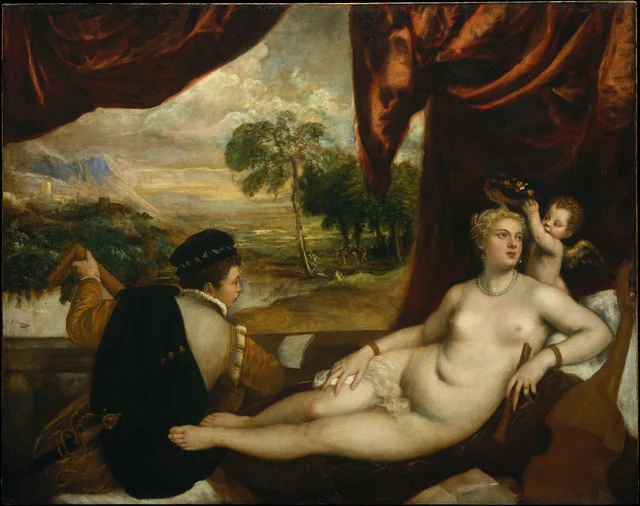 Venus and the Lute PlayerTitian, 1567
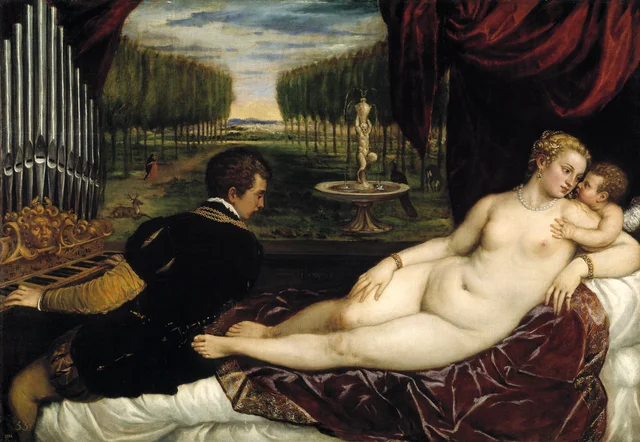 Venus with an Organist and CupidTitian, 1555
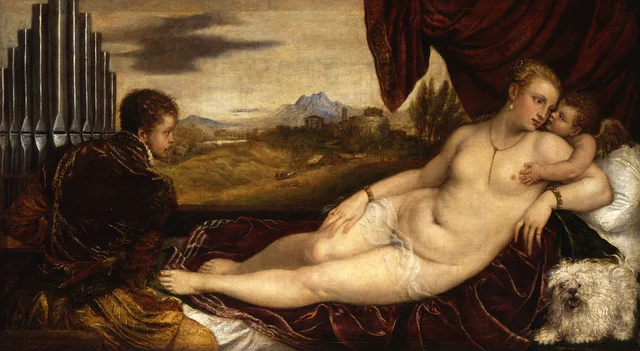 Venus with the Organ PlayerTitian, 1550
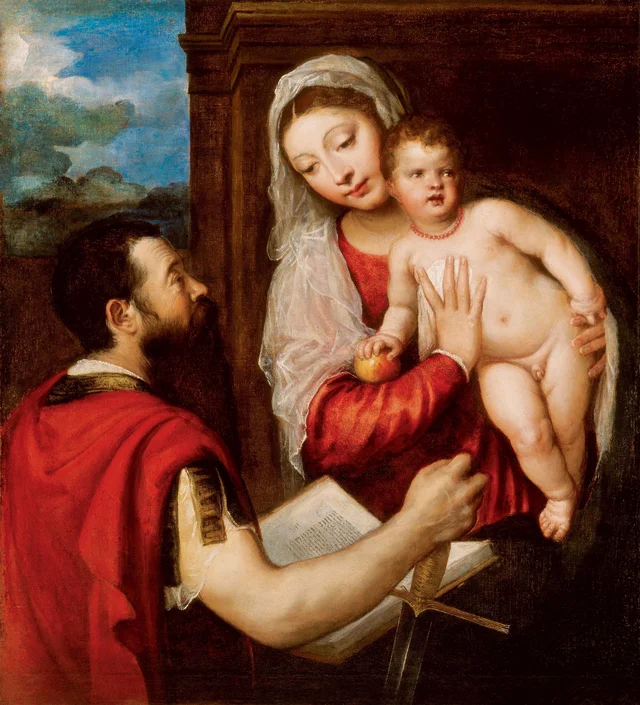 Virgin and Child with Saint PaulTitian, 1540
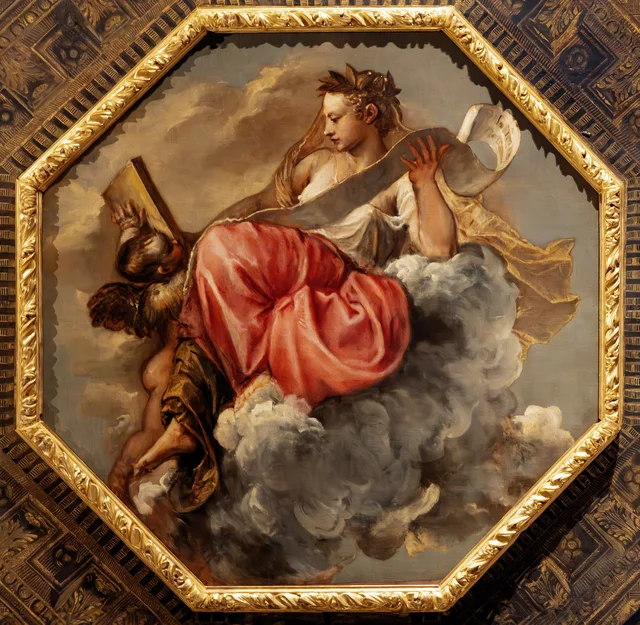 WisdomTitian, 1560