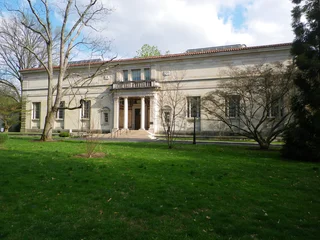
The story
Walk into the Barnes and the walls look wrong. Paintings by Renoir and Cezanne hang edge to edge with wrought-iron door hinges, African masks, and Pennsylvania Dutch furniture, arranged in tight symmetrical clusters by size, colour and shape rather than by artist or date. These groupings are called ensembles, and every one was fixed in place by the man who bought the art, Albert Barnes.
Barnes was a Philadelphia doctor who made a fortune around 1900 on Argyrol, a silver-based antiseptic sold worldwide. He spent it on modern French painting when almost no American museum wanted it, and he bought deep: roughly 180 canvases by Renoir and 69 by Cezanne, the largest groups of either anywhere, plus major works by Matisse, Picasso and Seurat. He even commissioned Matisse to paint a huge mural, The Dance, for the wall above the windows of his gallery.
He also wrote a trust meant to freeze all of it forever. The art was to stay in his suburban building in Merion, the ensembles were never to be rearranged, and nothing was to be lent out. After his death in 1951 the foundation ran short of money, and a long court fight followed over whether the collection could move at all. In 2012 it did, into a new building on Benjamin Franklin Parkway in central Philadelphia, where the galleries were rebuilt to reproduce the old rooms almost inch for inch. The ensembles he set a century ago hang as he left them.
Collection
71 works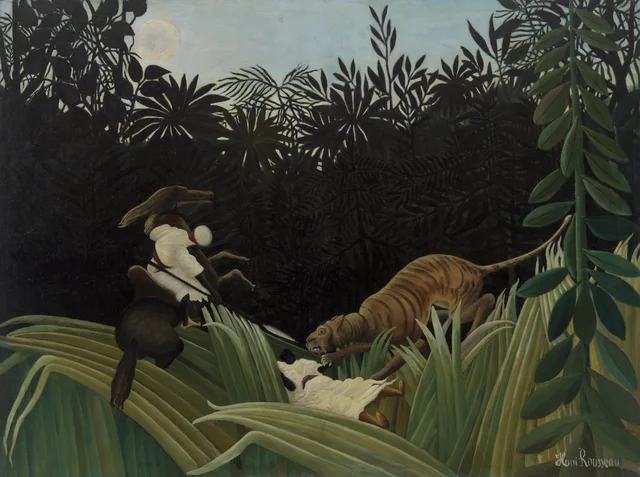 Scouts Attacked by a Tiger (Éclaireurs attaqués par un tigre)Henri Rousseau, 1904
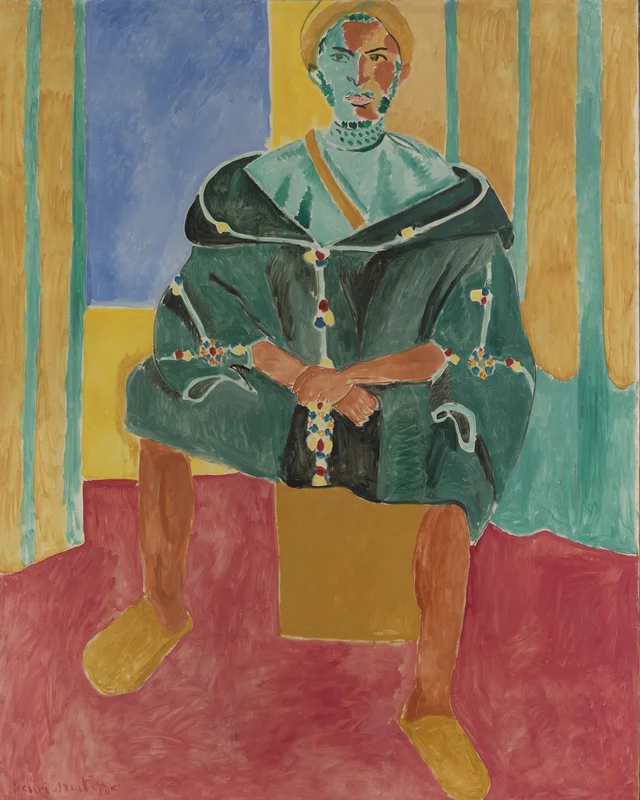 Seated RiffianHenri Matisse, 1912
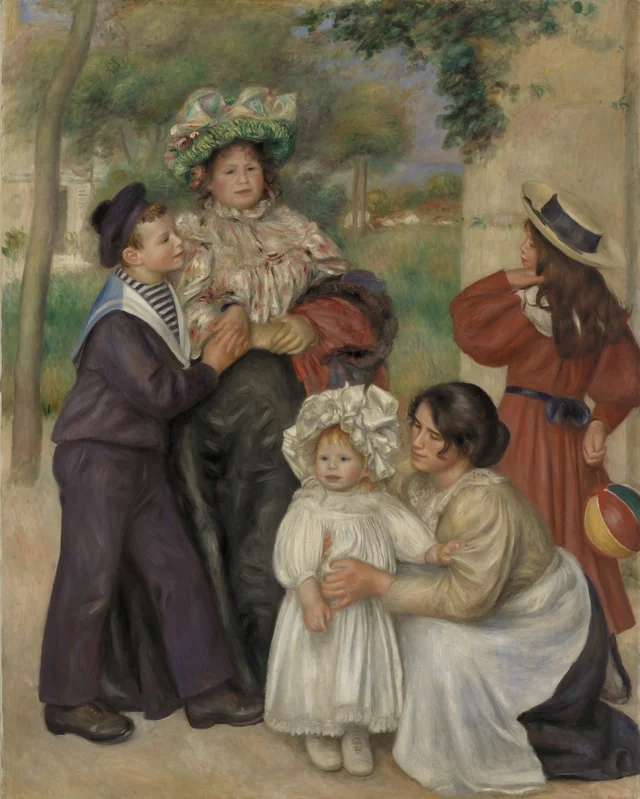 The Artist's Family (La Famille de l'artiste)Pierre-Auguste Renoir, 1896
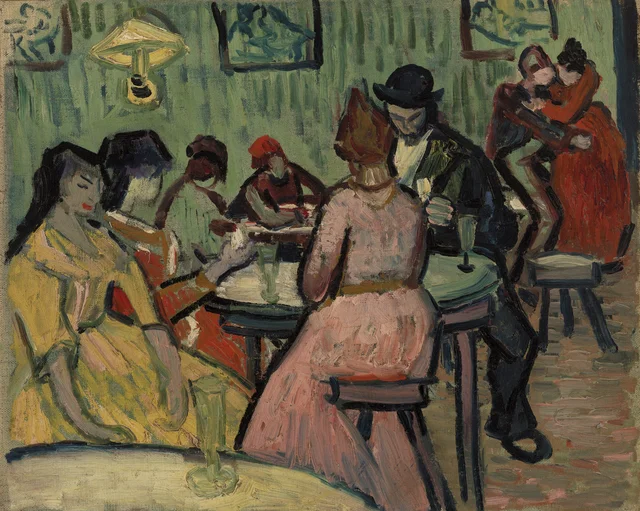 The BrothelVincent van Gogh, 1888
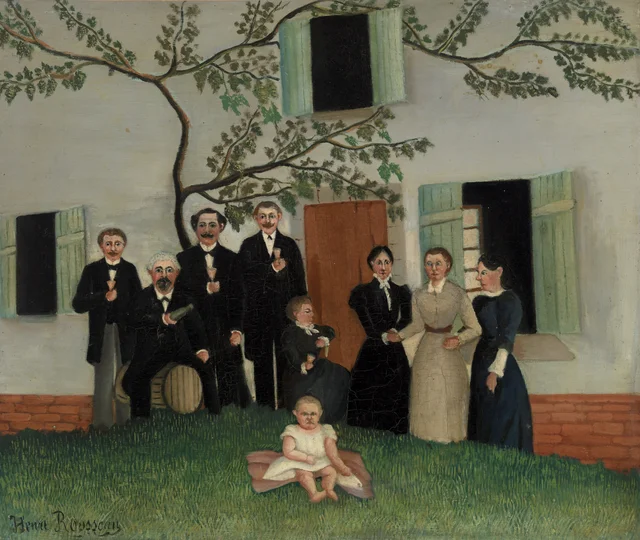 The FamilyHenri Rousseau, 1890
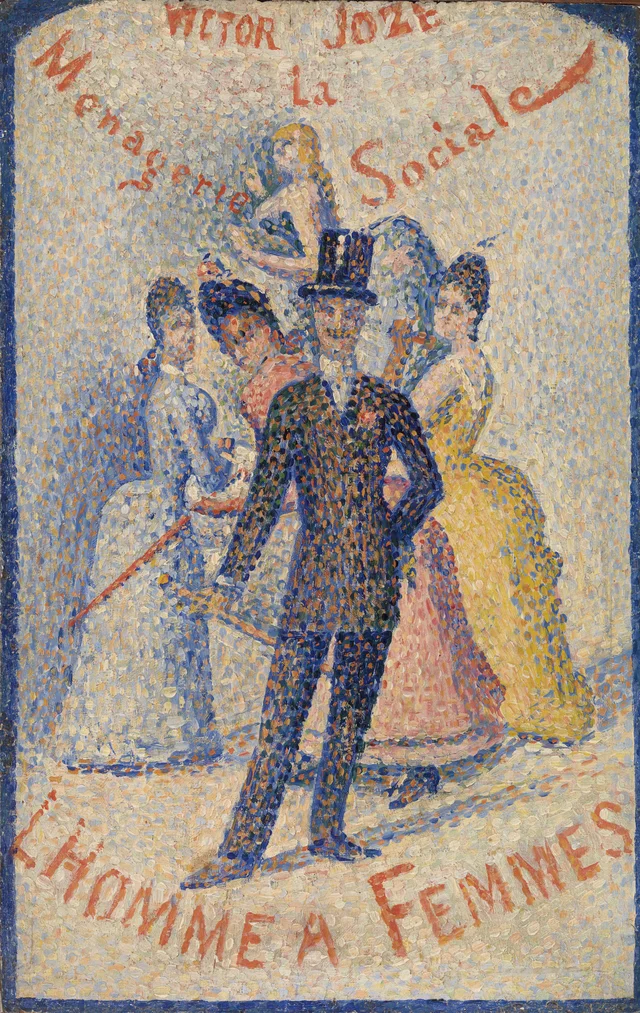 The Ladies' ManGeorges Seurat, 1889
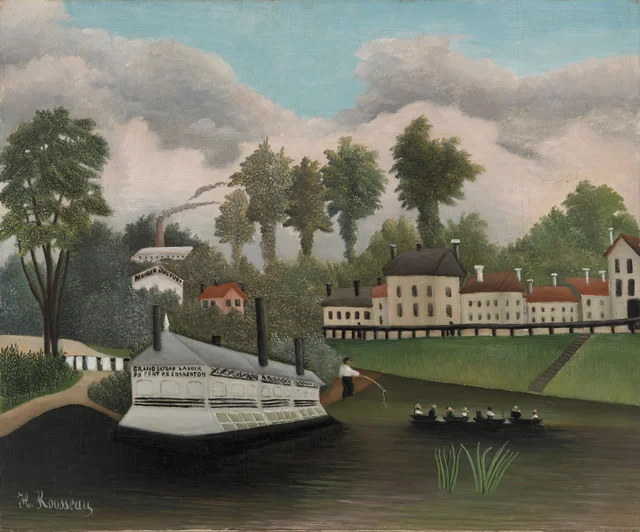 The Laundry Boat of Pont de Charenton (Le Bateau-lavoir du Pont de Charenton)Henri Rousseau, 1895
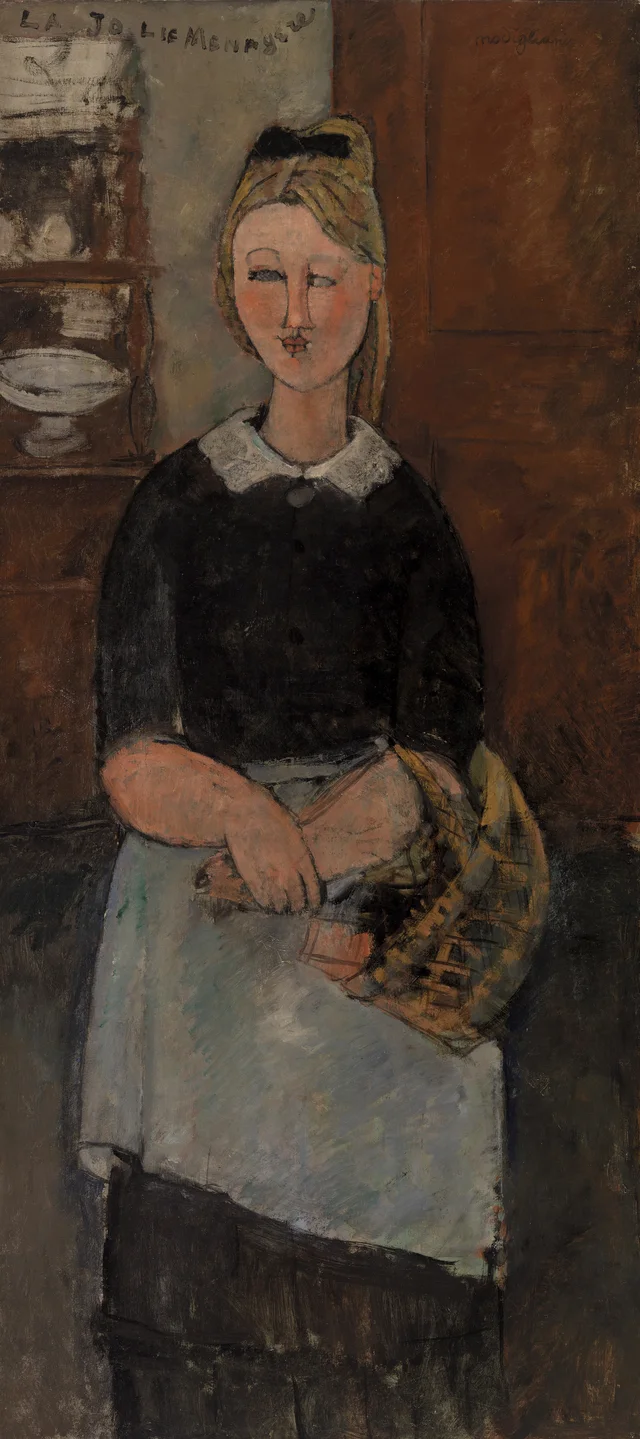 The Pretty Housewife (La Jolie ménagère)Amedeo Modigliani, 1915
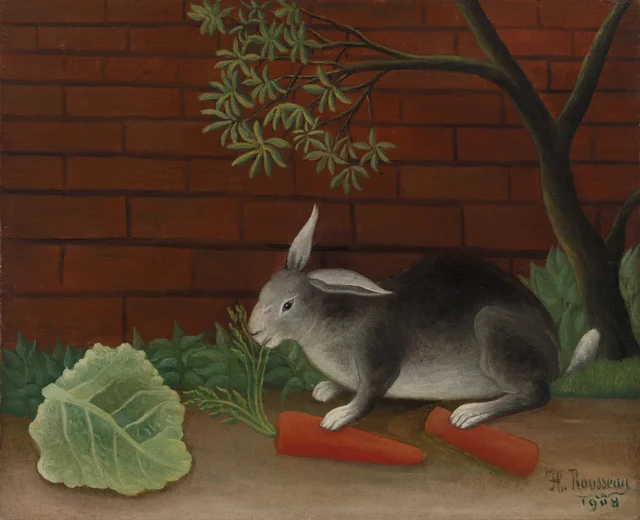 The Rabbit's MealHenri Rousseau, 1908
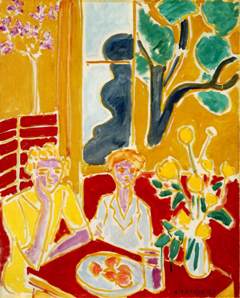 Two Young Girls in a Red and Yellow InteriorHenri Matisse, 1947
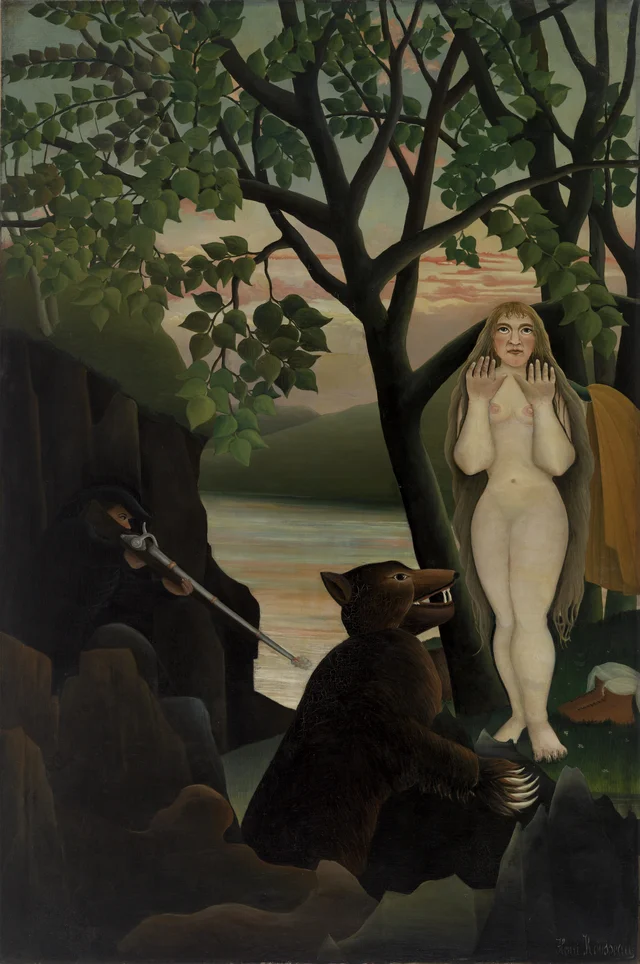 Unpleasant Surprise (Mauvaise surprise)Henri Rousseau, 1901
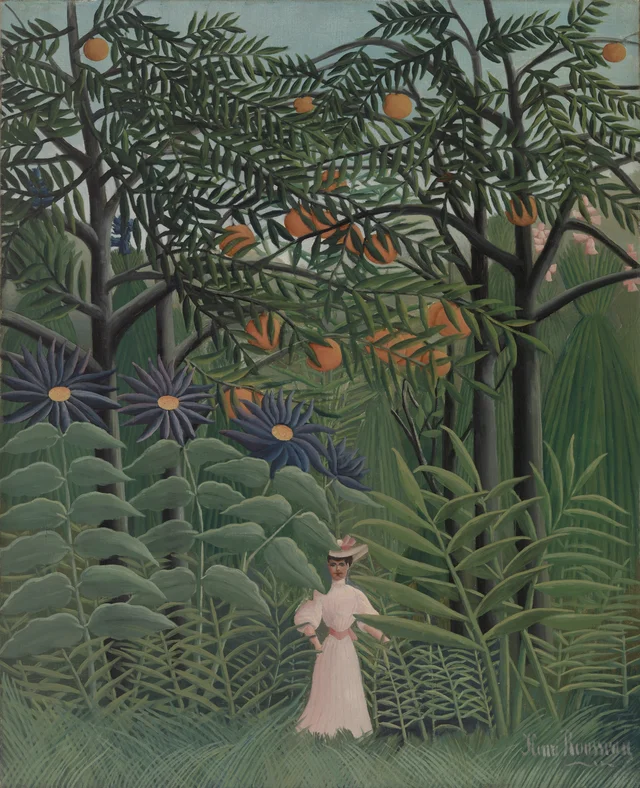 Woman Walking in an Exotic ForestHenri Rousseau, 1905
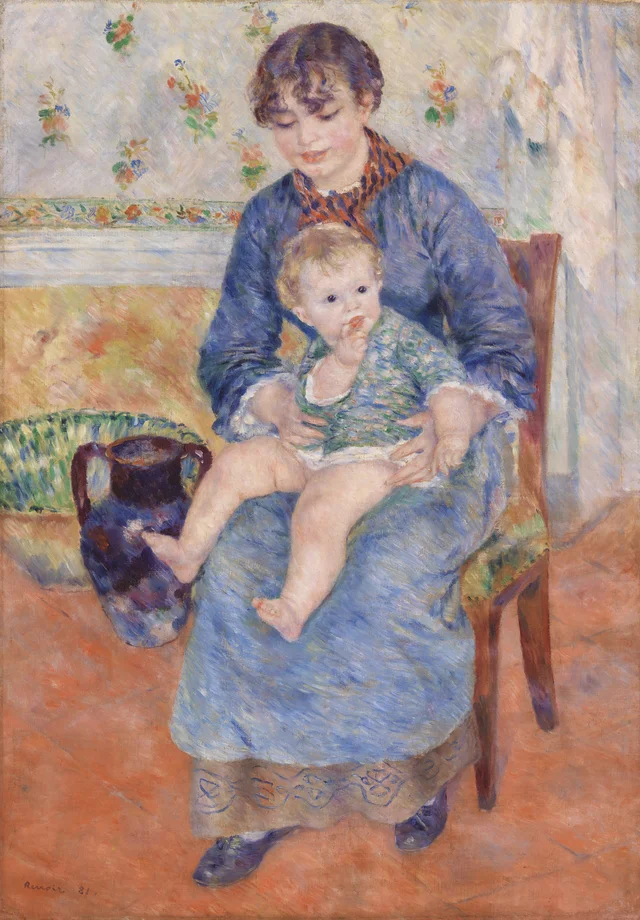 Young Mother (Jeune mère)Pierre-Auguste Renoir, 1881
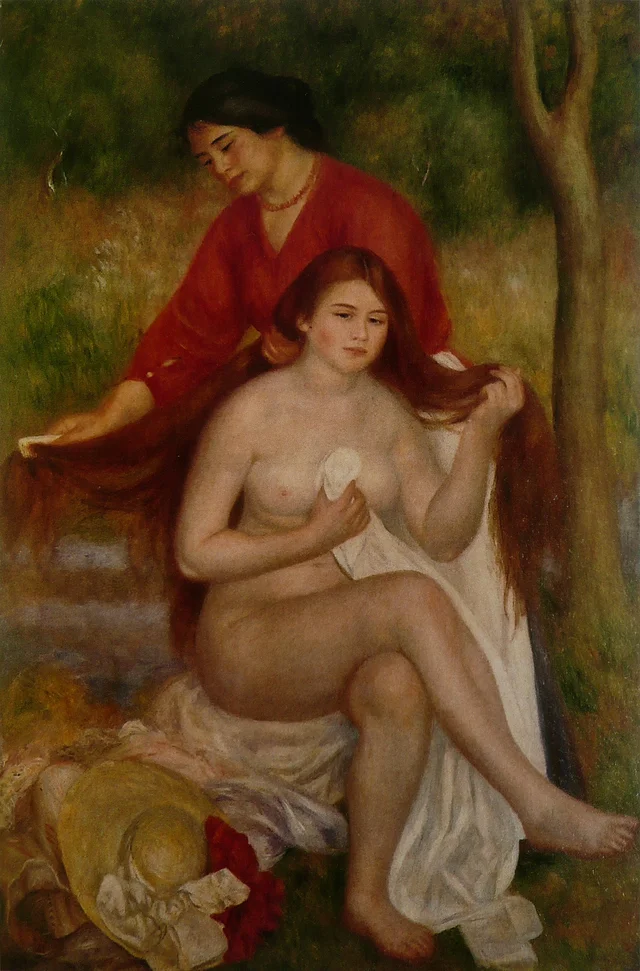 Bather and Maid (La Toilette de la baigneuse)Pierre-Auguste Renoir, 1900
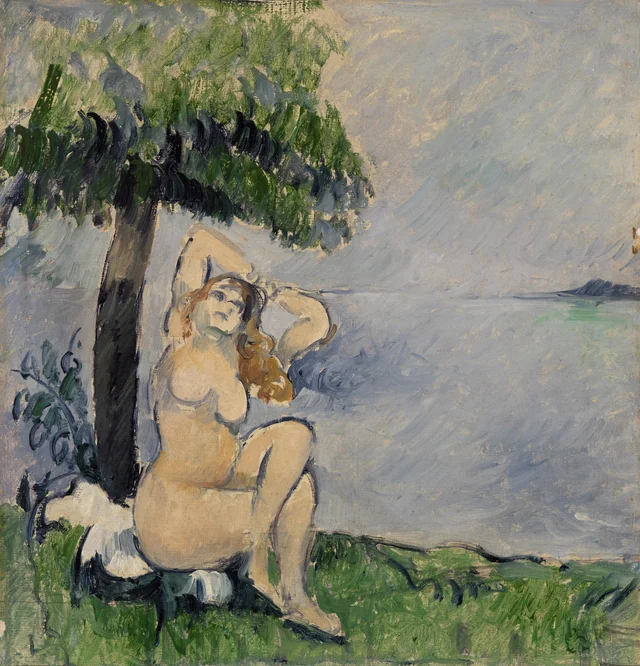 Bather at the Seashore (Baigneuse au bord de la mer)Paul Cézanne, 1875
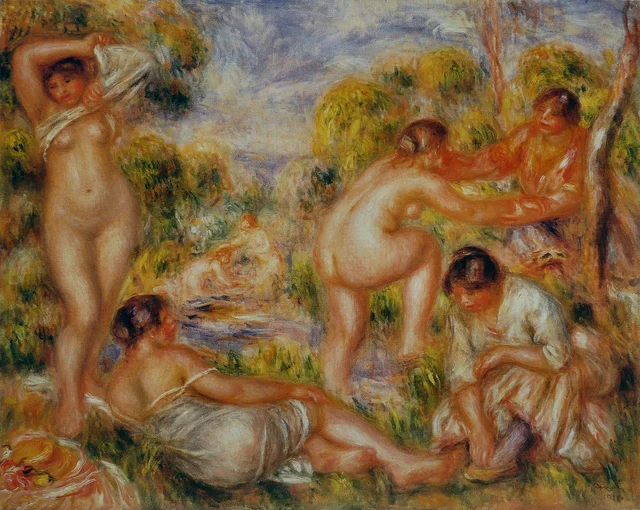 Bathing GroupPierre-Auguste Renoir, 1916
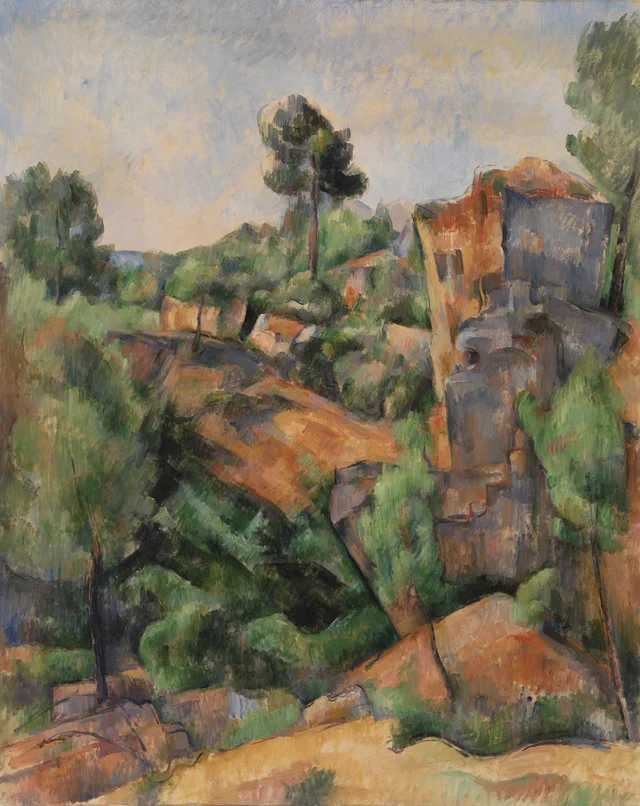 Bibémus Quarry (Carrière de Bibémus)Paul Cézanne, 1895
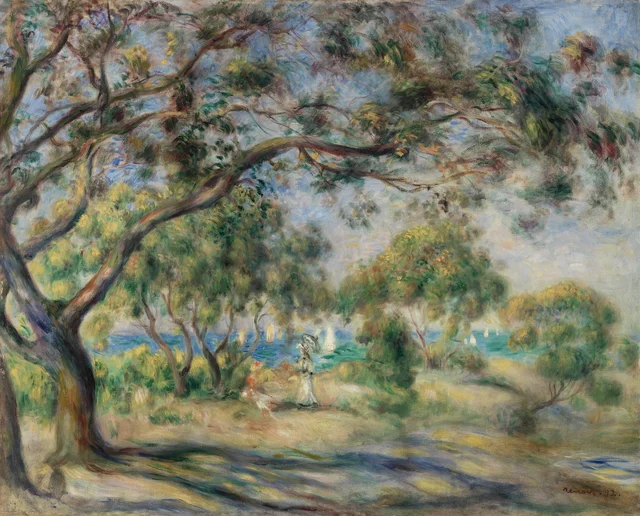 Bois de la Chaise (Noirmoutier)Pierre-Auguste Renoir, 1892
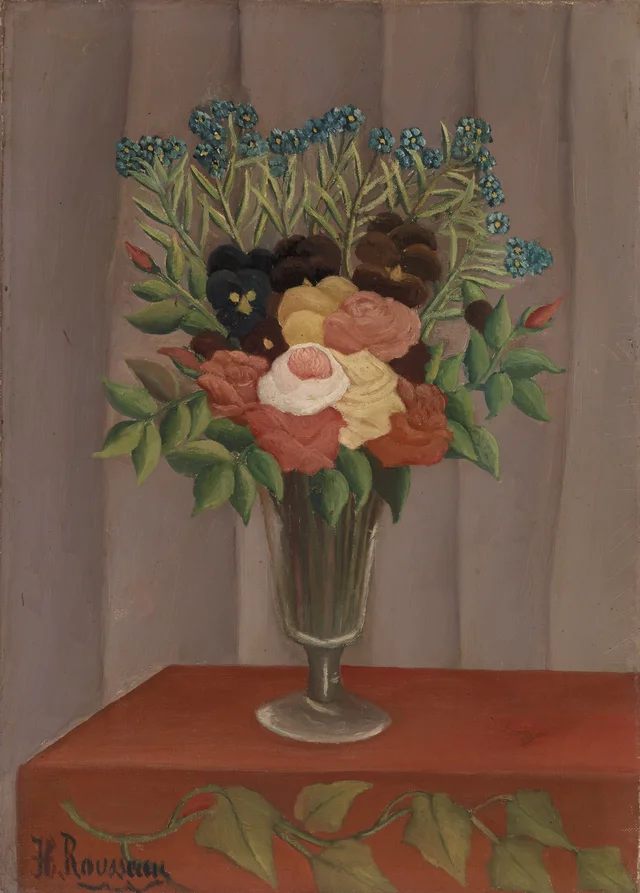 Bouquet of FlowersHenri Rousseau, 1910
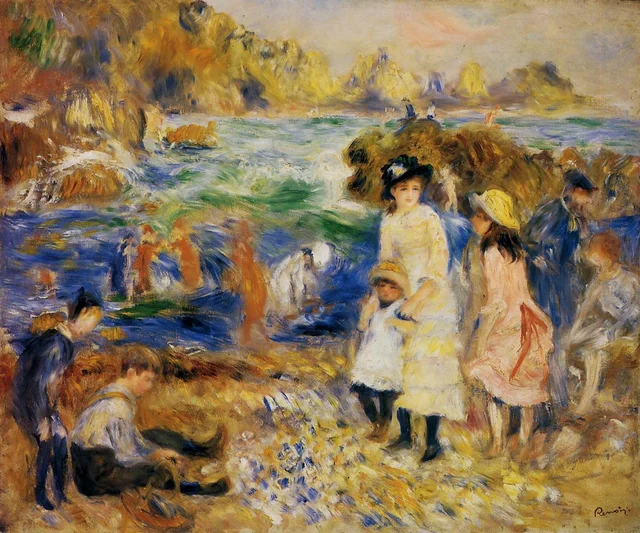 Children on the Seashore, Guernsey (Enfants au bord de la mer à Guernesey)Pierre-Auguste Renoir, 1883
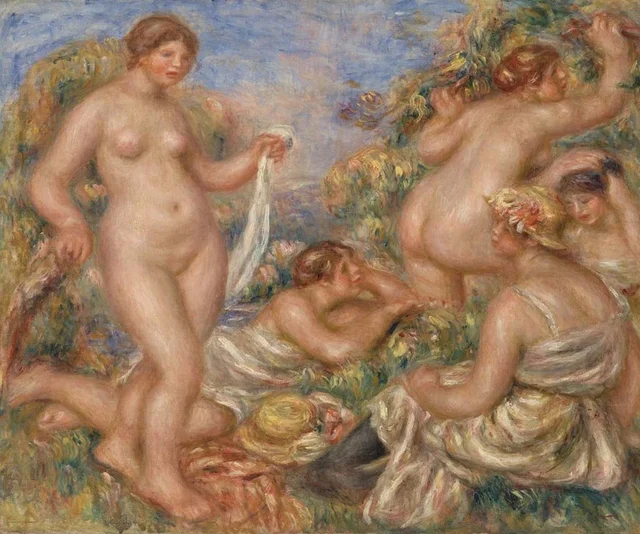 Composition, Five Bathers (Composition, cinq baigneuses)Pierre-Auguste Renoir, 1918
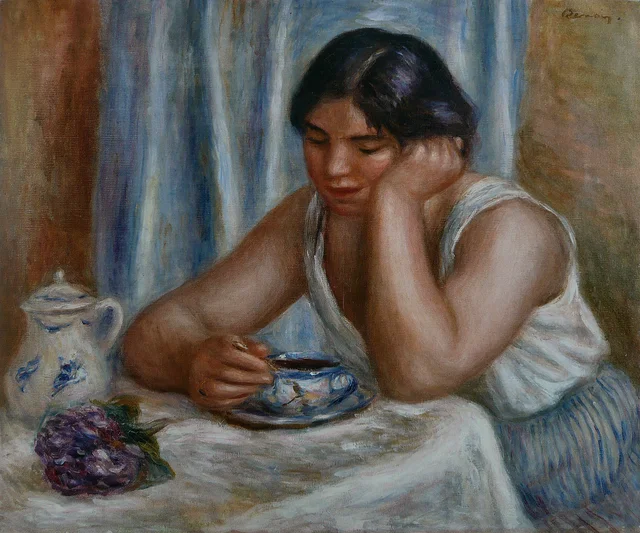 Cup of Chocolate (Femme prenant du chocolat)Pierre-Auguste Renoir, 1912
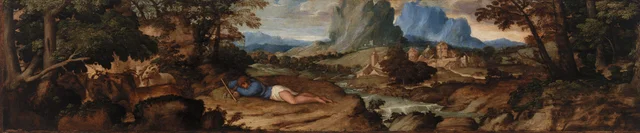 Endymion and his FlockTitian, 1505
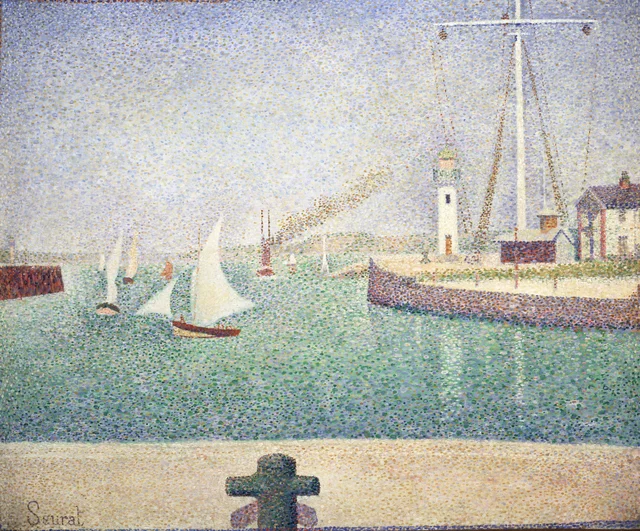 Entrance of The Port of Honfleur (Entrée du port d’Honfleur)Georges Seurat, 1886
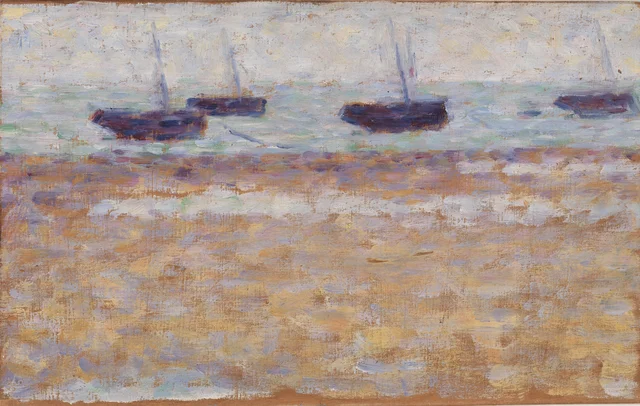 Four Boats at GrandcampGeorges Seurat, 1885