The story
In the spring of 1945 the Gemäldegalerie lost about 400 of its paintings in a matter of days. The largest works, canvases too big to fit down the mine shafts where the rest of the collection had been hidden, had been left in a huge concrete anti-aircraft tower in Berlin's Friedrichshain park. After the fighting stopped, two fires broke out in the tower, no one is quite sure how, and ten Rubenses, several Caravaggios and works by Veronese and Van Dyck were gone. What survives of them is a set of black-and-white photographs taken in the 1920s, when a museum photographer had been sent to record every picture on the walls.
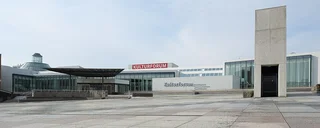
The paintings that were spared are why the gallery still ranks among the great collections of European art, roughly the 13th to the 18th centuries. It sits today in the Kulturforum, a cluster of modernist buildings near where the Berlin Wall once ran, its holdings rebuilt and reunited after the city itself was split and rejoined.
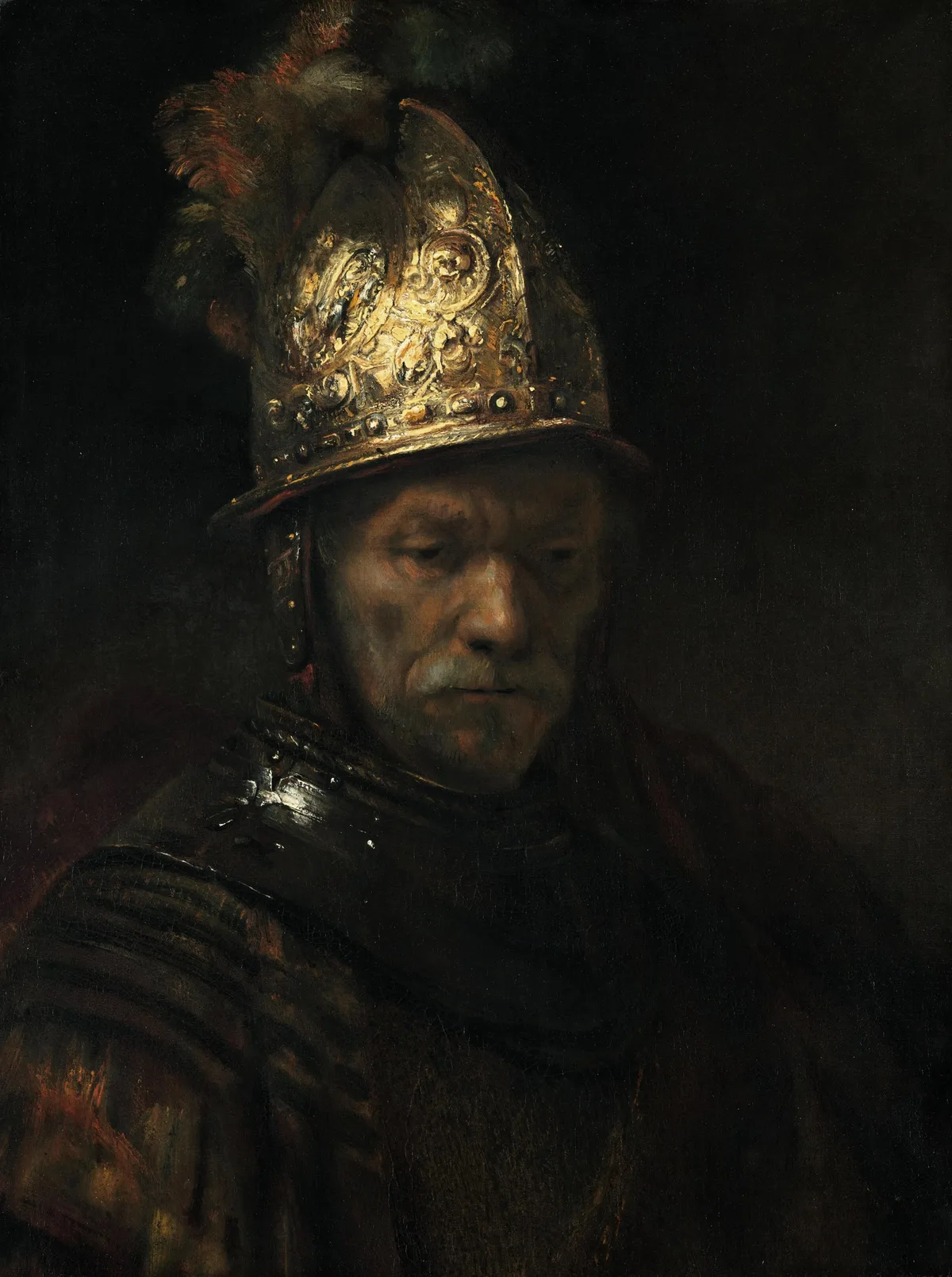
The rooms hold Rembrandts by the dozen and Vermeer's 'Woman with a Pearl Necklace', catching the light at a window. There is also the so-called 'Man with the Golden Helmet', a soldier's gleaming helmet emerging from shadow, admired for generations as a Rembrandt until close study in the 1980s reassigned it to a painter working in his circle. The museum kept it on the wall under its old nickname.
More articles
Collection
169 works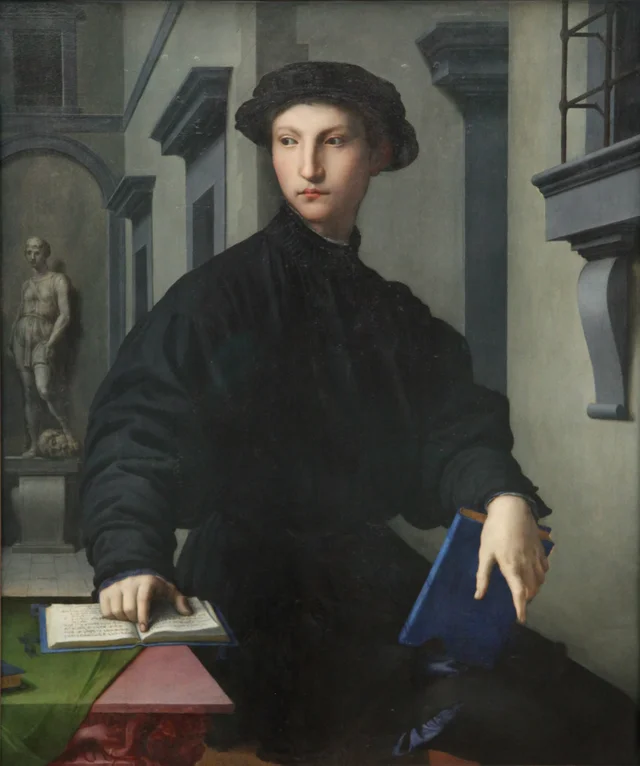 Portrait of Ugolino MartelliBronzino, 1536
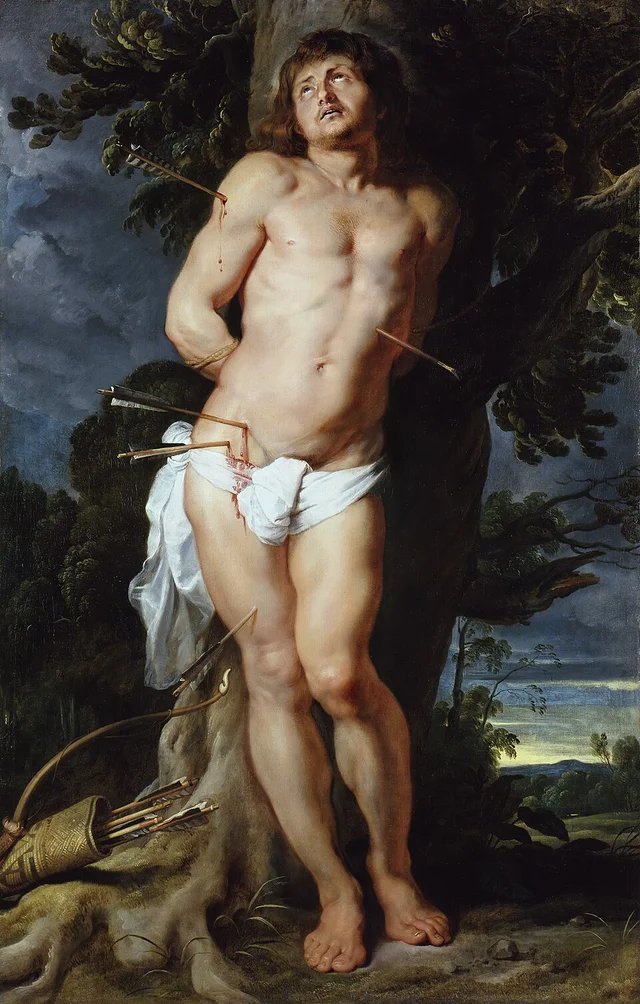 Saint SebastianPeter Paul Rubens, 1618
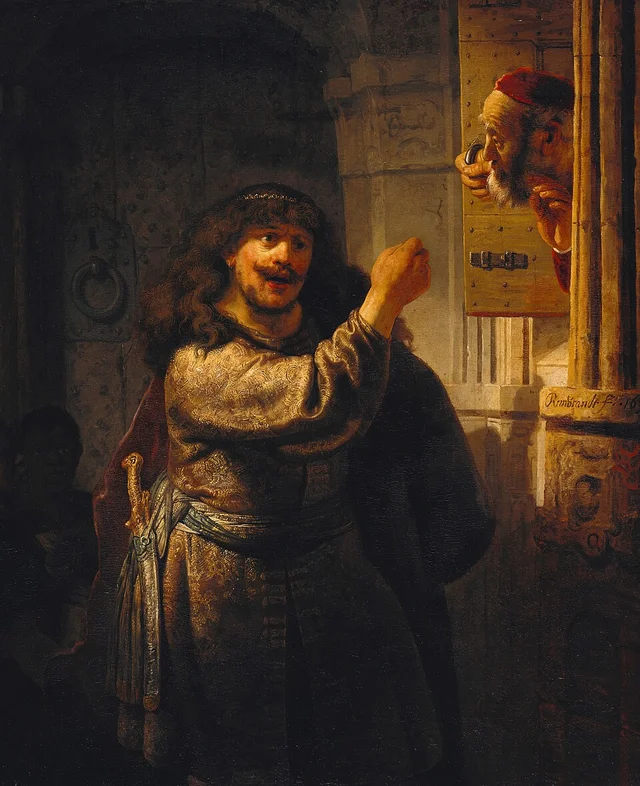 Samson threatens his father-in-lawRembrandt, 1635
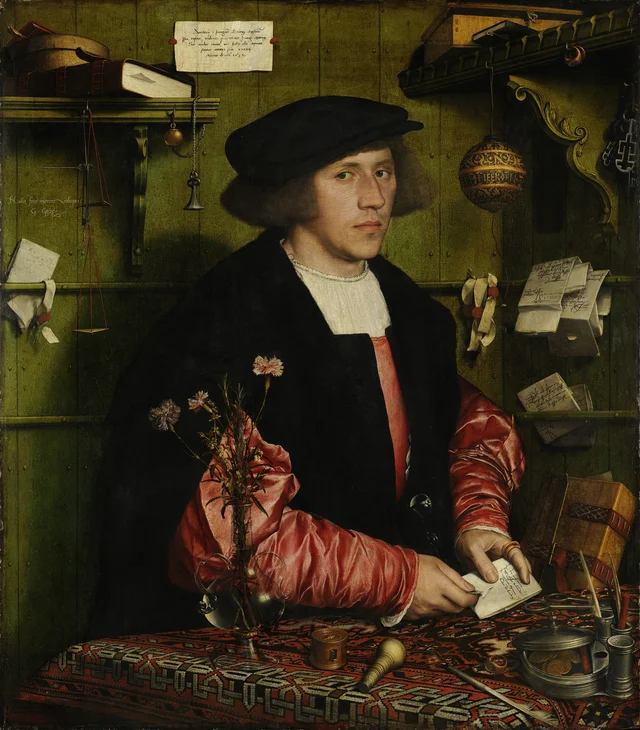 The Merchant Georg GiszeHans Holbein the Younger, 1532
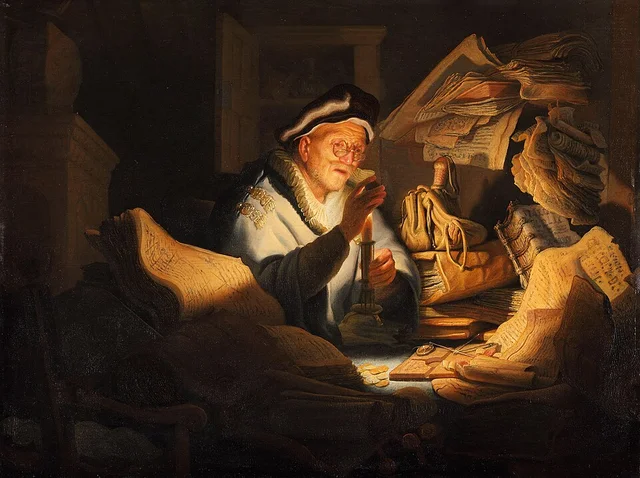 The Parable of the Rich FoolRembrandt, 1627
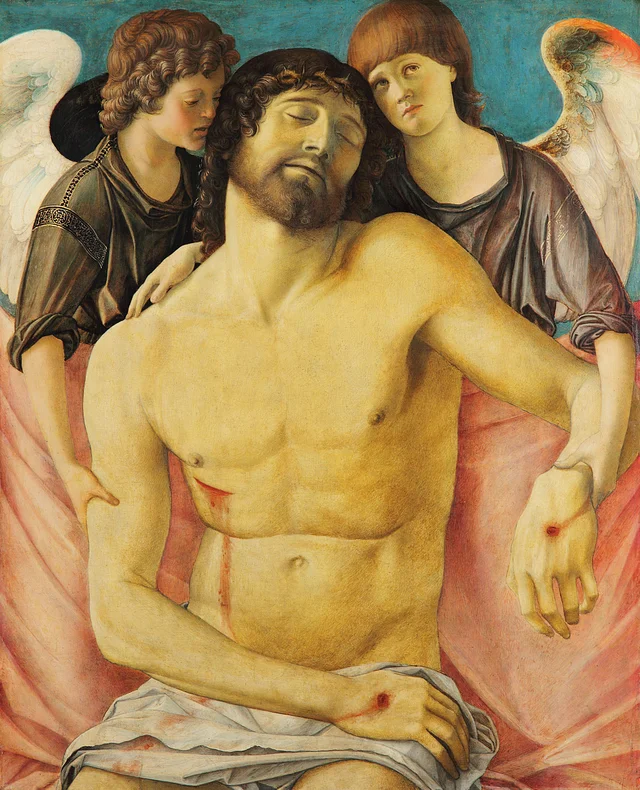 Dead Christ Supported by Two AngelsGiovanni Bellini, 1472
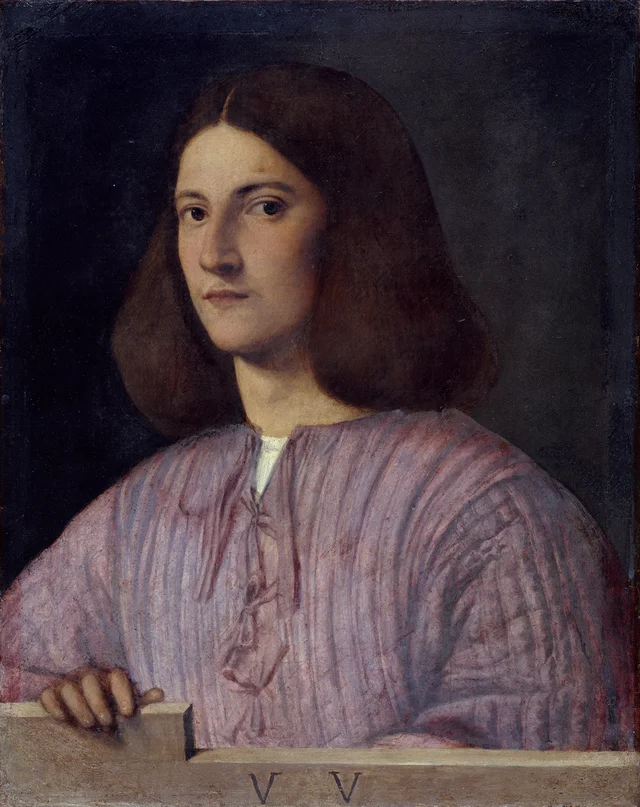 Giustiniani PortraitGiorgione, 1503
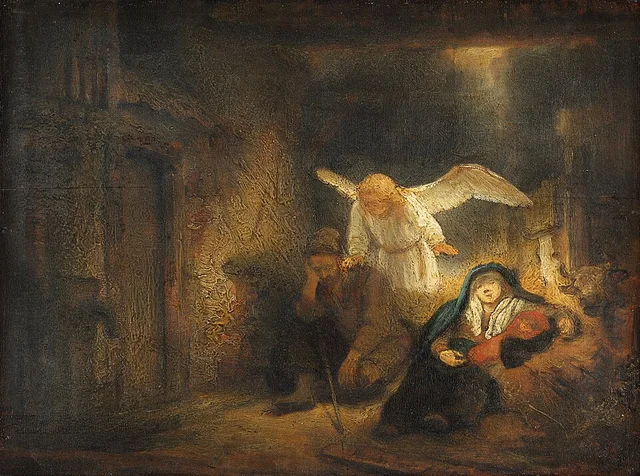 Joseph's dreamRembrandt, 1645
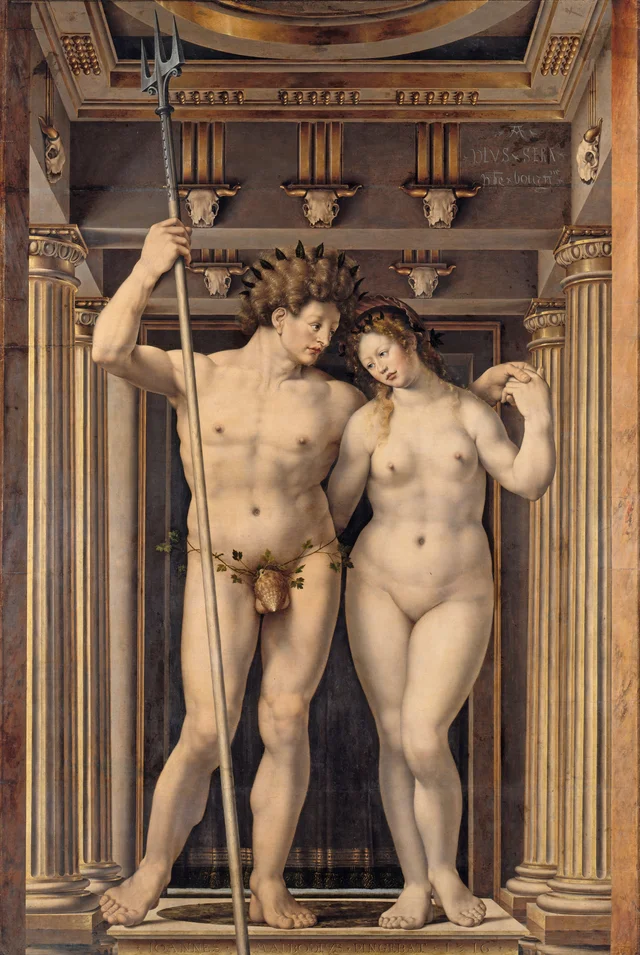 Neptune and AmphitriteJan Gossaert, 1516
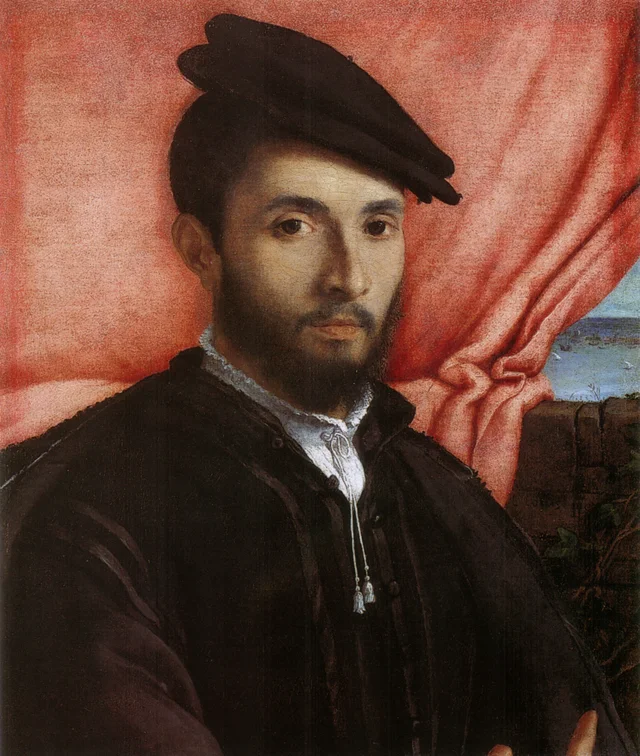 Portrait of a young ManLorenzo Lotto, 1526
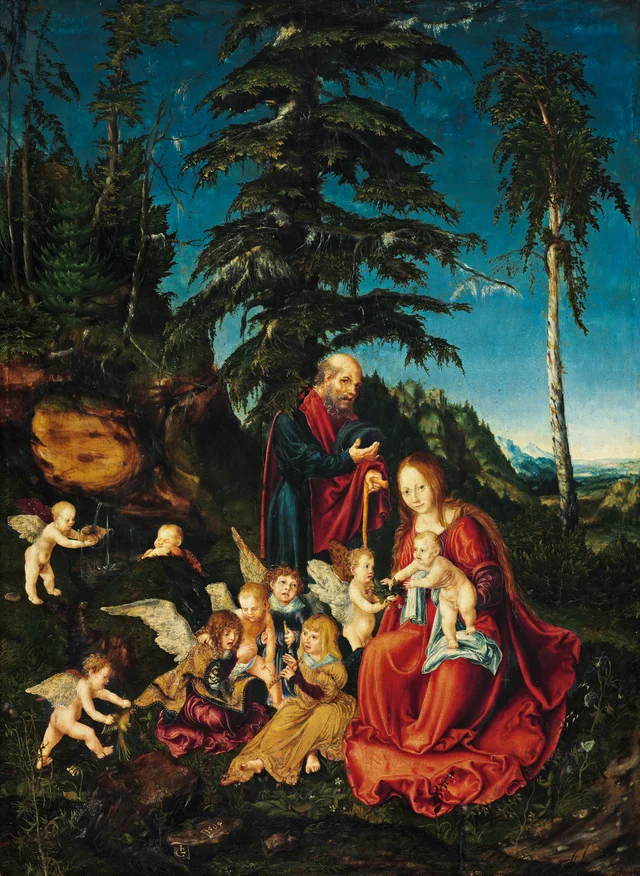 Rest on the Flight to EgyptLucas Cranach the Elder, 1504
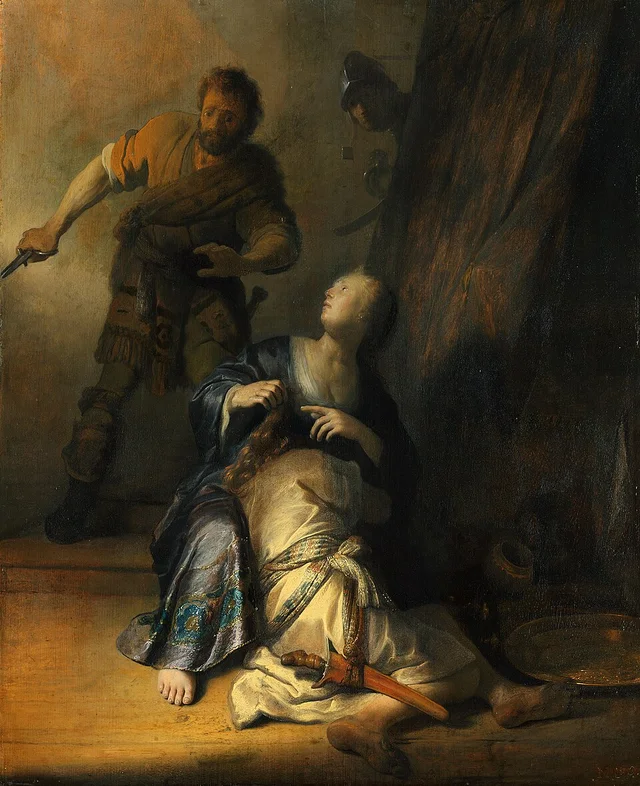 Samson betrayed by DelilahRembrandt, 1628
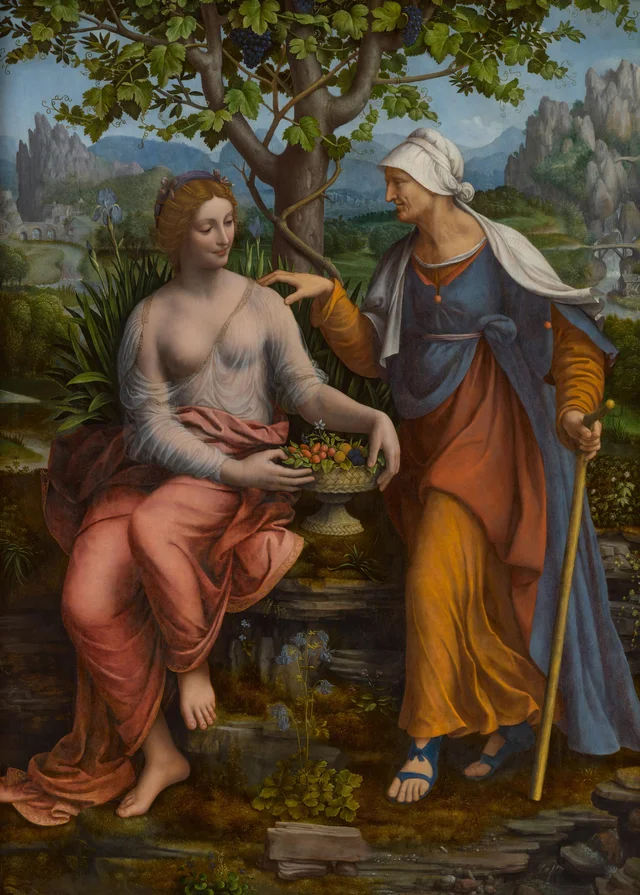 Vertumnus and PomonaFrancesco Melzi, 1523
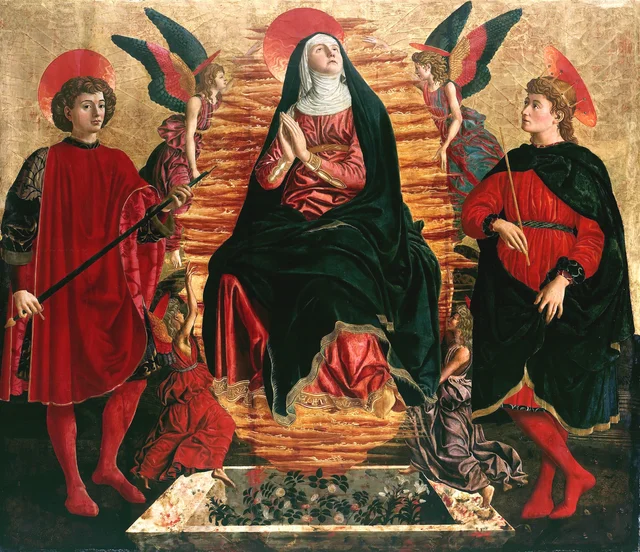 Assumption of the VirginAndrea del Castagno, 1449
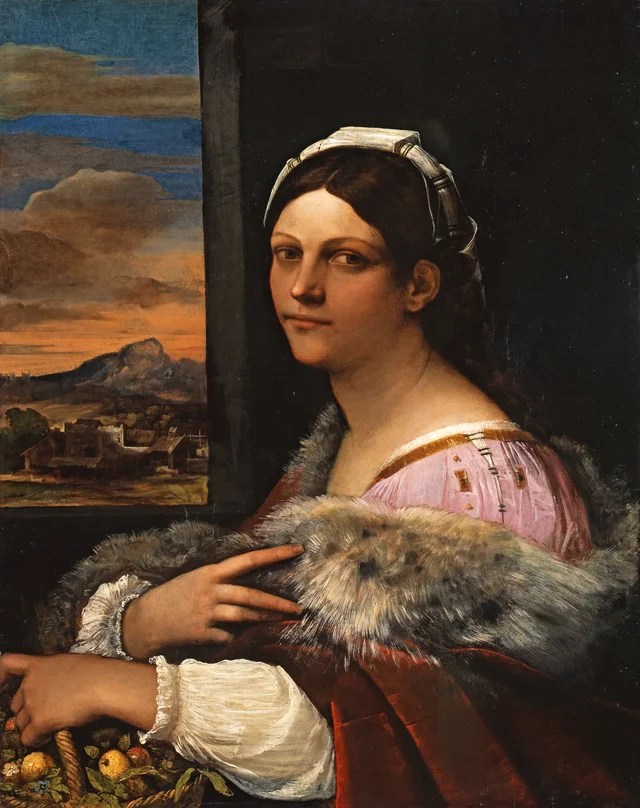 A Young Roman WomanSebastiano del Piombo, 1512
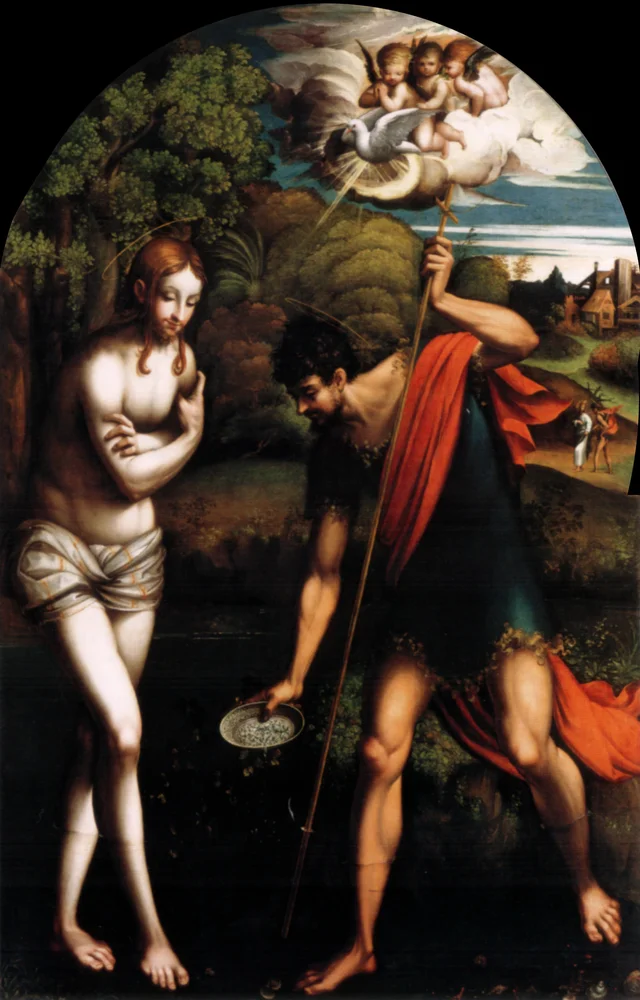 Baptism of ChristParmigianino, 1519
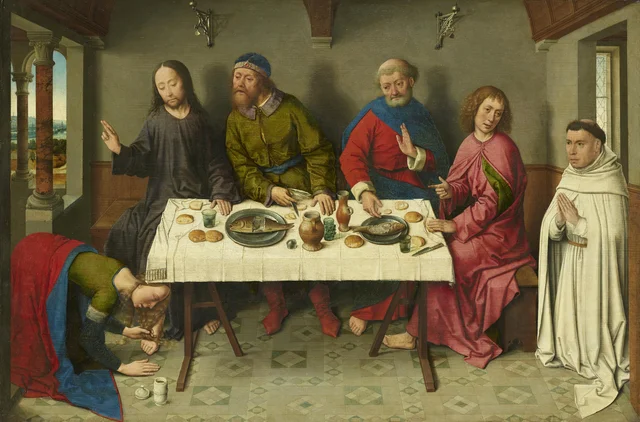 Christ in the house of the Pharisee SimonDieric Bouts, 1460
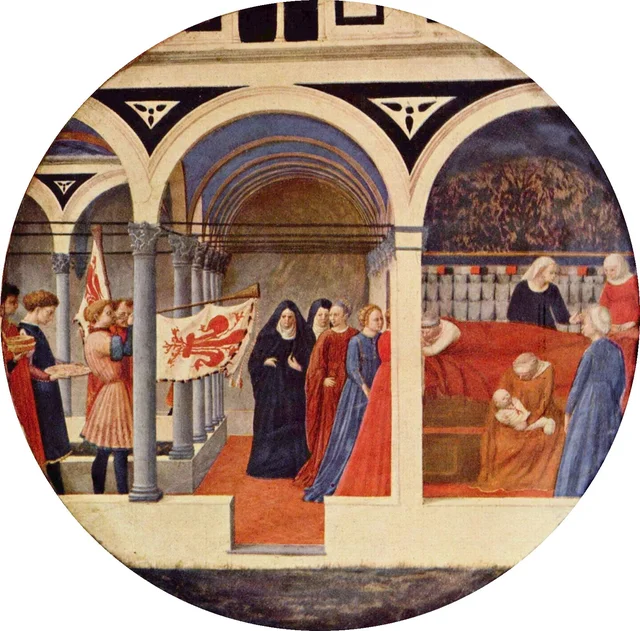 Desco da partoMasaccio, 1427
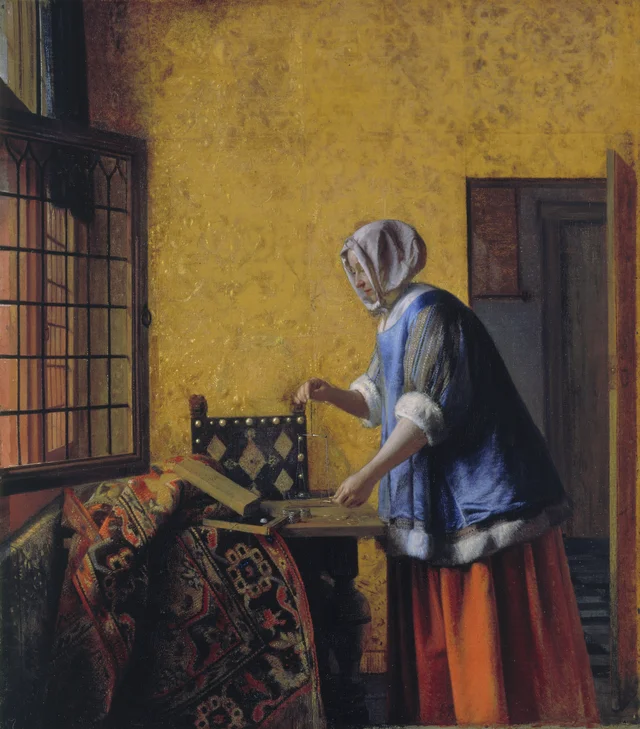 Interior with a Woman weighing Gold CoinPieter de Hooch, 1659
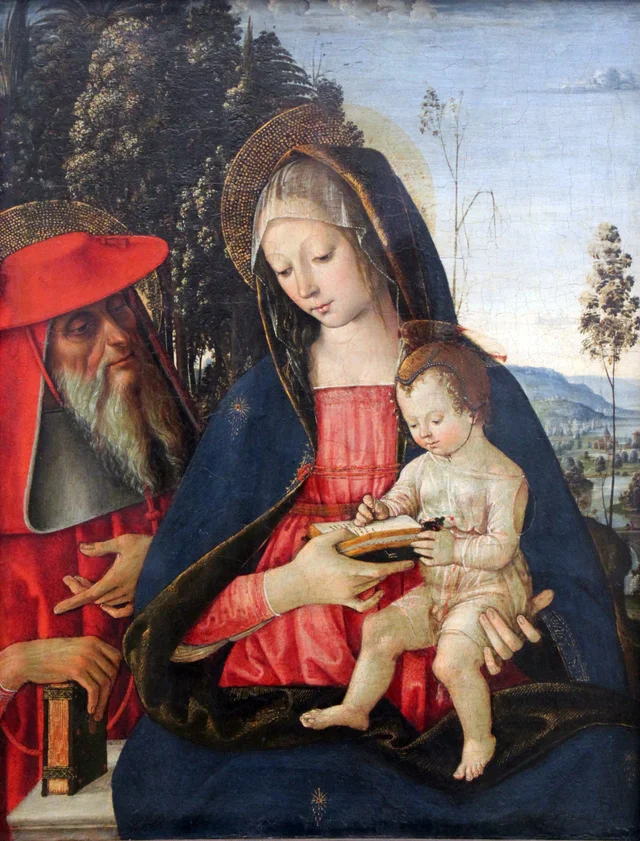 Madonna and Child with Saint JeromePinturicchio, 1480
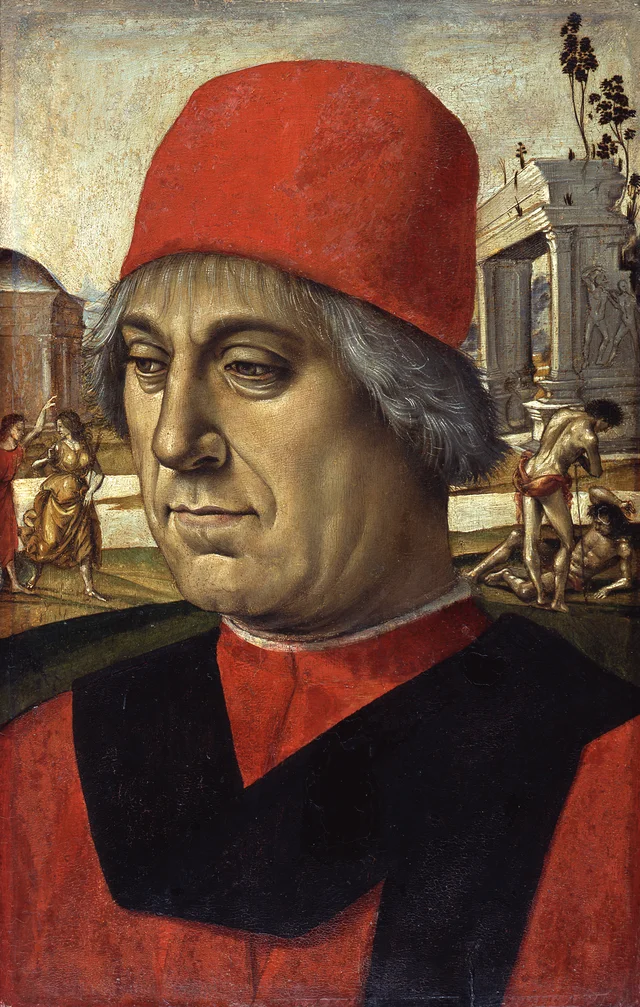 Portrait of a ManLuca Signorelli, 1492
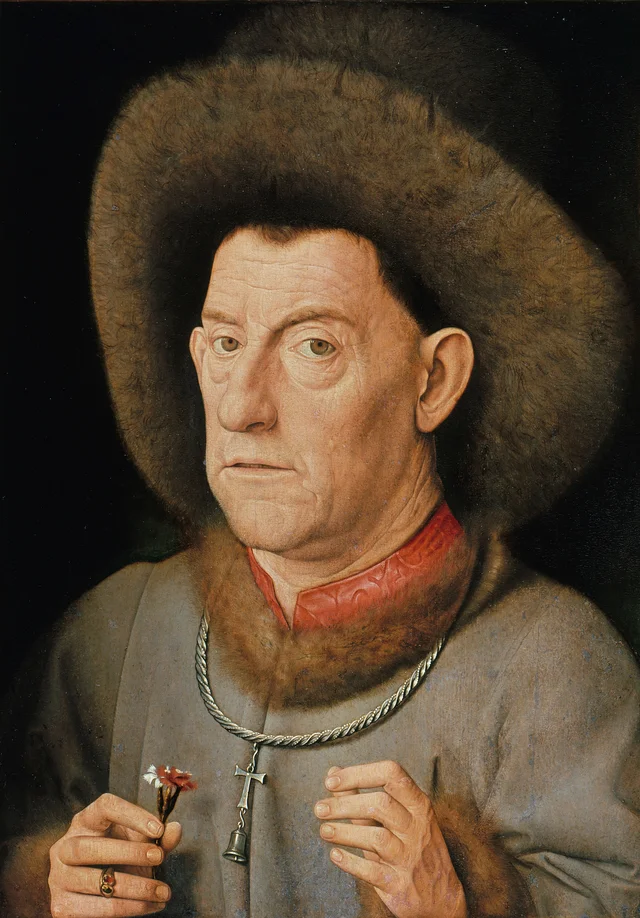 Portrait of a Man with CarnationJan van Eyck, 1435
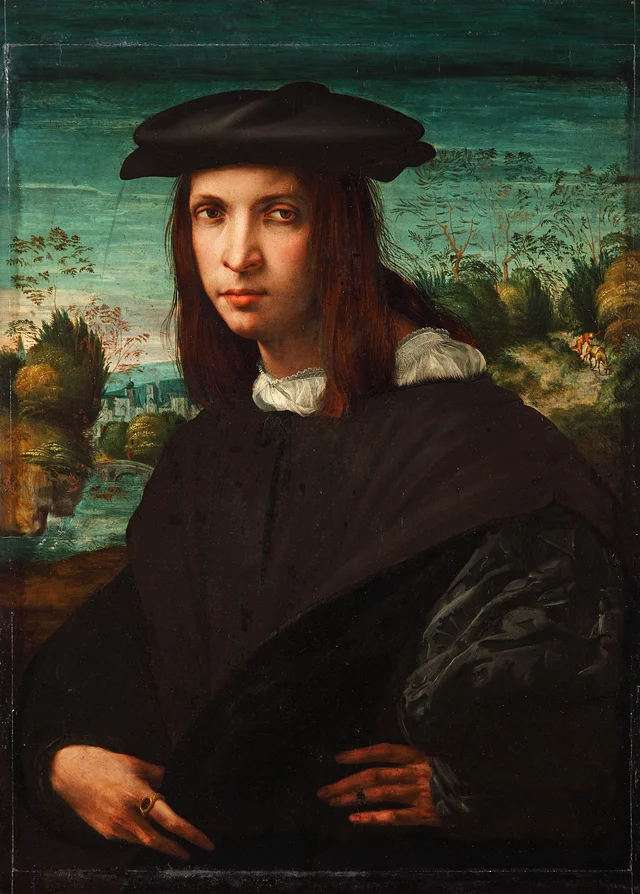 Portrait of a Young ManRosso Fiorentino, 1517
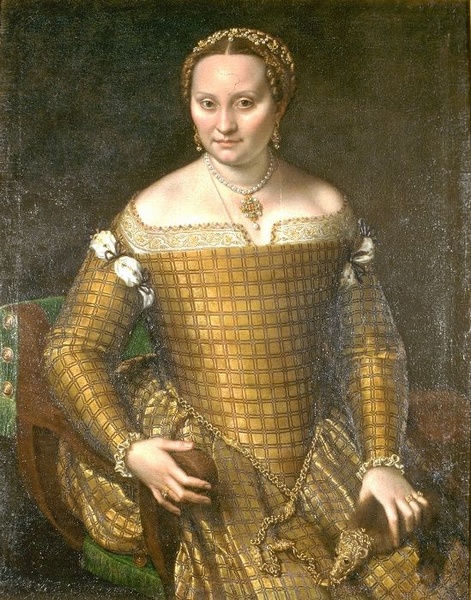 Portrait of Bianca Ponzoni AnguissolaSofonisba Anguissola, 1557
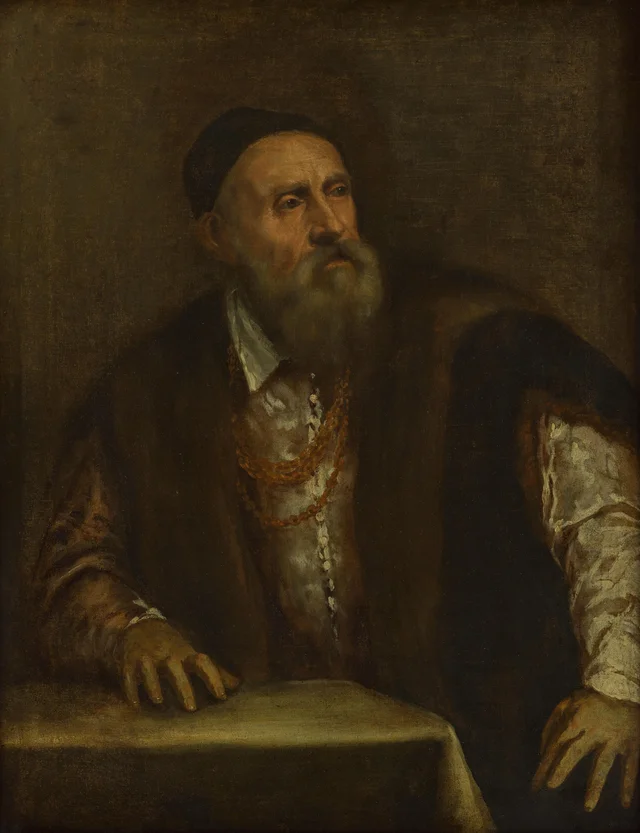 Self-PortraitTitian, 1550